Temperature Displays
Discover the perfect blend of functionality and style with our diverse range of temperature displays, designed to fit seamlessly into any environment. Whether you're looking to enhance your home, office, or outdoor space, these innovative devices offer a reliable way to keep track of the climate around you. With sleek designs and user-friendly interfaces, our selection makes it easy to monitor temperatures with precision and ease. Elevate your space with a temperature display that not only serves a practical purpose but also complements your decor effortlessly. Explore the possibilities and find the ideal solution for your temperature monitoring needs today!
Sort

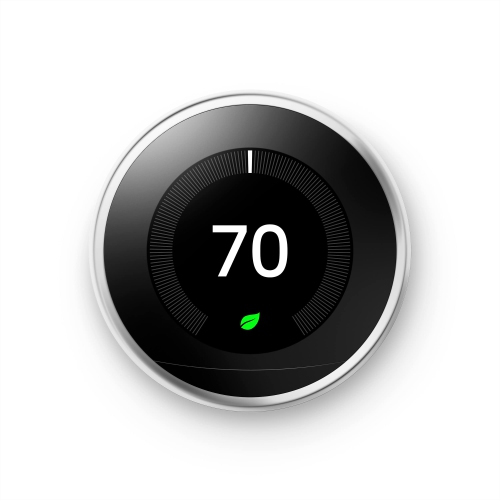
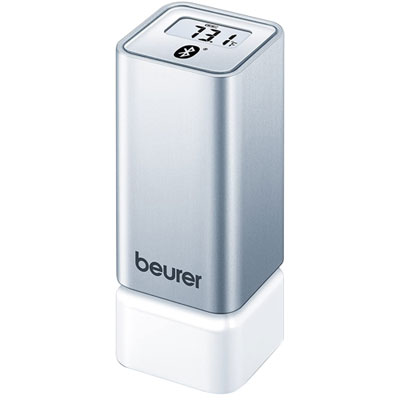
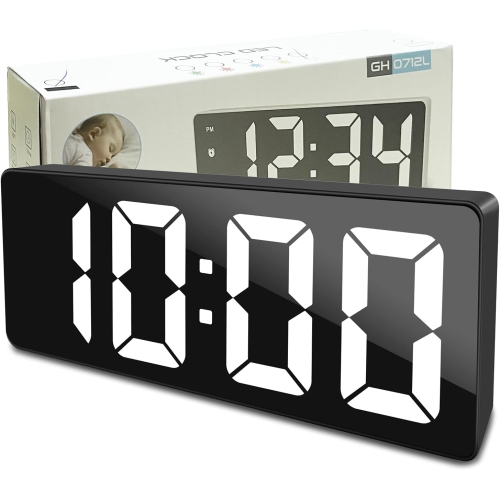

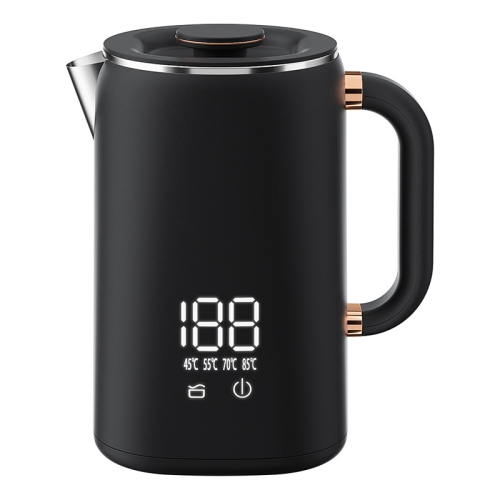
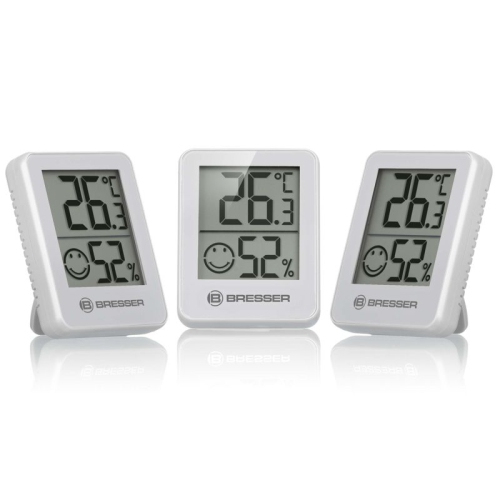
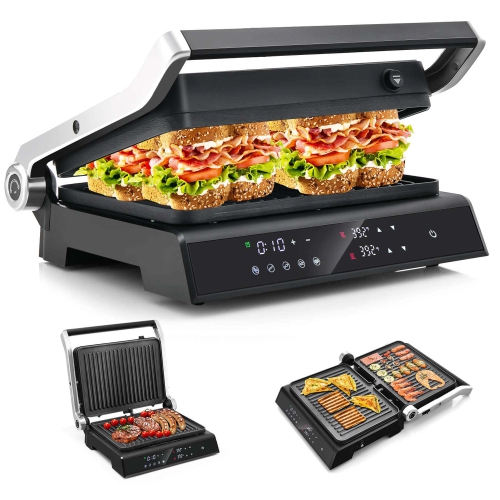

One screen can reveal comfort, weather, and system performance
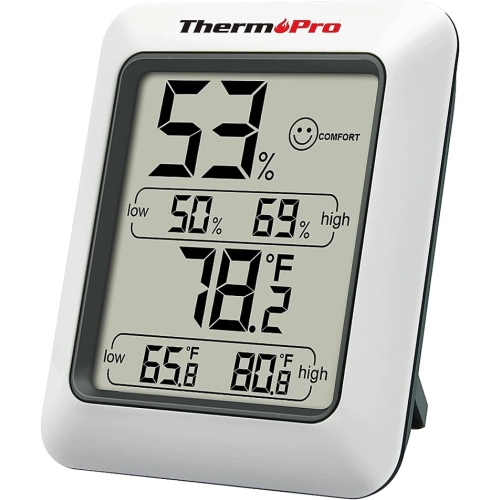
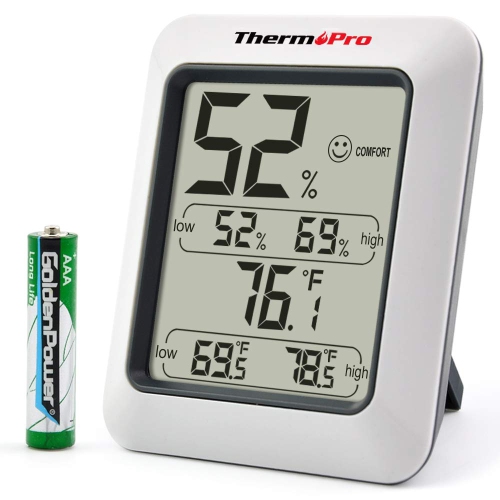
Temperature displays make it easier to understand the conditions around you at a glance, whether you are checking the comfort of a bedroom, watching the temperature outside, or keeping an eye on heat inside a computer system. These electronic screens show current readings in Celsius or Fahrenheit and can provide useful information beyond a single number. Depending on the design, a display may also show humidity, daily high and low records, trend arrows, the time, or readings from a remote sensor placed in another room or outdoors. A compact indoor monitor can sit on a desk, shelf, bedside table, nursery dresser, or kitchen counter, giving you a quick sense of whether the room feels cool, warm, dry, or humid before you adjust the thermostat or open a window. Wireless weather stations pair an indoor base display with an outdoor sensor, making it possible to check outside conditions without stepping onto a porch or looking through a frosted window. Larger, brighter digital displays may be useful in workshops, garages, commercial spaces, greenhouses, kitchens, or other areas where numbers need to be readable from farther away. For computer enthusiasts, a small secondary screen can show CPU or GPU temperatures while a system is working through demanding games, creative applications, or other intensive tasks. The right display depends on where it will be installed, how far away it needs to be readable, and which measurements matter most in daily use.
When comparing temperature displays, begin with the type of information you want to see and how you plan to use it. A basic indoor model may be all that is needed for a home office or living room, while a wireless setup can provide a fuller picture of changing conditions around the property. Consider the display size, contrast, backlighting, viewing angle, and button layout, especially if you intend to read it from across a room or during the evening. A clear, uncluttered screen is helpful in a nursery or bedroom, where you may want to check the reading quietly without turning on a bright light. For outdoor monitoring, look for a design with a suitable transmission range and a remote sensor that can be positioned in an appropriate sheltered location. Walls, floors, metal structures, and other obstructions can affect wireless communication, so placement is an important part of getting dependable readings. Memory functions that record high and low temperatures can help reveal how much conditions change between daytime and overnight, while trend indicators show whether the temperature is rising, falling, or holding steady. Switching between Celsius and Fahrenheit is especially useful in Canadian homes with visitors, family members, or information that uses different units. Some households also pair a display with separate Temperature Sensors to monitor more than one area, such as a basement, nursery, wine storage area, greenhouse, or equipment room. Check power requirements before choosing a location, including whether the display uses batteries, a wall adapter, or a combination of both. Battery-powered designs are convenient for shelves and areas without a nearby outlet, while plugged-in models can be practical when the screen is intended to remain in one fixed position.
Temperature displays can become part of a simple daily routine for many different people. Someone working from home may use one to notice a stuffy office before concentration starts to fade, while a cook or baker may appreciate a quick reading in a kitchen that becomes noticeably warmer during meal preparation. During the cooler months, a display near an entryway can show how sharply the outdoor temperature has changed before everyone heads out, and a reading beside a garage or workshop can help determine whether an area is comfortable for a project. As the weather warms, outdoor readings can make it easier to plan gardening, recreation, errands, or time spent on a patio without relying only on a general forecast. Parents and caregivers may find an easy-to-read screen useful for keeping track of room conditions, and older adults may appreciate large digits and straightforward controls. These displays can also make thoughtful gifts for a new homeowner, a student settling into a dorm or apartment, a hobbyist building a workshop, or a relative who enjoys keeping an eye on local weather patterns. For a computer builder or gaming enthusiast, a small temperature screen adds practical information to a desk setup and can make system performance easier to observe while applications are running. When selecting one as a gift, consider the recipient’s space, preferred measurement units, visibility needs, and interest in features such as humidity readings, historical records, remote sensing, or programmable alerts. Whether placed on a bedside table, mounted in a utility area, or positioned beside a computer, a well-chosen temperature display turns an otherwise easy-to-miss change in heat or cold into information that is visible, timely, and useful.
When comparing temperature displays, begin with the type of information you want to see and how you plan to use it. A basic indoor model may be all that is needed for a home office or living room, while a wireless setup can provide a fuller picture of changing conditions around the property. Consider the display size, contrast, backlighting, viewing angle, and button layout, especially if you intend to read it from across a room or during the evening. A clear, uncluttered screen is helpful in a nursery or bedroom, where you may want to check the reading quietly without turning on a bright light. For outdoor monitoring, look for a design with a suitable transmission range and a remote sensor that can be positioned in an appropriate sheltered location. Walls, floors, metal structures, and other obstructions can affect wireless communication, so placement is an important part of getting dependable readings. Memory functions that record high and low temperatures can help reveal how much conditions change between daytime and overnight, while trend indicators show whether the temperature is rising, falling, or holding steady. Switching between Celsius and Fahrenheit is especially useful in Canadian homes with visitors, family members, or information that uses different units. Some households also pair a display with separate Temperature Sensors to monitor more than one area, such as a basement, nursery, wine storage area, greenhouse, or equipment room. Check power requirements before choosing a location, including whether the display uses batteries, a wall adapter, or a combination of both. Battery-powered designs are convenient for shelves and areas without a nearby outlet, while plugged-in models can be practical when the screen is intended to remain in one fixed position.
Temperature displays can become part of a simple daily routine for many different people. Someone working from home may use one to notice a stuffy office before concentration starts to fade, while a cook or baker may appreciate a quick reading in a kitchen that becomes noticeably warmer during meal preparation. During the cooler months, a display near an entryway can show how sharply the outdoor temperature has changed before everyone heads out, and a reading beside a garage or workshop can help determine whether an area is comfortable for a project. As the weather warms, outdoor readings can make it easier to plan gardening, recreation, errands, or time spent on a patio without relying only on a general forecast. Parents and caregivers may find an easy-to-read screen useful for keeping track of room conditions, and older adults may appreciate large digits and straightforward controls. These displays can also make thoughtful gifts for a new homeowner, a student settling into a dorm or apartment, a hobbyist building a workshop, or a relative who enjoys keeping an eye on local weather patterns. For a computer builder or gaming enthusiast, a small temperature screen adds practical information to a desk setup and can make system performance easier to observe while applications are running. When selecting one as a gift, consider the recipient’s space, preferred measurement units, visibility needs, and interest in features such as humidity readings, historical records, remote sensing, or programmable alerts. Whether placed on a bedside table, mounted in a utility area, or positioned beside a computer, a well-chosen temperature display turns an otherwise easy-to-miss change in heat or cold into information that is visible, timely, and useful.
Top selling and popular products
-
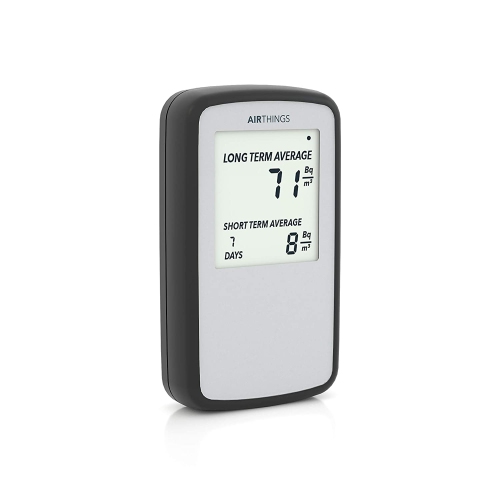 Your price for this item is $301.99
 -
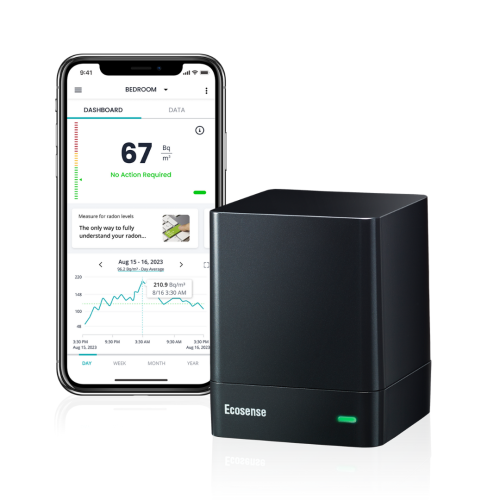 Your price for this item is $169
 -
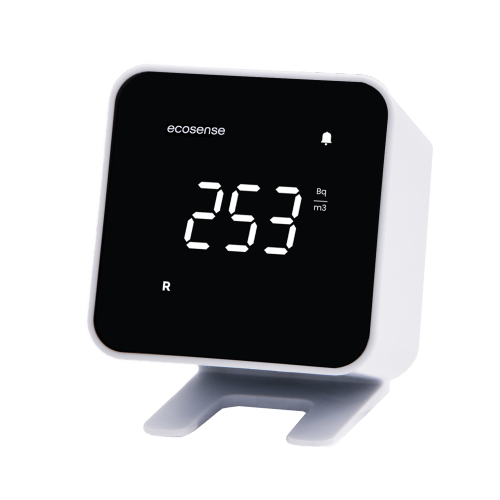 Your price for this item is $165
 -
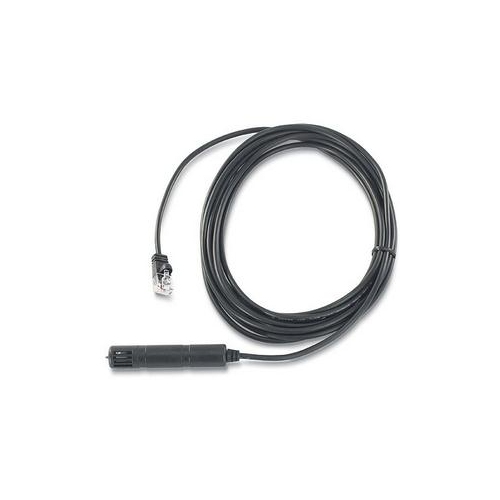 Your price for this item is $183.68
 -
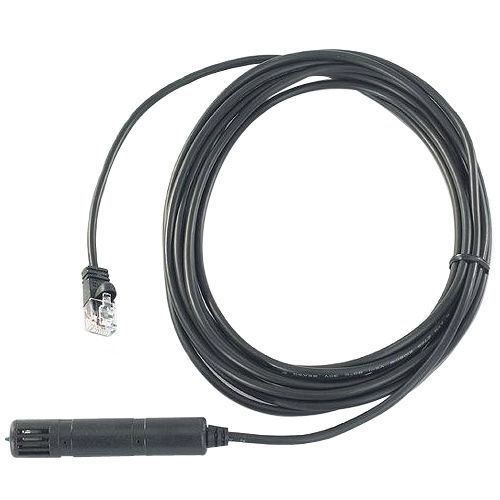 Your price for this item is $233.58
 -
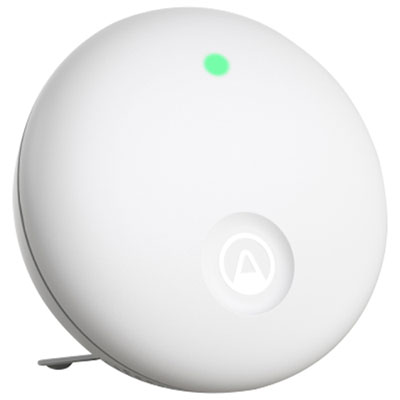 Your price for this item is $199.97
 -
 Your price for this item is $429.99
 -
 Your price for this item is $165
Discover more categories related to Temperature Displays
Top Collections:
Pokemon Centers, Kindle Devices, Best Cell Phones Under $500, Alarm Clock, Canon G7X Cameras, iPhone 15 Apple, Laptops for Students, Budget Smartphones, iPhone 14 256GB, Best Camera Tripods Under $100
Some products may be subject to Environmental Handling Fees
(EHF) depending on your province.
Learn more about EHFs.