Temperature Sensors
Discover the perfect solution for maintaining optimal conditions in your home or office with our range of temperature sensors. These innovative devices ensure you're always in control, providing accurate readings that help you monitor and adjust your environment effortlessly. Whether you're looking to enhance energy efficiency, protect sensitive equipment, or simply boost comfort levels, a reliable temperature sensor is an essential tool. Explore options that seamlessly integrate into your smart home setup or function independently for versatile applications. Stay informed and keep your surroundings just right with the precision and convenience offered by modern temperature sensors.
Sort
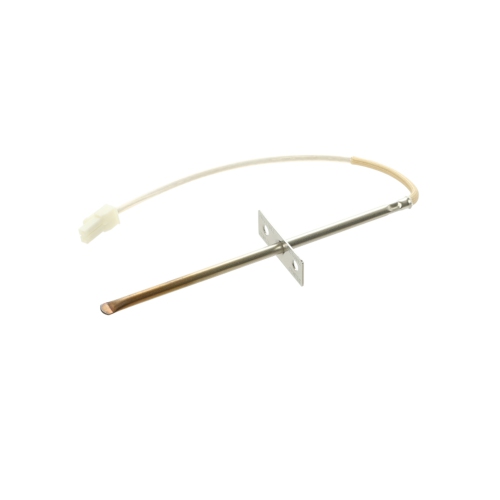
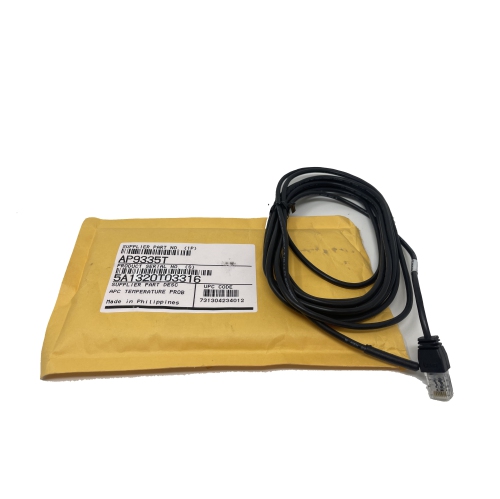
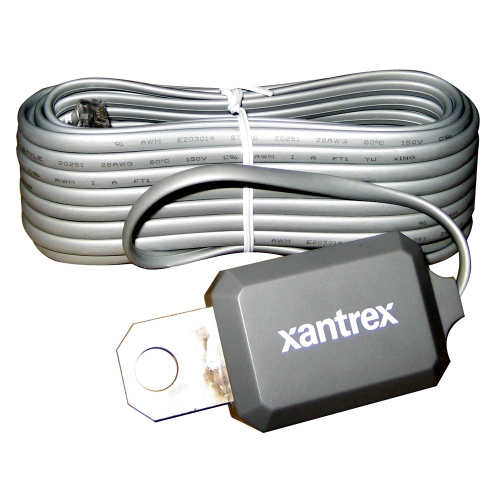
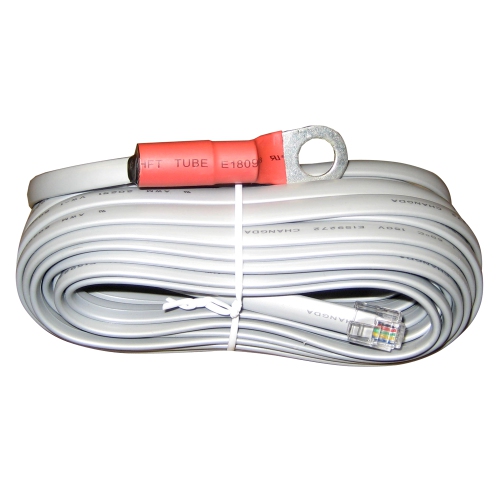
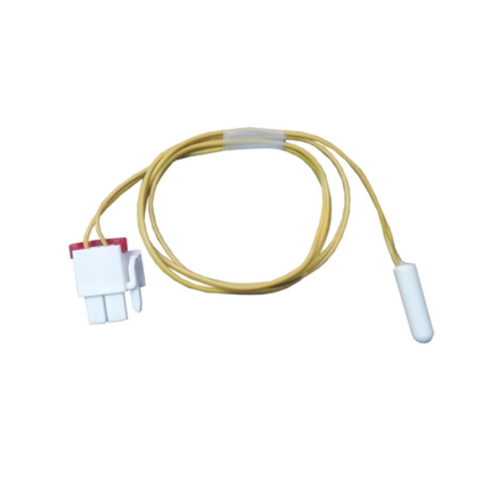
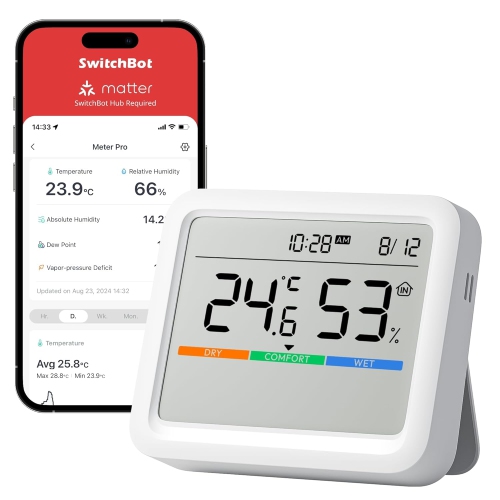
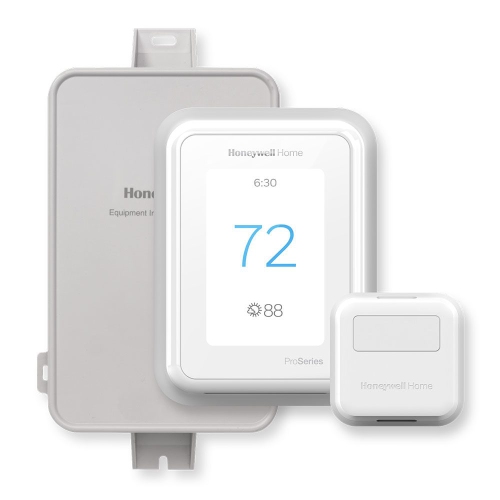
Reliable temperature monitoring across everyday and technical applications
Temperature sensors detect changes in heat and convert them into an electrical signal that can be displayed, recorded, or used to trigger another action. They are used in far more places than many people realize: inside appliances, heating and cooling systems, vehicles, manufacturing equipment, electronics projects, food storage environments, and connected home setups. The right sensor depends on what needs to be measured, how quickly the temperature may change, and the conditions surrounding the sensing point. Some sensors are designed for broad temperature ranges and demanding environments, while others are intended for close monitoring in a room, enclosure, appliance, or small project. Before choosing, consider the expected temperature range, the level of accuracy required, the response time, the physical size of the sensor, and how it will connect to the equipment receiving the measurement. It is also important to check whether the sensor is intended for direct contact, air temperature, surface temperature, liquid temperature, or use inside a particular device. A sensor that works well for monitoring a room may not be suitable for an engine compartment, heating element, laboratory setup, or high-temperature process. Reviewing the specifications carefully can help ensure that the sensing element, wiring, connector, and output signal are compatible with the system where it will be installed.
Different sensor technologies suit different tasks. Thermocouples join two different metals and produce a small voltage when their temperature changes. They are valued for their wide operating range, quick response, and ability to work in very hot or very cold environments, making them common in ovens, furnaces, industrial equipment, and technical projects. Resistance temperature detectors, commonly called RTDs, use the predictable change in electrical resistance of a material such as platinum. They are often selected when dependable accuracy and repeatable readings matter, including in process control, laboratory equipment, and precision monitoring. Thermistors use ceramic or polymer materials whose resistance changes significantly with relatively small temperature shifts. Because they are sensitive and typically compact, they can be useful in appliances, battery systems, chargers, HVAC equipment, and electronic circuits where close monitoring is needed. Semiconductor temperature sensors rely on electronic components and tiny voltage changes to measure temperature. They are frequently incorporated into digital devices, control boards, smart home accessories, and compact monitoring systems. When comparing options, look beyond the sensor type and check the measurement range, stated accuracy, calibration requirements, probe construction, cable length, environmental protection, and output format. Analogue sensors may provide a changing voltage or resistance that must be interpreted by a controller, while digital models may communicate through a specific interface. Installation details matter as well: a probe may need to be secured against a surface, suspended in air, inserted into a fitting, or positioned away from heat generated by nearby electronics.
Temperature sensors can support everyday comfort, preventive maintenance, troubleshooting, and automation. In a home, they may help monitor a nursery, basement, garage, attic, server area, refrigerator, freezer, or room with uneven heating. Paired with compatible controls, a sensor can help a heating or cooling system respond to conditions in a particular area rather than relying only on a thermostat mounted elsewhere. During the cooler months, monitoring temperatures in less frequently used spaces can help identify unusual drops before stored items, pipes, or equipment are affected. In kitchens and food-related applications, temperature readings can help track cooking equipment, storage conditions, and refrigeration performance, although the sensor must be specifically suited to the intended food-safety application. Vehicle and equipment owners may encounter temperature sensors in cooling systems, climate controls, battery packs, and engine management systems. A replacement or project sensor should match the original specification, including its resistance curve, connector, thread, probe dimensions, and operating range; a similar-looking part is not necessarily electrically interchangeable. For electronics hobbyists, makers, students, and repair enthusiasts, sensors can provide a practical way to learn about circuits, data logging, automation, and feedback control. They may be connected to a display, alarm, controller, or smart home platform to show gradual changes, record temperature over time, or activate another device at a chosen threshold. People who enjoy home projects may appreciate temperature sensors as useful additions to ventilation systems, brewing equipment, workshops, aquariums, plant-growing setups, or weather-monitoring projects, provided the sensor is appropriate for the environment and the installation follows the manufacturer’s instructions. For health-related temperature checks, a dedicated [Temperature Measurement Devices] category may be more suitable than a general-purpose electronic sensor, since personal temperature measurement calls for equipment designed specifically for that use. As a practical gift, a compact monitoring sensor can be helpful for a technically minded homeowner, a student building a first electronics project, or someone setting up a connected home, but the recipient’s equipment and intended application should guide the choice. Whether the goal is a clearer view of room conditions, more reliable equipment monitoring, or a hands-on automation project, selecting a sensor with the correct range, accuracy, connection, and installation method is the best starting point.
Different sensor technologies suit different tasks. Thermocouples join two different metals and produce a small voltage when their temperature changes. They are valued for their wide operating range, quick response, and ability to work in very hot or very cold environments, making them common in ovens, furnaces, industrial equipment, and technical projects. Resistance temperature detectors, commonly called RTDs, use the predictable change in electrical resistance of a material such as platinum. They are often selected when dependable accuracy and repeatable readings matter, including in process control, laboratory equipment, and precision monitoring. Thermistors use ceramic or polymer materials whose resistance changes significantly with relatively small temperature shifts. Because they are sensitive and typically compact, they can be useful in appliances, battery systems, chargers, HVAC equipment, and electronic circuits where close monitoring is needed. Semiconductor temperature sensors rely on electronic components and tiny voltage changes to measure temperature. They are frequently incorporated into digital devices, control boards, smart home accessories, and compact monitoring systems. When comparing options, look beyond the sensor type and check the measurement range, stated accuracy, calibration requirements, probe construction, cable length, environmental protection, and output format. Analogue sensors may provide a changing voltage or resistance that must be interpreted by a controller, while digital models may communicate through a specific interface. Installation details matter as well: a probe may need to be secured against a surface, suspended in air, inserted into a fitting, or positioned away from heat generated by nearby electronics.
Temperature sensors can support everyday comfort, preventive maintenance, troubleshooting, and automation. In a home, they may help monitor a nursery, basement, garage, attic, server area, refrigerator, freezer, or room with uneven heating. Paired with compatible controls, a sensor can help a heating or cooling system respond to conditions in a particular area rather than relying only on a thermostat mounted elsewhere. During the cooler months, monitoring temperatures in less frequently used spaces can help identify unusual drops before stored items, pipes, or equipment are affected. In kitchens and food-related applications, temperature readings can help track cooking equipment, storage conditions, and refrigeration performance, although the sensor must be specifically suited to the intended food-safety application. Vehicle and equipment owners may encounter temperature sensors in cooling systems, climate controls, battery packs, and engine management systems. A replacement or project sensor should match the original specification, including its resistance curve, connector, thread, probe dimensions, and operating range; a similar-looking part is not necessarily electrically interchangeable. For electronics hobbyists, makers, students, and repair enthusiasts, sensors can provide a practical way to learn about circuits, data logging, automation, and feedback control. They may be connected to a display, alarm, controller, or smart home platform to show gradual changes, record temperature over time, or activate another device at a chosen threshold. People who enjoy home projects may appreciate temperature sensors as useful additions to ventilation systems, brewing equipment, workshops, aquariums, plant-growing setups, or weather-monitoring projects, provided the sensor is appropriate for the environment and the installation follows the manufacturer’s instructions. For health-related temperature checks, a dedicated [Temperature Measurement Devices] category may be more suitable than a general-purpose electronic sensor, since personal temperature measurement calls for equipment designed specifically for that use. As a practical gift, a compact monitoring sensor can be helpful for a technically minded homeowner, a student building a first electronics project, or someone setting up a connected home, but the recipient’s equipment and intended application should guide the choice. Whether the goal is a clearer view of room conditions, more reliable equipment monitoring, or a hands-on automation project, selecting a sensor with the correct range, accuracy, connection, and installation method is the best starting point.
Top selling and popular products
-
 Your price for this item is $30.62
 -
 Your price for this item is $30.54
 -
 Your price for this item is $43.31
 -
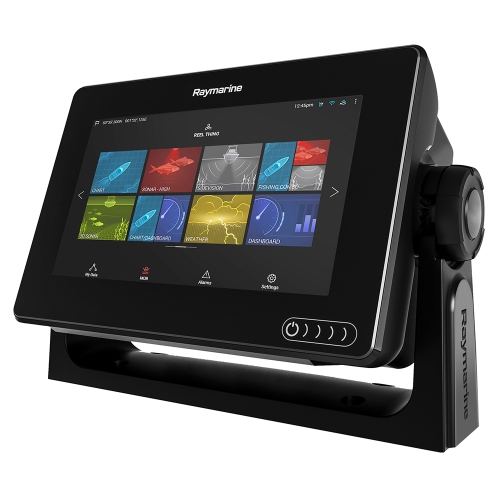 Your price for this item is $844.91
 -
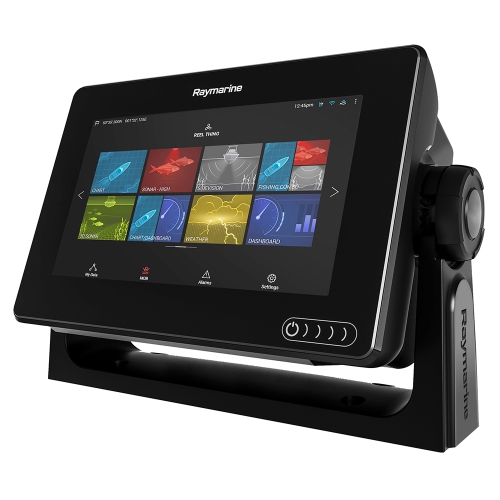 Your price for this item is $909.33
 -
 Your price for this item is $30.65
 -
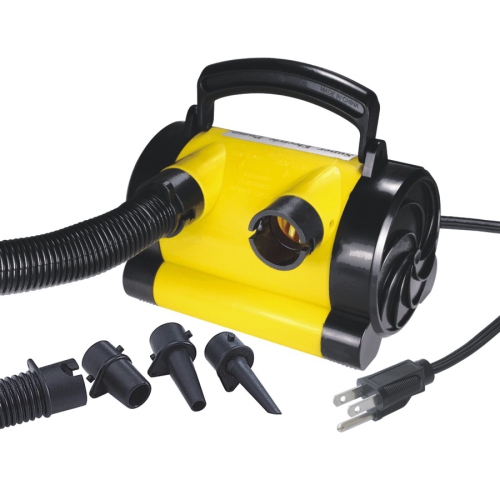 Your price for this item is $65.23
 -
 Your price for this item is $213.56
Discover more categories related to Temperature Sensors

Top Collections:
Pokemon Centers, Kindle Devices, Best Cell Phones Under $500, Alarm Clock, Canon G7X Cameras, iPhone 15 Apple, Laptops for Students, Budget Smartphones, iPhone 14 256GB, Best Camera Tripods Under $100
Some products may be subject to Environmental Handling Fees
(EHF) depending on your province.
Learn more about EHFs.