Thermostat Electronique
Thermostat Electronique offers a modern solution for managing home comfort with precision and convenience. Designed to seamlessly integrate into various living spaces, these thermostats provide an easy way to control indoor temperatures according to your preferences. Whether upgrading your current system or outfitting a new space, explore a wide selection of Thermostat Electronique options to find the perfect fit for your needs. Enjoy enhanced comfort and effortless temperature management with the latest in electronic thermostat technology.
Sort
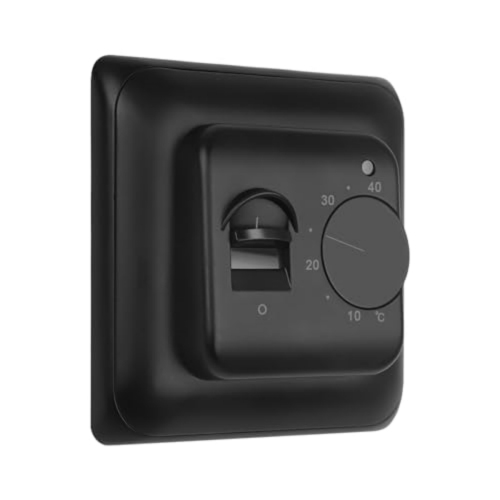
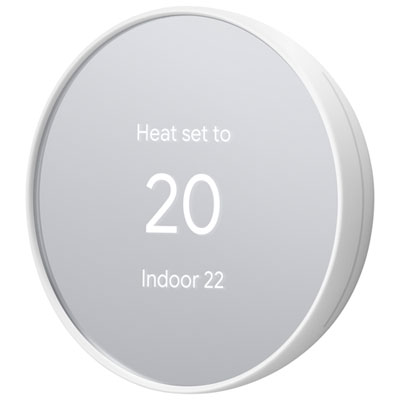
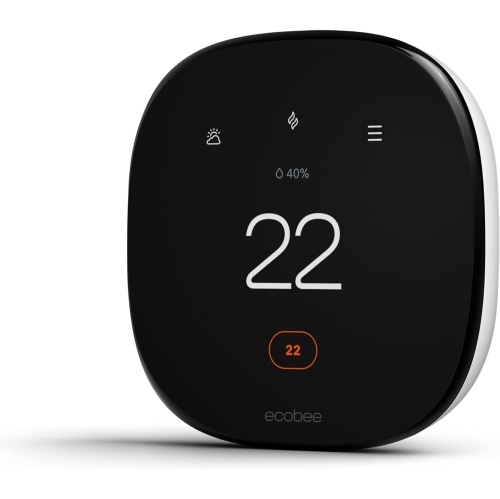
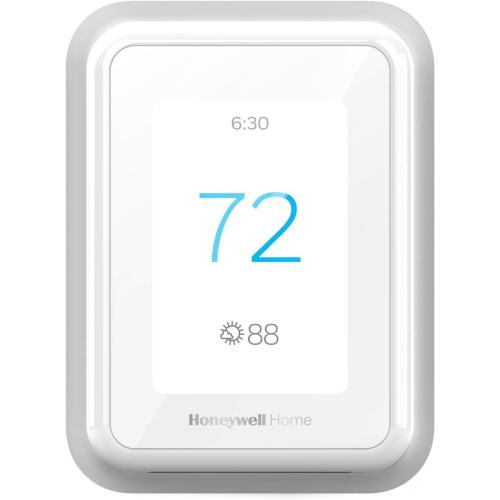
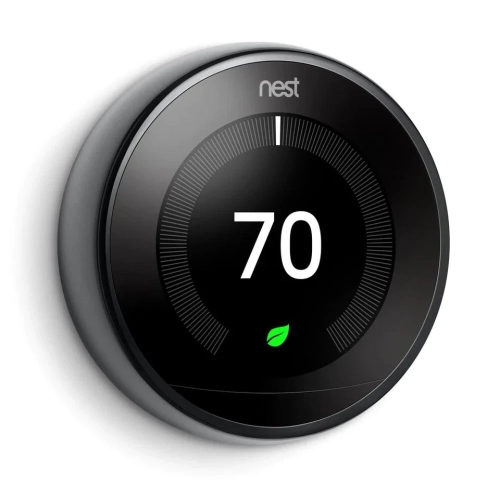

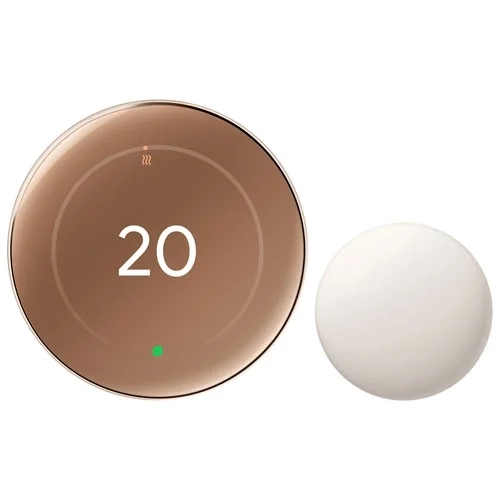
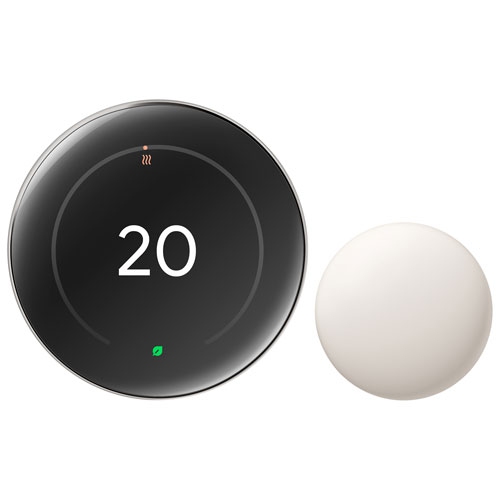
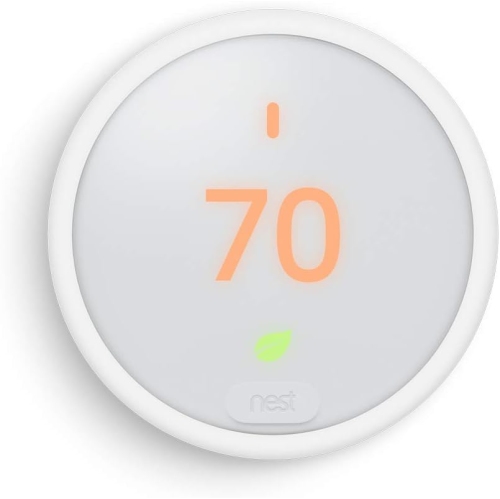

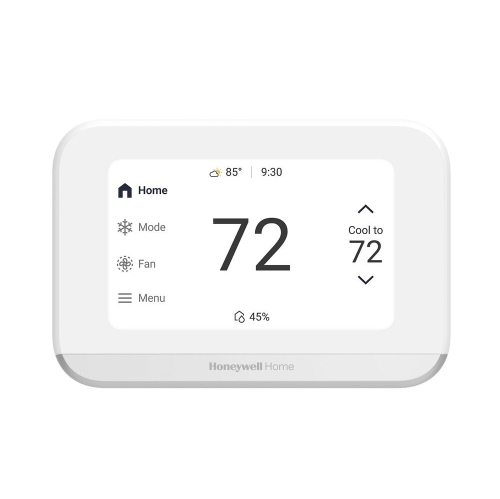
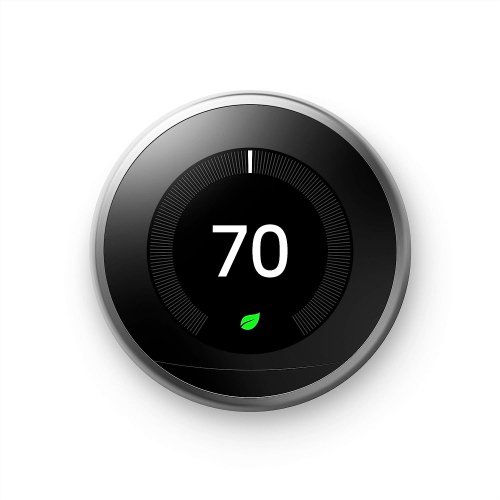

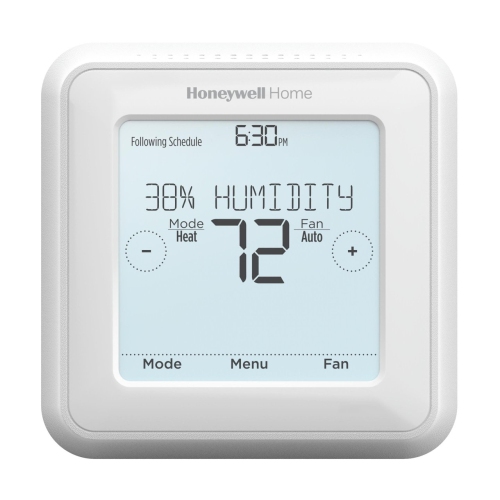
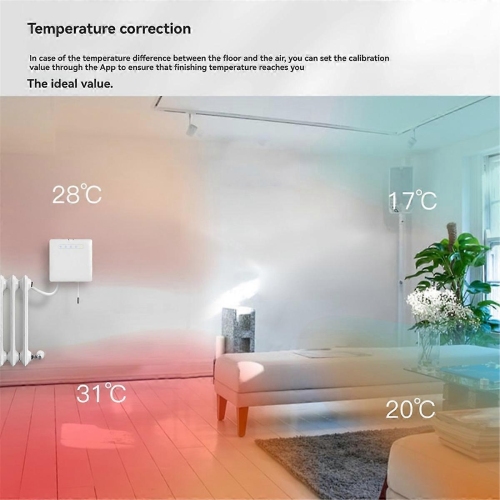
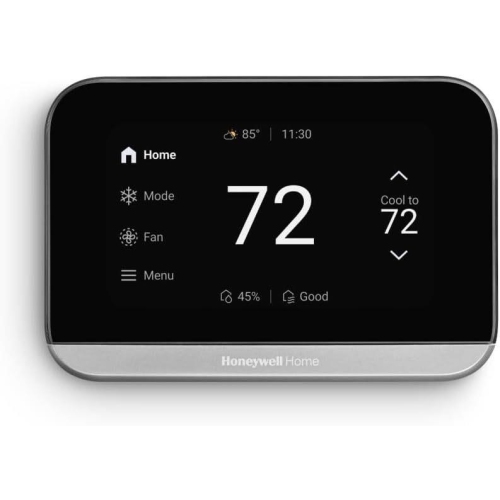
Temperature control that suits your system and routine
Electronic thermostats use electronic sensors to measure room temperature and control a compatible heating or cooling system according to a selected setting. Depending on the system, they either switch electrical power to a heater or send control signals to heating and cooling equipment. This helps maintain a more consistent indoor temperature than some older mechanical controls, although performance also depends on thermostat placement, the heating equipment, and the room itself. A digital display makes the selected temperature easy to see, while buttons, dials, or touch controls provide different ways to make adjustments. Basic electronic thermostats suit spaces where a straightforward, manually adjusted setting is all that is needed. Programmable versions add scheduled temperature changes, making them useful for households with regular work hours, school routines, or predictable bedtimes. A bedroom can have a different scheduled setting from a home office, provided each space has a separately controlled heating zone. Smart thermostats add connected features that may include app access, usage information, and integration with compatible home automation systems. Remote access can be convenient when plans change, but supported functions vary, and some require an internet connection or additional equipment. Electronic control can also help limit unnecessary heating when paired with suitable settings and a schedule that reflects how a space is used. Any change in electricity or fuel consumption depends on the previous settings, the building, and the heating system; a digital display alone does not guarantee lower consumption. For everyday comfort, the most useful features are often practical ones: readable numbers from across the room, an obvious adjustment control, and a clear indication of whether heating is active. Households with several users may appreciate a simple interface that makes temporary adjustments easy without accidentally changing the full weekly schedule. Electronic thermostats offer options for both hands-on control and more automated routines, with compatibility remaining the foundation of reliable operation.
The distinction between line-voltage and low-voltage thermostats is especially important because they serve different types of equipment and are not interchangeable. Line-voltage thermostats are commonly used with electric baseboard heaters and certain electric convectors or other resistance heaters. Their voltage rating, switching arrangement, and maximum supported electrical load must match the connected heating circuit. A room with several heaters on one thermostat requires compatibility with the combined load, not just one heater. Low-voltage thermostats commonly control central furnaces, air conditioners, and some heat pumps, but the wiring and supported operating modes still need to match the equipment. Heat pumps may require controls for auxiliary heat, multiple stages, or a reversing valve, while other systems have their own control requirements. Hydronic heating can involve different valves, pumps, and control arrangements, so the presence of radiators does not establish thermostat compatibility by itself. Electric floor heating may require a floor sensor and temperature-limiting functions specified for the installation. These details matter more than whether the thermostat looks similar to the existing wall control. The number of visible wires alone is not enough to confirm a match, and wire colours are not a dependable substitute for terminal labels and equipment documentation. Some connected thermostats require a common wire or another approved power arrangement, while others use batteries or a different supported power source. Hardwired installation, particularly on line-voltage circuits, is work for a qualified electrical professional. Appropriate Canadian electrical safety certification and clear installation documentation are important considerations alongside the feature list. Placement also affects temperature sensing: direct sunlight, nearby lamps, draughts, and heat rising from electronics can cause readings that do not represent the occupied area. An unobstructed location suited to the installation helps the thermostat respond to the room rather than a small pocket of unusually warm or cool air. In homes with multiple heating zones, compatible controls for each zone allow more meaningful room-by-room adjustments than a single setting intended to represent the whole home.
Physical size, display design, and daily handling make a noticeable difference once an electronic thermostat becomes part of a room. A compact housing can fit neatly beside a doorway or on a narrow wall section, while a larger display may be easier to read without stepping closer. The dimensions of the replacement control also affect whether old mounting holes or paint outlines remain visible. The Small Thermostats collection offers a related category for spaces where wall footprint matters, with electrical compatibility still taking priority over size. Housing materials and surface finishes vary; smooth moulded plastic and simple faceplates can be easy to wipe clean, while recessed buttons or textured edges may collect more dust. Routine care generally involves a soft, dry cloth and keeping ventilation openings clear, following the manufacturer’s directions rather than spraying cleaning liquid onto the control. Secure mounting and controls that respond without excessive pressure support comfortable everyday use. For accessibility, useful details include strong contrast, a backlit screen, legible temperature figures, tactile controls, and menus that do not rely entirely on small icons. A household member who prefers physical buttons may find them more convenient than app-only adjustments, while someone managing several compatible rooms may value a single connected interface. Wi-Fi models also bring practical considerations such as supported network bands, account requirements, app compatibility, and how local controls behave if the connection is interrupted. Some features may depend on separate sensors, a hub, or a supported voice assistant, so connected capabilities are best understood as a complete setup rather than a single feature label. For shared homes or frequently used guest rooms, settings locks and adjustable limits can help keep controls predictable where supported. Durable construction, dependable local operation, and an interface that suits the people using it can matter more over time than an extensive menu of rarely used functions. The right balance is a thermostat that matches the heating equipment, fits its wall location, and makes the desired level of control straightforward each day.
Top selling and popular products
-
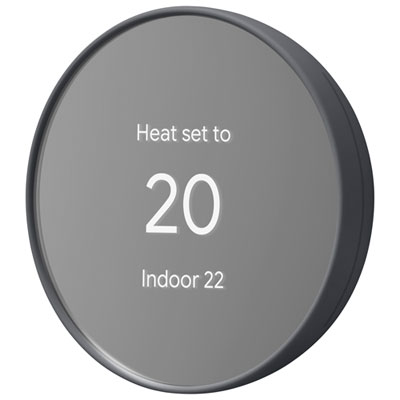 Your price for this item is $179.99
-
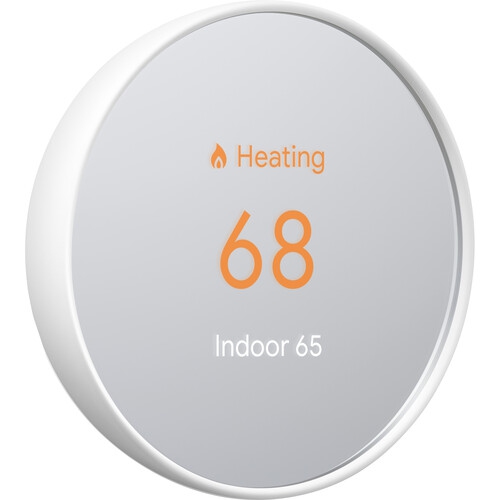 Your price for this item is $249.99
-
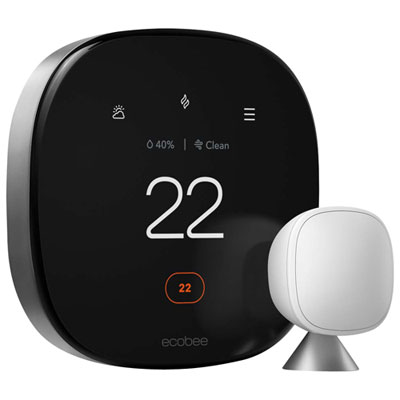 Your price for this item is $329.99
-
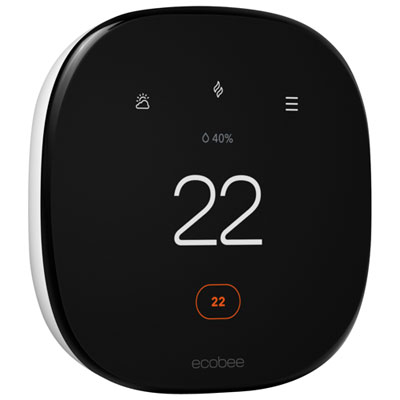 Your price for this item is $198.98
-
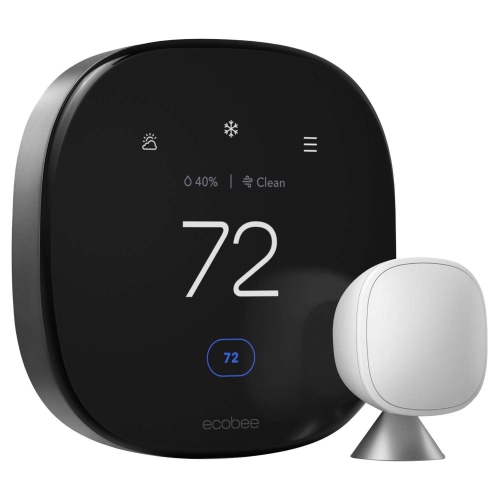 Your price for this item is $229.99
-
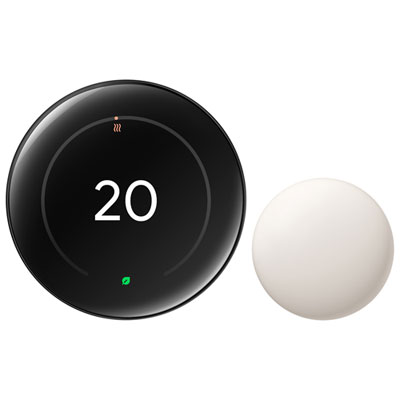 Your price for this item is $379.99
-
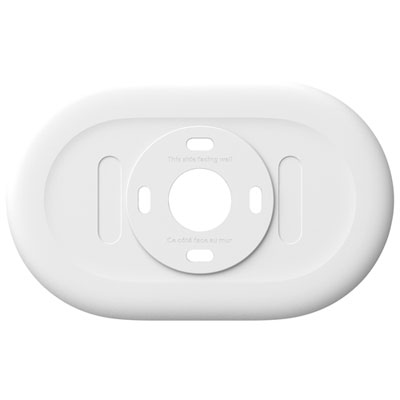 Your price for this item is $19.99
-
 Your price for this item is $18.98
Discover more categories related to Thermostat Electronique
Top Collections:
Best Black Friday Deals This Year, Best Black Friday Deals On Electronics, Kindle Devices, Pokemon Centers, Best Black Friday Deals On Apple Products, Best Cameras for Sports Photography, Dyson Airwrap, Pokémon 30th Celebration Cards, Apple iPhone 17 Pro, Canon G7X Cameras
Some products may be subject to Environmental Handling Fees
(EHF) depending on your province.
Learn more about EHFs.