Thermostats for Office
Thermostats for offices provide a comfortable and consistent temperature in the workspace, promoting productivity and reducing distractions caused by uncomfortable temperatures. It also helps to save energy and reduce utility costs by automatically adjusting the temperature based on occupancy and time of day. Here are some of the best thermostats for your office.
Sort
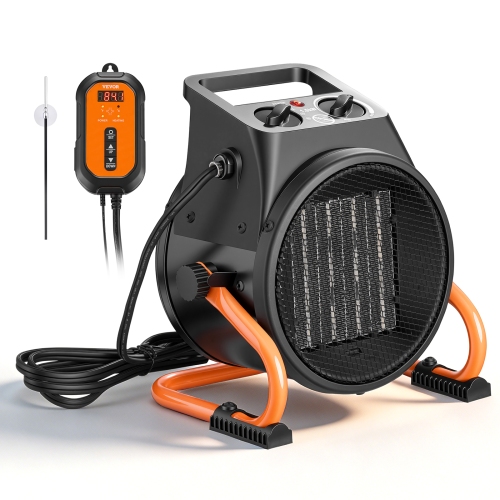
What to consider for comfort, control and compatibility
Choosing a thermostat for an office starts with understanding the space, the heating and cooling equipment, and the way people use each room throughout the day. A compact private office, a reception area, a meeting room, and a large open workspace may all have different comfort needs, even when they share the same building. Before choosing a model, check whether the HVAC system uses conventional heating and cooling, a heat pump, electric baseboard or another line-voltage setup, and confirm that the thermostat is compatible with the existing wiring. Some systems require a common wire for continuous power, while others may need an adapter or professional installation. The number of heating and cooling stages also matters, particularly in offices with central air, multi-stage equipment or several independently controlled zones. For a small business, a straightforward digital thermostat with clear controls may be the most practical choice. Larger offices and multi-room suites may benefit from connected thermostat systems that let an administrator manage several zones, review settings remotely and maintain consistent comfort across different areas. Browse a wider selection of Thermostat Systems to compare features for different office layouts and HVAC configurations.
Office thermostats are often chosen for their scheduling and access-control features as much as for basic temperature adjustment. A seven-day programmable schedule can create separate profiles for working hours, evenings, weekends and holidays, helping the office follow a predictable routine without requiring someone to adjust the wall unit each morning. A temporary hold is useful when a staff member stays late or a meeting runs beyond the usual schedule, while an away setting can keep the building from following the regular daytime profile when the office is unoccupied. Smart thermostats may add mobile-app access, web dashboards and notifications, allowing an office manager or facilities team to review or change settings without walking to each thermostat. This can be especially helpful in a shared workspace where the main control is located in a locked room, across a large floor or in another part of the building. Occupancy sensors can respond to movement and activity in selected areas, although they should be assessed carefully in rooms that may be quiet while still occupied. A PIN code, password protection or locked schedule can prevent frequent manual changes from disrupting the agreed office settings. These controls are also useful in reception areas, classrooms, rental offices and small retail workspaces where many people may pass by the thermostat during the day. If the building has separate meeting rooms, server areas or offices with different exposure to sunlight, multi-zone support can provide more precise control than a single thermostat serving the entire floor.
The best office thermostat should also suit the people who will use it every day. A large, bright display with readable temperature numbers and simple touch or physical controls can make adjustments easier for employees and visitors, while a discreet design may fit more naturally into a professional reception area or boardroom. Remote room sensors can help measure conditions away from the wall unit, which is useful when a thermostat is installed near a doorway, printer, exterior wall or other spot that does not represent the temperature in the main seating area. Air-quality monitoring and humidity readings may be valuable in enclosed offices, especially where the thermostat is part of a broader indoor-comfort setup, but these features should be weighed against the needs of the space and the preferences of the person managing it. Think about who will install and maintain the device, whether the office has reliable Wi-Fi, how many users need access, and whether the thermostat must integrate with an existing smart-home or building-management platform. For a growing business, choosing a model with clear scheduling, remote oversight and support for additional zones can make future changes easier. For a home office or small studio, a simpler option may provide the right balance of convenience and control without adding unnecessary complexity. A well-matched thermostat keeps temperature adjustments organized around the natural rhythm of the workday, from the first arrival during cooler weather to the final departure as the office closes.
Office thermostats are often chosen for their scheduling and access-control features as much as for basic temperature adjustment. A seven-day programmable schedule can create separate profiles for working hours, evenings, weekends and holidays, helping the office follow a predictable routine without requiring someone to adjust the wall unit each morning. A temporary hold is useful when a staff member stays late or a meeting runs beyond the usual schedule, while an away setting can keep the building from following the regular daytime profile when the office is unoccupied. Smart thermostats may add mobile-app access, web dashboards and notifications, allowing an office manager or facilities team to review or change settings without walking to each thermostat. This can be especially helpful in a shared workspace where the main control is located in a locked room, across a large floor or in another part of the building. Occupancy sensors can respond to movement and activity in selected areas, although they should be assessed carefully in rooms that may be quiet while still occupied. A PIN code, password protection or locked schedule can prevent frequent manual changes from disrupting the agreed office settings. These controls are also useful in reception areas, classrooms, rental offices and small retail workspaces where many people may pass by the thermostat during the day. If the building has separate meeting rooms, server areas or offices with different exposure to sunlight, multi-zone support can provide more precise control than a single thermostat serving the entire floor.
The best office thermostat should also suit the people who will use it every day. A large, bright display with readable temperature numbers and simple touch or physical controls can make adjustments easier for employees and visitors, while a discreet design may fit more naturally into a professional reception area or boardroom. Remote room sensors can help measure conditions away from the wall unit, which is useful when a thermostat is installed near a doorway, printer, exterior wall or other spot that does not represent the temperature in the main seating area. Air-quality monitoring and humidity readings may be valuable in enclosed offices, especially where the thermostat is part of a broader indoor-comfort setup, but these features should be weighed against the needs of the space and the preferences of the person managing it. Think about who will install and maintain the device, whether the office has reliable Wi-Fi, how many users need access, and whether the thermostat must integrate with an existing smart-home or building-management platform. For a growing business, choosing a model with clear scheduling, remote oversight and support for additional zones can make future changes easier. For a home office or small studio, a simpler option may provide the right balance of convenience and control without adding unnecessary complexity. A well-matched thermostat keeps temperature adjustments organized around the natural rhythm of the workday, from the first arrival during cooler weather to the final departure as the office closes.
Top selling and popular products
-
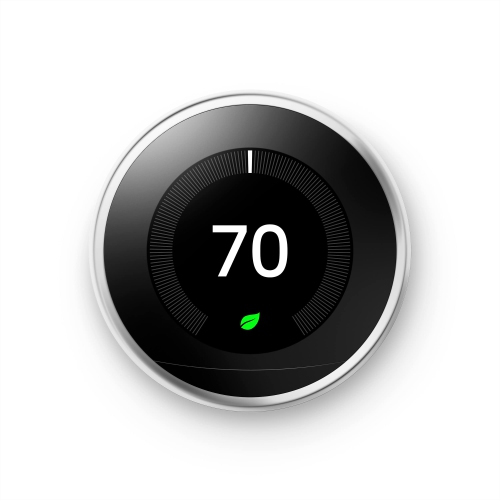 Your price for this item is $329.99
 -
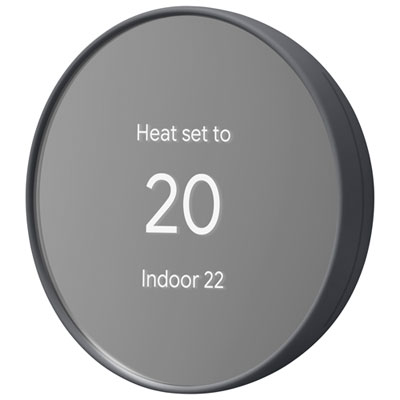 Your price for this item is $125.99
 -
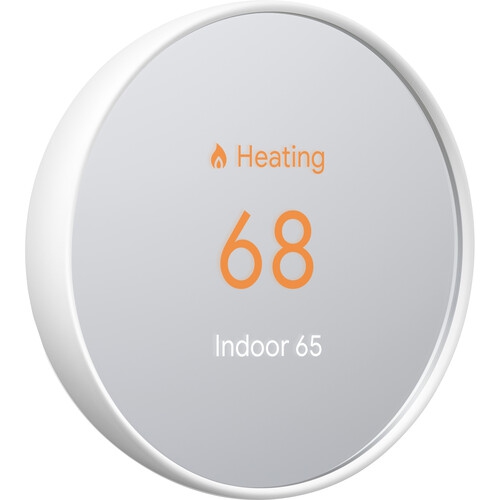 Your price for this item is $149.99
 -
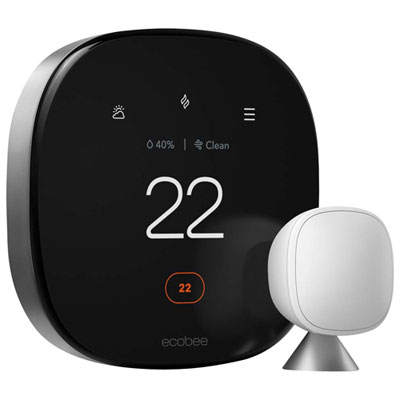 Your price for this item is $279.99
 -
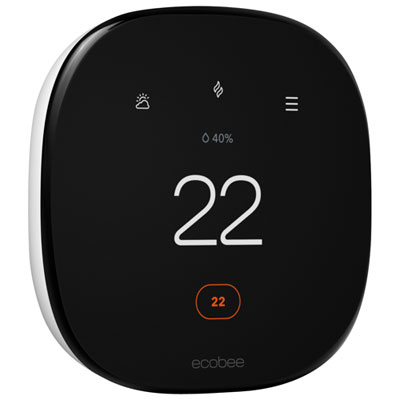 Your price for this item is $204.99
 -
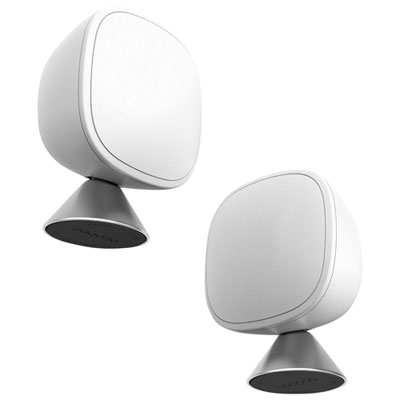 Your price for this item is $89.99
 -
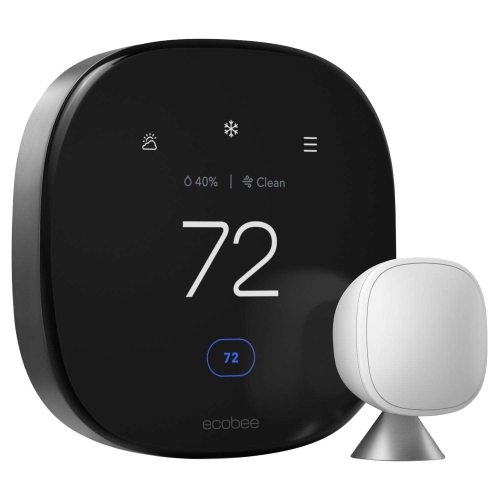 Your price for this item is $239.99
 -
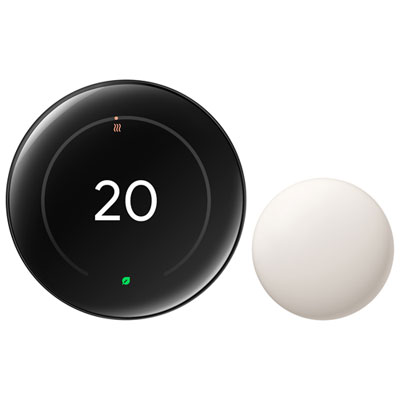 Your price for this item is $299.99
Discover more categories related to Thermostats for Office
Top Collections:
Pokemon Centers, Kindle Devices, Best Budget Office Chairs, Apple iPhones 16, Canon G7X Cameras, iPhone 15 Apple, Alarm Clock, Refurbished Apple Laptops, Flip Phones, Best Laptops for Writers
Some products may be subject to Environmental Handling Fees
(EHF) depending on your province.
Learn more about EHFs.