Programmable Baseboard Thermostats
A baseboard thermostat is a smart device that can be programmed to control the temperature in your home. It can be set to change the temperature at certain times of day or on certain days of the week. This makes it possible to adjust the temperature in your home to fit your schedule, whether you're home or away. Here are some of the best programmable baseboard thermostats available today.
Sort
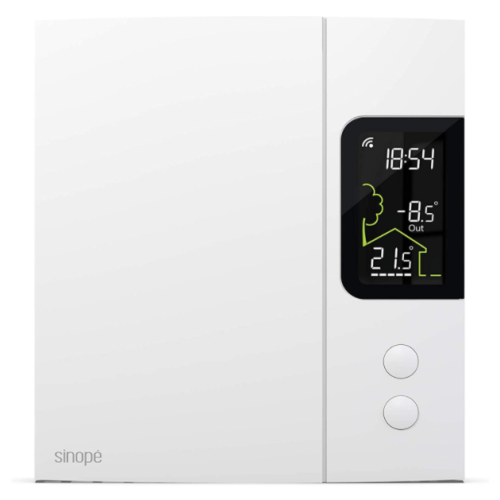
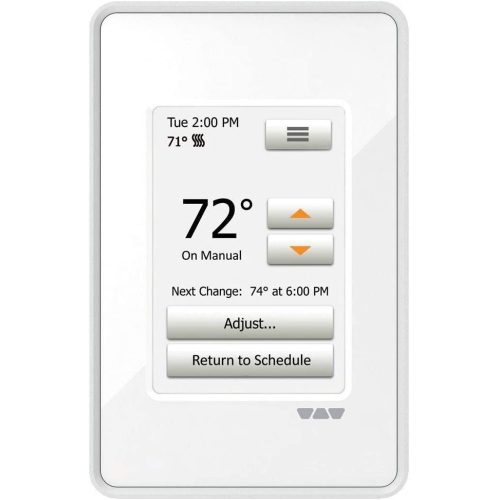
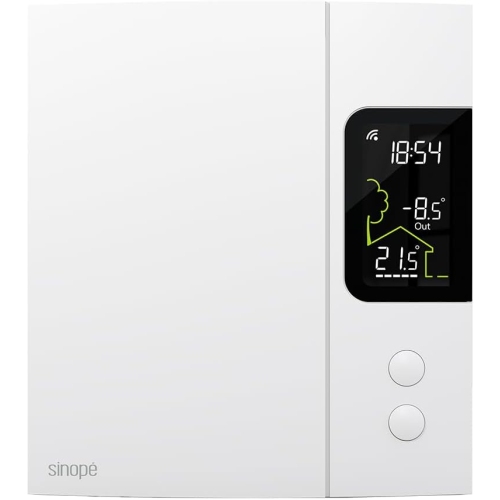
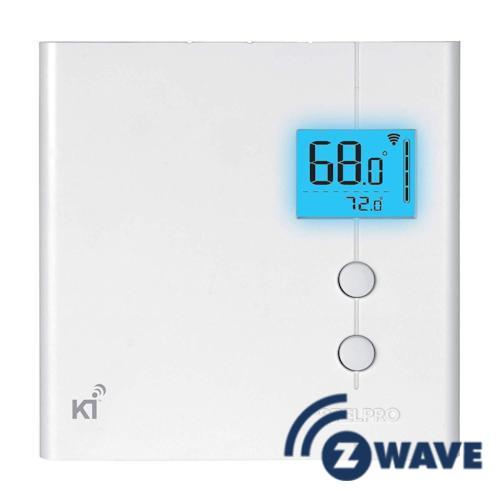
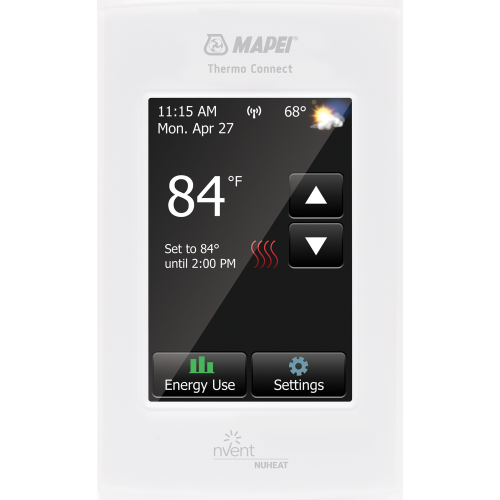
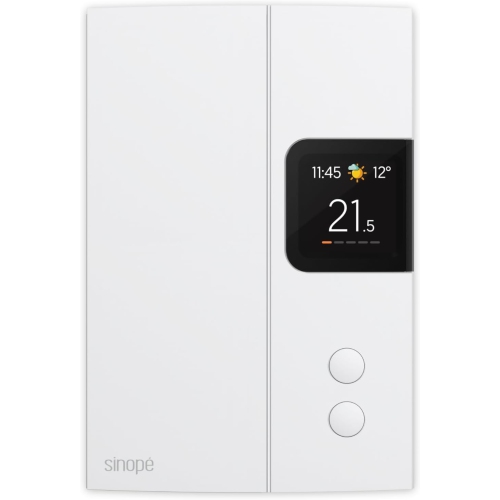
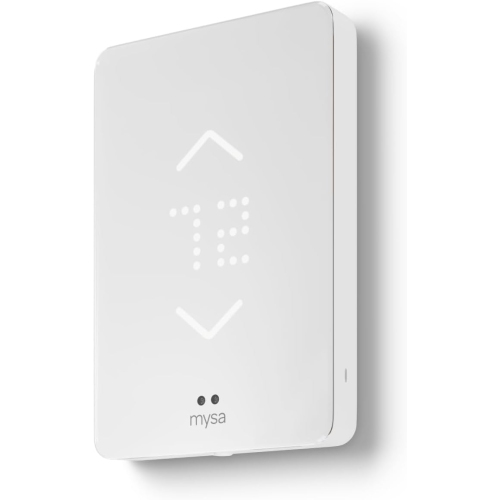
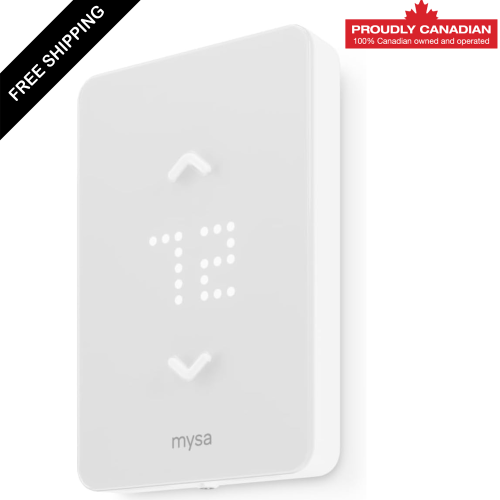
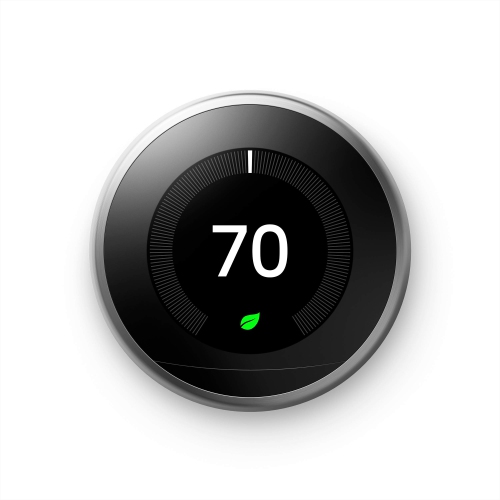
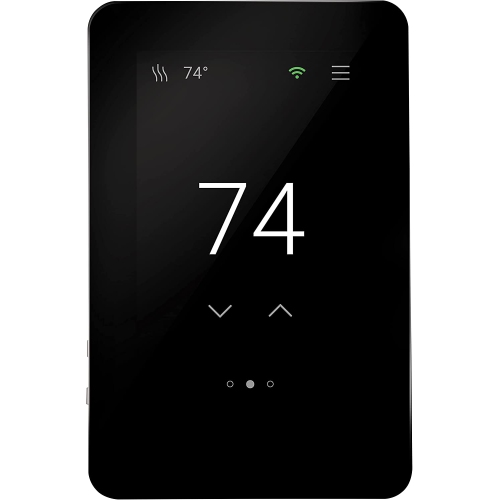
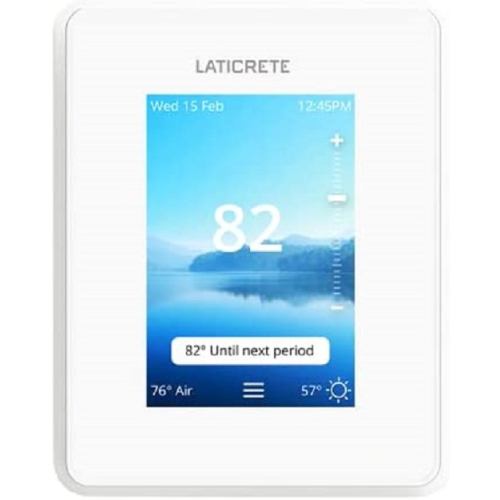
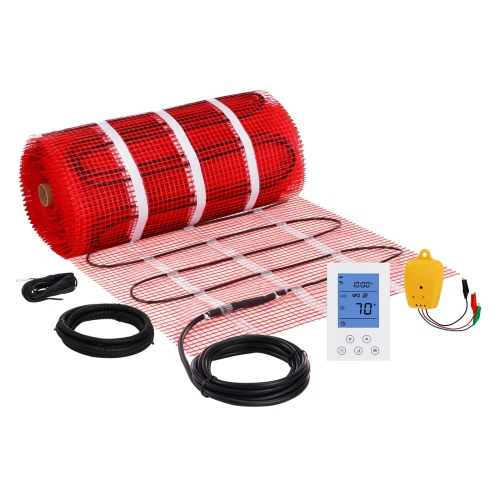
Room-by-room heating schedules start with the right electrical match
Programmable baseboard thermostats provide scheduled temperature control for compatible electric baseboard heaters, making it easier to match room heating to everyday routines. Most electric baseboard systems require a line-voltage thermostat rated for the heater’s supply voltage, commonly 120 V or 240 V, rather than the low-voltage thermostat typically used with a central furnace. That distinction matters: a thermostat designed for a furnace is not a direct replacement for a line-voltage baseboard control, even if the displays look similar. The right match also depends on the combined wattage and amperage of the heaters connected to the thermostat, along with the wiring configuration and supported heater type. A single control may operate more than one baseboard heater in a room, provided the total connected load stays within its ratings and the installation meets applicable requirements. Programmable models add scheduling to this room-by-room control, allowing different setpoints for periods such as waking, leaving home, returning, and sleeping. A bedroom can follow a different routine from a home office, while a seldom-used guest room can have its own schedule without changing settings throughout the home. Seven-day programming allows a separate routine for each day of the week; weekday-and-weekend programming suits households with a more consistent pattern. The number of daily scheduling periods varies, so flexibility depends on more than the scheduling label alone. For someone who works from home only a few days a week, individual daily settings can be particularly useful. For a household with predictable departure and return times, a simpler schedule may be all that is needed. The broader selection of Programmable Thermostats includes controls for different heating systems, but electric baseboard compatibility remains the essential requirement for this application. Hot-water baseboard heating is a different system and may use different controls, so the presence of baseboard units alone does not establish which thermostat is suitable.
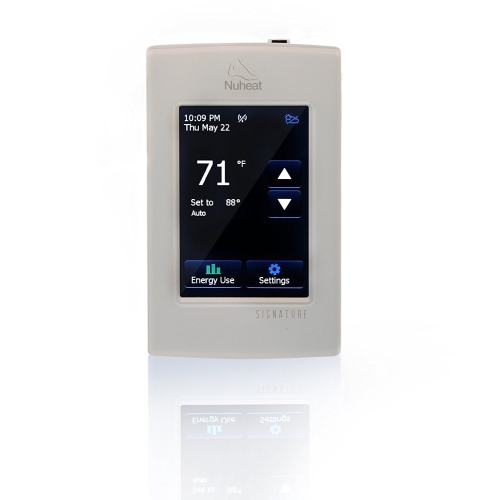
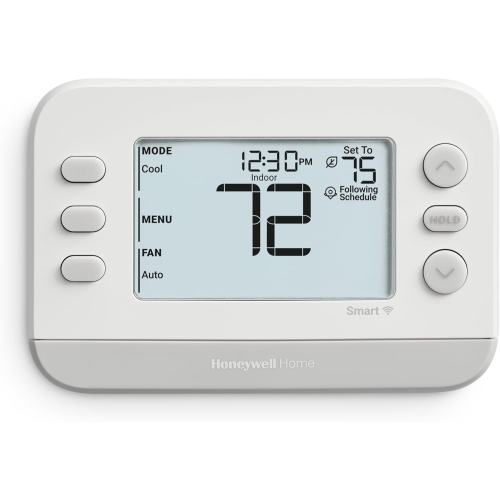
Everyday usability often comes down to how clearly a programmable baseboard thermostat presents information and how easily it handles small changes in routine. A readable digital display can show the room temperature and target setting, while clearly labelled buttons or a responsive touchscreen make adjustments straightforward. Backlighting helps with visibility in a hallway or bedroom, although adjustable brightness may be preferable beside a sleeping area. Displays that support Celsius suit familiar Canadian household settings, and some also offer Fahrenheit. A temporary override lets someone raise or lower the setpoint without rewriting the regular schedule; depending on the model, the thermostat returns to its program at the next scheduled period or after a selected duration. A longer hold can be useful when a room’s routine changes for several days. These details matter in shared spaces, where one person may want a quick adjustment while another manages the overall schedule. Non-connected digital thermostats keep programming and operation at the wall, making them a practical choice for people who prefer dedicated controls without an app. Smart programmable baseboard thermostats may add Wi-Fi connectivity, remote adjustments, usage reporting, or integration with compatible voice assistants. These features are not universal, and some connected controls need a separate hub or a particular wireless network configuration. App-based access can be convenient for adjusting a home office before settling in or checking whether a guest room is set as intended. Location-based automation, where supported, may adjust settings according to household members’ arrival or departure, though its usefulness depends on phone permissions and the needs of everyone at home. Usage reports may show measured or estimated electricity consumption, depending on the thermostat, and should not be assumed to replace utility metering. For connected models, local controls and documented behaviour during an internet interruption are worth considering. A clear interface remains valuable even when most scheduling happens through a phone.
Physical fit, electrical compatibility, and installation quality are just as important as programming features. Baseboard thermostats typically have moulded housings with smooth faceplates, and their dimensions can affect whether a replacement covers the outline left by an older control. The electrical box must also have adequate space for the thermostat and its wire connections; a similar-looking faceplate does not guarantee a suitable fit behind the wall. Wiring requirements vary between single-pole and double-pole designs, and the presence of an “off” setting should not be treated as proof that power has been safely disconnected. Some electronic controls also have minimum load requirements or need wiring that is not present at every existing thermostat location. Compatibility with fan-forced heaters, convectors, or other electric heating equipment must be explicitly stated rather than assumed from an electric-heating label. Installation involves hazardous line voltage and is best handled by a qualified electrician in accordance with local requirements and the manufacturer’s instructions. Correct placement helps the thermostat sense a representative room temperature: direct sunlight, draughts, nearby appliances, or obstruction by furniture can affect readings. In a bedroom, switching sound may also influence comfort. Some electronic thermostats use quiet solid-state switching, while relay-based controls may produce an audible click; the suitability of either design depends on the connected heater and the thermostat’s specifications. Durability is better assessed through construction, warranty coverage, documented electrical ratings, and recognized certification for use in Canada than through appearance alone. Routine care is generally modest, with gentle cleaning according to the manufacturer’s directions and no liquid sprayed into openings. A clear display and unobstructed sensing area help keep the control easy to use. Schedule retention after a power interruption is another useful detail, especially where resetting several rooms would be inconvenient; some models retain programs but may still need the clock checked. For homeowners replacing manual controls, these thermostats offer a way to make room settings more consistent. In rental homes or condos, changes may require approval before installation. Across these settings, the most useful combination is a correctly rated control, a schedule that reflects how the room is used, and an interface that everyone in the household can comfortably operate.
Everyday usability often comes down to how clearly a programmable baseboard thermostat presents information and how easily it handles small changes in routine. A readable digital display can show the room temperature and target setting, while clearly labelled buttons or a responsive touchscreen make adjustments straightforward. Backlighting helps with visibility in a hallway or bedroom, although adjustable brightness may be preferable beside a sleeping area. Displays that support Celsius suit familiar Canadian household settings, and some also offer Fahrenheit. A temporary override lets someone raise or lower the setpoint without rewriting the regular schedule; depending on the model, the thermostat returns to its program at the next scheduled period or after a selected duration. A longer hold can be useful when a room’s routine changes for several days. These details matter in shared spaces, where one person may want a quick adjustment while another manages the overall schedule. Non-connected digital thermostats keep programming and operation at the wall, making them a practical choice for people who prefer dedicated controls without an app. Smart programmable baseboard thermostats may add Wi-Fi connectivity, remote adjustments, usage reporting, or integration with compatible voice assistants. These features are not universal, and some connected controls need a separate hub or a particular wireless network configuration. App-based access can be convenient for adjusting a home office before settling in or checking whether a guest room is set as intended. Location-based automation, where supported, may adjust settings according to household members’ arrival or departure, though its usefulness depends on phone permissions and the needs of everyone at home. Usage reports may show measured or estimated electricity consumption, depending on the thermostat, and should not be assumed to replace utility metering. For connected models, local controls and documented behaviour during an internet interruption are worth considering. A clear interface remains valuable even when most scheduling happens through a phone.
Physical fit, electrical compatibility, and installation quality are just as important as programming features. Baseboard thermostats typically have moulded housings with smooth faceplates, and their dimensions can affect whether a replacement covers the outline left by an older control. The electrical box must also have adequate space for the thermostat and its wire connections; a similar-looking faceplate does not guarantee a suitable fit behind the wall. Wiring requirements vary between single-pole and double-pole designs, and the presence of an “off” setting should not be treated as proof that power has been safely disconnected. Some electronic controls also have minimum load requirements or need wiring that is not present at every existing thermostat location. Compatibility with fan-forced heaters, convectors, or other electric heating equipment must be explicitly stated rather than assumed from an electric-heating label. Installation involves hazardous line voltage and is best handled by a qualified electrician in accordance with local requirements and the manufacturer’s instructions. Correct placement helps the thermostat sense a representative room temperature: direct sunlight, draughts, nearby appliances, or obstruction by furniture can affect readings. In a bedroom, switching sound may also influence comfort. Some electronic thermostats use quiet solid-state switching, while relay-based controls may produce an audible click; the suitability of either design depends on the connected heater and the thermostat’s specifications. Durability is better assessed through construction, warranty coverage, documented electrical ratings, and recognized certification for use in Canada than through appearance alone. Routine care is generally modest, with gentle cleaning according to the manufacturer’s directions and no liquid sprayed into openings. A clear display and unobstructed sensing area help keep the control easy to use. Schedule retention after a power interruption is another useful detail, especially where resetting several rooms would be inconvenient; some models retain programs but may still need the clock checked. For homeowners replacing manual controls, these thermostats offer a way to make room settings more consistent. In rental homes or condos, changes may require approval before installation. Across these settings, the most useful combination is a correctly rated control, a schedule that reflects how the room is used, and an interface that everyone in the household can comfortably operate.
Top selling and popular products
-
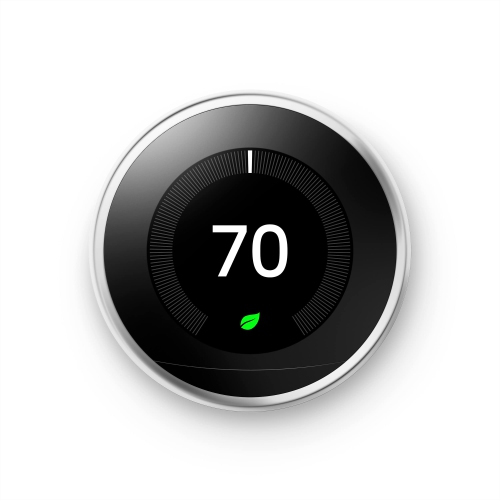 Your price for this item is $329.99
 -
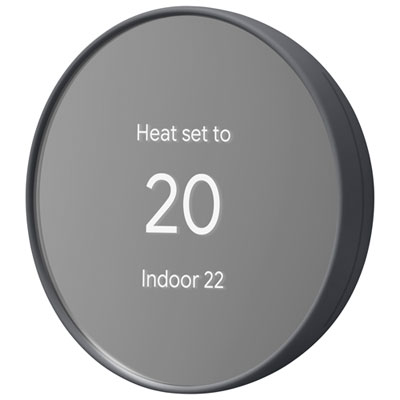 Your price for this item is $125.99
 -
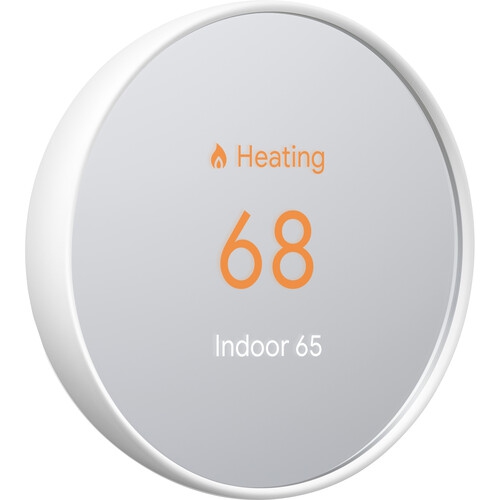 Your price for this item is $149.99
 -
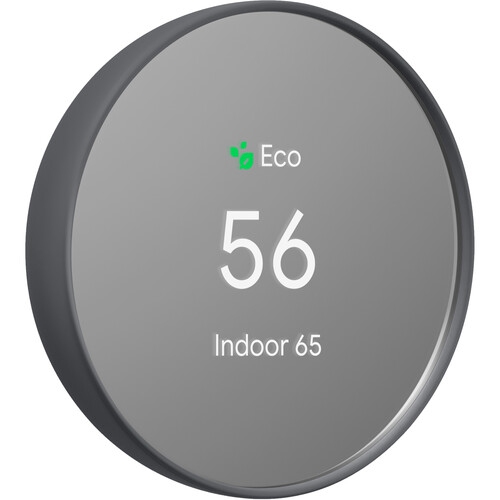 Your price for this item is $139
 -
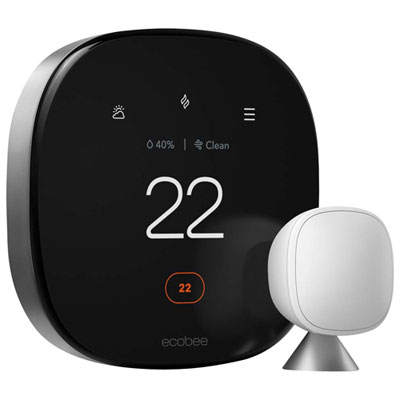 Your price for this item is $279.99
 -
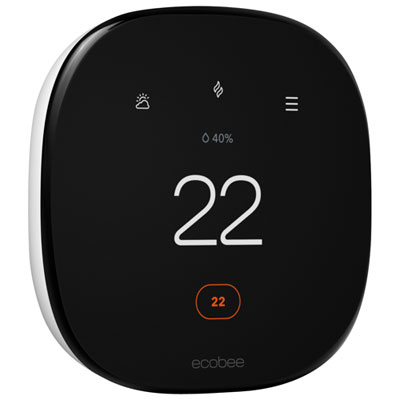 Your price for this item is $204.99
 -
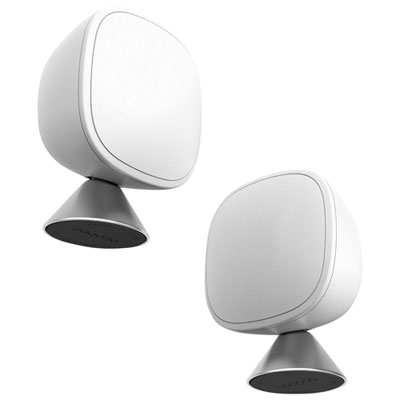 Your price for this item is $73.98
 -
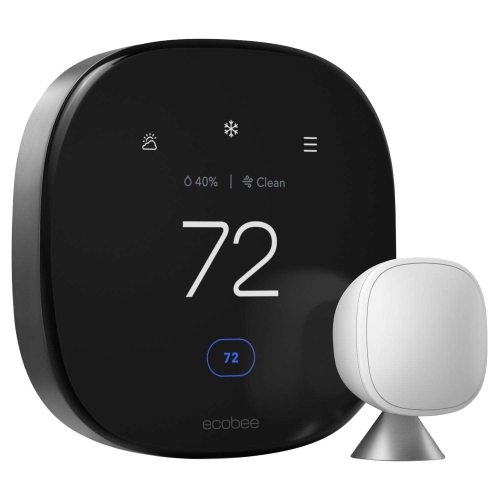 Your price for this item is $239.99
Discover more categories related to Programmable Baseboard Thermostats
Top Collections:
Pokemon Centers, Kindle Devices, Best Budget Office Chairs, Apple iPhones 16, Best Laptops for Writers, iPhone 15 Apple, Canon G7X Cameras, Refurbished Apple Laptops, Alarm Clock, Motorola Razr Phones
Some products may be subject to Environmental Handling Fees
(EHF) depending on your province.
Learn more about EHFs.