Honeywell Programmable Thermostats
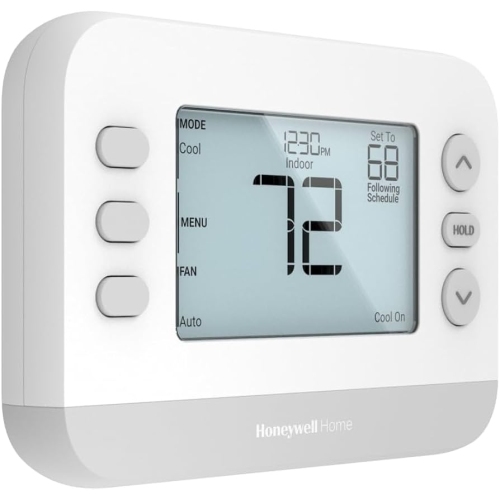
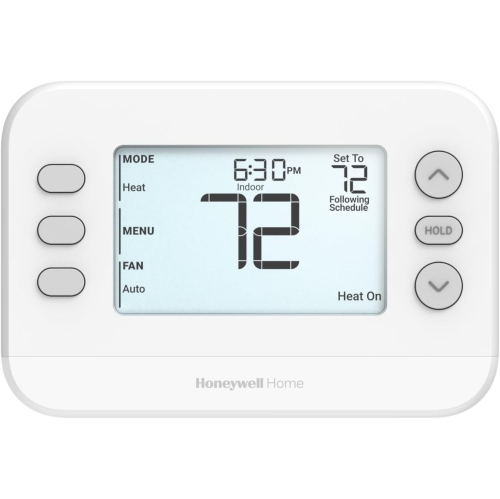
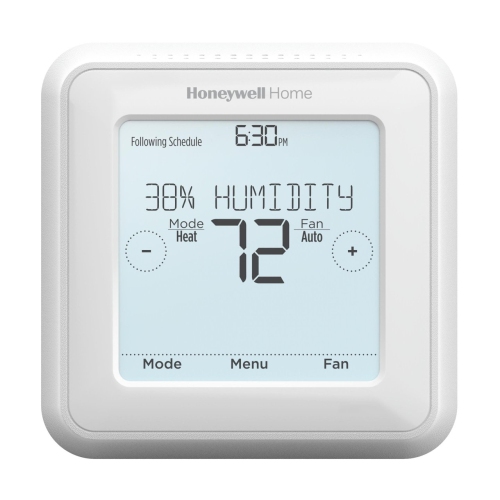
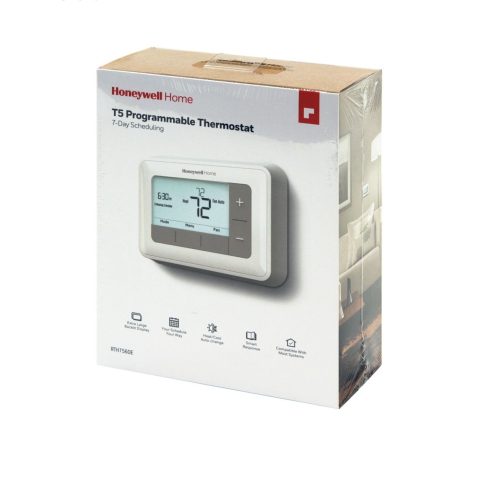
A thermostat is a smart device that can be programmed to adjust the temperature in your home on a schedule or when certain conditions are met. This can help you save money on heating and cooling costs as well as reduce the number of times you have to enter your home. Here are some programmable thermostats from Honeywell available today.
Sort

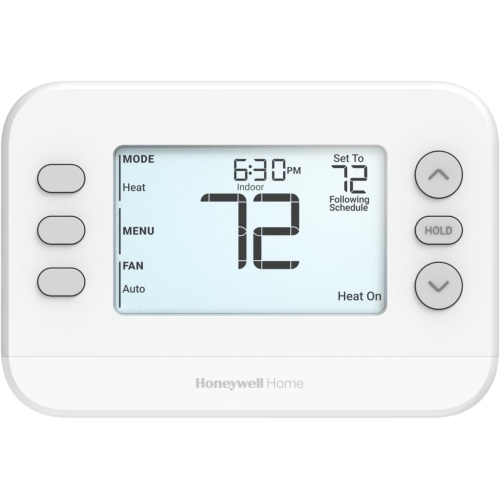
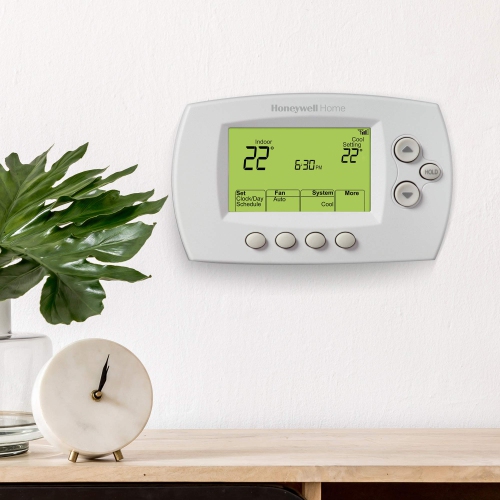
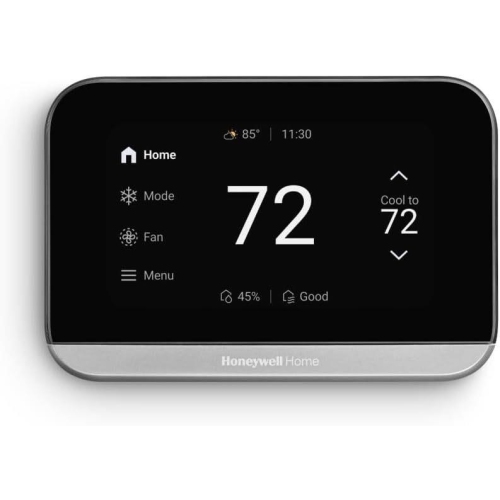
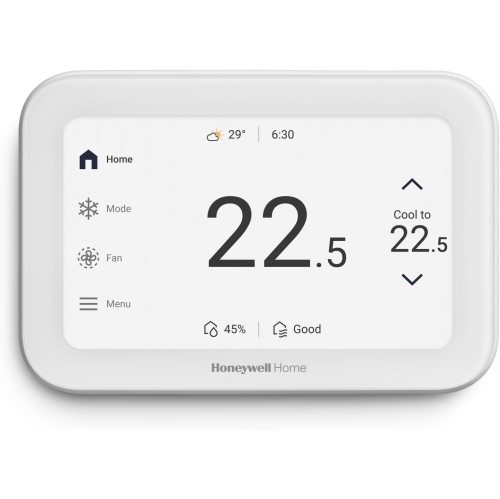


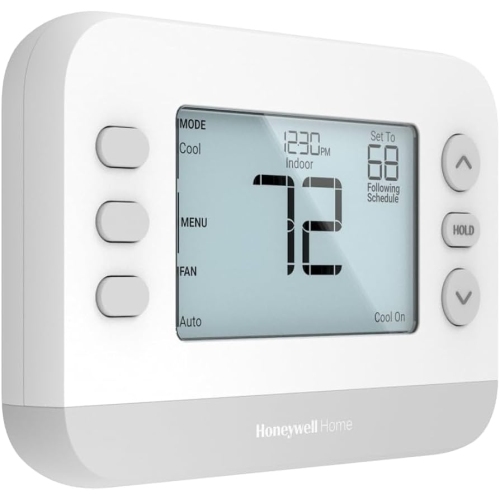
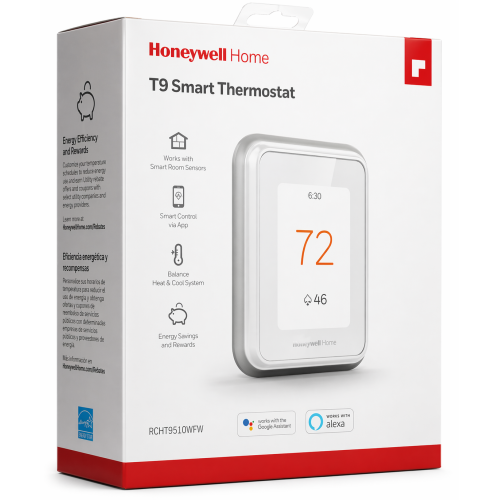
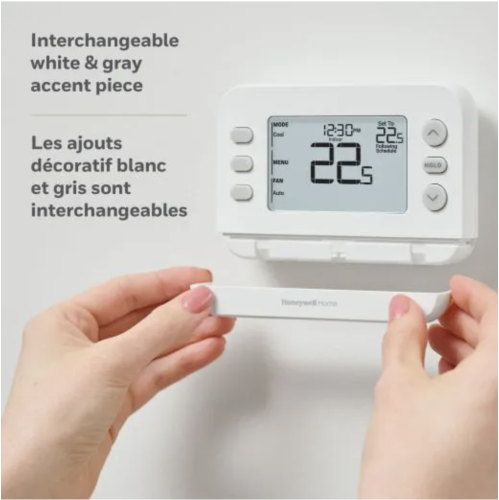
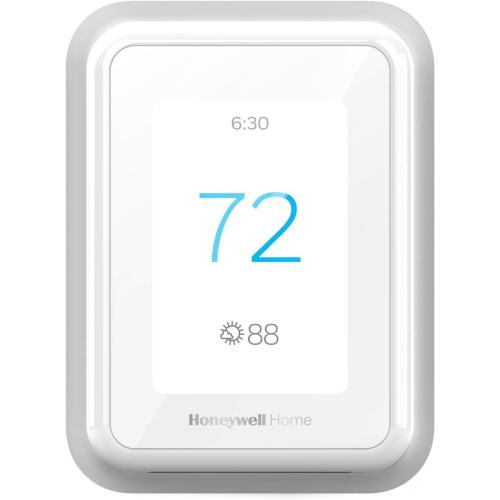

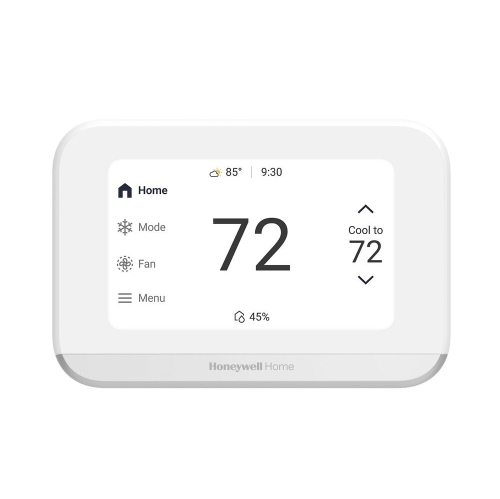
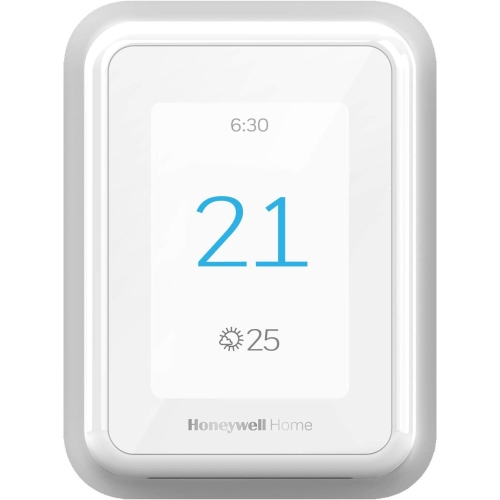
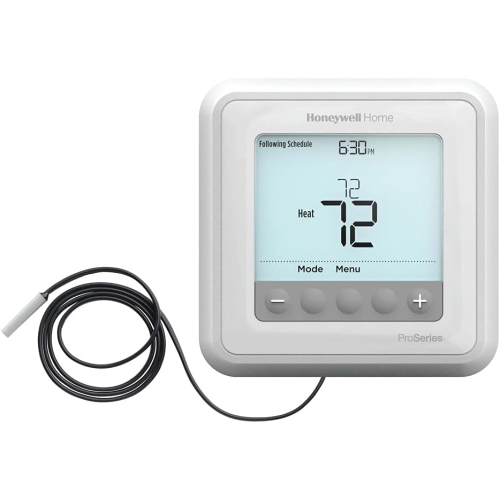
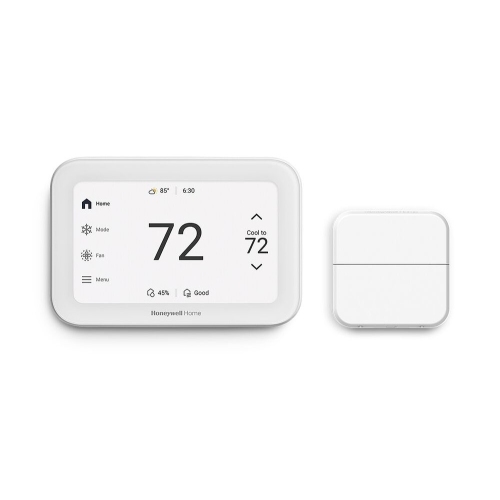
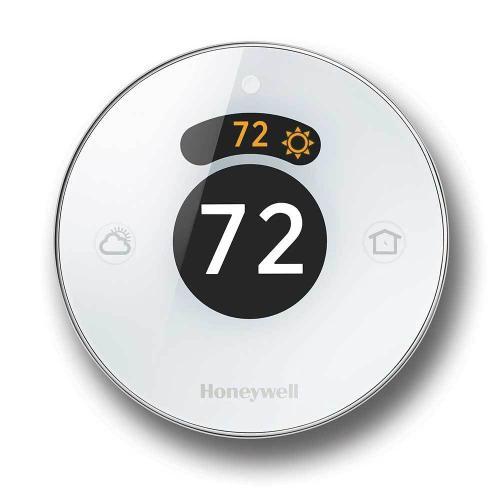
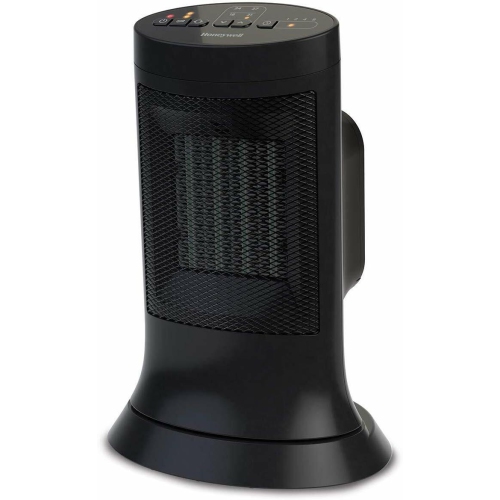
Heating and cooling schedules that fit your routine
Programmable thermostats control compatible heating and cooling equipment according to a schedule, helping maintain comfortable indoor temperatures without repeated manual adjustments. Their main purpose is straightforward: different temperature settings can be assigned to different parts of the day, such as waking up, leaving home, returning and going to bed. Depending on the model, scheduling may follow the same pattern every day, separate weekdays from weekends, or allow each day of the week to have its own settings. A household with regular school and work hours may find a weekday-and-weekend schedule sufficient, while someone working rotating shifts may appreciate individual daily programming. These controls can suit houses, townhomes, condominiums and other residences where the heating or cooling system supports a thermostat replacement. Their usefulness depends on both equipment compatibility and how closely the available schedule matches the household’s routine. A temporary hold generally allows a selected temperature to remain in place until the next scheduled period, while a permanent hold typically maintains it until someone changes or cancels that setting; exact behaviour varies by model. That distinction is useful when an ordinary weekday becomes a day at home or an overnight guest prefers a different sleeping temperature. Some thermostats also offer an early-start or recovery function that begins heating or cooling before a scheduled period so the room can approach the selected temperature by that time. Programmable operation does not necessarily require internet access, a phone app or a connected-home setup. Many designs handle scheduling directly on the wall-mounted control, making them practical for households that prefer familiar buttons and an at-a-glance display. Rather than adding complexity for its own sake, a well-matched thermostat provides a consistent way to manage everyday comfort and reduce unnecessary equipment operation when different settings are appropriate. The most suitable scheduling format is often the one that household members can understand and use consistently, rather than the one with the greatest number of adjustable settings.
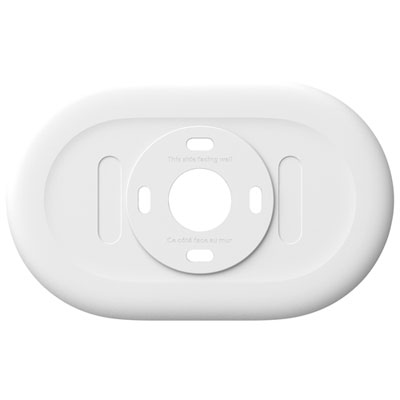
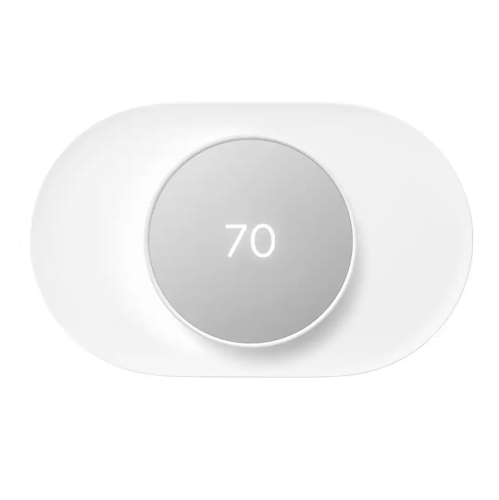
System compatibility is the most important distinction among programmable thermostats because similar-looking wall controls can operate very different equipment. Some are designed for low-voltage conventional furnaces and central air conditioning, while others support heat pumps, multiple heating or cooling stages, or electric resistance heating. Support for one arrangement does not establish support for another. A single-stage system calls for one level of heating or cooling, whereas a multi-stage system requires a control capable of managing its additional stages. Heat pumps may also need specific connections and settings for the reversing valve and auxiliary heat. Electric baseboards and certain other electric heaters often use line-voltage thermostats, which are not interchangeable with typical low-voltage furnace controls. Voltage, electrical load, wiring connections and the equipment manufacturer’s requirements all affect suitability. The number and colour of existing wires alone are not enough to confirm a match; terminal labels and system documentation provide more useful information. Power requirements also vary. Some thermostats use replaceable batteries, some draw power from the heating and cooling system, and others use a combination. Connected models frequently require a common wire, often called a C-wire, although the exact requirement depends on the design and installation. Physical fit deserves attention alongside electrical compatibility. The wall plate needs enough space around it for secure mounting, and a replacement housing may expose paint edges or old screw holes left by a larger control. Housing dimensions and optional trim plates can therefore matter in a finished hallway or living room. Placement affects performance as well: a thermostat measures conditions near its sensor, so direct sunlight, draughts, nearby appliances and obstructed airflow can distort its reading. Replacing a central thermostat does not, by itself, create separate temperature zones or correct uneven airflow between rooms. Installation complexity varies, and unfamiliar wiring, line-voltage connections or uncertain equipment details warrant assessment by a qualified professional rather than assumptions based on the appearance of the old control.
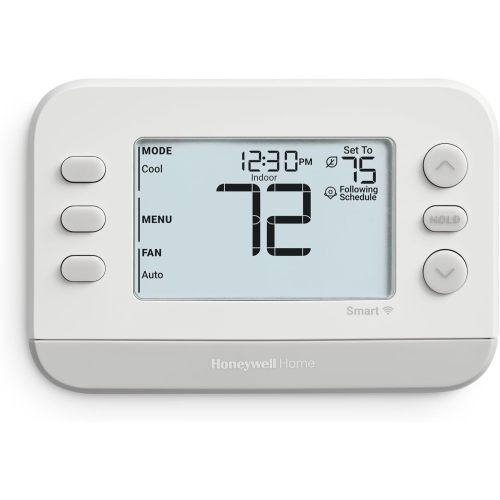
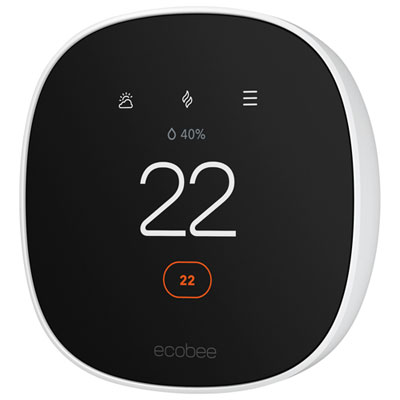
Day-to-day usability often comes down to details that are easy to appreciate once a thermostat becomes part of the household routine. A clear display, readable temperature digits and distinct controls can make a difference when adjusting a setting from a hallway or checking it before bed. Backlighting can improve visibility without relying on a nearby light, while touchscreen and button-operated designs offer different ways to move through schedules and settings. A control mounted near eye level may be convenient for one person but difficult for another, making screen viewing angles, reach and button size relevant to shared use. For households that value uncomplicated operation, Easy Programmable Thermostats can be a useful starting point for comparing straightforward scheduling and everyday controls. Wi-Fi connectivity is a separate consideration from programmability: where supported, remote access can allow schedule changes from a compatible phone, but account requirements, network compatibility and available functions vary. A home office used only on certain days may benefit from flexible daily scheduling, whereas a household with a predictable routine may prefer a basic wall control with fewer menus. Optional features such as keypad locks, filter reminders and remote sensor support can also matter, but they should be confirmed for the particular design rather than assumed. Many thermostat housings use rigid plastic with a smooth face that suits regular light cleaning. A soft, dry cloth is generally appropriate for surface dust; cleaning instructions should govern any further care, with liquids kept away from openings and electrical connections. Screens and buttons benefit from gentle handling rather than abrasive cleaning or excessive pressure. Long-term reliability depends partly on correct installation, suitable operating conditions and attention to battery warnings where applicable. Some designs retain schedules through a power interruption, while others may require the clock or settings to be restored. Clear documentation, accessible battery compartments and an interface that remains easy to read can make routine ownership simpler, especially when several people need to use the same control.
Top selling and popular products
-
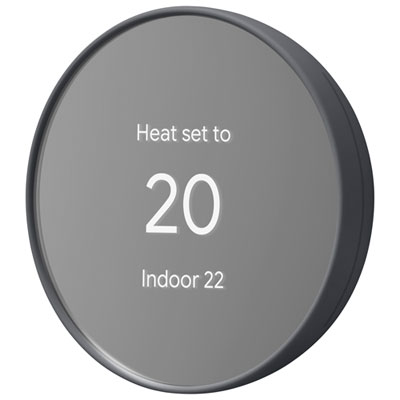 Your price for this item is $179.99
-
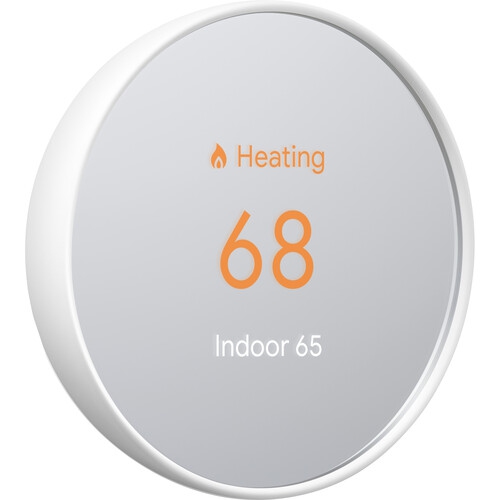 Your price for this item is $249.99
-
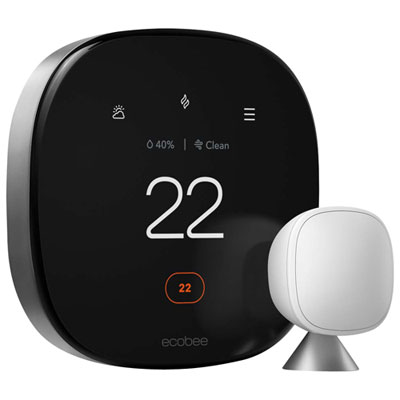 Your price for this item is $329.99
-
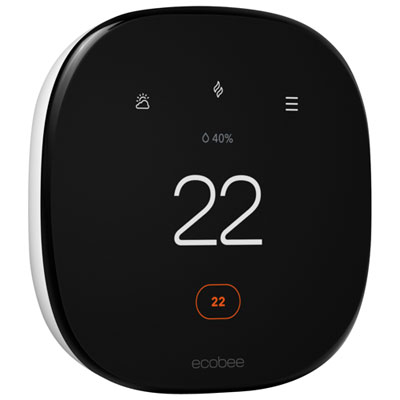 Your price for this item is $198.98
-
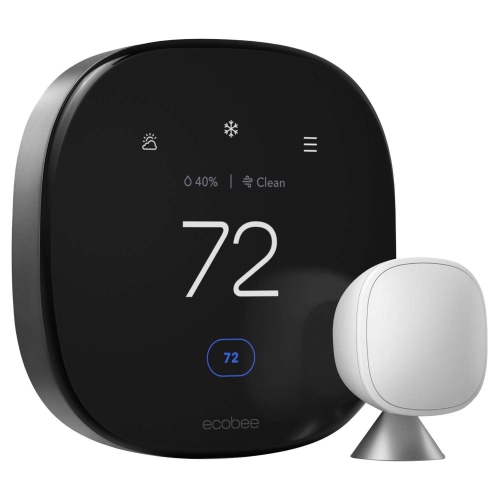 Your price for this item is $229.99
-
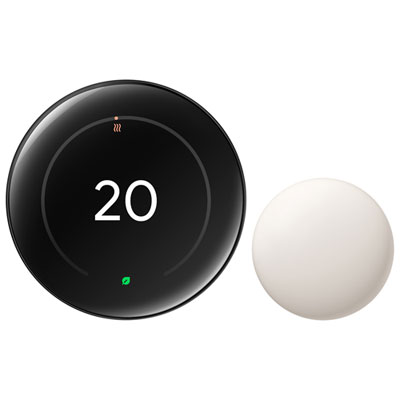 Your price for this item is $379.99
-
 Your price for this item is $19.99
-
 Your price for this item is $18.98
Discover more categories related to Honeywell Programmable Thermostats
Top Collections:
Best Black Friday Deals This Year, Best Black Friday Deals On Electronics, Kindle Devices, Pokemon Centers, Best Black Friday Deals On Apple Products, Best Cameras for Sports Photography, Dyson Airwrap, Pokémon 30th Celebration Cards, Apple iPhone 17 Pro, Canon G7X Cameras
Some products may be subject to Environmental Handling Fees
(EHF) depending on your province.
Learn more about EHFs.