Timer Electrical Outlets
Looking to take control of your home's energy usage? Look no further than our timer electrical outlet collection. These innovative devices allow you to schedule and automate the power supply to your electronics, appliances, and lighting fixtures, helping you save energy and reduce your electricity bills. With a wide range of options available, you'll find timer electrical outlets to meet your needs and seamlessly integrate into your smart home setup.
Sort

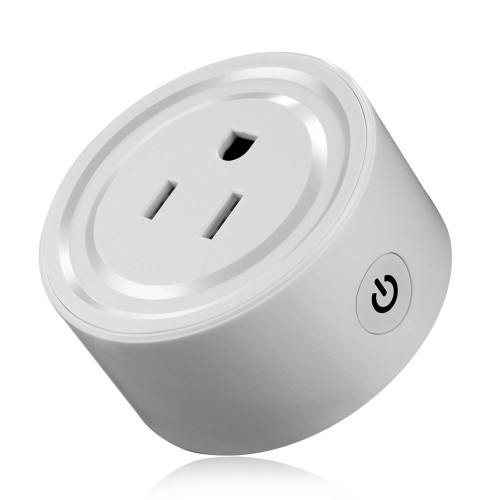
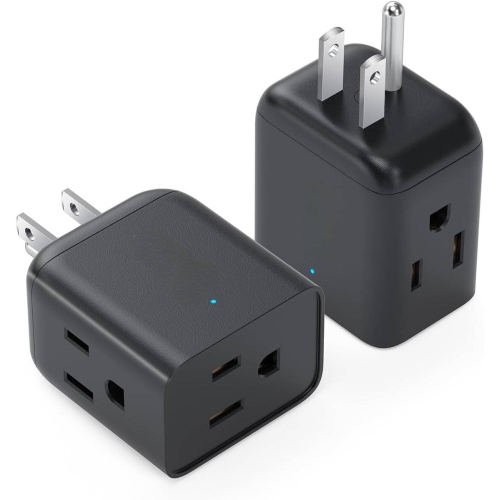
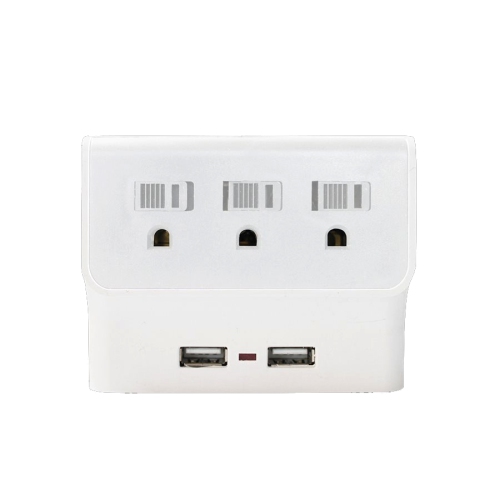
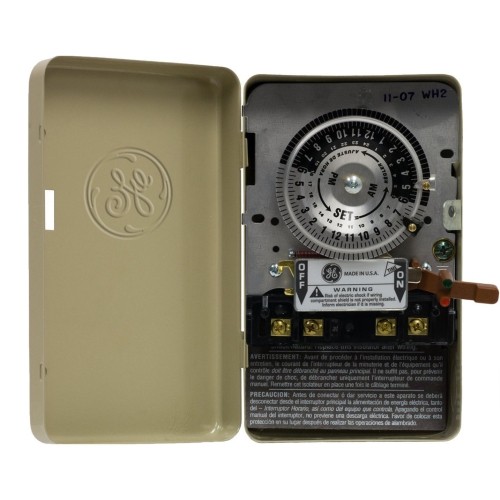
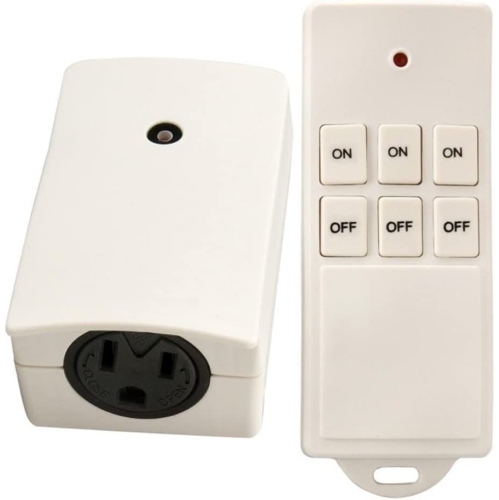
Scheduled control for everyday lighting and plug-in devices
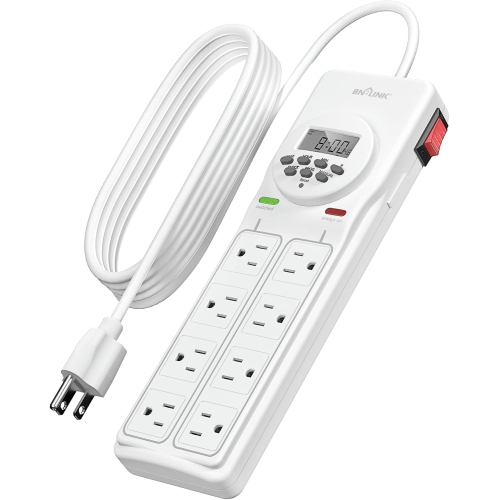
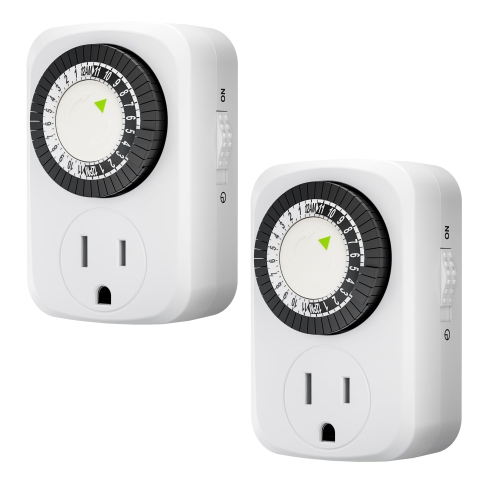
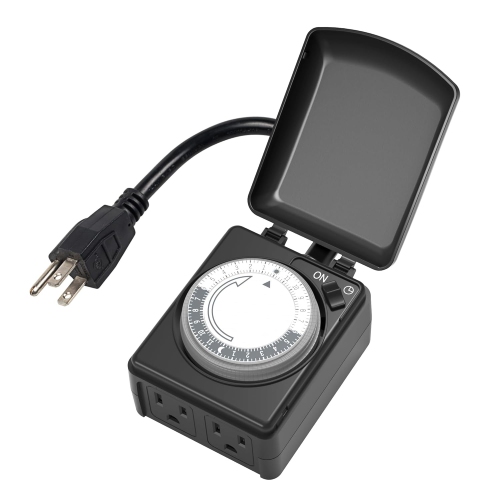
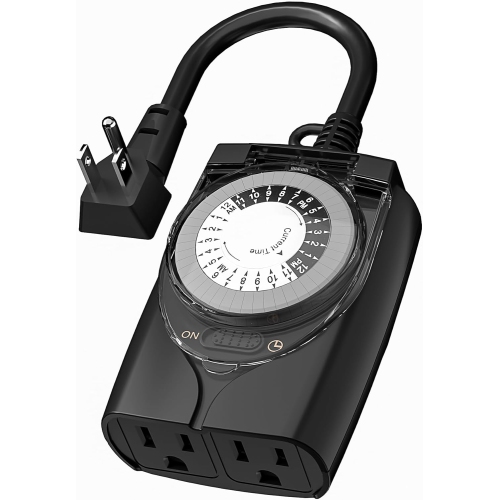
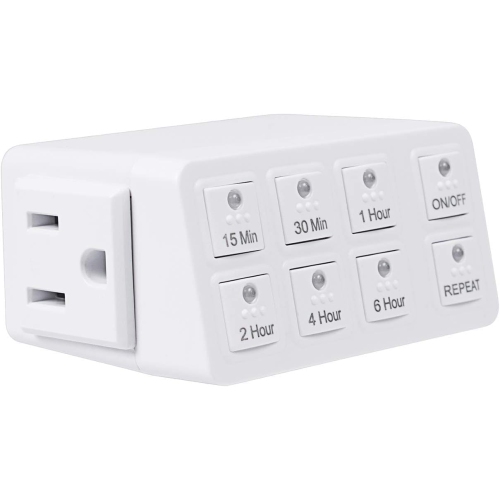
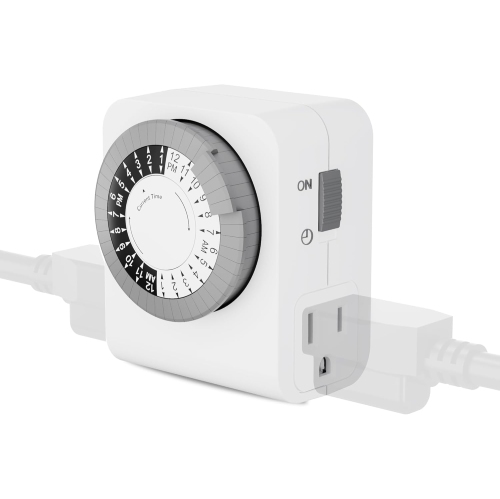
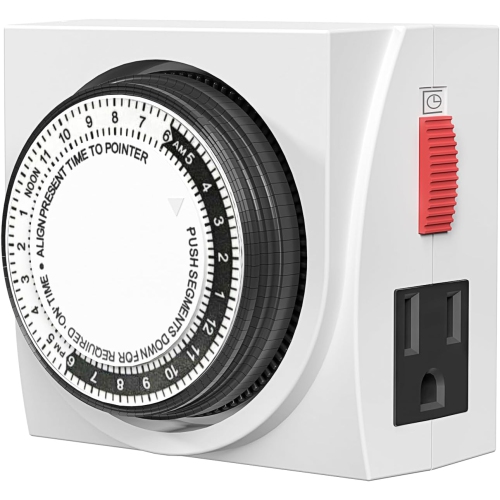
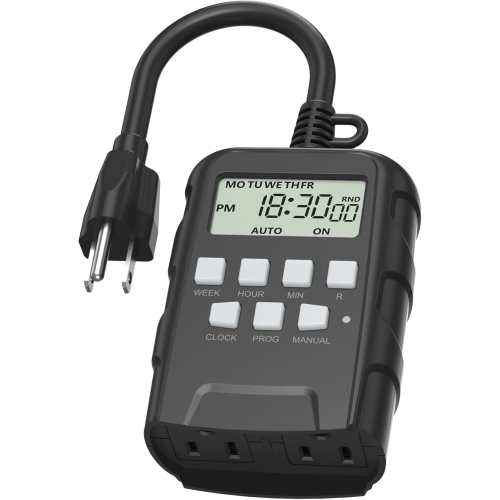
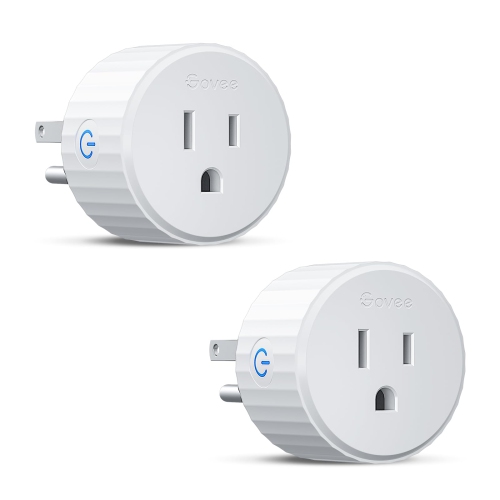
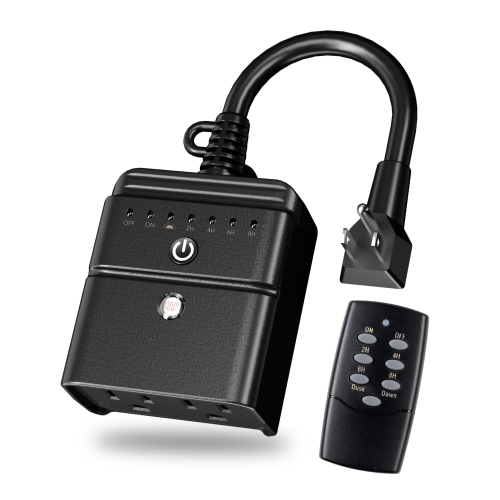
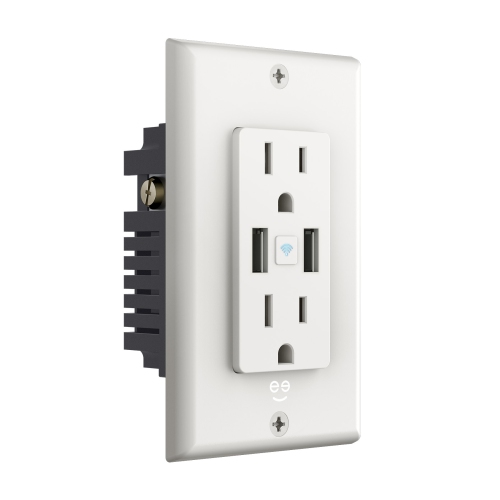
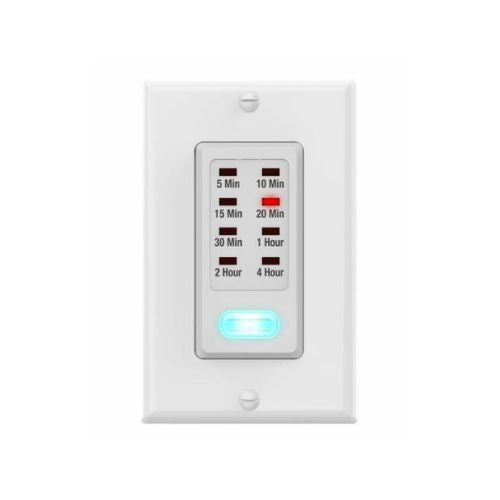
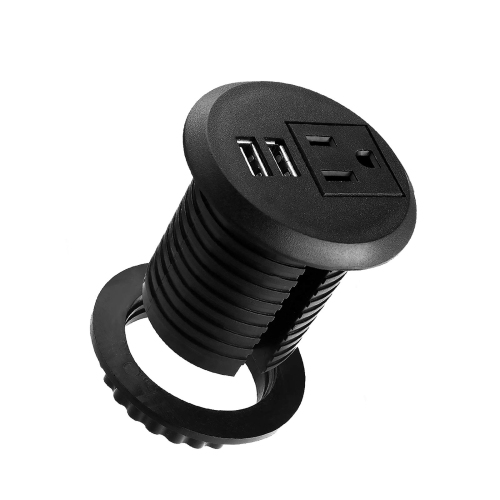
Timer electrical outlets make it easier to control lamps, seasonal decorations, small appliances, and other plug-in devices according to a schedule. Instead of remembering to switch something on or off, you can set an outlet timer to manage power at specific times of day. This can be useful for creating a welcoming glow in a front window before you arrive home, turning off a bedside lamp after you fall asleep, or keeping a morning routine consistent without reaching behind furniture. Families may use them for children’s night-lights, while apartment dwellers and homeowners may appreciate the convenience of scheduling lights in rooms that are not used continuously. They can also be helpful when a home is unoccupied for several days, allowing selected lights to operate on a routine that makes the space appear lived in. As the weather warms, a timer can help coordinate patio lighting and outdoor entertaining, while during the cooler months it can be used with indoor lamps, window displays, and other plug-in decorations. When browsing this category, consider the type of device you want to control, where the timer will be located, how often the schedule needs to change, and whether you prefer a straightforward physical dial or a more precise digital interface. The right choice should match both the electrical requirements of the connected device and the habits of the people using it.
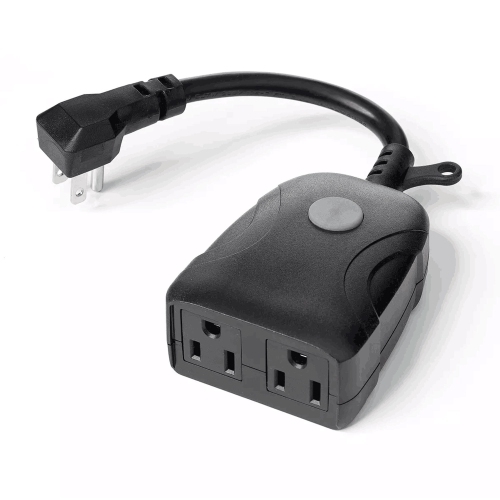
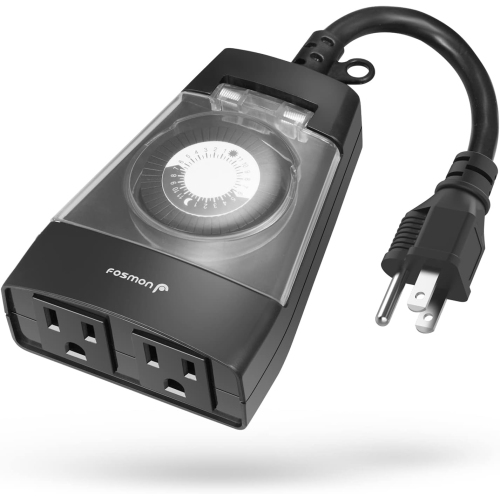
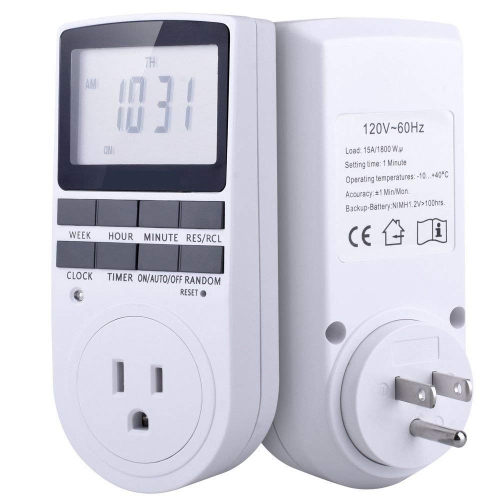
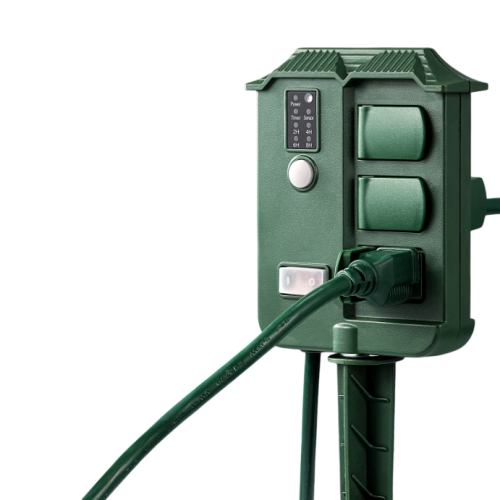
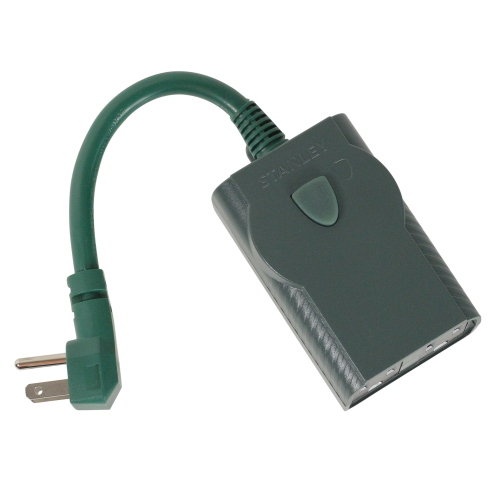
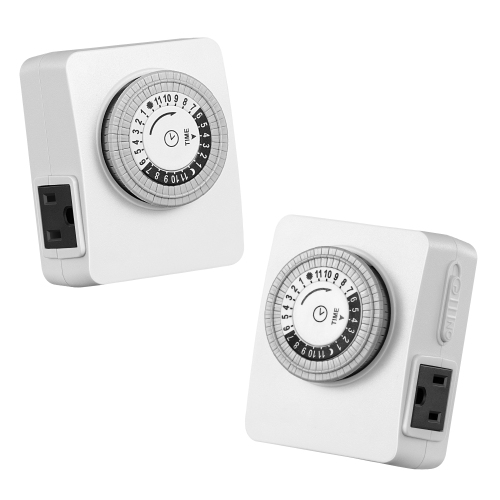
Mechanical timers are a practical choice for simple, repeatable schedules. They generally use a 24-hour dial with movable pins or tabs that represent set blocks of time, often in 15- or 30-minute increments. Once programmed, the timer turns the connected device on and off at the same times each day, making it suitable for a lamp that should illuminate in the evening or a display that should switch off overnight. Mechanical models are often easy to understand at a glance and do not depend on Wi-Fi, an app, or a complicated setup process. Digital timers offer more flexibility for households with changing routines. An LCD screen and buttons may allow several on-and-off periods, different settings for different days of the week, countdown functions, and an internal battery that helps preserve programming during a brief power interruption. Some digital models also include a random or vacation setting that varies switching times slightly, which can be useful when you want lighting to follow a less predictable pattern while you are away. Outdoor timer outlets are designed for locations such as covered porches, balconies, garages, and patios, and commonly include a weather-resistant cover, grounded outlets, and a construction suited to outdoor use. Always confirm the product’s indoor or outdoor rating before connecting it, and keep plugs and connections protected from rain, snow, standing water, and direct exposure. A timer is not a substitute for checking the wattage, voltage, amperage, and load type of the device being controlled; lights, fans, heaters, pumps, and other appliances can have different electrical demands, so the timer’s specifications should accommodate the connected load.
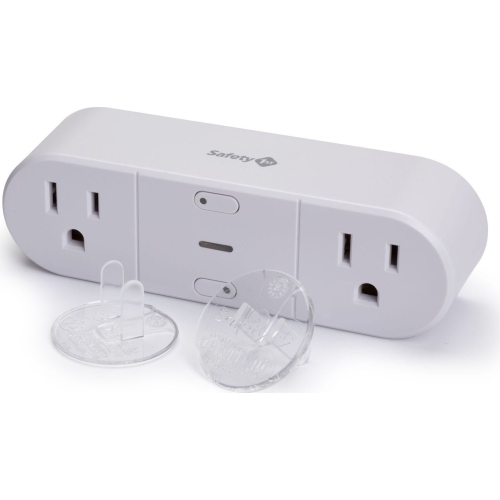
The best timer electrical outlet for a particular household often comes down to ease of use as much as features. A mechanical model may suit someone who wants a dependable schedule with minimal programming, including a student setting a lamp for study hours or a family arranging lights around a regular evening routine. A digital model can be a thoughtful housewarming, graduation, or holiday gift for someone who enjoys organized routines, travels frequently, or wants several schedules from one compact device. Outdoor versions may be useful for a host preparing a patio for gatherings, a homeowner arranging pathway or porch lighting, or anyone who brings out seasonal decorations as the evenings become longer or cooler. Look for clearly marked controls, a format that leaves enough room for neighbouring plugs, and a grounded design when the connected device requires grounding. If a device has a large adapter, check whether the timer’s housing and outlet placement will allow a secure connection without bending the cord. For added convenience, some shoppers prefer timers with a manual override switch, which lets them turn a connected device on or off without erasing the programmed schedule. Others may prioritize multiple daily settings, battery backup, a countdown mode, or a protective cover for a busier household. For additional options across indoor, digital, mechanical, and outdoor formats, browse Electric Timers. Before use, read the instructions, place the timer where it has adequate ventilation, avoid exceeding its rated load, and inspect cords and plugs for damage. With a suitable format and a schedule that reflects your routine, a timer electrical outlet can quietly handle everyday switching while keeping lighting and other compatible devices ready when you need them.
Mechanical timers are a practical choice for simple, repeatable schedules. They generally use a 24-hour dial with movable pins or tabs that represent set blocks of time, often in 15- or 30-minute increments. Once programmed, the timer turns the connected device on and off at the same times each day, making it suitable for a lamp that should illuminate in the evening or a display that should switch off overnight. Mechanical models are often easy to understand at a glance and do not depend on Wi-Fi, an app, or a complicated setup process. Digital timers offer more flexibility for households with changing routines. An LCD screen and buttons may allow several on-and-off periods, different settings for different days of the week, countdown functions, and an internal battery that helps preserve programming during a brief power interruption. Some digital models also include a random or vacation setting that varies switching times slightly, which can be useful when you want lighting to follow a less predictable pattern while you are away. Outdoor timer outlets are designed for locations such as covered porches, balconies, garages, and patios, and commonly include a weather-resistant cover, grounded outlets, and a construction suited to outdoor use. Always confirm the product’s indoor or outdoor rating before connecting it, and keep plugs and connections protected from rain, snow, standing water, and direct exposure. A timer is not a substitute for checking the wattage, voltage, amperage, and load type of the device being controlled; lights, fans, heaters, pumps, and other appliances can have different electrical demands, so the timer’s specifications should accommodate the connected load.
The best timer electrical outlet for a particular household often comes down to ease of use as much as features. A mechanical model may suit someone who wants a dependable schedule with minimal programming, including a student setting a lamp for study hours or a family arranging lights around a regular evening routine. A digital model can be a thoughtful housewarming, graduation, or holiday gift for someone who enjoys organized routines, travels frequently, or wants several schedules from one compact device. Outdoor versions may be useful for a host preparing a patio for gatherings, a homeowner arranging pathway or porch lighting, or anyone who brings out seasonal decorations as the evenings become longer or cooler. Look for clearly marked controls, a format that leaves enough room for neighbouring plugs, and a grounded design when the connected device requires grounding. If a device has a large adapter, check whether the timer’s housing and outlet placement will allow a secure connection without bending the cord. For added convenience, some shoppers prefer timers with a manual override switch, which lets them turn a connected device on or off without erasing the programmed schedule. Others may prioritize multiple daily settings, battery backup, a countdown mode, or a protective cover for a busier household. For additional options across indoor, digital, mechanical, and outdoor formats, browse Electric Timers. Before use, read the instructions, place the timer where it has adequate ventilation, avoid exceeding its rated load, and inspect cords and plugs for damage. With a suitable format and a schedule that reflects your routine, a timer electrical outlet can quietly handle everyday switching while keeping lighting and other compatible devices ready when you need them.
Top selling and popular products
-
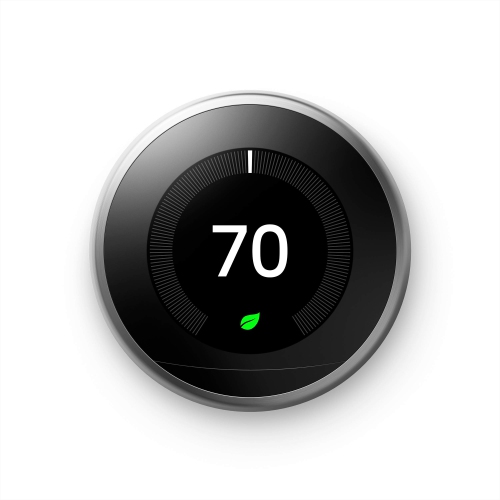 Your price for this item is $303.46
 -
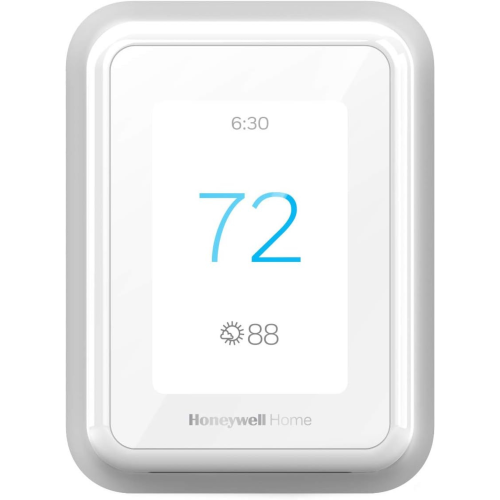 Your price for this item is $217.55
 -
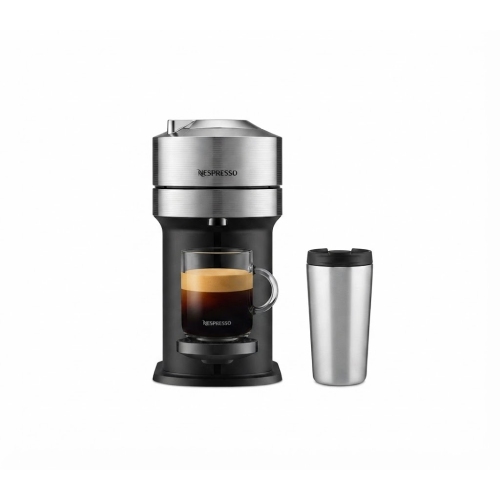 Your price for this item is $129.99
 -
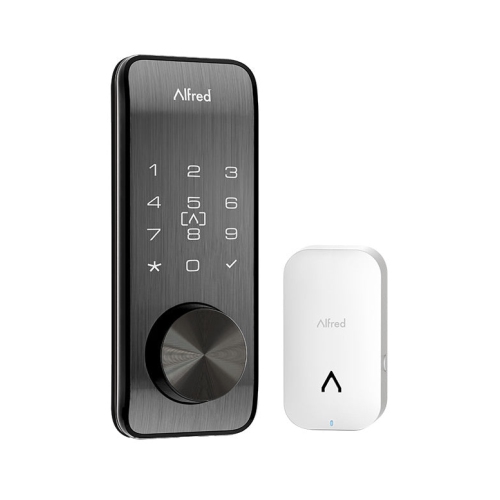 Your price for this item is $399.99
 -
 Your price for this item is $542.64
 -
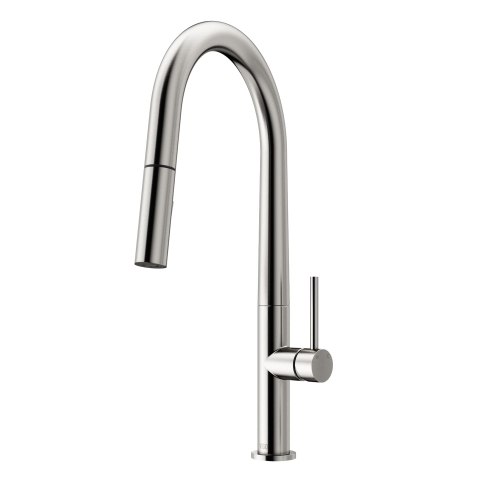 Your price for this item is $249
 -
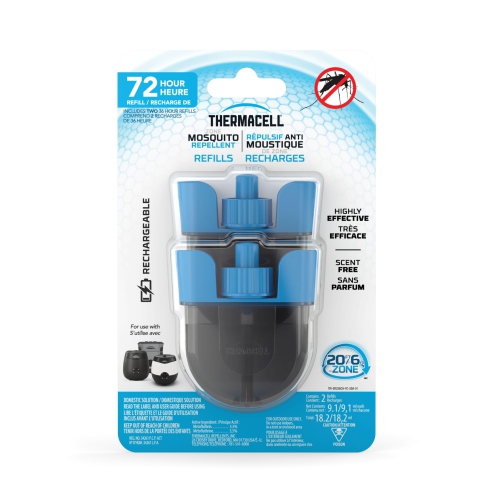 Your price for this item is $39.99
 -
 Your price for this item is $129.68
Discover more categories related to Timer Electrical Outlets
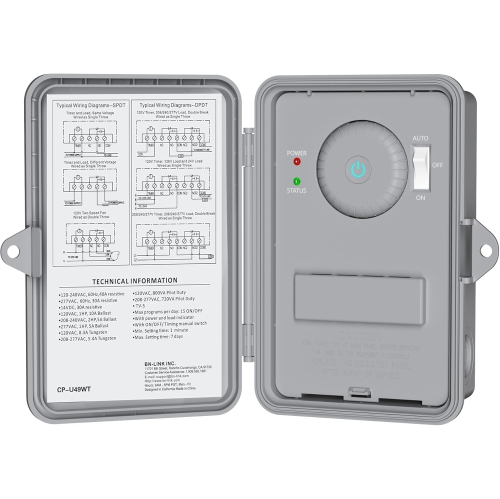
Top Collections:
Pokemon Centers, Budget 4K TVs, Best Budget Office Chairs, Kindle Devices, Canon G7X Cameras, Apple iPhones 16, iPhone 15 Apple, Laptops for Business Work, Xiaomi Phones, Flip Phones
Some products may be subject to Environmental Handling Fees
(EHF) depending on your province.
Learn more about EHFs.