Wireless Temperature Sensors
Wireless temperature sensors are essential devices for monitoring and maintaining optimal temperature levels in various settings. Whether you need to keep track of the temperature in your home, office, greenhouse, or even a wine cellar, these sensors provide accurate readings and real-time alerts to ensure that your environment remains comfortable and safe. Here are some great options available.
Sort
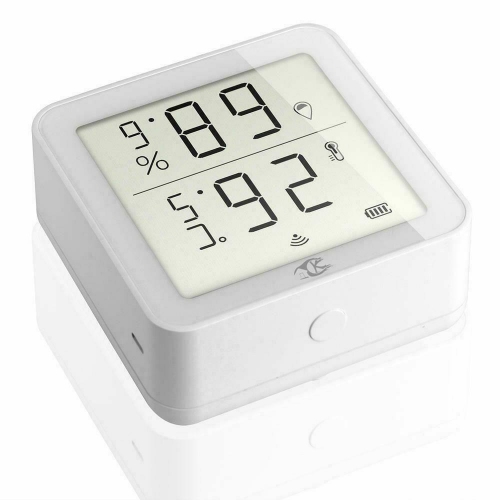
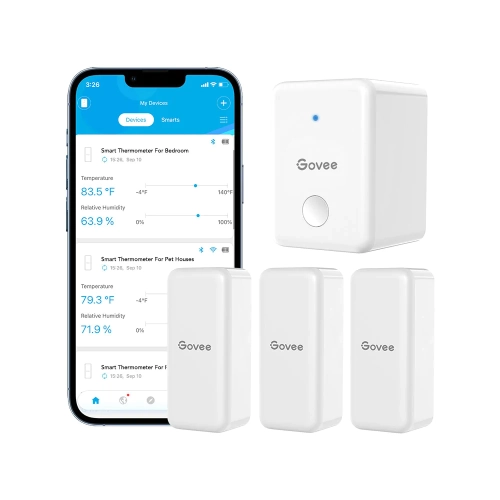
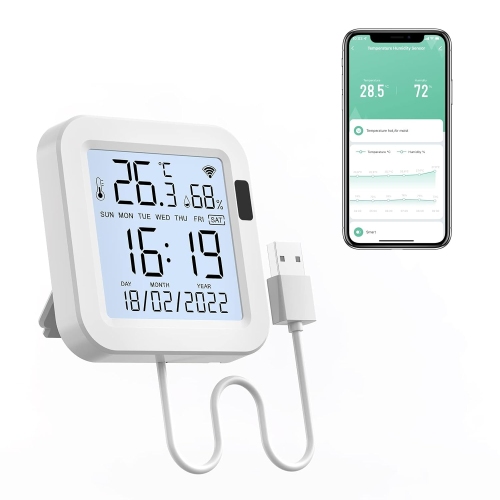

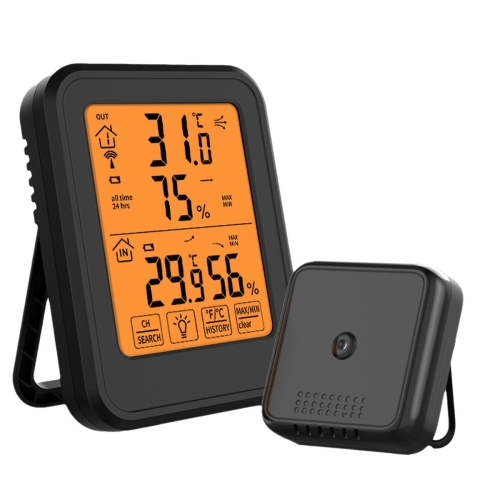
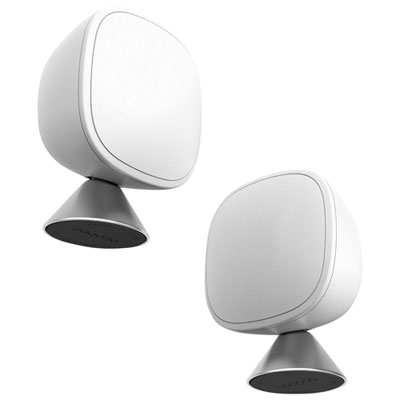
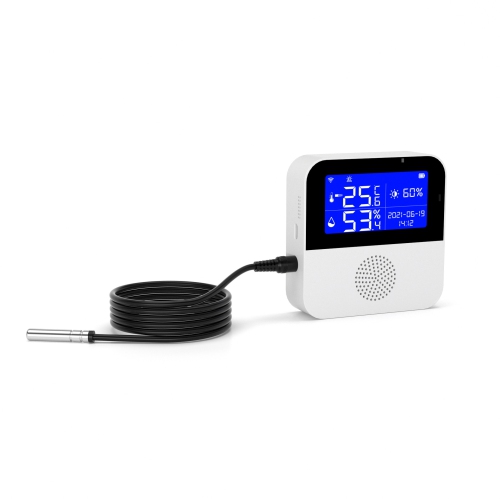
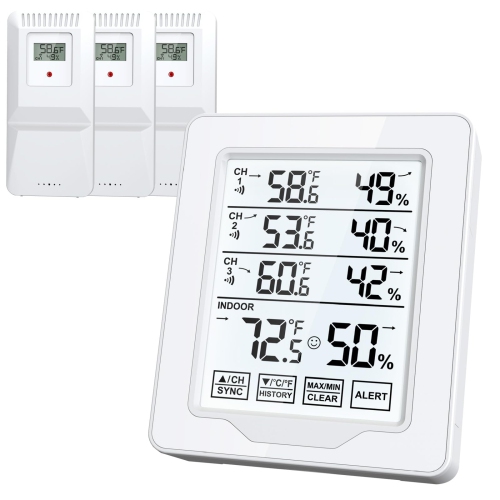
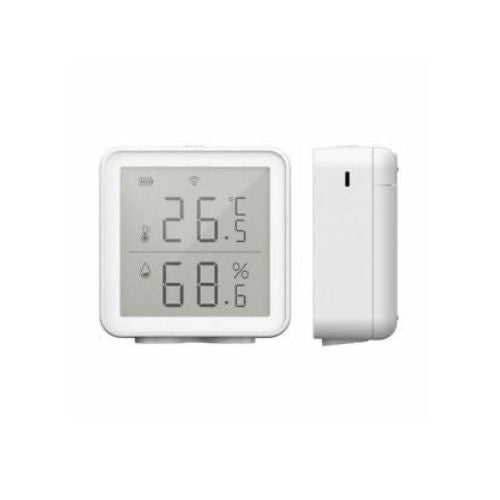
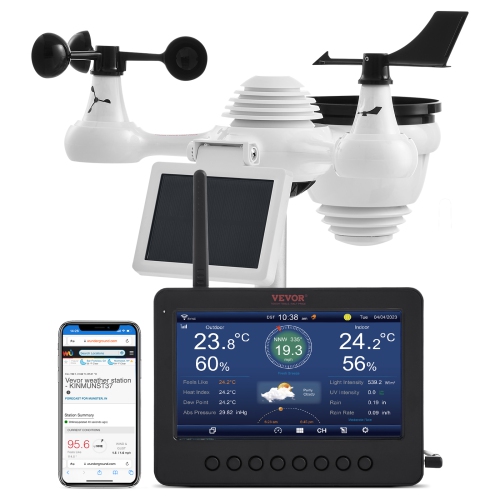
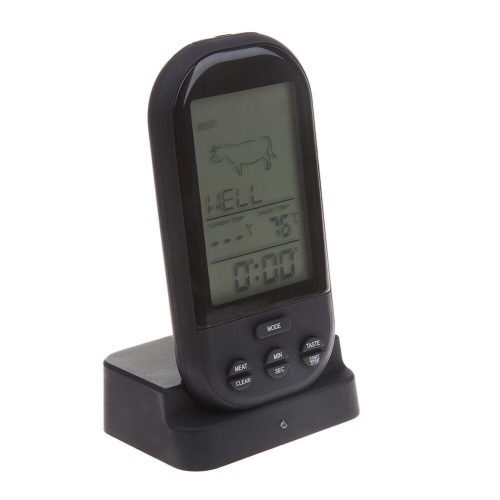

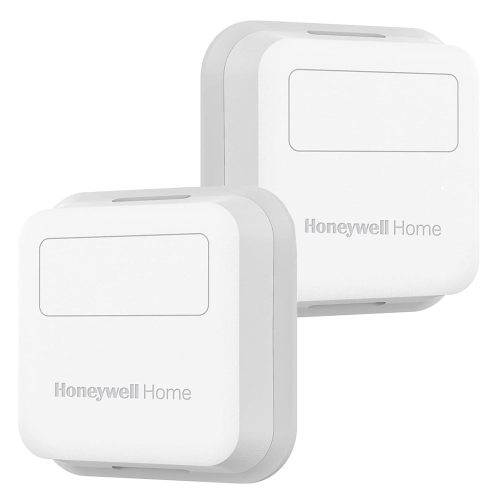
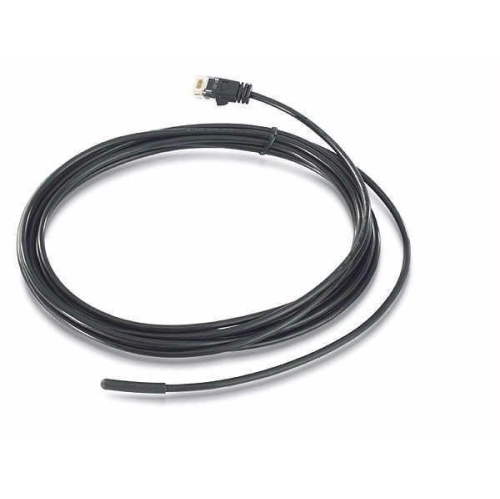
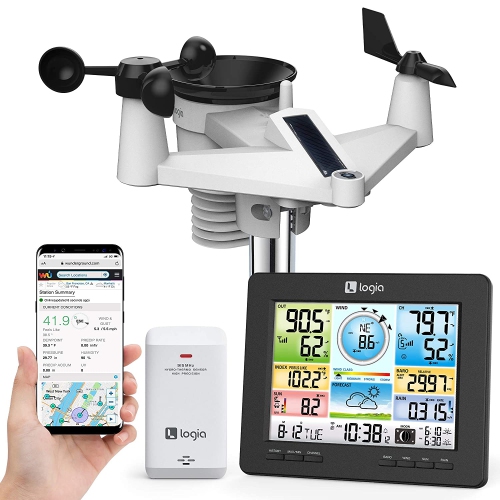
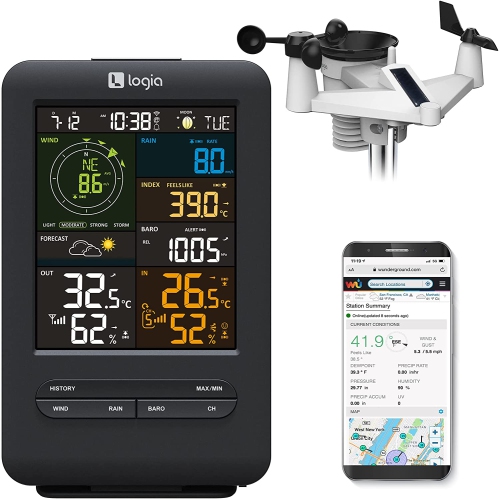
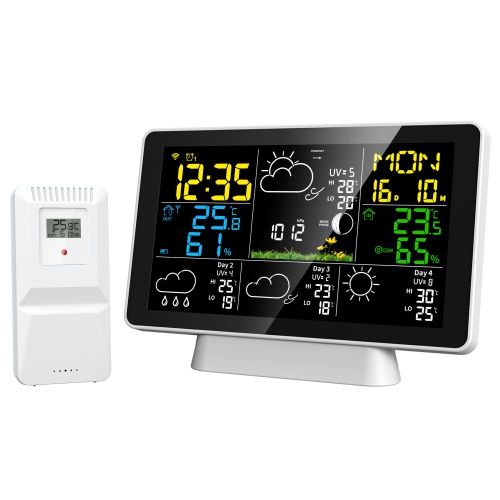
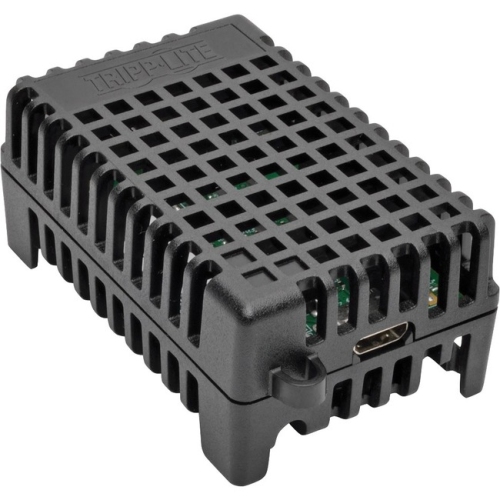
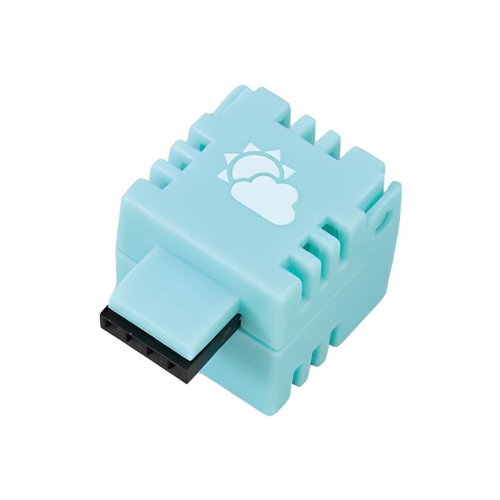
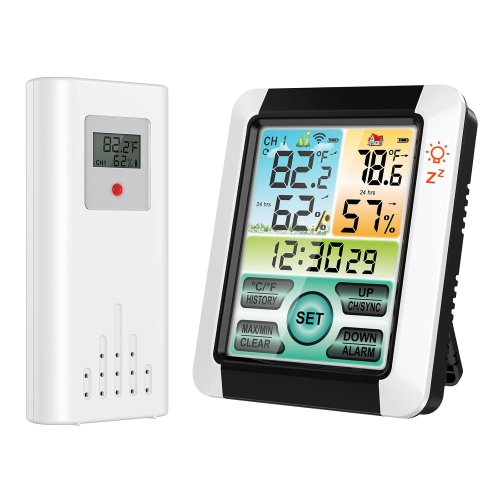
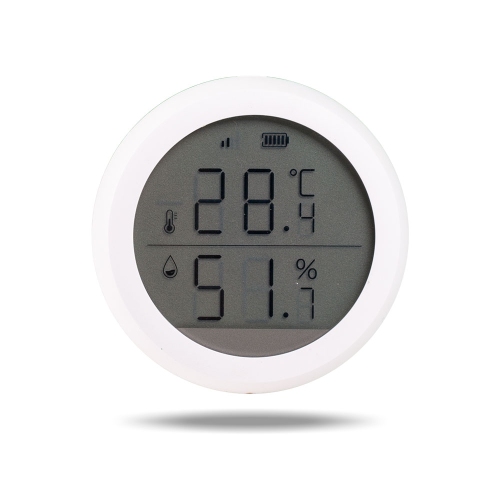

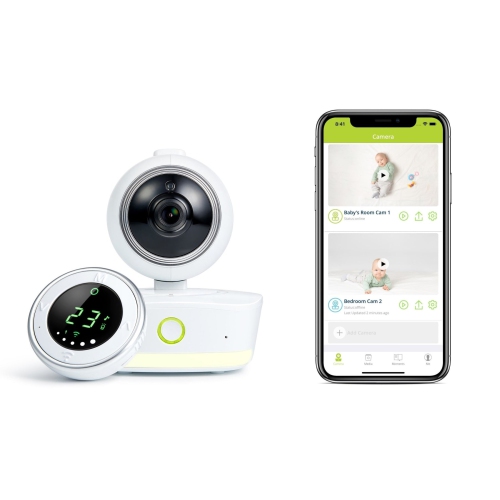
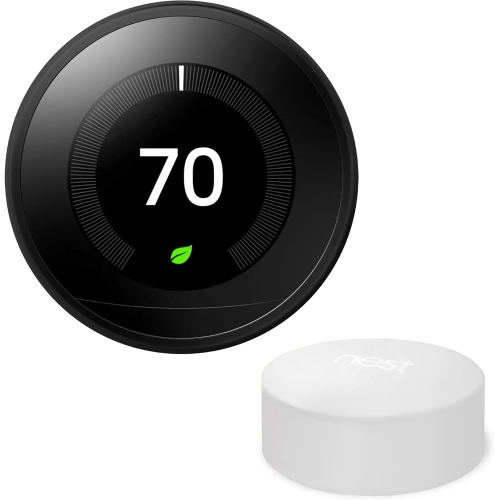
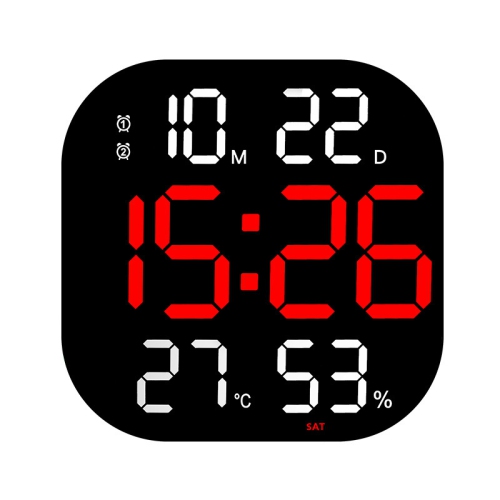
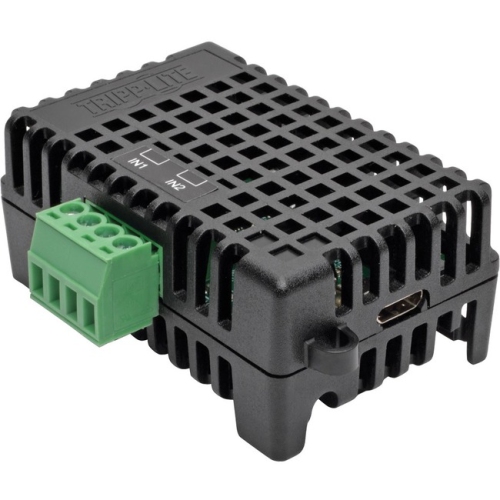
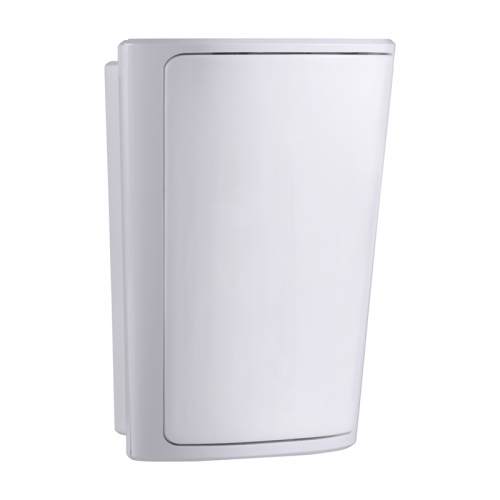
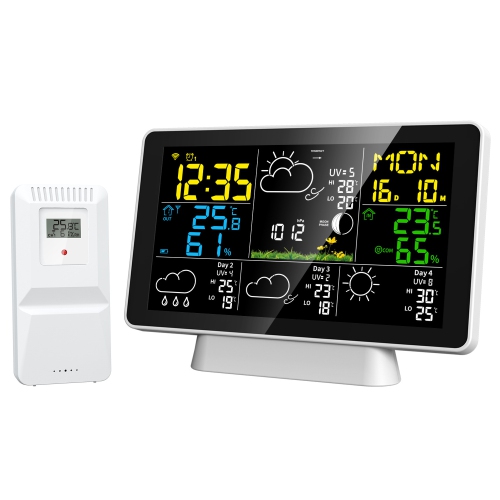
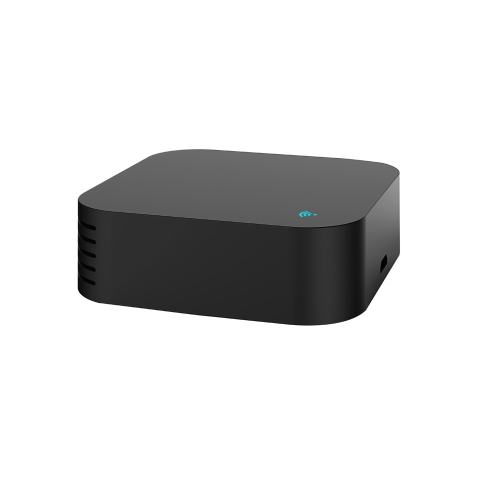
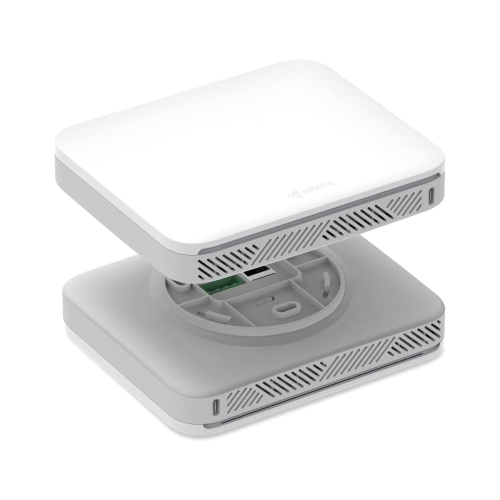
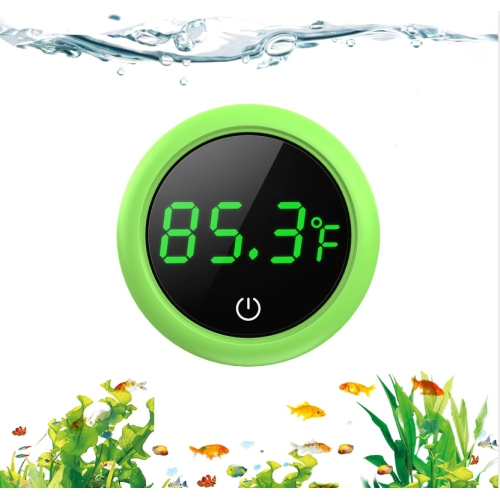
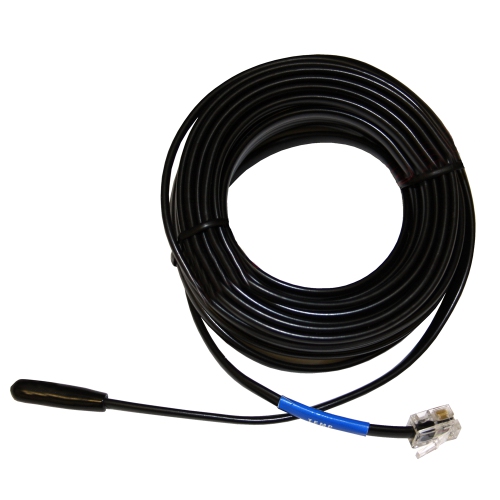
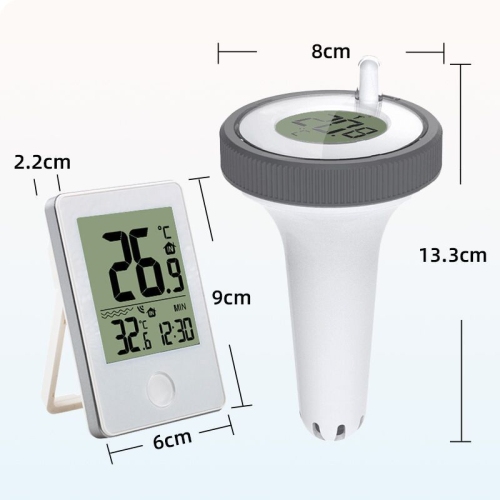
Monitor temperatures remotely for comfort, safety, and peace of mind
Wireless temperature sensors make it easier to keep track of heat and cold in places where running a cable would be inconvenient, impractical, or visually distracting. They use a built-in sensing component, such as a thermistor, RTD, or thermocouple, to detect changes in temperature, then transmit readings through Wi-Fi, Bluetooth, or radio frequency to a smartphone app, local display, gateway, or cloud dashboard. Depending on the setup, you may be able to view a live reading, review temperature history, set a preferred range, or receive an alert when conditions move above or below a chosen limit. This can be helpful in a home where one room always feels warmer than the rest, a nursery that needs steady conditions, a basement that tends to become damp and chilly, or a garage, greenhouse, pantry, wine storage area, or workshop where temperature changes are easy to overlook. A wireless sensor can sit quietly on a shelf or wall while you go about your day, giving you useful information before a small change becomes a larger inconvenience. For shoppers focused on household comfort, Home Temperature Sensors can help narrow the search to options designed for indoor monitoring and smart home use. During the warmer parts of the year, a sensor can help you notice how quickly a sunlit room heats up or whether an upper floor is receiving enough cooling. During the cooler months, it can provide a clearer picture of cold spots near windows, exterior walls, entryways, or rooms that are used less often. These devices can also make thoughtful gifts for new homeowners, parents preparing a nursery, people setting up a home office, or anyone who enjoys making their living space more comfortable and connected.
Choosing the right wireless temperature sensor starts with identifying where it will be used and what you need it to do. A sensor intended for a bedroom or living room may prioritize simple installation, a clean design, and compatibility with an existing smart home system. A unit used outdoors, in a shed, or in a partially protected area should be rated for the conditions it may encounter, with suitable protection from moisture, dust, and changing temperatures. For remote monitoring, check the wireless technology, transmission range, and whether a separate hub or gateway is required. Wi-Fi models can often send readings directly through a home network, while Bluetooth sensors may be well suited to nearby monitoring from a phone or tablet. Radio frequency systems can offer useful range and may rely on a dedicated receiver or display. Compatibility is especially important when a sensor is intended to work with a smart thermostat, voice assistant, automation platform, or existing monitoring system. Look for clear information about supported apps, operating systems, network requirements, and the number of sensors that can be connected. Battery life also deserves attention: a sensor placed in a hard-to-reach location is more convenient when it can operate for a long period between battery changes, while a frequently accessed location may make charging or replacement less of a concern. Consider the display and notification experience as well. Some people prefer a glanceable local screen in a kitchen or hallway, while others want readings, trends, and alerts available from anywhere through an app. A useful temperature sensor should be easy to pair, straightforward to place, and simple to understand without requiring constant adjustment.
Accuracy, response time, placement, and alert settings all affect how useful your readings will be. A sensor positioned beside a sunny window, heating vent, appliance, exterior door, or other heat source may report a very different temperature from the middle of the room. For a more representative reading, place it where air can circulate freely and away from direct sunlight, drafts, and surfaces that hold heat or cold. If you are monitoring a refrigerator, freezer, nursery, server room, cold storage area, or other space with a specific acceptable range, compare the sensor’s operating limits and stated accuracy with your requirements before purchasing. Some wireless temperature sensors are designed for occasional checks, while others record data continuously and provide a history that can reveal patterns over time. That history can show, for example, that a room becomes uncomfortable every afternoon, that a storage area warms whenever a door is opened repeatedly, or that a heating system struggles to maintain an even temperature at night. Alerts can be particularly valuable when you cannot be nearby, but they should be configured thoughtfully so that the limits reflect the space and do not create unnecessary notifications. For commercial, technical, or specialized monitoring, look for features such as multiple connected sensors, long-range communication, remote dashboards, calibration support, data logging, and high- or low-temperature alarms. For everyday home use, ease of setup and reliable notifications may matter more than advanced reporting. Whether you are balancing comfort across several rooms, keeping an eye on an outdoor area, checking conditions in a workspace, or adding a practical connected device to a new home, wireless temperature sensors offer a flexible way to understand the spaces around you.
Choosing the right wireless temperature sensor starts with identifying where it will be used and what you need it to do. A sensor intended for a bedroom or living room may prioritize simple installation, a clean design, and compatibility with an existing smart home system. A unit used outdoors, in a shed, or in a partially protected area should be rated for the conditions it may encounter, with suitable protection from moisture, dust, and changing temperatures. For remote monitoring, check the wireless technology, transmission range, and whether a separate hub or gateway is required. Wi-Fi models can often send readings directly through a home network, while Bluetooth sensors may be well suited to nearby monitoring from a phone or tablet. Radio frequency systems can offer useful range and may rely on a dedicated receiver or display. Compatibility is especially important when a sensor is intended to work with a smart thermostat, voice assistant, automation platform, or existing monitoring system. Look for clear information about supported apps, operating systems, network requirements, and the number of sensors that can be connected. Battery life also deserves attention: a sensor placed in a hard-to-reach location is more convenient when it can operate for a long period between battery changes, while a frequently accessed location may make charging or replacement less of a concern. Consider the display and notification experience as well. Some people prefer a glanceable local screen in a kitchen or hallway, while others want readings, trends, and alerts available from anywhere through an app. A useful temperature sensor should be easy to pair, straightforward to place, and simple to understand without requiring constant adjustment.
Accuracy, response time, placement, and alert settings all affect how useful your readings will be. A sensor positioned beside a sunny window, heating vent, appliance, exterior door, or other heat source may report a very different temperature from the middle of the room. For a more representative reading, place it where air can circulate freely and away from direct sunlight, drafts, and surfaces that hold heat or cold. If you are monitoring a refrigerator, freezer, nursery, server room, cold storage area, or other space with a specific acceptable range, compare the sensor’s operating limits and stated accuracy with your requirements before purchasing. Some wireless temperature sensors are designed for occasional checks, while others record data continuously and provide a history that can reveal patterns over time. That history can show, for example, that a room becomes uncomfortable every afternoon, that a storage area warms whenever a door is opened repeatedly, or that a heating system struggles to maintain an even temperature at night. Alerts can be particularly valuable when you cannot be nearby, but they should be configured thoughtfully so that the limits reflect the space and do not create unnecessary notifications. For commercial, technical, or specialized monitoring, look for features such as multiple connected sensors, long-range communication, remote dashboards, calibration support, data logging, and high- or low-temperature alarms. For everyday home use, ease of setup and reliable notifications may matter more than advanced reporting. Whether you are balancing comfort across several rooms, keeping an eye on an outdoor area, checking conditions in a workspace, or adding a practical connected device to a new home, wireless temperature sensors offer a flexible way to understand the spaces around you.
Top selling and popular products
-
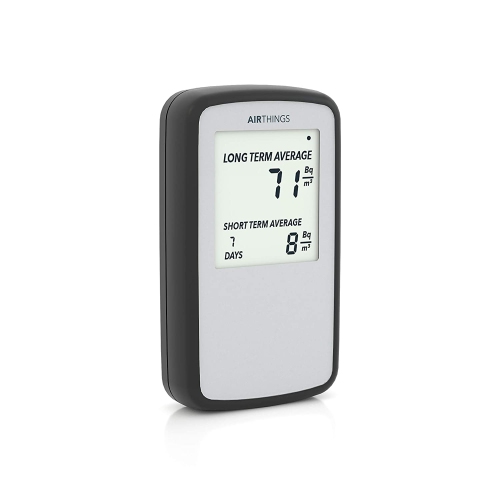 Your price for this item is $301.99
 -
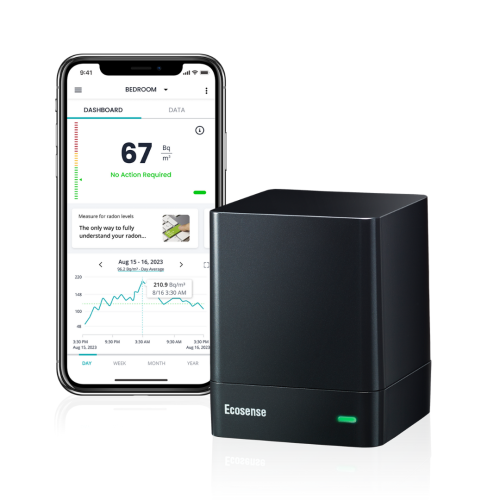 Your price for this item is $197
 -
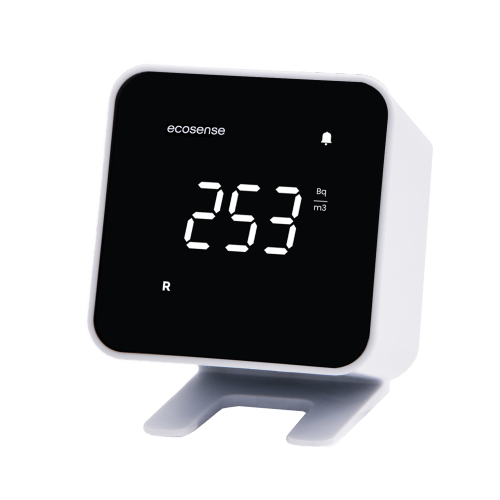 Your price for this item is $165
 -
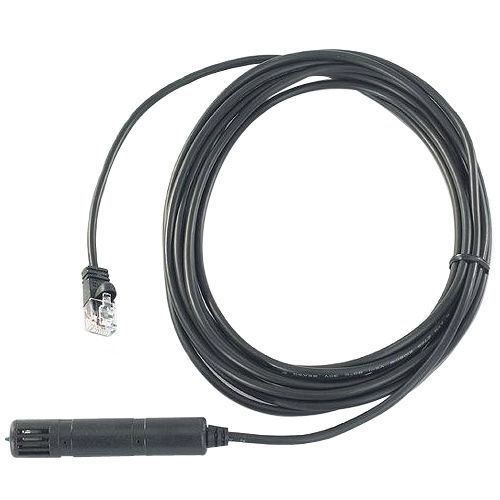 Your price for this item is $255.89
 -
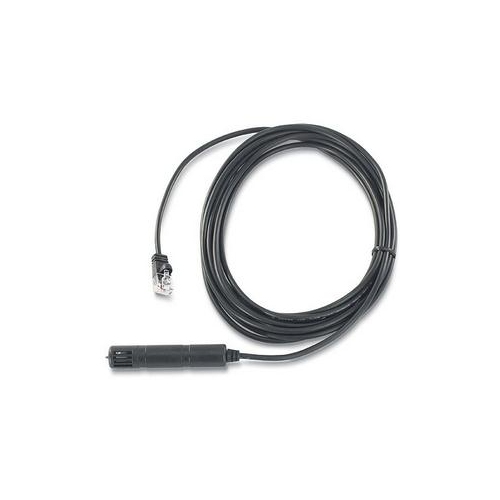 Your price for this item is $207.68
 -
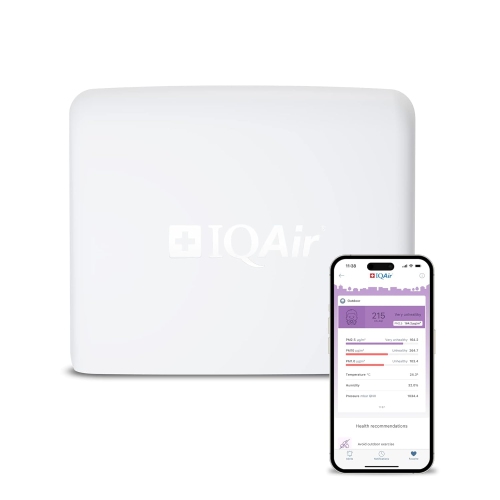 Your price for this item is $429.99
 -
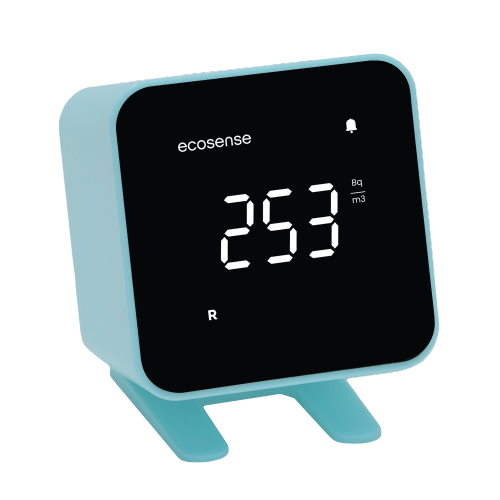 Your price for this item is $165
 -
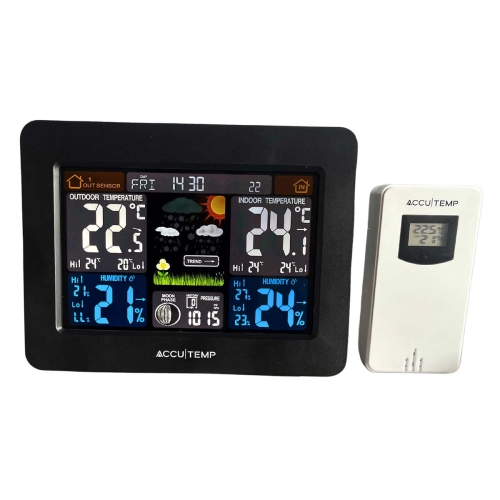 Your price for this item is $66.46
Discover more categories related to Wireless Temperature Sensors
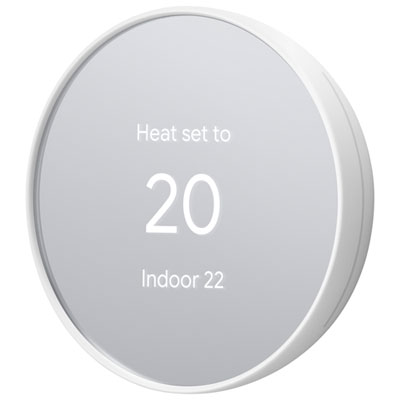
Top Collections:
Pokemon Centers, Kindle Devices, Best Budget Office Chairs, Apple iPhones 16, Best Laptops for Writers, iPhone 15 Apple, Canon G7X Cameras, Refurbished Apple Laptops, Alarm Clock, Motorola Razr Phones
Some products may be subject to Environmental Handling Fees
(EHF) depending on your province.
Learn more about EHFs.