Smart Temperature Sensors
Stay ahead of the weather with our collection of smart temperature sensors. These cutting-edge devices are designed to provide accurate and real-time temperature readings, allowing you to easily monitor and control the climate in your home or office. Whether you're looking to optimize energy efficiency, ensure optimal comfort levels, or simply stay informed about the temperature changes in different rooms, our smart temperature sensors have got you covered. With their sleek designs and advanced features, these sensors offer a seamless integration into your smart home system. Explore our range of smart temperature sensors and take control of your environment today.
Sort




![APPLE Watch Series 8 [Gps + Cellular 41Mm] Smart Watch With Aluminum Case And Sport Band - S/m In Red Great features on the Apple Watch Series 8](https://multimedia.bbycastatic.ca/multimedia/products/500x500/165/16596/16596250.jpeg)
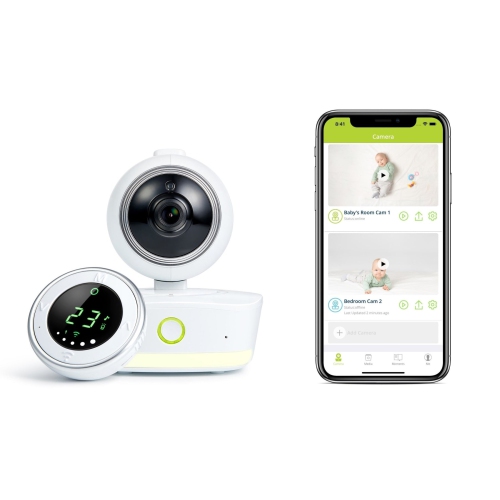
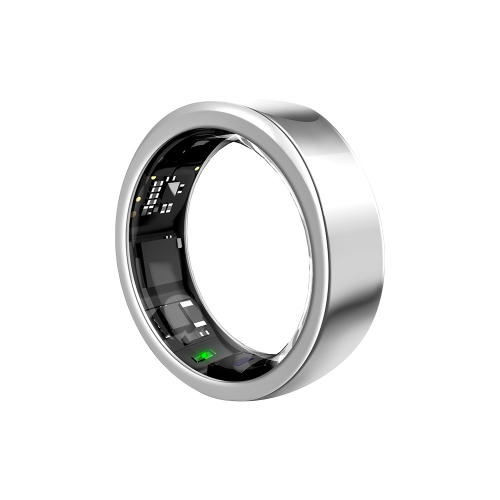
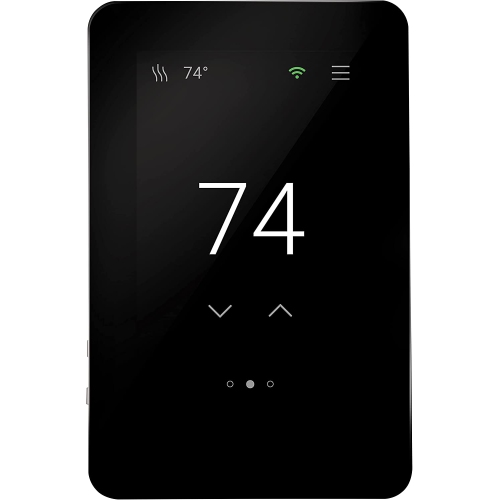
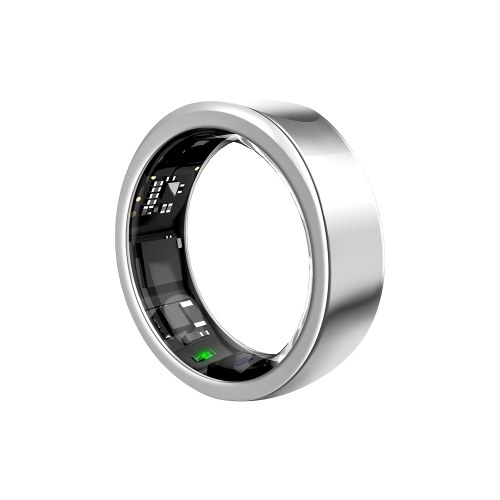
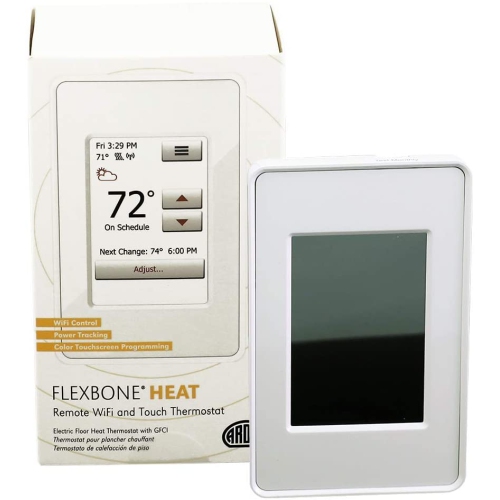
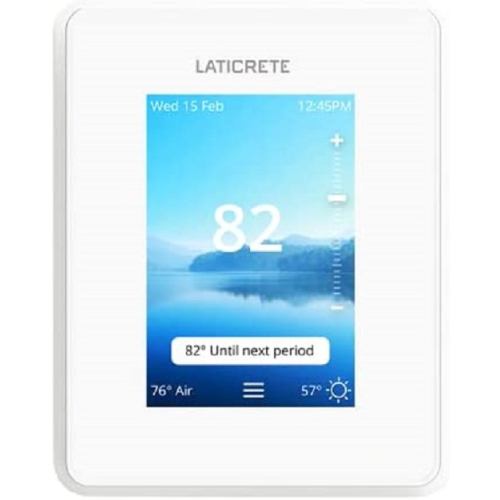
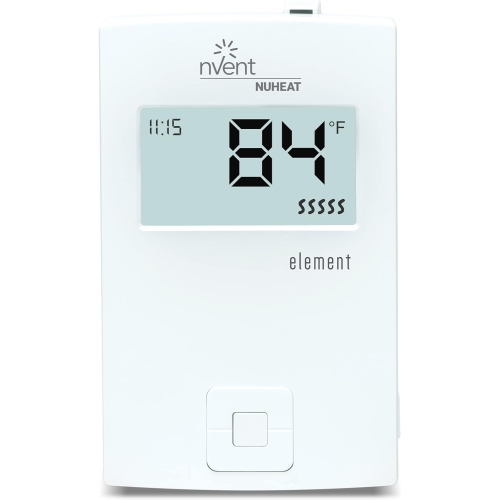
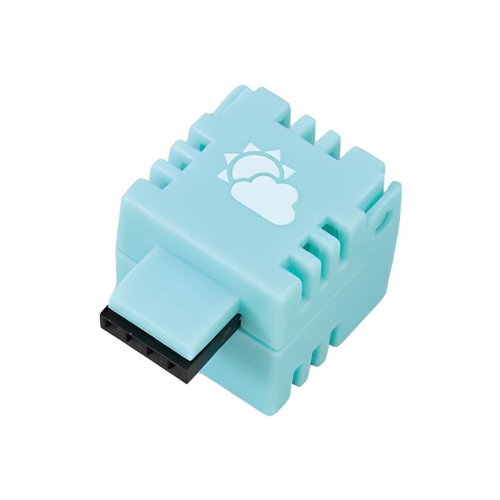
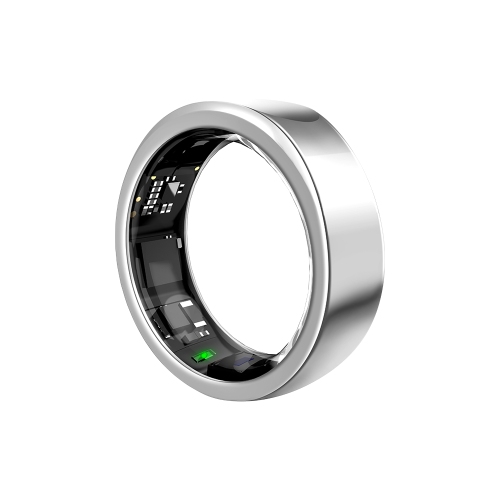

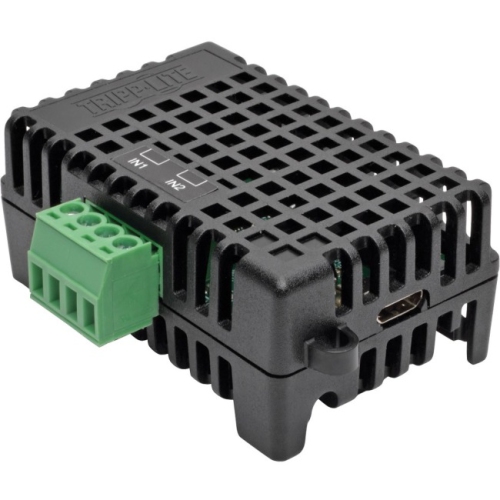
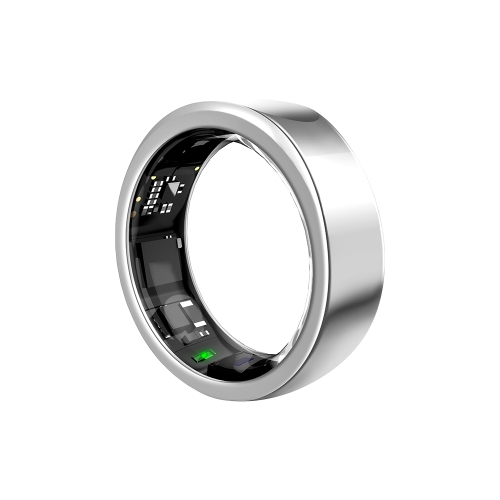


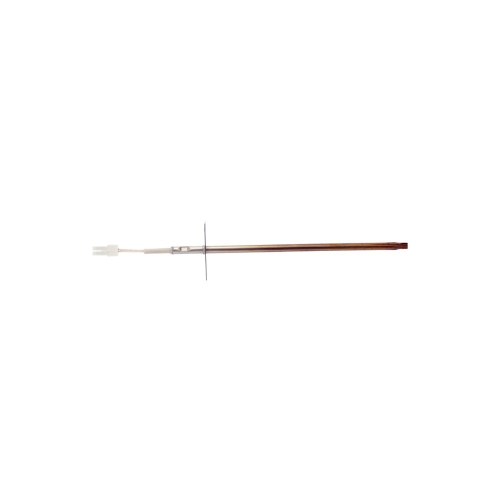
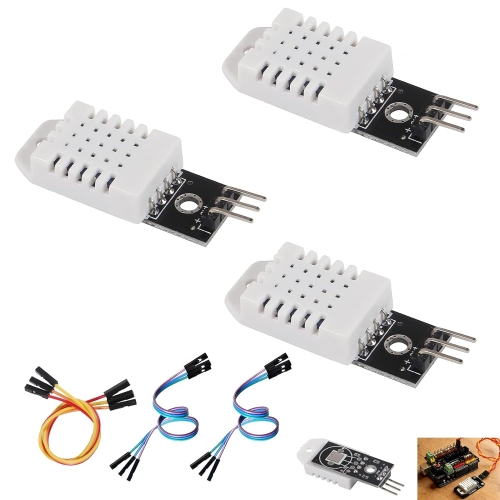
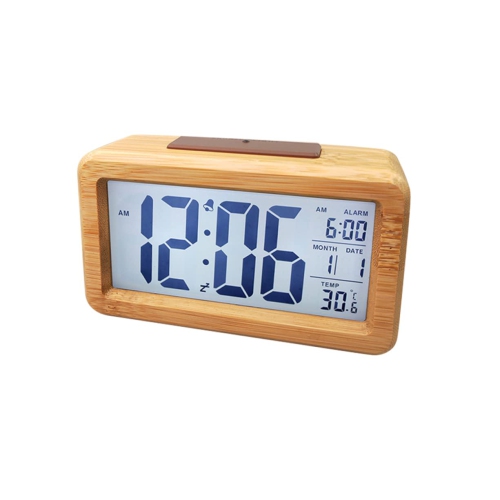
See how room-by-room readings support a more comfortable home
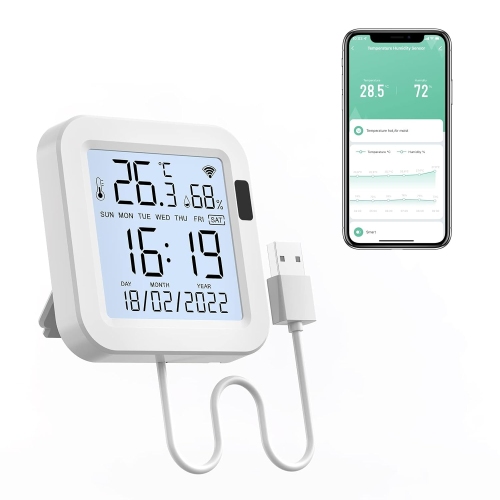
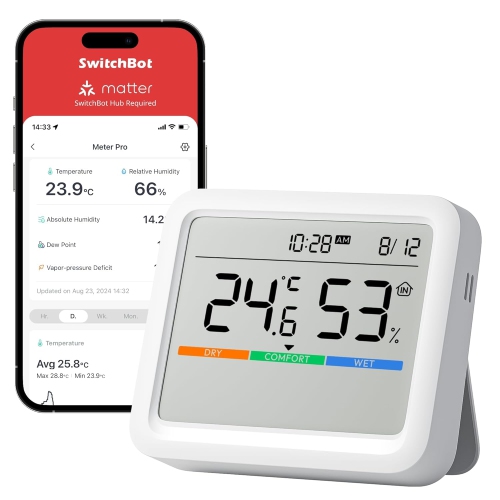
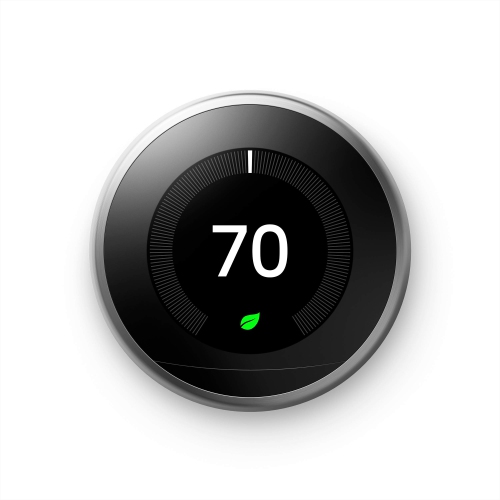
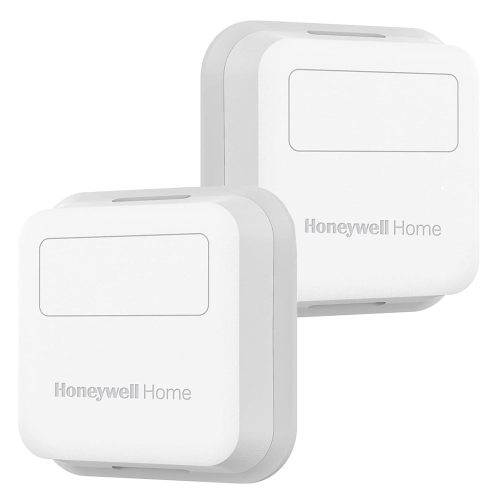
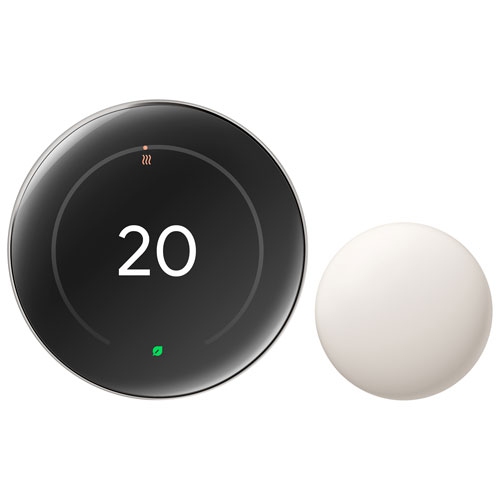
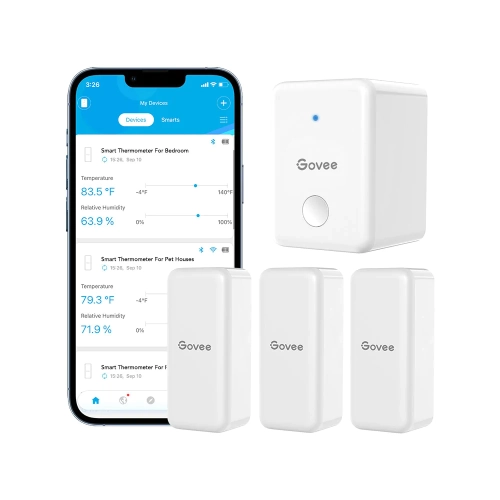
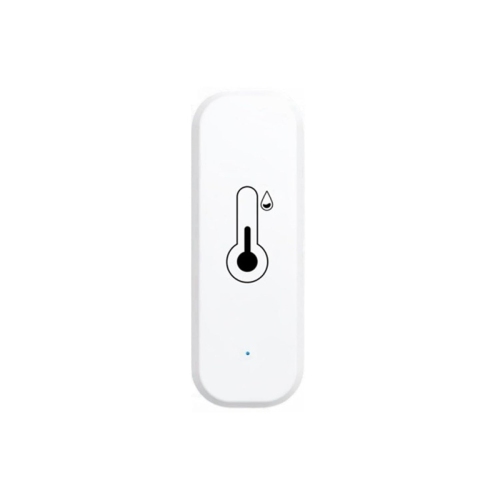
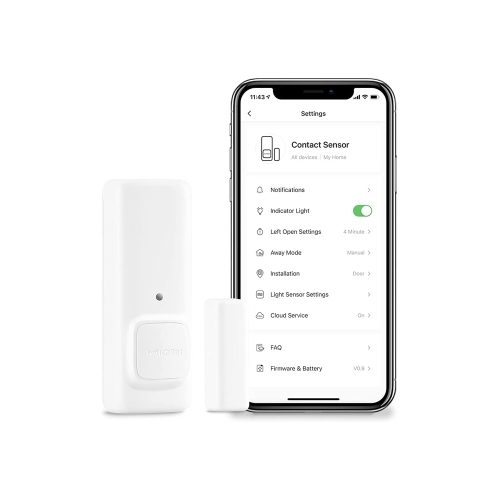
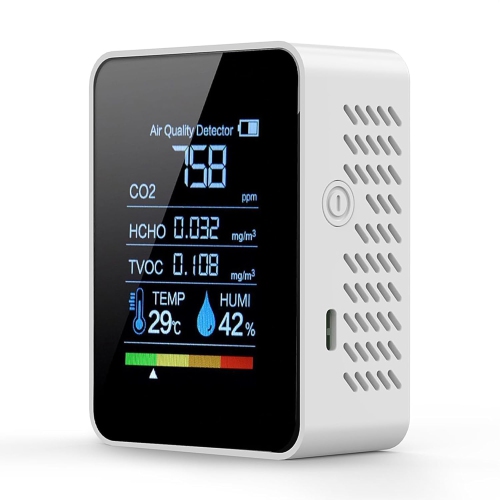
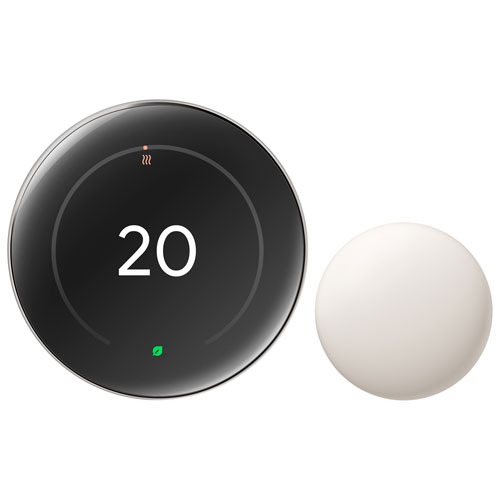
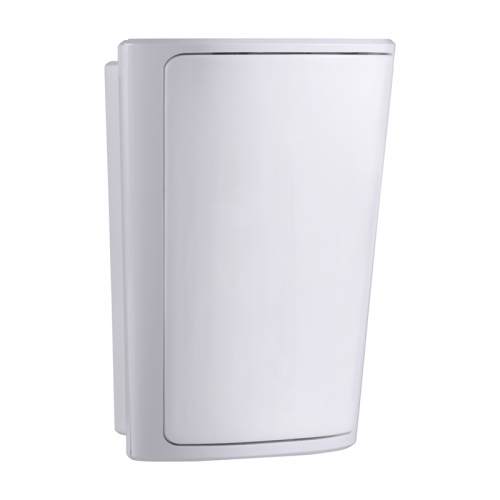
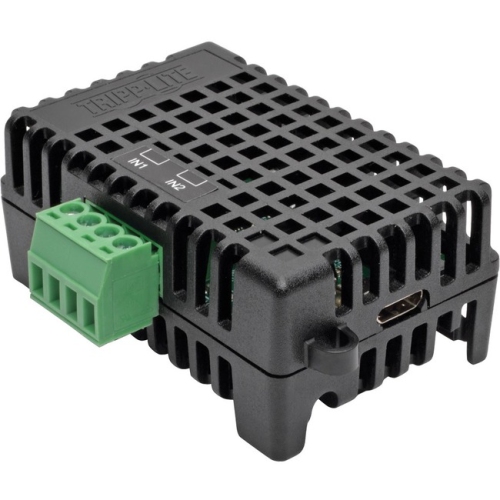
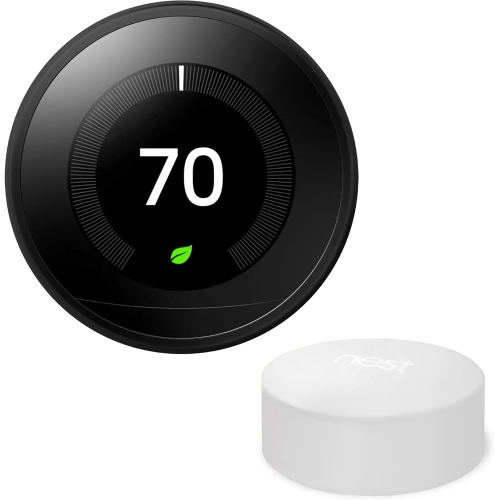
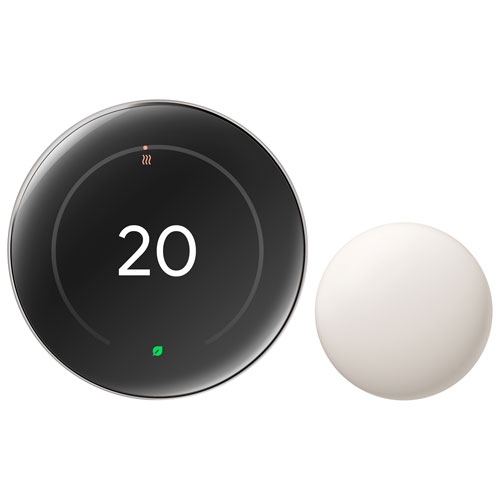
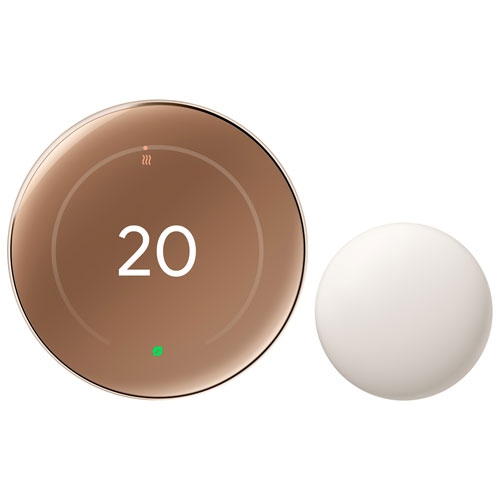
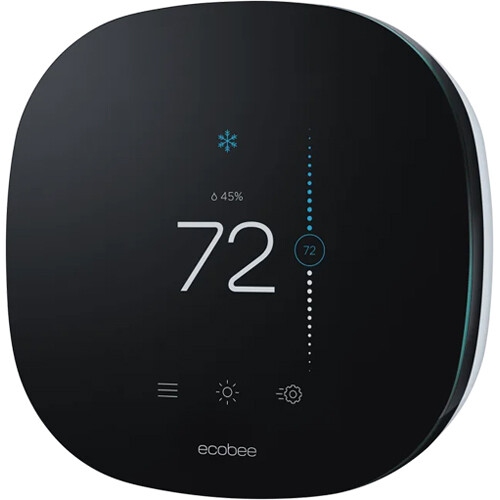
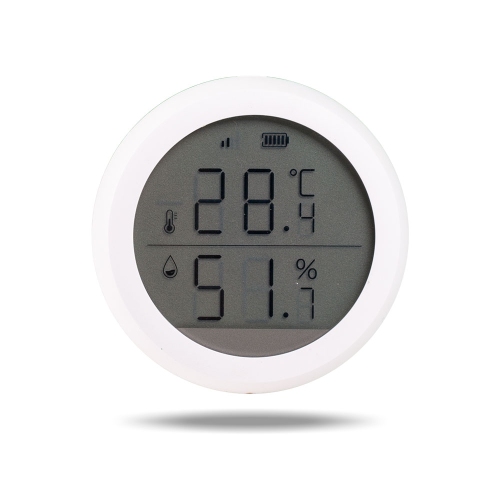
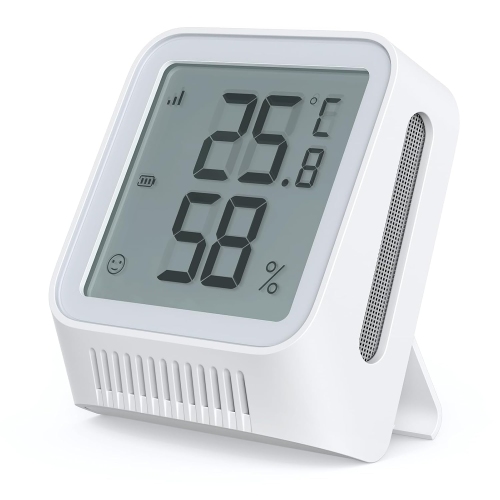
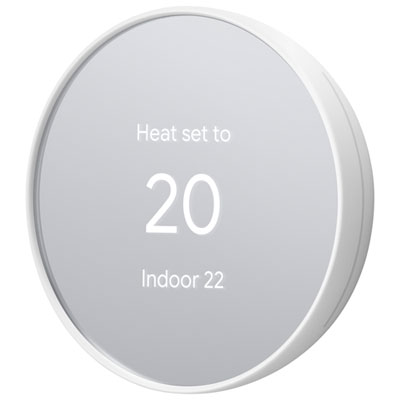
Smart temperature sensors provide a simple way to keep track of room conditions without relying on guesswork. Unlike a standard thermometer that only shows a reading when someone looks at it, a smart sensor can send temperature information to a compatible app, smart home platform, hub, or thermostat. Depending on the model, it may also support alerts, historical readings, voice access, and automated routines. For example, a sensor placed in a nursery, home office, basement, bedroom, or sun-facing living room can identify temperature differences that a central thermostat may not detect. This makes it easier to understand how comfortable each area of the home feels throughout the day. When connected to compatible heating or cooling equipment, a sensor may help prioritize a particular room, adjust a routine, or notify you when conditions move outside a chosen range. Some sensors connect directly over Wi-Fi, while others use Bluetooth, Zigbee, Thread, or another wireless standard and may require a compatible hub. Checking the required connection before purchasing is important, especially if the sensor will be added to an existing smart home. A sensor that works with one platform may not work with another, so look for compatibility with the system used in your home and confirm whether a separate hub, bridge, or subscription is needed. For a broader selection that tracks more than temperature, explore Temperature And Humidity Sensors, including options designed to monitor moisture levels alongside room temperature.
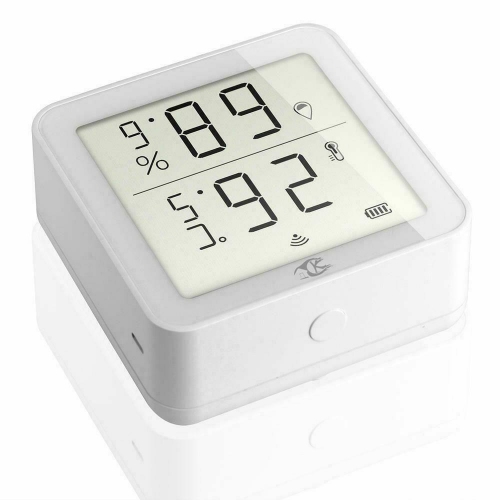
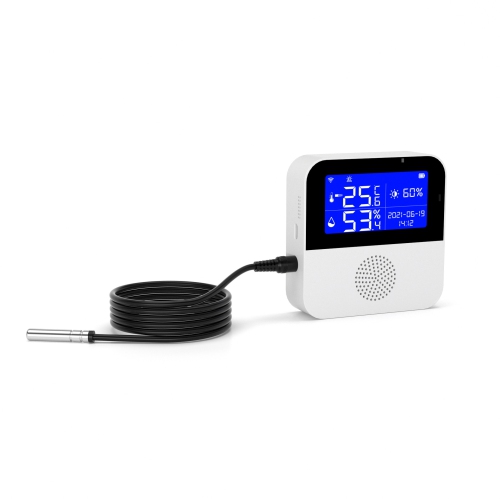
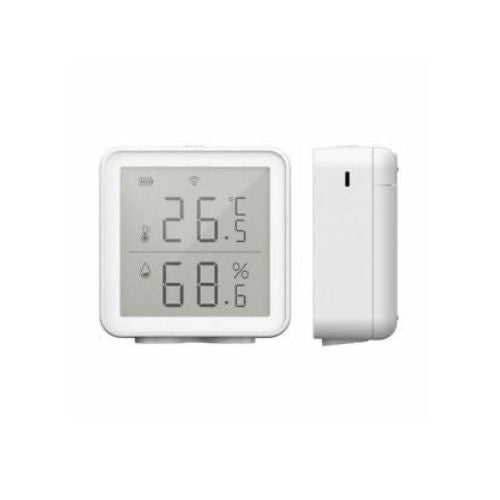
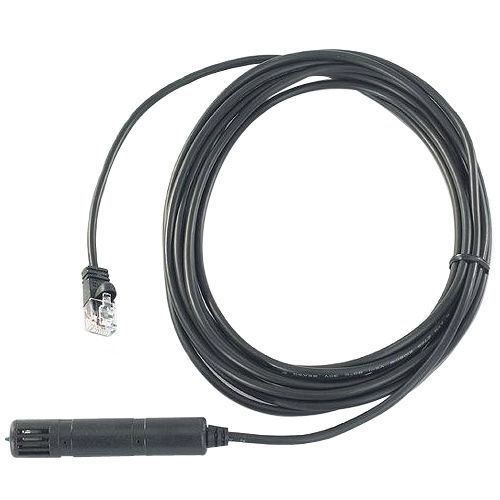
Placement has a noticeable effect on accuracy and usefulness. A sensor usually performs best on an interior wall, shelf, or other open surface where air can circulate naturally. Avoid placing it directly beside a radiator, vent, fireplace, sunny window, exterior door, kitchen appliance, or other heat source, since these locations can create readings that do not represent the rest of the room. In a bedroom, positioning it near the sleeping area can offer a more meaningful picture of overnight comfort, while a basement sensor can help identify unusually cool or damp conditions. A sensor near an entryway may be useful for noticing temperature changes when doors open frequently, and one in a garage, workshop, or storage area can provide reassurance when those spaces are not visited often. Consider the type of information you want at a glance. Models with a built-in LCD screen are convenient for a quick reading without opening an app, while screen-free designs can be smaller and more discreet. Battery-powered sensors are easy to place where wiring is not available, although battery life depends on connection type, reporting frequency, room conditions, and alert settings. Some models allow adjustable reporting intervals, which can help balance timely updates with battery use. It is also worth checking the operating temperature range, sensor accuracy, alert options, data history, mounting method, and whether readings can be viewed remotely. If more than one room needs monitoring, a multi-sensor setup can reveal how temperature varies across floors or sides of the home and can make whole-home routines more precise.
Smart temperature sensors can be useful for many households, from someone managing a drafty older home to a family trying to keep a baby’s room comfortable during the cooler months. They can also suit apartment residents, renters, cottage owners, travellers, and anyone who wants a quick way to check conditions from a phone while away. A remote alert may help identify a cold room, a heating issue, or a sudden change before it becomes a larger inconvenience, although sensors are not a replacement for professional safety equipment or emergency monitoring. They can be especially practical during seasonal transitions, when outdoor temperatures shift from warm afternoons to chilly evenings and different rooms respond at different speeds. In a home office, temperature history can help explain why the space feels uncomfortable during a long workday. In a bedroom, overnight readings may help with fan, heating, or ventilation routines. For a plant room, wine storage area, nursery, or pet space, a sensor can provide added awareness when conditions need to remain within a preferred range. These products can also make thoughtful gifts for new homeowners, people setting up a first apartment, relatives who spend time at a cottage, or anyone building a connected home one room at a time. Before choosing, compare the sensor’s wireless requirements, platform compatibility, display preferences, power source, alert controls, installation options, and the number of rooms that need coverage. With the right placement and setup, a smart temperature sensor turns an otherwise invisible change in room conditions into useful information that can support a more comfortable, responsive home.
Placement has a noticeable effect on accuracy and usefulness. A sensor usually performs best on an interior wall, shelf, or other open surface where air can circulate naturally. Avoid placing it directly beside a radiator, vent, fireplace, sunny window, exterior door, kitchen appliance, or other heat source, since these locations can create readings that do not represent the rest of the room. In a bedroom, positioning it near the sleeping area can offer a more meaningful picture of overnight comfort, while a basement sensor can help identify unusually cool or damp conditions. A sensor near an entryway may be useful for noticing temperature changes when doors open frequently, and one in a garage, workshop, or storage area can provide reassurance when those spaces are not visited often. Consider the type of information you want at a glance. Models with a built-in LCD screen are convenient for a quick reading without opening an app, while screen-free designs can be smaller and more discreet. Battery-powered sensors are easy to place where wiring is not available, although battery life depends on connection type, reporting frequency, room conditions, and alert settings. Some models allow adjustable reporting intervals, which can help balance timely updates with battery use. It is also worth checking the operating temperature range, sensor accuracy, alert options, data history, mounting method, and whether readings can be viewed remotely. If more than one room needs monitoring, a multi-sensor setup can reveal how temperature varies across floors or sides of the home and can make whole-home routines more precise.
Smart temperature sensors can be useful for many households, from someone managing a drafty older home to a family trying to keep a baby’s room comfortable during the cooler months. They can also suit apartment residents, renters, cottage owners, travellers, and anyone who wants a quick way to check conditions from a phone while away. A remote alert may help identify a cold room, a heating issue, or a sudden change before it becomes a larger inconvenience, although sensors are not a replacement for professional safety equipment or emergency monitoring. They can be especially practical during seasonal transitions, when outdoor temperatures shift from warm afternoons to chilly evenings and different rooms respond at different speeds. In a home office, temperature history can help explain why the space feels uncomfortable during a long workday. In a bedroom, overnight readings may help with fan, heating, or ventilation routines. For a plant room, wine storage area, nursery, or pet space, a sensor can provide added awareness when conditions need to remain within a preferred range. These products can also make thoughtful gifts for new homeowners, people setting up a first apartment, relatives who spend time at a cottage, or anyone building a connected home one room at a time. Before choosing, compare the sensor’s wireless requirements, platform compatibility, display preferences, power source, alert controls, installation options, and the number of rooms that need coverage. With the right placement and setup, a smart temperature sensor turns an otherwise invisible change in room conditions into useful information that can support a more comfortable, responsive home.
Top selling and popular products
-
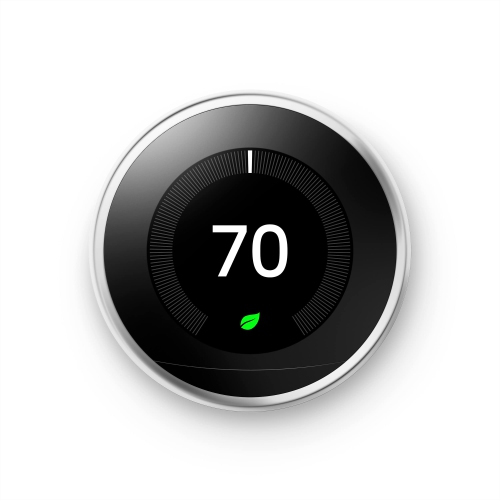 Your price for this item is $329.99
 -
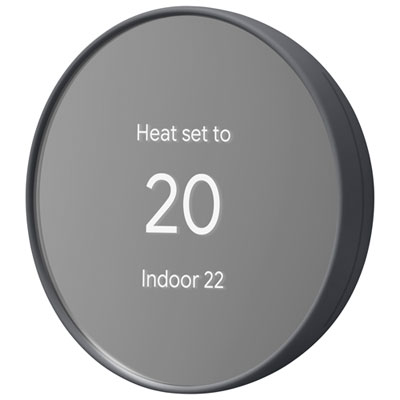 Your price for this item is $125.99
 -
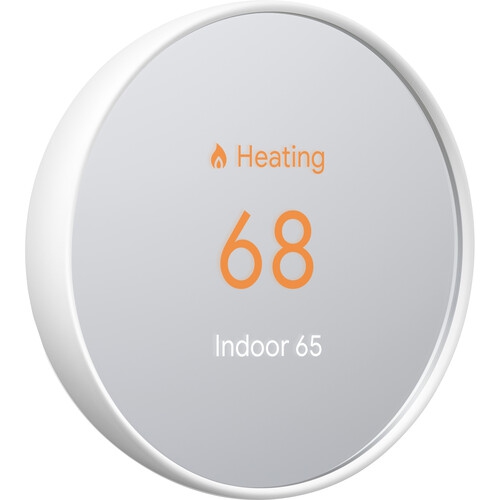 Your price for this item is $149.99
 -
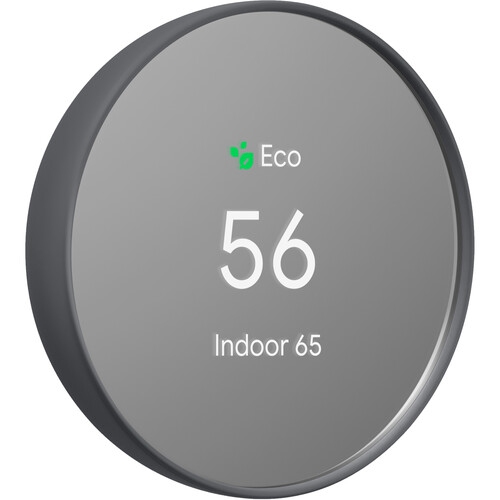 Your price for this item is $139
 -
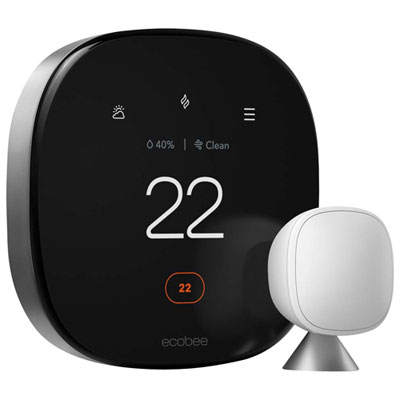 Your price for this item is $279.99
 -
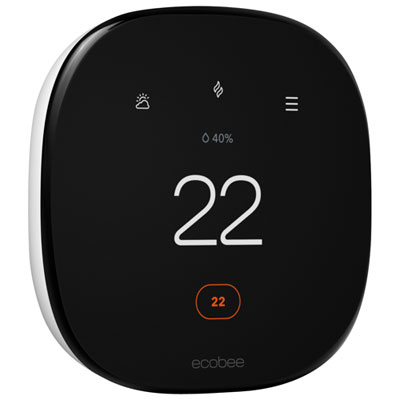 Your price for this item is $204.99
 -
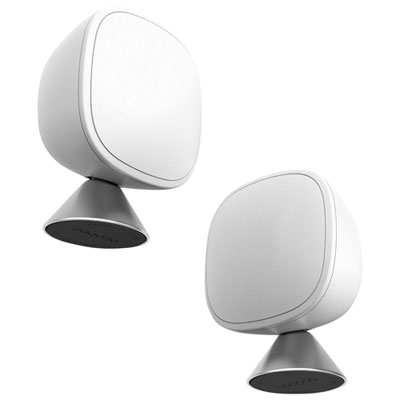 Your price for this item is $73.98
 -
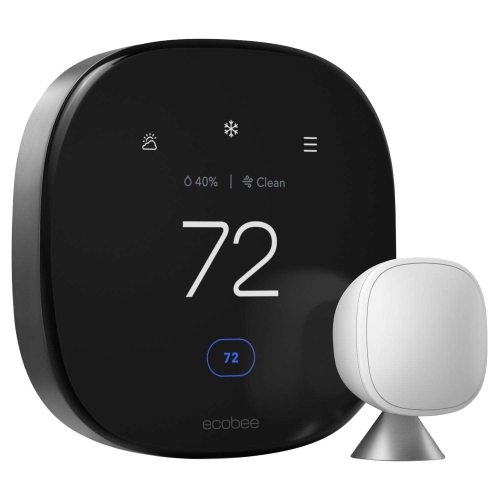 Your price for this item is $239.99
Discover more categories related to Smart Temperature Sensors
Top Collections:
Pokemon Centers, Kindle Devices, Best Budget Office Chairs, Apple iPhones 16, Best Laptops for Writers, iPhone 15 Apple, Canon G7X Cameras, Refurbished Apple Laptops, Alarm Clock, Motorola Razr Phones
Some products may be subject to Environmental Handling Fees
(EHF) depending on your province.
Learn more about EHFs.