Wireless Trail Cameras
Capture stunning wildlife moments with wireless trail cameras. These innovative devices offer a seamless way to monitor and document outdoor activities without the need for physical presence. Whether you're an avid hunter, a nature enthusiast, or simply curious about the wildlife in your area, wireless trail cameras provide a convenient solution to observe and record animals in their natural habitats. With their advanced features and reliable connectivity options, these cameras offer a unique perspective on the world of wildlife, allowing you to gain insights and create lasting memories.
Sort
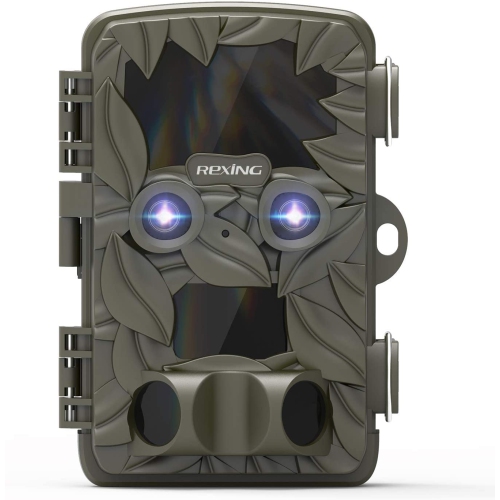
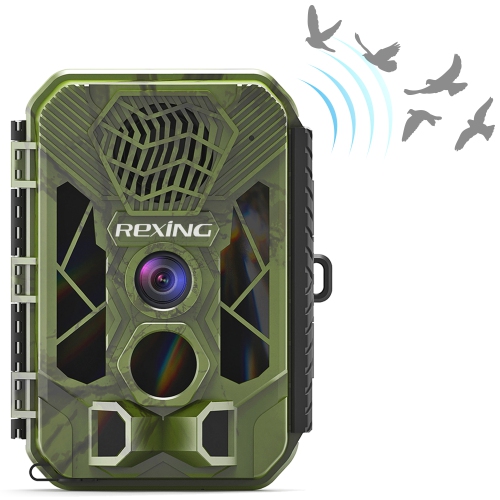
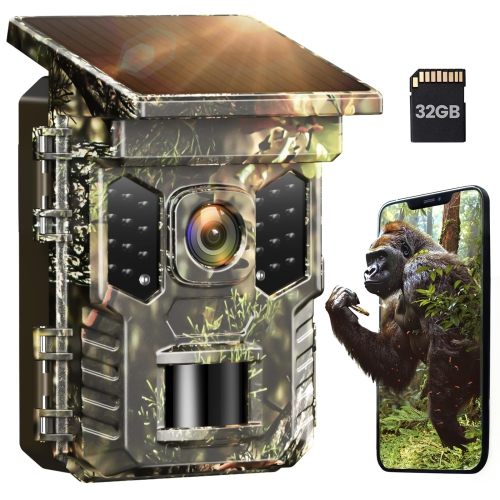
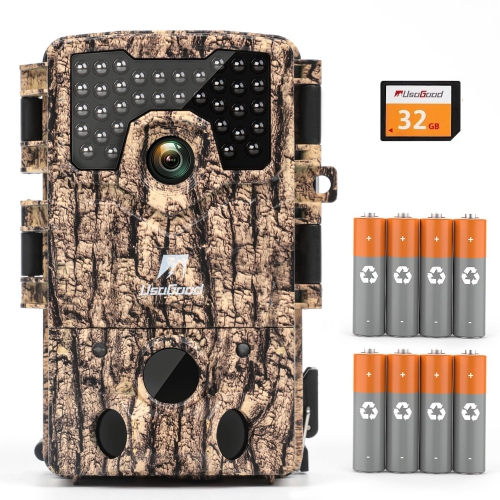
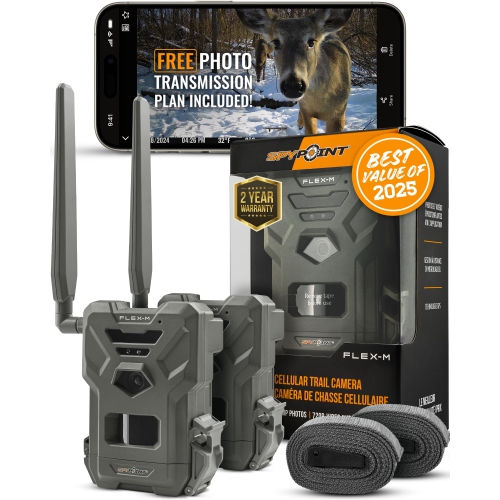
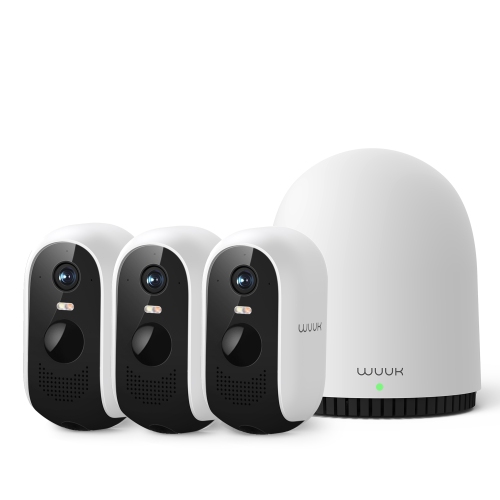
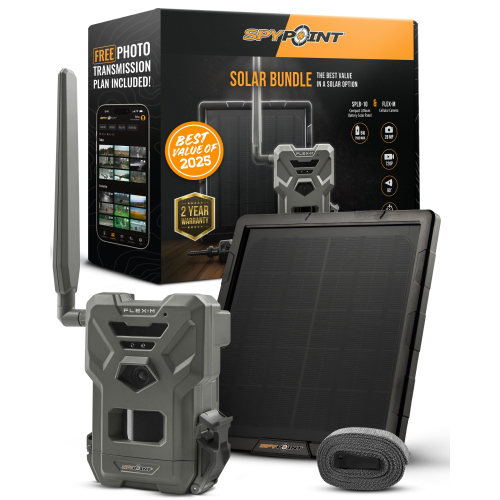
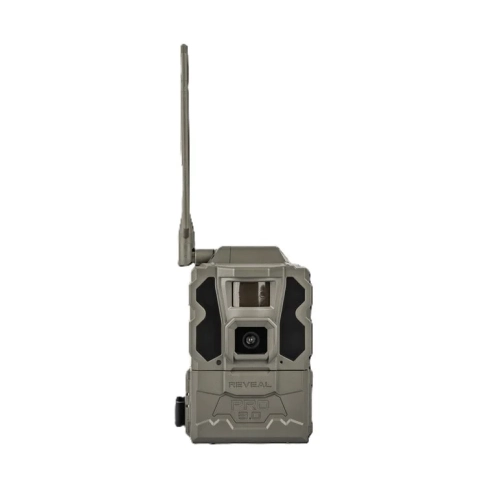
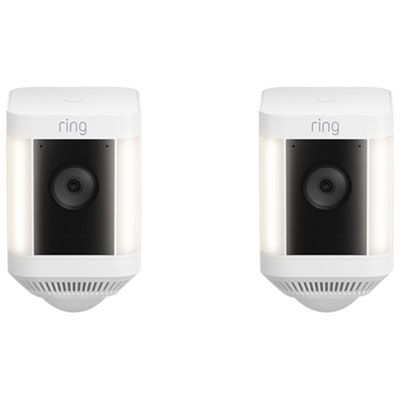
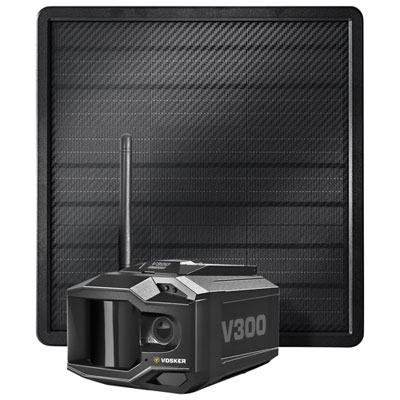
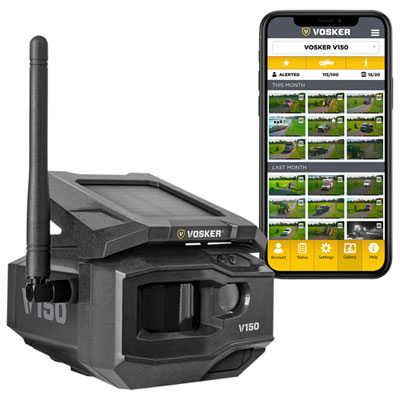
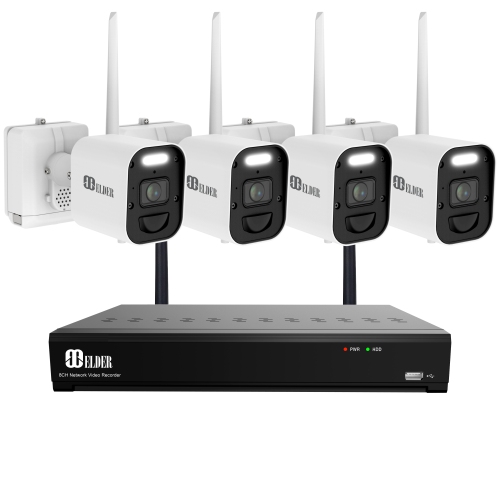
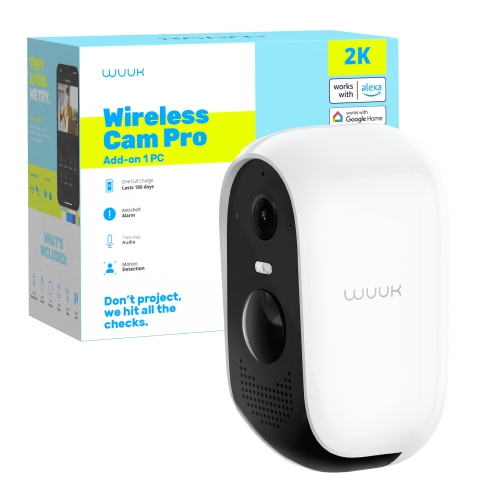
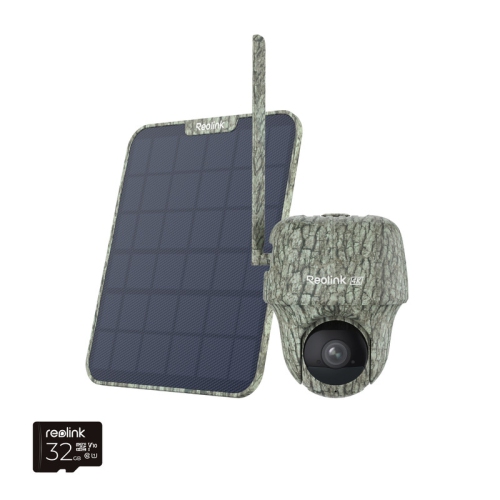
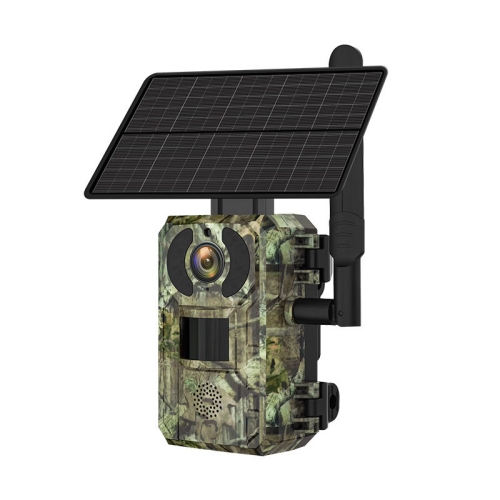
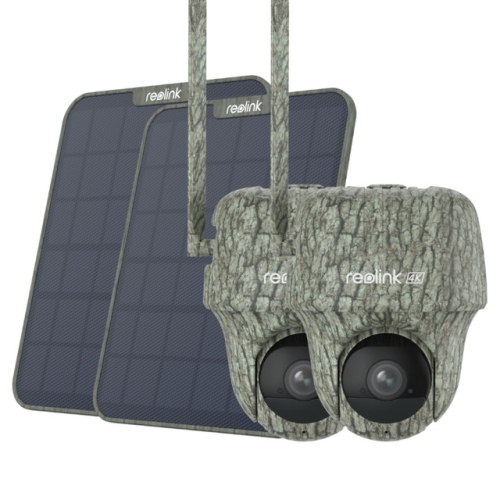
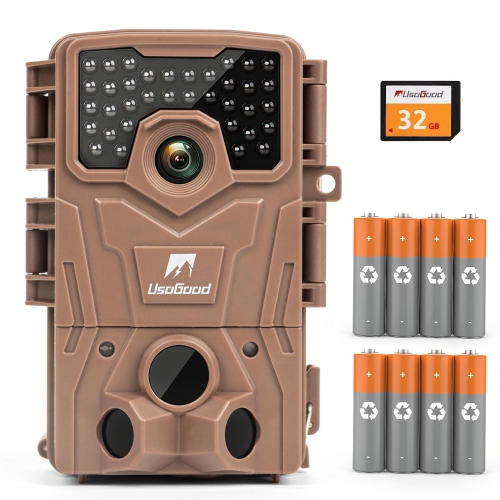
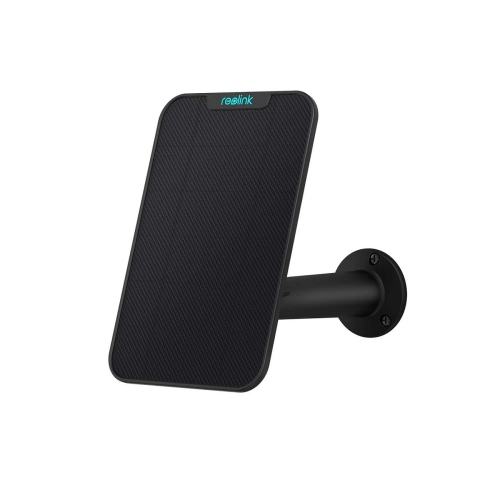
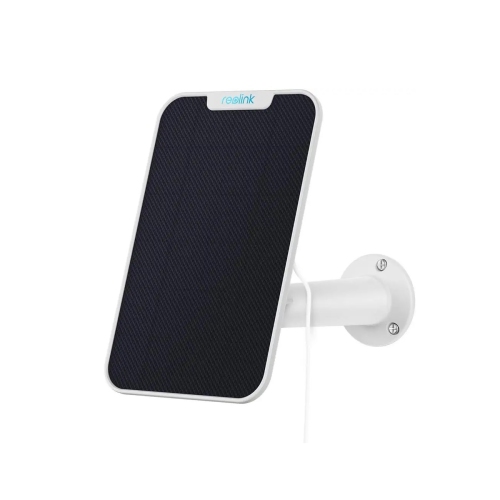
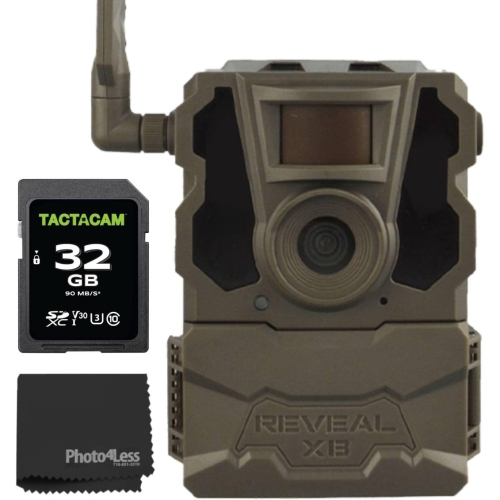
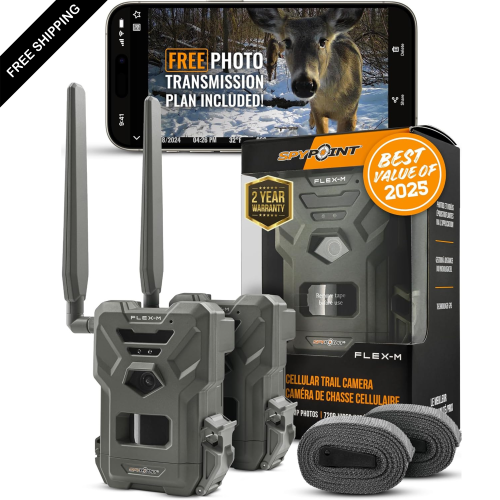
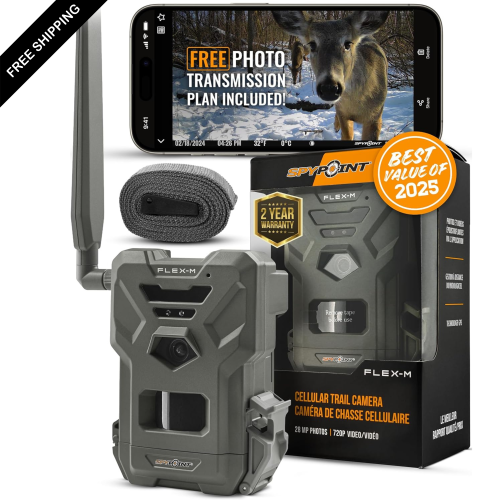
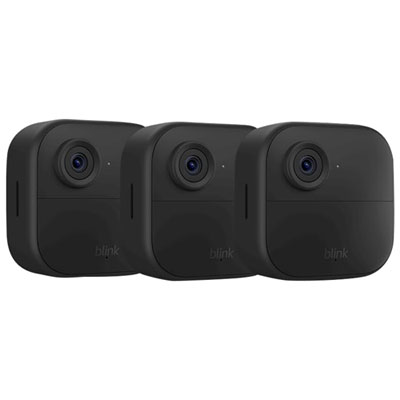
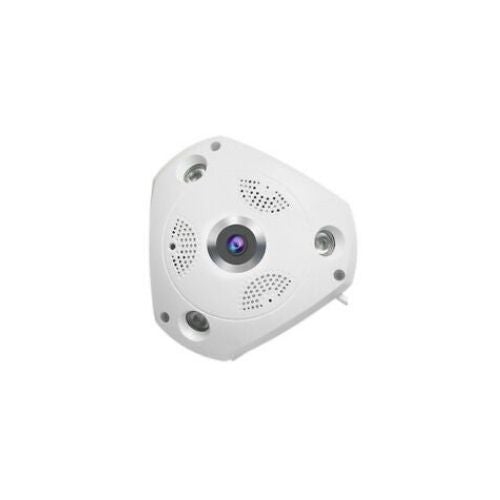
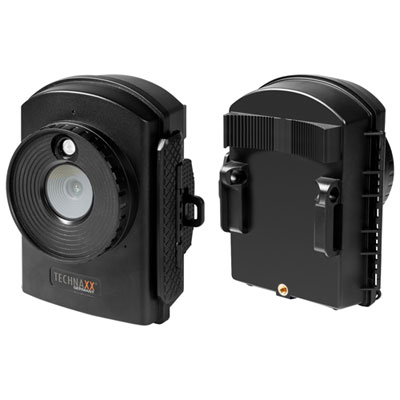
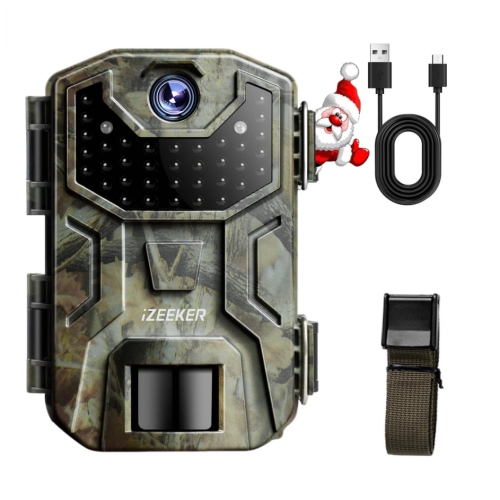
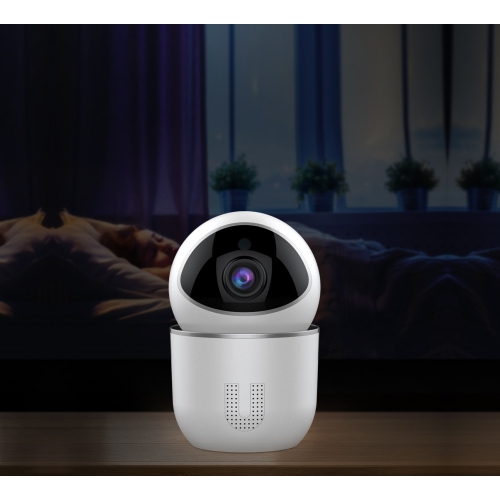
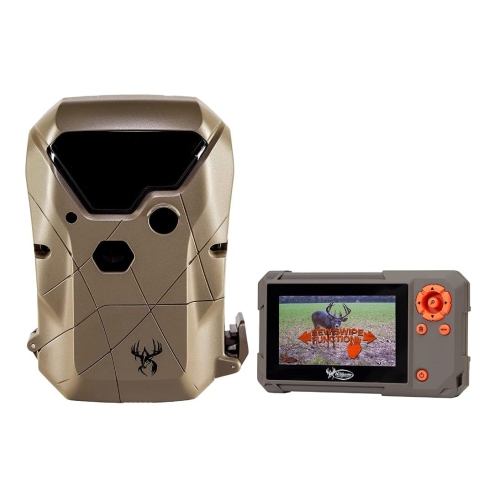
Stay connected to wildlife and property activity from afar
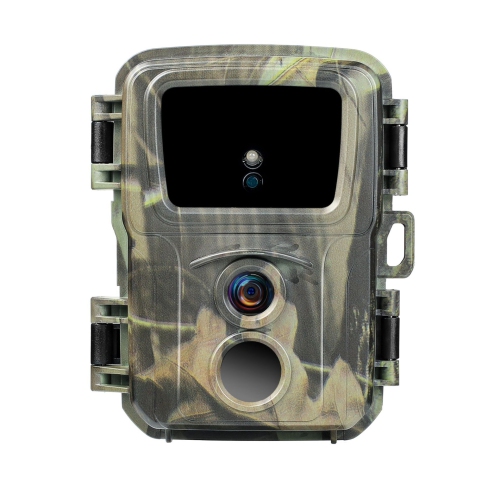
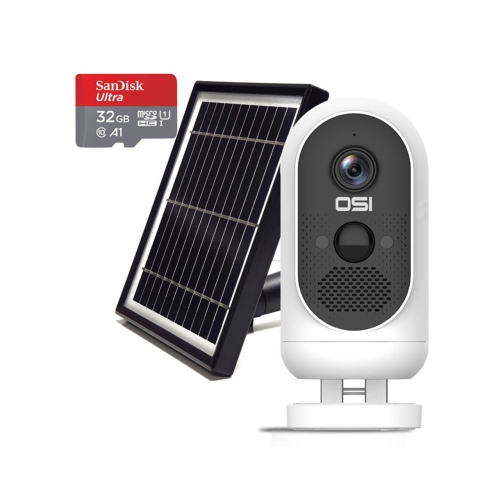
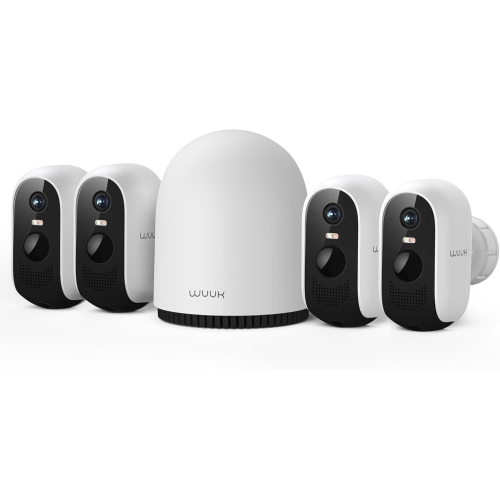
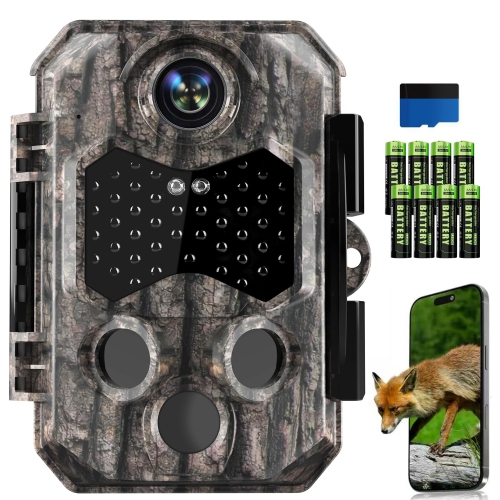
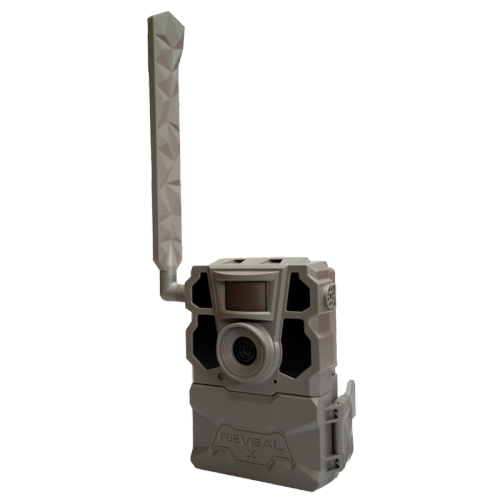
Wireless trail cameras make it easier to keep an eye on wooded areas, acreage, gardens, driveways, cabins and other outdoor spaces without making frequent trips to retrieve a memory card. Instead of waiting until you return to the camera, compatible models can send photos and videos directly to a smartphone, tablet or computer through a cellular network or a local Wi-Fi connection. This makes them useful for observing wildlife, checking remote property, monitoring a fence line or seeing what moves through a backyard after dark. A camera tucked beside a quiet path may capture a fox slipping through the trees at dawn, a deer browsing along the edge of a field or a raccoon investigating a bird feeder overnight. For property owners, the same technology can provide notifications when activity is detected near a gate, shed or outbuilding. When comparing wireless trail cameras, start by considering where the camera will be installed and how far that location is from a reliable network connection. Cellular trail cameras use LTE networks to transmit images from locations that may be far from a home internet connection, making them a practical choice for hunting areas, rural properties and remote cabins. They generally require a compatible data plan, and plan costs, network coverage and image limits should be checked before purchase. A local Wi-Fi system can be a good fit when the camera is within range of a home router or a dedicated hub. These systems may avoid a separate cellular plan, but their effective range depends on the layout of the property, terrain, walls, trees and the strength of the network. Some systems use a hub to extend the connection across a larger area, so check the stated range and installation requirements rather than assuming every Wi-Fi camera will work from any distance. For a broader look at dependable options, explore Reliable Trail Cameras.
Image quality and detection performance are also important, particularly when a camera will be used overnight or positioned far from frequently travelled paths. Resolution affects the detail visible in a photo, while video length and frame rate influence how clearly movement is recorded. A wide field of view can cover more of a clearing, but a narrower view may produce a more detailed image of activity passing close to the camera. Infrared night vision helps capture movement in low light, and no-glow infrared illumination can be preferable where visible flashes might disturb animals or draw attention to the camera. Look for a fast trigger speed when monitoring a trail, since an animal can cross the detection area in the brief moment between sensing movement and taking a photo. Detection range, recovery time between images and the ability to adjust sensitivity can make a noticeable difference as well. A highly sensitive setting may record swaying branches, falling leaves or small animals, while a lower setting may reduce unnecessary alerts in busy areas. Battery life depends on the number of photos and videos captured, the temperature, signal strength and how often the camera transmits files. Cold weather can reduce battery performance, so a camera used during cooler months should be checked for battery compatibility and low-power settings. Solar charging accessories or integrated solar features can help extend operating time in locations that receive suitable daylight, but they still need an installation position with a clear view of the sky. Storage options may include internal memory, a removable card or cloud access through an app. Before mounting the camera, confirm how files are retrieved, whether the app supports your phone and whether the camera can send full-resolution images or smaller previews. Features such as GPS location, time and date stamps, adjustable photo bursts and scheduled operation can be helpful when several cameras are placed around a larger property.
Good placement often matters as much as the camera itself. Mount the unit firmly on a tree, post or other stable surface, with the lens aimed across a path rather than directly down it. This gives an animal more time inside the detection zone and can reduce missed images caused by a subject moving straight towards the camera. Keep the lens clear of tall grass and nearby branches, and check the angle at the height where you expect activity. A camera positioned too low may mostly record legs and ground cover, while one mounted too high may miss smaller animals. Avoid pointing directly towards a rising or setting sun, since glare can wash out images and trigger false alerts. Test the location by walking through the detection area at different distances, then review the sample photos for framing, focus and unwanted obstructions. For property monitoring, aim the camera so it covers the approach to a gate, driveway or structure without unnecessarily recording neighbouring homes or public areas. Follow local privacy rules and respect the expectations of people who may enter the property. Wireless trail cameras can be thoughtful gifts for outdoor enthusiasts, rural property owners, birdwatchers, photographers and anyone who enjoys learning what happens beyond the visible path. They can also suit families who want to observe local wildlife together, with app-based sharing making it easy to send a surprising nighttime image to relatives. As the weather warms, a camera may reveal nesting activity and animals returning to familiar routes; during the cooler months, it can show tracks, feeding patterns and movement through sparse woodland. Choosing the right connection type, coverage, power system, detection range and mounting location helps turn a remote camera into a dependable outdoor observation tool rather than another device that needs constant attention.
Image quality and detection performance are also important, particularly when a camera will be used overnight or positioned far from frequently travelled paths. Resolution affects the detail visible in a photo, while video length and frame rate influence how clearly movement is recorded. A wide field of view can cover more of a clearing, but a narrower view may produce a more detailed image of activity passing close to the camera. Infrared night vision helps capture movement in low light, and no-glow infrared illumination can be preferable where visible flashes might disturb animals or draw attention to the camera. Look for a fast trigger speed when monitoring a trail, since an animal can cross the detection area in the brief moment between sensing movement and taking a photo. Detection range, recovery time between images and the ability to adjust sensitivity can make a noticeable difference as well. A highly sensitive setting may record swaying branches, falling leaves or small animals, while a lower setting may reduce unnecessary alerts in busy areas. Battery life depends on the number of photos and videos captured, the temperature, signal strength and how often the camera transmits files. Cold weather can reduce battery performance, so a camera used during cooler months should be checked for battery compatibility and low-power settings. Solar charging accessories or integrated solar features can help extend operating time in locations that receive suitable daylight, but they still need an installation position with a clear view of the sky. Storage options may include internal memory, a removable card or cloud access through an app. Before mounting the camera, confirm how files are retrieved, whether the app supports your phone and whether the camera can send full-resolution images or smaller previews. Features such as GPS location, time and date stamps, adjustable photo bursts and scheduled operation can be helpful when several cameras are placed around a larger property.
Good placement often matters as much as the camera itself. Mount the unit firmly on a tree, post or other stable surface, with the lens aimed across a path rather than directly down it. This gives an animal more time inside the detection zone and can reduce missed images caused by a subject moving straight towards the camera. Keep the lens clear of tall grass and nearby branches, and check the angle at the height where you expect activity. A camera positioned too low may mostly record legs and ground cover, while one mounted too high may miss smaller animals. Avoid pointing directly towards a rising or setting sun, since glare can wash out images and trigger false alerts. Test the location by walking through the detection area at different distances, then review the sample photos for framing, focus and unwanted obstructions. For property monitoring, aim the camera so it covers the approach to a gate, driveway or structure without unnecessarily recording neighbouring homes or public areas. Follow local privacy rules and respect the expectations of people who may enter the property. Wireless trail cameras can be thoughtful gifts for outdoor enthusiasts, rural property owners, birdwatchers, photographers and anyone who enjoys learning what happens beyond the visible path. They can also suit families who want to observe local wildlife together, with app-based sharing making it easy to send a surprising nighttime image to relatives. As the weather warms, a camera may reveal nesting activity and animals returning to familiar routes; during the cooler months, it can show tracks, feeding patterns and movement through sparse woodland. Choosing the right connection type, coverage, power system, detection range and mounting location helps turn a remote camera into a dependable outdoor observation tool rather than another device that needs constant attention.
Top selling and popular products
-
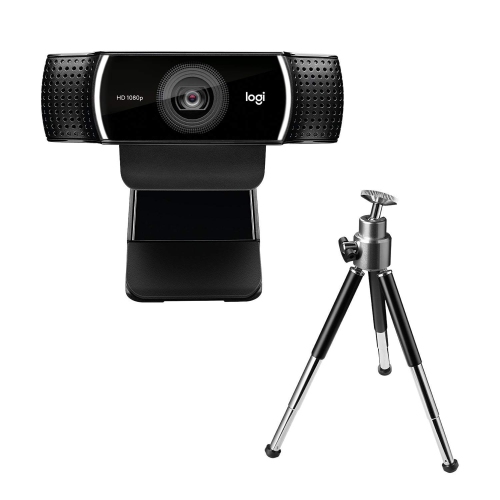 Your price for this item is $114.99
 -
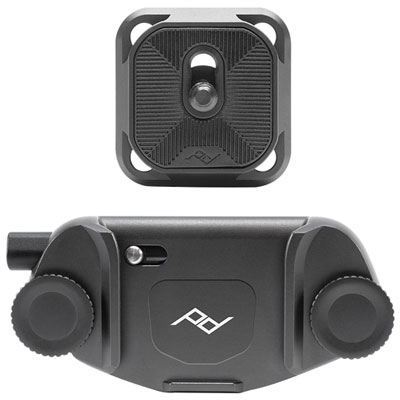 Your price for this item is $109.99
 -
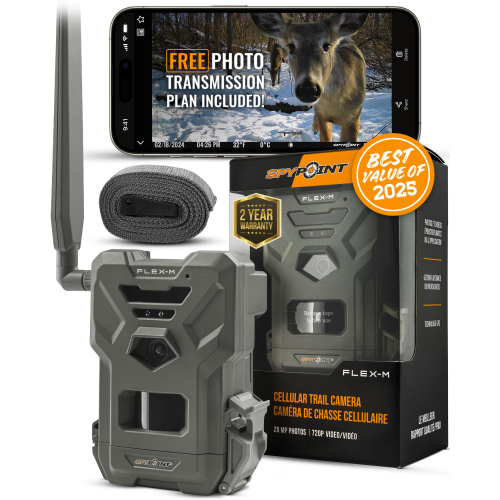 Your price for this item is $159.99
 -
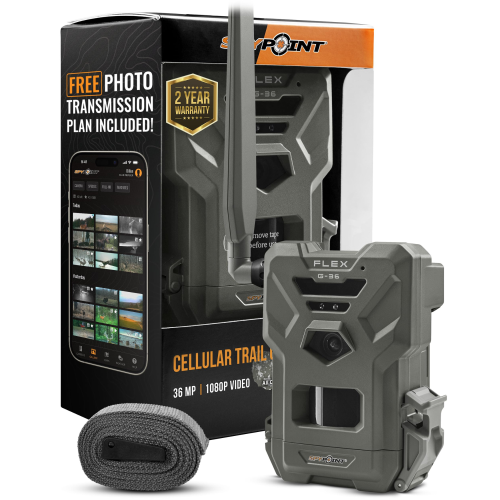 Your price for this item is $189.99
 -
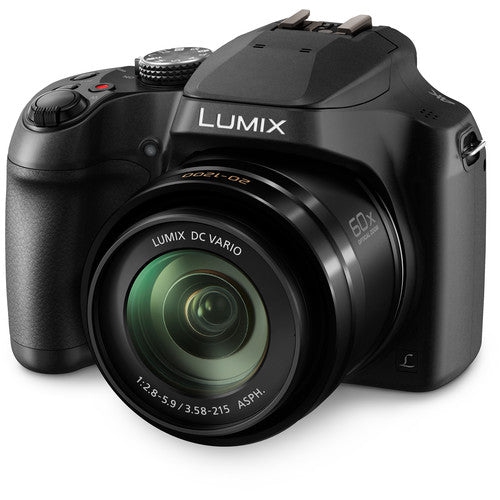 Your price for this item is $1710
 -
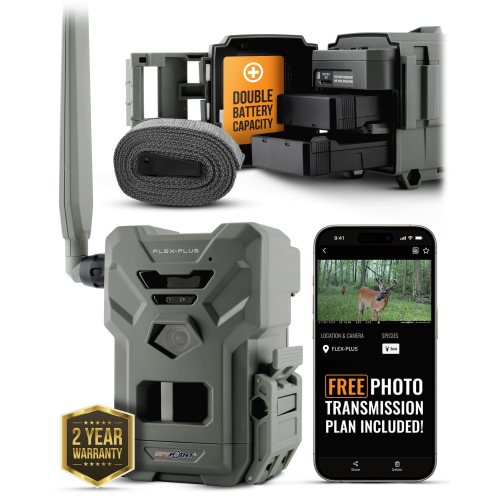 Your price for this item is $149.99
 -
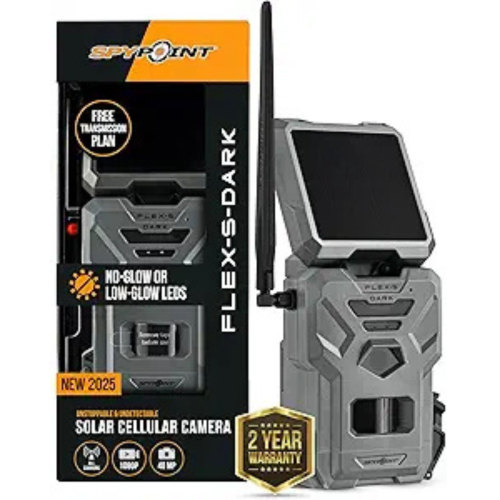 Your price for this item is $199.99
 -
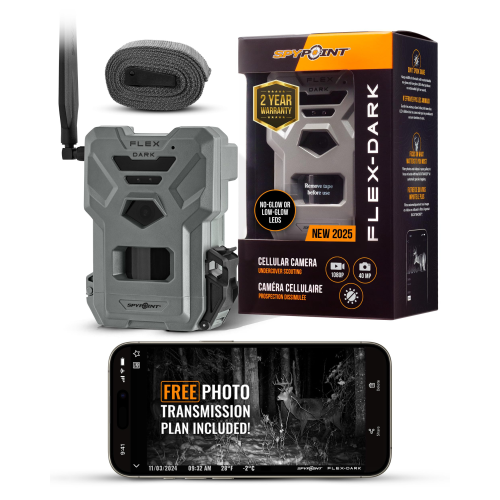 Your price for this item is $189.99
Discover more categories related to Wireless Trail Cameras
Top Collections:
Pokemon Centers, Kindle Devices, Best Budget Office Chairs, Apple iPhones 16, Best Laptops for Writers, iPhone 15 Apple, Canon G7X Cameras, Refurbished Apple Laptops, Alarm Clock, Motorola Razr Phones
Some products may be subject to Environmental Handling Fees
(EHF) depending on your province.
Learn more about EHFs.