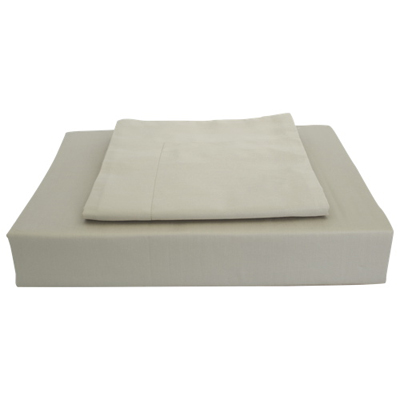
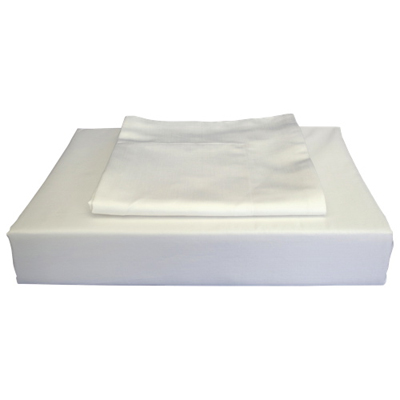
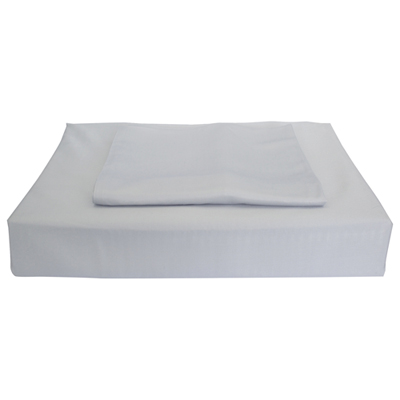
Solid Colour Duvet Covers

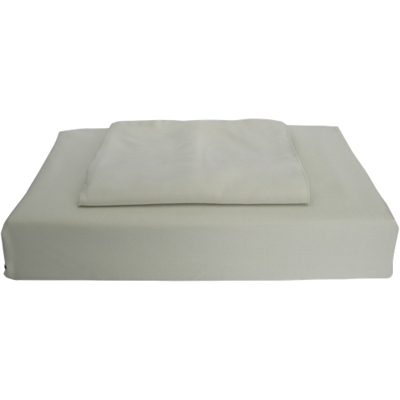
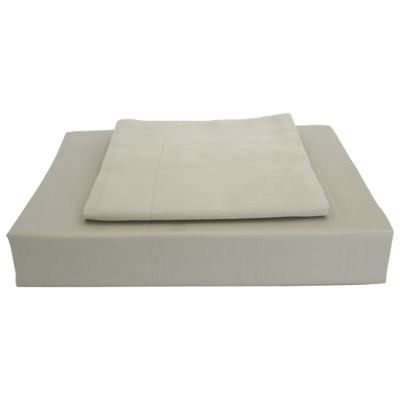
Solid colour duvet covers refresh your bed with a simple backdrop for coordinated sheets, pillows and throws. Explore plain duvet covers and duvet-cover sets, comparing fabric, colour and care requirements to find an option that suits your preferred feel and everyday routine. Check the cover’s dimensions against your duvet insert before choosing.
Sort

How one shade can pull your bedroom together

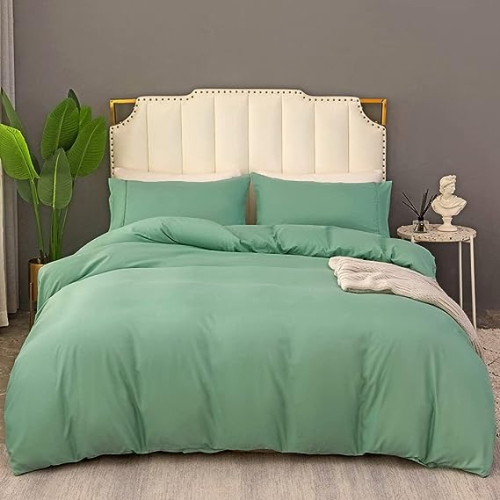
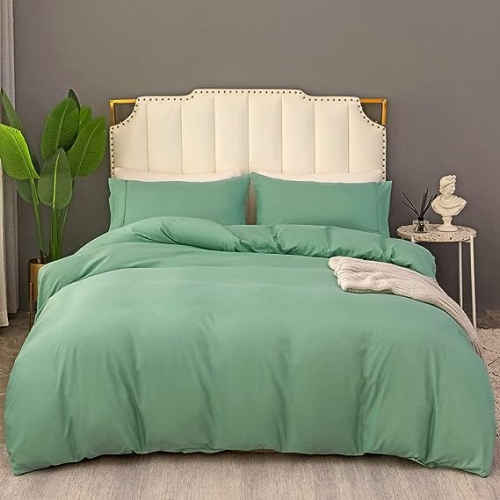
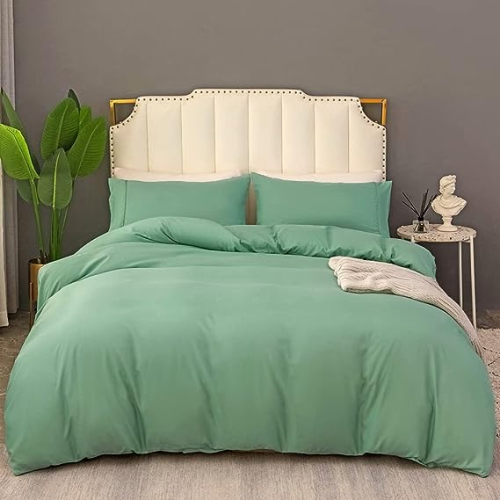
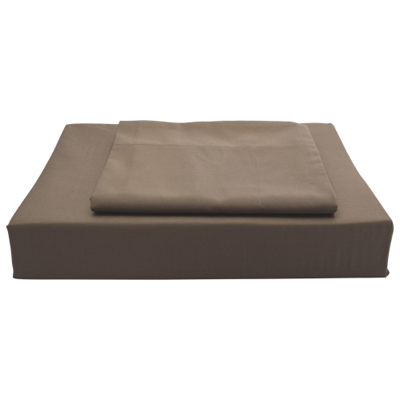
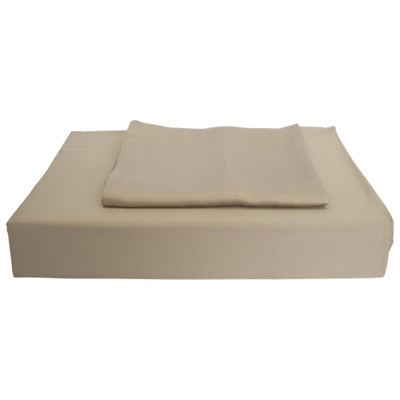
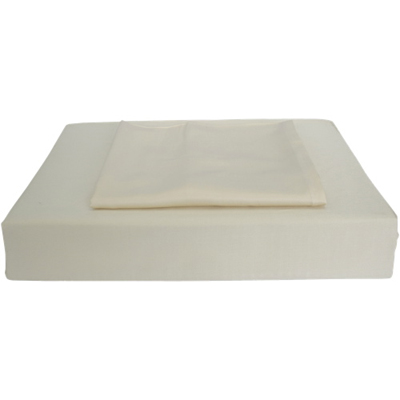
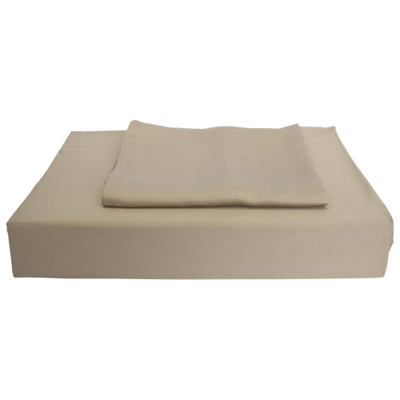
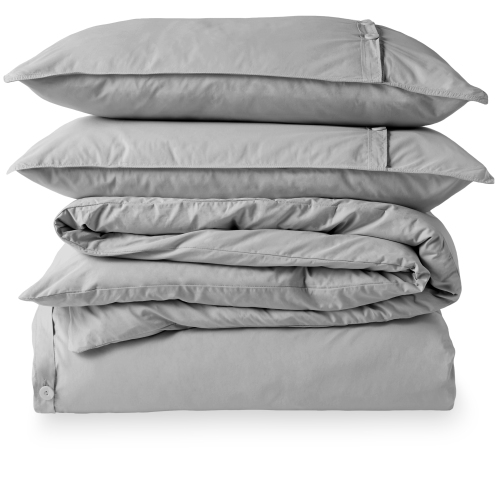
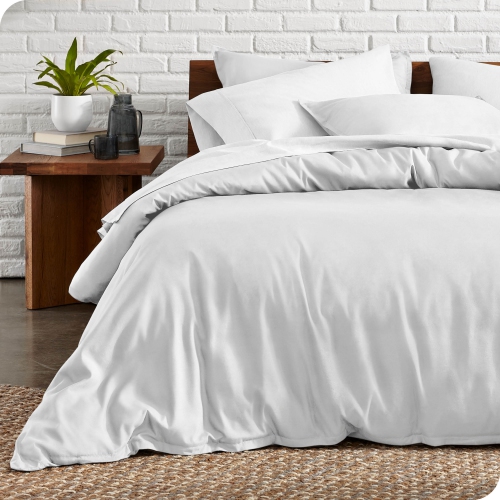
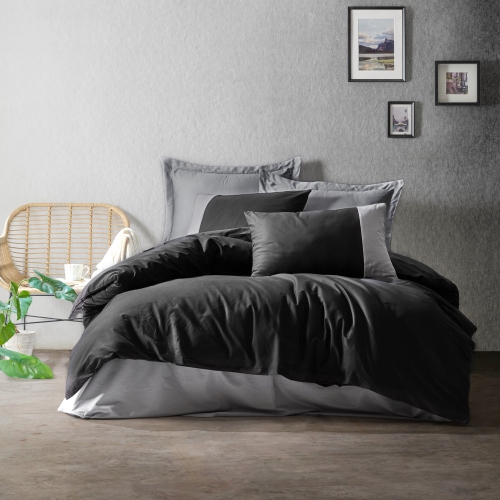
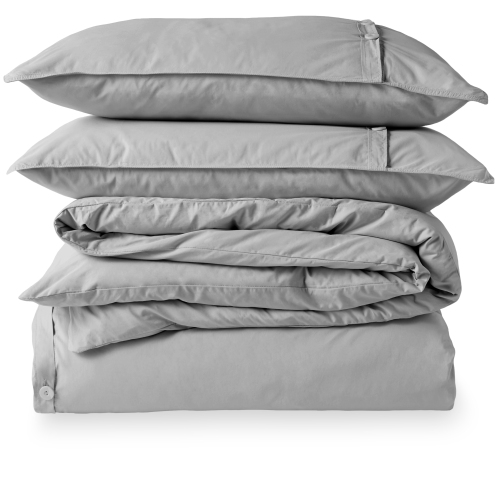
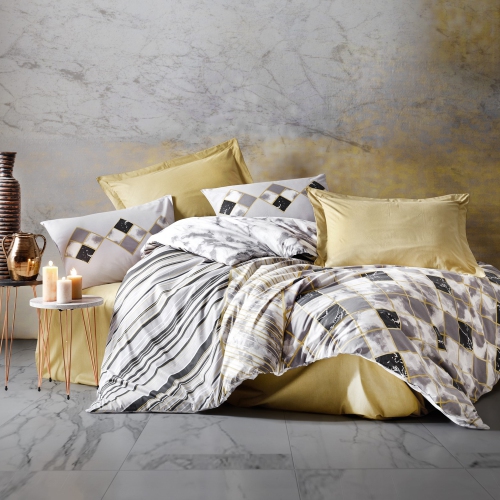
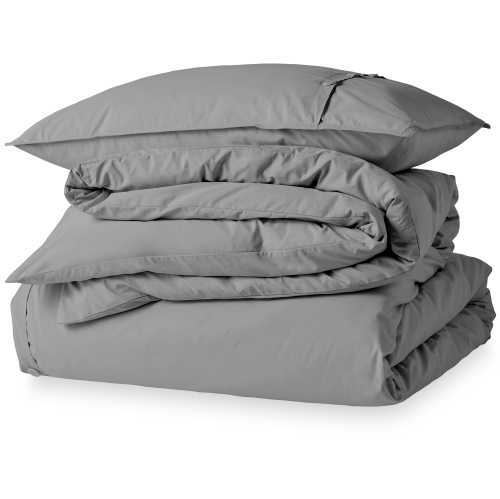
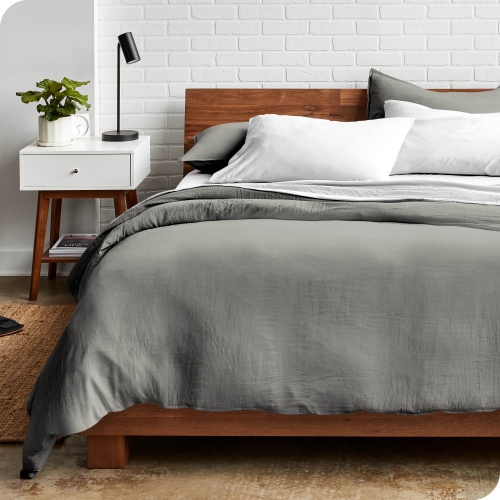
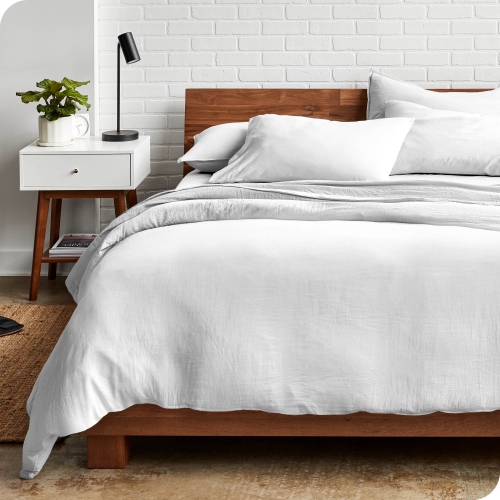
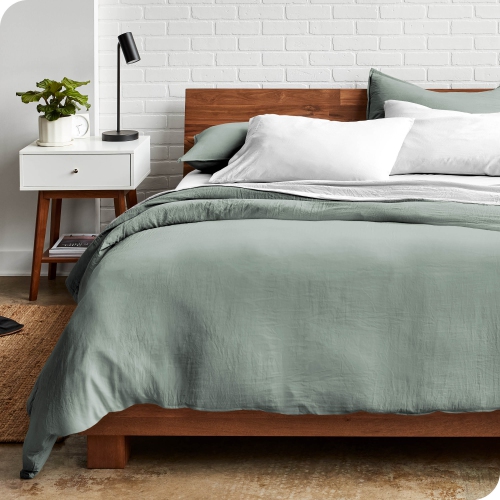
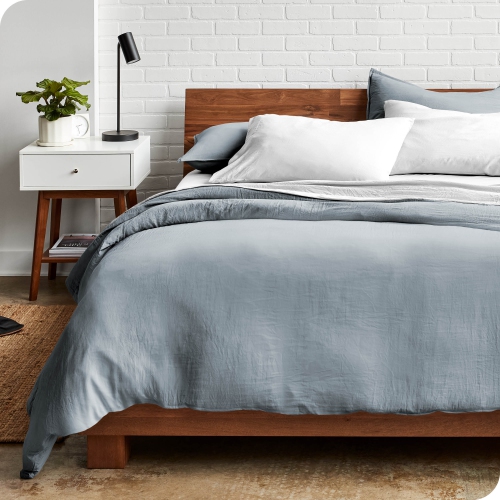
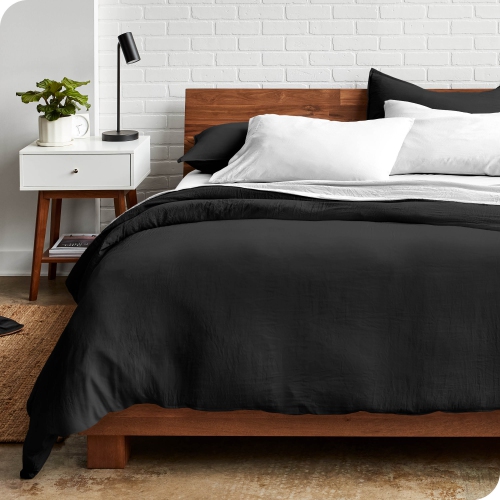
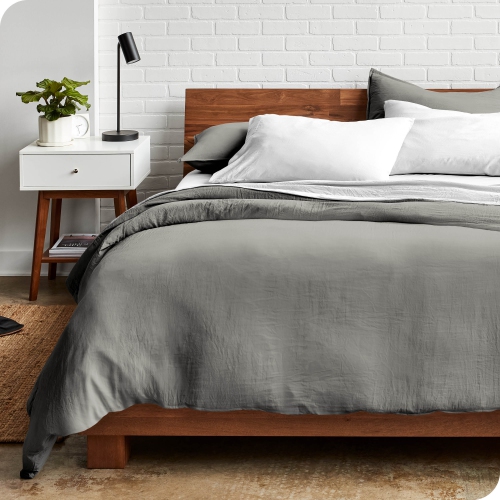
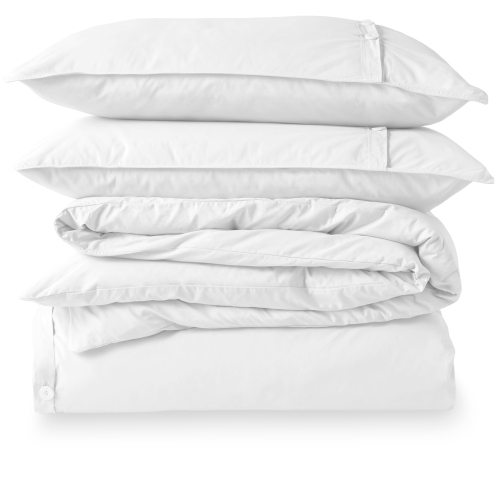
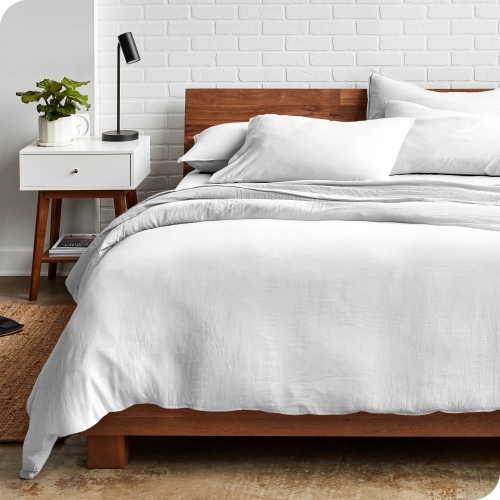
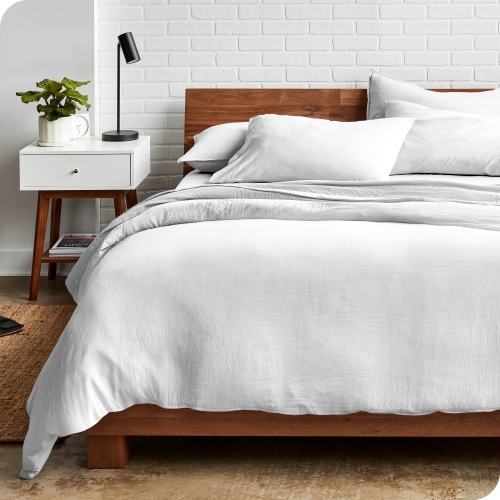
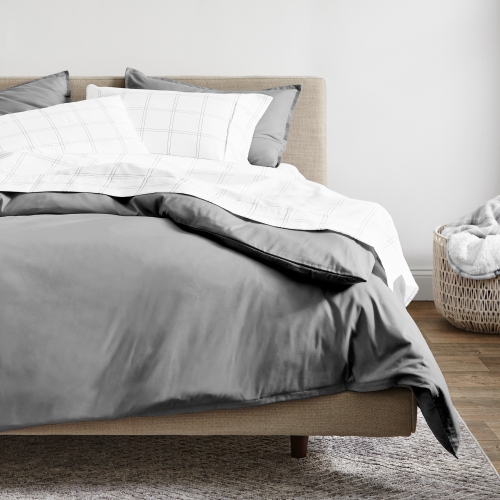
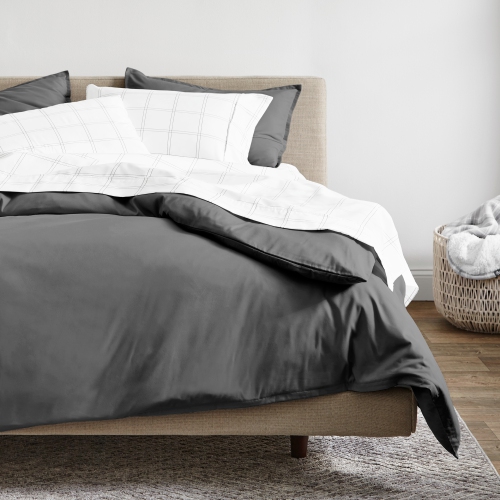
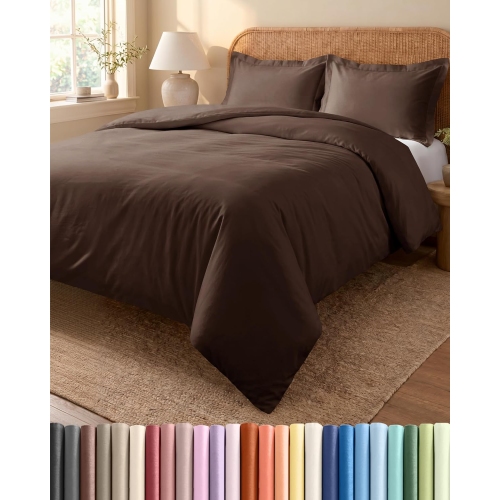
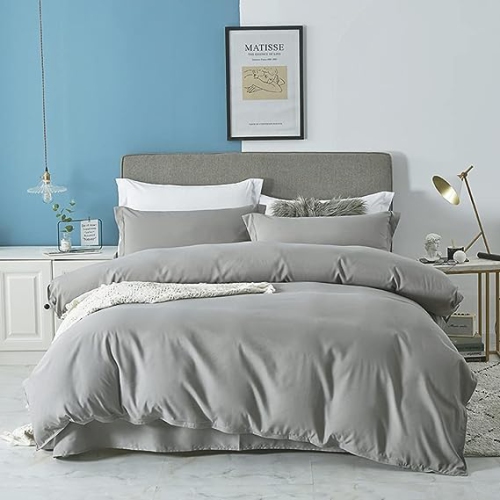
Solid colour duvet covers give a bed a clear, coordinated look without making the whole room feel matched. A single shade can provide a quiet backdrop for patterned sheets, bring together different wood finishes, or turn the bed into the room’s main feature. Unlike a duvet insert, which supplies the loft and filling, a duvet cover is a removable fabric layer that encloses the insert and changes its appearance and surface feel. This makes colour especially useful: a white or ivory cover can create a crisp, open impression, while charcoal, navy, or deep green adds visual weight and definition. Beige, taupe, and grey offer subtle variations that work with many bedroom palettes, though their undertones matter. A grey with a blue cast looks different beside warm oak than a grey with a brown undertone, and an off-white cover may appear creamier beside bright white sheets. For a softer colour direction, Pink Duvet Covers can complement pale wood, muted grey, and simple white bedding without requiring a patterned design. Solid does not have to mean flat or plain. The same shade can look relaxed in washed linen, neatly defined in percale, or gently lustrous in sateen. Woven stripes, subtle ribbing, pintucks, and crinkled finishes can add interest while keeping the overall effect tonal. In a room with a patterned rug or statement headboard, that restraint helps the different elements sit comfortably together. On a simpler bed frame, texture can supply the detail instead. Matching pillow shams create a continuous field of colour, while contrasting pillowcases or a folded throw break it up. The result can feel tailored or casual depending on the fabric and styling, rather than the colour alone. A deeper cover can also help define the bed against pale walls, while a lighter one allows a sculptural headboard or colourful artwork to draw more attention.

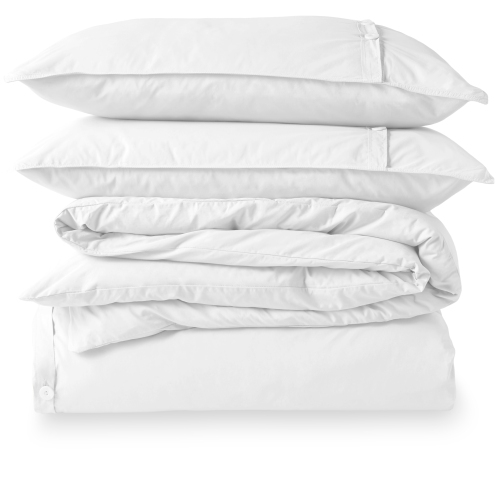
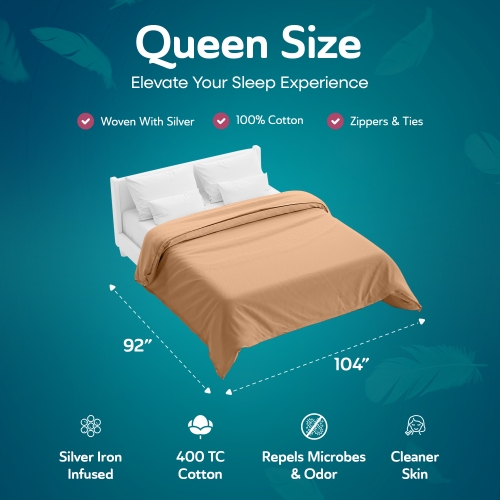
Fabric has as much influence on everyday enjoyment as appearance. Cotton duvet covers are familiar for their absorbency and range of finishes, but the weave makes a noticeable difference. Percale typically has a matte appearance and a crisp hand, with a surface that feels distinctly different from the smoother, more fluid finish of sateen. Cotton sateen often has a slight sheen that gives solid shades extra depth, particularly where the fabric folds. Linen has a more visibly textured weave and an easy, rumpled character; its natural creases are part of the look rather than something that always needs pressing away. Polyester microfibre can offer a soft, smooth surface and tends to resist wrinkling, while blended fabrics combine characteristics that depend on their fibre proportions and construction. Thread count alone does not describe all of these differences. Fibre quality, yarn, weave, and finishing also affect how a cover feels and wears. For someone who prefers a tidy, smooth bed, a wrinkle-resistant finish may matter more than a deliberately relaxed texture. For someone sensitive to surface feel, the distinction between crisp, brushed, and silky fabrics deserves attention. Fit is equally important because bed-size names do not guarantee identical measurements across manufacturers. The cover’s listed dimensions should suit the duvet insert, not just the mattress label. An insert that is much smaller than its cover can shift and leave empty fabric along the edges, while one that is too large may bunch instead of spreading evenly. Mattress depth and the desired amount of overhang also influence how the finished bed looks. A deep mattress or a bed shared by two people may call for more generous coverage, provided the insert and cover remain compatible. Internal corner ties or loops help hold a compatible insert in place, and a button, zipper, or envelope-style closure affects how the cover opens for changing. These small construction details become particularly noticeable on a frequently used bed, where straightforward fastening and secure corners make routine changes less awkward.
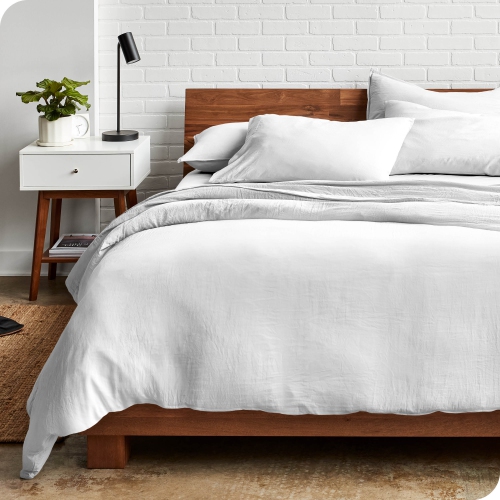
Care requirements help determine whether a solid colour duvet cover suits the household as well as the bedroom. A cover that can be washed in a home machine is convenient, but its dimensions and fabric weight still need to fit the washer and dryer comfortably. Overloading can limit movement during washing and leave large pieces twisted together during drying. The sewn-in care label remains the best reference for washing, drying, ironing, and any restrictions on cleaning products. Separating light and dark colours, following the specified wash settings, and treating marks promptly can help preserve a consistent appearance. Dark, uninterrupted shades may make lint or pale pet hair more noticeable, while very light covers can show everyday marks more readily. Mid-tone colours and textured finishes may make some minor marks less obvious, though every fabric still benefits from regular care. Fully drying the cover before storing it helps keep the linen cupboard fresh, and folding it with its coordinating pillowcases makes a complete change easier to find. Durability depends on more than fabric weight: secure seams, neatly finished edges, firmly attached fasteners, and well-anchored internal ties all contribute to repeated use. A spare cover can be useful for laundry days, especially in a guest room or a household where bedding needs frequent washing. For children and teenagers, a solid shade offers flexibility as favourite colours, wall art, and accessories change, without tying the whole room to a particular motif. Adults furnishing a first apartment may appreciate the same versatility when sheets, furniture, and textiles have been gathered over time. As a housewarming or wedding gift, a duvet cover is most practical when the recipient’s insert dimensions, preferred fabric, and colour preferences are known. Coordinating shams may be included in a set or sold separately, so checking the contents helps avoid surprises. A well-chosen solid cover brings these everyday details together: a comfortable surface, a fit that stays orderly, manageable care, and a colour that belongs naturally in the room.
FAQ

Some products may be subject to Environmental Handling Fees (EHF) depending on your province. Learn more about EHFs.