Solutions for Split Ends
Split ends can leave hair looking frizzy and feeling rough, but the right solutions for split ends help restore a smooth, healthy appearance. Whether you’re searching for nourishing treatments, specialized tools, or everyday essentials to support your hair care routine, there are plenty of options designed to address split ends and promote stronger strands. Explore a wide variety of products that make it easy to maintain beautiful hair from root to tip.
Sort
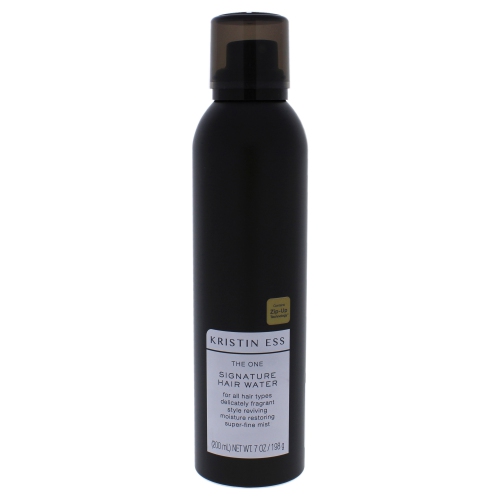
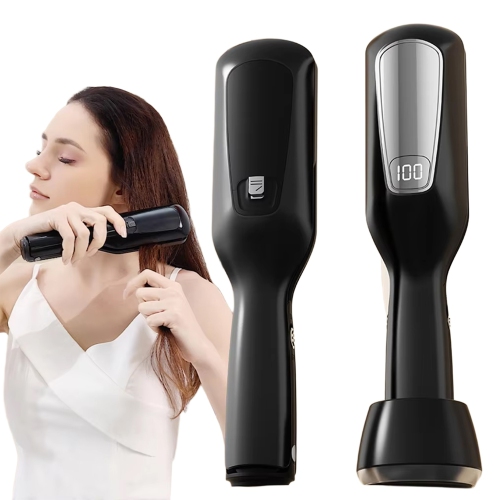
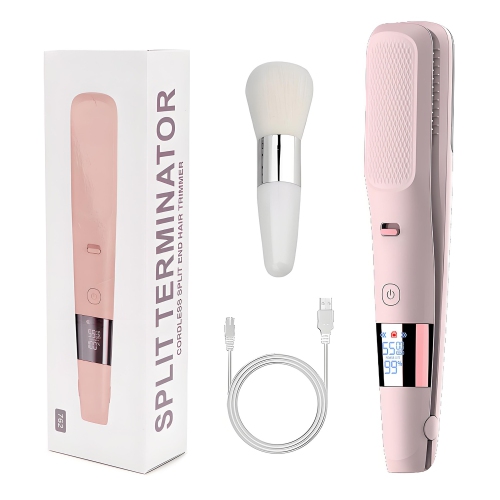
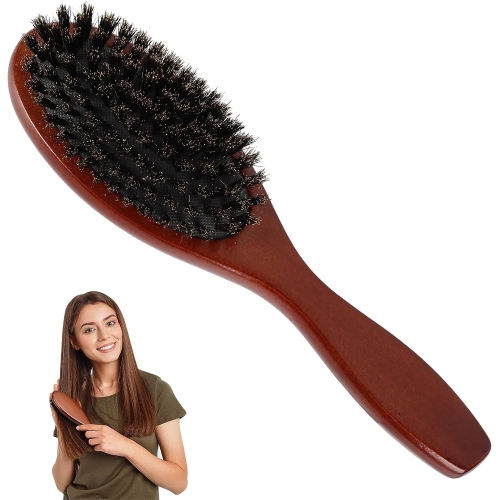
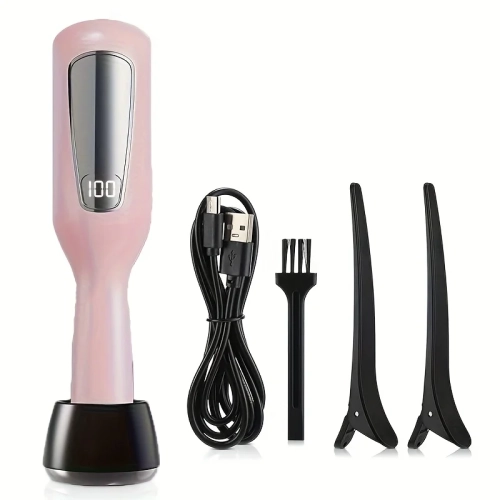
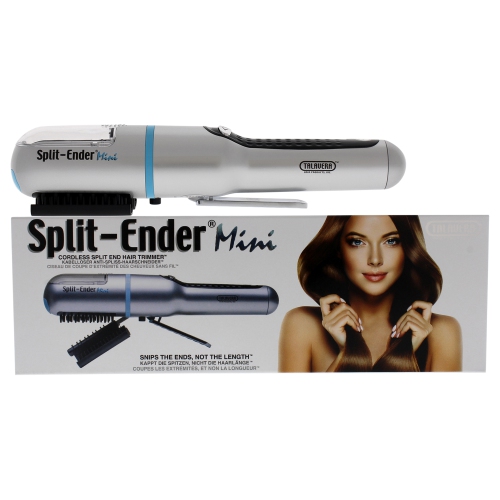
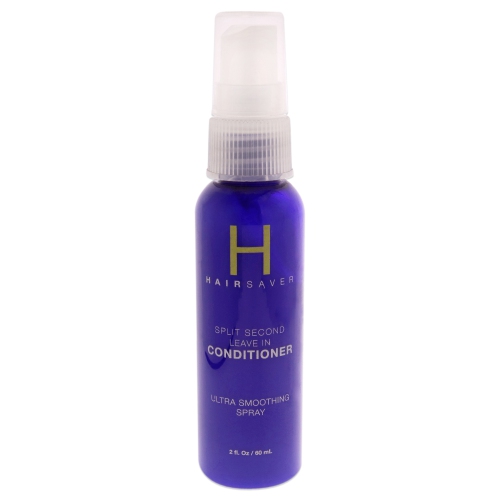
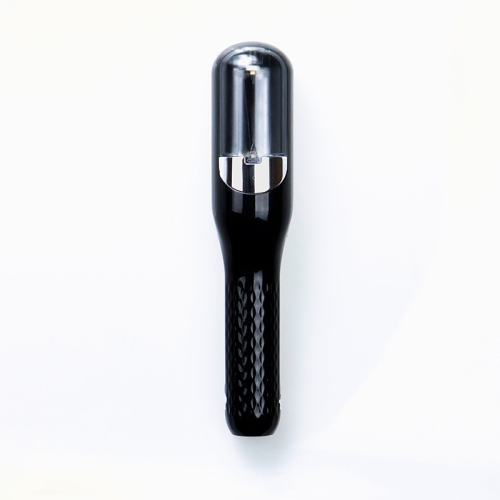
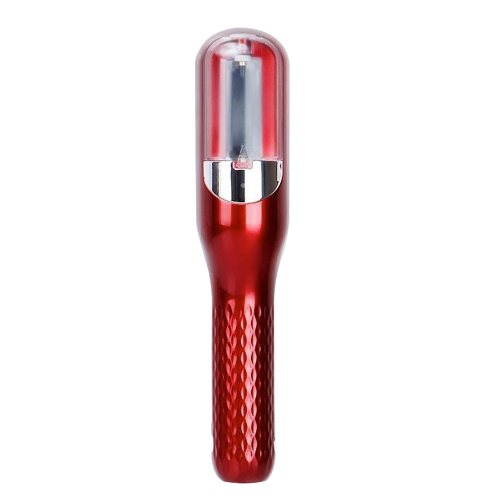
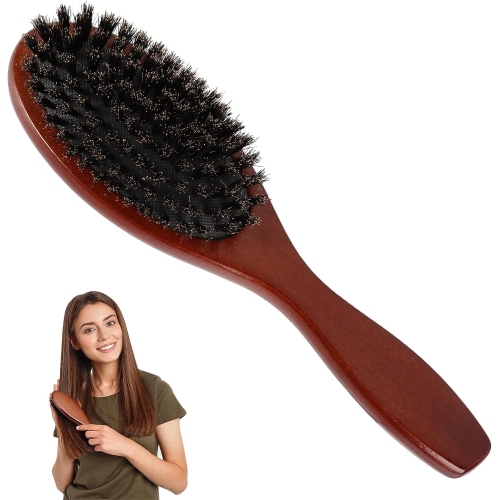
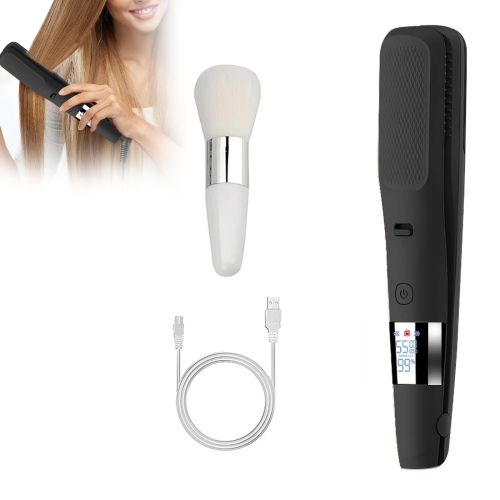
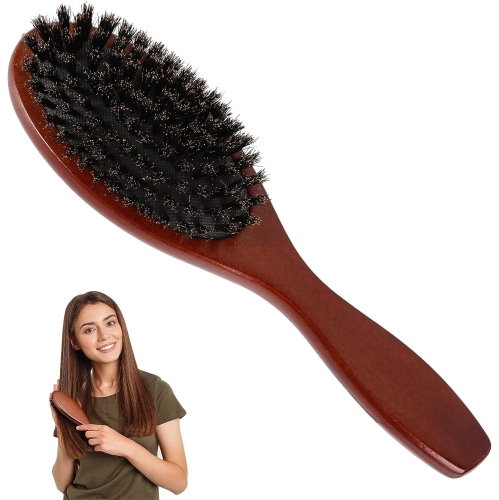
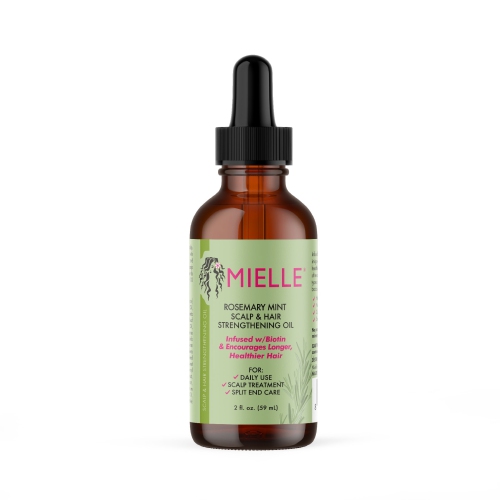
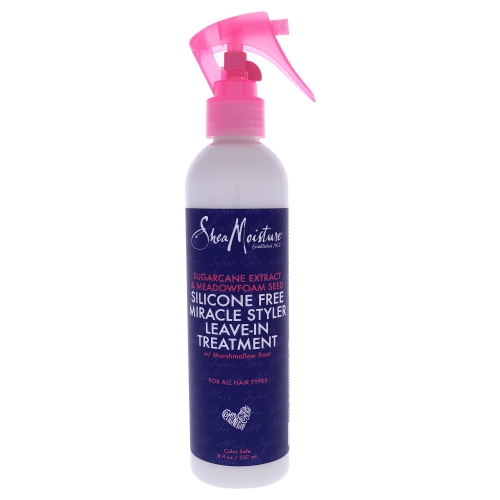
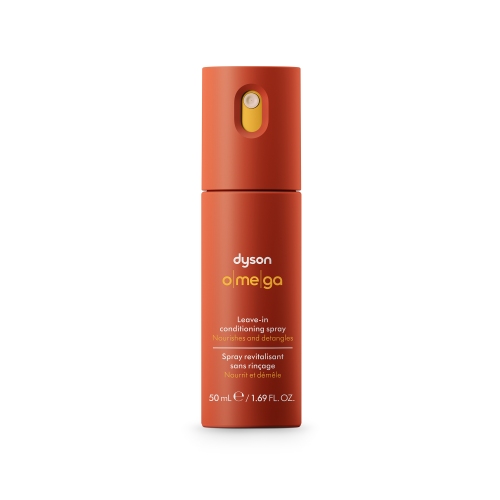
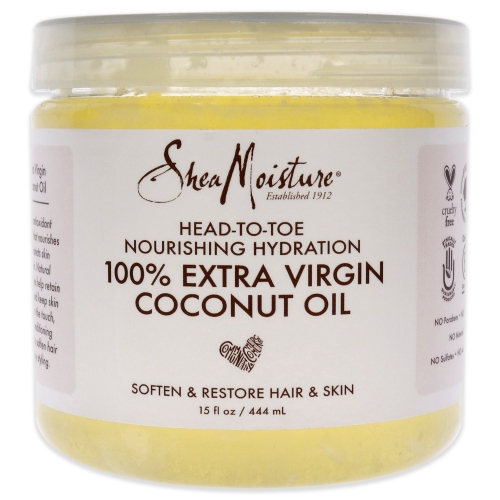
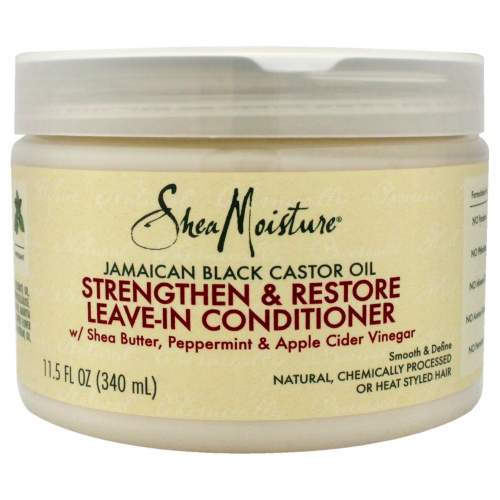
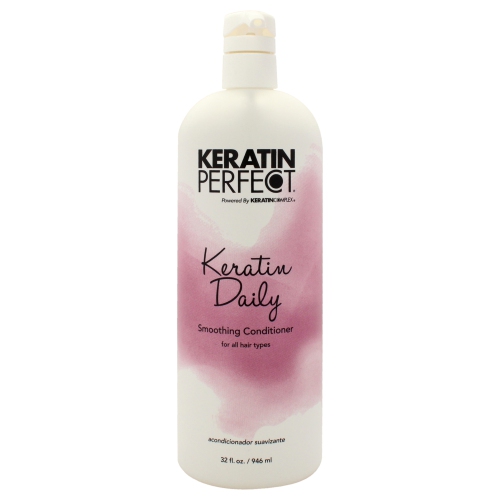
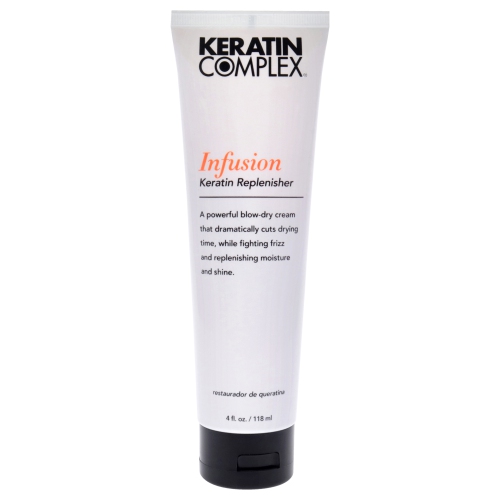
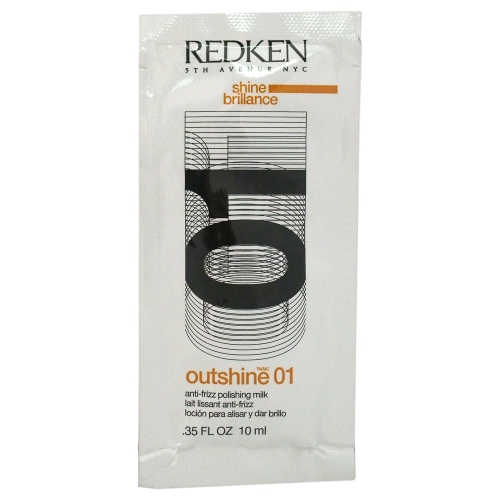
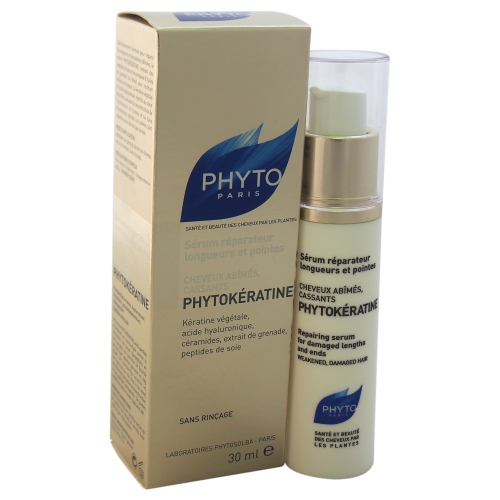
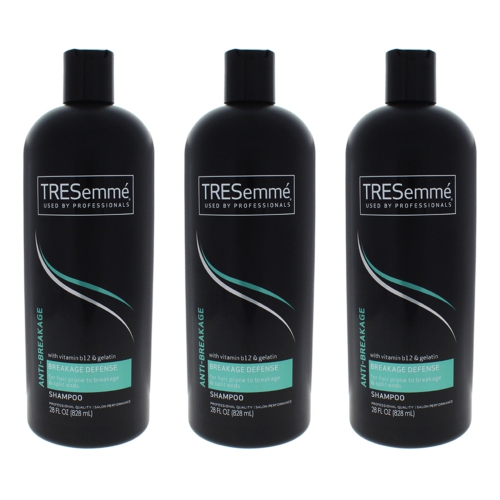
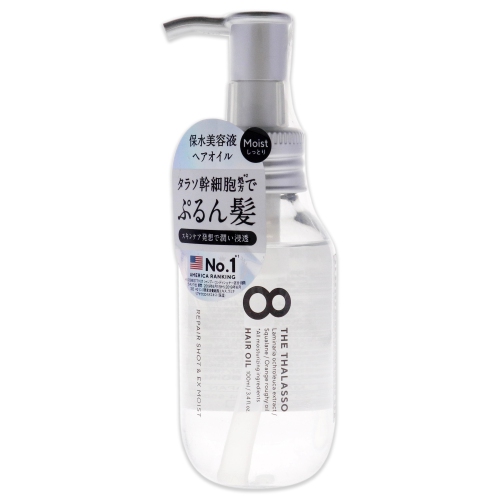
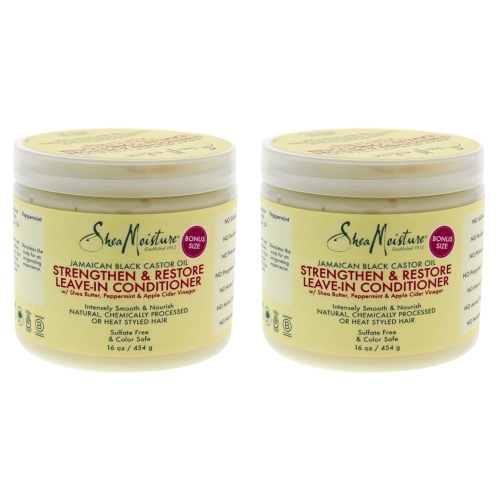
How trims and treatments help manage frayed hair
Split ends happen when the protective outer layer of a hair strand wears away and the end begins to fray or separate. Brushing, colouring, frequent heat styling, tight hairstyles, sun exposure, dry indoor air, and everyday rubbing against clothing or bedding can all contribute. Products for split ends are designed to make damaged-looking ends feel smoother, look more polished, and help reduce the appearance of fraying between trims. The important distinction is that a topical treatment cannot permanently repair a strand that has already split. A trim is the only lasting way to remove the damaged section, while leave-in conditioners, sealing creams, bond-supporting formulas, serums, and oils can temporarily coat the hair, reduce roughness, and help hold separated fibres together so the ends look neater. This makes them useful for maintaining the appearance of a fresh cut, managing occasional frizz, or giving dry ends a softer finish while hair grows. When choosing a solution, consider your hair’s texture, density, porosity, and styling routine. Fine hair often benefits from a lightweight mist or a very small amount of serum, while thick, coarse, curly, or highly textured hair may prefer a richer cream or oil that can spread through the ends without leaving them feeling brittle. If your hair is colour-treated, chemically processed, or regularly exposed to hot tools, look for conditioning products intended to support damaged or stressed hair and use them consistently rather than applying a large amount only when the ends look dry. A little usually goes a long way: warm a small quantity between your palms, smooth it over the last few centimetres of damp or dry hair, and add more only if needed. Keep heavier formulas away from the roots unless the product instructions specifically recommend broader application, as concentrated moisture at the scalp can make some hair types look flat or oily.
The best results usually come from pairing a split-end treatment with gentler daily habits. Apply a heat protectant before using a blow dryer, straightener, curling iron, or other heated styling tool, and choose the lowest temperature that gives you the finish you want. Allowing hair to become mostly dry before using a hot tool can also reduce the time it spends under direct heat. When hair is wet, it is more vulnerable to stretching and snapping, so press out excess water with a soft towel or T-shirt rather than rubbing vigorously, then work through tangles from the ends upward with a wide-tooth comb or a detangling brush designed for wet hair. Avoid pulling a brush through knots, particularly after swimming or washing, and loosen elastics carefully instead of tearing them from the hair. Regular trims, often scheduled every 6 to 8 weeks depending on the condition and length of your hair, can help stop splits from travelling farther up the strand. The timing may vary: someone growing out a style may wait longer, while hair that is bleached, heat-styled, or prone to snapping may benefit from more frequent maintenance. Reducing friction overnight can also make a noticeable difference. A satin pillowcase, a soft hair wrap, or a loose braid can help limit tangling and rubbing while you sleep; avoid securing the braid too tightly, especially when hair is damp. During the cooler months, indoor heating and lower humidity can leave ends feeling especially rough, so a leave-in conditioner or a few drops of a nourishing oil may help maintain softness without requiring a complete change to your routine. These products can be thoughtful gifts for someone who enjoys hair styling, is growing out their hair, or wants to refresh a self-care routine, particularly when chosen with their texture and preferred finish in mind. For a gift, lightweight, versatile formulas are generally easier to use across different hair types, while a person with curly, coily, thick, or very dry hair may appreciate richer conditioning care and accessories that support gentle detangling.
When comparing solutions for split ends, read the directions and pay attention to how the formula is meant to be used: some are rinse-out treatments, some are leave-ins, and others are finishing products intended for a tiny amount on dry ends. Check whether the product offers heat protection before relying on it for styling, since not every smoothing cream or oil is designed for high temperatures. Ingredients such as conditioning agents, lightweight oils, proteins, and film-forming polymers can improve slip and help create a smoother surface, but the ideal combination depends on how your hair responds. If your strands are fine or easily weighed down, choose a fluid texture and apply it sparingly; if your ends feel coarse or absorb product quickly, a cream or richer serum may provide more lasting comfort. Use split-end products on the areas that need them most rather than coating the entire head, and give the formula time to absorb before adding more. If ends continue to split despite careful styling, or if you notice unusual breakage, scalp irritation, or a major change in hair texture, consider speaking with a qualified hair professional or health-care provider. Hair care products can improve the look and feel of damaged ends, but they work best as part of a broader routine that includes regular trims, careful detangling, heat protection, and moderate styling. For related care beyond hair, explore Nail Treatments for Split Nails to find options for maintaining a polished, well-cared-for appearance from fingertips to hair ends.
The best results usually come from pairing a split-end treatment with gentler daily habits. Apply a heat protectant before using a blow dryer, straightener, curling iron, or other heated styling tool, and choose the lowest temperature that gives you the finish you want. Allowing hair to become mostly dry before using a hot tool can also reduce the time it spends under direct heat. When hair is wet, it is more vulnerable to stretching and snapping, so press out excess water with a soft towel or T-shirt rather than rubbing vigorously, then work through tangles from the ends upward with a wide-tooth comb or a detangling brush designed for wet hair. Avoid pulling a brush through knots, particularly after swimming or washing, and loosen elastics carefully instead of tearing them from the hair. Regular trims, often scheduled every 6 to 8 weeks depending on the condition and length of your hair, can help stop splits from travelling farther up the strand. The timing may vary: someone growing out a style may wait longer, while hair that is bleached, heat-styled, or prone to snapping may benefit from more frequent maintenance. Reducing friction overnight can also make a noticeable difference. A satin pillowcase, a soft hair wrap, or a loose braid can help limit tangling and rubbing while you sleep; avoid securing the braid too tightly, especially when hair is damp. During the cooler months, indoor heating and lower humidity can leave ends feeling especially rough, so a leave-in conditioner or a few drops of a nourishing oil may help maintain softness without requiring a complete change to your routine. These products can be thoughtful gifts for someone who enjoys hair styling, is growing out their hair, or wants to refresh a self-care routine, particularly when chosen with their texture and preferred finish in mind. For a gift, lightweight, versatile formulas are generally easier to use across different hair types, while a person with curly, coily, thick, or very dry hair may appreciate richer conditioning care and accessories that support gentle detangling.
When comparing solutions for split ends, read the directions and pay attention to how the formula is meant to be used: some are rinse-out treatments, some are leave-ins, and others are finishing products intended for a tiny amount on dry ends. Check whether the product offers heat protection before relying on it for styling, since not every smoothing cream or oil is designed for high temperatures. Ingredients such as conditioning agents, lightweight oils, proteins, and film-forming polymers can improve slip and help create a smoother surface, but the ideal combination depends on how your hair responds. If your strands are fine or easily weighed down, choose a fluid texture and apply it sparingly; if your ends feel coarse or absorb product quickly, a cream or richer serum may provide more lasting comfort. Use split-end products on the areas that need them most rather than coating the entire head, and give the formula time to absorb before adding more. If ends continue to split despite careful styling, or if you notice unusual breakage, scalp irritation, or a major change in hair texture, consider speaking with a qualified hair professional or health-care provider. Hair care products can improve the look and feel of damaged ends, but they work best as part of a broader routine that includes regular trims, careful detangling, heat protection, and moderate styling. For related care beyond hair, explore Nail Treatments for Split Nails to find options for maintaining a polished, well-cared-for appearance from fingertips to hair ends.
Top selling and popular products
-
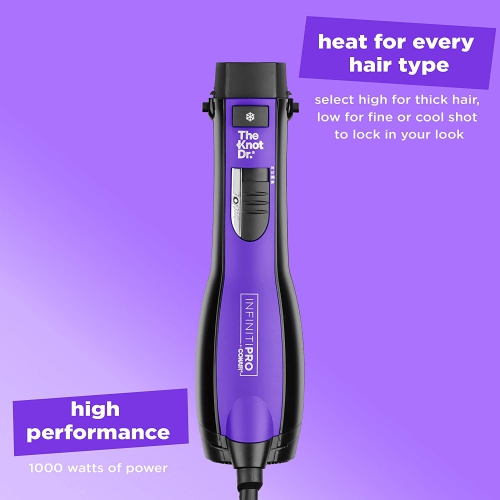 Your price for this item is $142.99
 -
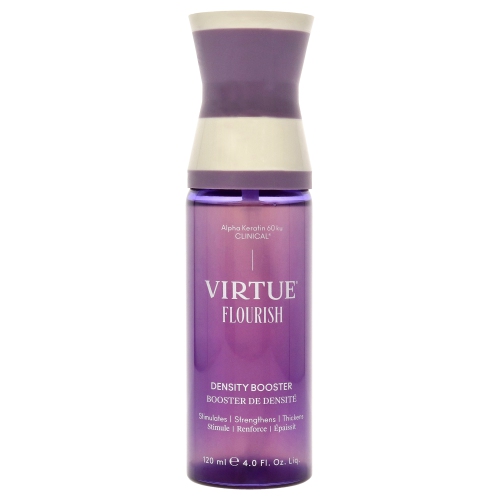 Your price for this item is $63.68
 -
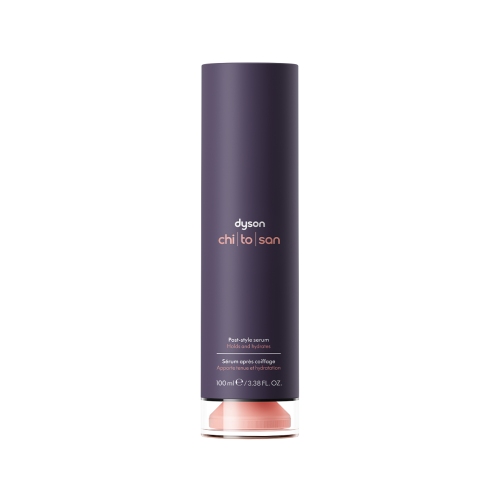 Your price for this item is $59.99
 -
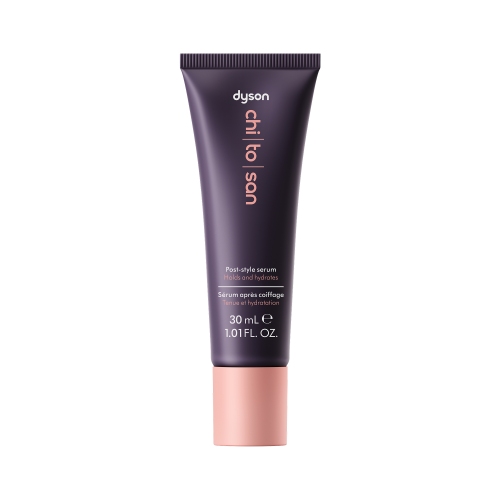 Your price for this item is $39.99
 -
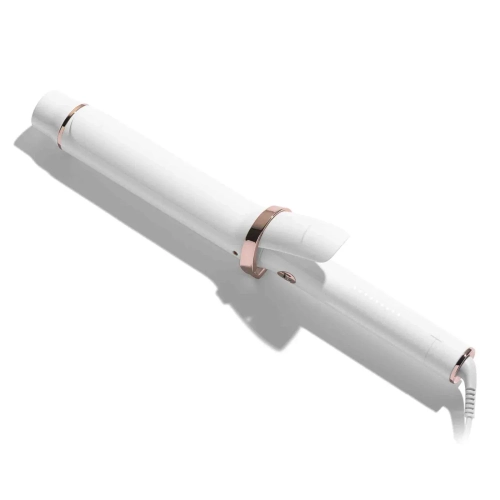 Your price for this item is $229.99
 -
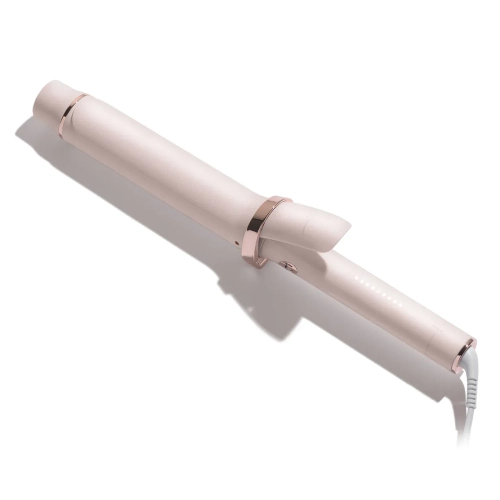 Your price for this item is $229.99
 -
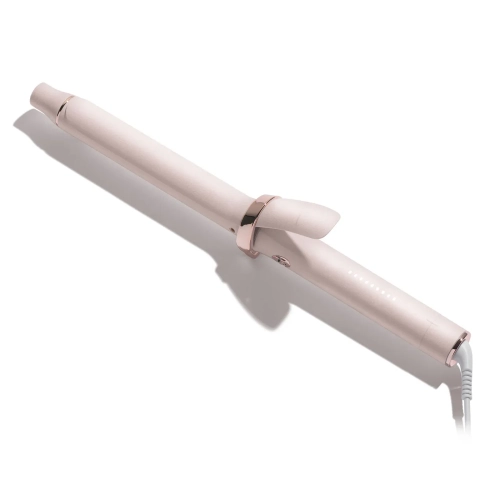 Your price for this item is $229.99
 -
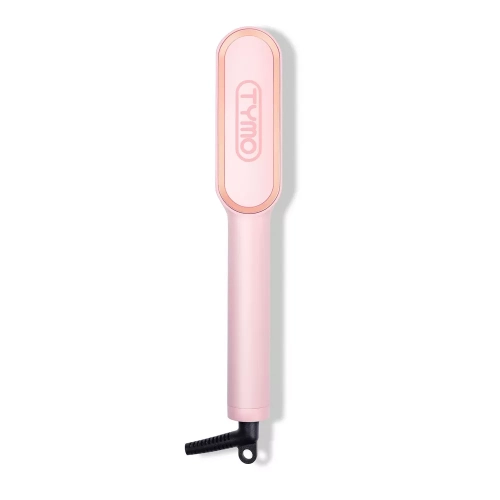 Your price for this item is $142.99
Discover more categories related to Solutions for Split Ends
Top Collections:
Pokemon Centers, Budget 4K TVs, Kindle Devices, Canon G7X Cameras, Apple iPhones 16, iPhone 15 Apple, Laptops for Business Work, Flip Phones, Xiaomi Phones, Refurbished Apple Laptops
Some products may be subject to Environmental Handling Fees
(EHF) depending on your province.
Learn more about EHFs.