Sony Sound Systems

Browse Sony sound systems to find an audio setup that suits your room and listening preferences. Compare connectivity, speaker configurations, and compatibility with your existing devices to help choose a system for music, movies, or everyday listening.
Read More

Sort

Clearer dialogue and deeper bass start with your setup

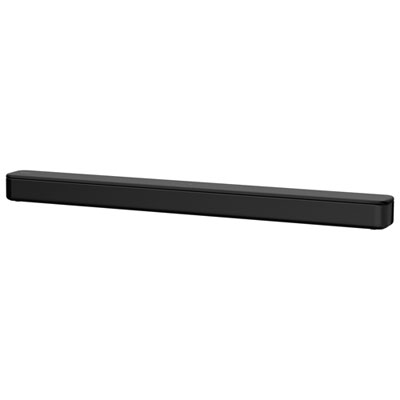
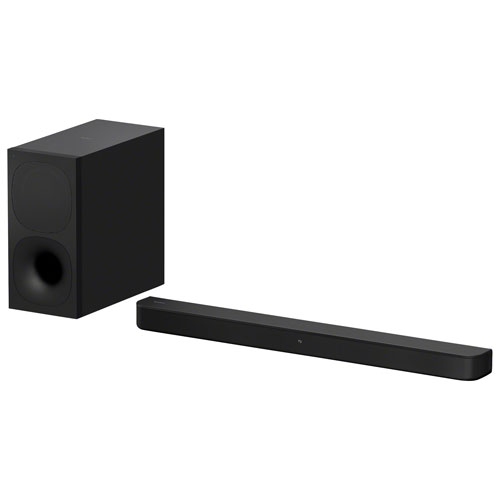
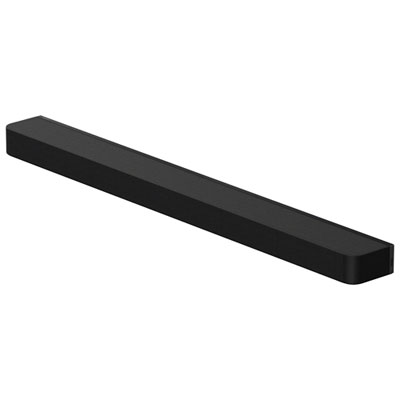
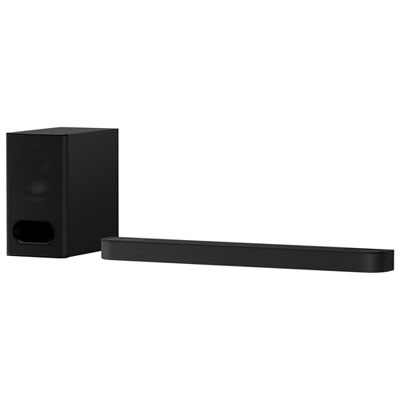
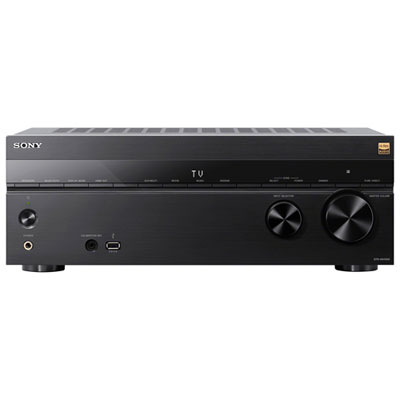
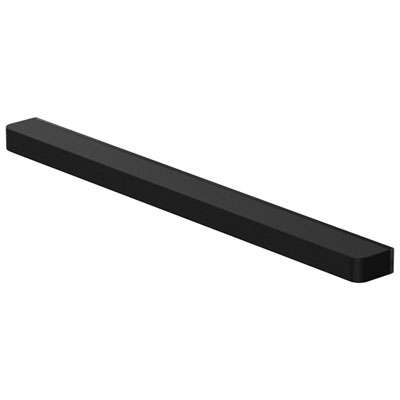
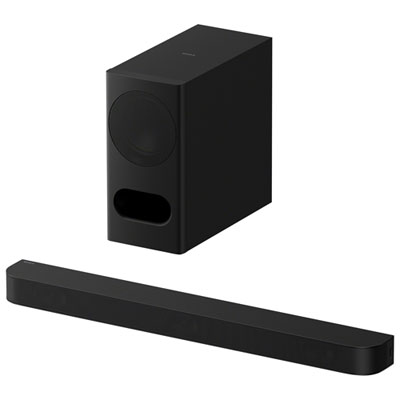
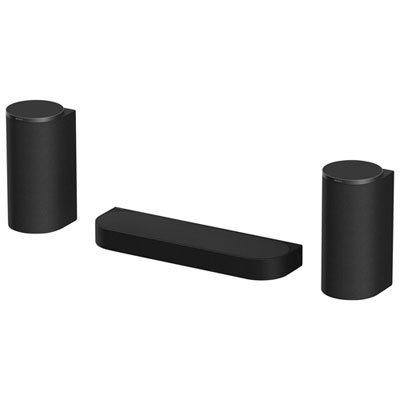
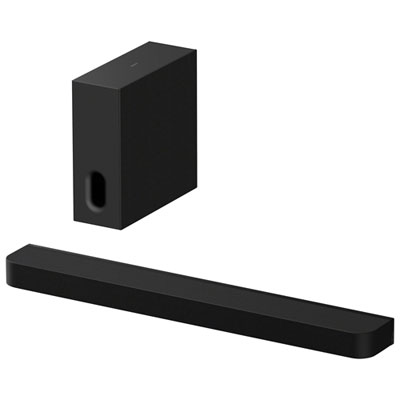
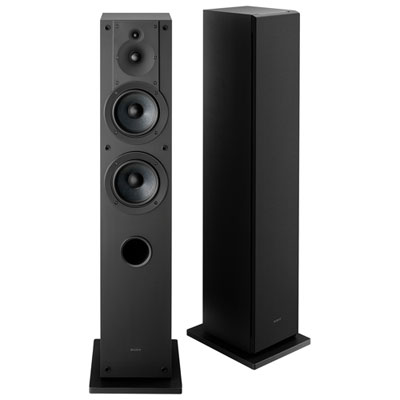
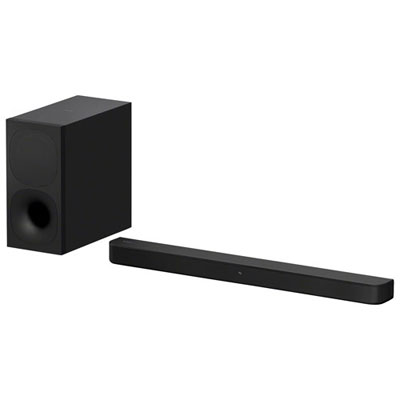
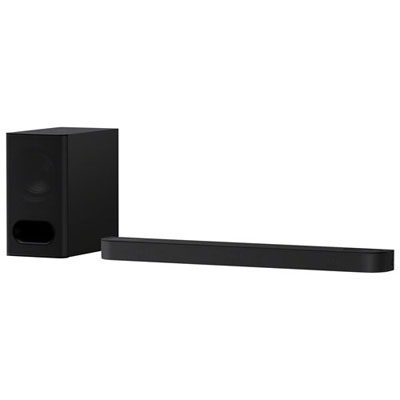
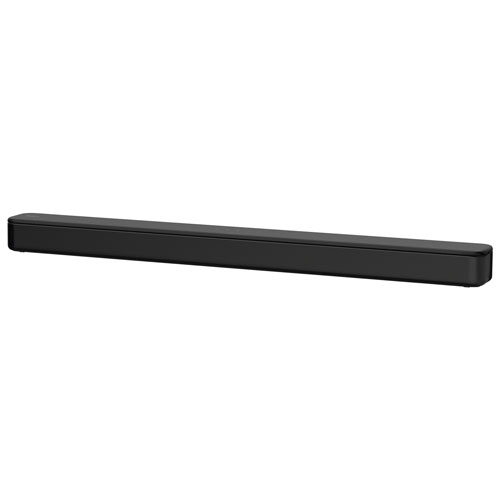
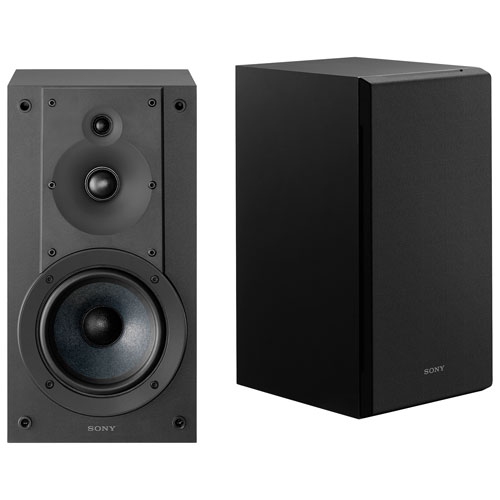
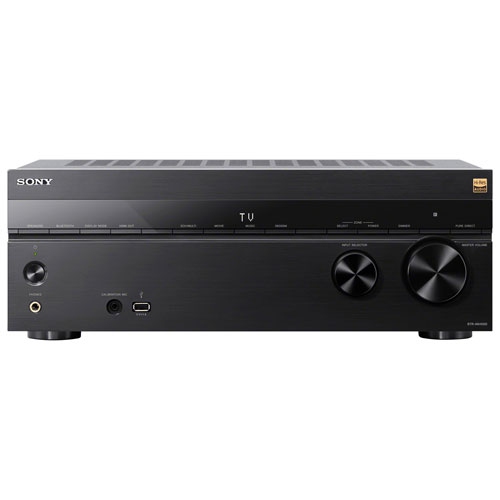
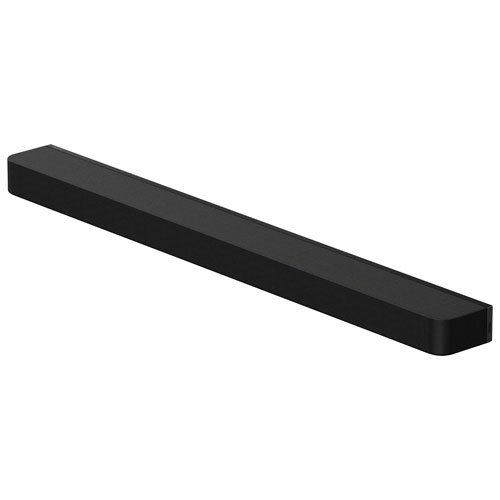
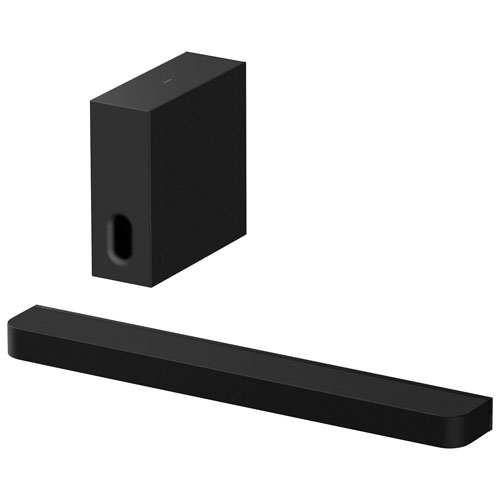
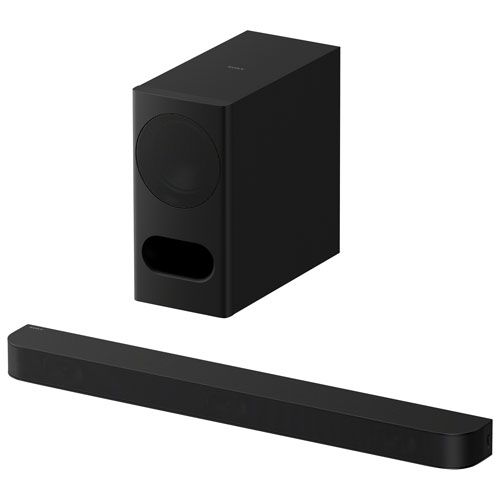
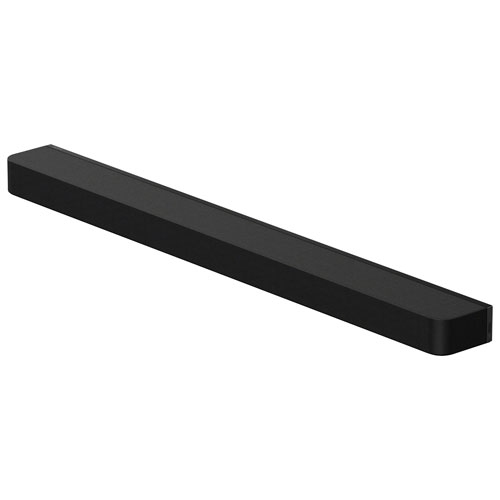
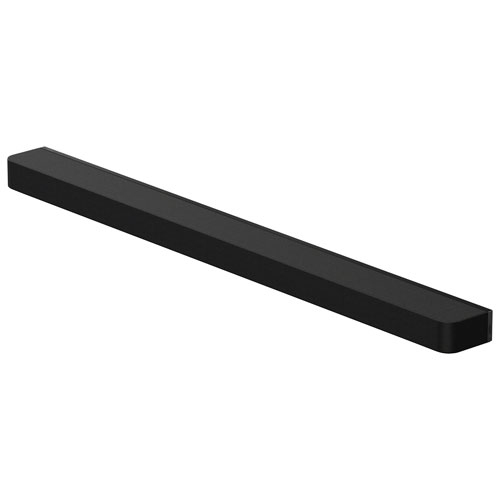
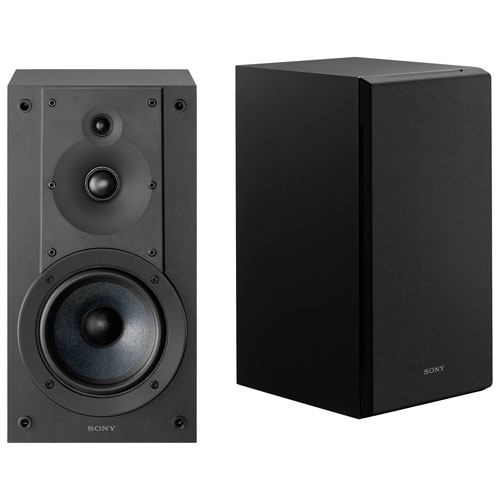
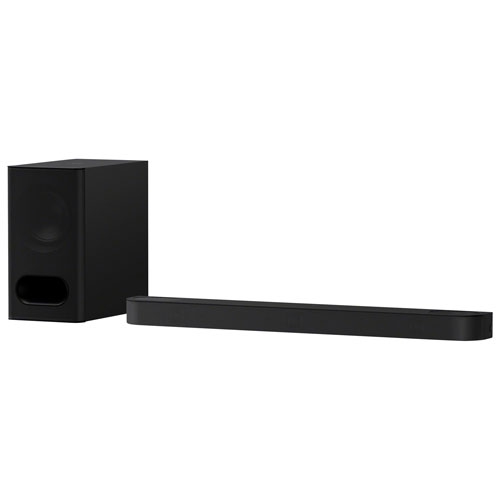
Home sound systems bring television, films, music, and games into sharper focus by giving voices, instruments, and effects more room to stand apart. A quiet conversation becomes easier to follow when speech is clearly separated from a soundtrack, while a dedicated subwoofer adds weight to the low notes of a bass guitar or the rumble of an on-screen engine. Different configurations suit different ways of listening. An all-in-one soundbar keeps the setup compact, with several speaker drivers housed in a single enclosure beneath the television. A soundbar paired with a separate subwoofer divides the work between dialogue, music, and deeper bass. Surround sound systems add speakers beside or behind the seating area, creating a more distinct sense of movement as action travels across the screen and into the room. Component systems use separate speakers and an audio receiver, offering more flexibility over speaker placement and connections. Channel numbers describe the basic arrangement: a 2.1-channel system has two main audio channels and a subwoofer channel, while a 5.1-channel configuration adds a centre channel and two surround channels. In a three-part designation such as 5.1.2, the final number identifies height channels. Those height effects may come from overhead speakers or upward-firing drivers, depending on the design. Some systems also use processing to create a wider or taller sound field without a speaker at every apparent sound location. The result depends on the recording, supported audio formats, room layout, and listening position. A sofa against the back wall, an open staircase, or a high, angled ceiling can influence how immersive effects are heard. For everyday television, clear dialogue and balanced sound at moderate volume may matter more than a large speaker count. For film nights or concert recordings, a separate centre channel, surrounding effects, and deeper bass can make the presentation feel more expansive without relying solely on louder playback.

Connections and placement shape how comfortably a sound system fits into daily use. HDMI ARC allows compatible televisions to send audio back to a soundbar or receiver through an HDMI connection; eARC supports higher-bandwidth audio formats when both connected devices and the cable meet the necessary requirements. Compatibility across the whole signal path matters, especially when a streaming device, game console, or disc player is involved. An optical connection remains useful for many television setups, although it does not carry every advanced surround format. Bluetooth offers a straightforward way to play audio from a compatible phone or tablet, while Wi-Fi features on supported systems may provide network music playback, app controls, or connections with other compatible speakers. These functions vary, so a system designed mainly for television audio may not offer the same music-sharing options as a network-connected component setup. Wireless subwoofers and rear speakers can reduce the need for audio cables running across the room, but powered components still need electricity, and some arrangements use a separate amplifier connected to the rear speakers by wire. Nearby outlets and a practical cable route remain part of a tidy installation. A soundbar also needs enough space beneath the screen to avoid blocking the picture or the television’s remote-control sensor. Wall-mounted arrangements require suitable mounting hardware, secure attachment, and clearance around vents and speaker openings. Upward-firing drivers need an unobstructed path towards the ceiling rather than a shelf directly above them. In shared living spaces, these details can make the difference between equipment that feels integrated and a setup that interrupts everyday movement. Remote-control integration, clear input switching, and supported dialogue modes are useful when several people share the television. Some systems include automatic sound adjustment using a microphone or app-based measurements to account for the listening space. This can help balance the presentation, but speaker positioning and the room’s physical characteristics still play an important role.

The construction and finish of home audio equipment affect both its appearance and how it holds up to everyday handling. Speaker enclosures may use moulded materials, metal, or wood-based panels, with fabric coverings or perforated grilles protecting the drivers. These surfaces have different care needs: fabric can catch dust and snag on sharp objects, while glossy finishes tend to show fingerprints more readily than textured ones. A soft, dry cloth is generally suitable for exterior dusting, with any further cleaning carried out according to the manufacturer’s directions. Moisture, cleaning sprays applied directly to the equipment, and pressure against exposed drivers can cause damage. Stable furniture, secure stands, and sensible cable routing are especially important in homes with children or pets. Subwoofers need a firm resting surface, and their placement affects how bass spreads through the room. A position that sounds full from one seat may produce a heavy boom in another, so small placement changes can be worthwhile. Rugs, curtains, and upholstered furniture can soften reflections in a room with hard floors and large windows, helping speech sound less splashy. In an apartment or a room beside a sleeping area, adjustable bass and night-listening settings can make evening viewing more comfortable, though low-frequency vibration may still travel through walls and floors. Durability also involves leaving ventilation space around powered equipment and keeping connections accessible rather than tightly bending cables behind a cabinet. For a gift, a sound system is most useful when it suits the recipient’s television connections, listening habits, and available space. A compact setup can suit someone who wants clearer dialogue without rearranging the room, while a multi-speaker arrangement may appeal to someone who enjoys a dedicated viewing space. The Quality Sound Systems collection offers another starting point for exploring home audio arrangements, with room fit and everyday ease of use remaining just as important as the listening experience.


Read More

FAQ

Some products may be subject to Environmental Handling Fees (EHF) depending on your province. Learn more about EHFs.