Sony Running Earbuds
Looking for the perfect pair of earbuds to accompany you on your runs? Look no further! Our selection of running earbuds is designed to provide you with the ultimate audio experience while keeping up with your active lifestyle. Whether you're training for a marathon or simply enjoying a jog around the neighborhood, our running earbuds offer a secure and comfortable fit, exceptional sound quality, and sweat-resistant features to ensure that nothing gets in the way of your workout. With a range of styles and features to choose from, finding the ideal pair of running earbuds has never been easier.
Sort





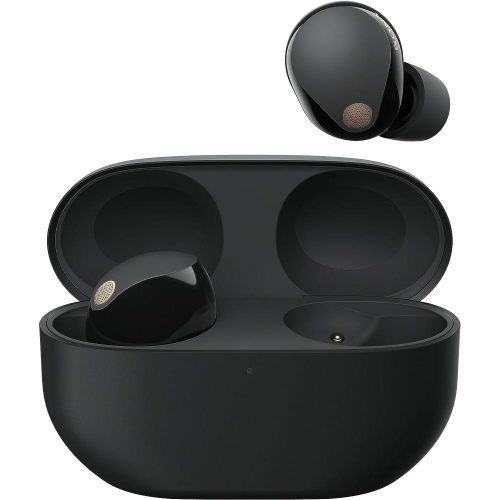


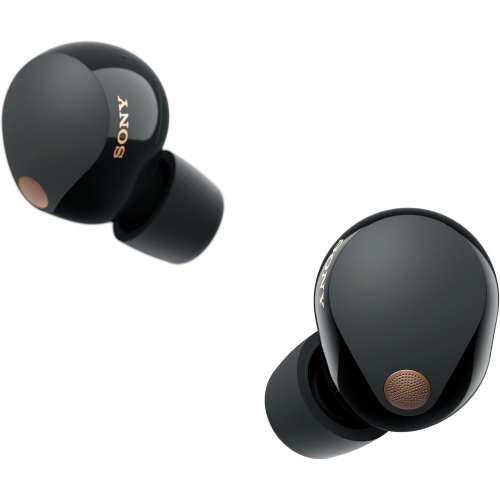
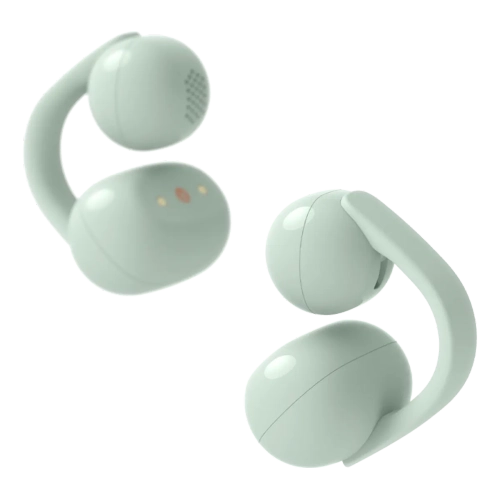
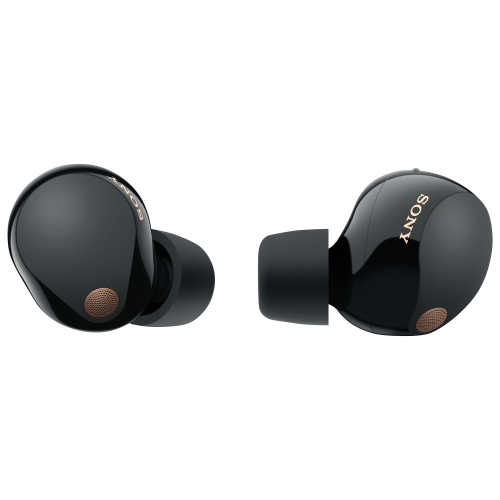


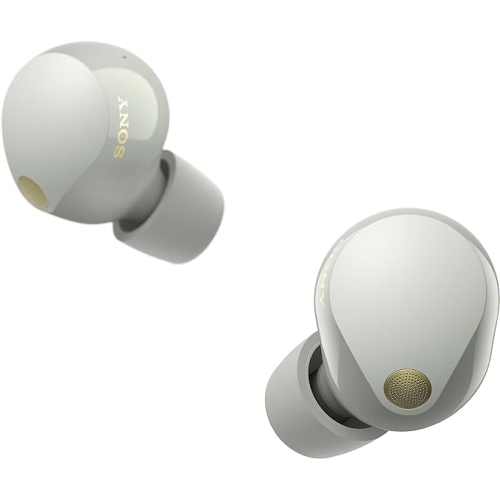

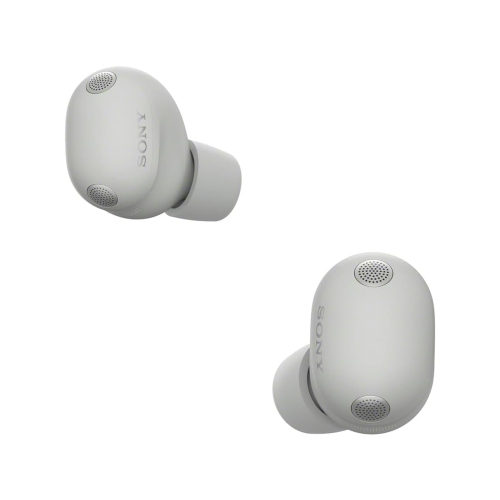
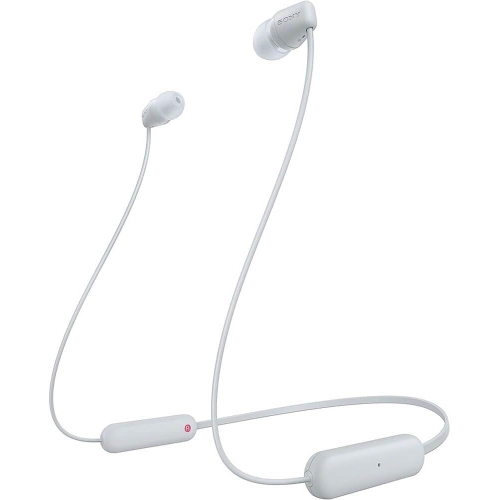


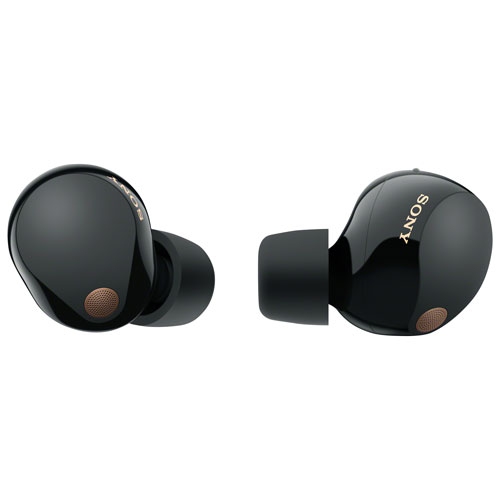
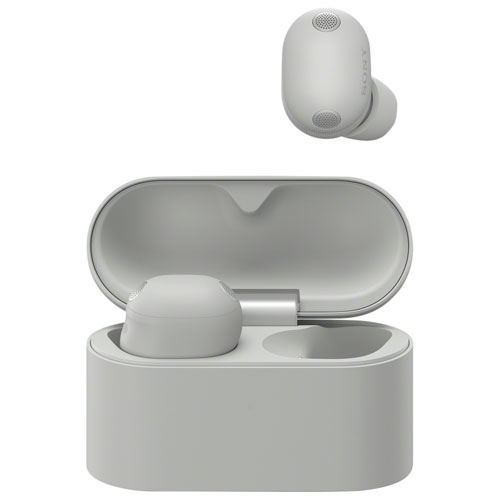
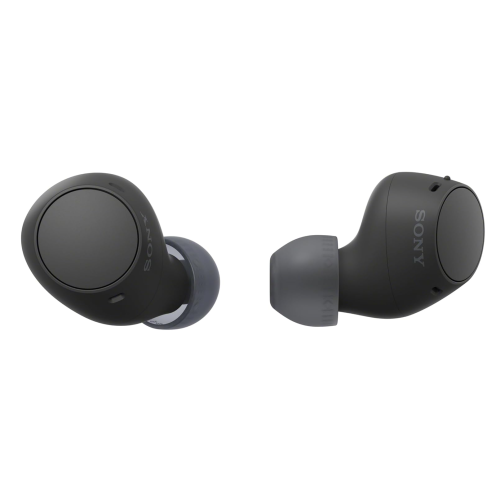


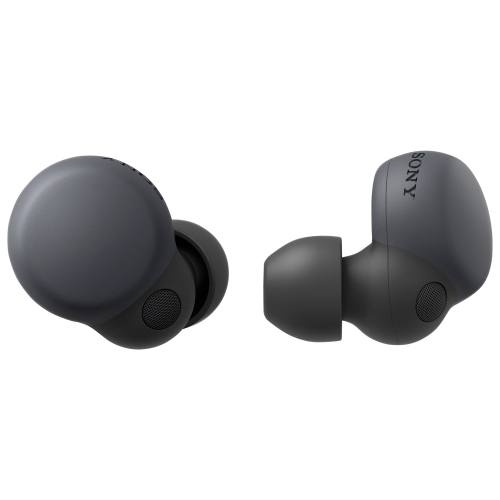

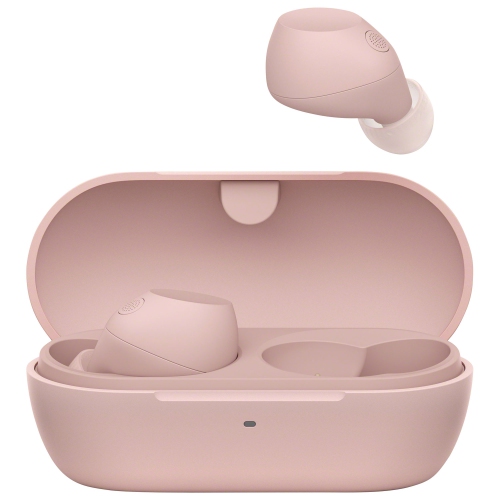
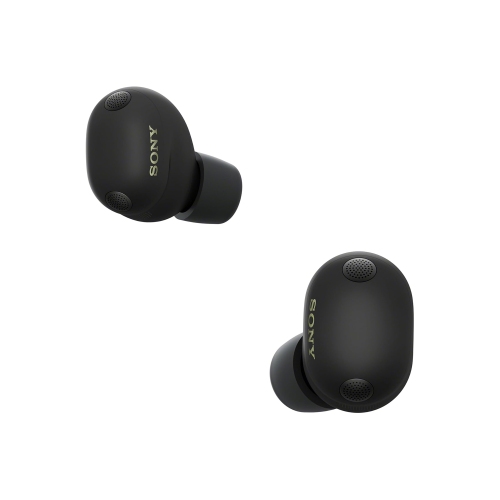
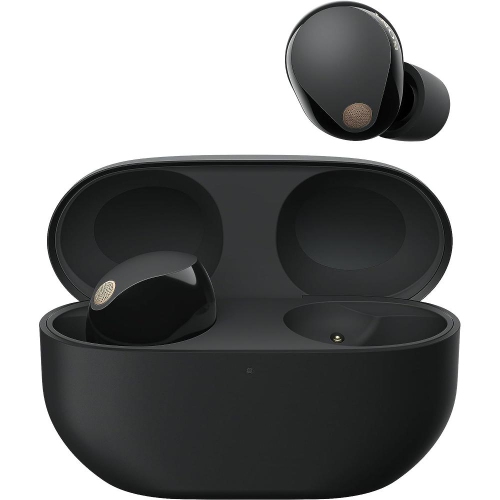
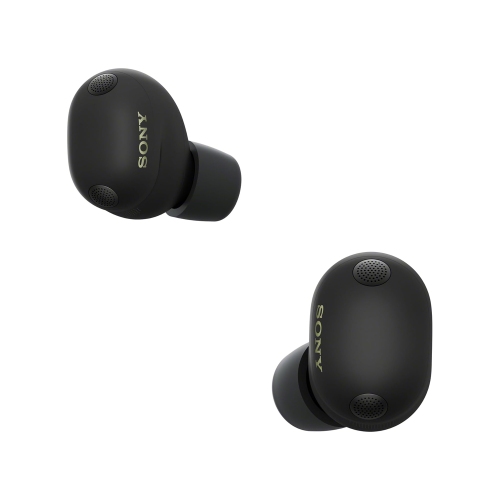


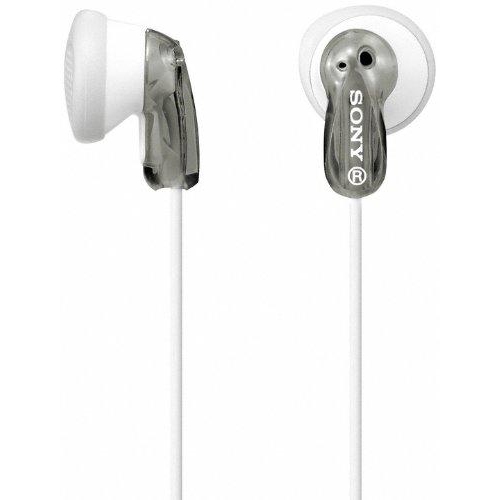




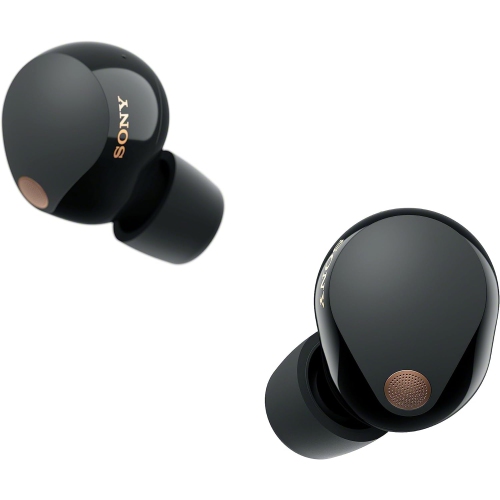
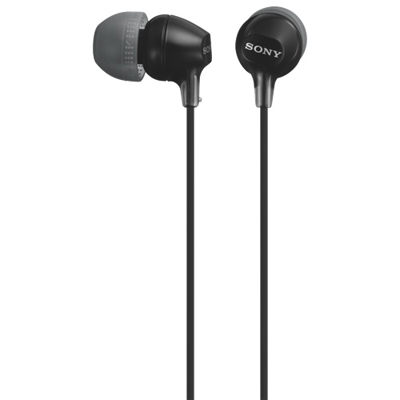
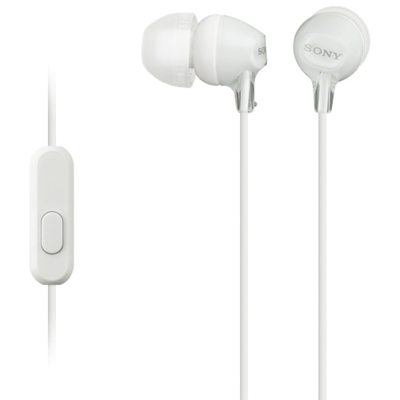


Comfort, awareness and battery life for active listening
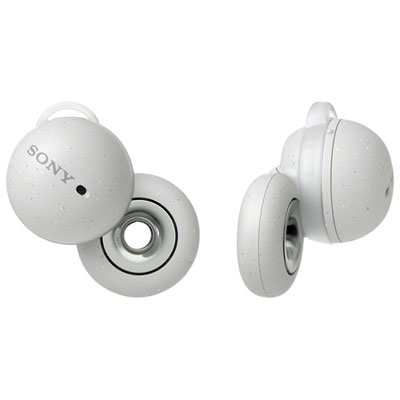
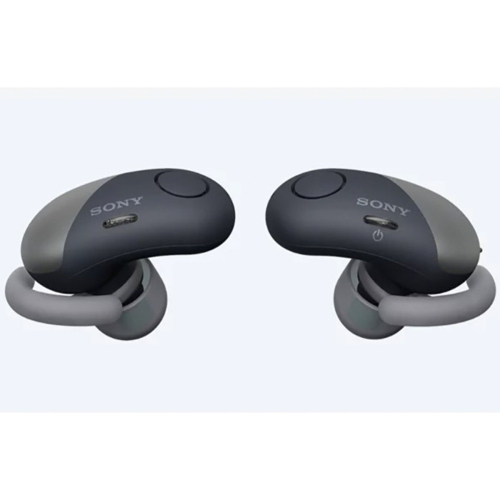
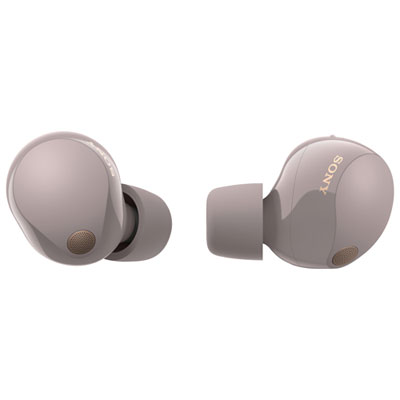
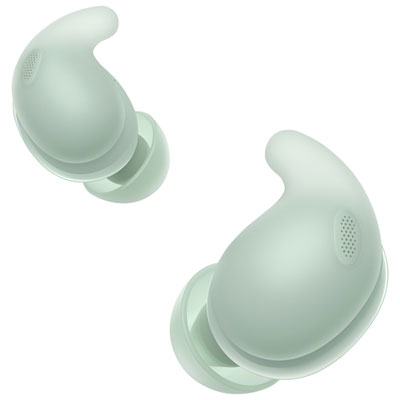
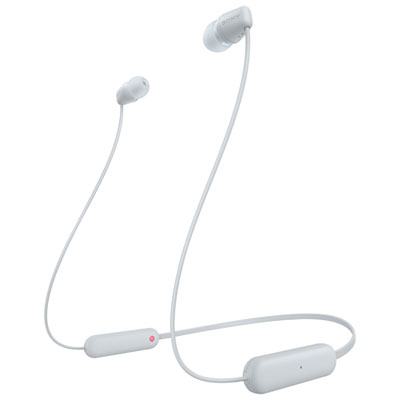
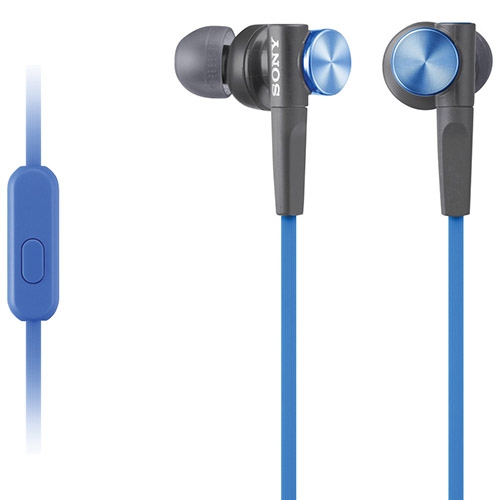
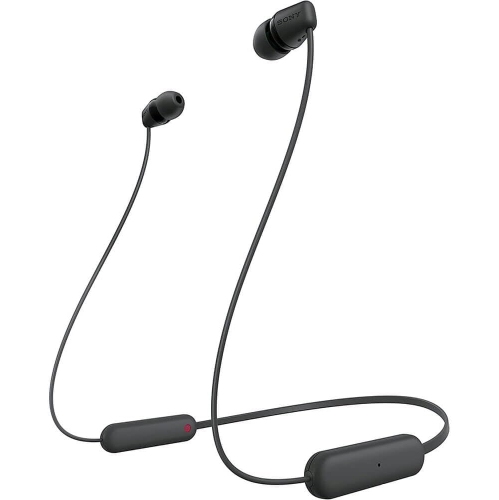
Sony running earbuds are designed for movement, making them a practical choice for runners, walkers, gym-goers and anyone who prefers music or podcasts on the go. The best pair should feel secure without becoming a distraction, especially when your pace changes, your route includes hills or you are moving between indoor and outdoor workouts. Look for lightweight earbuds with a stable fitting system, such as flexible supporters, wings or arc-style pieces that help keep each bud in place. A comfortable fit can make a noticeable difference over a long run: earbuds should stay put when you turn your head, but they should not create pressure around the outer ear. Wireless designs also reduce the need to manage a cable while stretching, training or reaching for a water bottle. For additional options built around active lifestyles, browse Sony Sports Earbuds. Running earbuds may include touch or button controls for adjusting volume, changing tracks, answering calls or switching sound modes without taking out your phone. Voice pickup is worth considering if you take calls during a walk or need to communicate between intervals. A compact charging case can protect the earbuds between workouts and provide extra battery power in a gym bag, backpack or coat pocket. Depending on the design and listening mode, playback may range from several hours on the earbuds to a full day or more when the case is included, so check both figures rather than relying on the earbud-only rating.
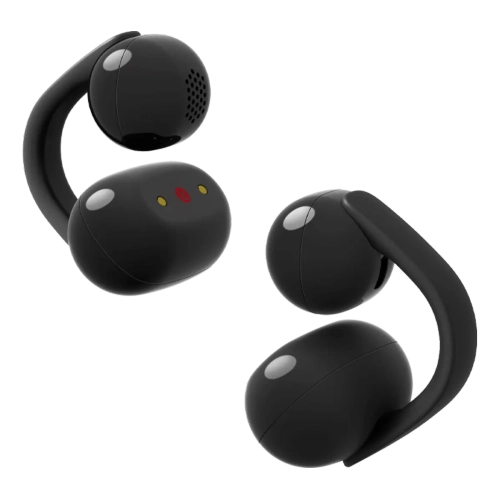
The right sound design depends on where and how you run. Active noise cancelling, often called ANC, can reduce the rumble of a treadmill, the hum of public transit or background noise in a busy fitness centre, helping music and spoken audio sound clearer at a lower listening level. ANC can be especially useful for focused indoor training, steady-state cardio and travel before or after an event. Outdoor runners may prefer an ambient sound mode or an open-style design that allows more awareness of nearby surroundings. Hearing traffic, cyclists, announcements and other people is an important part of running safely in shared spaces, so a design that lets environmental sound in may be more suitable for a neighbourhood route, park path or urban commute. Some earbuds offer a balance between the two, letting you switch between noise reduction and ambient listening with a tap. Sound preferences also vary: runners who enjoy energetic playlists may look for pronounced bass, while people who listen to audiobooks, coaching prompts or podcasts may value vocal clarity and a balanced profile. Fit, controls and awareness usually matter more during exercise than specifications alone. A pair that sounds impressive but shifts with every stride may spend more time being adjusted than enjoyed. Try to consider your usual distance, the surfaces you run on and whether you train indoors, outdoors or in both settings. A secure fit is useful for intervals and strength exercises, while a lightweight feel can be more comfortable for long walks and extended listening. If you wear glasses, a hat or winter headwear, check that the earbud shape will not compete for space around your ears. During cooler months, the combination of earbuds and a toque can make fit particularly important, while warmer conditions may make ventilation and sweat resistance more noticeable.
Durability is another important consideration for running earbuds because exercise exposes them to perspiration, splashes and changing temperatures. An IPX4 rating generally indicates resistance to water splashes from different directions, which can be helpful for sweat and light rain, while higher ratings such as IP55 may add resistance to dust and stronger water exposure; these ratings do not mean the earbuds are designed for swimming or submersion. After a workout, wiping the earbuds with a soft, dry cloth and allowing them to air-dry before placing them in the case can help keep the charging contacts clean. Battery life should match your routine, whether you complete short daily runs, longer weekend distances or several training sessions between charges. Some true wireless running earbuds offer roughly five to nine hours of listening with certain features enabled, with the case extending total playback to approximately 18 to 21 hours, while open-style sports designs may offer around 10 hours of continuous use. Actual battery life can change with volume, ANC, call use and temperature. Prices can also vary by features and design, with lightweight sport earbuds commonly ranging from about $100 to $345, while other fitness-focused options may sit closer to $118 to $170 or around $248 to $300. These earbuds can make a thoughtful gift for a runner preparing for a race, a student walking between classes, a commuter who listens on the way to work or someone starting a new fitness routine. They are also useful beyond running for walks with a dog, home workouts, travel and everyday listening. Before choosing, compare the fit style, awareness features, water-resistance rating, control layout, microphone performance, charging method and return compatibility with your routine. With the right combination of comfort, stability, sound control and battery life, running earbuds can become an easy part of getting out the door, whether the route leads along a cool morning trail, through a busy city or around an indoor track.
Top selling and popular products
-
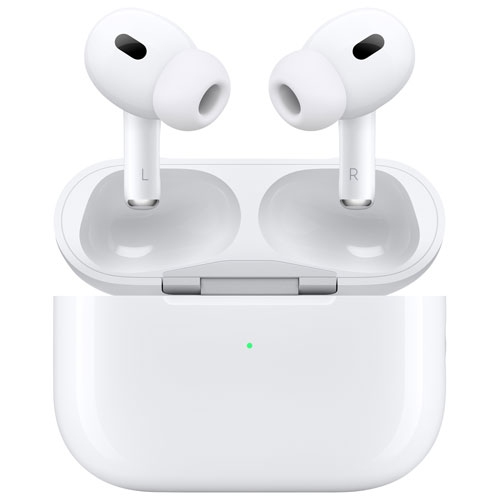 Your price for this item is $349.99
-
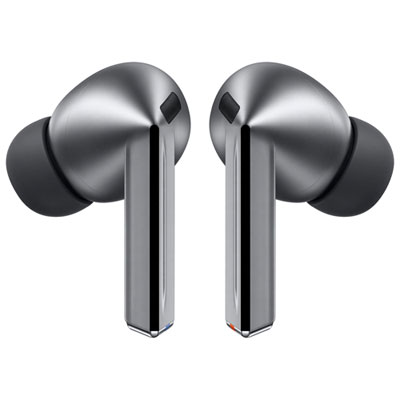 Your price for this item is $329.99
-
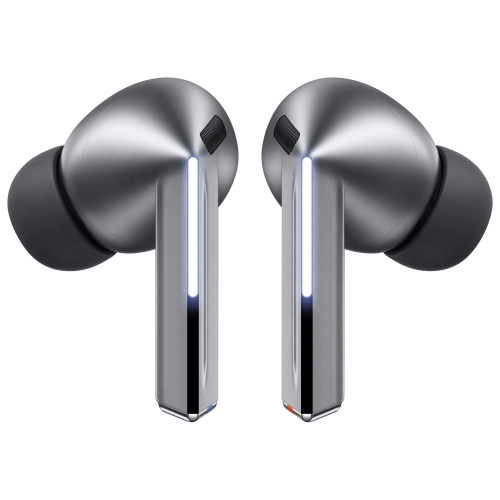 Your price for this item is $229
-
 Your price for this item is $215
-
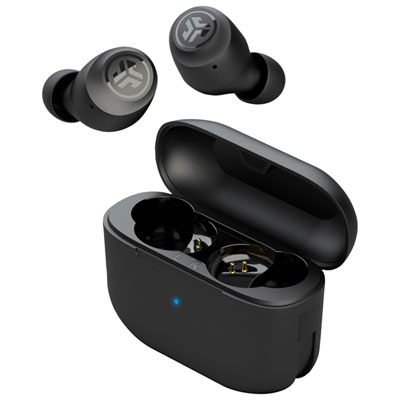 Your price for this item is $34.99
-
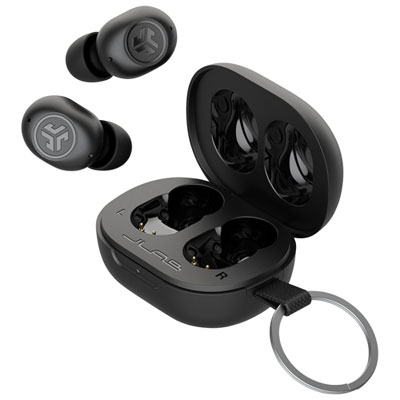 Your price for this item is $59.99
-
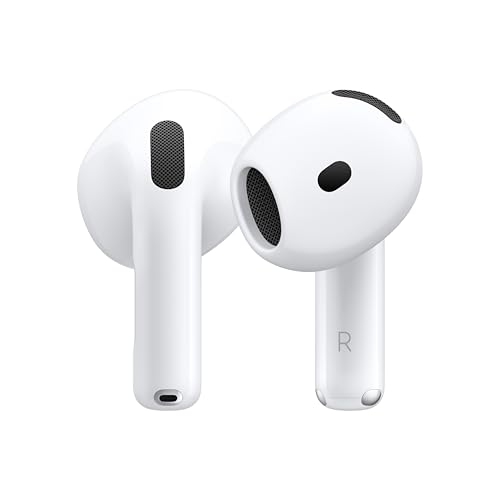 Your price for this item is $189
-
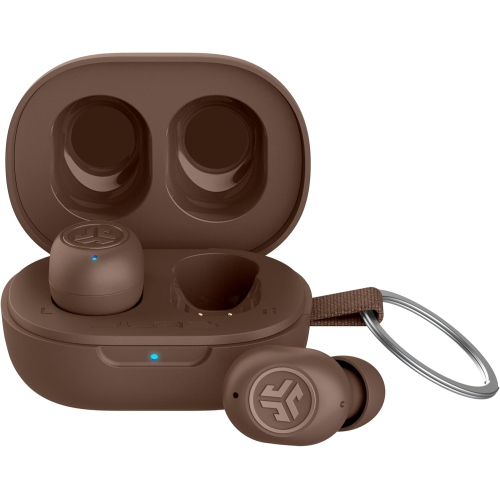 Your price for this item is $89.99
Discover more categories related to Sony Running Earbuds
Top Collections:
Pokemon Centers, Best Cameras for Sports Photography, Kindle Devices, Samsung Galaxy Phones, Canon G7X Cameras, Pokémon 30th Celebration Cards, Refurbished Apple Laptops, iPhone 15 Apple, Laptops for Students, Budget Smartphones
Some products may be subject to Environmental Handling Fees
(EHF) depending on your province.
Learn more about EHFs.