5 Channel Sound Bars With Sub Woofer Under $1000
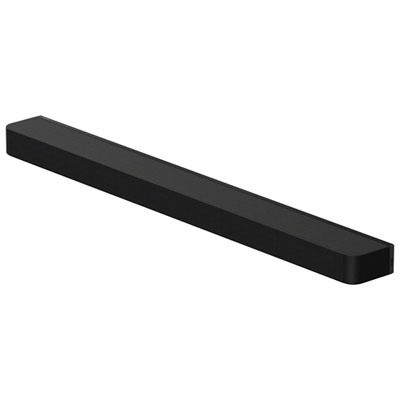
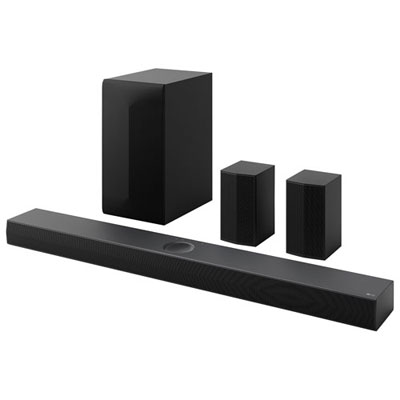
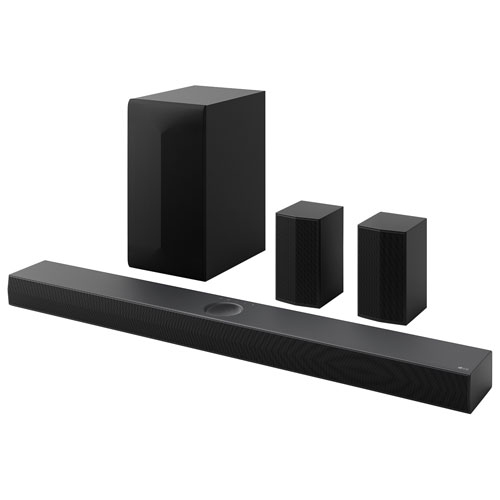
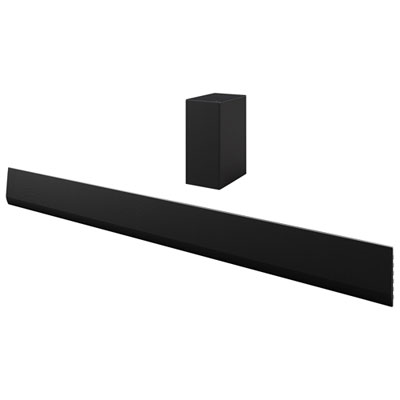
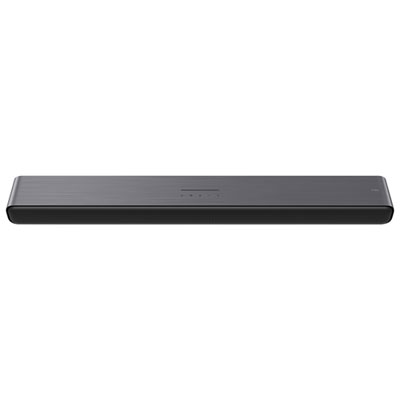
A 5-channel soundbar with a subwoofer under $1,000 can greatly enhance your audio experience while watching movies, TV shows, or listening to music. It offers superior sound quality, deep bass, and immersive surround sound. Here are some of the 5-channel soundbars with subwoofers under $1,000 on the market today.
Sort
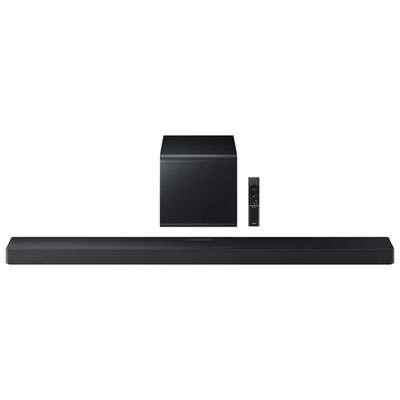
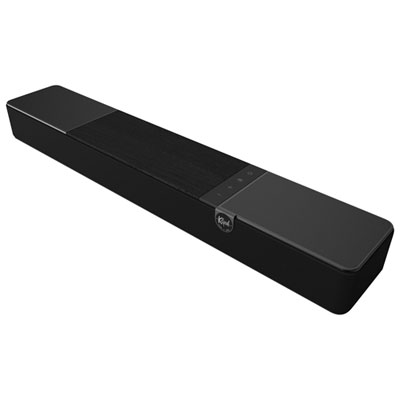

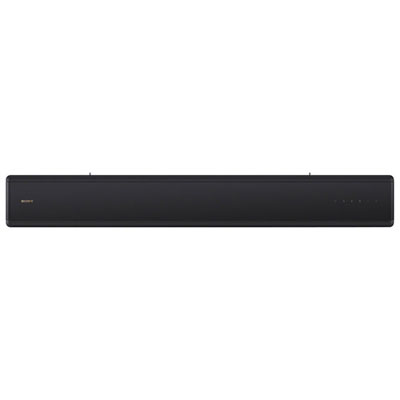
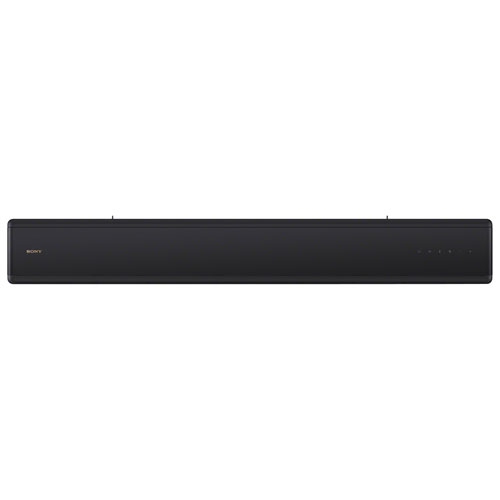
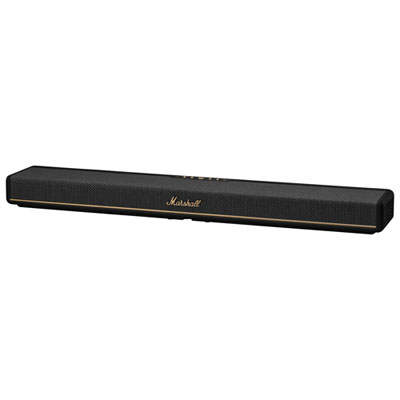
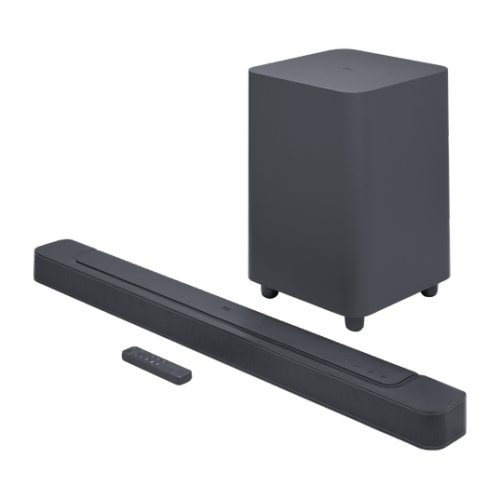

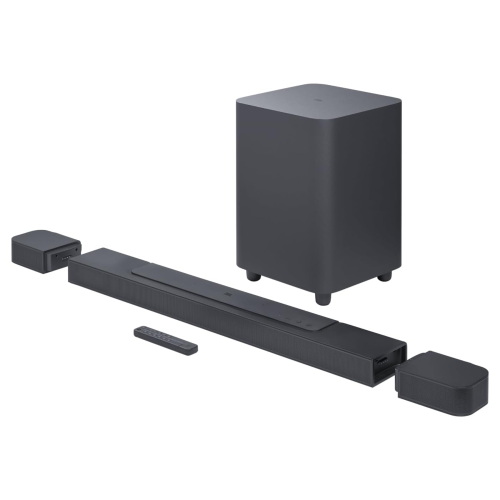
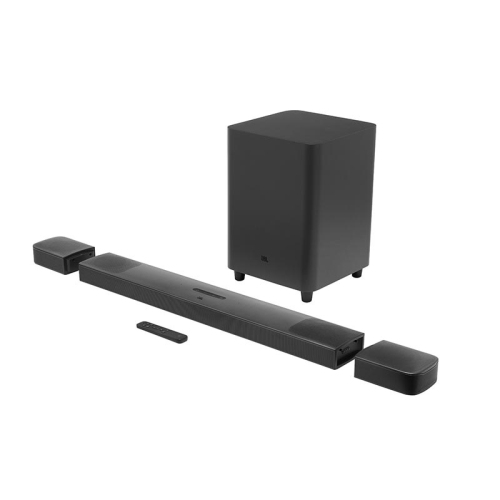

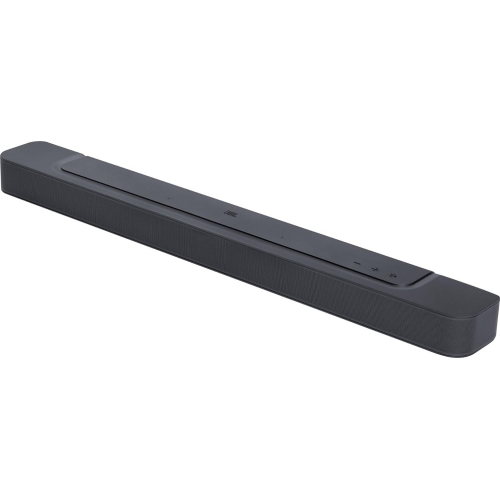
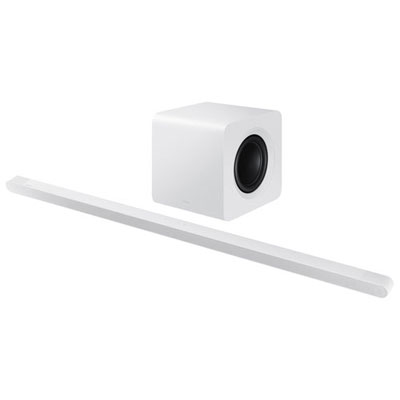

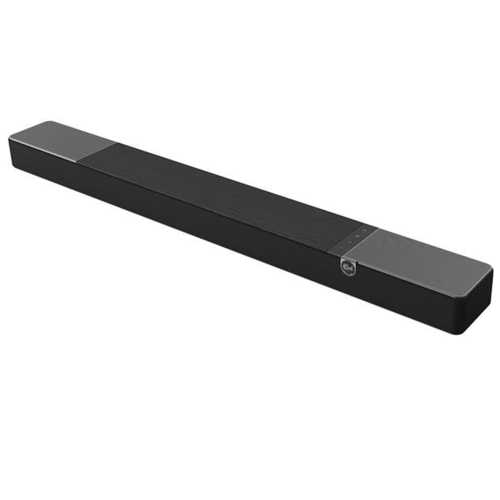
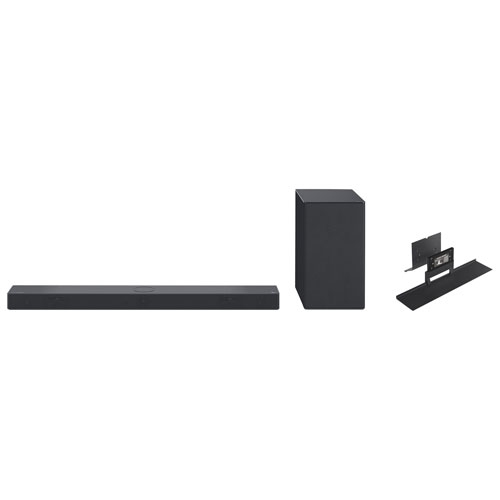

![SAMSUNG - Hw-T650/zc 3.1 340 Watt Sound Bar With Discrete Center Channel Speaker And Wireless Subwoofer (2020) [Canada Version]](https://multimedia.bbycastatic.ca/multimedia/products/500x500/172/17202/17202424.jpeg)
How room size, connections, and speaker placement shape sound
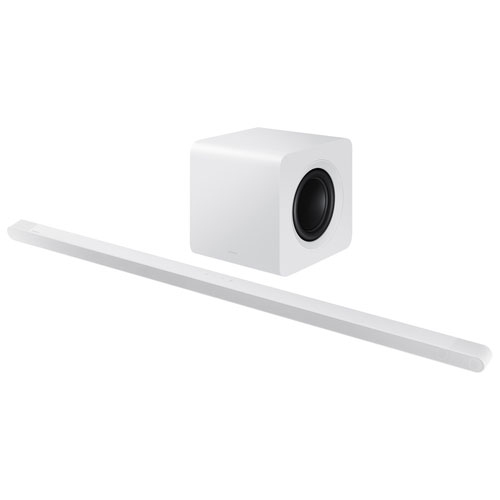
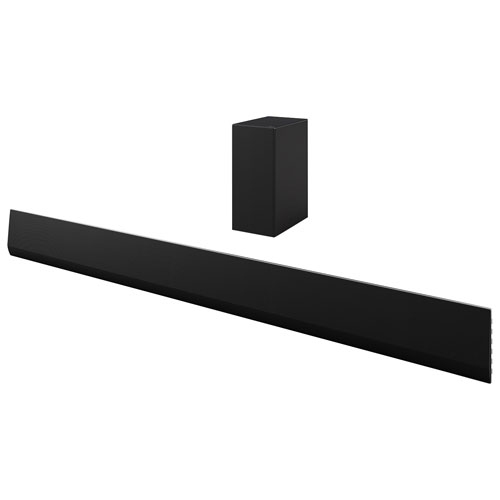
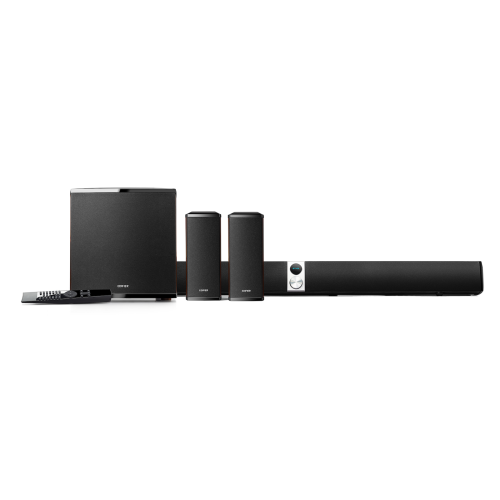
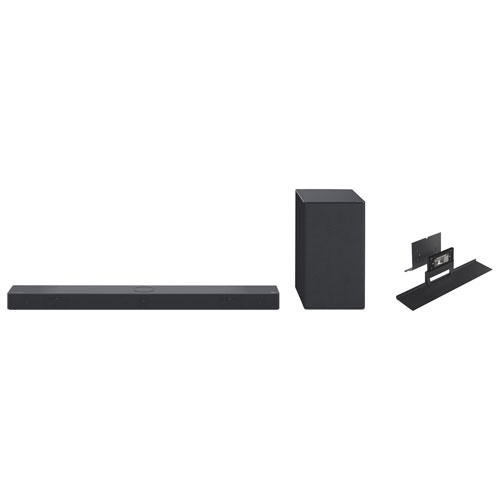
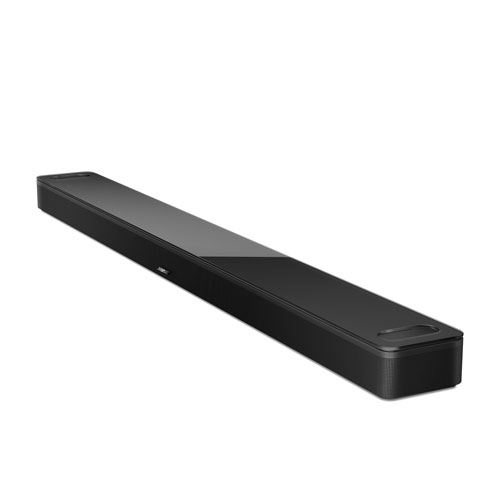
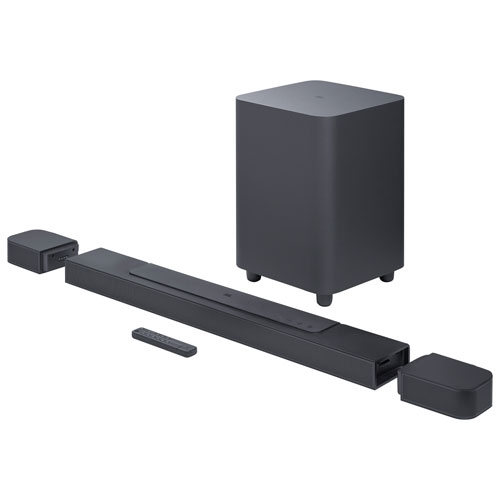
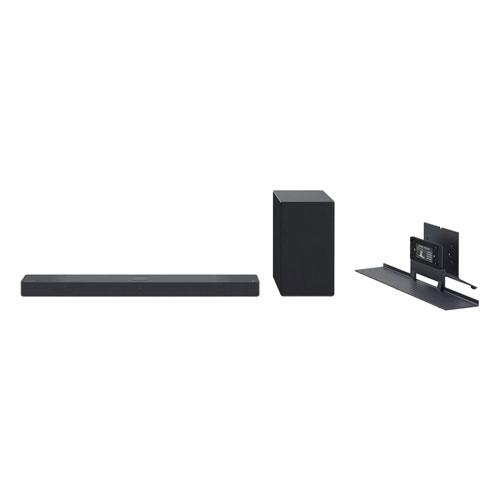
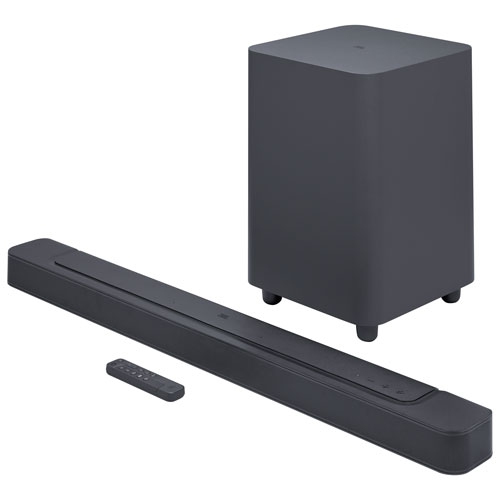
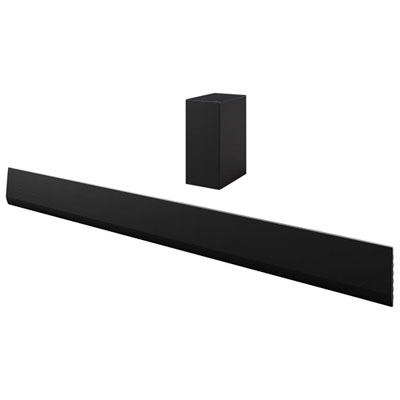
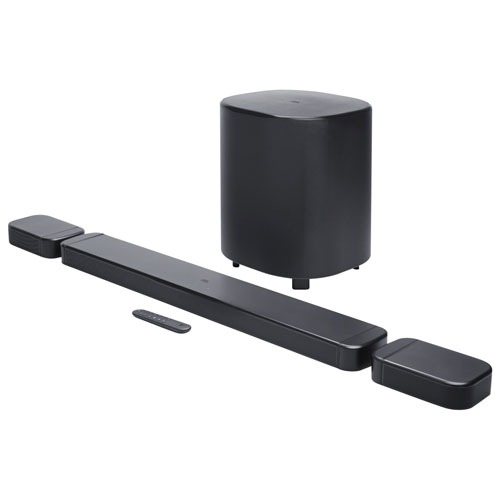
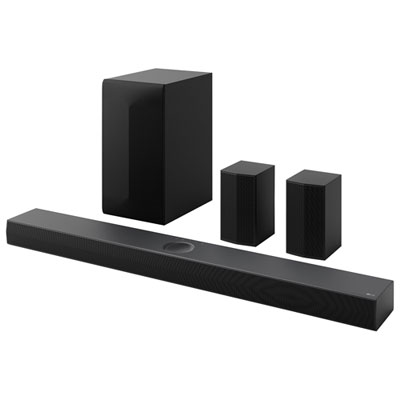
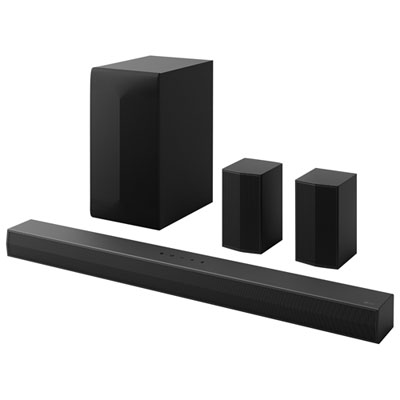
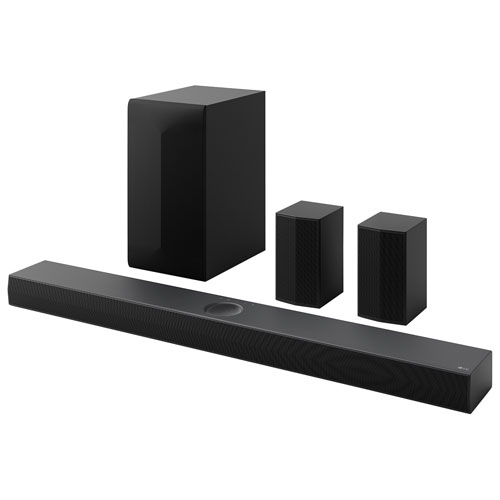
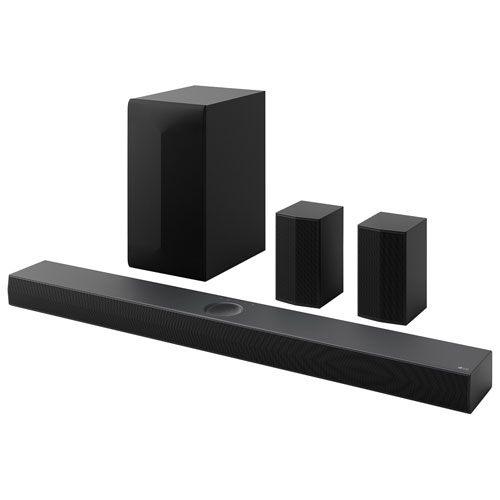
A 5-channel sound bar with a subwoofer under $1000 can bring a fuller, more cinematic sound to a television without the complexity of building a separate home theatre receiver system. These systems are designed to divide audio into multiple channels, helping dialogue, music, effects, and ambient sound feel more distinct across the room. A dedicated subwoofer handles the lower frequencies that a slim sound bar cannot reproduce as easily, adding weight to film scores, rumbling action scenes, game sound effects, and live concert recordings. For many living rooms, this combination offers a practical balance between immersion, convenience, and cost. Some systems create a wider surround effect from the sound bar alone by directing audio around the room, while others include rear speakers for more clearly separated surround channels. When comparing 5-channel sound bars with subwoofers under $1000, look closely at whether the system uses virtual processing, side-firing drivers, or physical rear speakers, since each approach produces a different listening experience. An all-in-one bar can be a good fit for an apartment, open-concept room, or minimalist media space, while a system with rear speakers may appeal to viewers who want more convincing sound from behind their seating position. The wireless subwoofer is often easy to place beside a sofa or entertainment unit, although it still needs access to a power outlet. Because bass can sound stronger or softer depending on its location, trying it near the front of the room and then adjusting its position can make a noticeable difference.
Connectivity is another important part of choosing the right system. HDMI eARC is a useful feature for newer televisions because it can carry high-quality audio from compatible streaming services, game consoles, and other connected devices through a single cable. HDMI ARC can also work well for many setups, but eARC offers greater bandwidth for supported formats. Optical audio remains a straightforward option for compatible TVs, particularly when the sound bar and television are not being used with advanced surround formats. Check the television’s available ports before buying, and confirm whether the desired audio features, such as Dolby Atmos or other surround-sound formats, are supported by both the TV and sound bar. A system may list Atmos compatibility, but the effect depends on the source content, connection type, room shape, ceiling height, and speaker design. Up-firing drivers can reflect sound from the ceiling to create a sense of height, while virtual processing uses timing and audio tuning to make the soundstage seem larger than the bar itself. Neither approach replaces the same physical speaker placement, so consider how much installation you are comfortable with. Features such as a wireless subwoofer, included wall-mount hardware, voice enhancement, night mode, room calibration, and a dedicated remote can also affect everyday enjoyment. Dialogue enhancement is especially useful for television dramas, documentaries, and news broadcasts, while night mode can reduce sudden peaks when others in the home are sleeping. If you watch a mixture of sports, films, streamed series, music, and games, a sound bar with multiple sound modes can help tailor the presentation without requiring manual adjustments each time. For additional ways to compare features and configurations, explore Best Soundbars Under $1000.
These sound bar systems can suit a broad range of listeners, from someone replacing the thin audio of a compact television to a family creating a more engaging movie-night setup in the living room. They can also make a thoughtful gift for a film enthusiast, a sports fan, a gamer, or anyone who enjoys music but does not want a room filled with large speakers and cables. During the warmer months, a sound bar can make a patio-door-adjacent living space feel lively for concerts and streamed events, while during the cooler months it can add depth to movie marathons, seasonal specials, and long evenings spent indoors. Before making a selection, measure the space below or in front of the TV and check that the bar will not block the screen or the television’s remote sensor. Consider the width of the bar in relation to the TV: a larger bar may create a broader left-to-right soundstage, while a compact model may be easier to fit beneath a smaller screen or on a narrow cabinet. Think about seating distance as well. In a smaller room, strong virtual surround processing may be enough to create an expansive presentation, whereas a larger room may benefit from rear speakers and more powerful bass control. It is also worth considering how the subwoofer and any rear speakers connect, how easily they pair with the main bar, and whether replacement or additional cables could be required. A simple setup with automatic wireless pairing may be preferable for a first-time buyer, while a more adjustable system can appeal to someone who enjoys fine-tuning speaker levels and sound modes. With a budget capped at $1000, shoppers can compare straightforward 5.1 systems, sound bars with enhanced surround processing, and configurations that add height effects or rear channels. The best choice depends on the room, television connections, listening habits, and whether the priority is clear speech, powerful bass, a more enveloping surround field, or an uncomplicated installation that improves everyday viewing.
Connectivity is another important part of choosing the right system. HDMI eARC is a useful feature for newer televisions because it can carry high-quality audio from compatible streaming services, game consoles, and other connected devices through a single cable. HDMI ARC can also work well for many setups, but eARC offers greater bandwidth for supported formats. Optical audio remains a straightforward option for compatible TVs, particularly when the sound bar and television are not being used with advanced surround formats. Check the television’s available ports before buying, and confirm whether the desired audio features, such as Dolby Atmos or other surround-sound formats, are supported by both the TV and sound bar. A system may list Atmos compatibility, but the effect depends on the source content, connection type, room shape, ceiling height, and speaker design. Up-firing drivers can reflect sound from the ceiling to create a sense of height, while virtual processing uses timing and audio tuning to make the soundstage seem larger than the bar itself. Neither approach replaces the same physical speaker placement, so consider how much installation you are comfortable with. Features such as a wireless subwoofer, included wall-mount hardware, voice enhancement, night mode, room calibration, and a dedicated remote can also affect everyday enjoyment. Dialogue enhancement is especially useful for television dramas, documentaries, and news broadcasts, while night mode can reduce sudden peaks when others in the home are sleeping. If you watch a mixture of sports, films, streamed series, music, and games, a sound bar with multiple sound modes can help tailor the presentation without requiring manual adjustments each time. For additional ways to compare features and configurations, explore Best Soundbars Under $1000.
These sound bar systems can suit a broad range of listeners, from someone replacing the thin audio of a compact television to a family creating a more engaging movie-night setup in the living room. They can also make a thoughtful gift for a film enthusiast, a sports fan, a gamer, or anyone who enjoys music but does not want a room filled with large speakers and cables. During the warmer months, a sound bar can make a patio-door-adjacent living space feel lively for concerts and streamed events, while during the cooler months it can add depth to movie marathons, seasonal specials, and long evenings spent indoors. Before making a selection, measure the space below or in front of the TV and check that the bar will not block the screen or the television’s remote sensor. Consider the width of the bar in relation to the TV: a larger bar may create a broader left-to-right soundstage, while a compact model may be easier to fit beneath a smaller screen or on a narrow cabinet. Think about seating distance as well. In a smaller room, strong virtual surround processing may be enough to create an expansive presentation, whereas a larger room may benefit from rear speakers and more powerful bass control. It is also worth considering how the subwoofer and any rear speakers connect, how easily they pair with the main bar, and whether replacement or additional cables could be required. A simple setup with automatic wireless pairing may be preferable for a first-time buyer, while a more adjustable system can appeal to someone who enjoys fine-tuning speaker levels and sound modes. With a budget capped at $1000, shoppers can compare straightforward 5.1 systems, sound bars with enhanced surround processing, and configurations that add height effects or rear channels. The best choice depends on the room, television connections, listening habits, and whether the priority is clear speech, powerful bass, a more enveloping surround field, or an uncomplicated installation that improves everyday viewing.
Top selling and popular products
-
 Your price for this item is $1379.99
 -
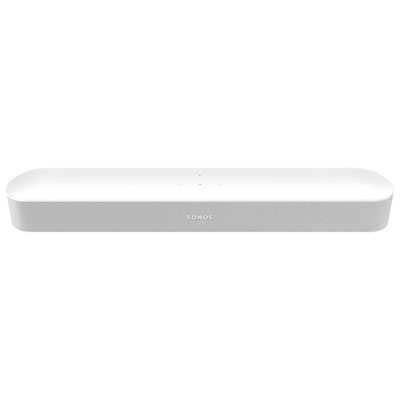 Your price for this item is $649.99
 -
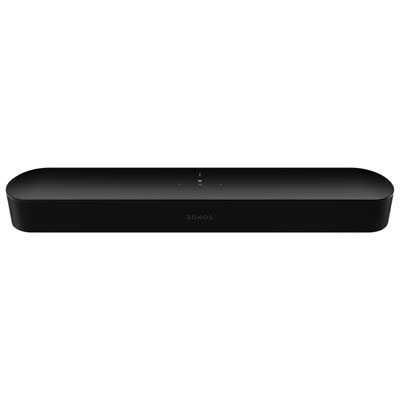 Your price for this item is $649.99
 -
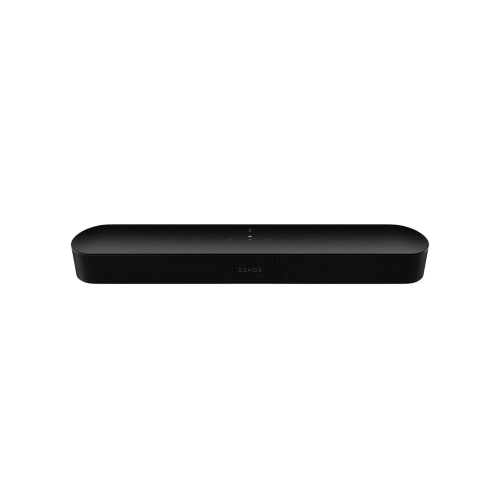 Your price for this item is $649.99
 -
 Your price for this item is $329.99
 -
 Your price for this item is $284.99
 -
 Your price for this item is $289.99
 -
 Your price for this item is $299.98
Discover more categories related to 5 Channel Sound Bars With Sub Woofer Under $1000
Top Collections:
Pokemon Centers, Kindle Devices, Best Budget Office Chairs, Apple iPhones 16, Best Laptops for Writers, iPhone 15 Apple, Canon G7X Cameras, Refurbished Apple Laptops, Alarm Clock, Motorola Razr Phones
Some products may be subject to Environmental Handling Fees
(EHF) depending on your province.
Learn more about EHFs.