24 Volt Battery Chargers
When it comes to keeping your 24-volt batteries charged and ready to go, a reliable 24 Volt Battery Charger is an essential tool to have on hand. Whether you're powering up electric scooters, power wheels, or other 24-volt battery-operated devices, having a high-quality charger can ensure that you never run out of juice when you need it most. Explore our selection of 24 Volt Battery Chargers designed to deliver efficient and safe charging for your batteries, so you can stay powered up and on the move with ease.
Sort


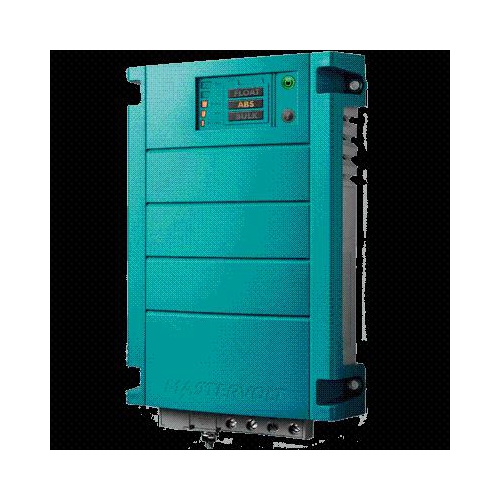
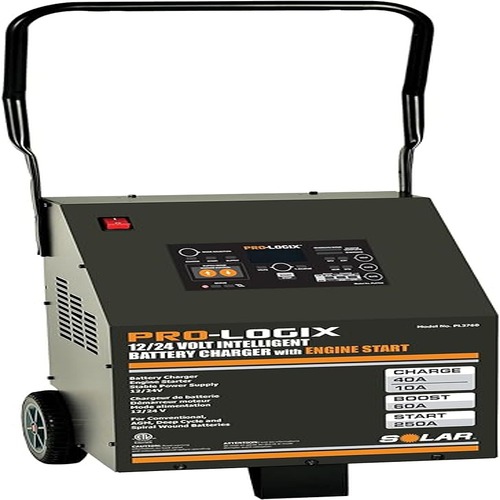


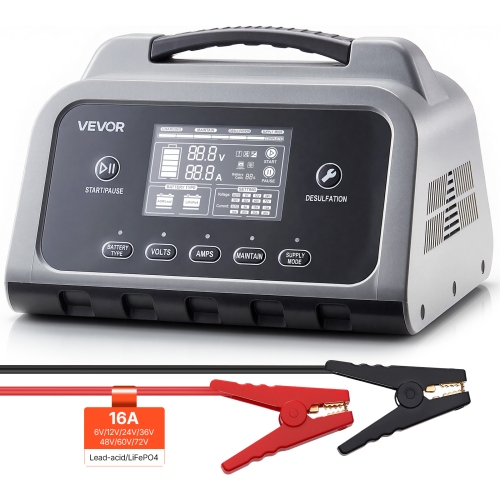
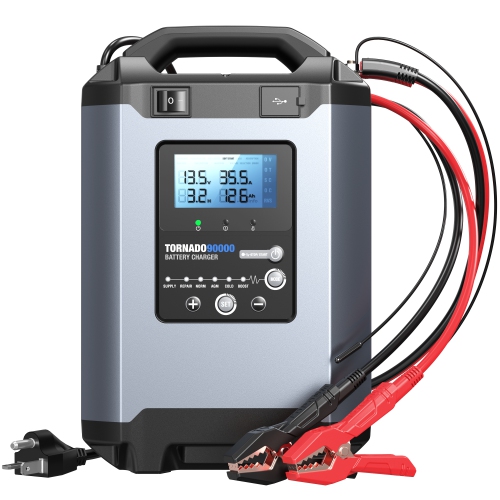
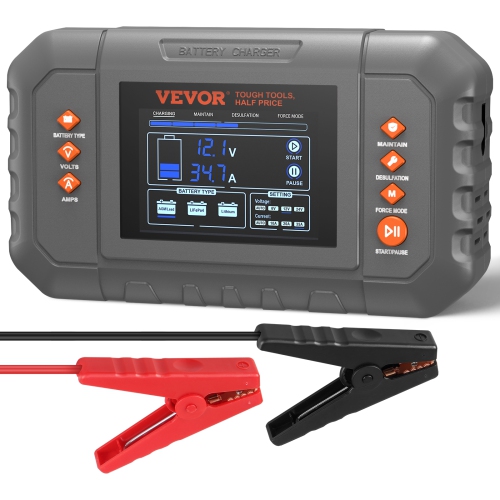
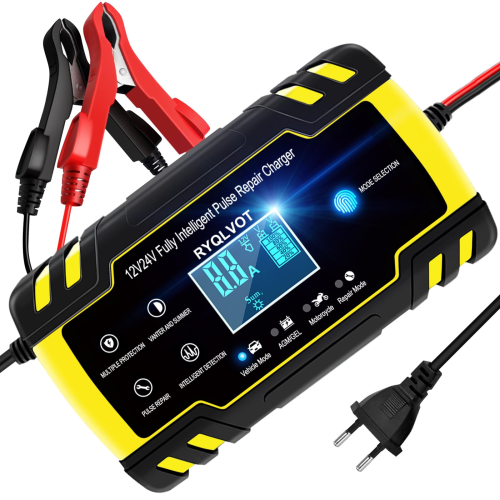
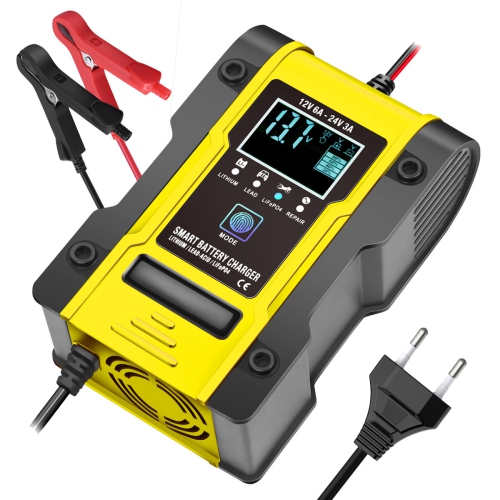
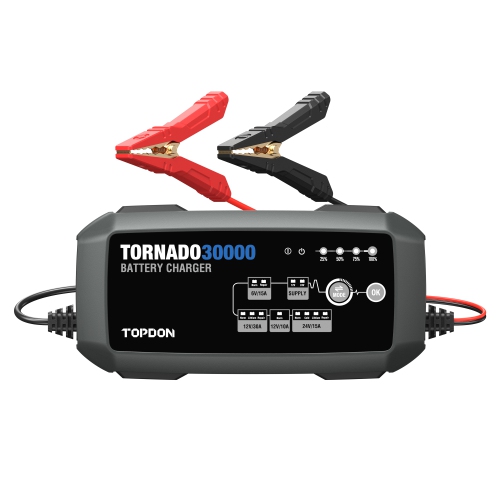

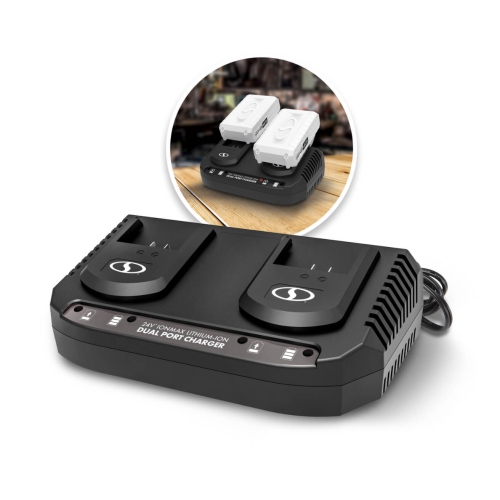
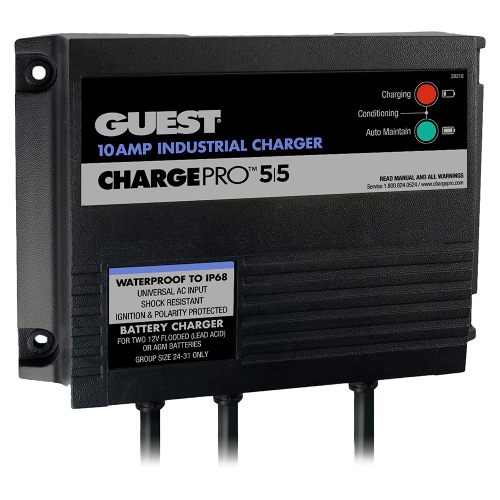
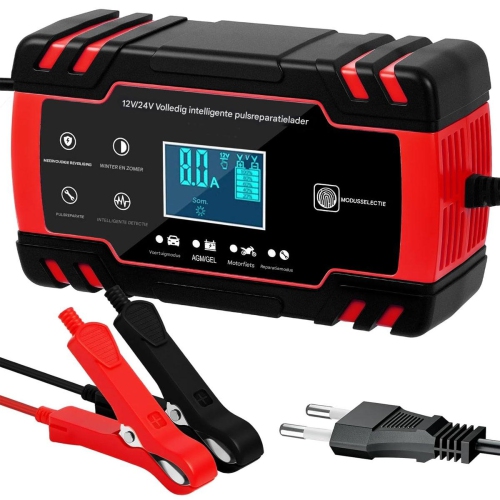

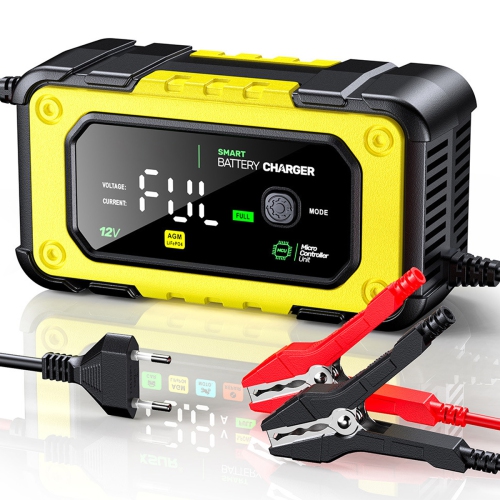



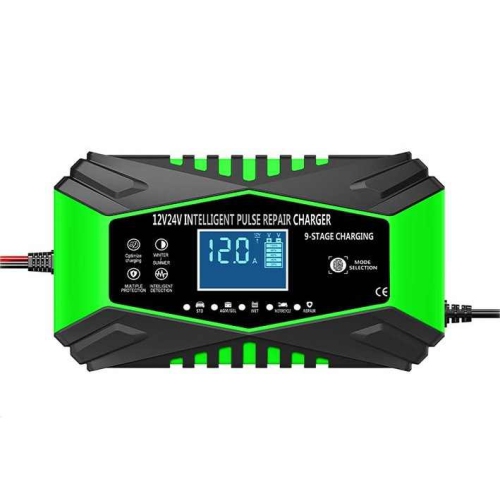
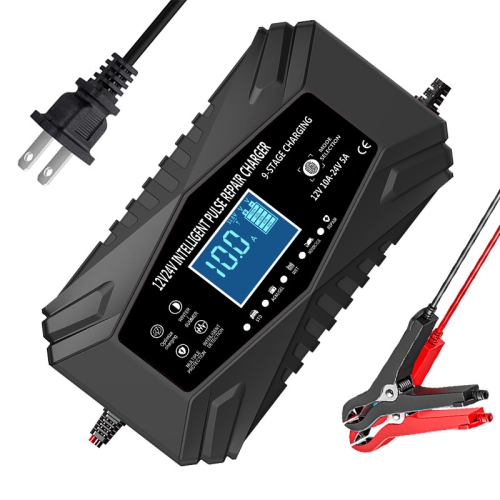

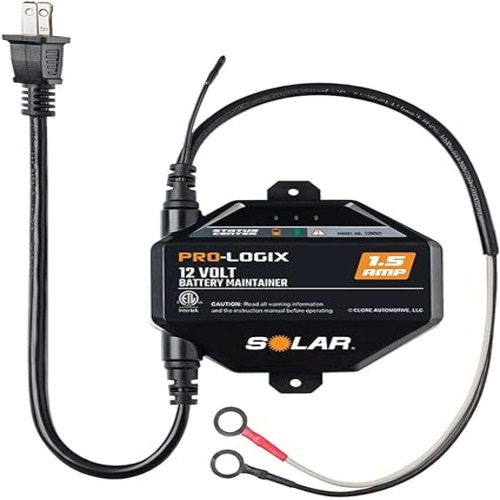

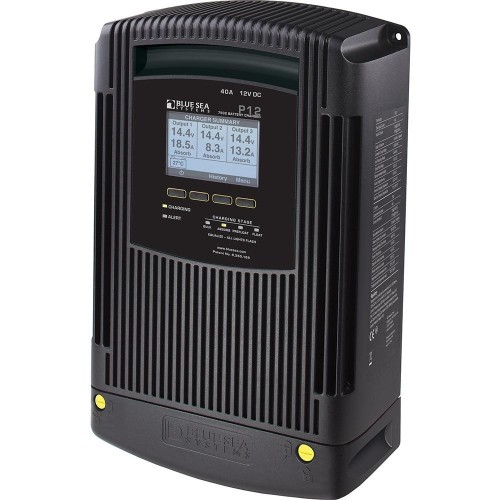




Why charger compatibility goes beyond matching the voltage
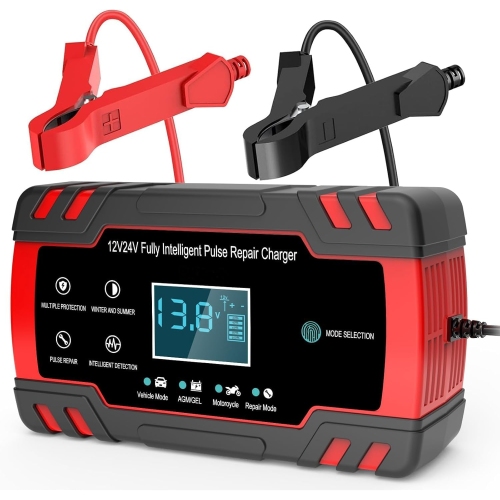
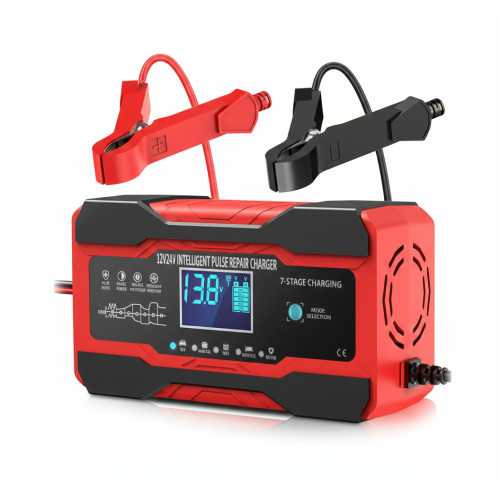
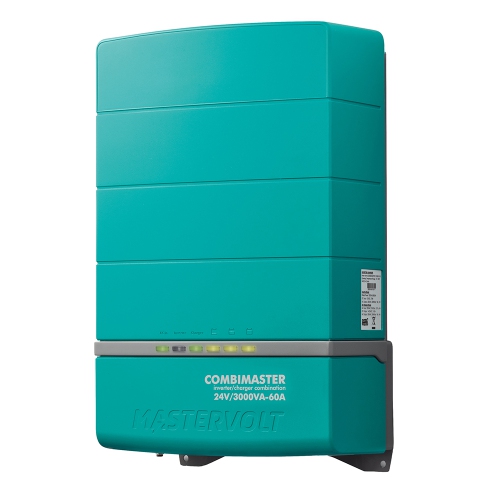
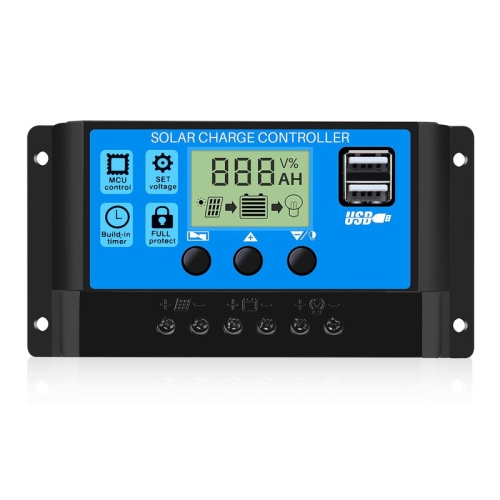
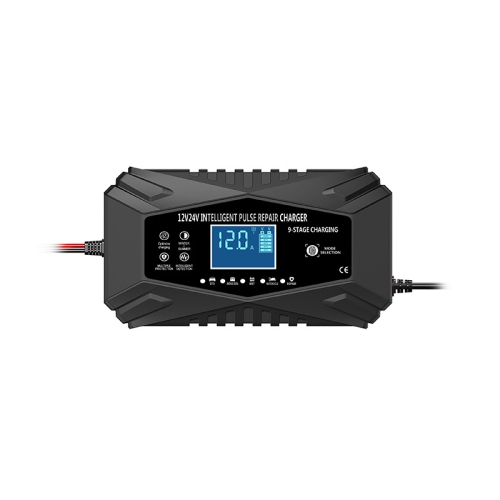
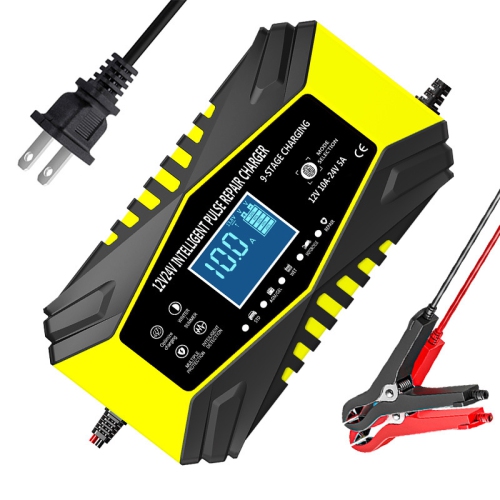
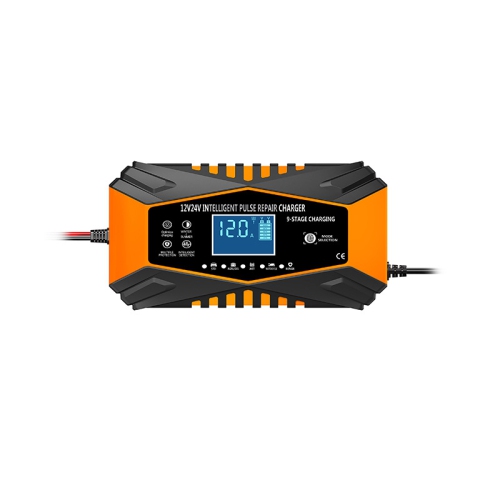
A 24-volt battery charger replenishes a compatible 24-volt battery or battery bank by supplying controlled electrical current at the charging voltage its battery chemistry requires. These chargers serve equipment such as electric wheelchairs, mobility scooters, some golf carts, boats, recreational vehicles, and certain workshop or commercial machines. The equipment’s battery specification matters more than its category: not every scooter, cart, or boat uses a 24-volt system, and a charger intended for one application is not automatically suitable for another. A 24-volt setup may contain a single battery pack or two compatible 12-volt batteries connected in series. In either case, the charger must be approved for the complete battery configuration and its chemistry. Flooded lead-acid, absorbent glass mat (AGM), gel, and lithium iron phosphate (LiFePO4) batteries have different charging requirements, even when their nominal voltage is similar. AGM and gel are both lead-acid types, but their charging profiles are not necessarily interchangeable. Likewise, a lithium battery requires a charger with a suitable lithium profile and compatibility with the pack’s battery management system. The 24-volt designation describes the nominal system voltage, not a fixed charging output; the correct charging voltage is generally higher and follows the battery manufacturer’s specifications. For example, many eight-cell LiFePO4 packs use a maximum charging voltage of $29.2 volts, although the pack’s documentation remains the deciding reference. Voltage alone also does not establish compatibility: connector style, polarity, charging current, and any communication requirements all matter. For a mobility device used on daily errands, a charger approved for that device helps avoid uncertainty about the charging port and battery pack. For a boat or RV with several electrical circuits, identifying the bank being charged is equally important. Shoppers comparing chargers for recreational vehicle applications can also explore RV Battery Chargers, while checking whether the relevant battery bank is 12 volts, 24 volts, or another configuration.
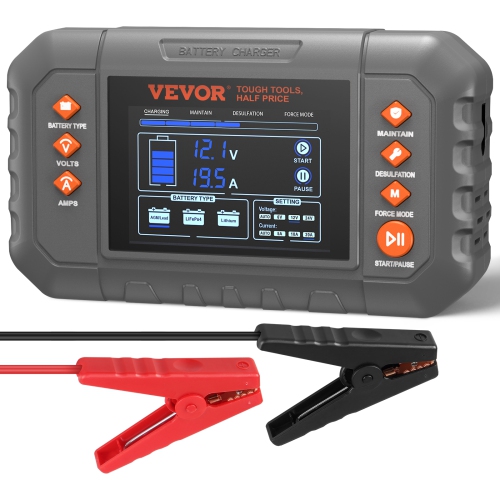
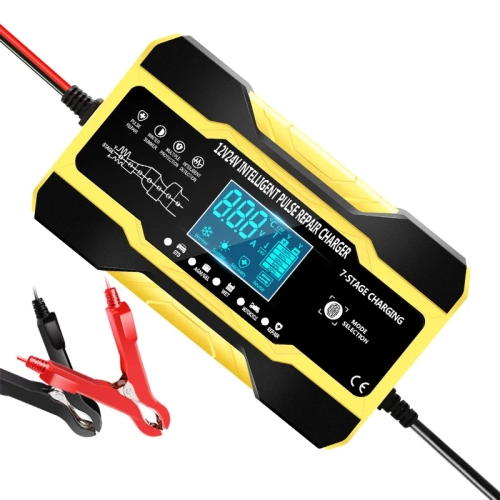
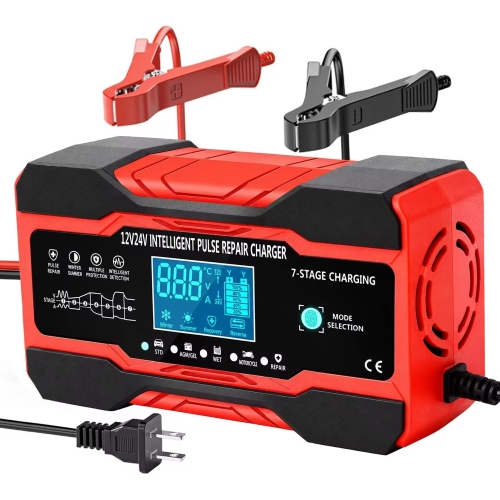
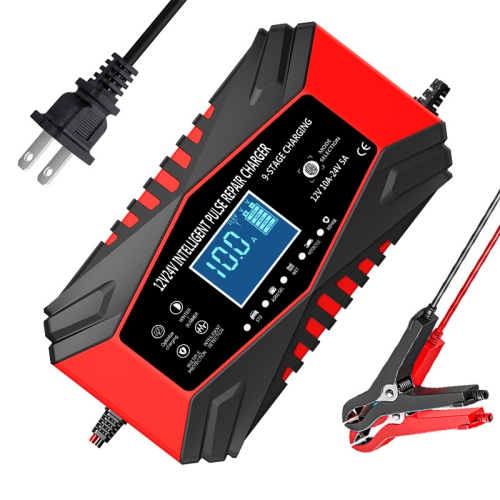
Charging current, expressed in amps, helps distinguish a compact charger suited to a smaller battery from equipment designed for a larger bank. Battery capacity is expressed in amp-hours, or Ah, and the charger’s output should stay within the battery manufacturer’s permitted charging-current range. A higher amperage can shorten charging time when the battery supports it, but extra output is not automatically useful or appropriate. For a rough illustration, replacing 20 Ah with a 5-amp charger takes at least four hours in an ideal calculation; actual charging takes longer because of losses, battery condition, and any final charging stage that reduces current. Equipment drawing power during charging can extend that time further, and some devices must remain switched off throughout the process. This makes the expected charging window a practical consideration. A mobility scooter parked between outings may have different requirements from a commercial machine returned to service several times a day. Automatic or smart 24-volt battery chargers can manage charging stages and indicate progress, reducing the need to interpret battery voltage alone. Depending on the supported chemistry, features may include bulk charging, absorption, and a float or maintenance stage. Float charging is commonly associated with lead-acid batteries and should not be assumed suitable for every lithium pack. A maintenance function also does not mean that every battery can remain connected indefinitely; both the charger and battery must permit that use. Clear status lights or a readable display can help distinguish active charging, completion, and a connection fault. Protection against reverse polarity, short circuits, excessive output voltage, and overheating adds useful safeguards, but does not replace correct connections or operating practices. A charger that supports both 12-volt and 24-volt systems should clearly show which setting is active. Automatic voltage detection is convenient, yet it still requires confirmation that the selected mode matches the battery. Repair or desulphation modes deserve particular attention because they may be unsuitable for lithium batteries or connected electronics.
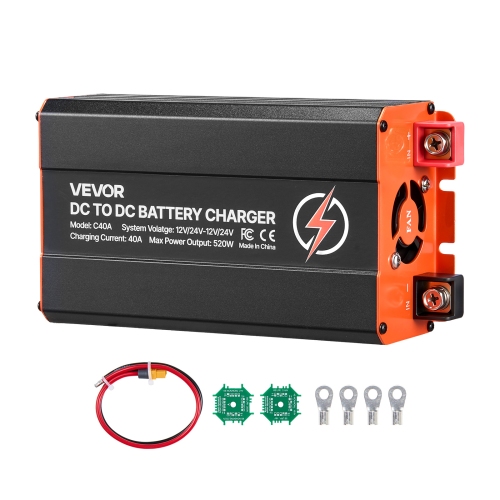
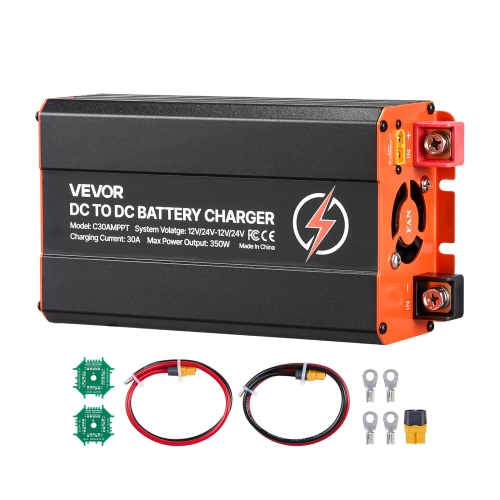
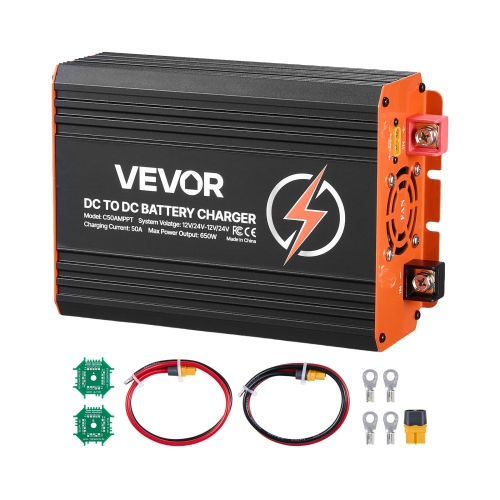
Physical construction and connection details influence how well a 24-volt battery charger fits into everyday use. Housings may be made from moulded plastic or metal, with designs that balance portability, impact resistance, and heat dissipation. A metal enclosure is not automatically waterproof, and a sealed-looking case does not establish suitability for wet locations. For marine installations or places exposed to splashes, the charger’s stated ingress-protection rating and installation instructions matter more than appearance. Portable chargers are convenient for equipment that returns to a charging area, while permanently mounted units require appropriate mounting points, clearances, and access to the battery connections. Cable length should accommodate the intended position without pulling against a socket, stretching across a walkway, or placing strain on the battery terminals. Robust insulation, secure connector bodies, and strain relief where cables enter the housing can help withstand repeated handling. The connector must match electrically as well as physically: two plugs that look alike can have different pin assignments or polarity. Adapters should only be used when approved for the equipment and charger, rather than as a workaround for an uncertain match. For Canadian household use, check that an AC-powered charger accepts the intended outlet supply and has electrical safety certification recognized in Canada. Battery-to-battery chargers are a different category and need a compatible DC source and installation. Care is generally straightforward: unplug the charger before cleaning, keep ventilation openings clear, and inspect cables and connectors for damage. Dust can usually be removed from the exterior with a dry cloth, following the manufacturer’s care directions. Lead-acid charging areas need the ventilation specified by the battery manufacturer, and charging equipment should be kept away from ignition sources. A battery that is swollen, leaking, or visibly damaged should not be connected for a routine charge. For wheelchair users, caregivers, boat owners, and maintenance staff, practical details such as an easy-to-grip plug, legible indicators, and tidy cable storage can be as valuable as headline amperage. The most suitable charger combines the correct electrical specifications with a durable design that fits the equipment, charging location, and daily routine.
Top selling and popular products
-
 Your price for this item is $39.99
-
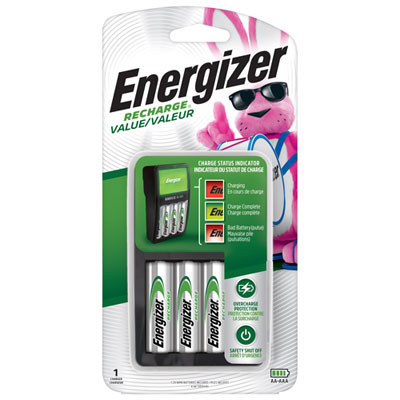 Your price for this item is $29.99
-
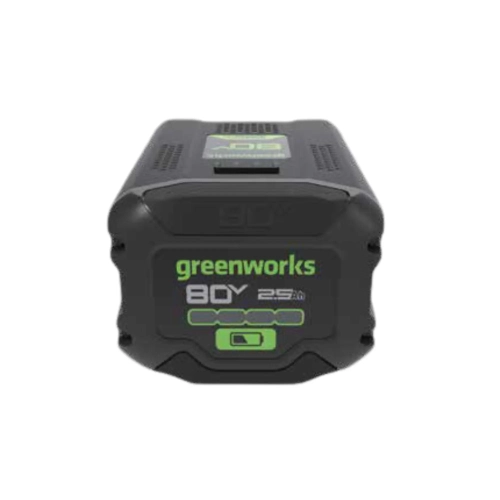 Your price for this item is $229.99
-
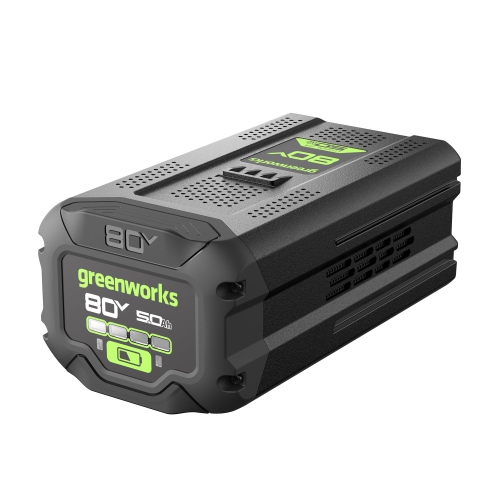 Your price for this item is $399.99
-
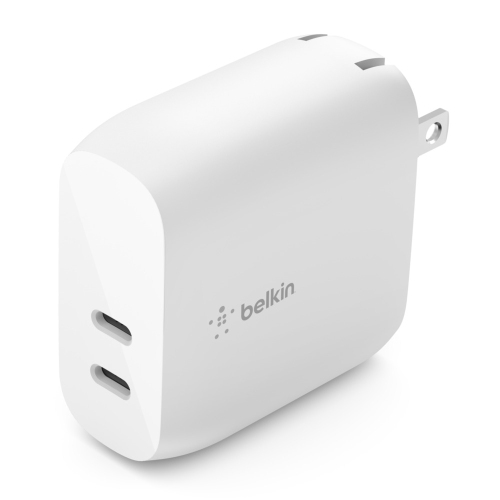 Your price for this item is $34.99
-
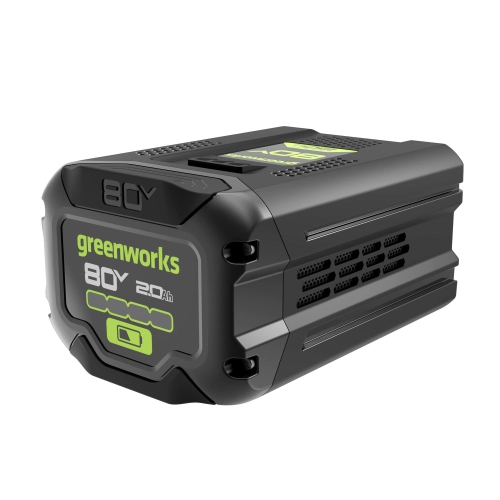 Your price for this item is $199
-
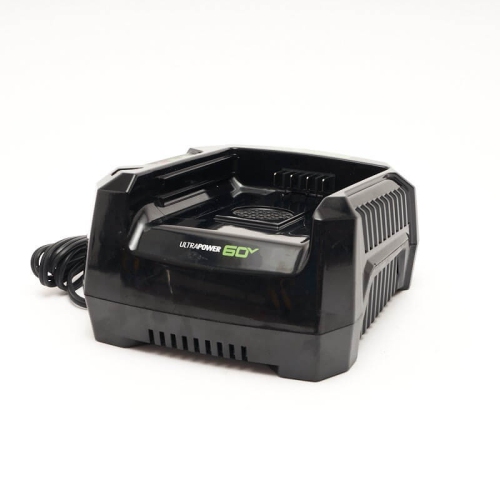 Your price for this item is $99.99
-
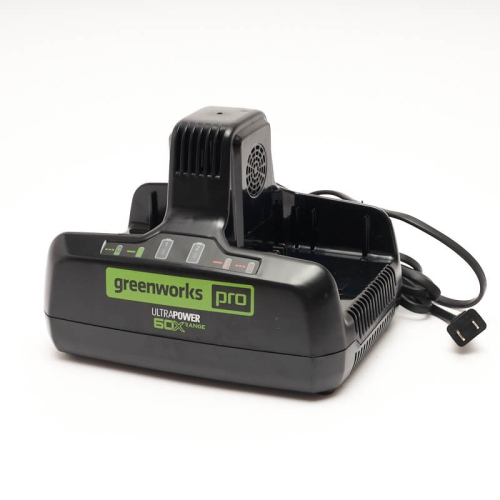 Your price for this item is $89.99
Discover more categories related to 24 Volt Battery Chargers

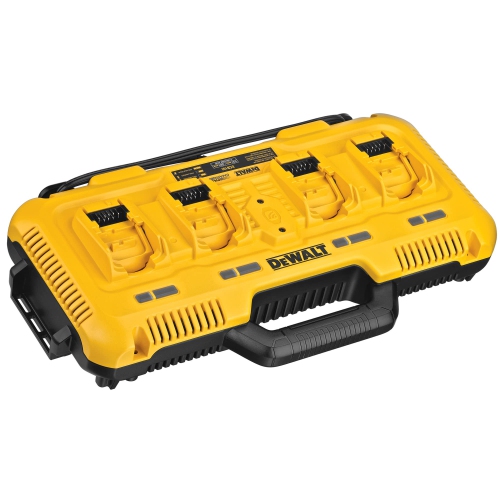


Top Collections:
Pokemon Centers, Kindle Devices, Best Budget Office Chairs, Canon G7X Cameras, Apple iPhones 16, Samsung Galaxy Phones, Refurbished Apple Laptops, Laptops for Students, iPhone 15 Apple, Budget Smartphones
Some products may be subject to Environmental Handling Fees
(EHF) depending on your province.
Learn more about EHFs.