12 Volt Solar Panel Battery Chargers
Harness the power of the sun to keep your batteries charged and ready with our selection of 12 Volt Solar Panel Battery Chargers. Whether you're camping, boating, or simply looking for an eco-friendly way to maintain the charge on your vehicle or marine battery, these solar panel chargers are a reliable and efficient solution. With their compact design and easy installation, you can take advantage of clean energy wherever you go. Explore our range of 12 Volt Solar Panel Battery Chargers and ensure that you never run out of power when you need it most.
Sort

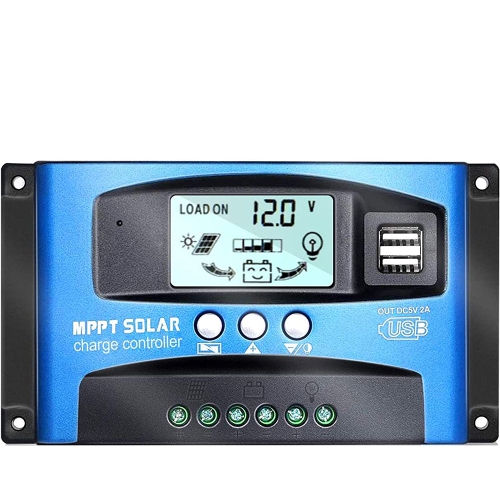


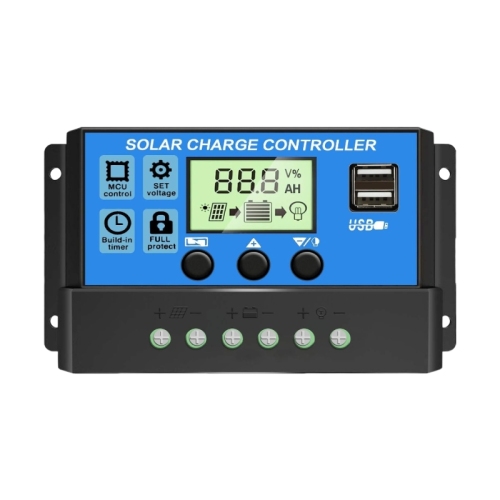
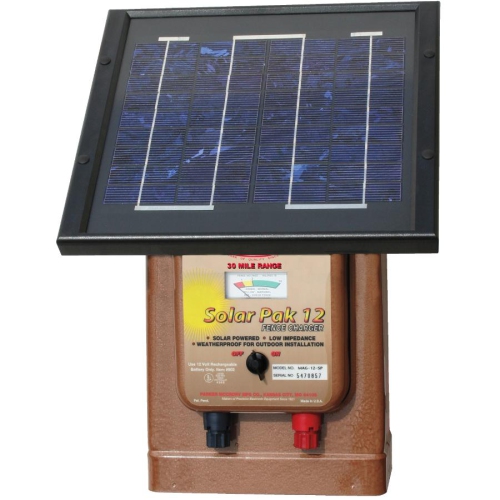
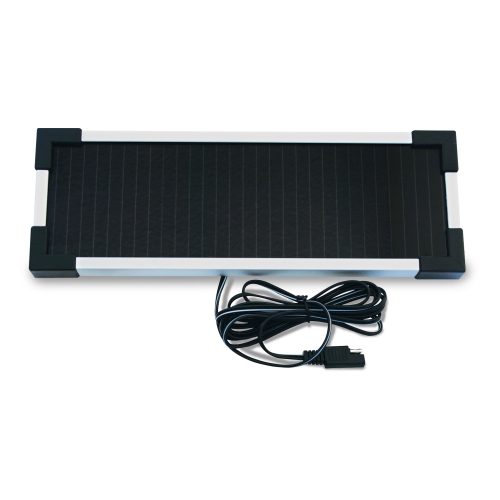






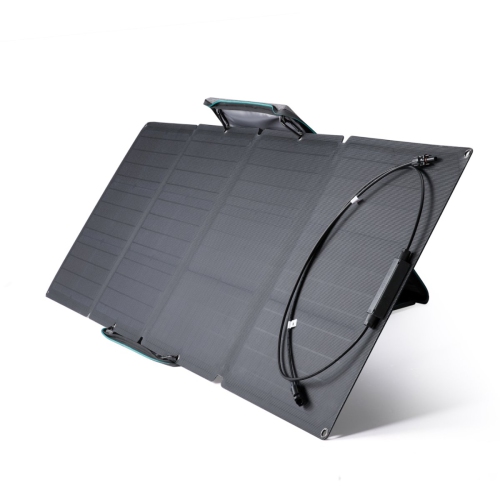
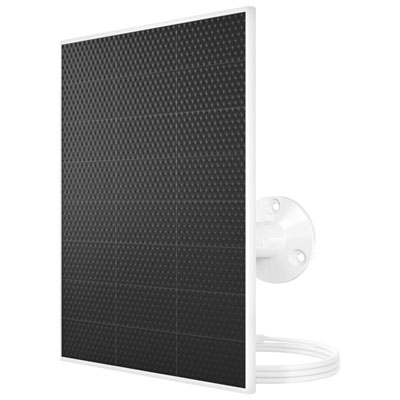
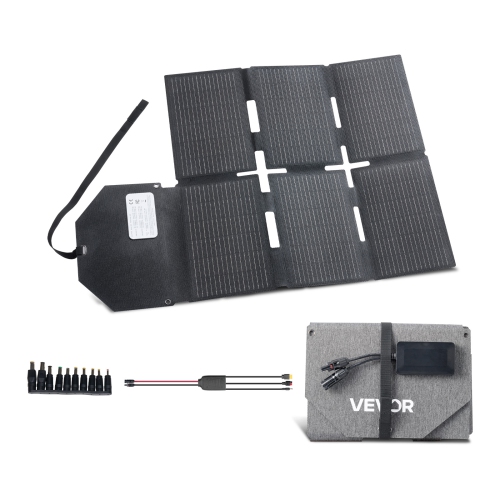
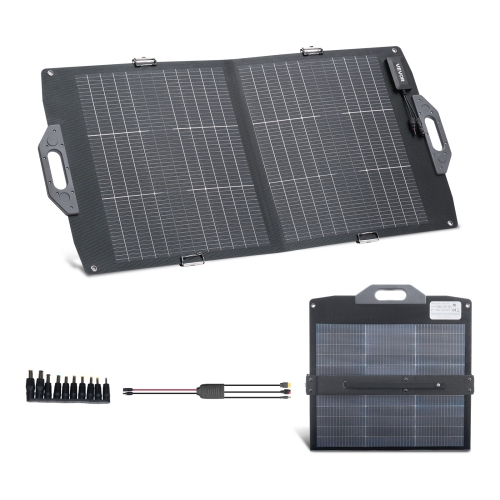
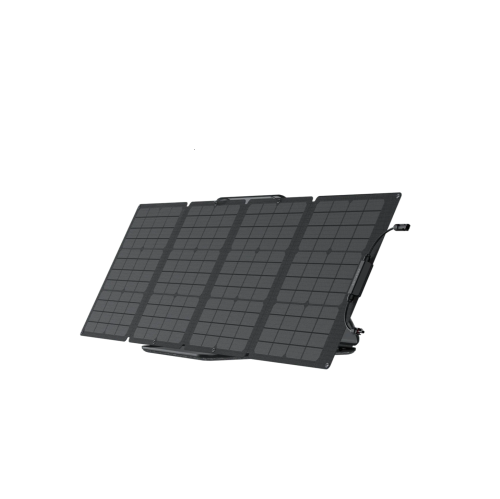

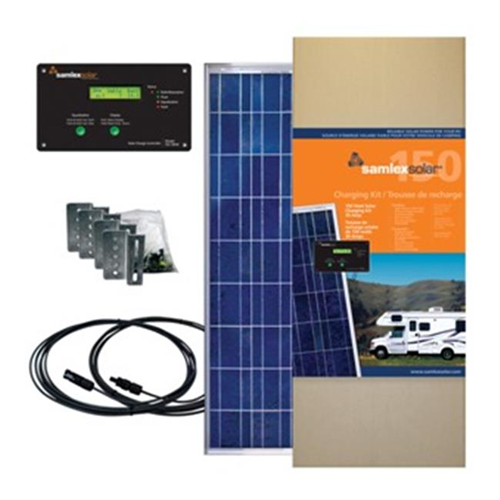
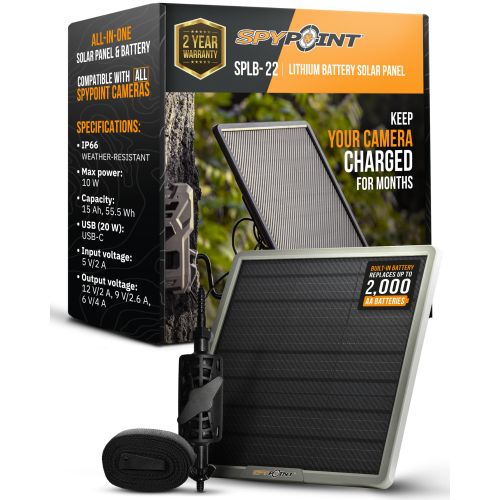
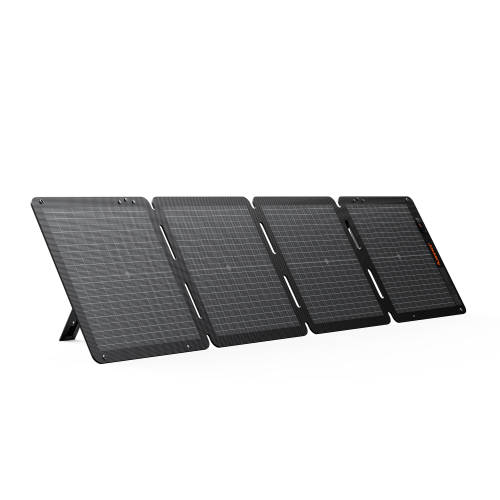
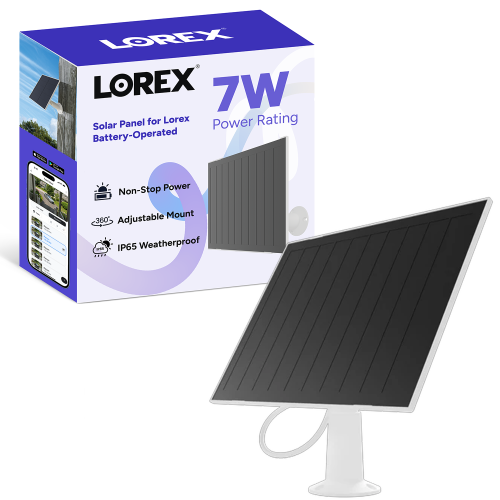
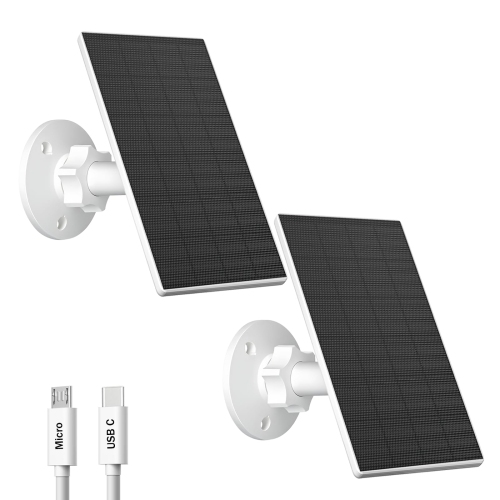
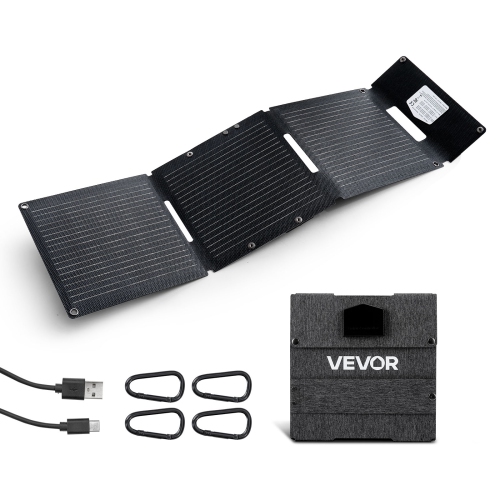


Practical guidance for maintaining batteries between uses
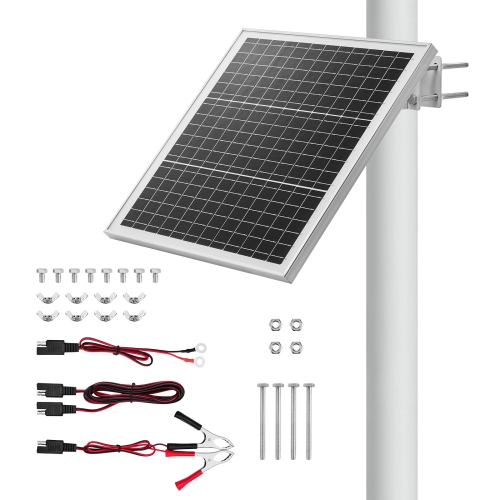
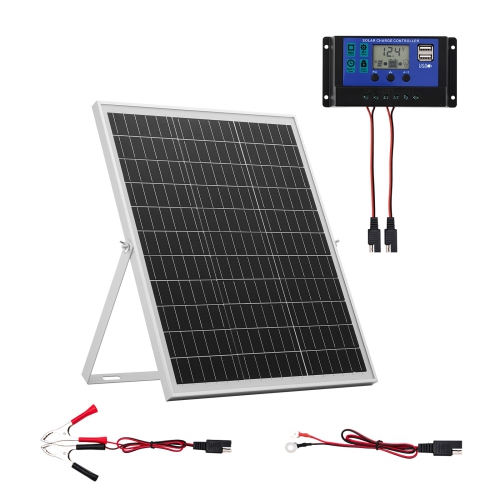
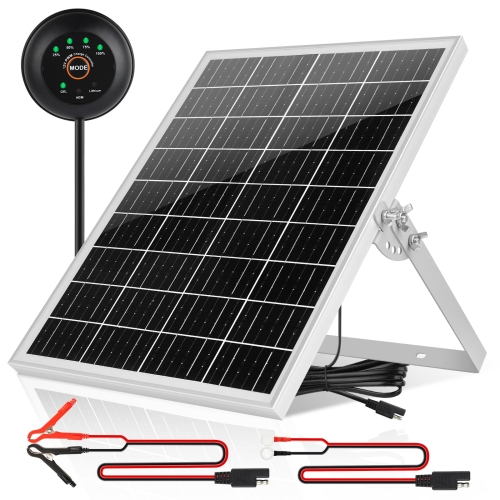
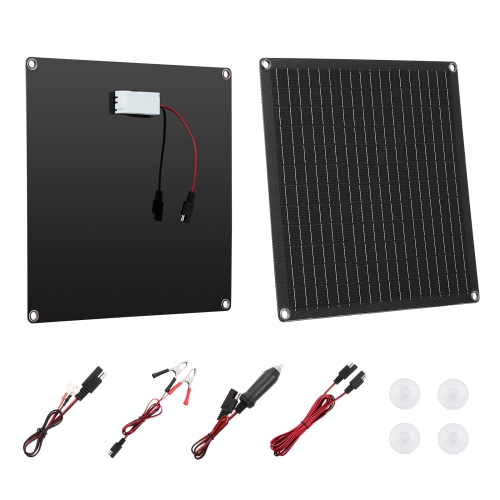
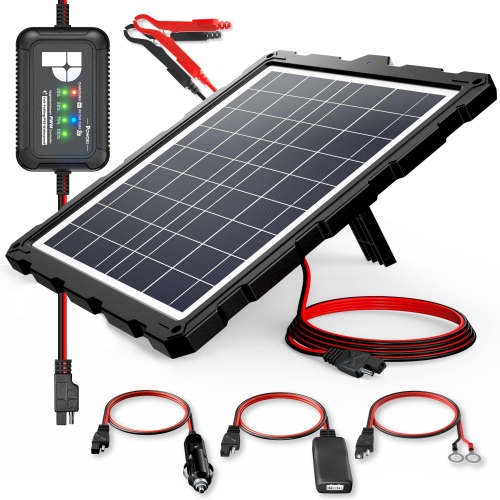
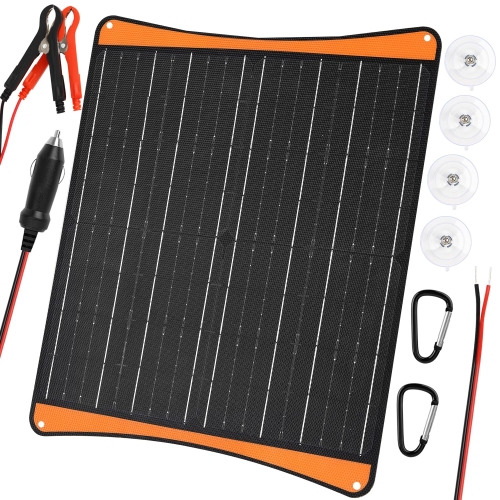
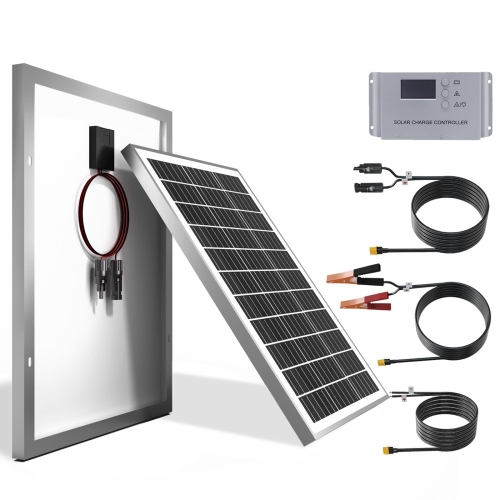
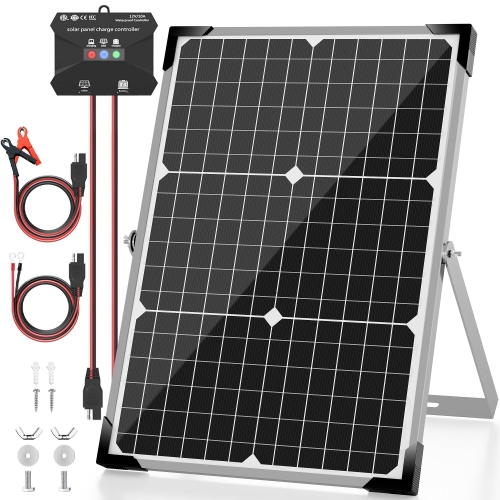
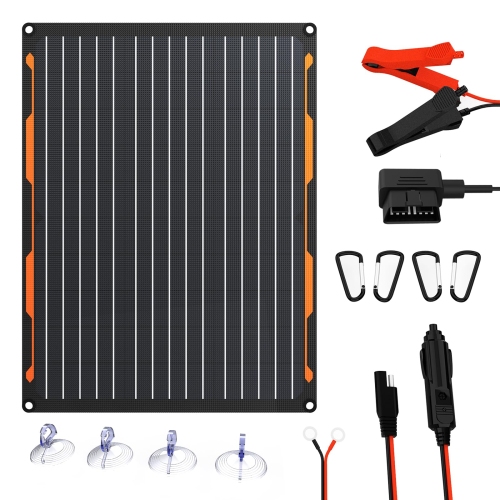
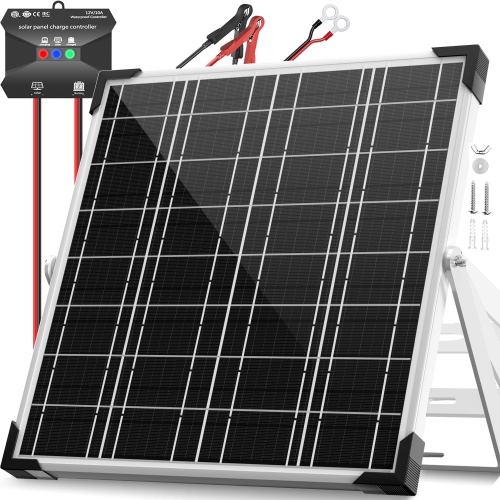
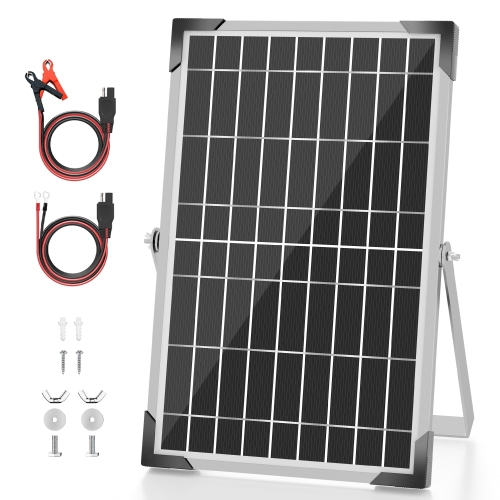
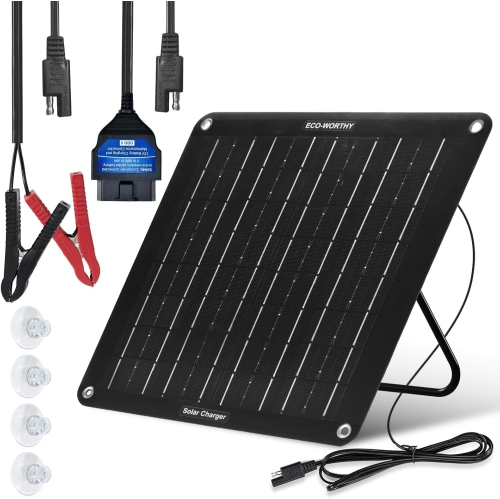
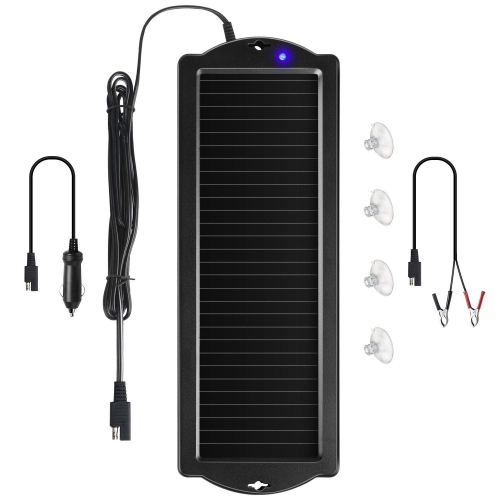
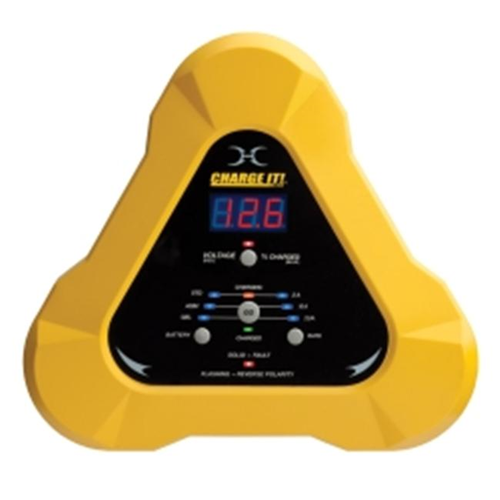
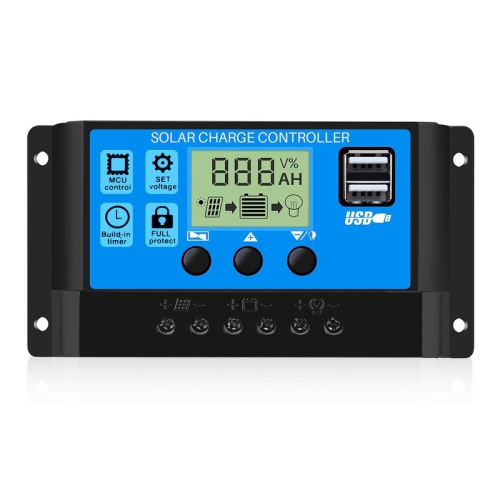
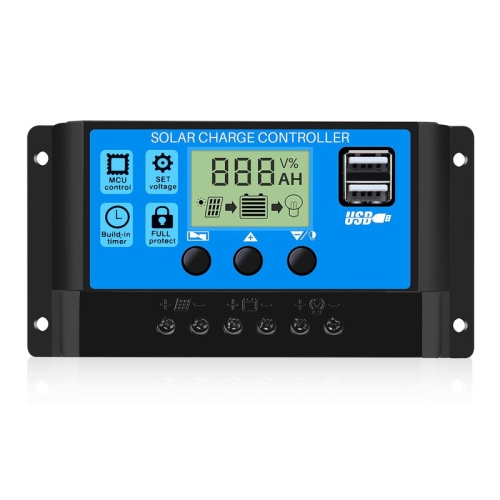
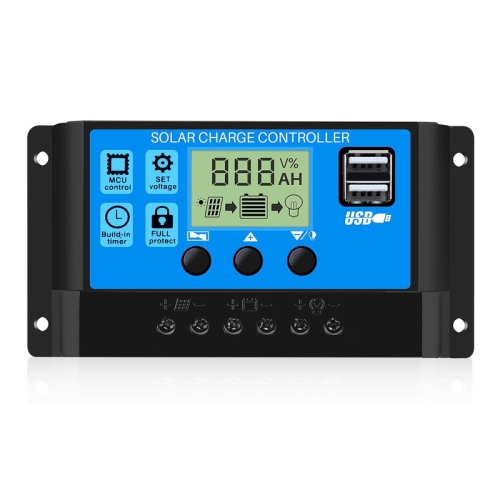
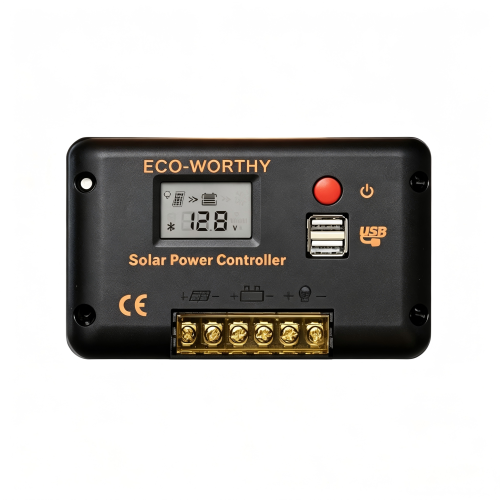
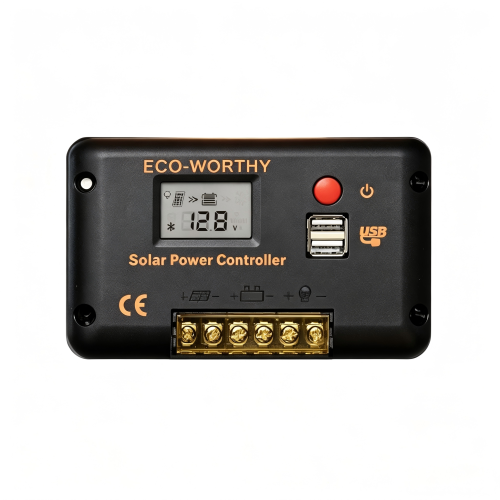
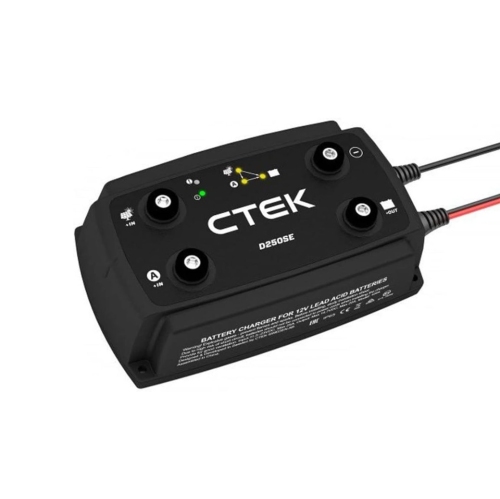
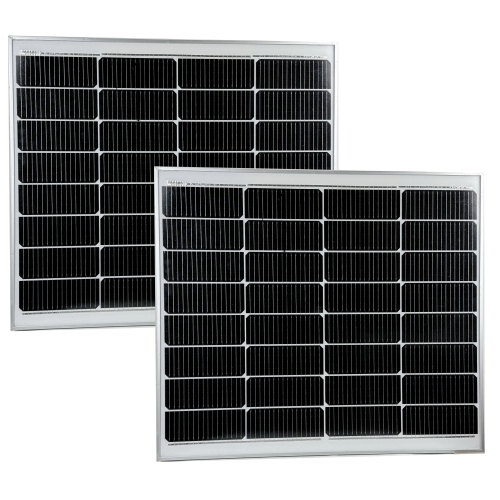
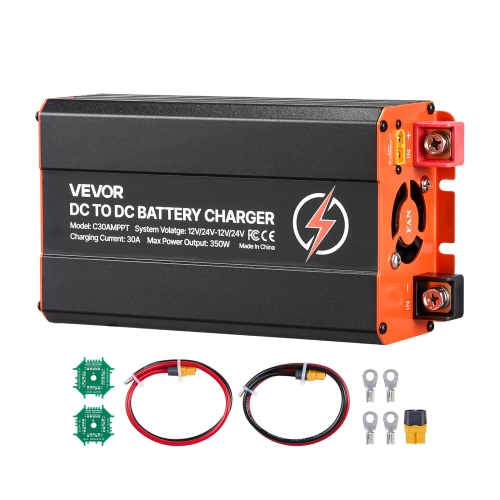
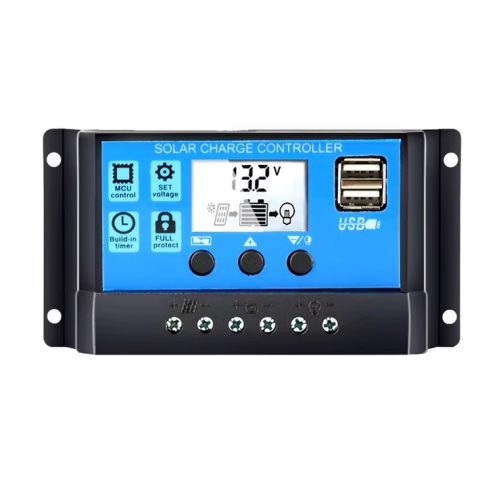
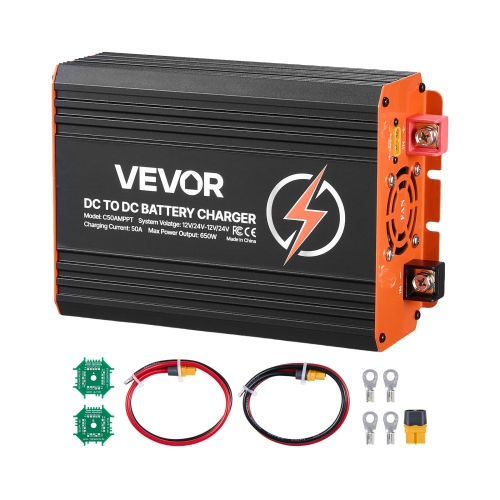
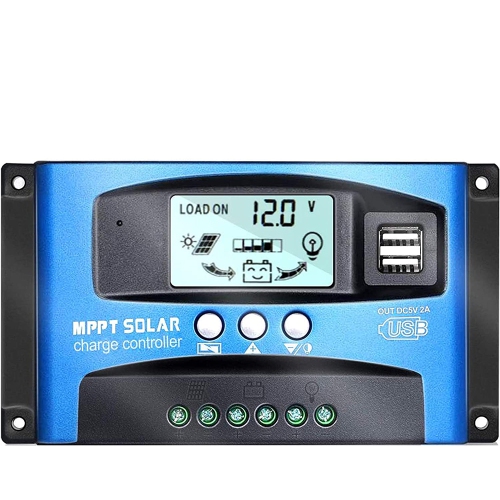
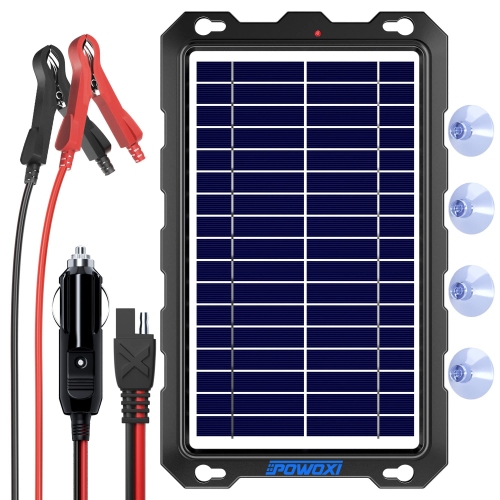
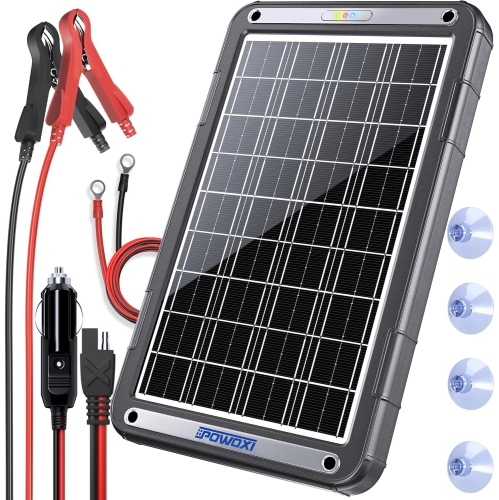
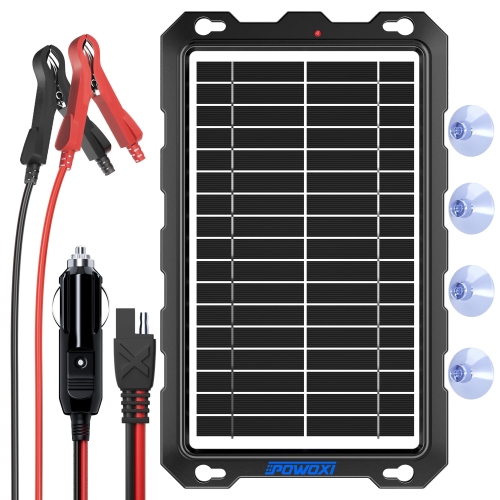
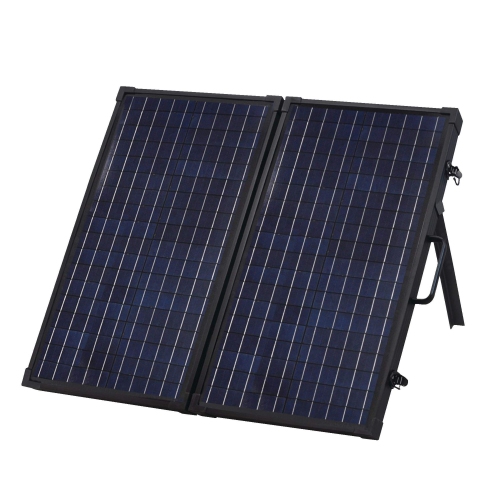
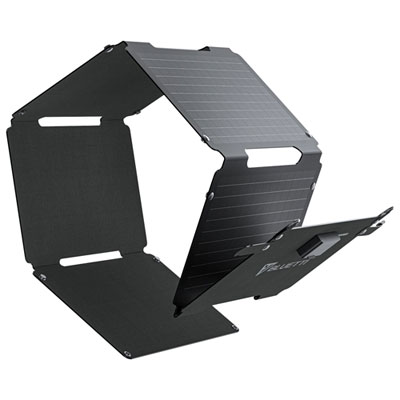
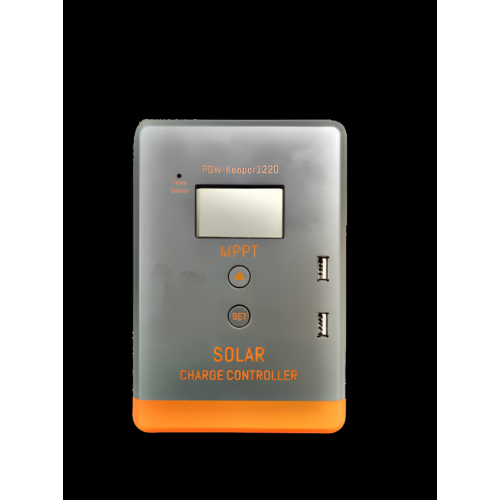
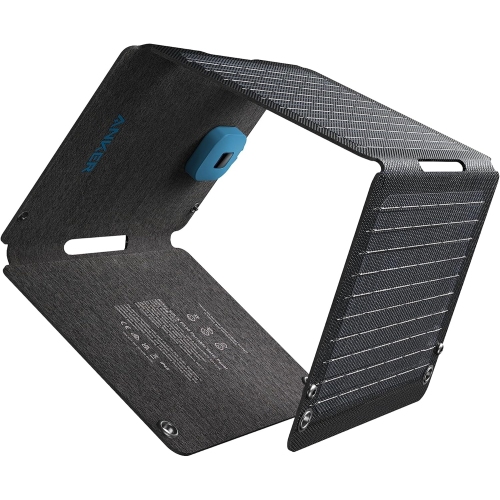
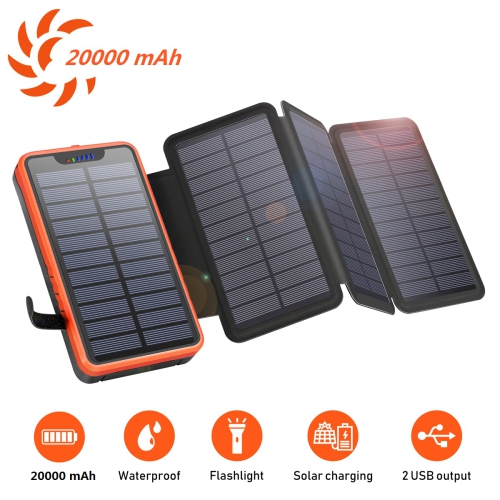
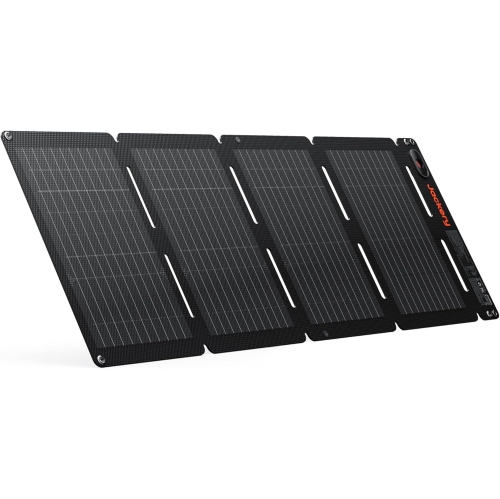
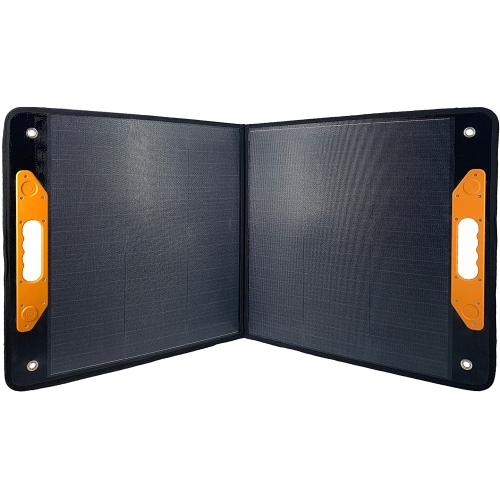
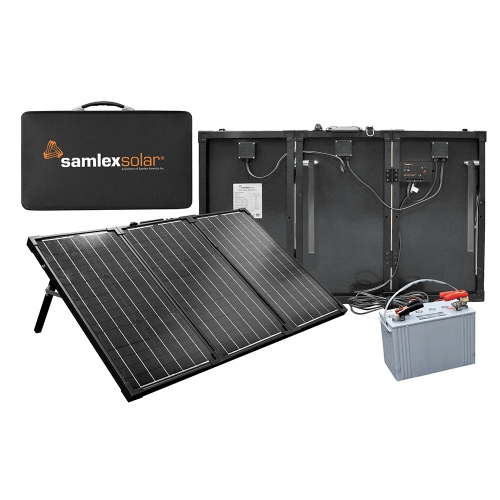
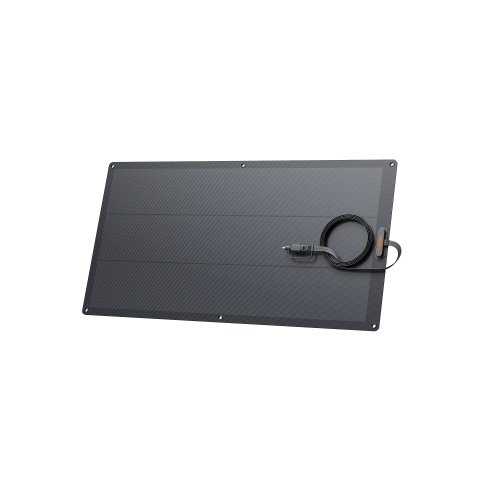
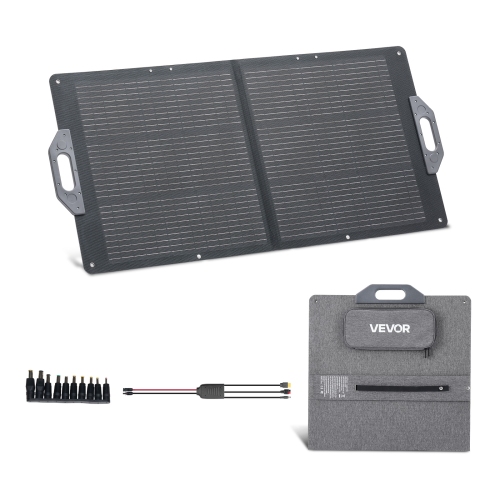
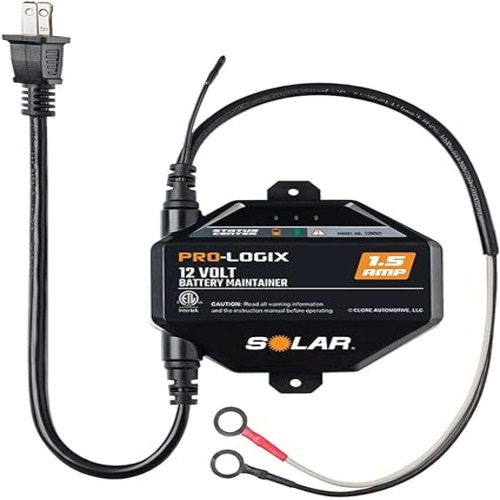
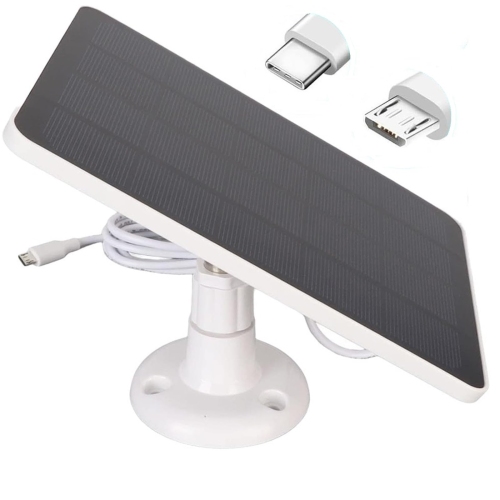
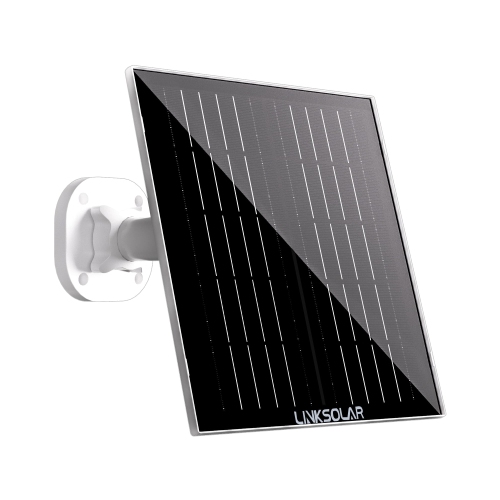
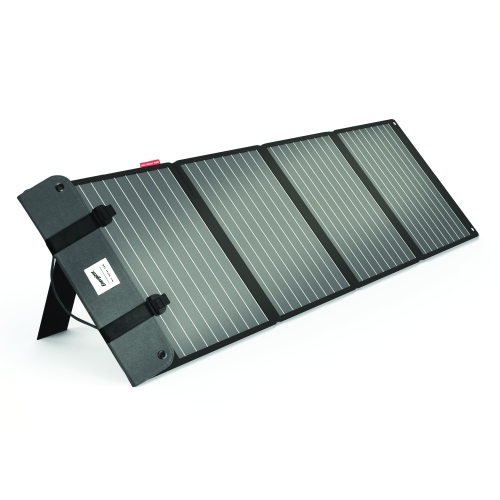
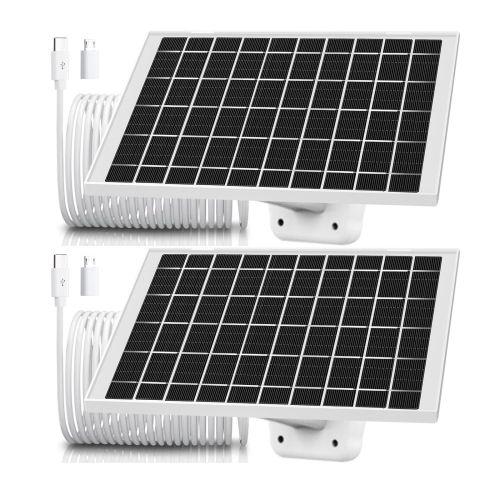
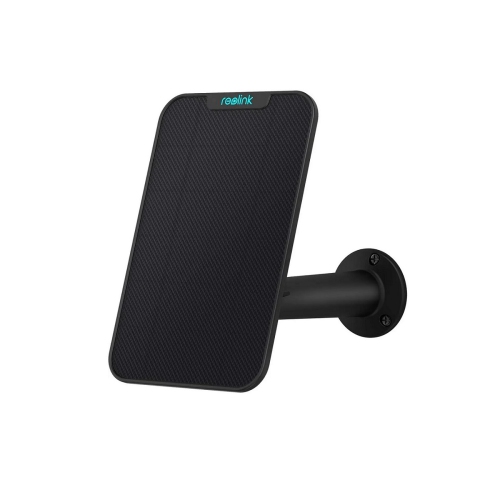
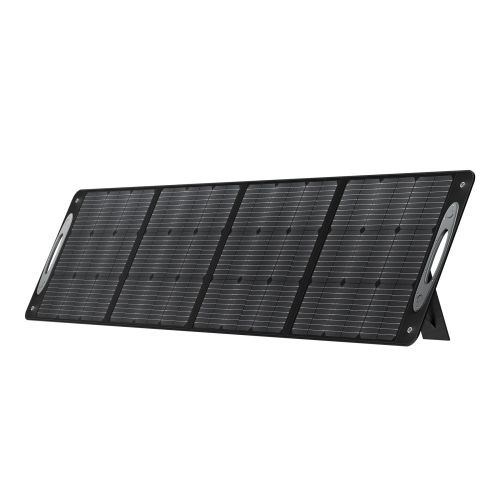
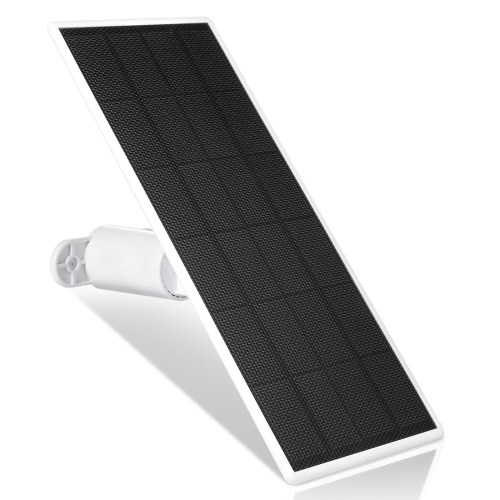
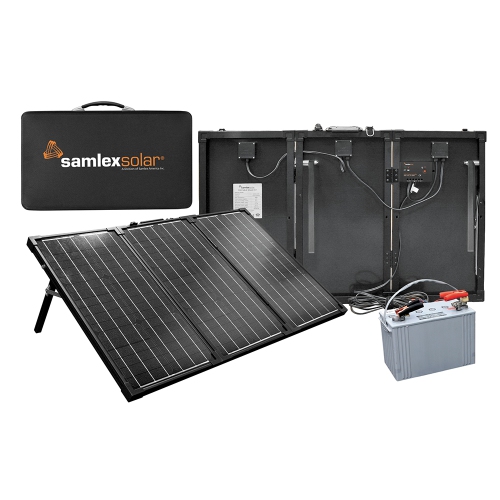
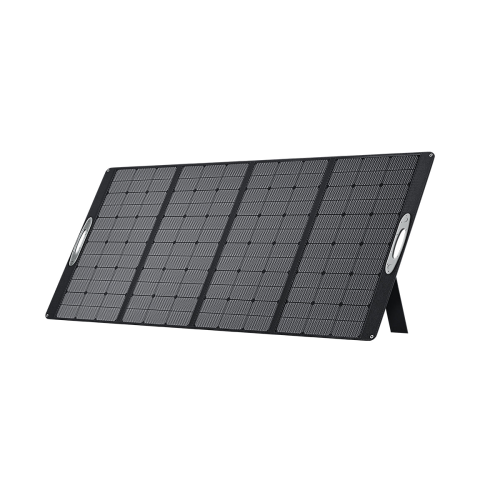
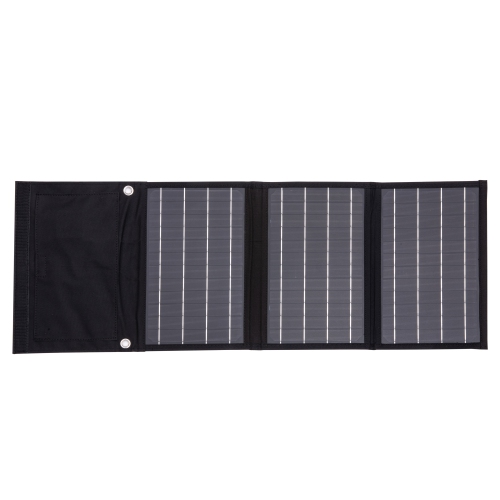
12 Volt solar panel battery chargers provide a practical way to maintain compatible batteries when a vehicle, trailer, boat, or piece of outdoor equipment is parked for extended periods. A typical setup uses a solar panel to collect daylight, a charge controller to regulate the electrical output, and a cable or adapter that connects to the battery. The panel does not need bright, cloudless conditions to produce power, although charging performance generally improves with direct, unobstructed sunlight. These chargers are especially useful for cars that are driven infrequently, recreational vehicles stored between trips, boats kept out of service during the cooler months, and lawn or garden equipment that spends long stretches in a shed or garage with access to daylight. They can also help offset the small amount of power that batteries naturally lose while sitting unused, as well as the drain caused by alarms, clocks, tracking devices, and other connected electronics. When choosing a 12 Volt solar panel battery charger, start by identifying the battery chemistry and capacity. Many chargers are designed for common 12V lead-acid batteries, including AGM, gel, and sealed lead-acid types, while some are also rated for lithium iron phosphate batteries. Compatibility should always be confirmed before connecting the charger, since charging requirements vary by battery type. It is also important to distinguish between a battery maintainer and a charger intended to replenish a deeply discharged battery. Lower-output panels, often in the 5W to 20W range, are generally suited to maintenance and gradual top-ups. Higher-output panels, such as 30W, 50W, or more, may provide more useful charging for larger batteries or equipment used away from an electrical outlet, but the actual results depend on sunlight, panel placement, battery condition, temperature, and cable length. A charge controller is a valuable feature because it manages the flow of power between the panel and battery, helping prevent overcharging and supporting a more controlled charging cycle. PWM controllers are often simple and compact, while MPPT controllers can make more effective use of available sunlight in changing conditions. For a vehicle parked in a driveway, a portable panel with a dashboard or windshield placement may be convenient, provided it is positioned securely and does not obstruct the driver’s view. A panel intended for a trailer, shed, or boat may be better suited to a more permanent mounting arrangement, with cables routed away from sharp edges, heat sources, moving parts, and areas where water can collect.
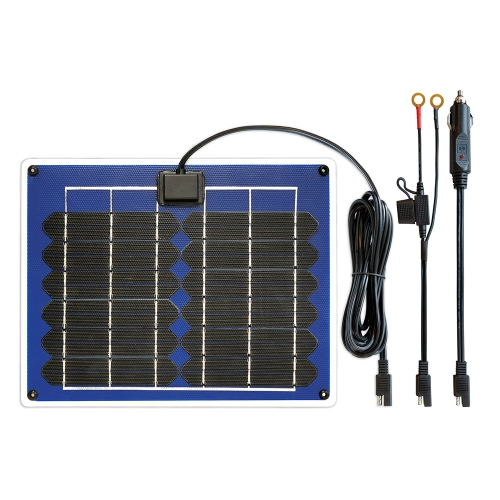
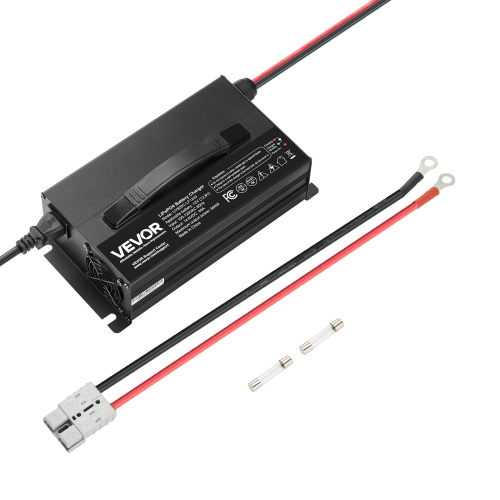
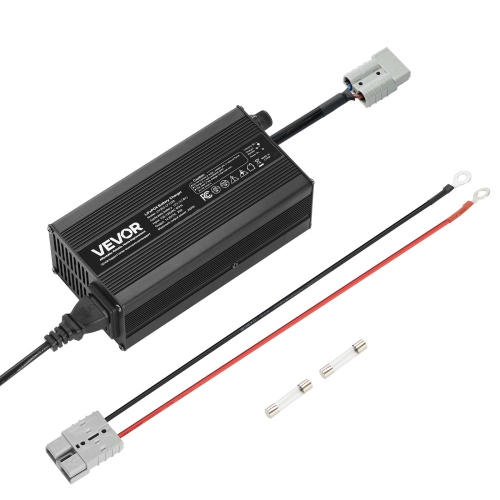
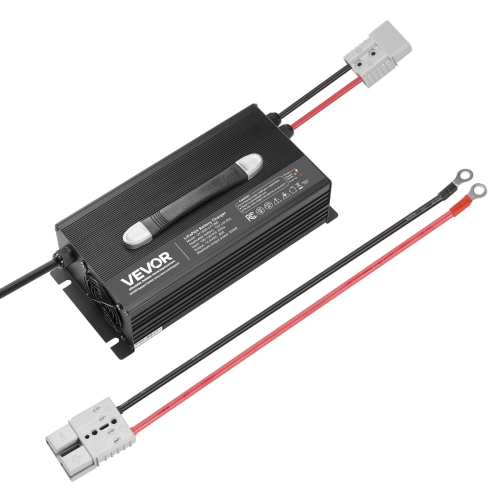
Connection options also deserve attention. Alligator clips are straightforward for temporary use and make it easy to move a charger between batteries, while ring-terminal cables can provide a more secure connection for a battery that remains in place. Some kits include a 12V socket adapter or an OBD connection for compatible vehicles, although the socket or port may not remain powered when the ignition is off. Check the included accessories, cable length, polarity, weather resistance, and mounting hardware before making a choice. A panel that will be used outdoors should be designed to handle the intended conditions, but the controller and connections may still need protection from moisture, road spray, snow, and condensation. During the cooler months, shorter daylight periods, low sun angles, cloud cover, and snow on the panel can reduce the available charging power, so placement becomes particularly important. Clear snow and debris safely, keep the panel pointed toward open sky, and avoid positioning it behind tinted glass or beneath heavy shade whenever possible. A solar charger will not repair a battery that has reached the end of its service life, and it may not revive one that is severely depleted; a separate mains charger or professional battery service may be required in those situations. It is sensible to inspect terminals for corrosion, ensure connections are firm, and follow the charger and battery manufacturers’ instructions. For recreational vehicle owners, a 12 Volt solar charger can be a useful addition to a longer-term storage routine, alongside battery disconnects and periodic checks. Those comparing options for larger travel trailers, motorhomes, or camper setups may also wish to browse RV Battery Chargers for solutions suited to their broader onboard power needs. These chargers can make thoughtful gifts for someone who spends weekends at a campsite, keeps a classic car in the garage, maintains a fishing boat, or relies on equipment that is used only occasionally. The best choice will match the battery, the available sunlight, the expected charging role, and the way the owner prefers to connect and store the equipment. A well-matched 12 Volt solar panel battery charger can quietly help keep a battery ready for the next drive, departure, or day outdoors without requiring a nearby wall outlet.
Connection options also deserve attention. Alligator clips are straightforward for temporary use and make it easy to move a charger between batteries, while ring-terminal cables can provide a more secure connection for a battery that remains in place. Some kits include a 12V socket adapter or an OBD connection for compatible vehicles, although the socket or port may not remain powered when the ignition is off. Check the included accessories, cable length, polarity, weather resistance, and mounting hardware before making a choice. A panel that will be used outdoors should be designed to handle the intended conditions, but the controller and connections may still need protection from moisture, road spray, snow, and condensation. During the cooler months, shorter daylight periods, low sun angles, cloud cover, and snow on the panel can reduce the available charging power, so placement becomes particularly important. Clear snow and debris safely, keep the panel pointed toward open sky, and avoid positioning it behind tinted glass or beneath heavy shade whenever possible. A solar charger will not repair a battery that has reached the end of its service life, and it may not revive one that is severely depleted; a separate mains charger or professional battery service may be required in those situations. It is sensible to inspect terminals for corrosion, ensure connections are firm, and follow the charger and battery manufacturers’ instructions. For recreational vehicle owners, a 12 Volt solar charger can be a useful addition to a longer-term storage routine, alongside battery disconnects and periodic checks. Those comparing options for larger travel trailers, motorhomes, or camper setups may also wish to browse RV Battery Chargers for solutions suited to their broader onboard power needs. These chargers can make thoughtful gifts for someone who spends weekends at a campsite, keeps a classic car in the garage, maintains a fishing boat, or relies on equipment that is used only occasionally. The best choice will match the battery, the available sunlight, the expected charging role, and the way the owner prefers to connect and store the equipment. A well-matched 12 Volt solar panel battery charger can quietly help keep a battery ready for the next drive, departure, or day outdoors without requiring a nearby wall outlet.
Top selling and popular products
-
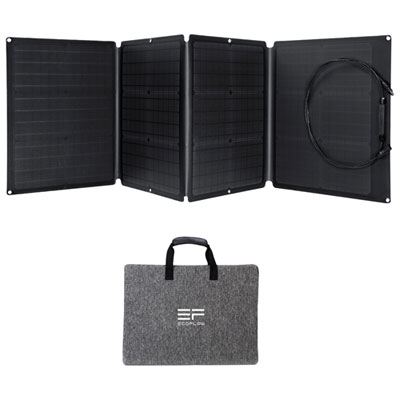 Your price for this item is $301.98
-
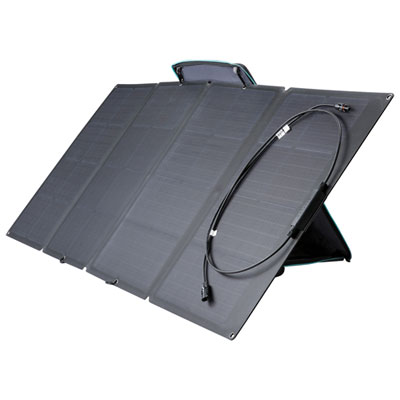 Your price for this item is $401.98
-
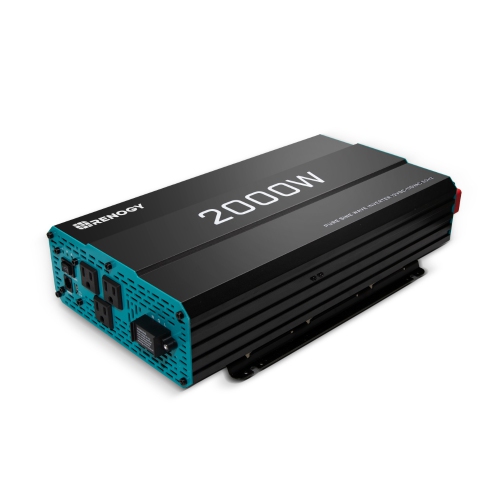 Your price for this item is $464.99
-
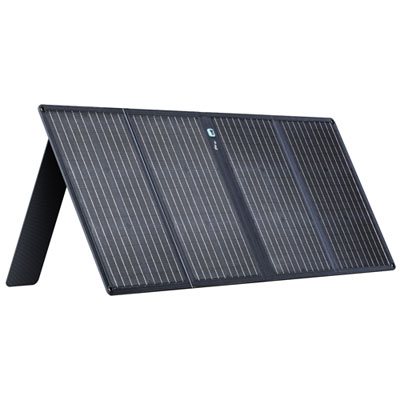 Your price for this item is $399.99
-
 Your price for this item is $99.99
-
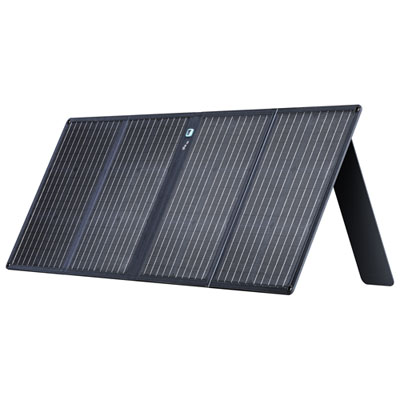 Your price for this item is $439.99
-
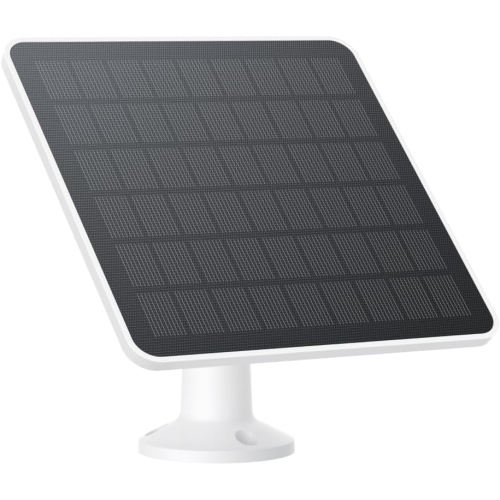 Your price for this item is $69.99
-
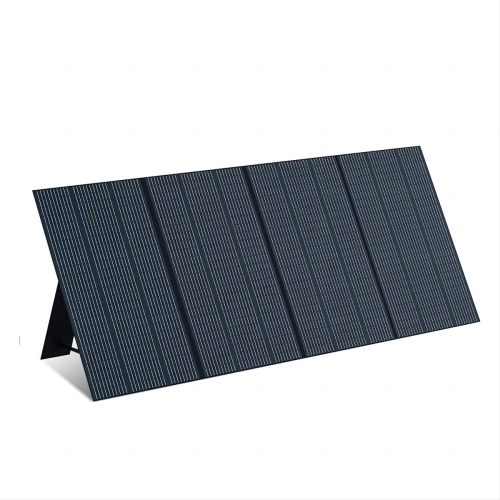 Your price for this item is $999
Discover more categories related to 12 Volt Solar Panel Battery Chargers

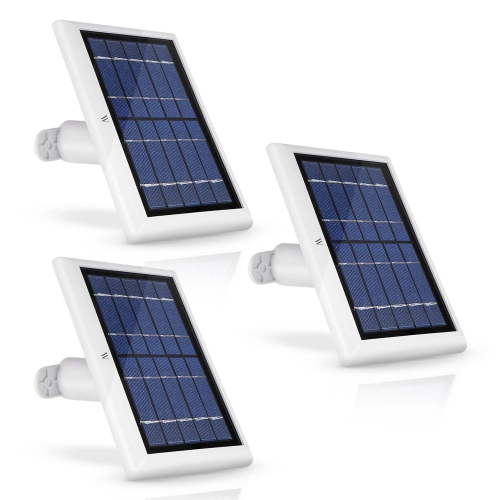
Top Collections:
Pokemon Centers, Best Cameras for Sports Photography, Kindle Devices, Samsung Galaxy Phones, Canon G7X Cameras, Pokémon 30th Celebration Cards, Refurbished Apple Laptops, iPhone 15 Apple, Laptops for Students, Budget Smartphones
Some products may be subject to Environmental Handling Fees
(EHF) depending on your province.
Learn more about EHFs.