12V Battery Chargers
Looking to keep your devices powered up on the go? A 12V battery charger is a convenient and essential tool for ensuring your electronics, appliances, and vehicles stay charged and ready for use. Whether you're on a road trip, camping adventure, or simply need a reliable backup power source at home, a 12V battery charger provides the versatility and peace of mind you need. Explore our selection of high-quality chargers designed to meet your charging needs efficiently and effectively.
Sort
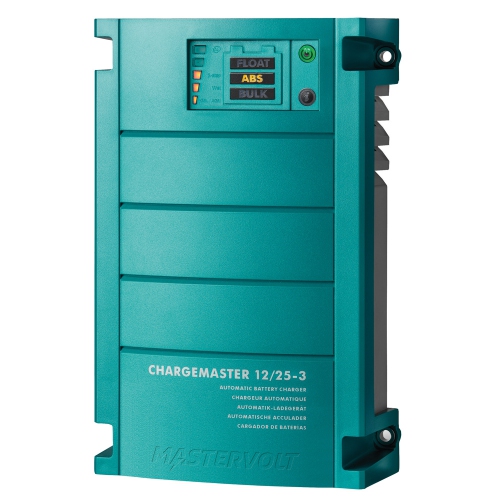
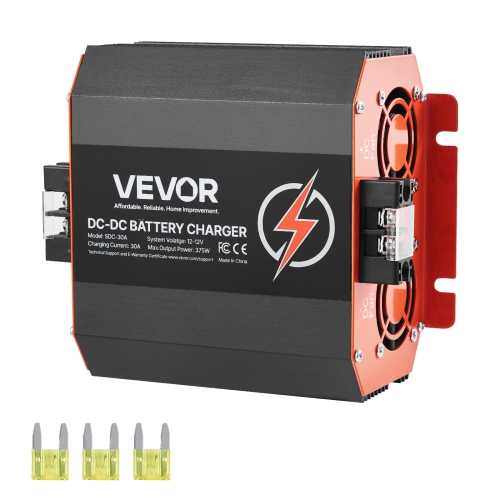
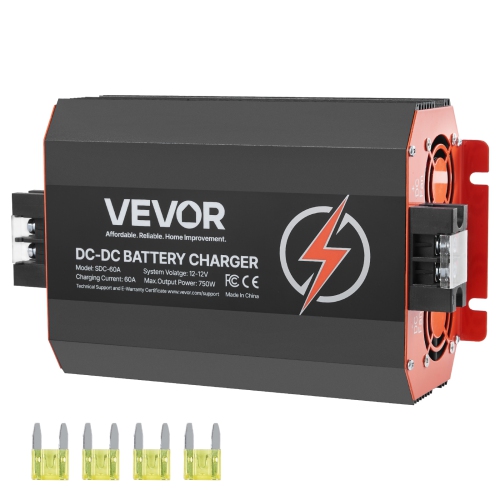
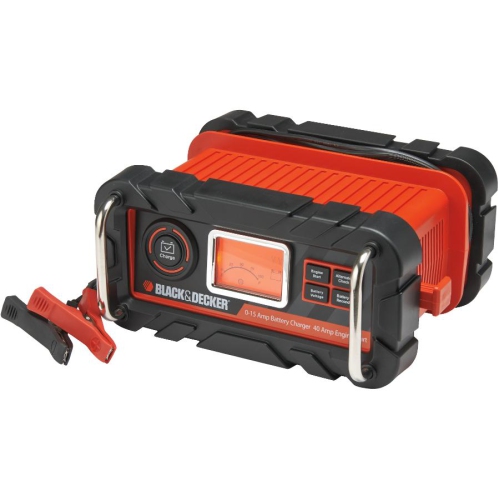

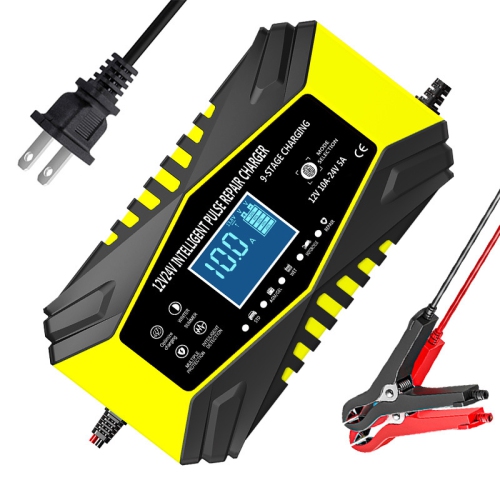
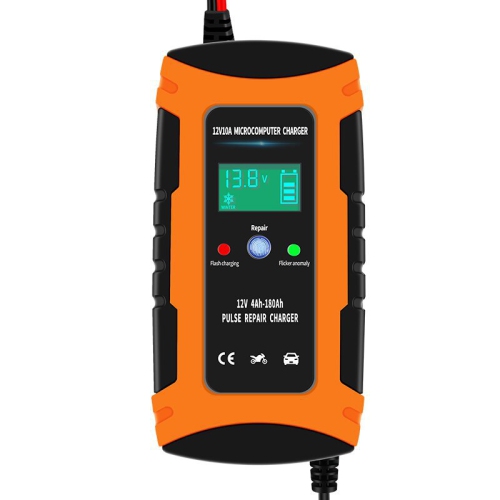
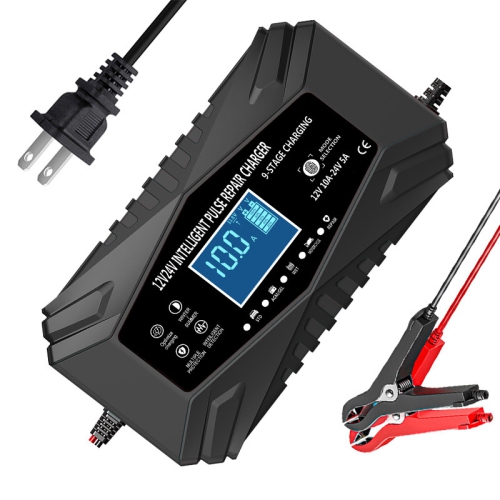
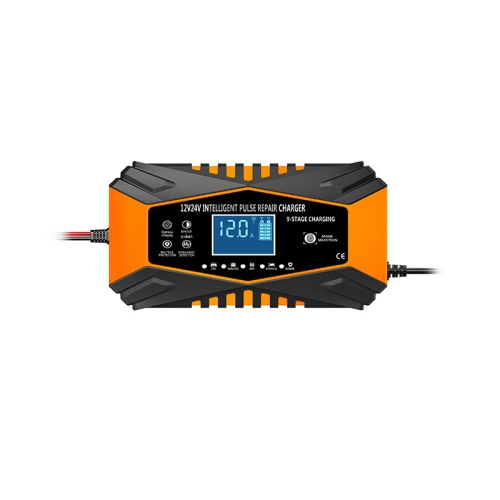
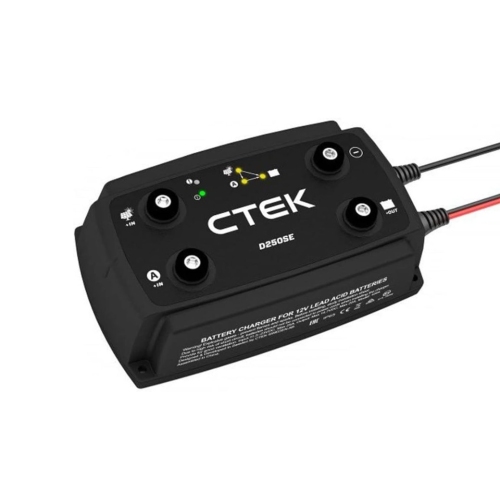
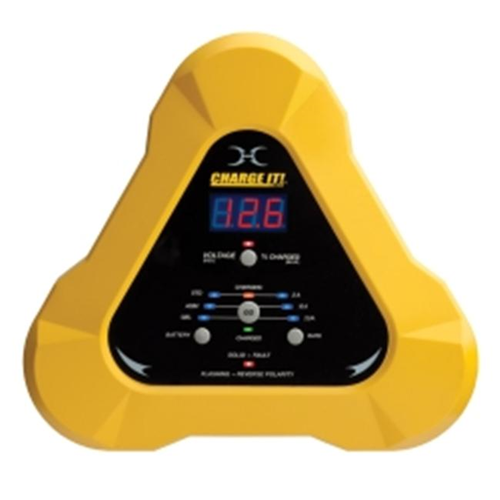
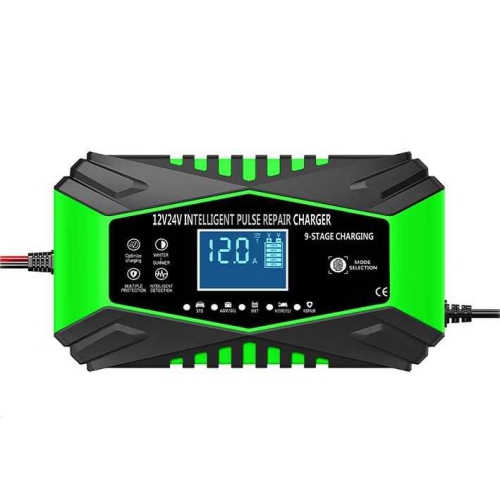
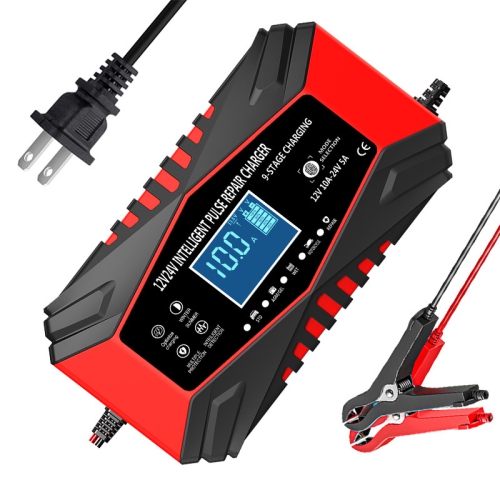
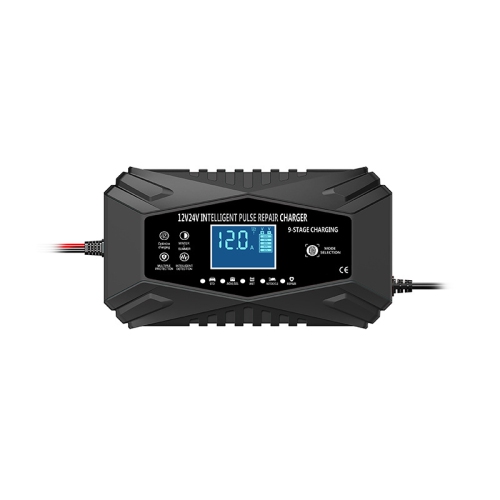
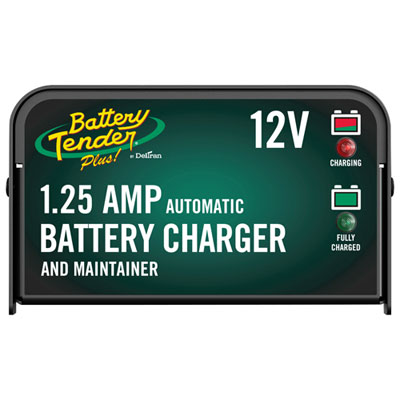
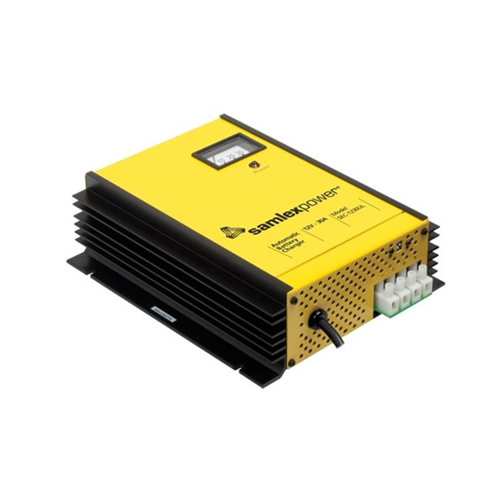
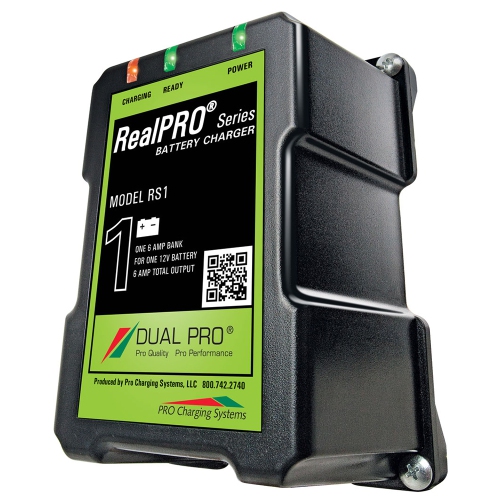
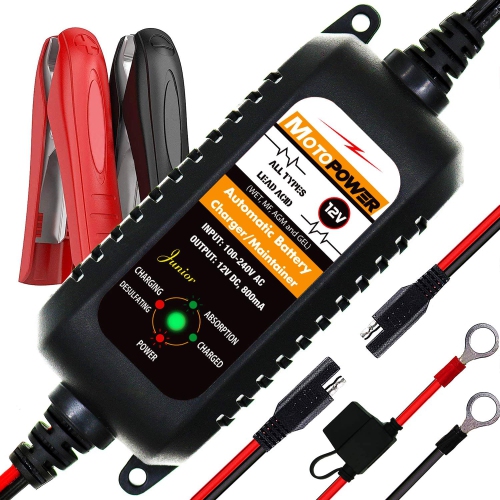
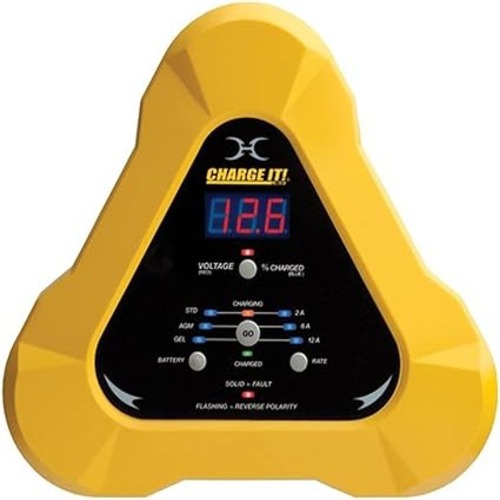
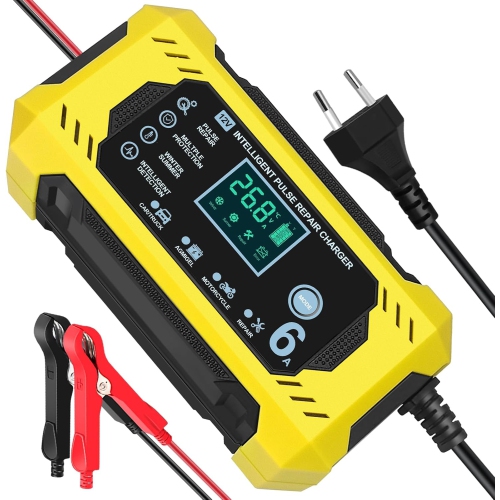
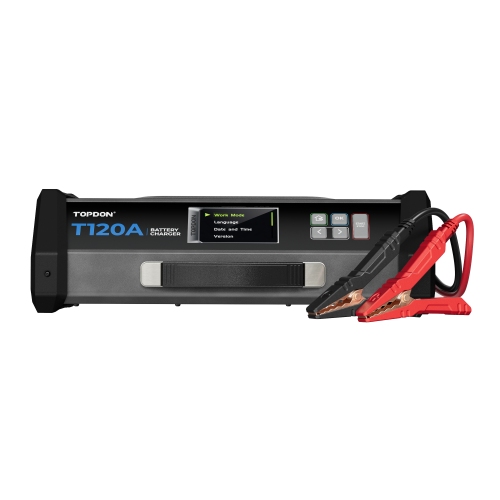
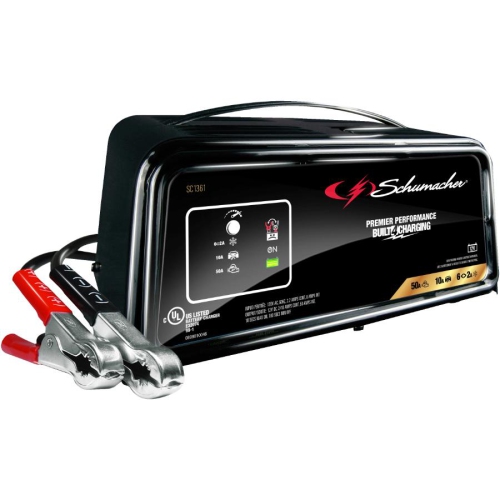
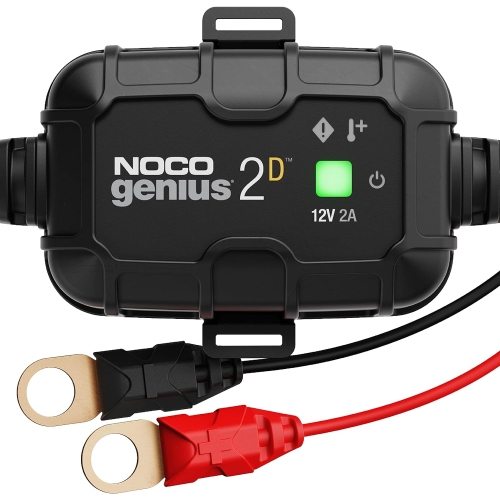
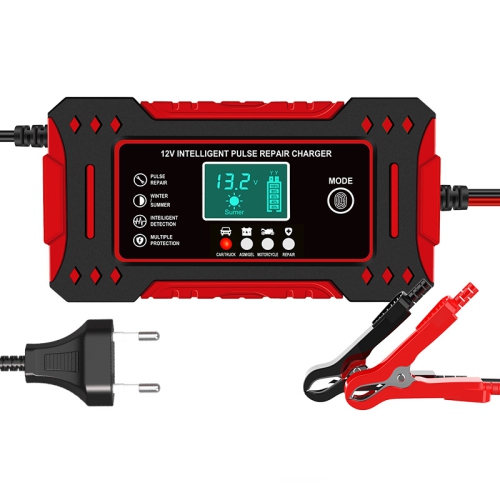
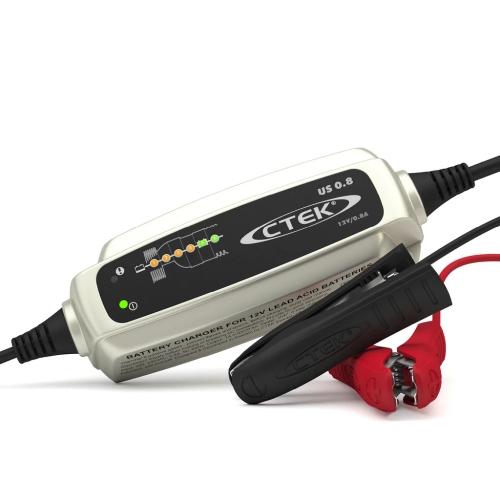
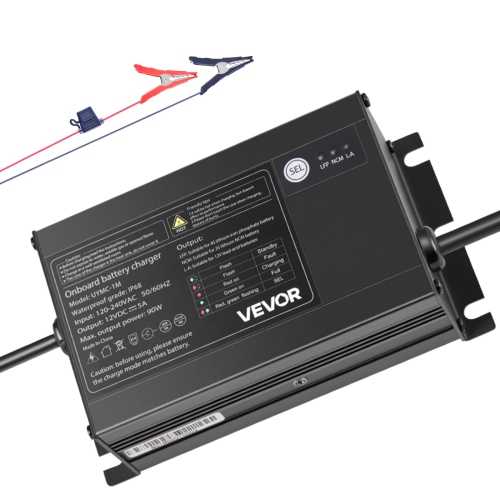
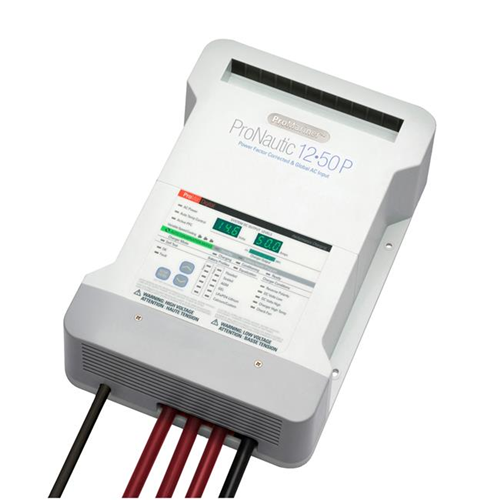
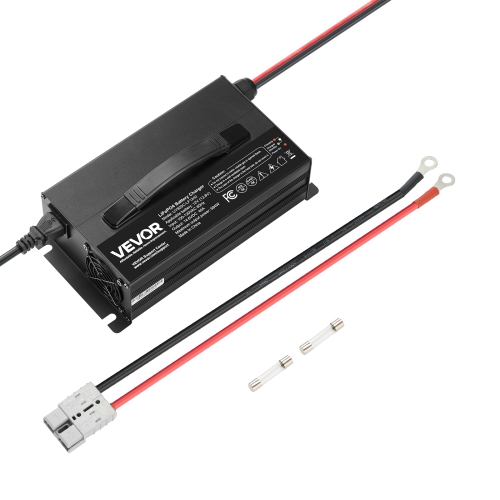

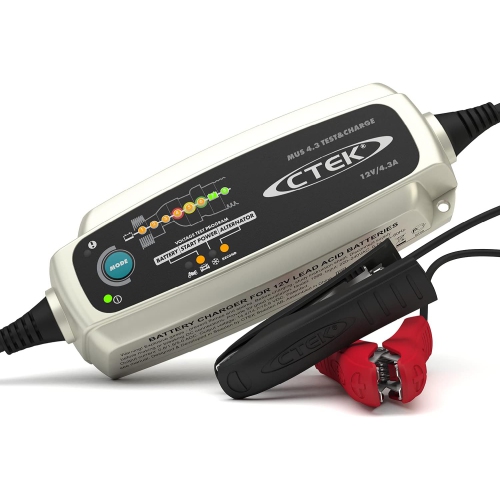
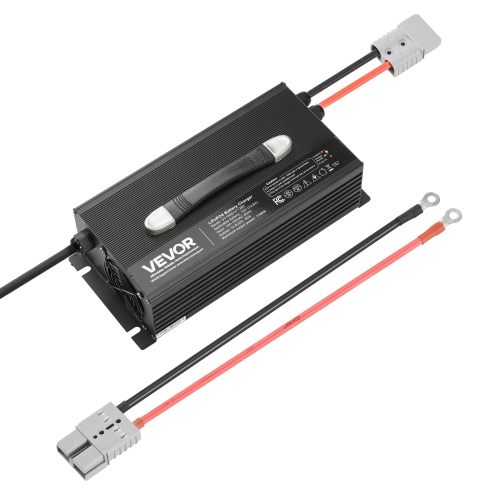
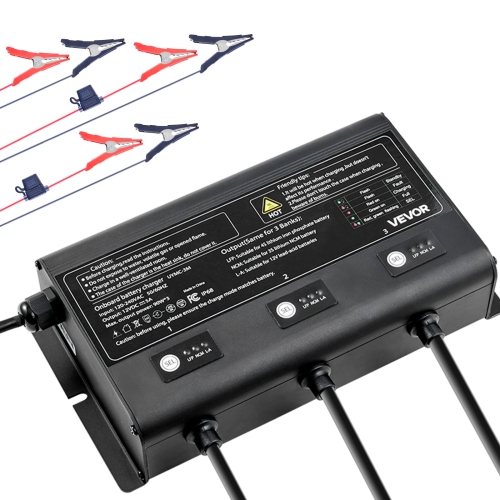
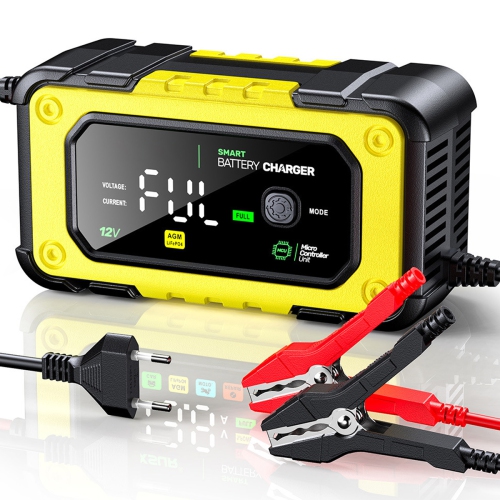
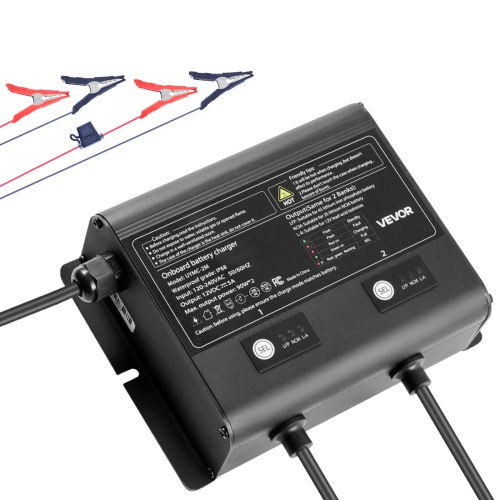
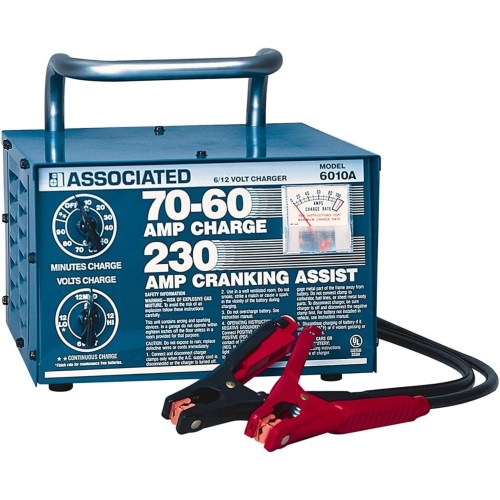
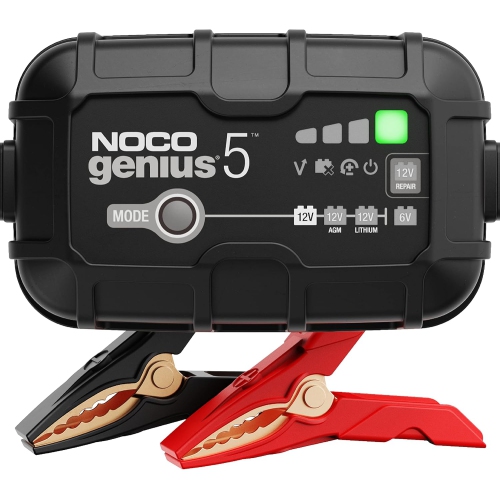
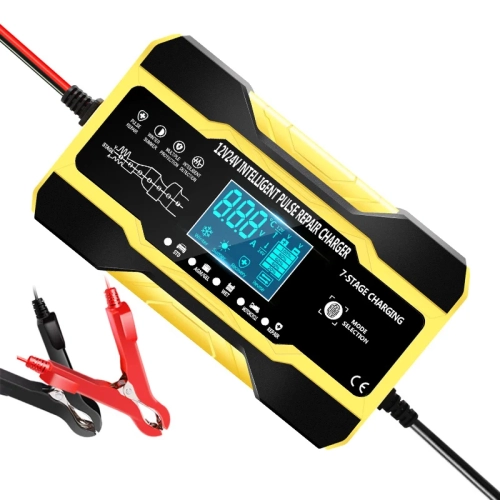
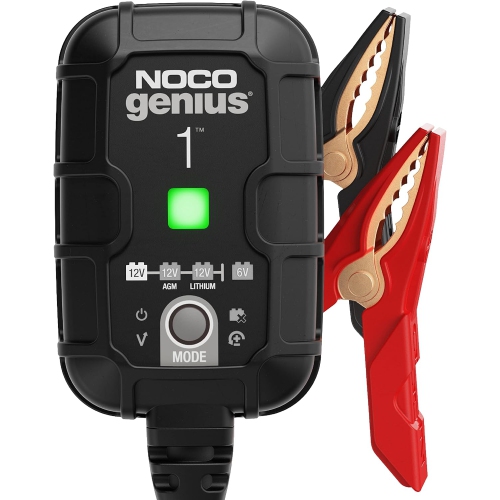
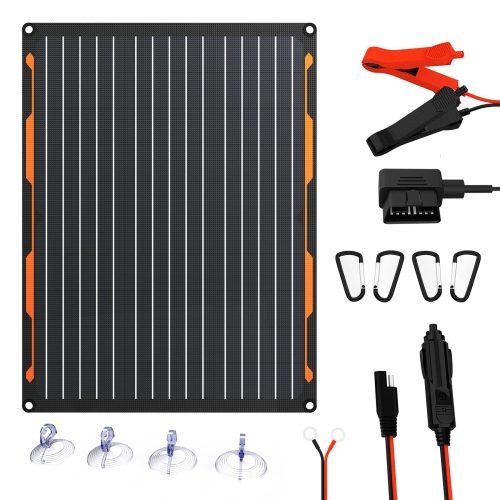
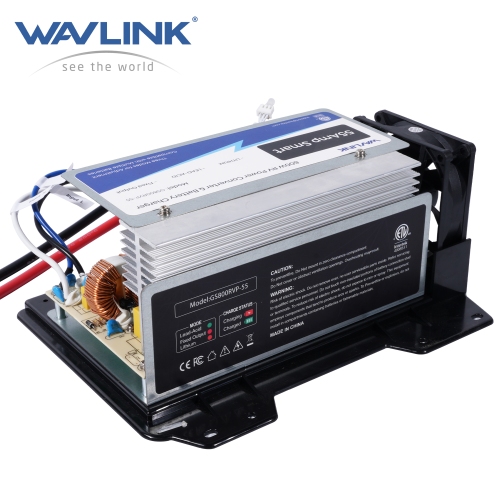
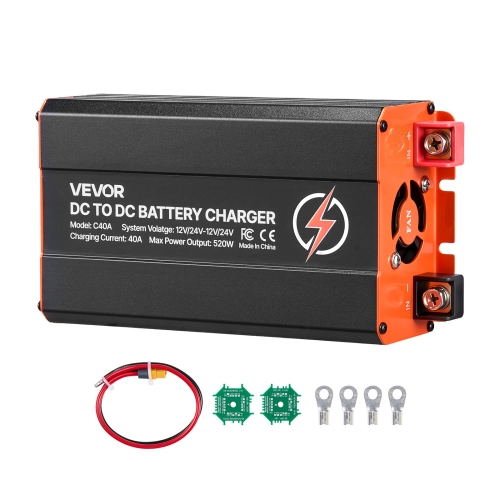
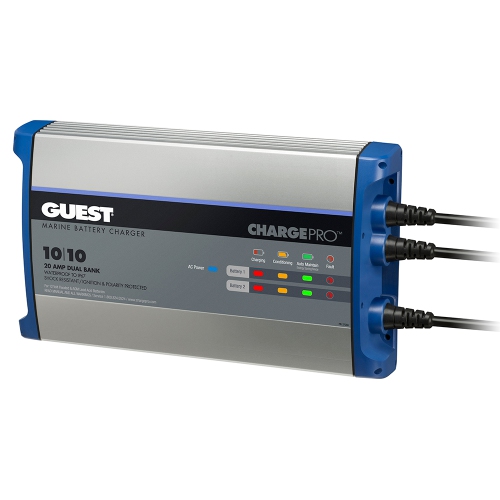
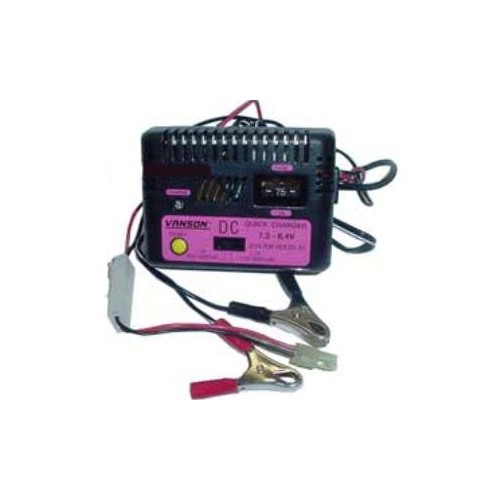
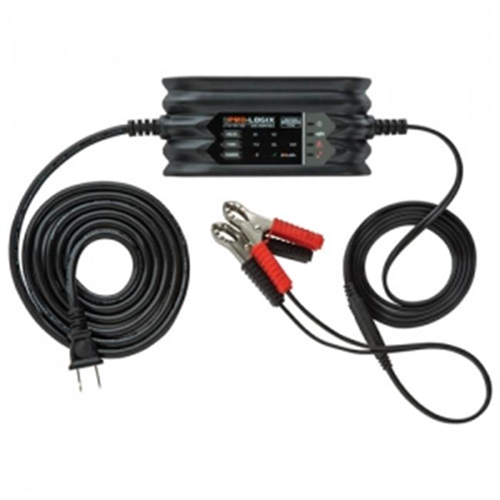
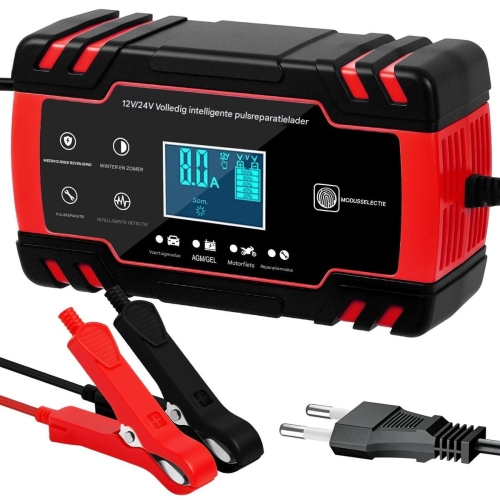
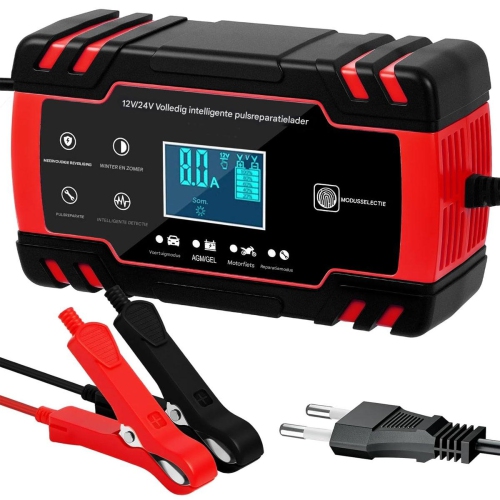
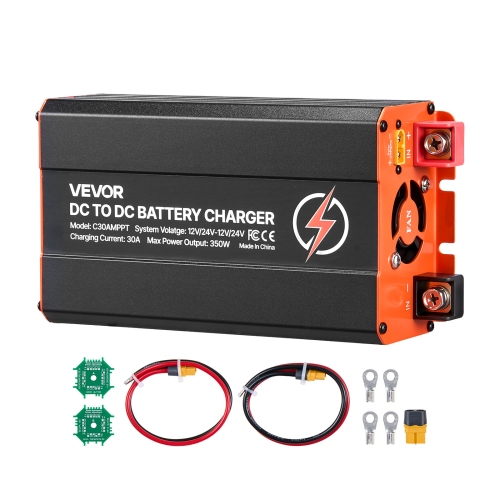
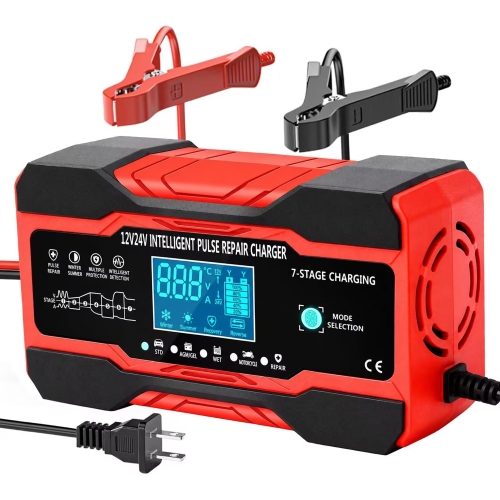

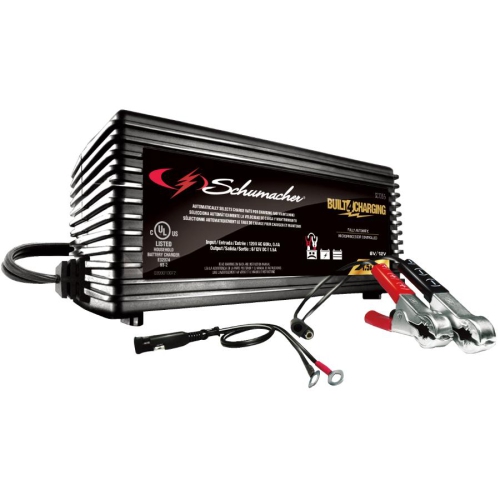
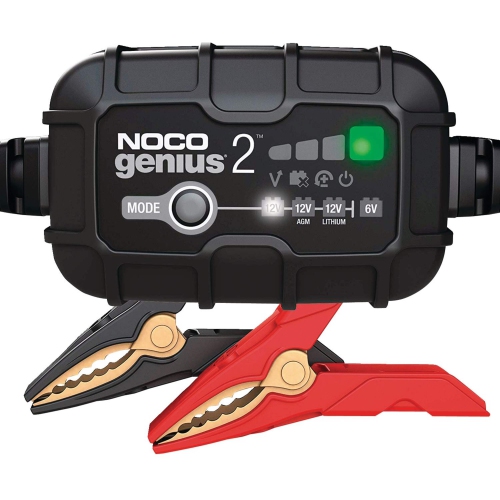
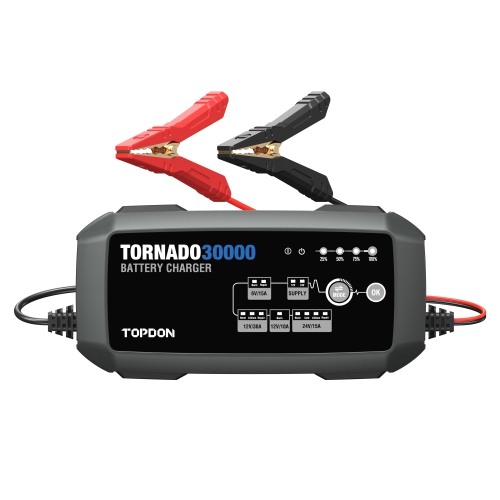
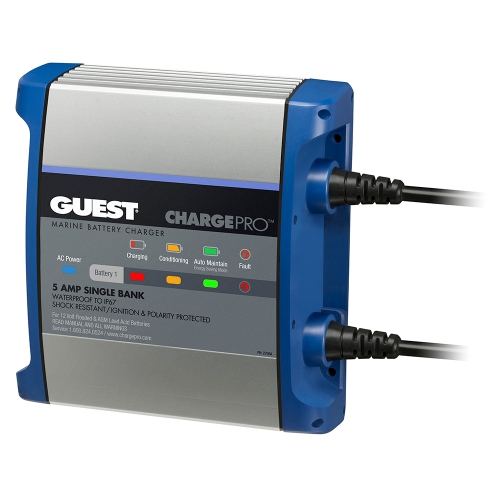
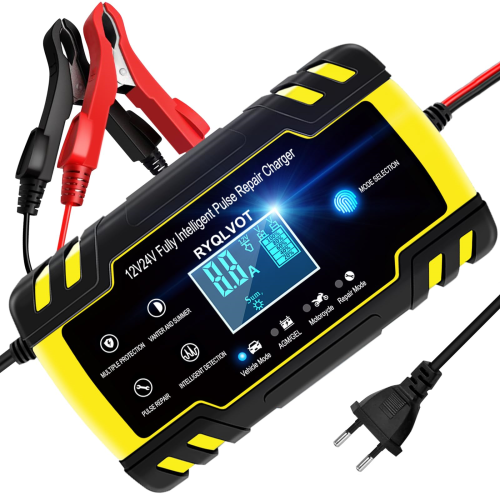
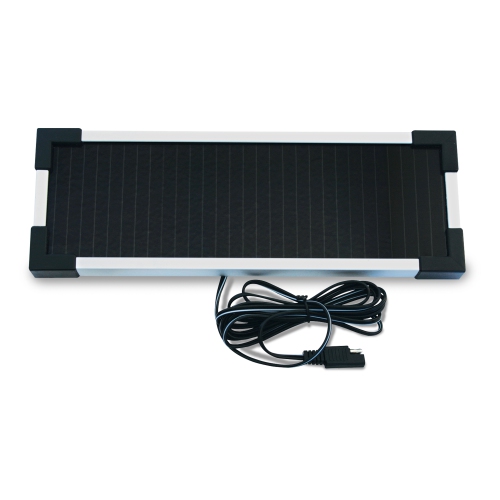
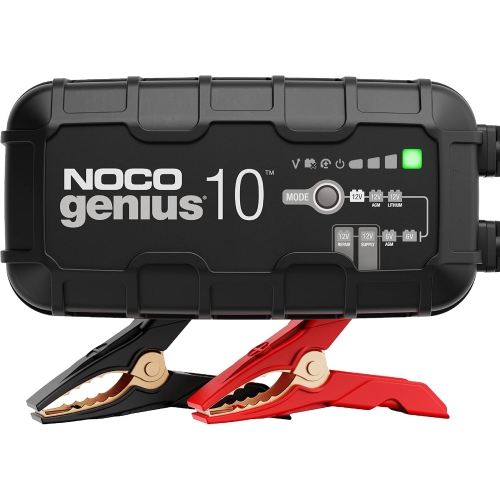
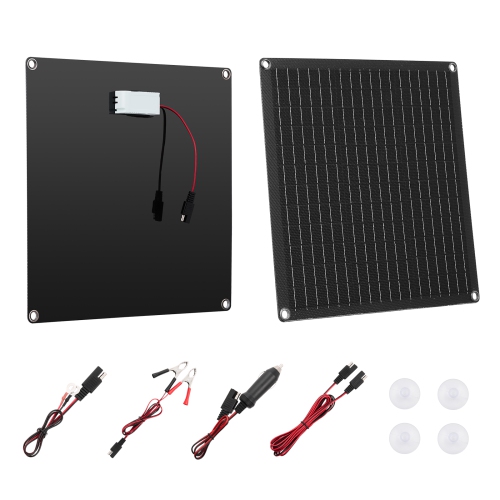
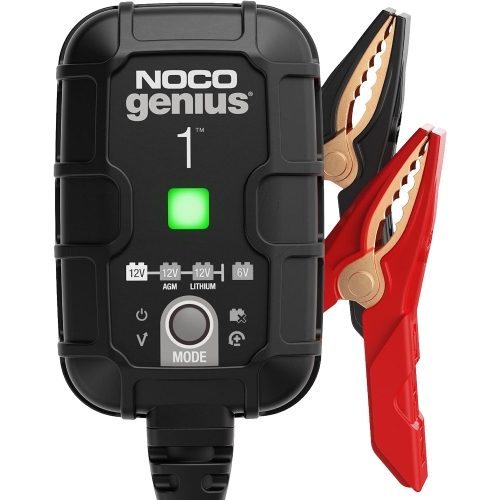
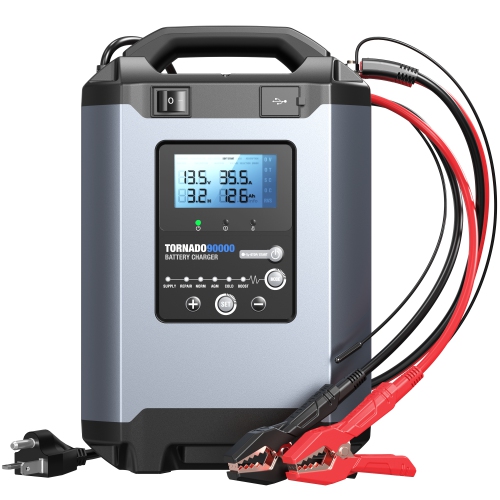
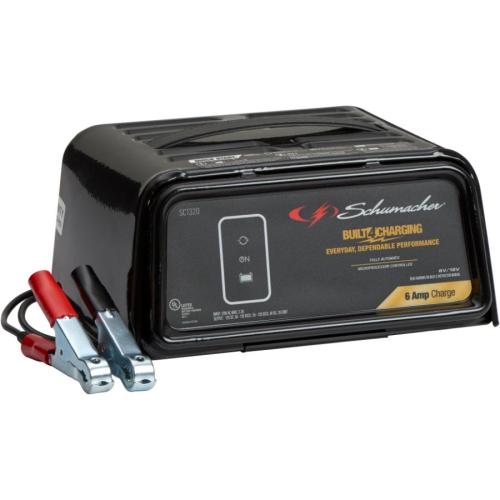
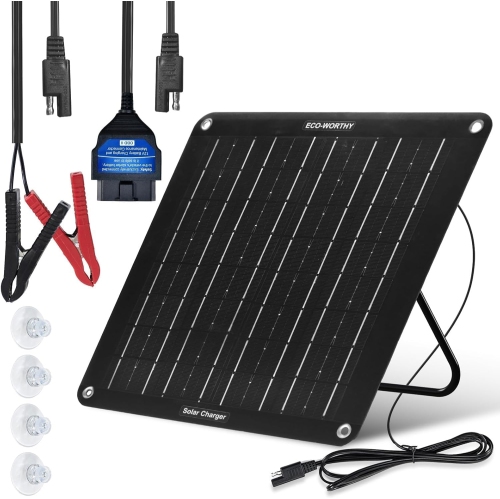
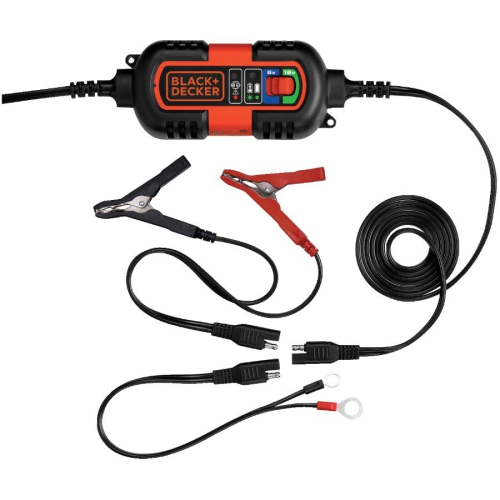
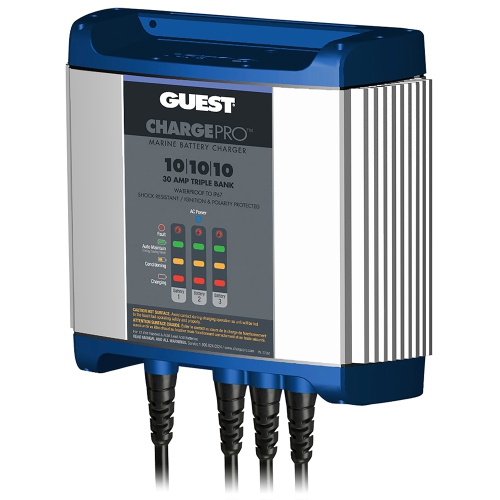
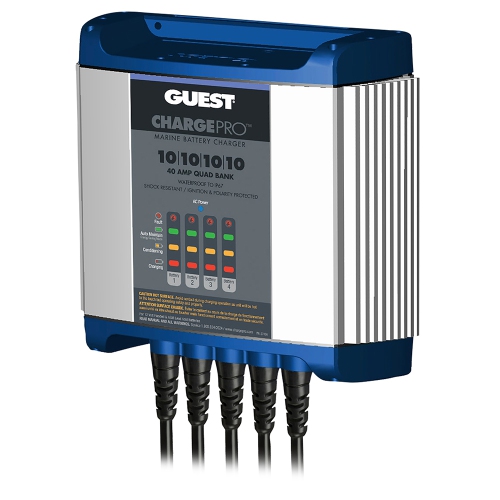
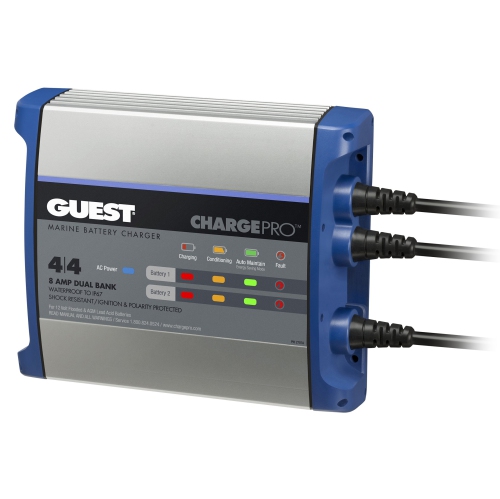
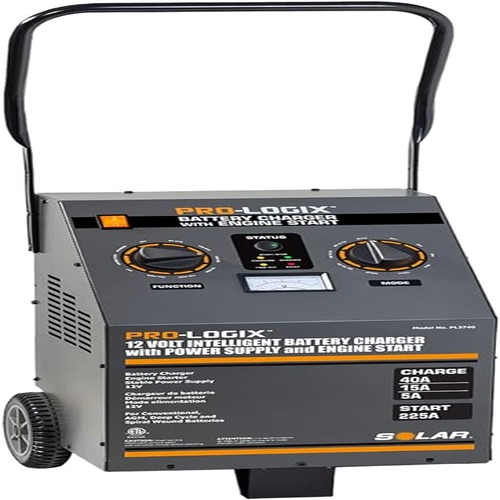
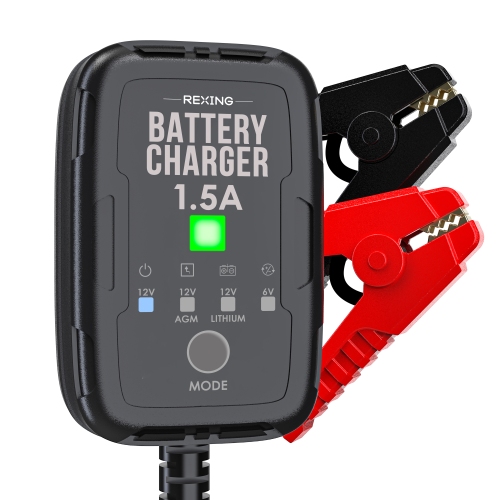
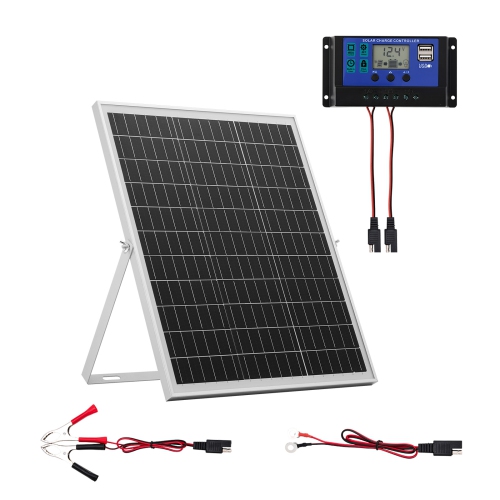
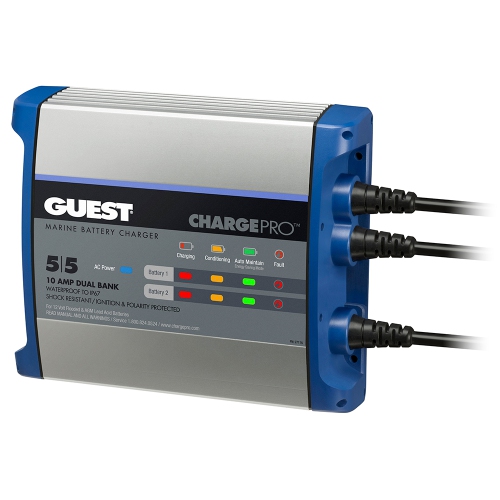
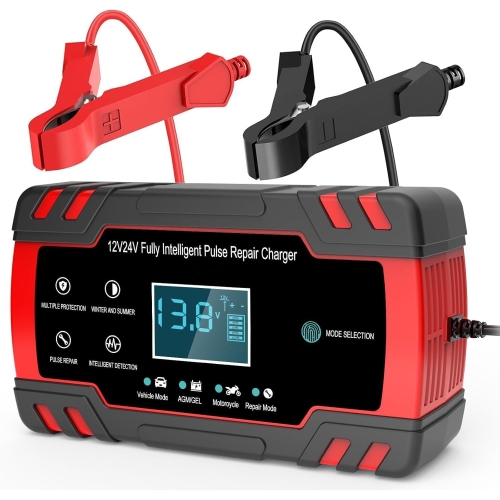
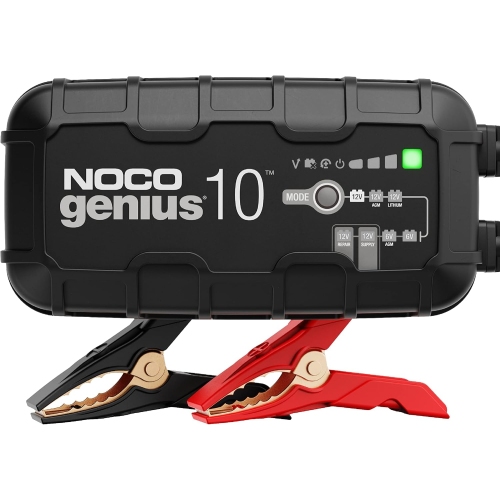
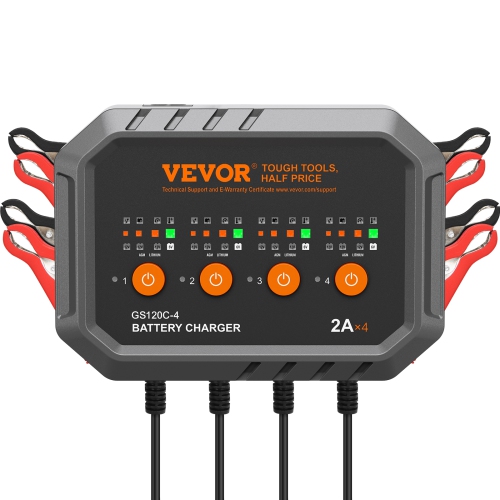
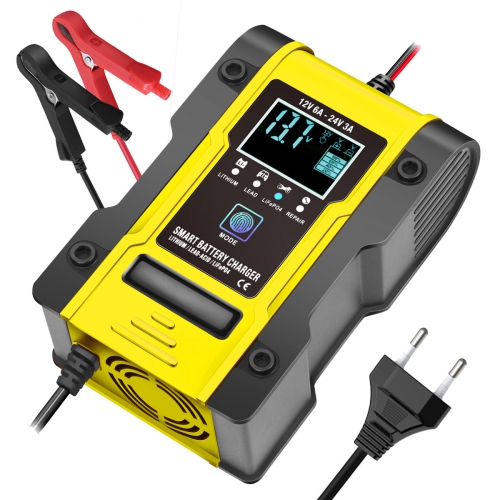
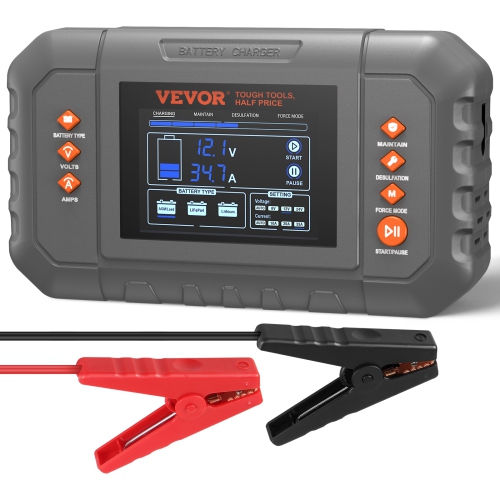
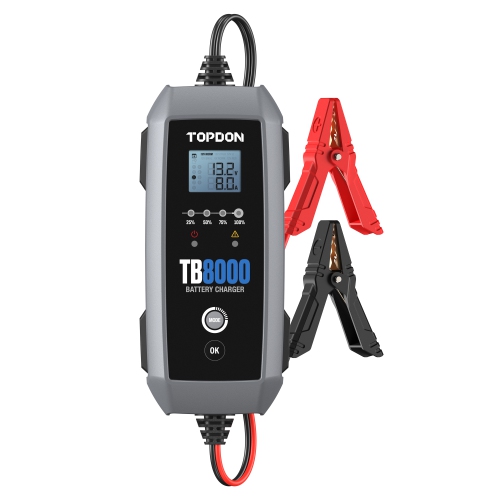
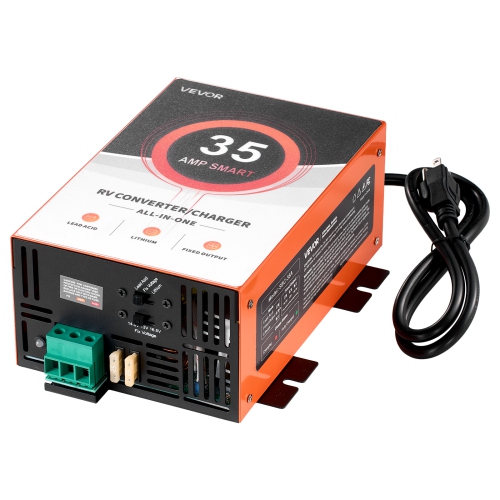
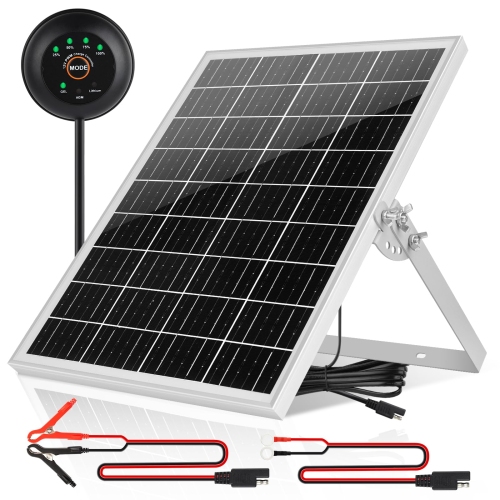
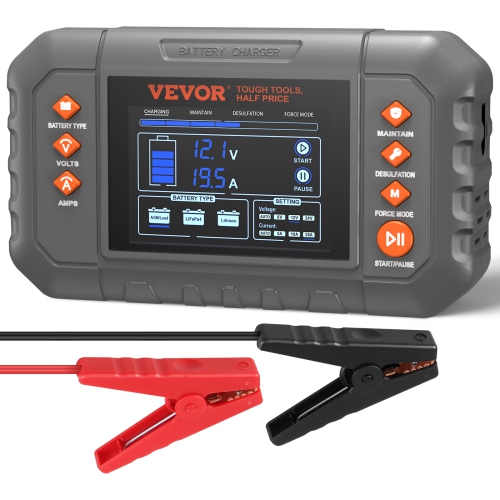
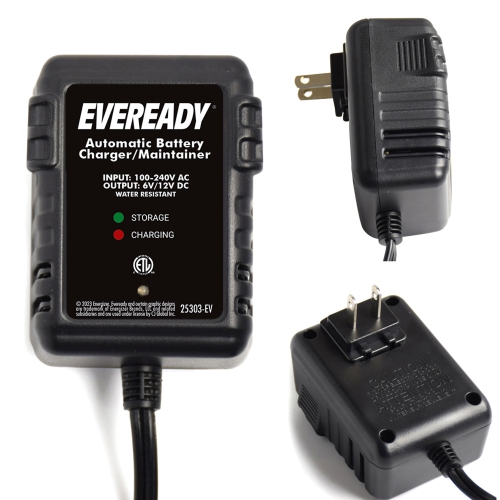
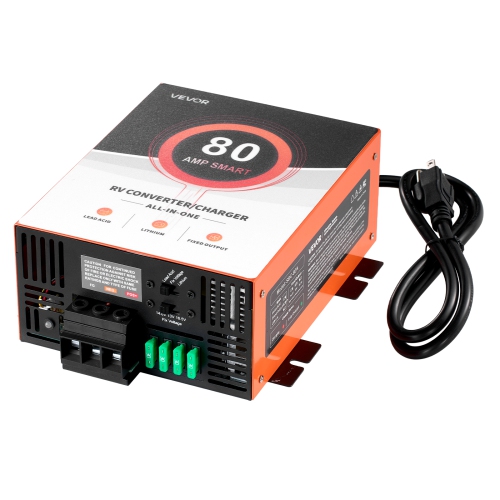
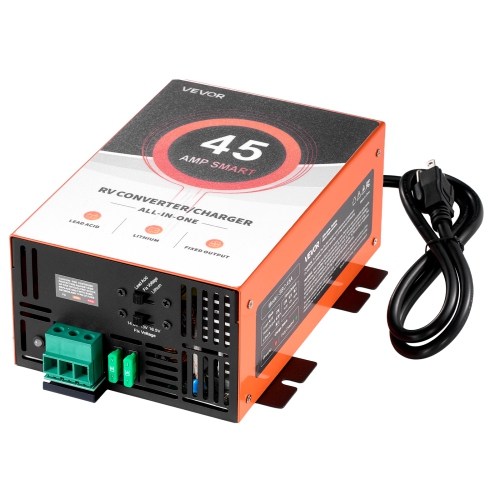
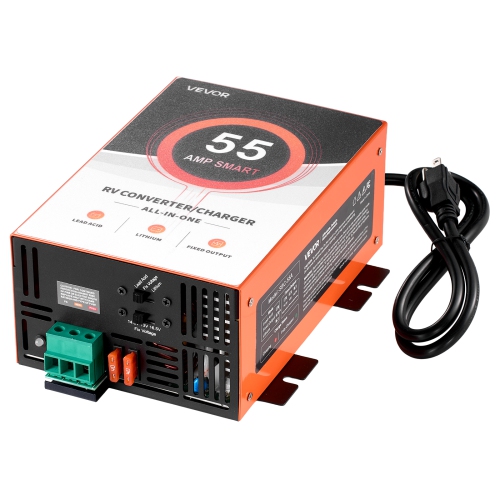
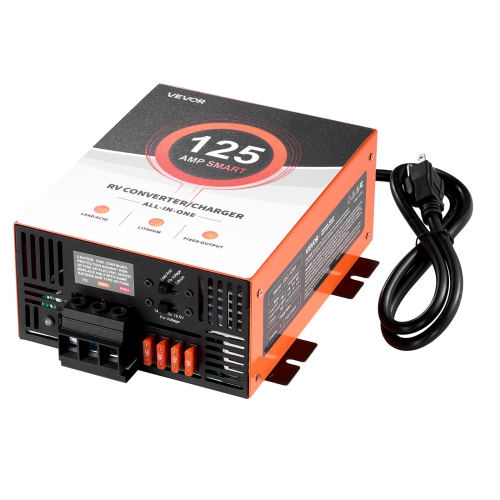
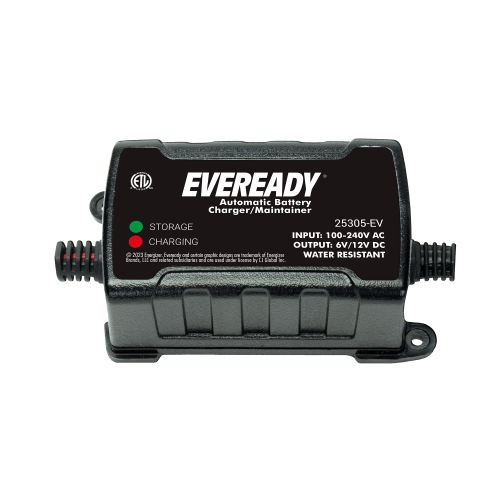

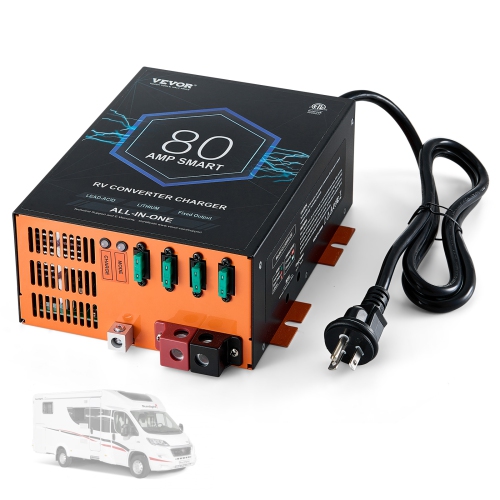
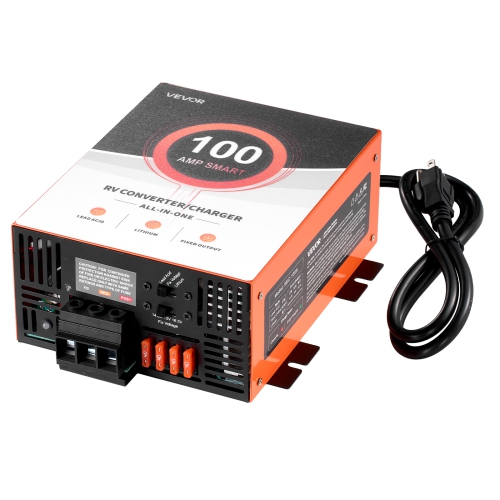
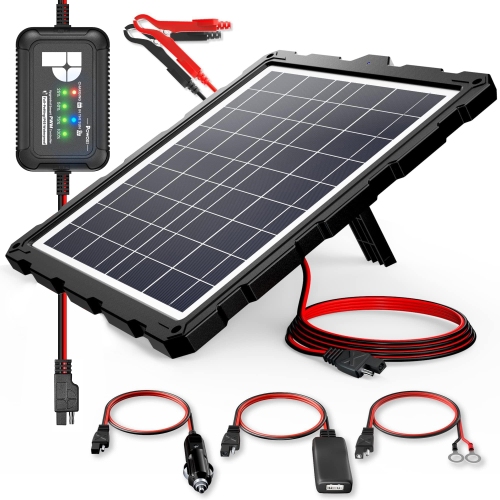
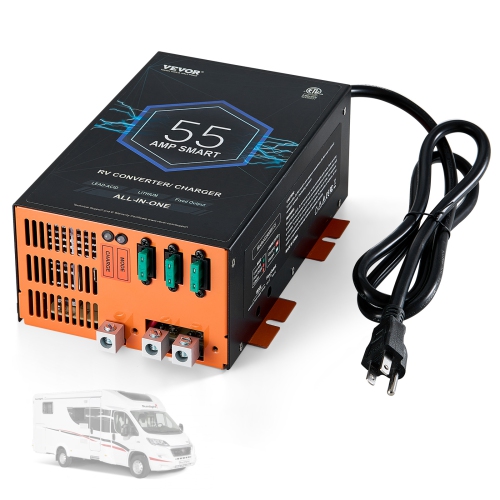
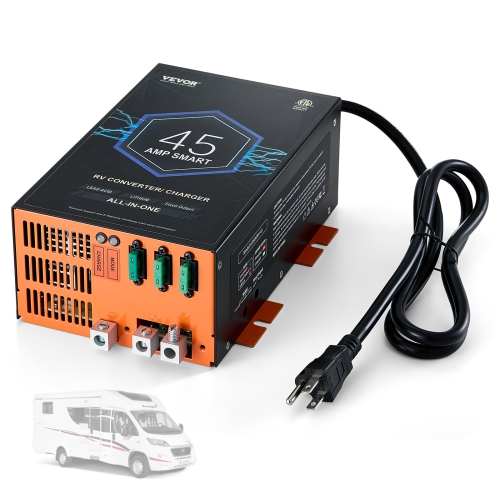
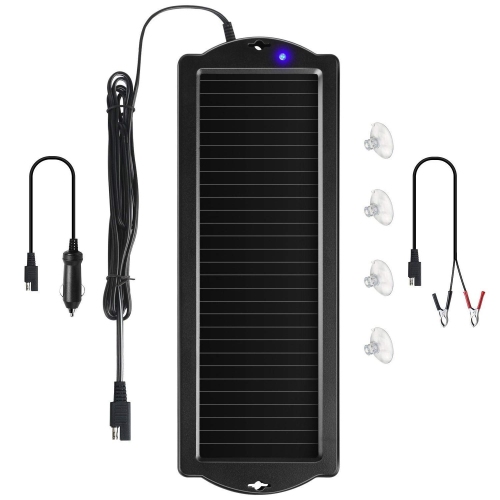
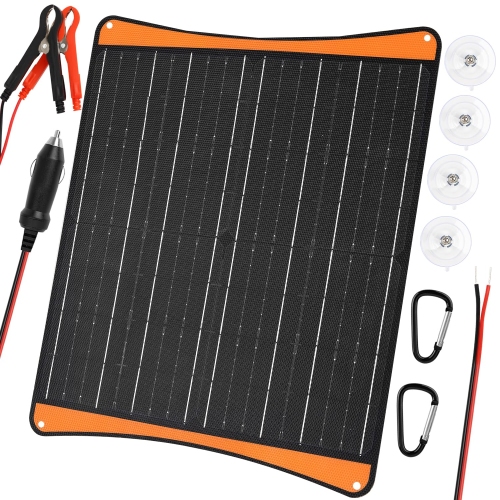
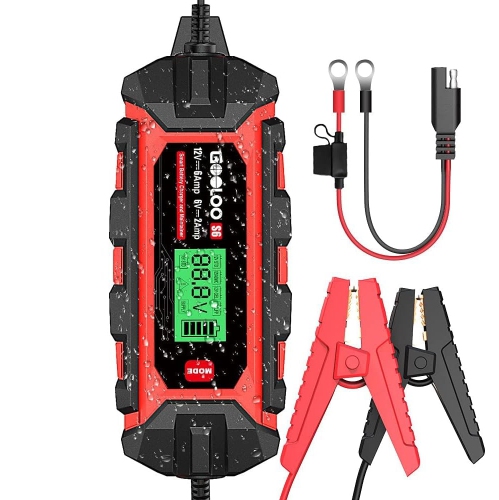
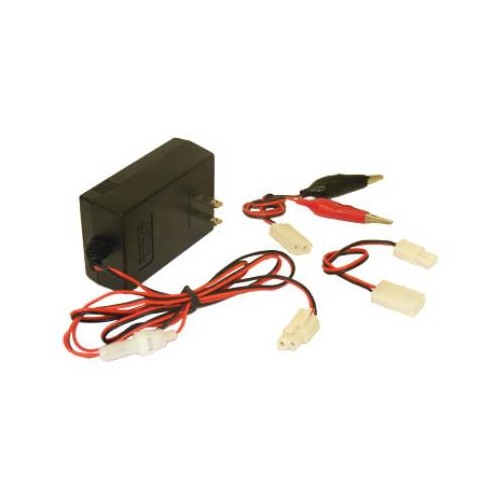
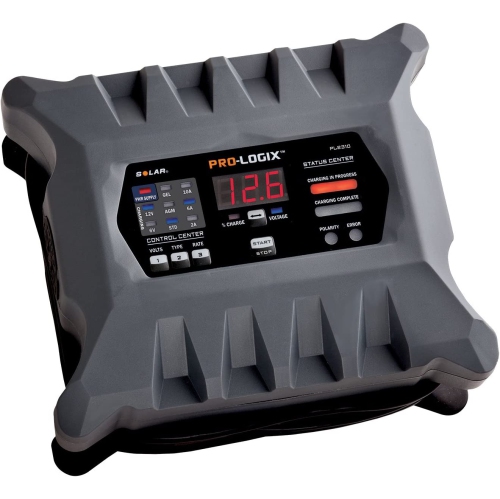
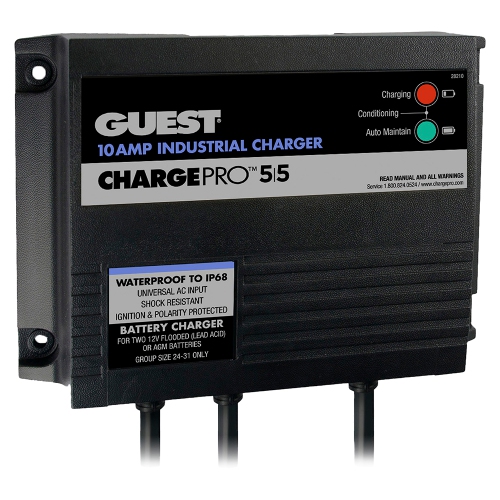
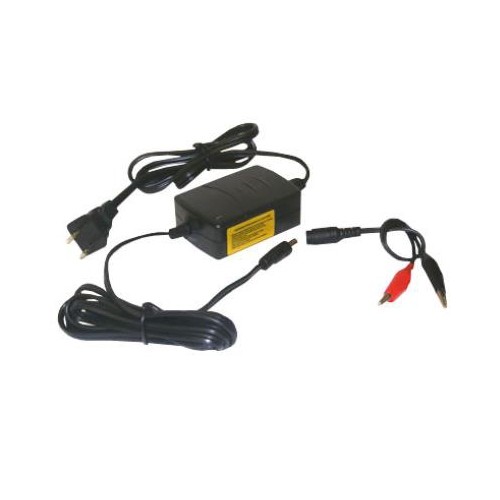
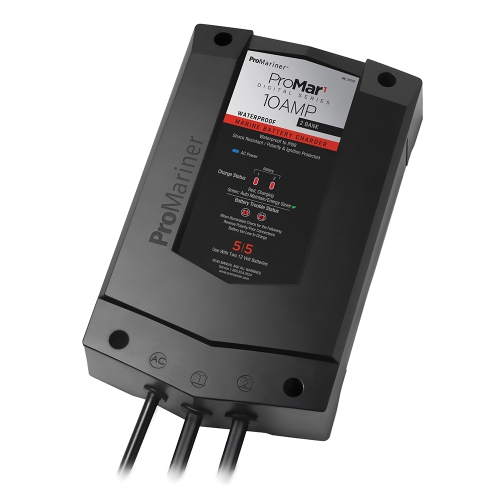
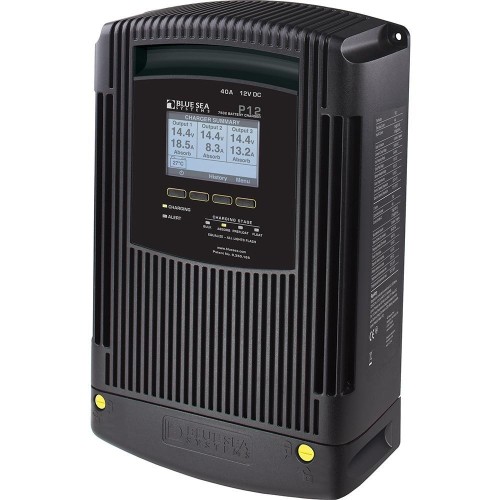
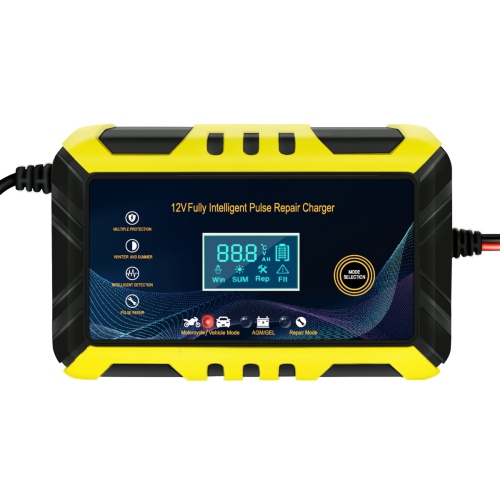
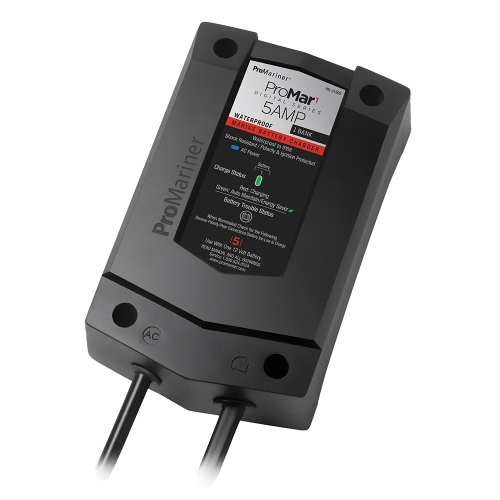

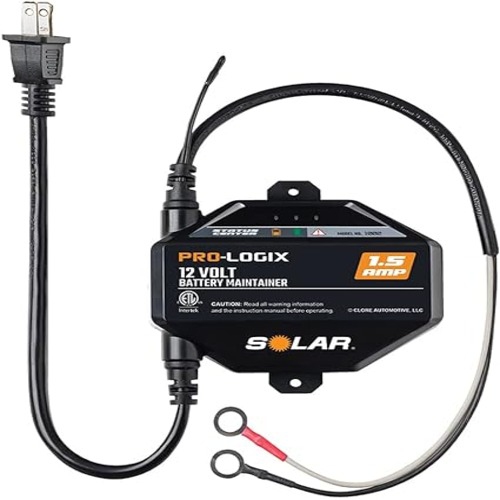
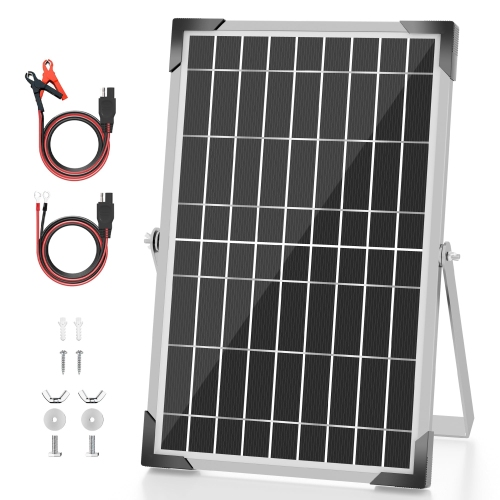
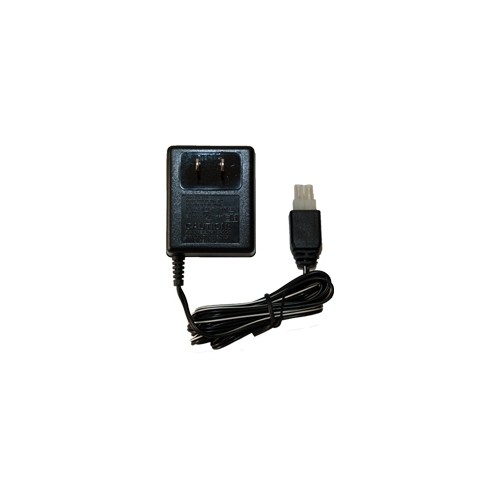

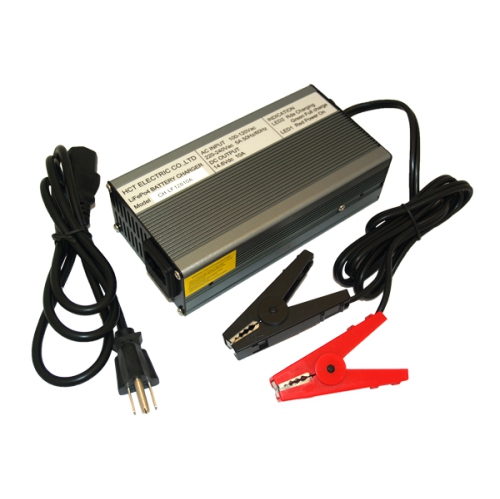
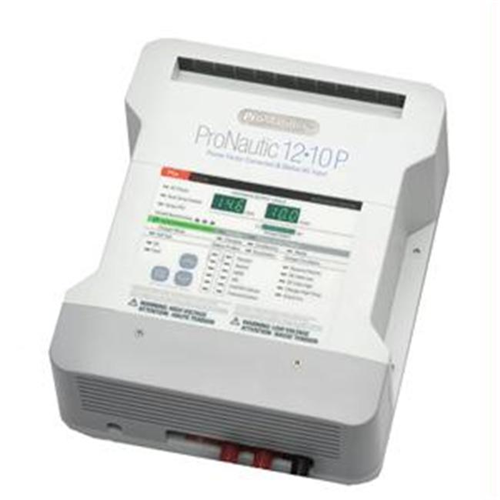
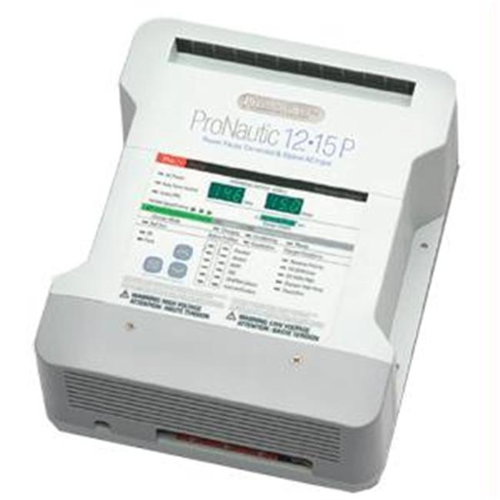
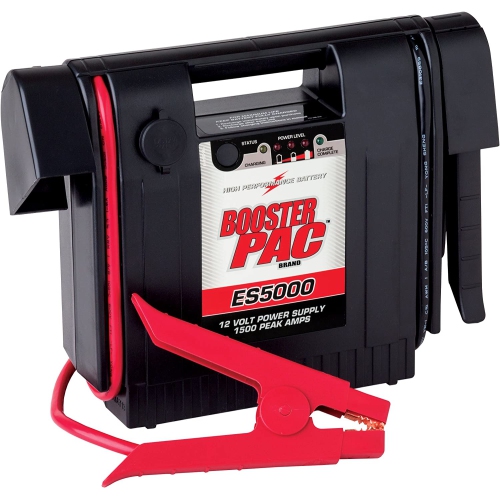

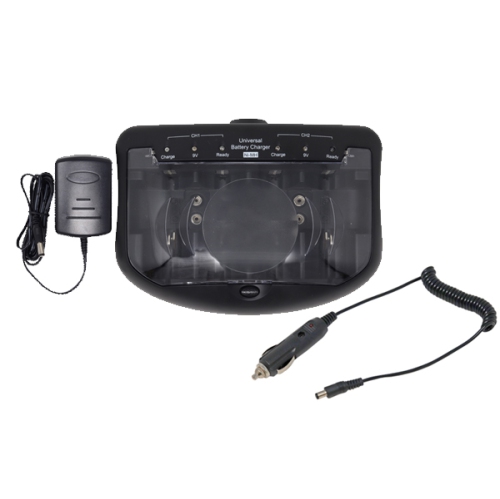
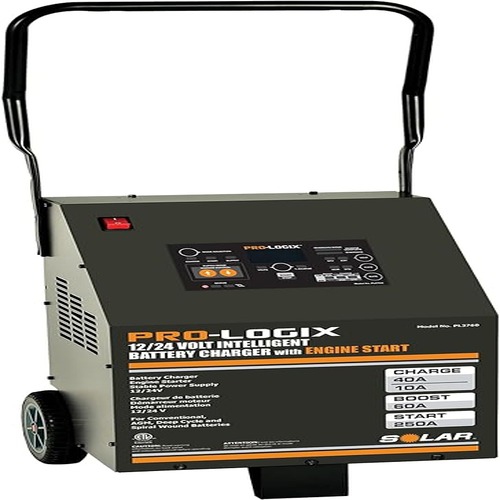

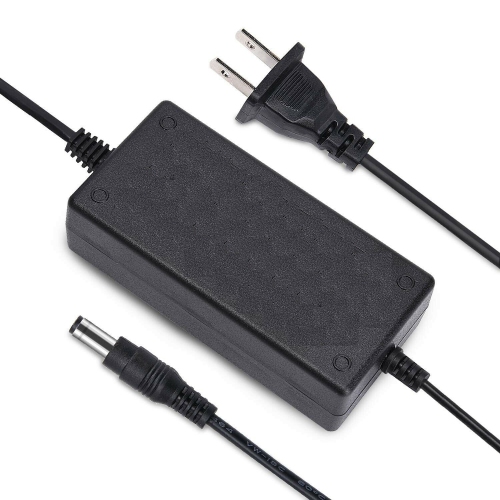
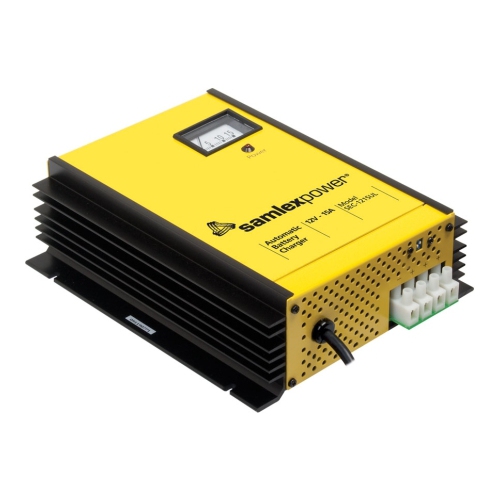
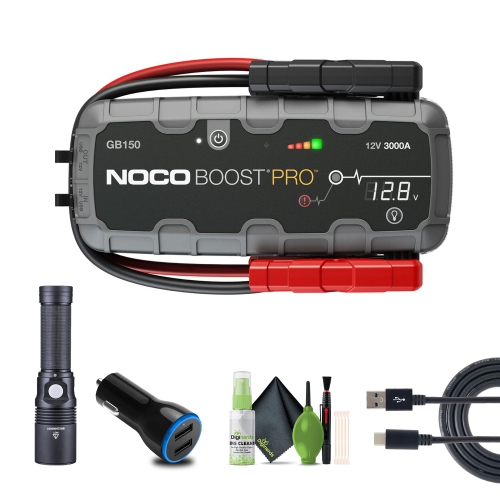
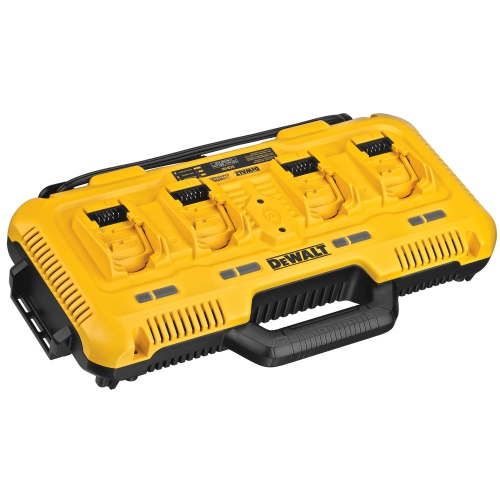
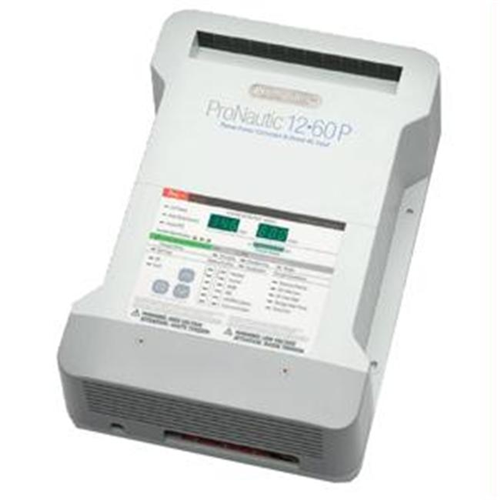
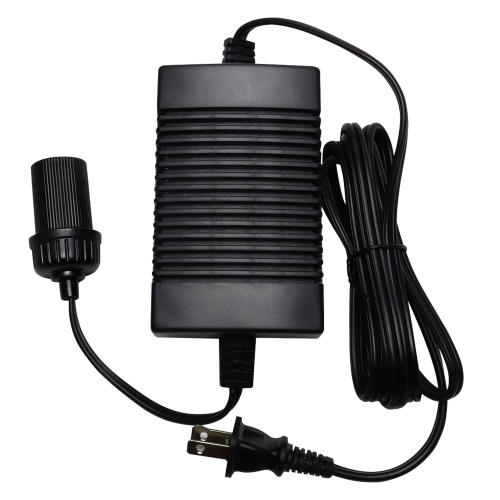
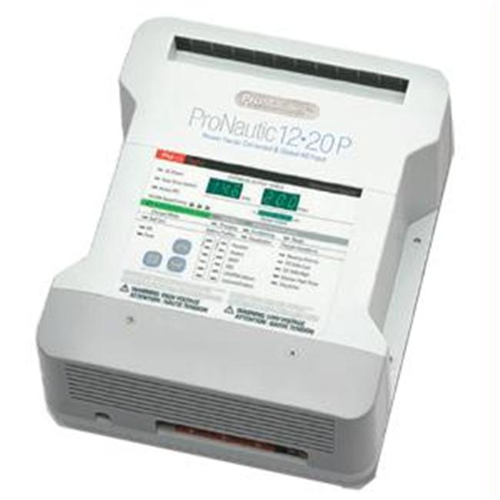
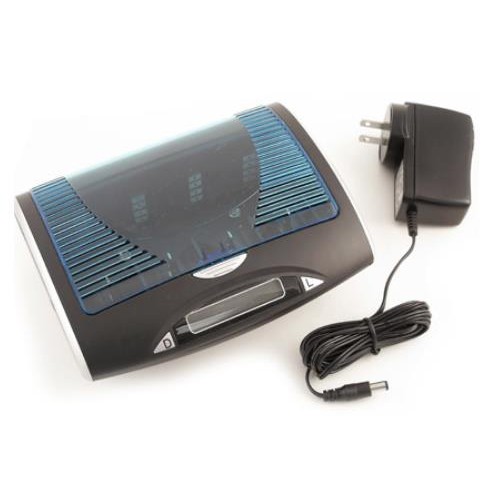
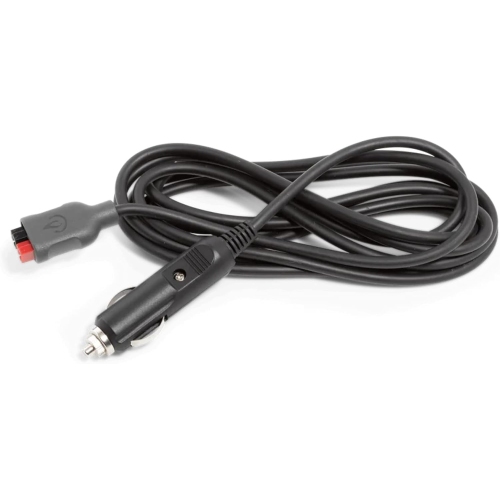
Reliable charging for vehicles, boats, and outdoor equipment
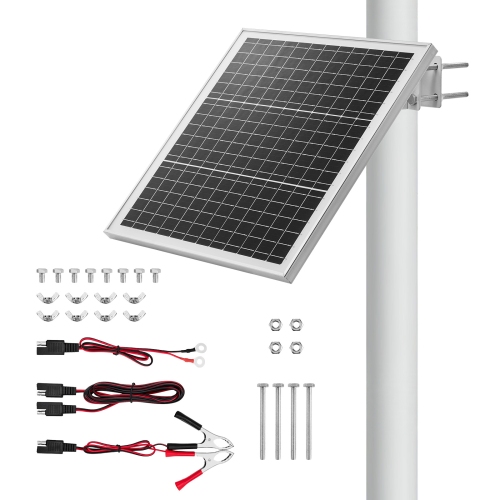
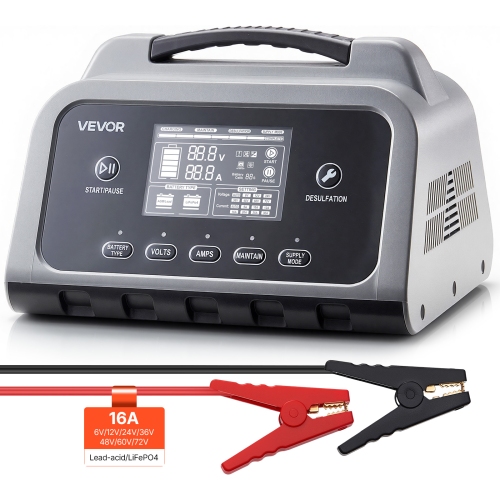
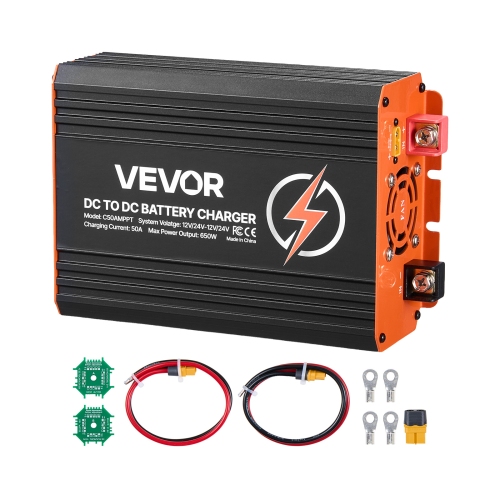
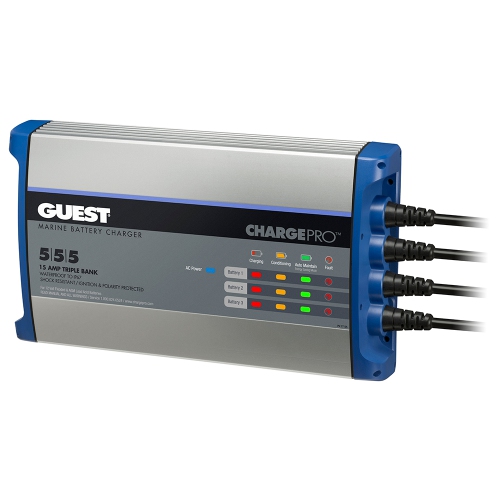
A 12V battery charger is a practical tool for keeping compatible batteries ready for everyday use, seasonal storage, and unexpected downtime. These chargers are commonly used with cars, trucks, motorcycles, ATVs, boats, lawn and garden equipment, mobility devices, and other vehicles or equipment that rely on a 12-volt battery system. During the warmer part of the year, a charger can help restore power after a vehicle has been sitting, support equipment used less frequently, or provide a dependable way to prepare a second vehicle for a road trip. As the weather turns cooler, many people use 12V battery chargers to maintain batteries in cars, recreational vehicles, motorcycles, boats, riding lawn mowers, and other equipment placed in storage. They can also be a thoughtful gift for a new driver, cottage owner, boating enthusiast, DIYer, motorsport fan, or anyone who likes to handle basic vehicle care at home. Before choosing a charger, confirm that it is intended for a 12-volt battery and that its connectors, charging range, and output suit the equipment you own. A charger is not the same as a jump starter: chargers replenish a battery over time, while jump starters provide a short burst of power to help start a vehicle. Having the right charger on hand can make battery care feel less like an emergency repair and more like a simple part of a regular routine.
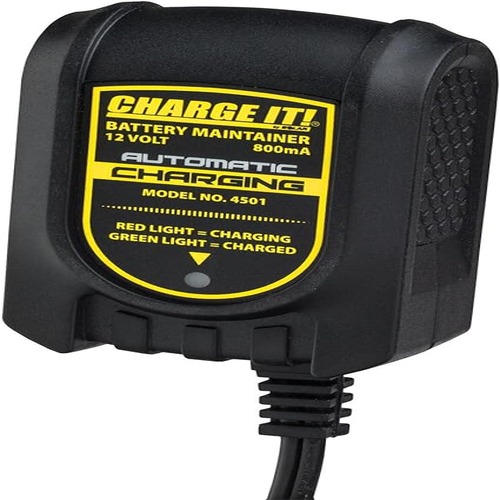
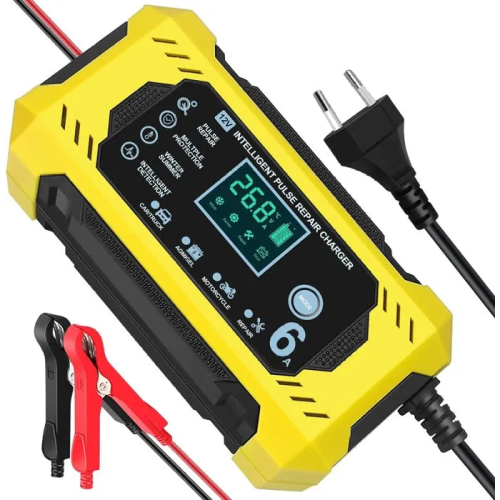
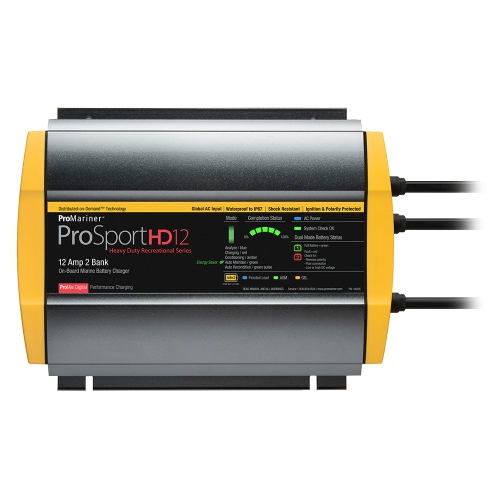
The charger type and amperage have a direct effect on how the unit should be used. Smart chargers monitor the battery as it charges, adjust the current through multiple stages, and may change to a float or maintenance mode when the battery reaches full capacity. This makes them a convenient choice for vehicle owners who want a charger that can be connected for extended periods with less need for manual supervision, provided the manufacturer’s instructions allow that use. Trickle chargers deliver a small, steady current and are often suited to long-term charging for smaller batteries or equipment that remains parked for long stretches. Battery maintainers serve a similar storage-focused purpose by helping a fully charged battery stay at an appropriate level without delivering a high continuous output. Lower-amperage models, often in the 1A to 4A range, are useful for gradual charging, maintenance, and smaller batteries. Higher-amperage chargers, such as those offering 8A, 10A, or more, can replenish suitable automotive or marine batteries more quickly, although charging speed depends on the battery’s capacity, condition, and state of discharge. Some chargers offer selectable amperage settings, allowing one unit to handle more than one type of task. A 12V charger may also include engine-start assistance or a boost function, but those features vary widely, so check the specifications if starting support is important. For larger recreational vehicles and travel equipment, shoppers may also wish to explore RV Battery Chargers designed for those applications.
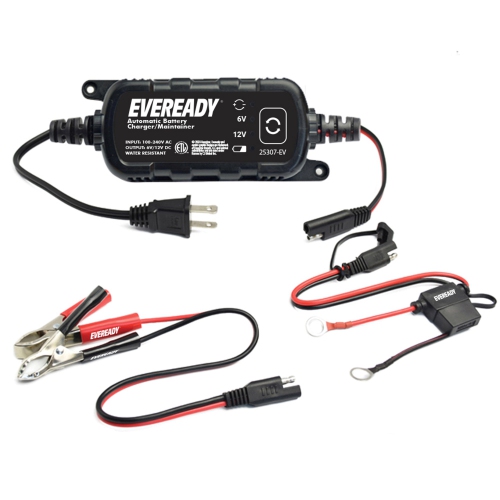
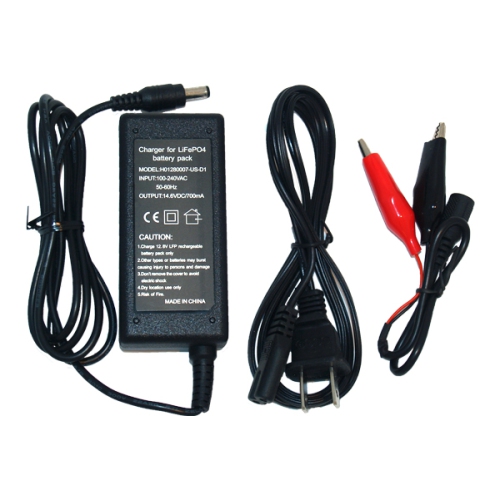
Battery chemistry is another essential consideration. Traditional flooded lead-acid batteries, sealed lead-acid batteries, AGM batteries, Gel batteries, and lithium batteries do not always use the same charging profile. Select a charger that explicitly supports the chemistry of your battery, and look for a lithium-compatible setting when charging a lithium iron phosphate battery, commonly called LiFePO4. Using an unsuitable mode can result in poor charging performance or damage, so the battery label and charger documentation should be checked before connecting anything. It is also helpful to consider cable length, terminal style, portability, display readability, weather resistance, and the type of connection included. Ring terminals can be convenient for a semi-permanent installation, while alligator clips make it easier to move the charger between vehicles or equipment. Safety features such as reverse-polarity detection, spark prevention, short-circuit protection, overcharge protection, and thermal monitoring add reassurance during routine use. Always place the charger and battery in a suitable ventilated area, keep connections dry, inspect cables for damage, and follow the manufacturer’s instructions for connection order and charging conditions. A compact model may fit neatly in a vehicle or workshop drawer, while a more robust charger with a longer cable and clear status indicators can be useful in a garage or utility area. With the correct battery chemistry, amperage, charging mode, and safety features, a 12V battery charger can be a reliable addition to a home maintenance kit and help keep frequently used and seasonal equipment ready when needed.
The charger type and amperage have a direct effect on how the unit should be used. Smart chargers monitor the battery as it charges, adjust the current through multiple stages, and may change to a float or maintenance mode when the battery reaches full capacity. This makes them a convenient choice for vehicle owners who want a charger that can be connected for extended periods with less need for manual supervision, provided the manufacturer’s instructions allow that use. Trickle chargers deliver a small, steady current and are often suited to long-term charging for smaller batteries or equipment that remains parked for long stretches. Battery maintainers serve a similar storage-focused purpose by helping a fully charged battery stay at an appropriate level without delivering a high continuous output. Lower-amperage models, often in the 1A to 4A range, are useful for gradual charging, maintenance, and smaller batteries. Higher-amperage chargers, such as those offering 8A, 10A, or more, can replenish suitable automotive or marine batteries more quickly, although charging speed depends on the battery’s capacity, condition, and state of discharge. Some chargers offer selectable amperage settings, allowing one unit to handle more than one type of task. A 12V charger may also include engine-start assistance or a boost function, but those features vary widely, so check the specifications if starting support is important. For larger recreational vehicles and travel equipment, shoppers may also wish to explore RV Battery Chargers designed for those applications.
Battery chemistry is another essential consideration. Traditional flooded lead-acid batteries, sealed lead-acid batteries, AGM batteries, Gel batteries, and lithium batteries do not always use the same charging profile. Select a charger that explicitly supports the chemistry of your battery, and look for a lithium-compatible setting when charging a lithium iron phosphate battery, commonly called LiFePO4. Using an unsuitable mode can result in poor charging performance or damage, so the battery label and charger documentation should be checked before connecting anything. It is also helpful to consider cable length, terminal style, portability, display readability, weather resistance, and the type of connection included. Ring terminals can be convenient for a semi-permanent installation, while alligator clips make it easier to move the charger between vehicles or equipment. Safety features such as reverse-polarity detection, spark prevention, short-circuit protection, overcharge protection, and thermal monitoring add reassurance during routine use. Always place the charger and battery in a suitable ventilated area, keep connections dry, inspect cables for damage, and follow the manufacturer’s instructions for connection order and charging conditions. A compact model may fit neatly in a vehicle or workshop drawer, while a more robust charger with a longer cable and clear status indicators can be useful in a garage or utility area. With the correct battery chemistry, amperage, charging mode, and safety features, a 12V battery charger can be a reliable addition to a home maintenance kit and help keep frequently used and seasonal equipment ready when needed.
Top selling and popular products
-
 Your price for this item is $39.99
 -
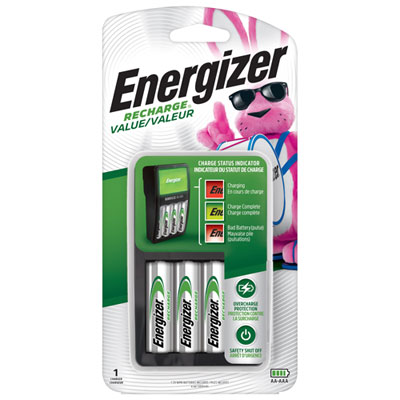 Your price for this item is $29.99
 -
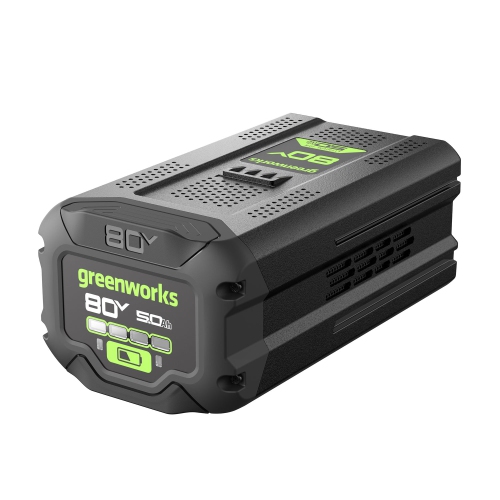 Your price for this item is $399.99
 -
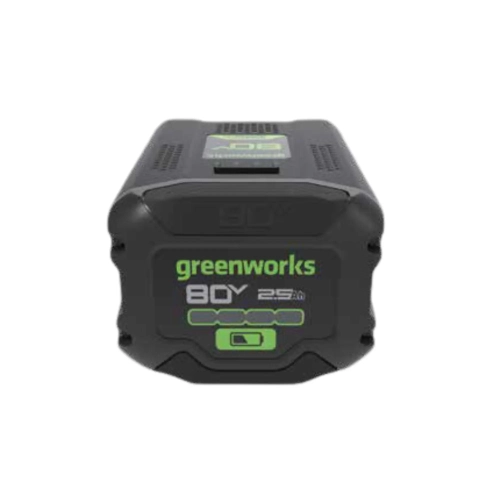 Your price for this item is $229.99
 -
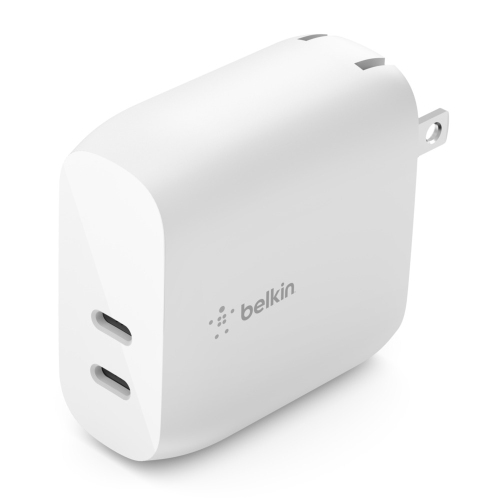 Your price for this item is $34.99
 -
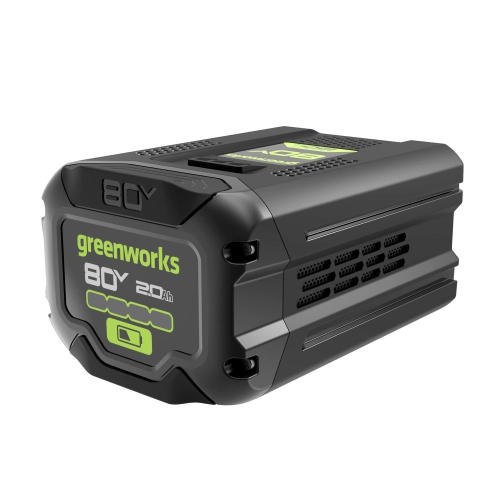 Your price for this item is $199
 -
 Your price for this item is $99.99
 -
 Your price for this item is $89.99
Discover more categories related to 12V Battery Chargers

Top Collections:
Pokemon Centers, Best Cameras for Sports Photography, Kindle Devices, Samsung Galaxy Phones, Canon G7X Cameras, Pokémon 30th Celebration Cards, Refurbished Apple Laptops, iPhone 15 Apple, Laptops for Students, Budget Smartphones
Some products may be subject to Environmental Handling Fees
(EHF) depending on your province.
Learn more about EHFs.