3 Wheel Electric Bicycles
If you're looking to add some excitement and convenience to your daily commute or leisurely rides, 3-wheel electric bicycles are the way to go. These innovative and versatile vehicles combine the best of both worlds: the stability and comfort of a tricycle with the added power and efficiency of an electric motor. Whether you're navigating through busy city streets or exploring scenic trails, these electric bicycles offer a thrilling and eco-friendly way to get around. With their sleek designs and advanced features, three-wheel electric bicycles are perfect for riders of all ages and abilities. So, hop on board and discover the freedom and joy that these remarkable machines have to offer.
Sort
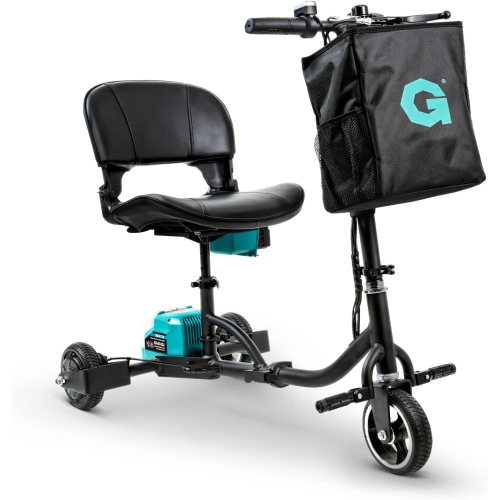
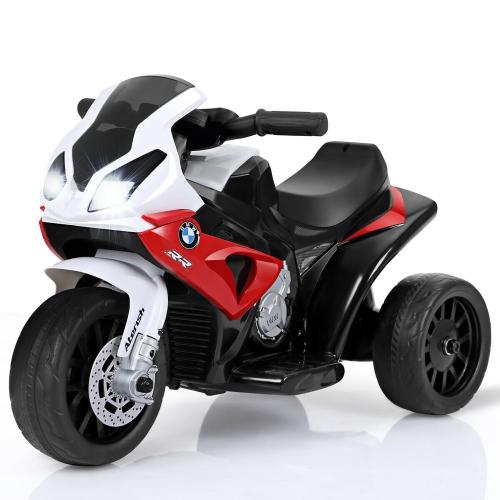
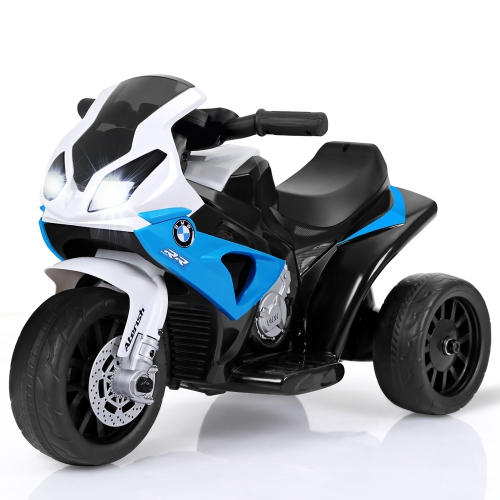
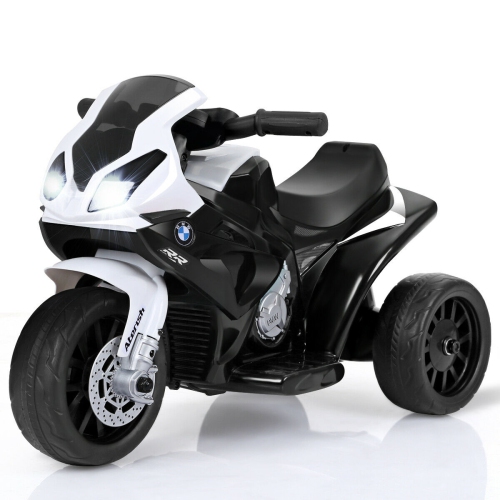








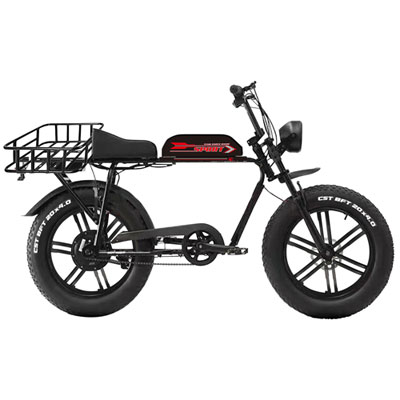


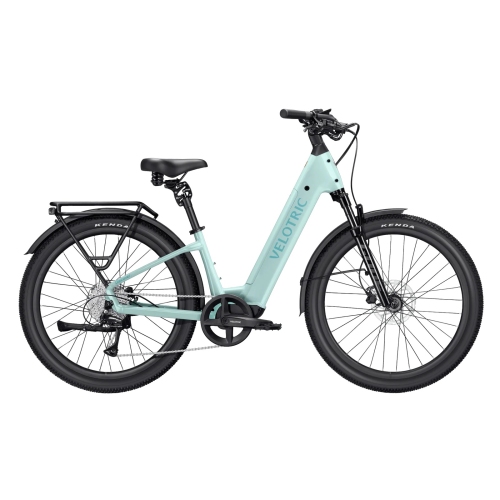
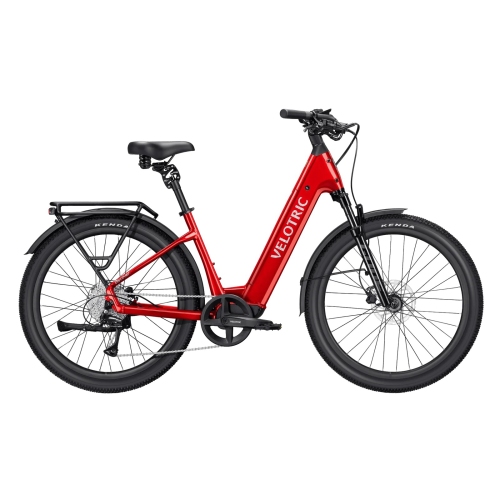
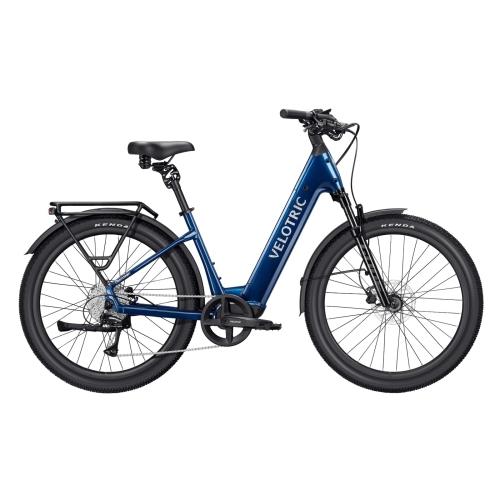
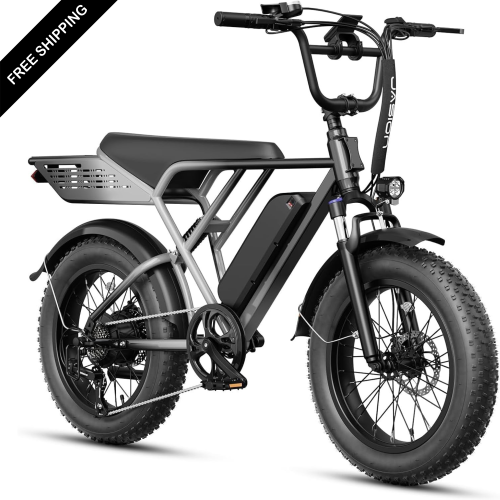
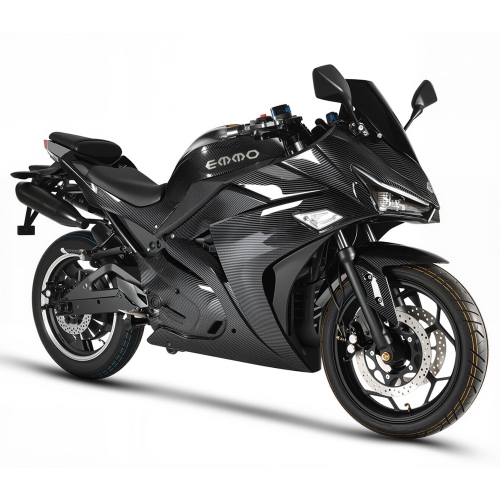
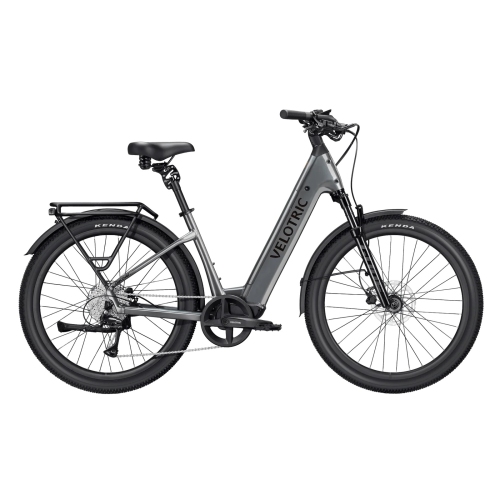

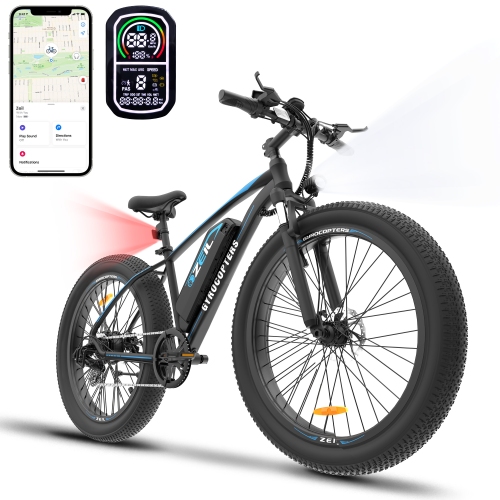

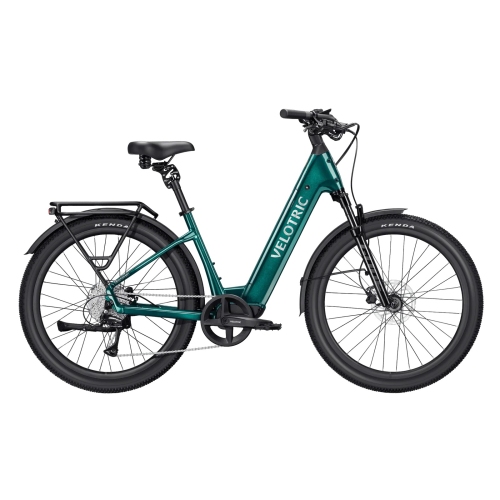


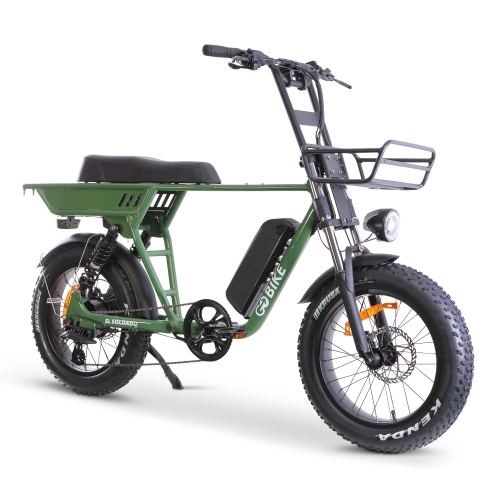
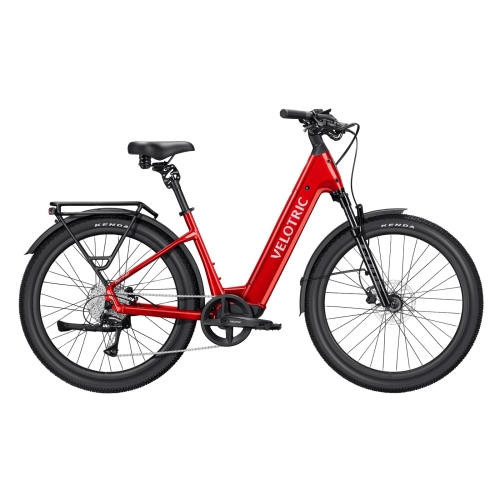
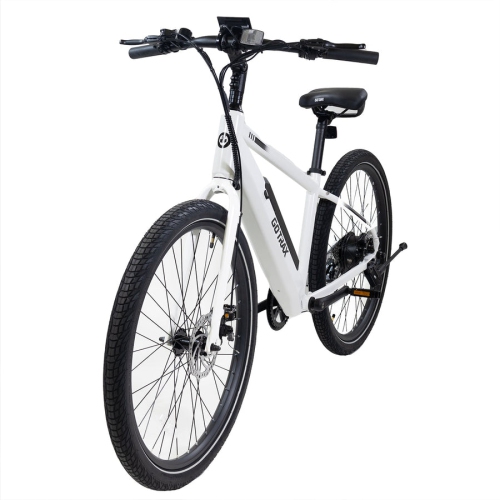
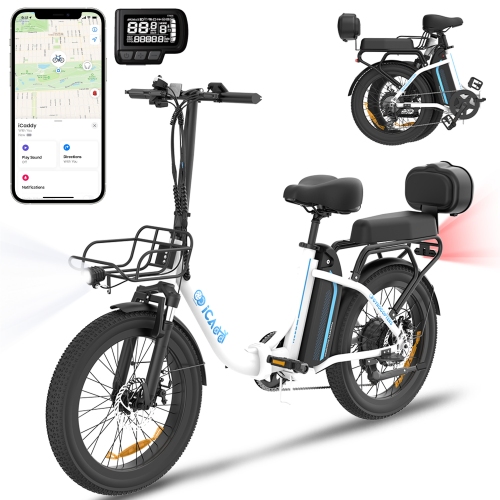

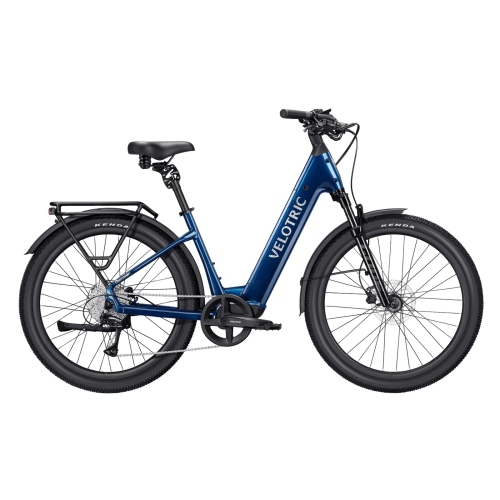
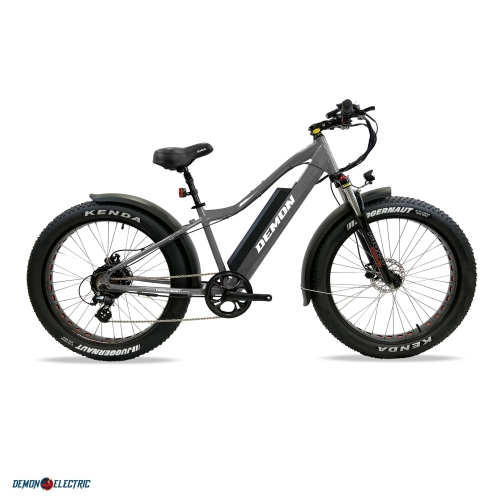
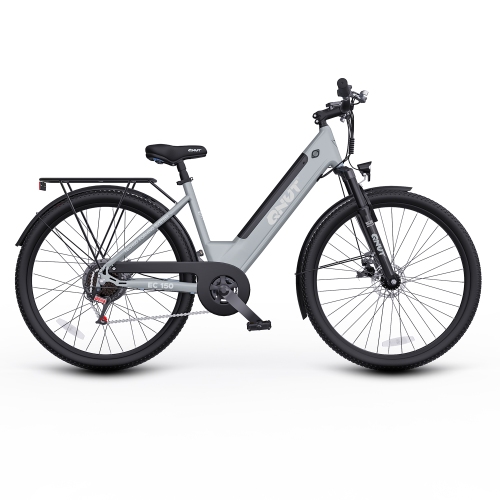
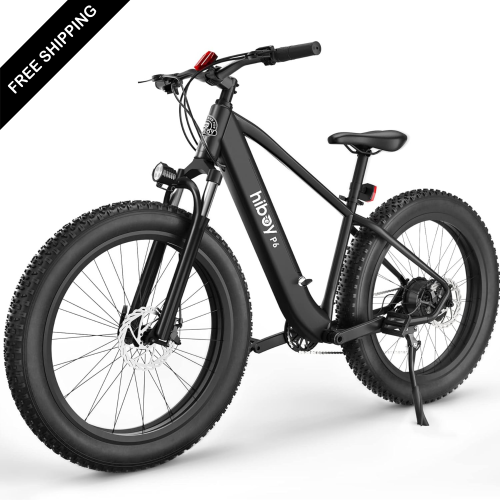
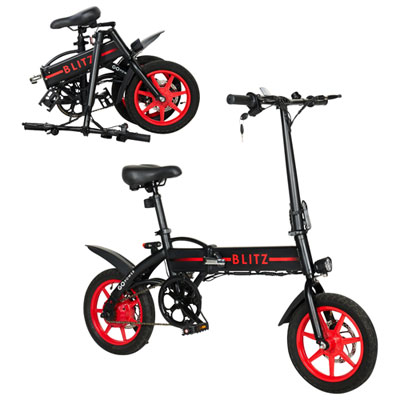


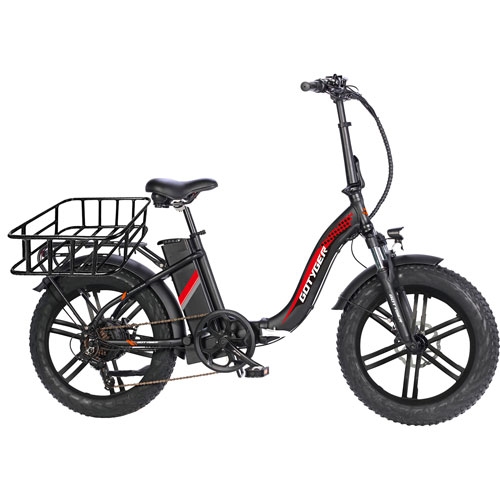
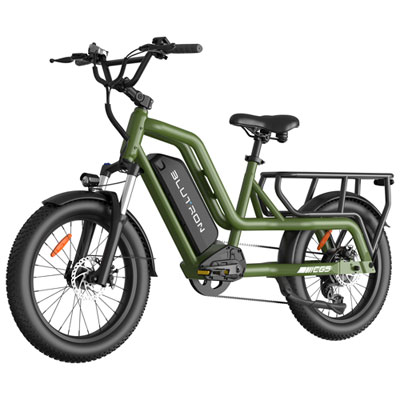




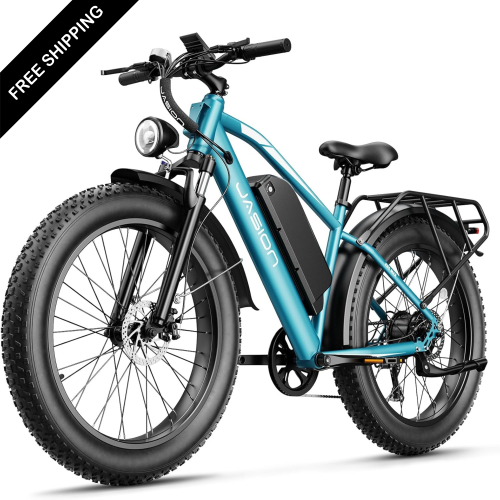


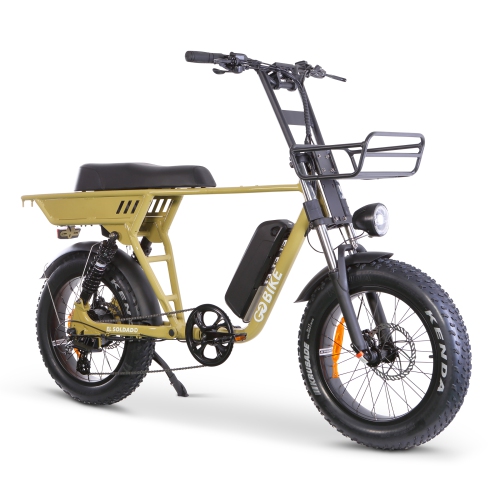
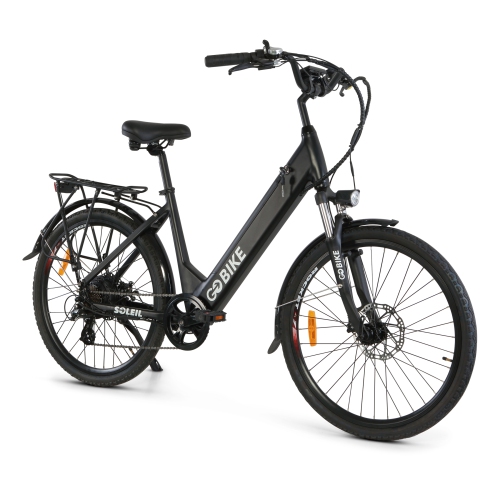

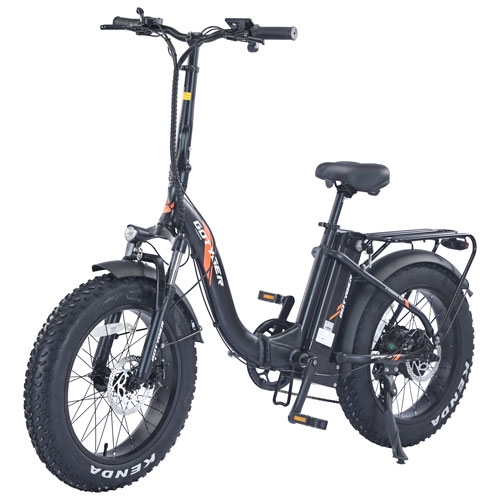

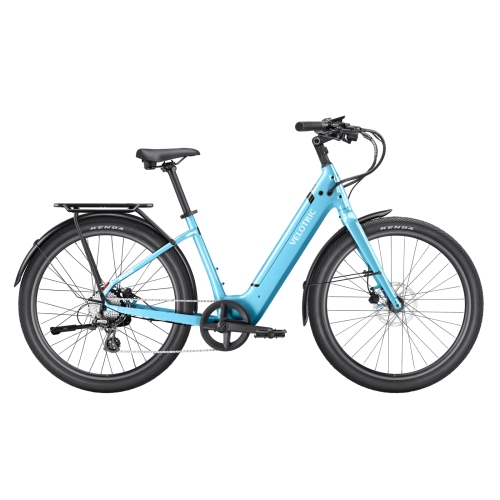

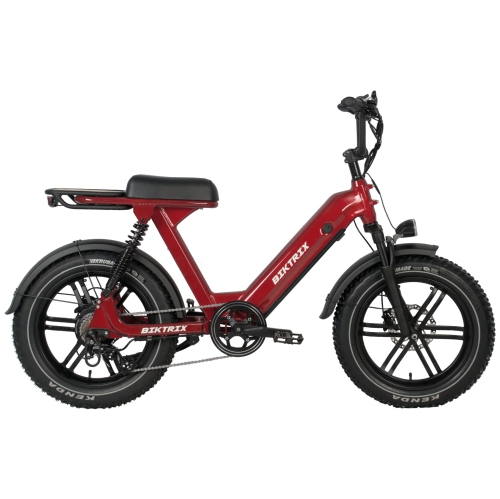
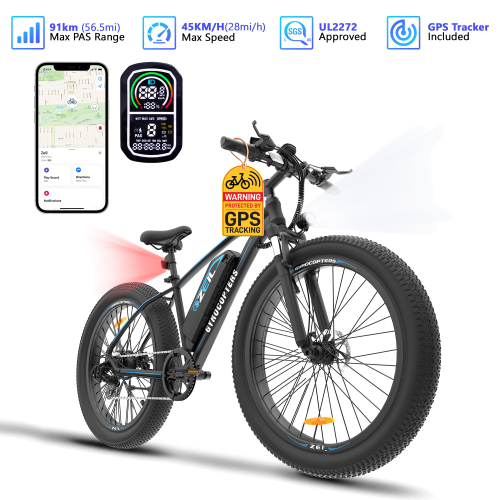

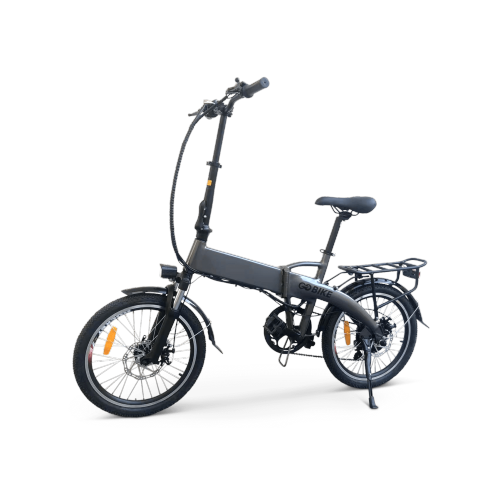

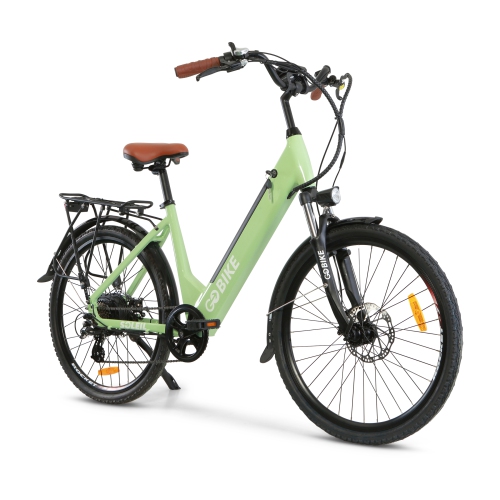
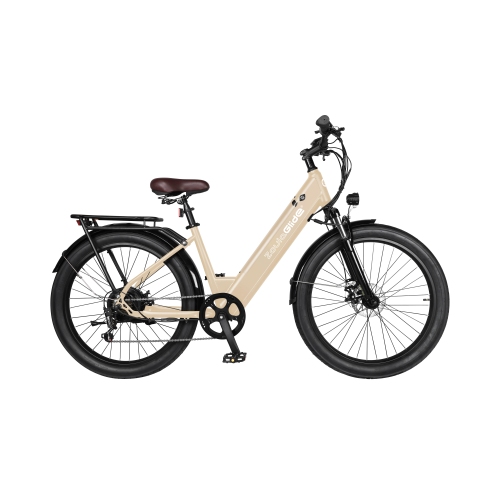
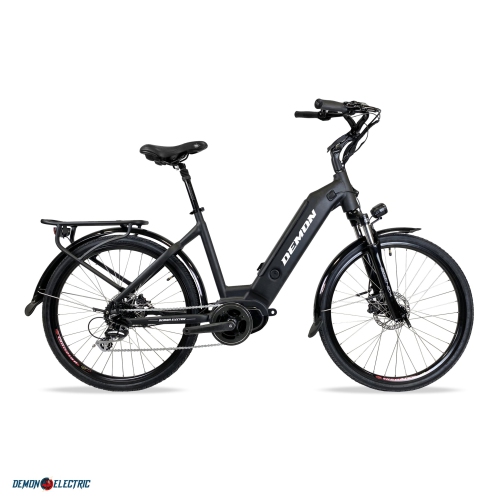
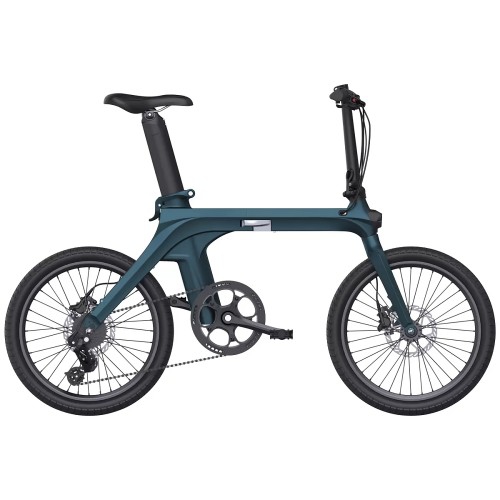

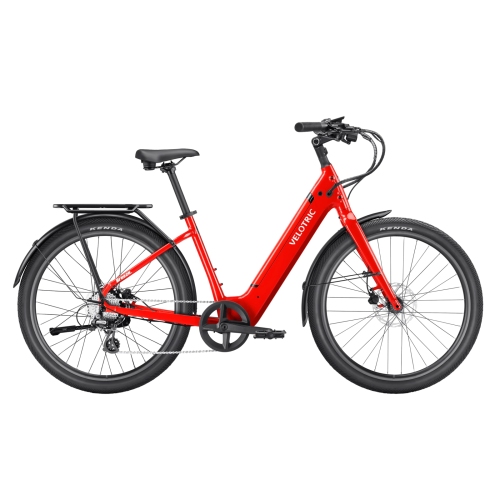
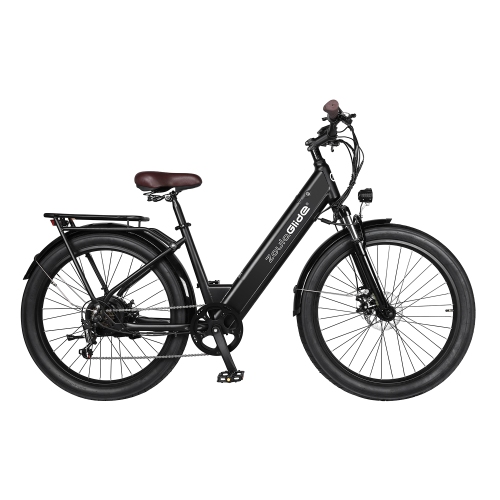
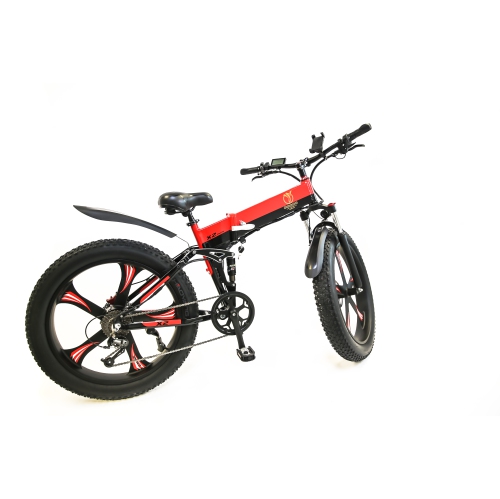
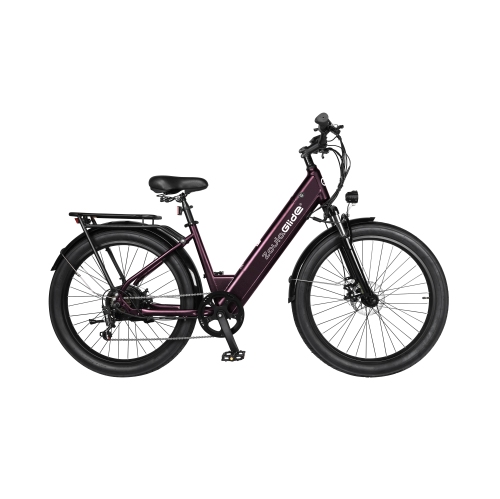
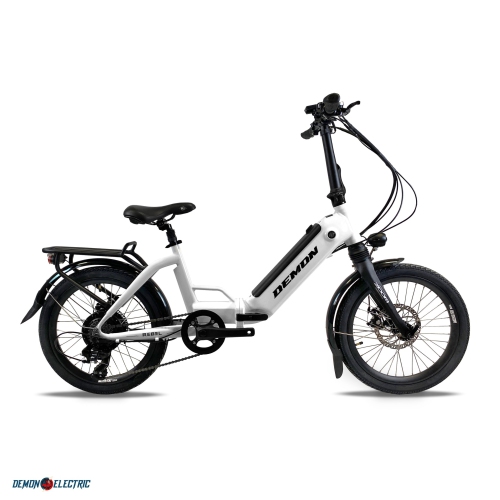

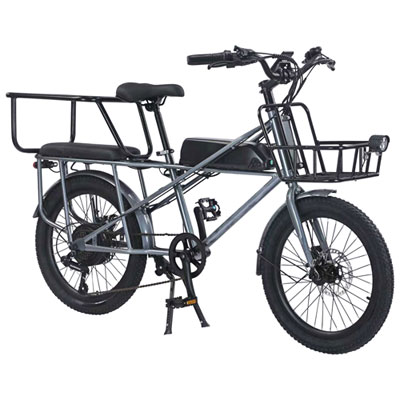
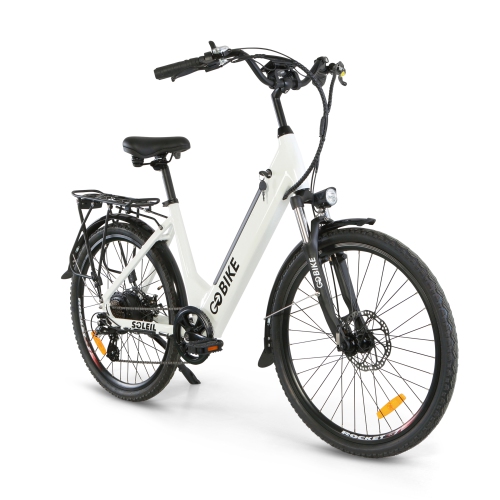
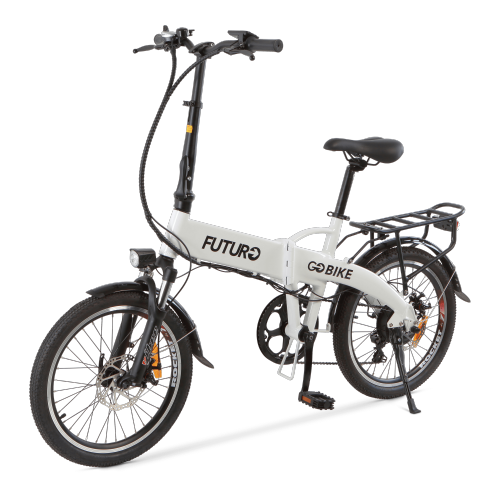
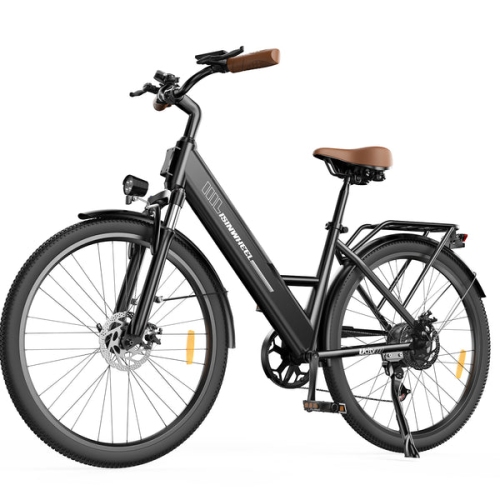
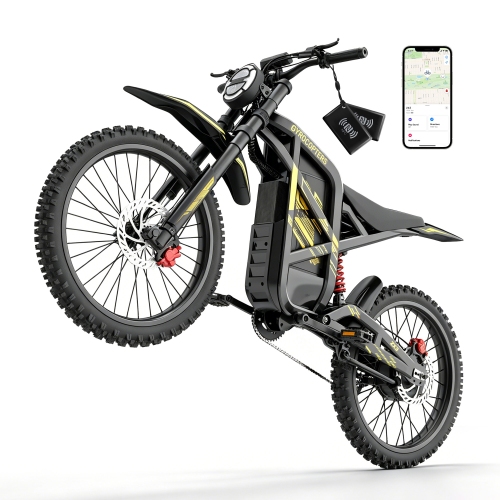
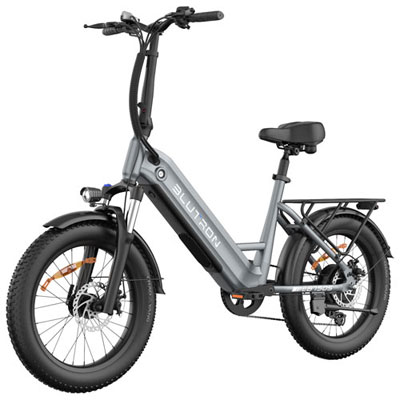

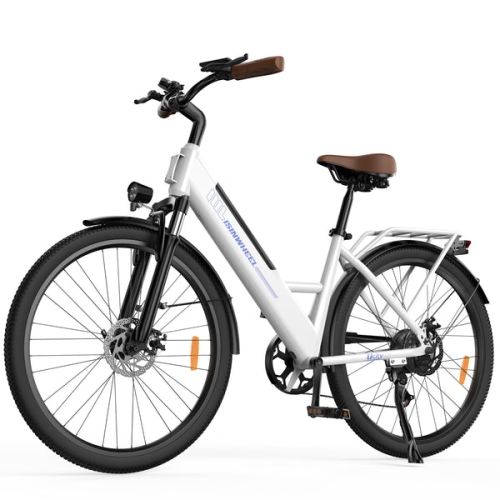
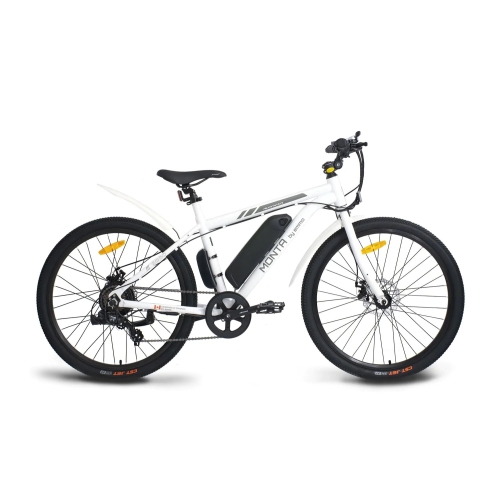
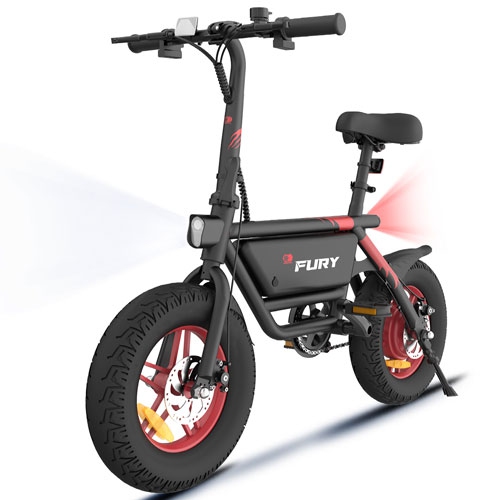
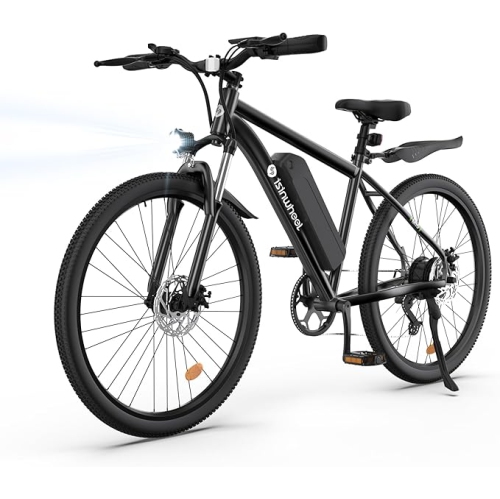
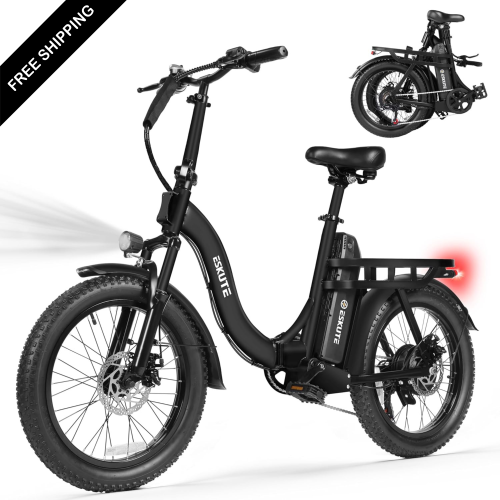
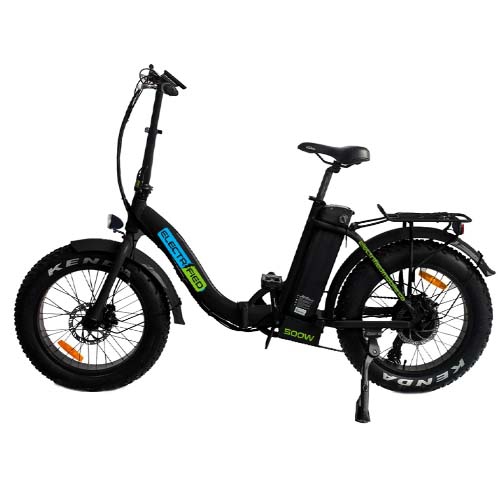
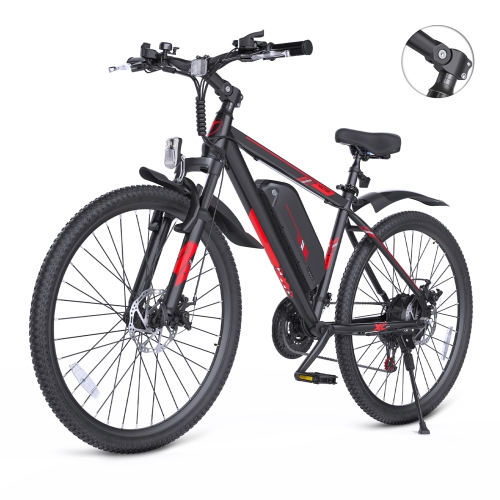
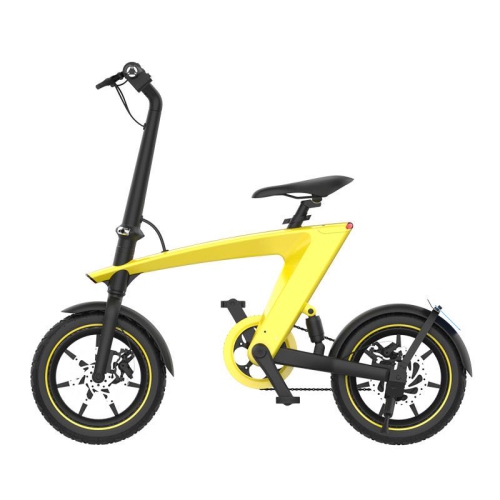
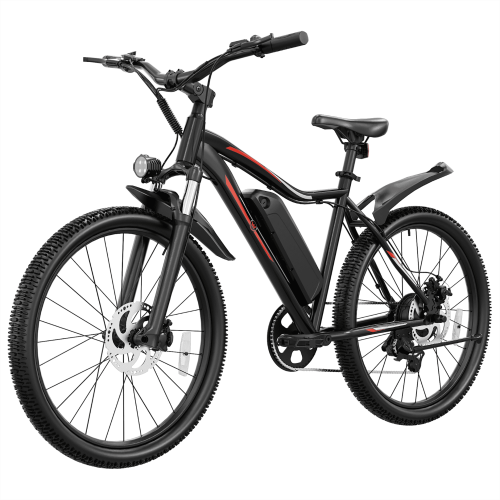
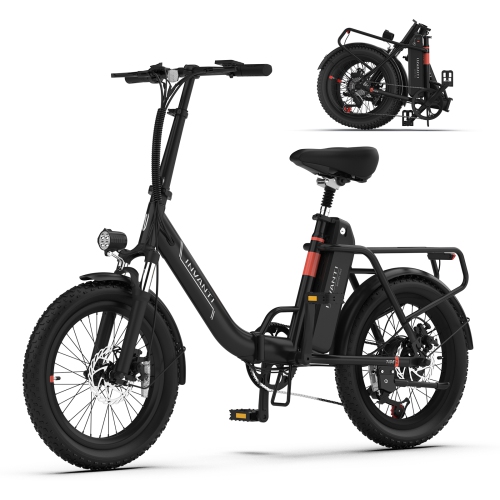

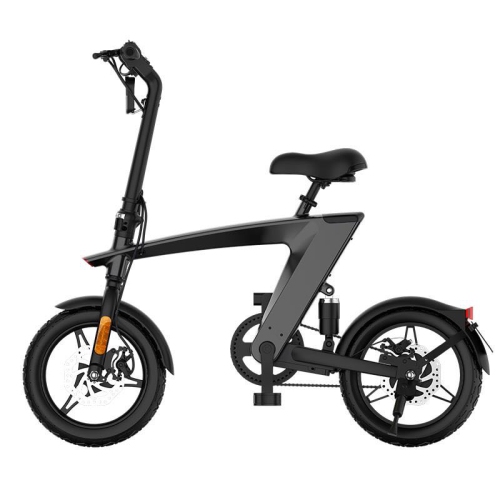
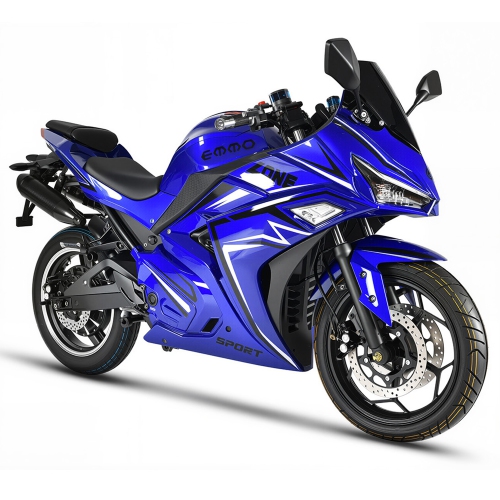
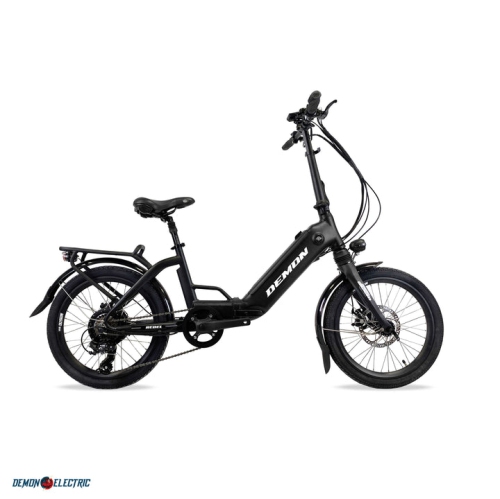
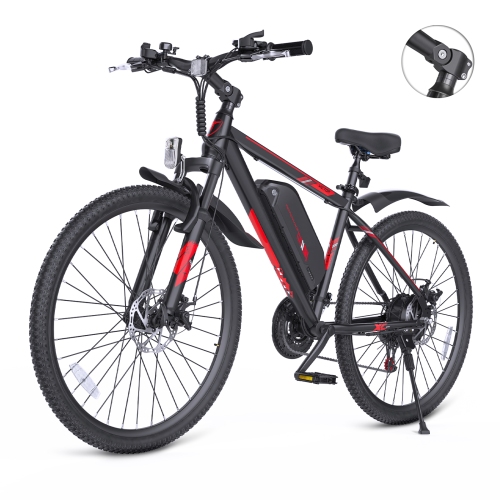
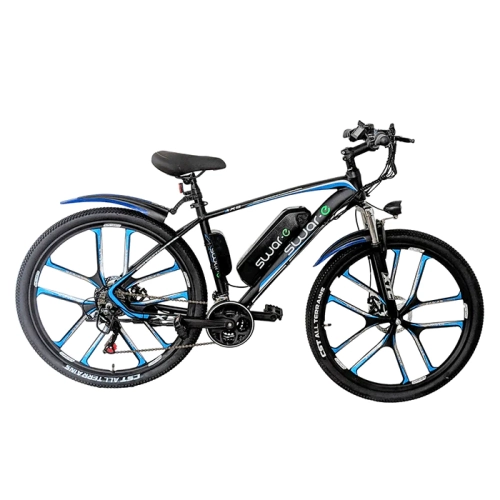
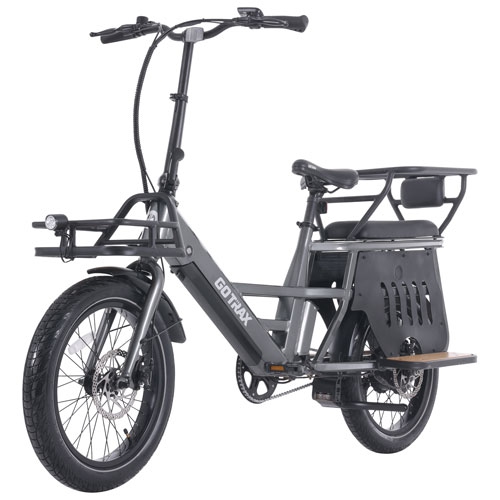
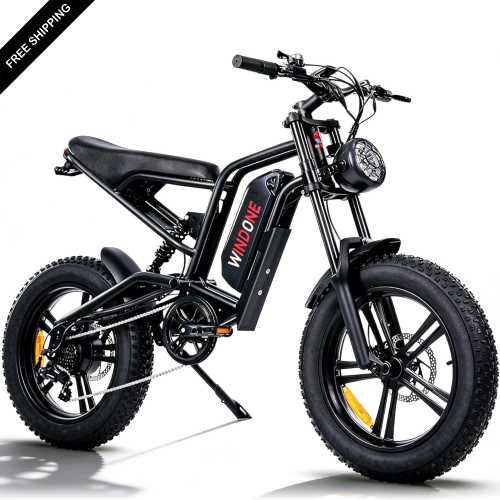


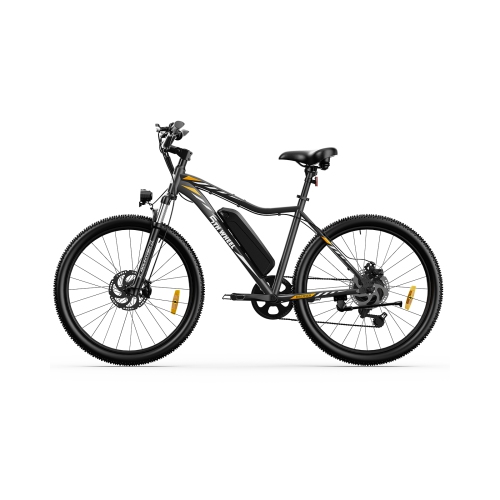
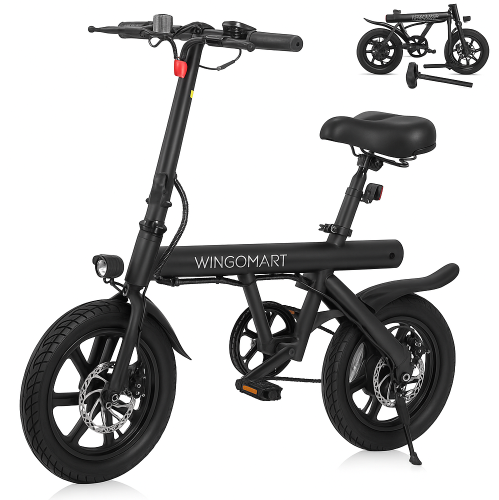
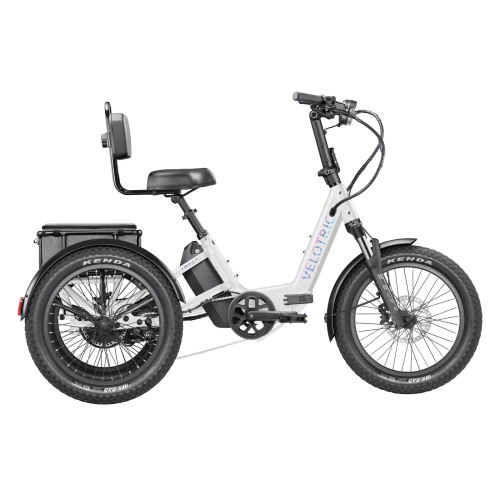
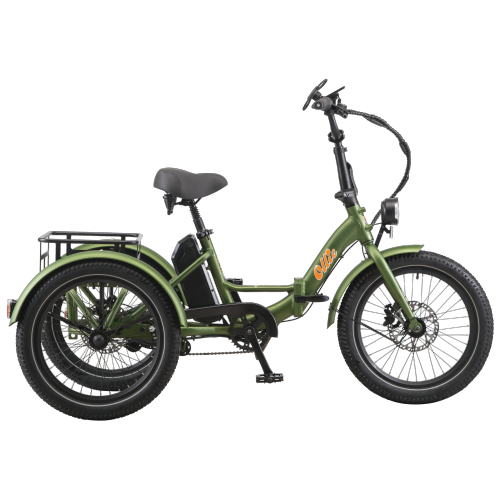
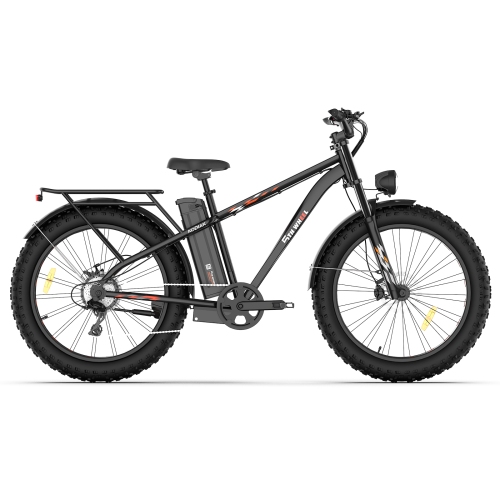
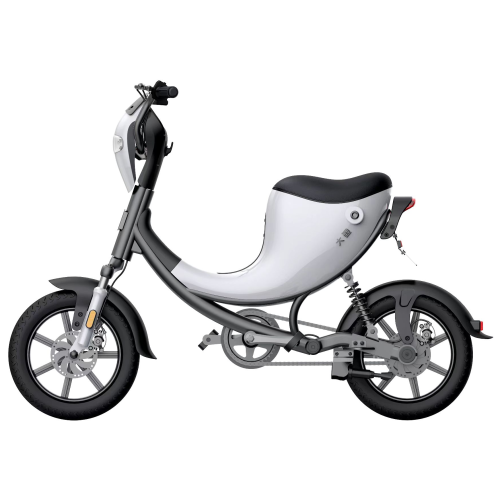
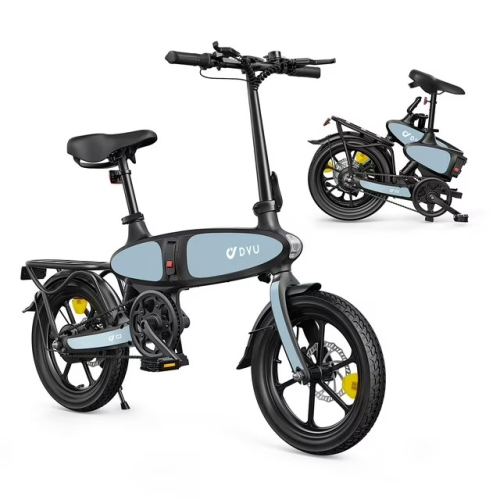
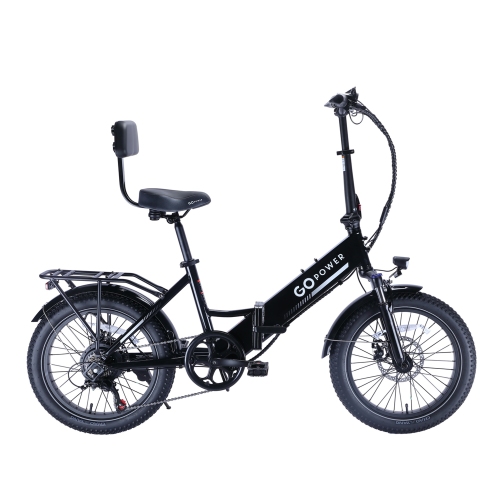
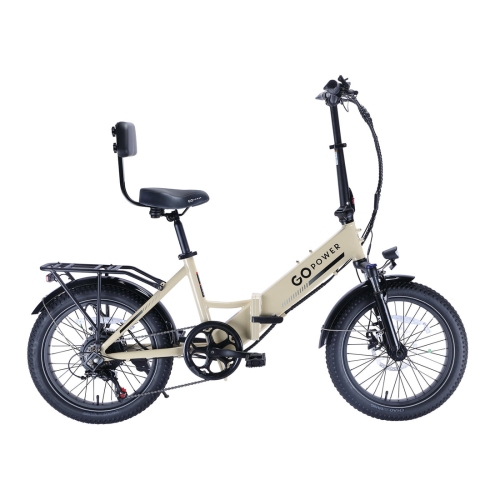
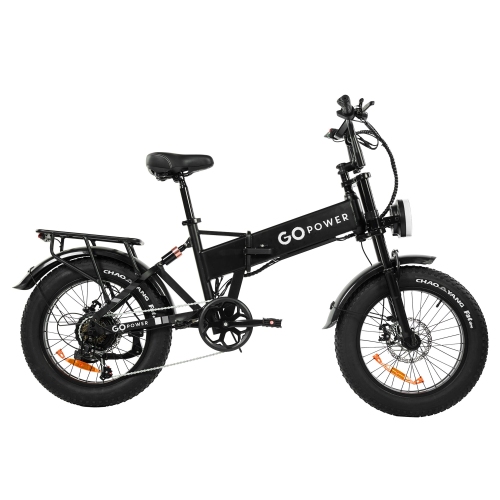
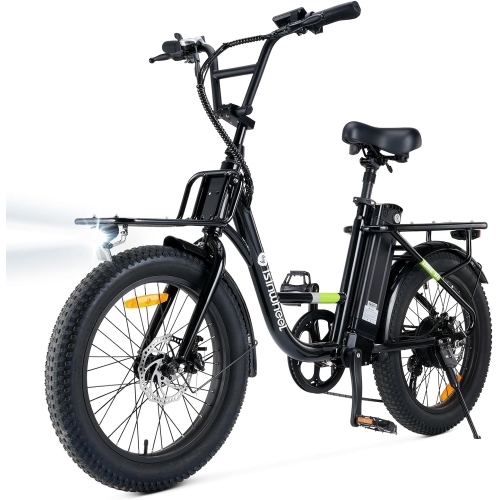
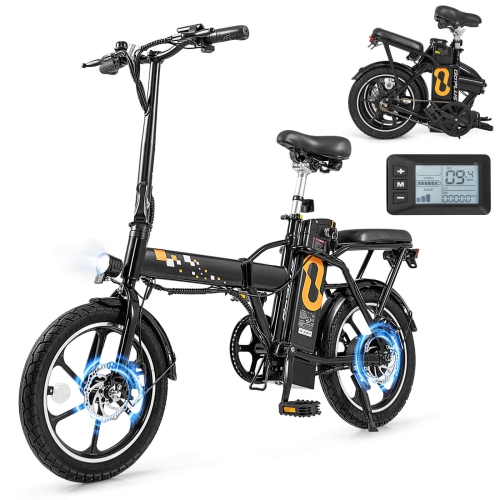
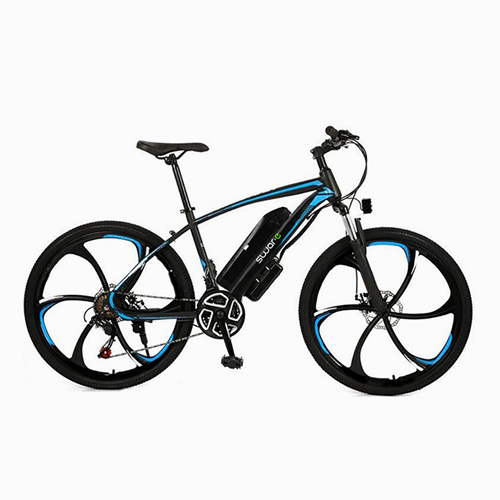

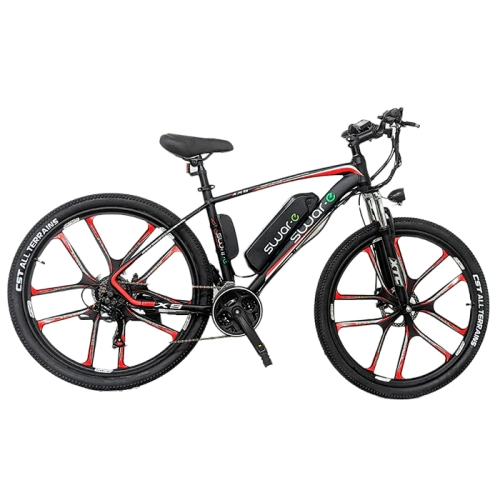
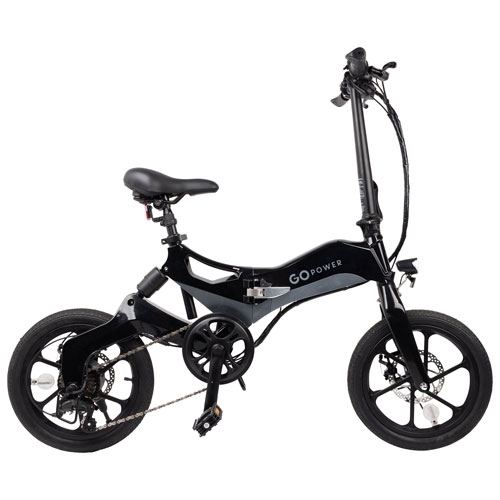
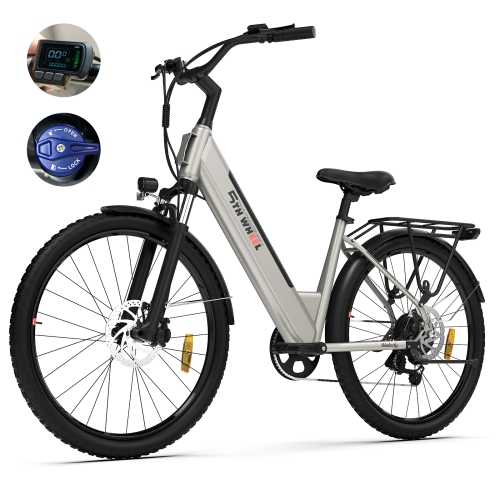
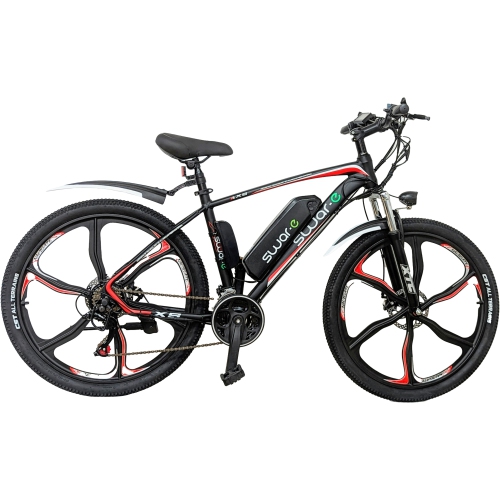
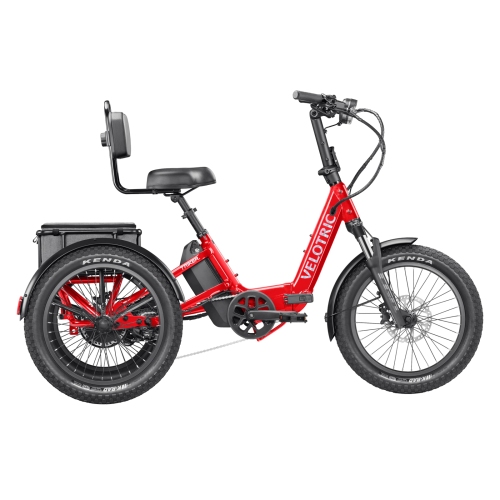
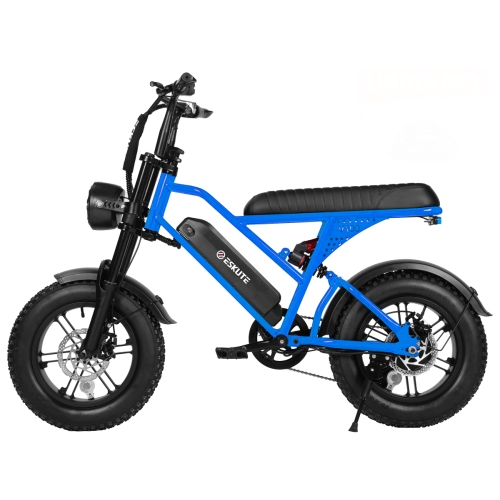
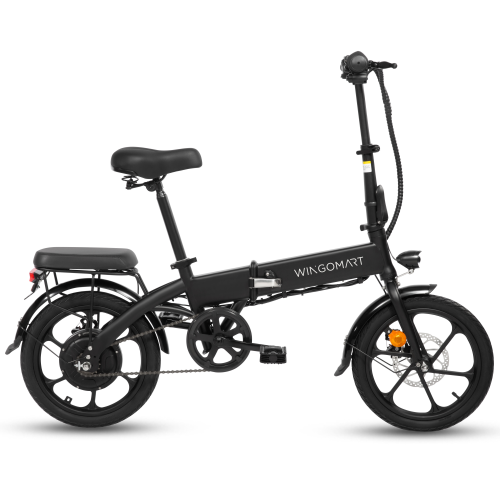

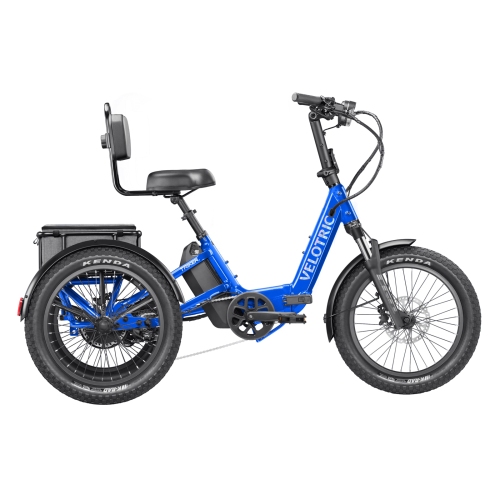


A steadier way to ride, carry cargo, and explore
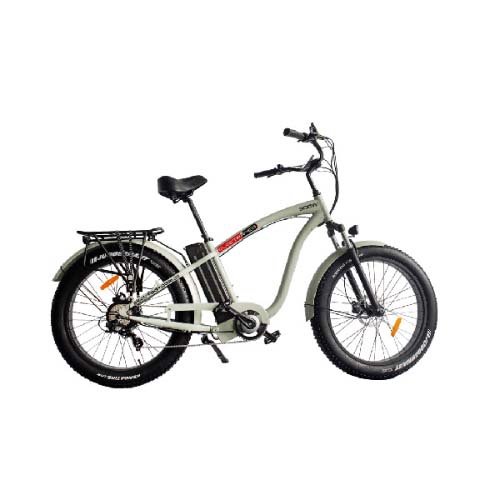
3 Wheel Electric Bicycles, also called electric trikes or e-trikes, combine the familiar feel of pedalling with battery-assisted power and the added stability of a three-wheel frame. Unlike a traditional two-wheel bicycle, an electric tricycle can remain upright when stopped, which can make it appealing to riders who are less comfortable balancing at a traffic light, beside a park bench, or while loading groceries. The upright riding position on many designs provides a clear view of the road and may feel more relaxed for neighbourhood rides, errands, and visits with family or friends. Electric assistance helps reduce the effort needed to start from a stop, climb a gentle hill, or travel farther than you might manage on pedal power alone. Working pedals are still an important part of the experience, allowing you to choose how much exercise you want on a particular outing. Some riders use the motor for most of the journey and add more pedalling on level paths, while others treat the assistance as a helpful boost when carrying a load or riding into a breeze. The three-wheel format may also suit older adults, people rebuilding confidence after time away from cycling, and anyone who values a steady platform for casual transportation. It can be a thoughtful gift for an active parent, grandparent, or partner who enjoys getting outdoors but would appreciate extra support on everyday rides. Before choosing one, consider the rider’s height, reach, comfort with the controls, and ability to mount and dismount. A low step-through frame can be easier to access, while an adjustable seat and handlebar can help create a more natural riding position. Try to picture the complete routine: rolling the trike out of storage, placing a helmet and water bottle within reach, starting the motor, and navigating the first turn at the end of the driveway. Those small details often matter as much as motor output or battery capacity.
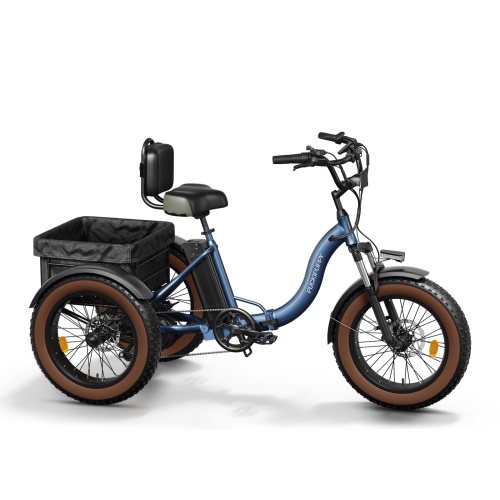
Storage and carrying needs are central when comparing 3 Wheel Electric Bicycles. Many electric trikes include a front basket, rear cargo area, or another built-in place for groceries, a backpack, gardening supplies, picnic items, or a small parcel. Think about the kind of load you expect to carry and how it will sit on the frame. A broad rear basket can be practical for a weekly shop, while a front basket may keep lighter belongings visible and easy to reach. Secure straps or a covered bag can help prevent items from shifting over uneven pavement. Remember that a loaded trike handles differently from an empty one, so gradual starts and slower turns are sensible habits. Wheel placement, frame length, tyre width, and overall width can affect how easily the trike fits through a doorway, into a shed, or beside a vehicle. A folding design may be useful where storage space is limited, but confirm the folded dimensions and weight before assuming it will be convenient to lift. Battery range is another important consideration, and advertised distance can vary according to rider weight, cargo, terrain, temperature, tyre pressure, assistance level, and how often the motor is used. For dependable planning, select a range that leaves room for detours and changing conditions rather than matching the shortest distance you expect to travel. Charging time, battery removal, charger storage, and replacement availability are also worth checking. On a typical ride, a fully charged battery can help you travel along paved paths, residential streets, and smooth multi-use routes, but an electric trike is not automatically suited to every trail. Look for suitable tyres, suspension features, ground clearance, and weather guidance if your regular route includes rough pavement or compacted paths. Braking performance is particularly important on a heavier, cargo-carrying trike. Disc brakes may provide confident stopping, and an easy-to-reach brake lever, bright lights, reflectors, bell, and rear visibility features can make the ride feel more controlled in changing light. A parking brake or locking feature can also be useful when loading the basket or leaving the trike on a slight incline.
Turning technique deserves special attention because the two rear wheels or two front wheels do not track exactly like a bicycle wheel. A model with a rear differential allows the left and right wheels to rotate at different speeds through a turn, which can support smoother cornering and reduce unnecessary tyre drag. Riders should still approach corners at a manageable speed, keep both hands on the handlebars, and avoid abrupt steering movements. Practising in an open, quiet area can help build familiarity with the turning circle, throttle or pedal-assist controls, reverse function if included, and stopping distance before riding near traffic. Always follow the owner’s instructions and local road rules, and use a properly fitted helmet. In Canada, power-assisted bicycle requirements can vary by province and territory, so check the rules where the trike will be used. In many jurisdictions, an electric bicycle that meets local power and speed limits, includes working pedals, and follows required equipment rules may not need a driver’s licence or insurance; however, classifications, age requirements, helmet rules, permitted paths, and municipal restrictions can differ. A commonly referenced Canadian limit is a motor rated at 500 W or less and assistance that stops at 32 km/h, but the exact requirements should be confirmed with the relevant provincial or territorial authority rather than assumed. During the cooler months, battery performance may change, roads can become damp or slippery, and daylight can fade earlier, making pre-ride checks especially useful. Keep the battery and charger within the temperature range recommended by the manufacturer, inspect the brakes and tyres, and plan routes with good visibility and safe surfaces. Whether it is used for a gentle morning loop, a trip to a nearby shop, or carrying supplies to a family gathering, an electric trike can bring practical mobility and a comfortable sense of independence. Riders seeking a different three-wheel format for shorter trips can also explore 3 Wheel Scooters when comparing seating, controls, storage, and intended use.
Top selling and popular products
-
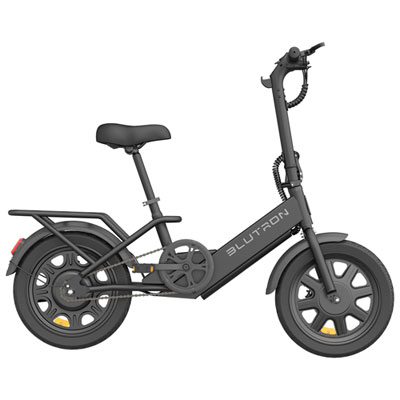 Your price for this item is $499.99
-
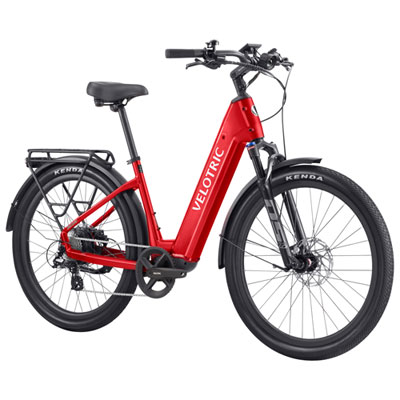 Your price for this item is $2499.99
-
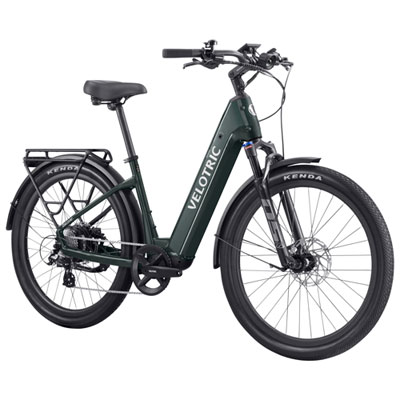 Your price for this item is $2499.99
-
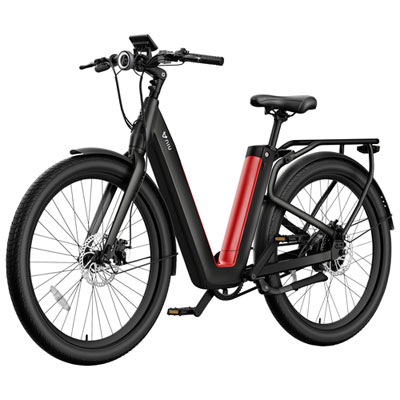 Your price for this item is $2699.99
-
 Your price for this item is $899.97
-
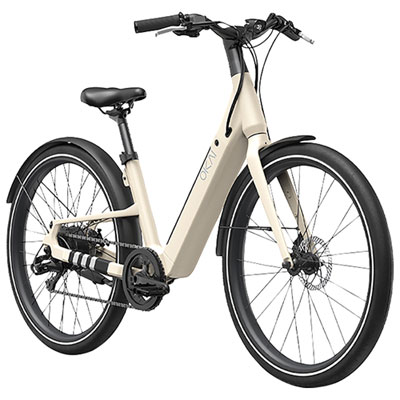 Your price for this item is $2199.99
-
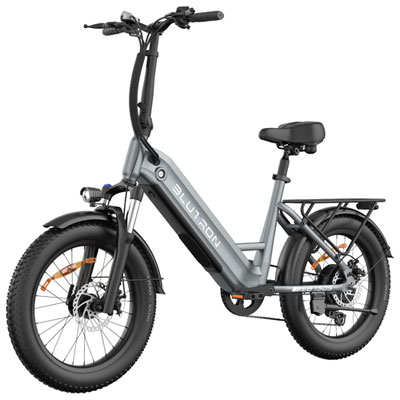 Your price for this item is $999.99
-
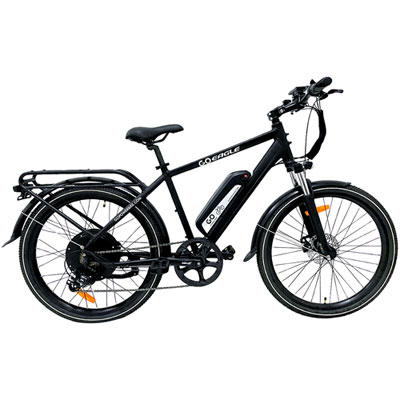 Your price for this item is $1399.97
Discover more categories related to 3 Wheel Electric Bicycles
Top Collections:
Pokemon Centers, Best Cameras for Sports Photography, Kindle Devices, Samsung Galaxy Phones, Canon G7X Cameras, Pokémon 30th Celebration Cards, Refurbished Apple Laptops, iPhone 15 Apple, Laptops for Students, Budget Smartphones
Some products may be subject to Environmental Handling Fees
(EHF) depending on your province.
Learn more about EHFs.