3 Wheel Electric Motorcycles
If you're looking to embrace the thrill of the open road on three wheels, look no further than these three-wheel electric motorcycles. Combining the excitement of traditional motorcycles with the eco-friendly benefits of electric power, these innovative vehicles offer a unique and exhilarating riding experience. Whether you're a seasoned rider or a beginner looking to explore new adventures, this range of 3-wheel electric motorcycles has something for everyone.
Sort
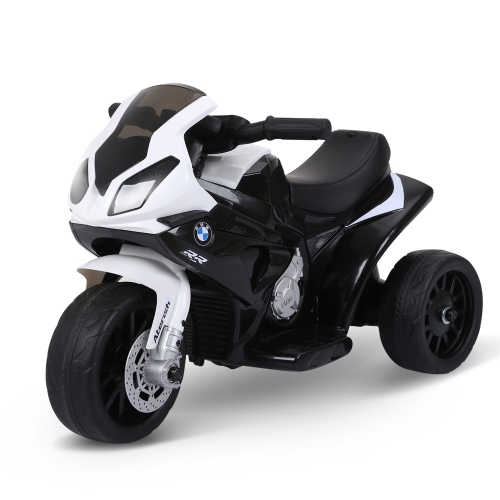
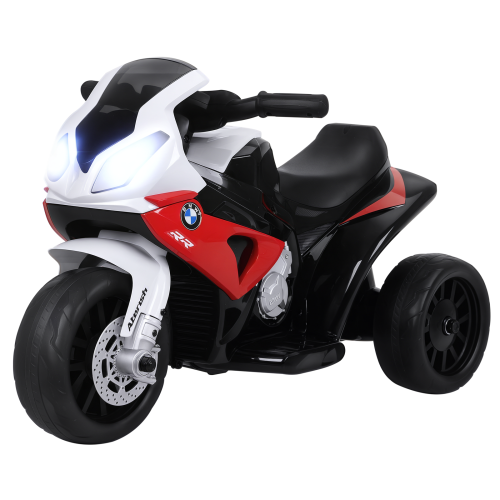
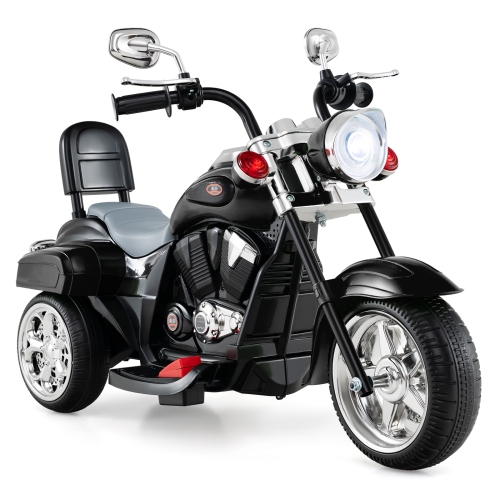
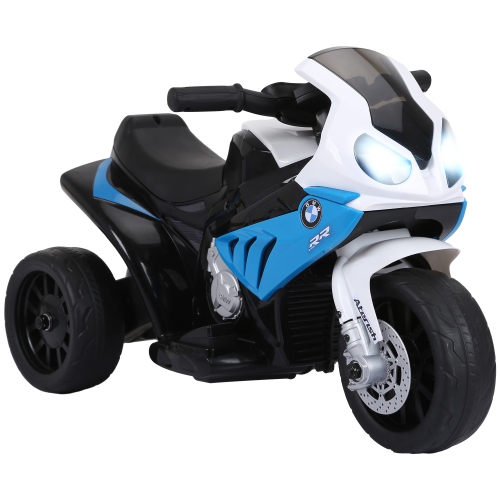
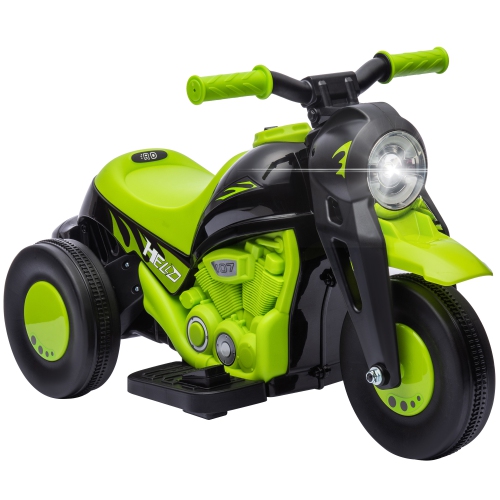
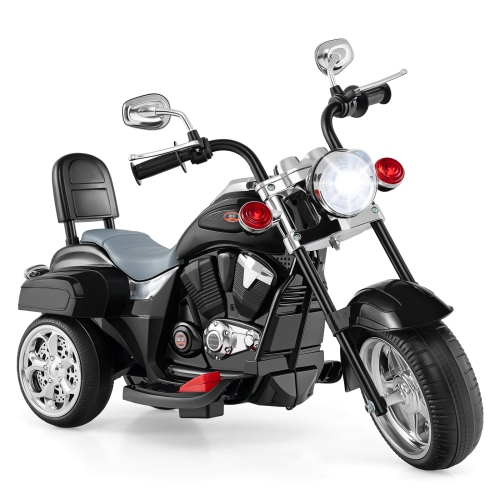
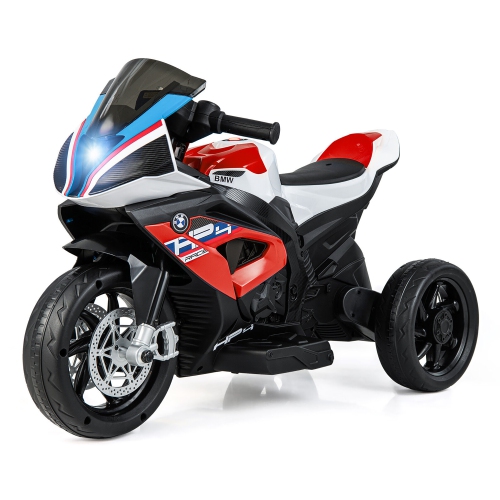
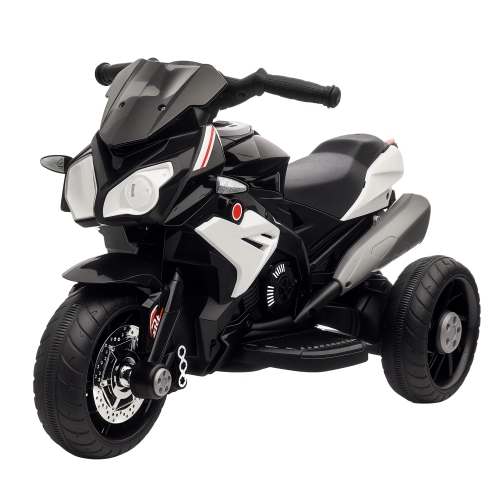
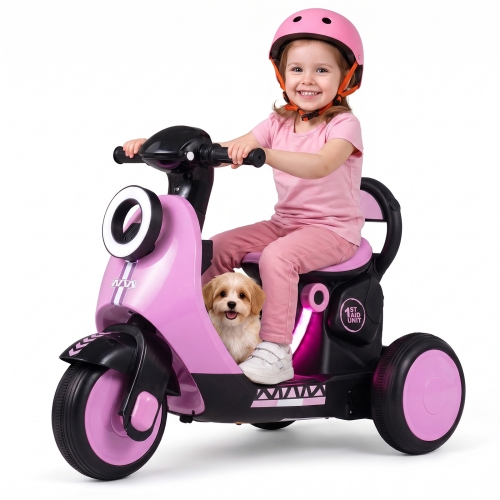
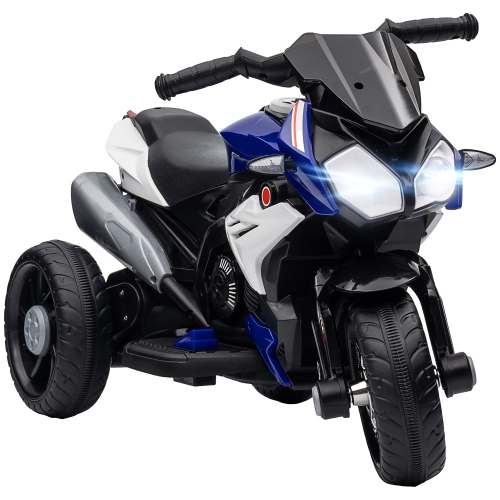
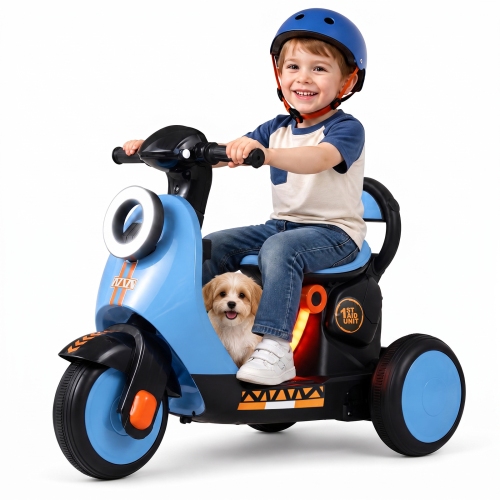
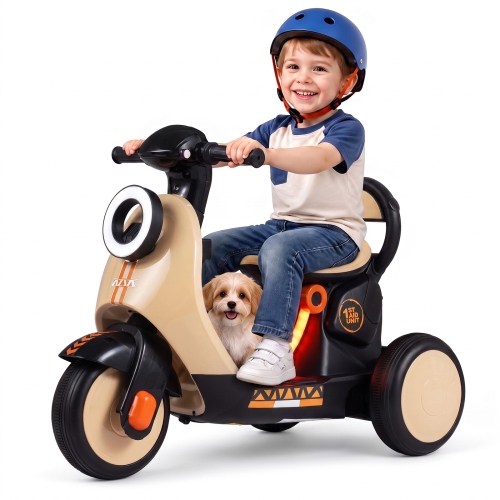
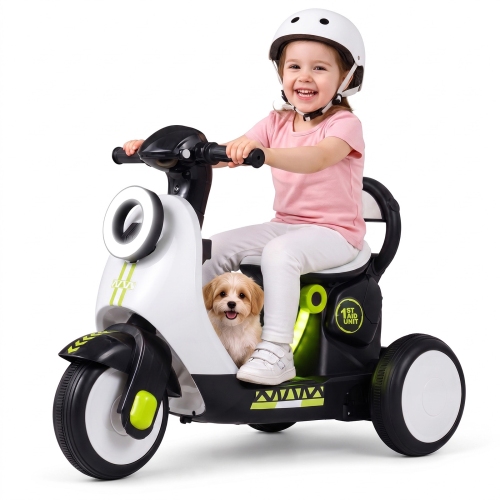
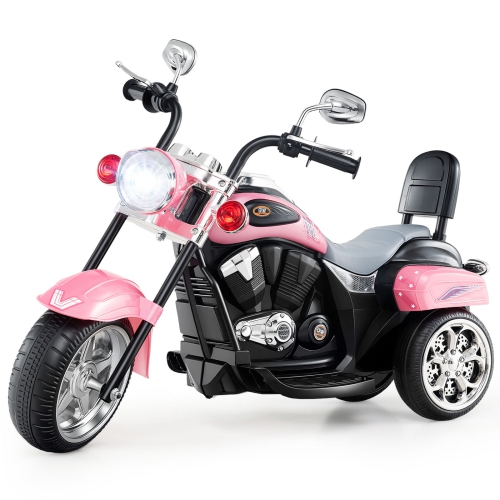
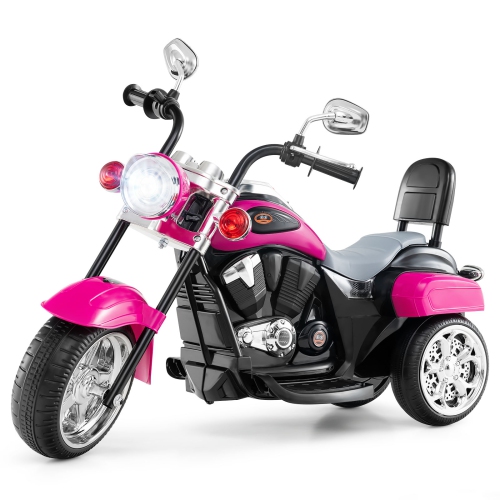
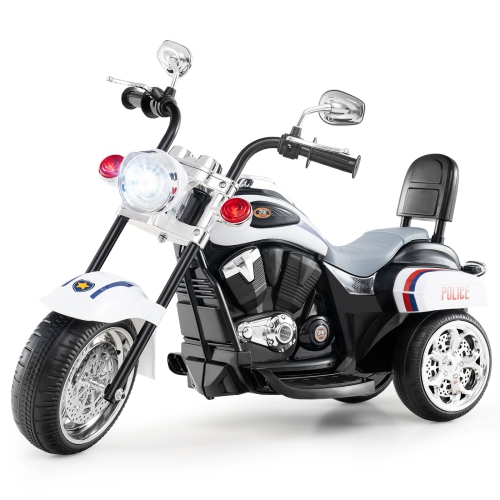
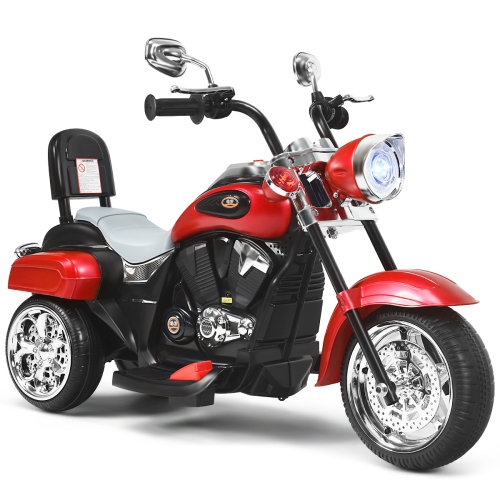
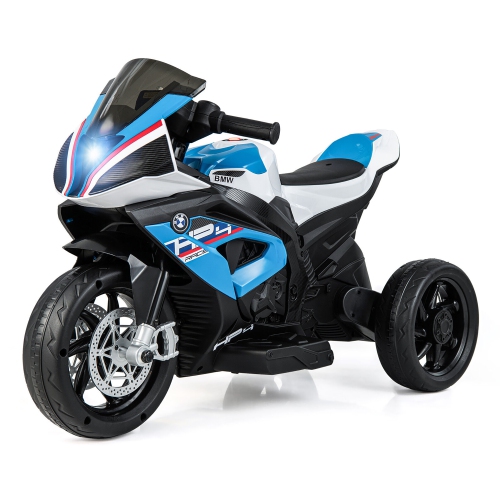
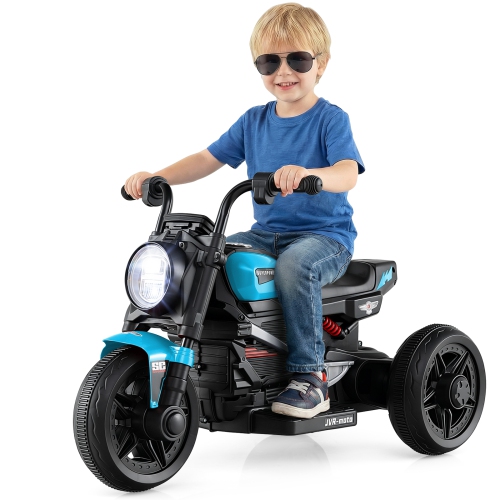
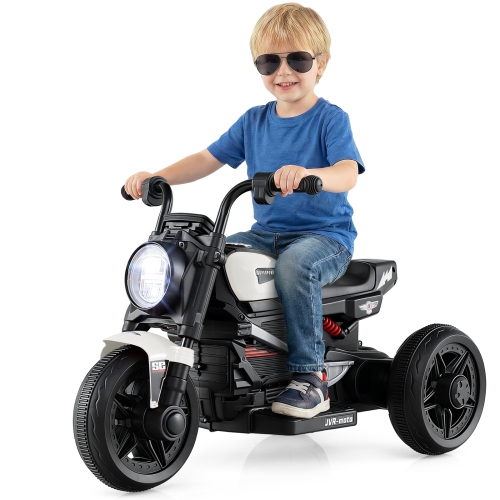
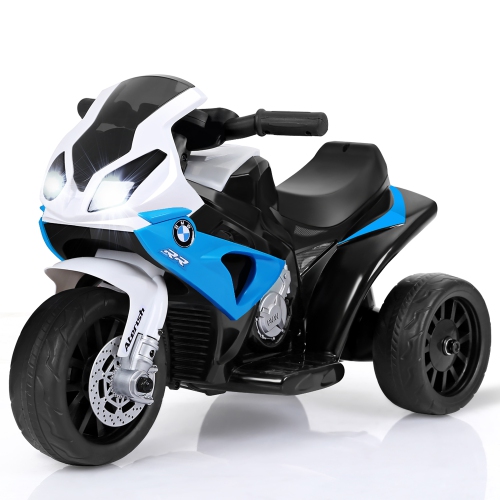

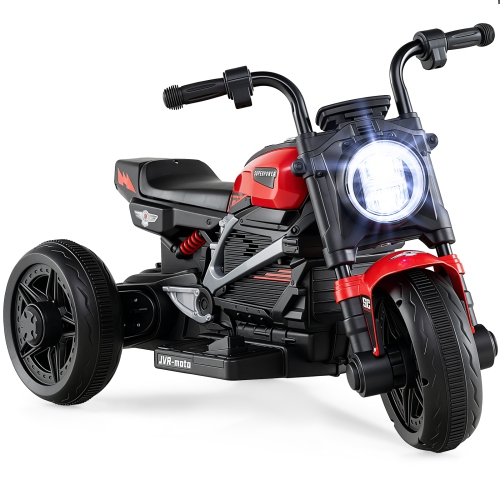
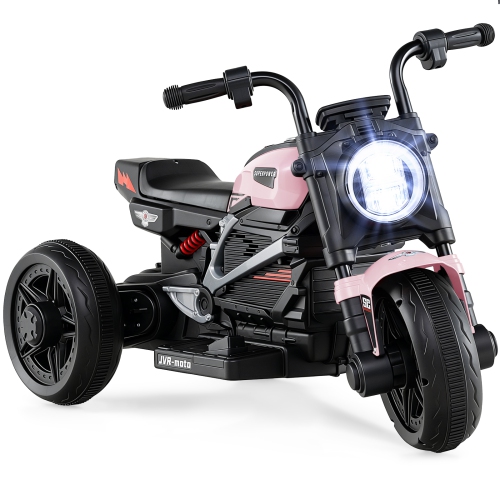
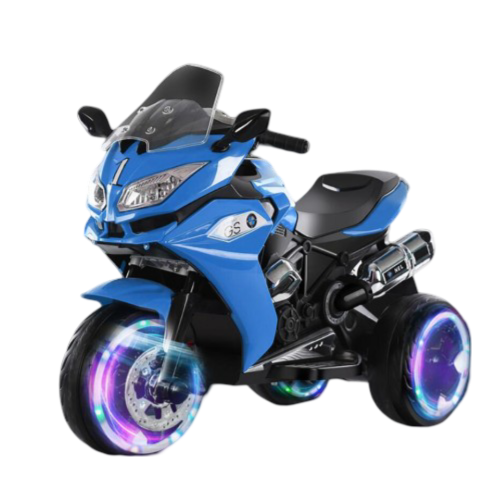
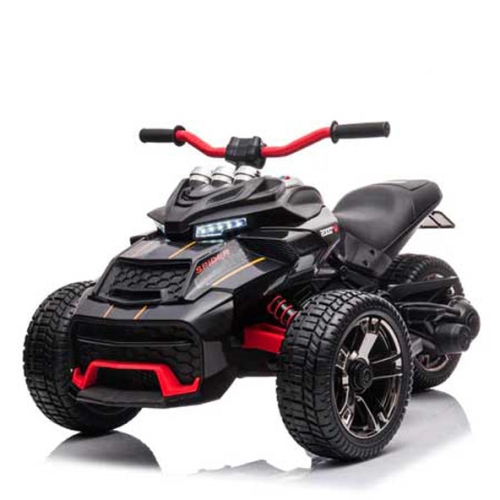
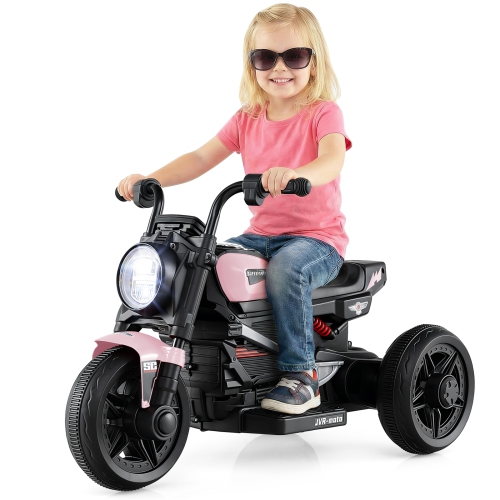
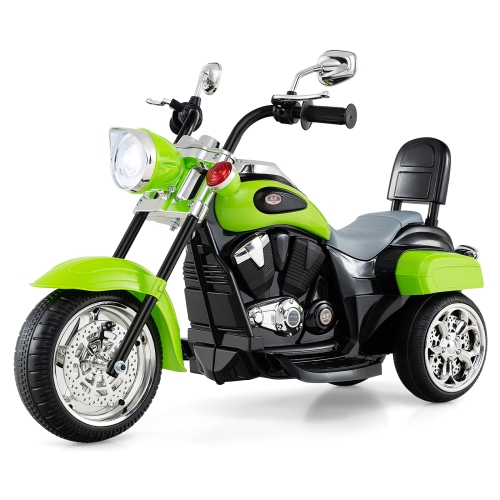
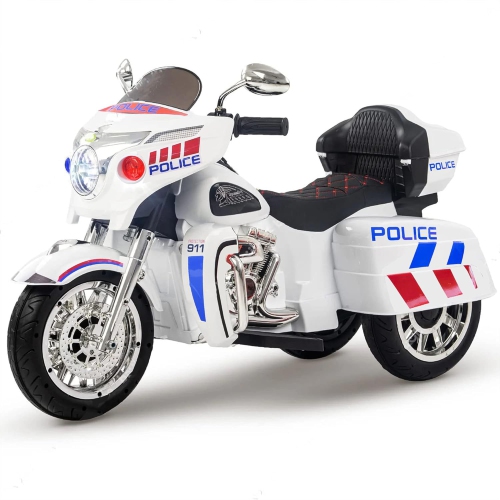
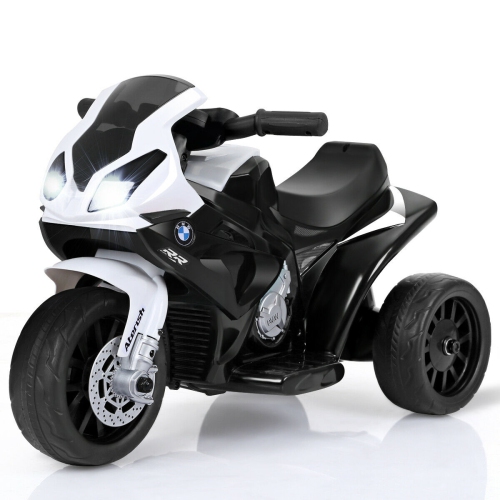
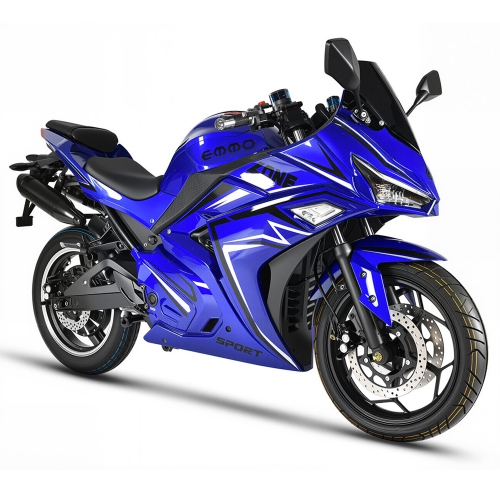
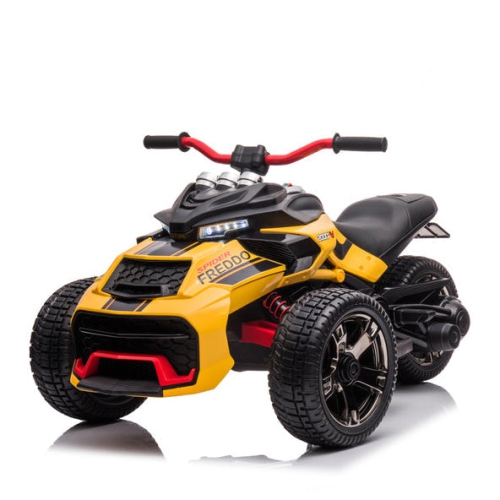
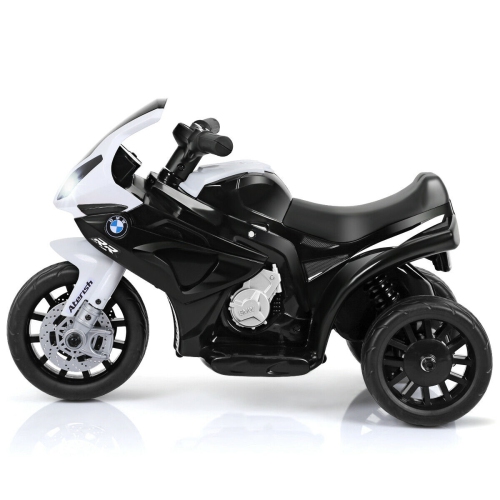
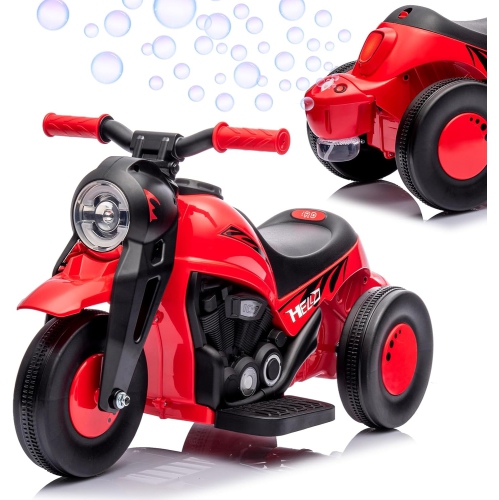
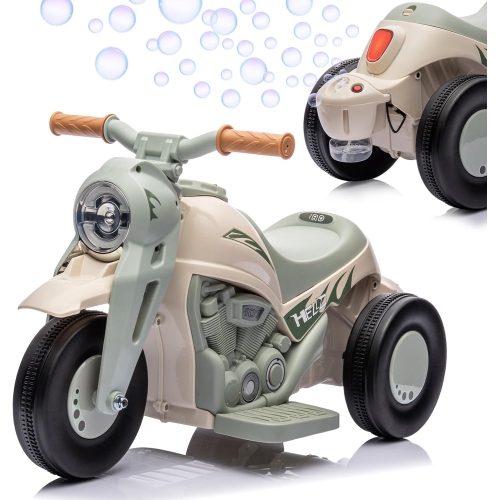
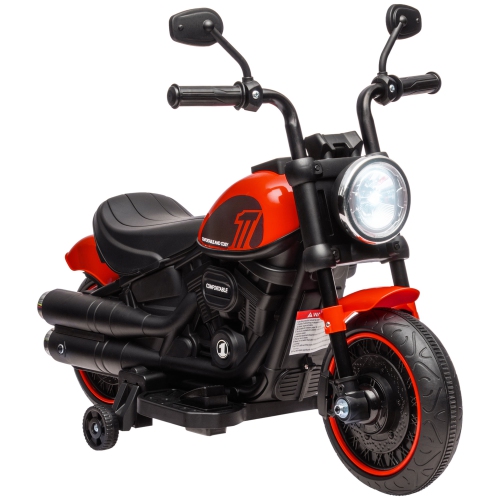

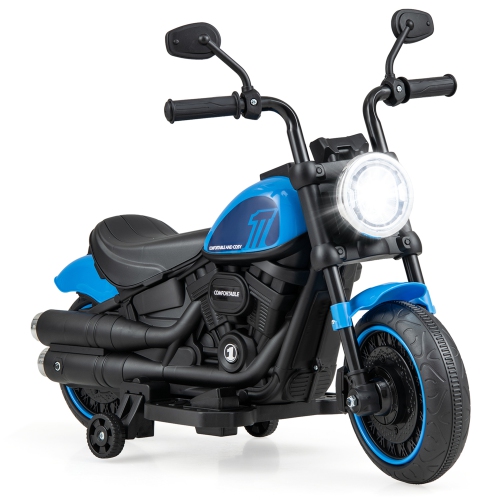
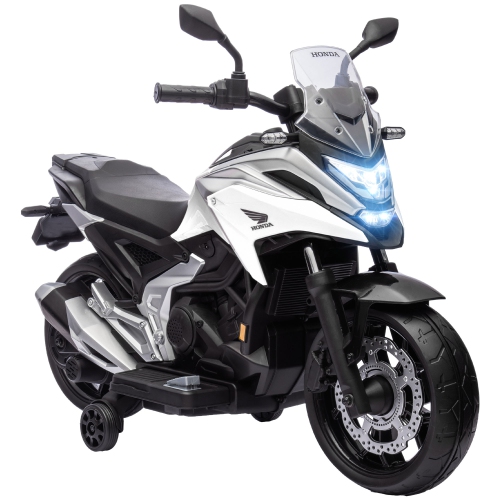
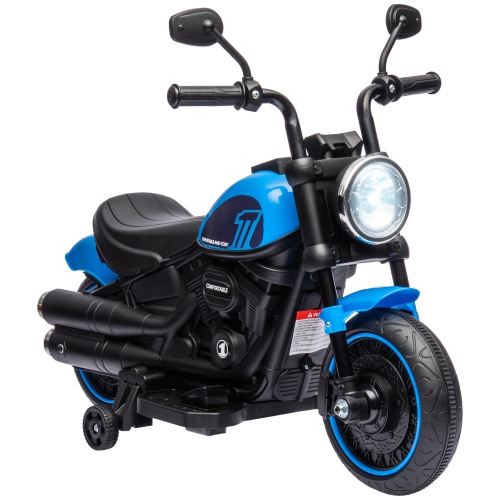
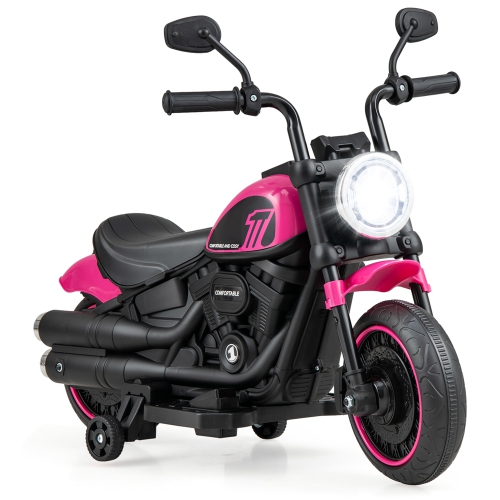
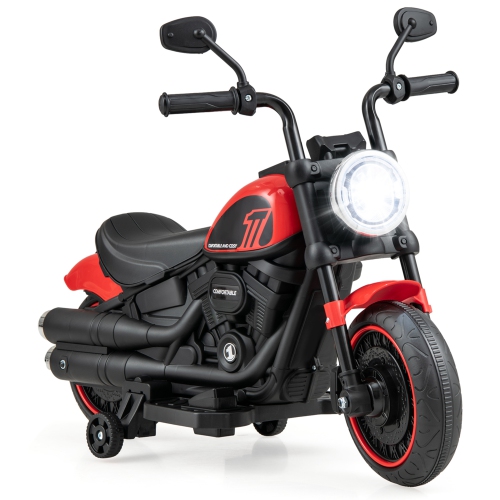

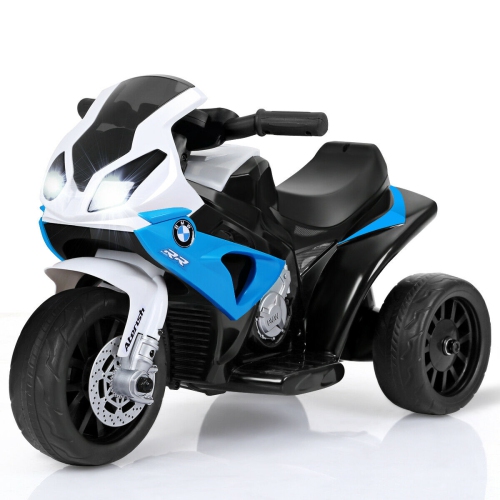
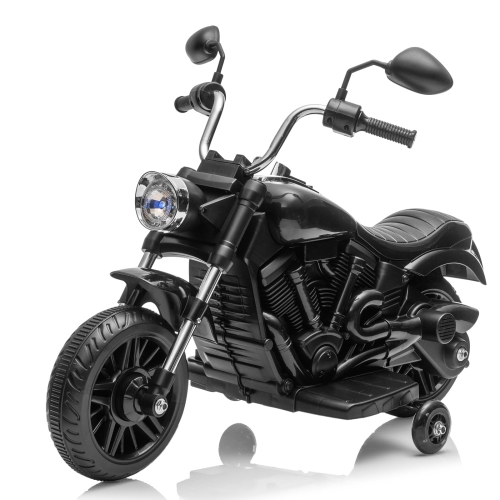
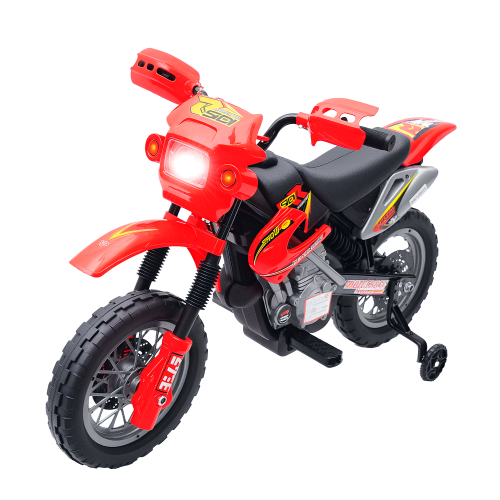
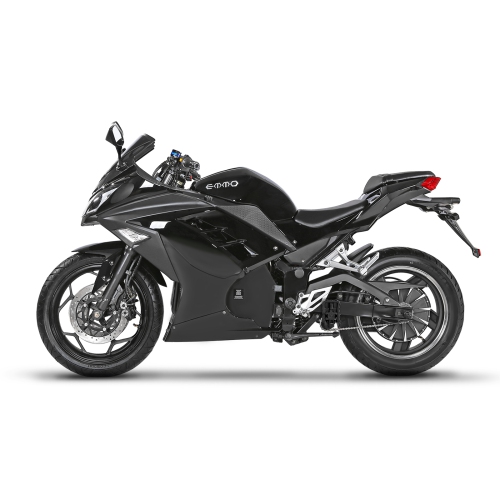
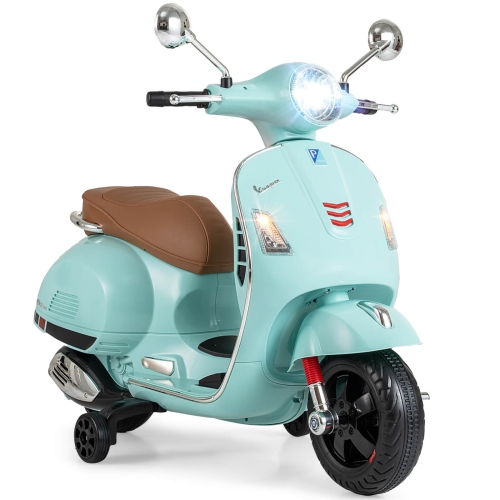
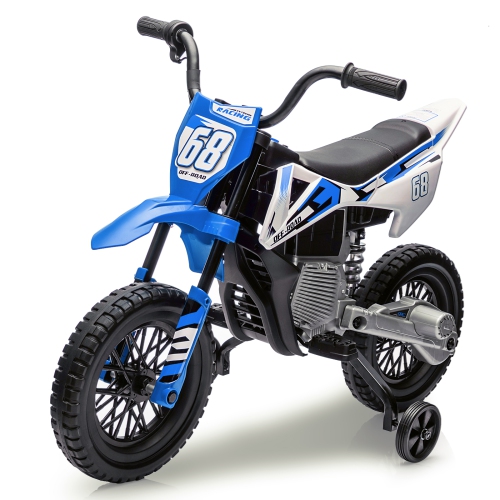
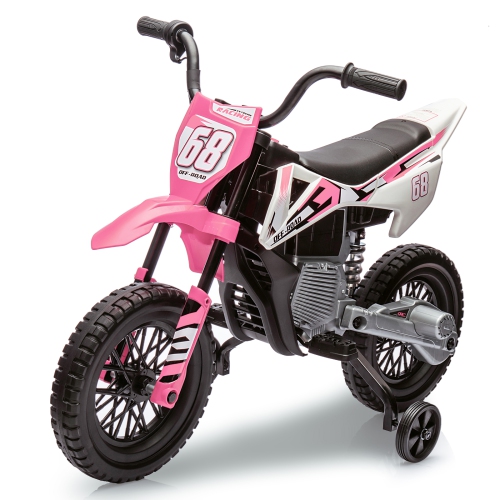
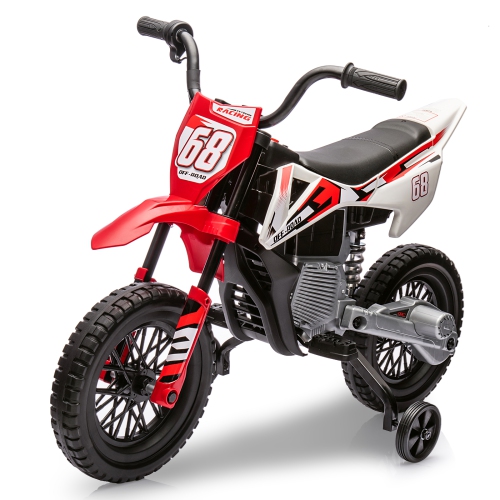
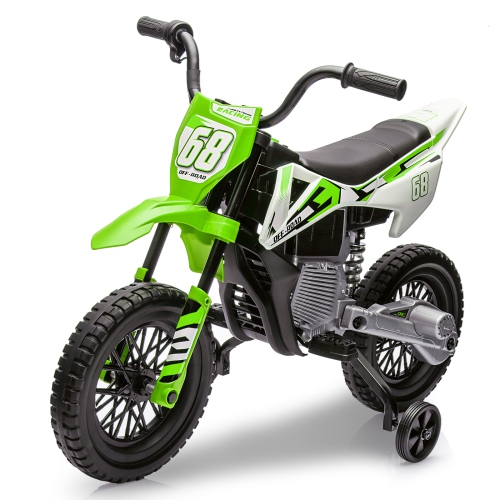
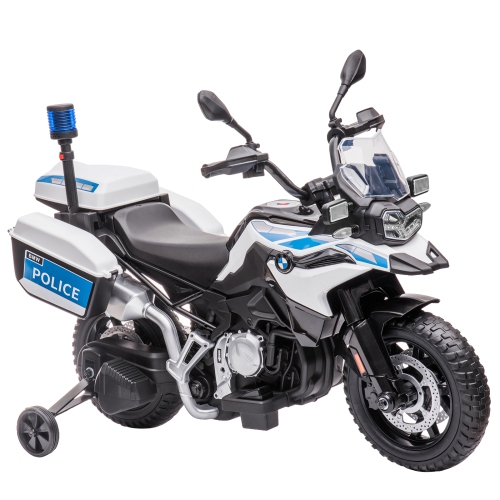
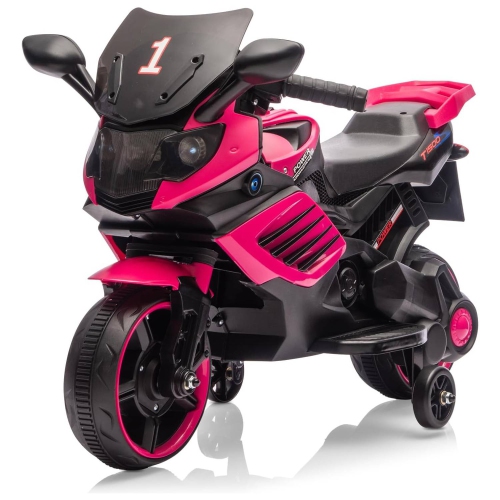
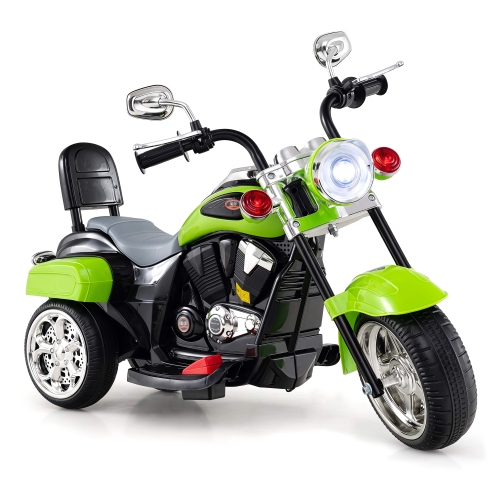

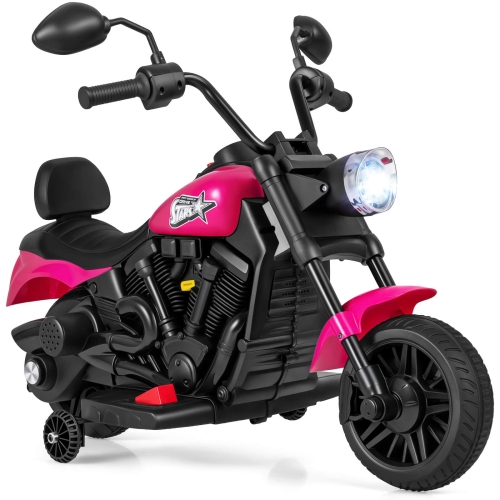
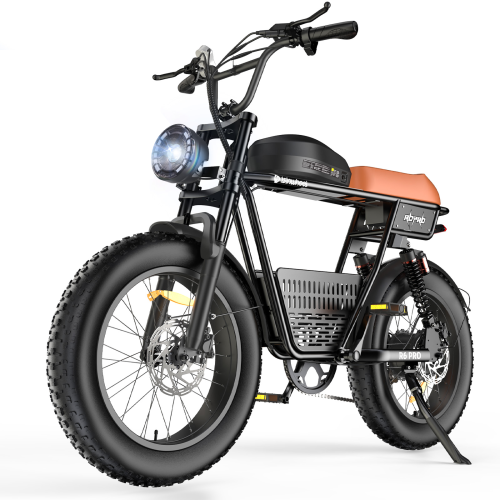
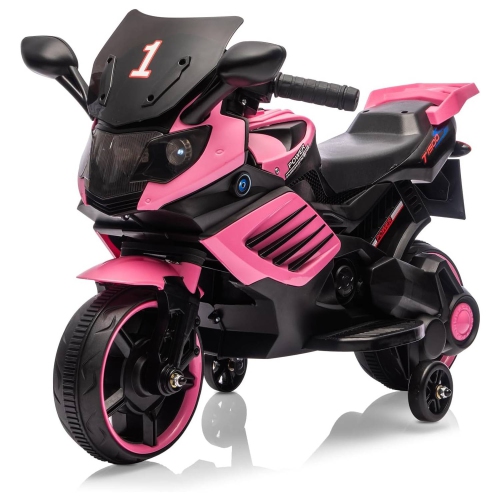
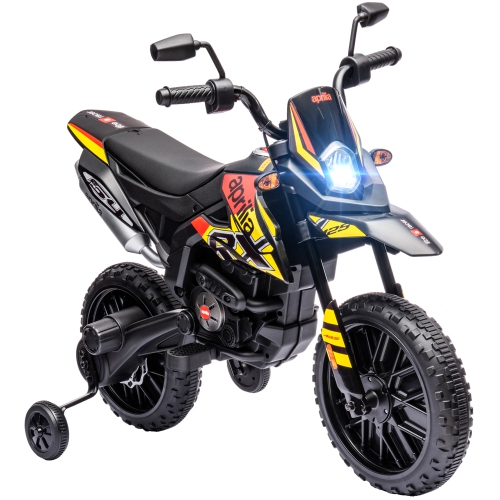
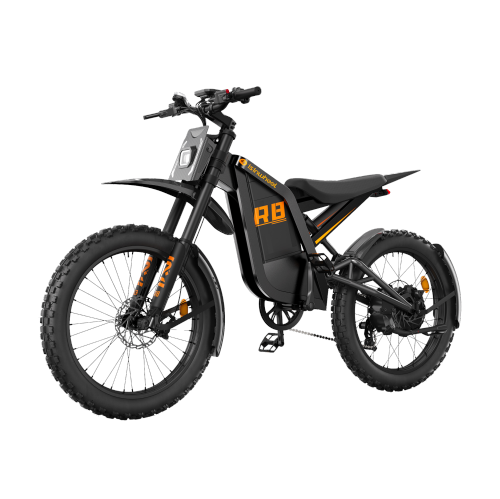
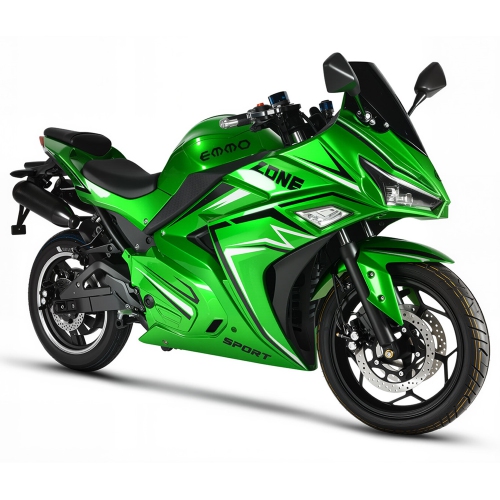
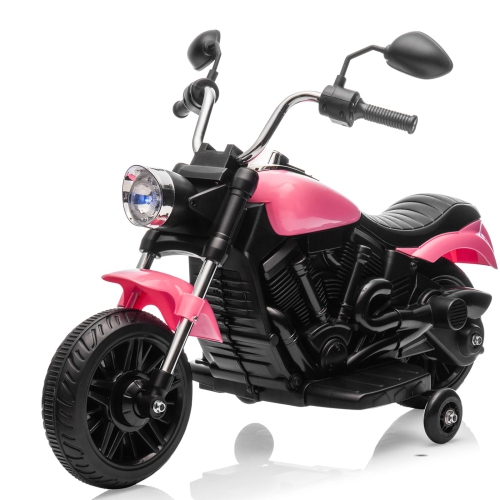
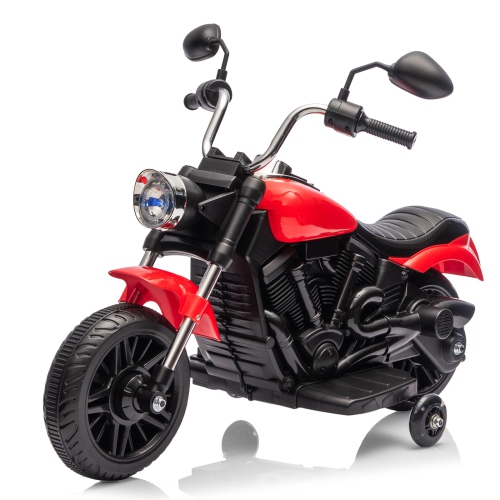
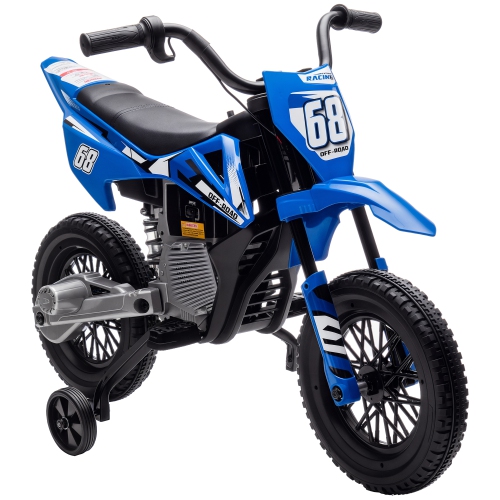
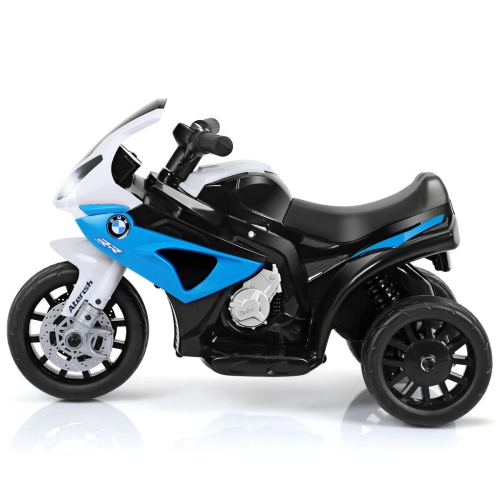
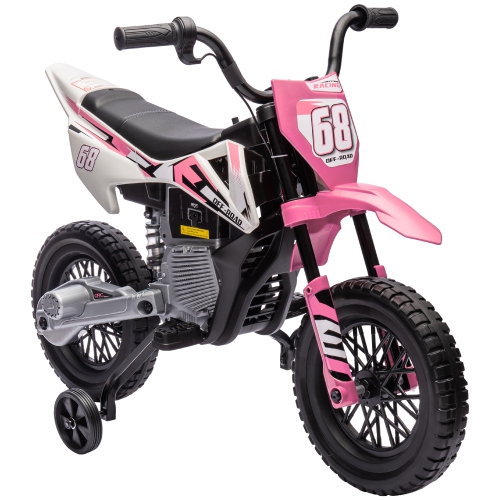
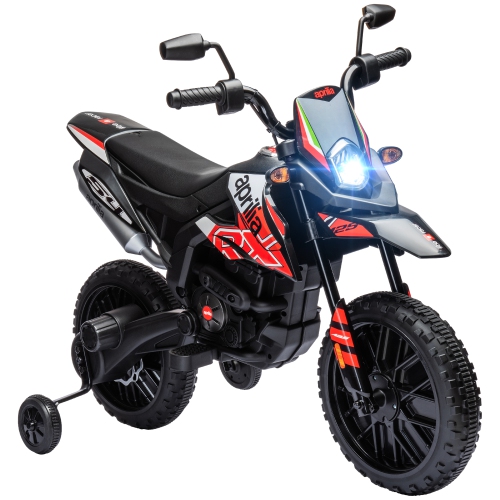
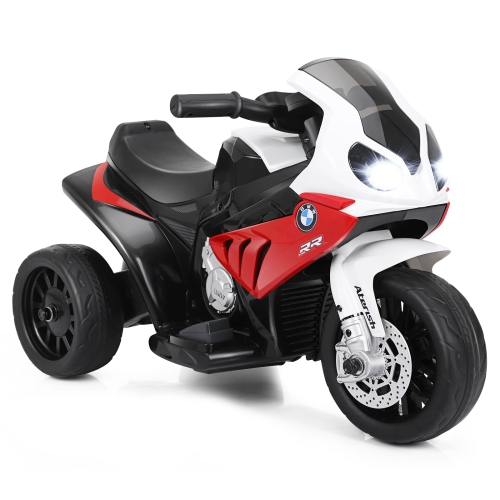
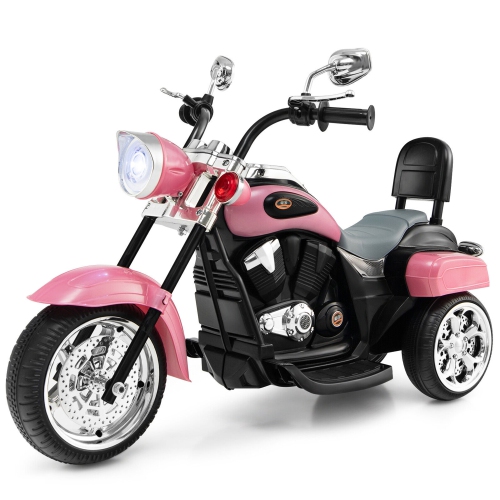
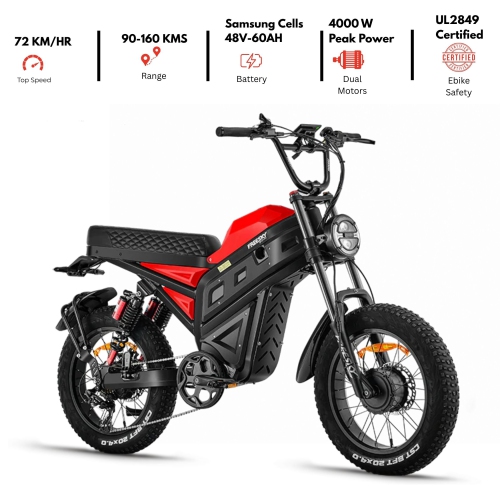
Stable electric rides for commuting, cruising, and weekend adventures
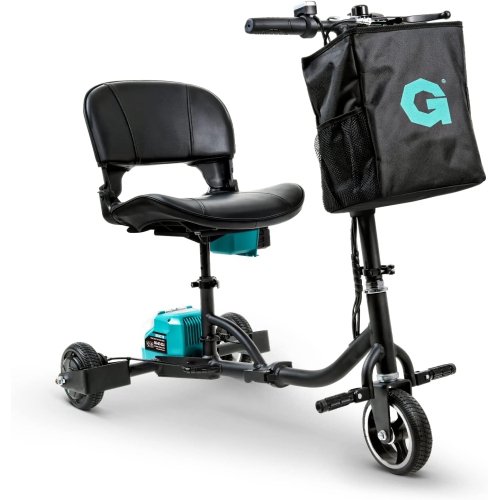
Three wheel electric motorcycles offer a distinctive way to travel, combining electric power with the added balance and presence of a three-wheel design. Unlike a conventional two-wheel motorcycle, an electric trike can feel more planted at a stop and may provide additional room for a passenger, storage, or a practical rear cargo area. Designs generally fall into two broad configurations: delta trikes, with one wheel in front and two at the rear, and tadpole trikes, with two wheels in front and one at the rear. Delta layouts often provide a familiar handlebar feel, a generous rear rack or basket, and an easy step-through frame, making them useful for errands, light hauling, and relaxed neighbourhood rides. Tadpole layouts place two wheels at the front for a wider steering stance and can feel especially stable when cornering or travelling at moderate speeds. Electric three-wheel motorcycles can also range from open-frame recreational vehicles to enclosed micro-commuters with a roof, windshield, doors, lighting, and seating for one or more people. The best choice depends on whether the priority is an upright ride with pedals, a motorcycle-style throttle and seat, protected transportation during cooler weather, or the ability to carry supplies over longer distances. For shoppers comparing related compact rideables, Electric 3 Wheel Scooters may also be worth exploring when a smaller footprint and simpler, lower-speed format better suit the intended route.
Before choosing among 3 wheel electric motorcycles, consider how the vehicle will be used from day to day. A pedal-assist model can suit an adult who wants help on hills, a comfortable way to cover a few kilometres, or a stable utility bike for groceries and personal items. Models with functional pedals, a motor rated at 500 watts or less, and a maximum assisted speed of 32 km/h may meet the usual Canadian definition of a power-assisted bicycle, although requirements can vary by province and territory. Higher-powered vehicles, throttle-operated trikes, and enclosed models capable of greater speeds may instead be classified as motorcycles, mopeds, or motor scooters. That distinction can affect licensing, registration, insurance, road access, helmet requirements, and where the vehicle may be operated, so checking local transportation rules before purchase is essential. Pay close attention to motor output, battery capacity, charging time, maximum rider and cargo weight, ground clearance, and the claimed range. A long range on level pavement may be reduced by hills, cold temperatures, heavy loads, frequent stops, or strong wind. Battery placement and removable-battery design also matter: a battery that can be brought indoors is convenient for charging during the cooler months, while a protected charging port and weather-resistant controls are valuable for everyday use. Brakes deserve equal attention. Hydraulic or mechanical disc brakes, parking brakes, and independent braking systems can offer reassuring control when a loaded trike is descending a slope. Look for bright front and rear lights, reflectors, mirrors, a horn, turn signals where provided, and a seat that supports an upright posture without restricting movement.
Handling a three-wheel electric motorcycle is different from riding a bicycle or balancing a two-wheel motorcycle. Three wheels provide a broader base, but they do not remove the need for careful steering, controlled braking, and attention to road conditions. A delta trike may feel natural at low speeds, while a tadpole trike can have a wider front end that requires extra care around doorways, bollards, narrow paths, and parked vehicles. When turning, keep speed moderate and avoid abrupt steering inputs; weight can shift differently than expected, especially with a basket or rear compartment filled with groceries. Before heading into traffic, practise in an empty parking area to learn the throttle response, turning radius, reverse function if equipped, and stopping distance. Riders should also confirm that the frame, seat, footrests, and controls fit comfortably, since a secure riding position becomes more important on longer outings. These vehicles can be useful for commuting, recreational rides, short local trips, and carrying everyday items, while enclosed versions may provide extra protection from wind and light precipitation. During warmer conditions, ventilation and shade can improve comfort; as the weather cools, a windshield, enclosed cabin, warm layers, and a battery-management plan can make rides more practical. They can also be a thoughtful gift for an experienced rider who values stability, a family member seeking an easier way to travel around the community, or someone who enjoys scenic rides without the balance demands of a standard motorcycle. The right fit comes from matching the vehicle’s classification, dimensions, power, storage, and safety equipment to the rider, route, and local regulations.
Before choosing among 3 wheel electric motorcycles, consider how the vehicle will be used from day to day. A pedal-assist model can suit an adult who wants help on hills, a comfortable way to cover a few kilometres, or a stable utility bike for groceries and personal items. Models with functional pedals, a motor rated at 500 watts or less, and a maximum assisted speed of 32 km/h may meet the usual Canadian definition of a power-assisted bicycle, although requirements can vary by province and territory. Higher-powered vehicles, throttle-operated trikes, and enclosed models capable of greater speeds may instead be classified as motorcycles, mopeds, or motor scooters. That distinction can affect licensing, registration, insurance, road access, helmet requirements, and where the vehicle may be operated, so checking local transportation rules before purchase is essential. Pay close attention to motor output, battery capacity, charging time, maximum rider and cargo weight, ground clearance, and the claimed range. A long range on level pavement may be reduced by hills, cold temperatures, heavy loads, frequent stops, or strong wind. Battery placement and removable-battery design also matter: a battery that can be brought indoors is convenient for charging during the cooler months, while a protected charging port and weather-resistant controls are valuable for everyday use. Brakes deserve equal attention. Hydraulic or mechanical disc brakes, parking brakes, and independent braking systems can offer reassuring control when a loaded trike is descending a slope. Look for bright front and rear lights, reflectors, mirrors, a horn, turn signals where provided, and a seat that supports an upright posture without restricting movement.
Handling a three-wheel electric motorcycle is different from riding a bicycle or balancing a two-wheel motorcycle. Three wheels provide a broader base, but they do not remove the need for careful steering, controlled braking, and attention to road conditions. A delta trike may feel natural at low speeds, while a tadpole trike can have a wider front end that requires extra care around doorways, bollards, narrow paths, and parked vehicles. When turning, keep speed moderate and avoid abrupt steering inputs; weight can shift differently than expected, especially with a basket or rear compartment filled with groceries. Before heading into traffic, practise in an empty parking area to learn the throttle response, turning radius, reverse function if equipped, and stopping distance. Riders should also confirm that the frame, seat, footrests, and controls fit comfortably, since a secure riding position becomes more important on longer outings. These vehicles can be useful for commuting, recreational rides, short local trips, and carrying everyday items, while enclosed versions may provide extra protection from wind and light precipitation. During warmer conditions, ventilation and shade can improve comfort; as the weather cools, a windshield, enclosed cabin, warm layers, and a battery-management plan can make rides more practical. They can also be a thoughtful gift for an experienced rider who values stability, a family member seeking an easier way to travel around the community, or someone who enjoys scenic rides without the balance demands of a standard motorcycle. The right fit comes from matching the vehicle’s classification, dimensions, power, storage, and safety equipment to the rider, route, and local regulations.
Top selling and popular products
-
 Your price for this item is $150.99
 -
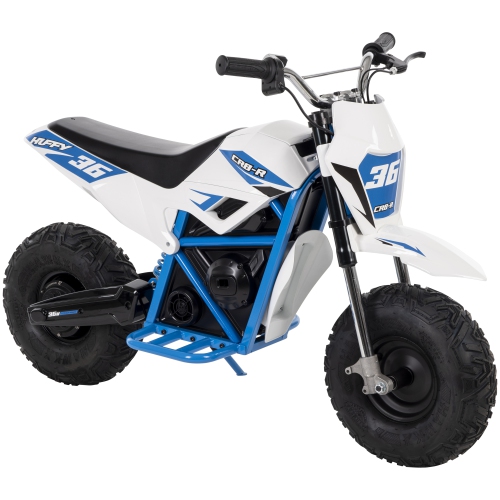 Your price for this item is $799.99
 -
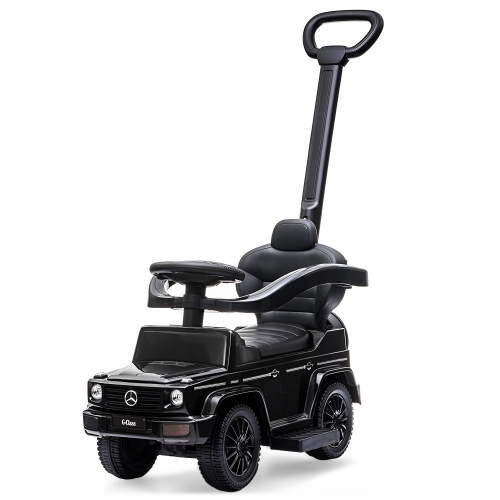 Your price for this item is $142.99
 -
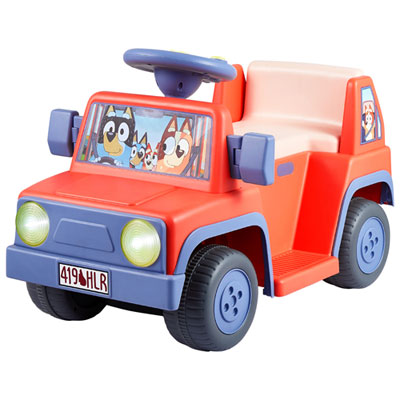 Your price for this item is $199.99
 -
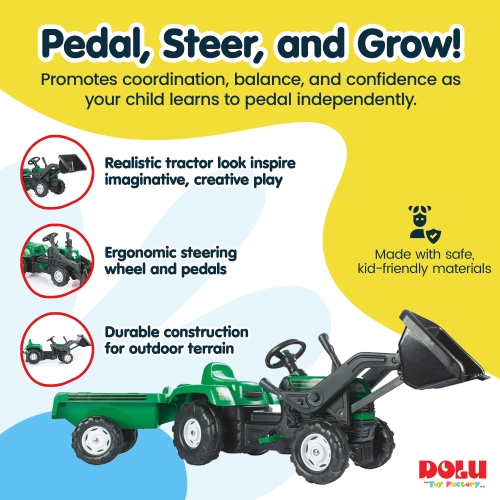 Your price for this item is $204.99
 -
 Your price for this item is $199.99
 -
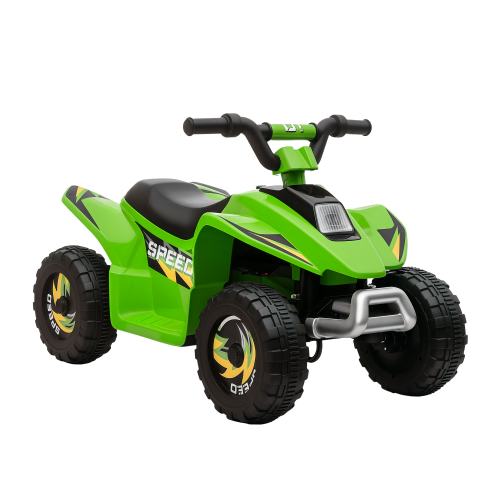 Your price for this item is $82.95
 -
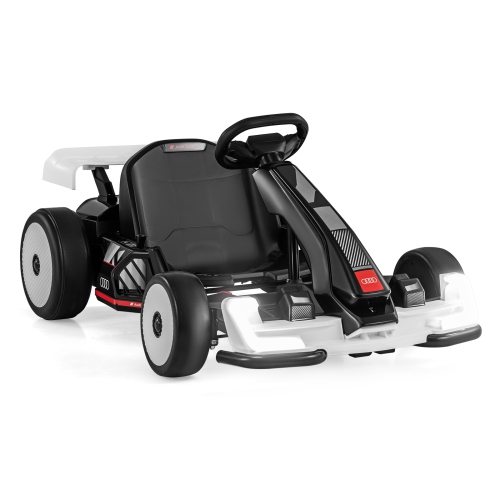 Your price for this item is $449.99
Discover more categories related to 3 Wheel Electric Motorcycles
Top Collections:
Pokemon Centers, Best Cameras for Sports Photography, Kindle Devices, Samsung Galaxy Phones, Canon G7X Cameras, Pokémon 30th Celebration Cards, Refurbished Apple Laptops, iPhone 15 Apple, Laptops for Students, Budget Smartphones
Some products may be subject to Environmental Handling Fees
(EHF) depending on your province.
Learn more about EHFs.