Affordable Kick Scooters
Looking for an exciting and cost-effective way to get around town? Look no further than our selection of kick scooters. Whether you're a commuter looking for a convenient mode of transportation or simply want to enjoy a fun ride with friends, these scooters offer a fantastic balance of quality and affordability. Discover the joy of cruising around on a budget-friendly kick scooter today!
Sort
Why scooter fit matters more than age alone
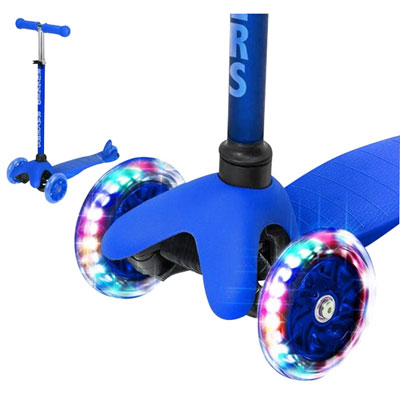
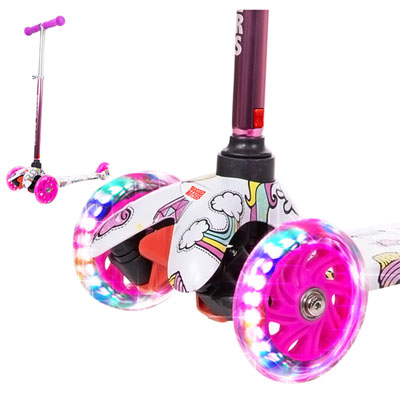
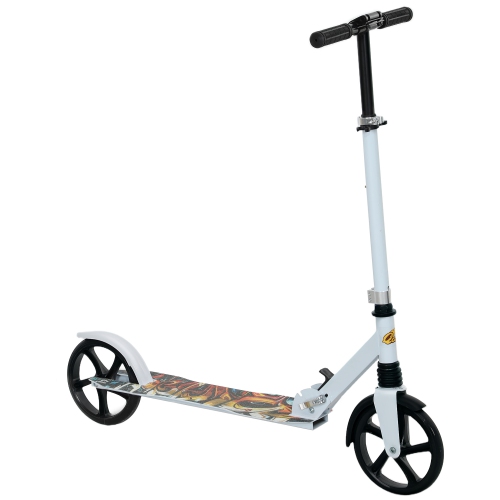
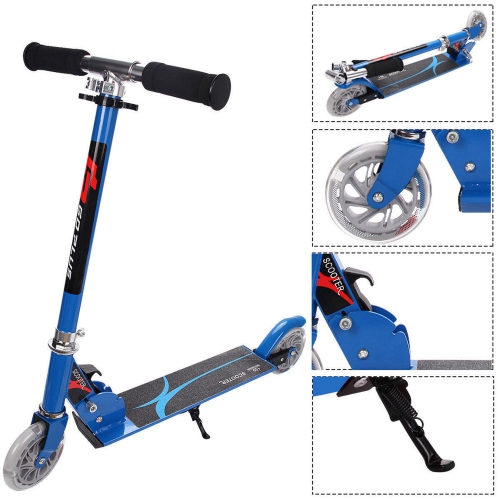
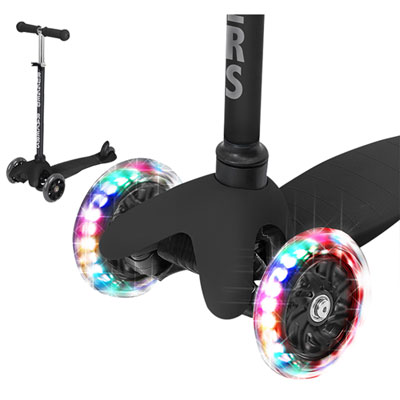
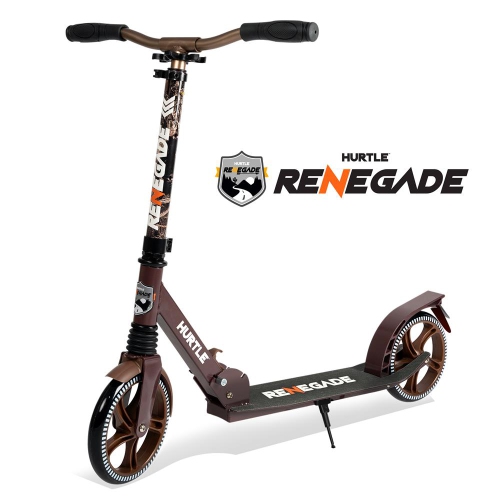
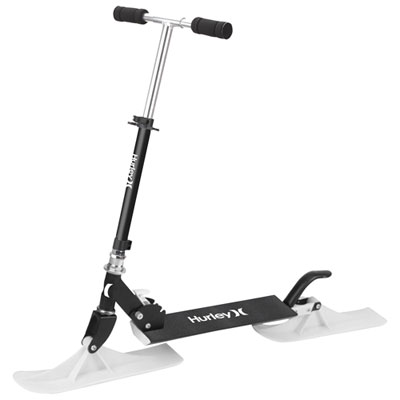
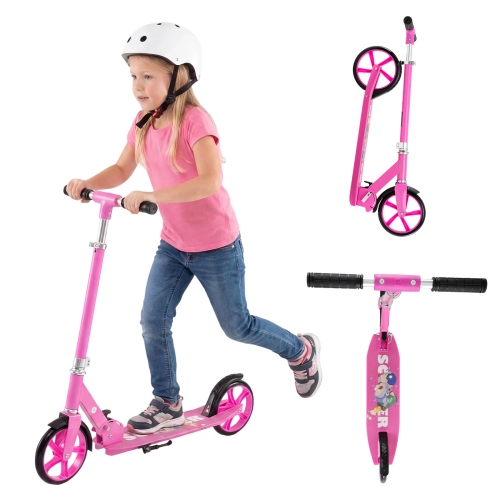
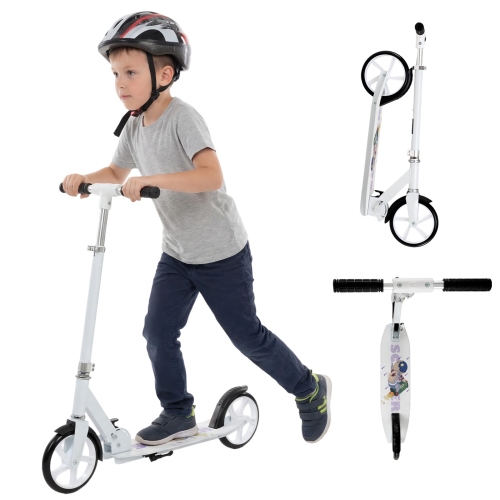
Affordable kick scooters bring together simple, rider-powered movement and practical features for recreation, short trips, and everyday outings. Unlike electric scooters, kick scooters move when the rider pushes against the ground with one foot while keeping the other on the deck. There is no motor to operate or battery to charge, and speed depends on the rider’s effort, the surface, and the slope. This straightforward design suits a range of users, from children practising balance to teens travelling to a nearby activity and adults covering the distance between a transit stop and their destination. The right fit depends more on the rider’s height, weight, coordination, and intended use than on age alone. Manufacturer age recommendations and maximum rider weight provide useful starting points, while handlebar height and deck dimensions help determine how comfortably a scooter handles. A rider should be able to stand naturally, hold the grips without hunching, and reach the brake while maintaining control. Adjustable handlebars can accommodate different heights within the scooter’s specified range, making them useful for growing children or shared household use where each rider meets the requirements. Three-wheel kick scooters generally offer more support at low speeds, although their steering systems vary: some turn by leaning, while others use a handlebar that turns the front wheel assembly. Two-wheel scooters require more active balance and are often suited to riders who are comfortable pushing, gliding, and stopping independently. Neither layout replaces supervision or practice. For a child learning in a permitted, traffic-free paved area, predictable steering and a manageable deck height matter more than decorative extras. For an older rider making short local trips, a comfortable stance, appropriate wheel size, and a frame that is easy to carry may be more relevant. Across these uses, a well-matched kick scooter feels manageable both while moving and when being lifted over a step or placed in storage.
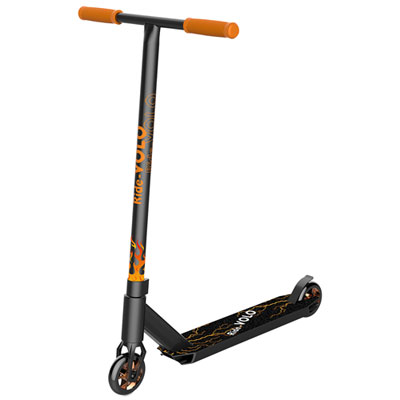
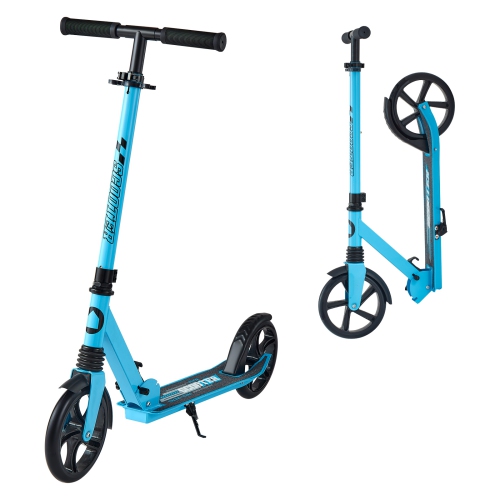
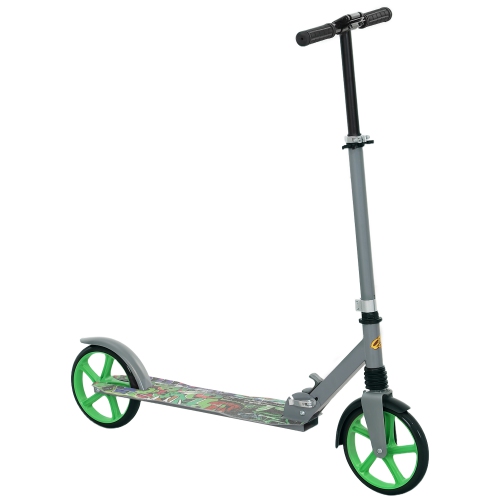
Materials and construction influence a kick scooter’s weight, handling, and ability to stand up to repeated use. Aluminium is common in frames and decks because it combines relatively low weight with useful strength, while steel may appear in frames, forks, or other components where additional strength is needed. The material name alone does not establish durability; joint construction, hardware, folding mechanisms, and the manufacturer’s intended-use limits also matter. A recreational folding scooter is not automatically suitable for jumps, ramps, or tricks. Dedicated stunt scooters typically use different construction priorities, often including fixed handlebars and non-folding frames, so riding style should match the stated purpose of the design. For everyday recreational use, deck grip helps keep shoes from sliding, and a deck with enough usable space makes it easier to adjust foot position between pushes. A lower deck can reduce how far the pushing leg needs to bend, though ground clearance still matters around uneven paving. Wheel size also changes the experience. Larger wheels generally roll over small surface irregularities more easily than smaller wheels, but they do not make potholes, kerbs, or loose gravel safe to ride through. Smaller wheels can contribute to a compact design that is convenient to carry and store. Many kick scooters use solid polyurethane wheels, which do not require inflation, while some designs use air-filled tyres that require pressure checks and can help soften the feel of a ride. Wheel material, bearings, rider weight, and surface quality all affect how freely a scooter rolls. A rear foot brake is common, while some designs include a hand-operated brake; the useful choice is one the rider can reach and operate confidently. Folding handlebars or frames can make storage easier in a cupboard or vehicle boot, but a folding design should have a locking mechanism that engages securely. Carrying weight matters, too: a scooter that feels light to an adult may be awkward for a child to lift.
Everyday ownership is largely about keeping the scooter clean, secure, and suited to the places it will be used. Before a ride, a brief check of the handlebar clamp, folding latch, wheels, grips, and brake can reveal looseness or wear that affects control. Fasteners should be checked and tightened according to the manufacturer’s instructions rather than simply turned as hard as possible, since overtightening can damage parts. Hair, grit, and debris around the axles can interfere with smooth movement, and worn grip surfaces or damaged handlebar grips deserve attention before the next outing. Cleaning generally means removing loose dirt and wiping surfaces as directed, without soaking bearings or allowing lubricant onto braking or standing surfaces. Any lubrication or replacement work should follow the care instructions for that scooter. Access to compatible replacement wheels, grips, and brake parts can be useful for longer-term ownership, although compatibility needs to be confirmed rather than assumed. Storage works best when the scooter is secured away from walkways, with its folding mechanism closed or its stand positioned so it will not become a tripping hazard. For travel to school, a community centre, or a transit connection, local riding rules and destination storage policies are part of the practical picture; permissions can vary by municipality and property. A properly fitted helmet appropriate to the activity is important, and additional protective equipment may be useful, especially for learners. Riders also need enough clear space to practise stopping before travelling near other people. As a gift, a kick scooter is most thoughtful when the recipient’s measurements, experience, and likely riding location are known, particularly for children who may need adult help with adjustments and folding latches. Anyone considering powered travel instead can explore Affordable Electric Scooters, a separate category with charging needs and potentially different local requirements. For rider-powered outings, comfort, controllable handling, and straightforward upkeep are the qualities that make a kick scooter a practical companion for regular use.
Materials and construction influence a kick scooter’s weight, handling, and ability to stand up to repeated use. Aluminium is common in frames and decks because it combines relatively low weight with useful strength, while steel may appear in frames, forks, or other components where additional strength is needed. The material name alone does not establish durability; joint construction, hardware, folding mechanisms, and the manufacturer’s intended-use limits also matter. A recreational folding scooter is not automatically suitable for jumps, ramps, or tricks. Dedicated stunt scooters typically use different construction priorities, often including fixed handlebars and non-folding frames, so riding style should match the stated purpose of the design. For everyday recreational use, deck grip helps keep shoes from sliding, and a deck with enough usable space makes it easier to adjust foot position between pushes. A lower deck can reduce how far the pushing leg needs to bend, though ground clearance still matters around uneven paving. Wheel size also changes the experience. Larger wheels generally roll over small surface irregularities more easily than smaller wheels, but they do not make potholes, kerbs, or loose gravel safe to ride through. Smaller wheels can contribute to a compact design that is convenient to carry and store. Many kick scooters use solid polyurethane wheels, which do not require inflation, while some designs use air-filled tyres that require pressure checks and can help soften the feel of a ride. Wheel material, bearings, rider weight, and surface quality all affect how freely a scooter rolls. A rear foot brake is common, while some designs include a hand-operated brake; the useful choice is one the rider can reach and operate confidently. Folding handlebars or frames can make storage easier in a cupboard or vehicle boot, but a folding design should have a locking mechanism that engages securely. Carrying weight matters, too: a scooter that feels light to an adult may be awkward for a child to lift.
Everyday ownership is largely about keeping the scooter clean, secure, and suited to the places it will be used. Before a ride, a brief check of the handlebar clamp, folding latch, wheels, grips, and brake can reveal looseness or wear that affects control. Fasteners should be checked and tightened according to the manufacturer’s instructions rather than simply turned as hard as possible, since overtightening can damage parts. Hair, grit, and debris around the axles can interfere with smooth movement, and worn grip surfaces or damaged handlebar grips deserve attention before the next outing. Cleaning generally means removing loose dirt and wiping surfaces as directed, without soaking bearings or allowing lubricant onto braking or standing surfaces. Any lubrication or replacement work should follow the care instructions for that scooter. Access to compatible replacement wheels, grips, and brake parts can be useful for longer-term ownership, although compatibility needs to be confirmed rather than assumed. Storage works best when the scooter is secured away from walkways, with its folding mechanism closed or its stand positioned so it will not become a tripping hazard. For travel to school, a community centre, or a transit connection, local riding rules and destination storage policies are part of the practical picture; permissions can vary by municipality and property. A properly fitted helmet appropriate to the activity is important, and additional protective equipment may be useful, especially for learners. Riders also need enough clear space to practise stopping before travelling near other people. As a gift, a kick scooter is most thoughtful when the recipient’s measurements, experience, and likely riding location are known, particularly for children who may need adult help with adjustments and folding latches. Anyone considering powered travel instead can explore Affordable Electric Scooters, a separate category with charging needs and potentially different local requirements. For rider-powered outings, comfort, controllable handling, and straightforward upkeep are the qualities that make a kick scooter a practical companion for regular use.
Top selling and popular products
-
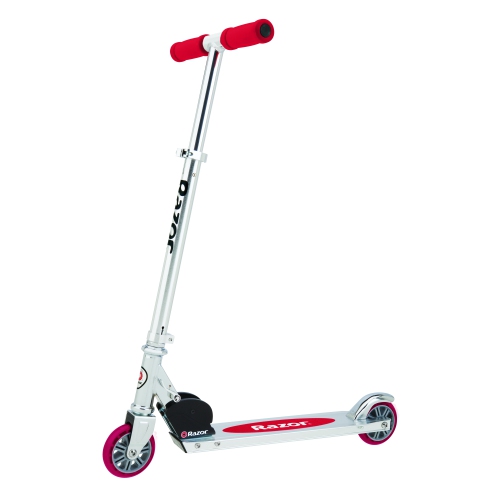 Your price for this item is $49.99
 -
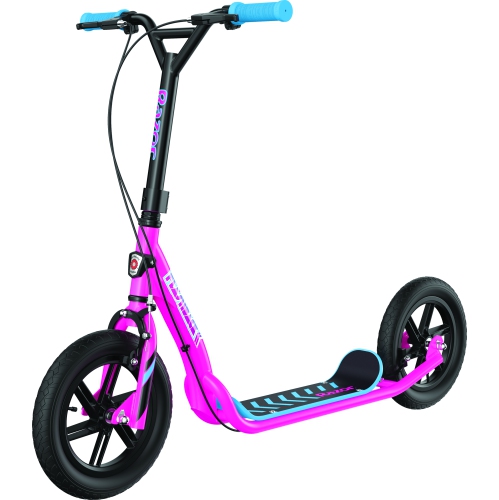 Your price for this item is $229.99
 -
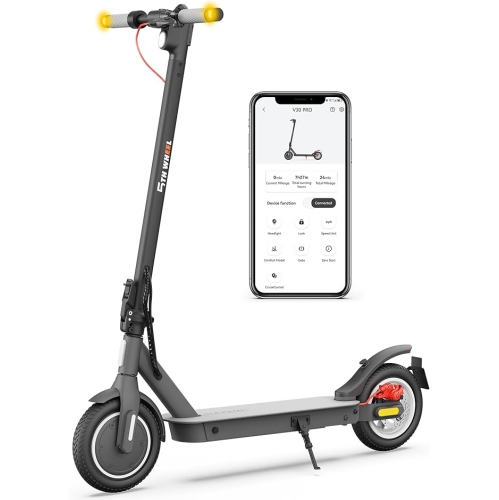 Your price for this item is $417.32
 -
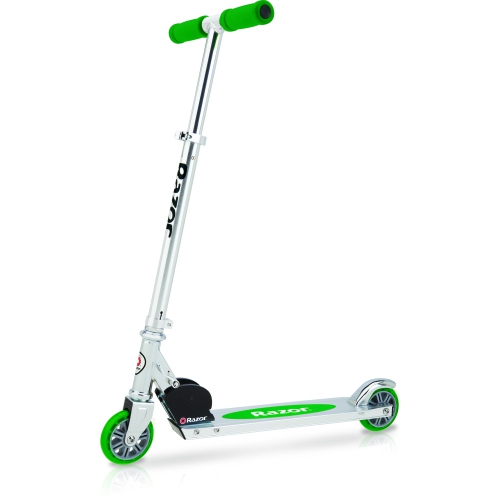 Your price for this item is $49.99
 -
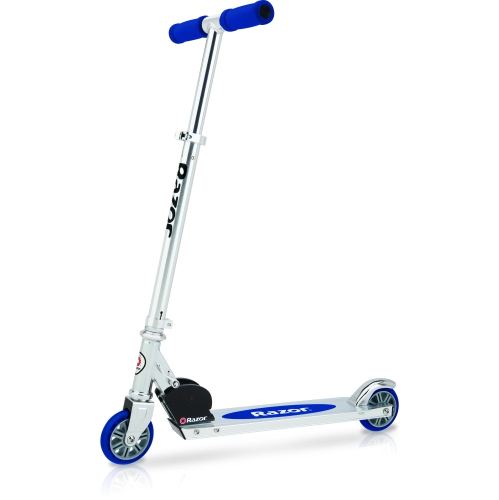 Your price for this item is $49.99
 -
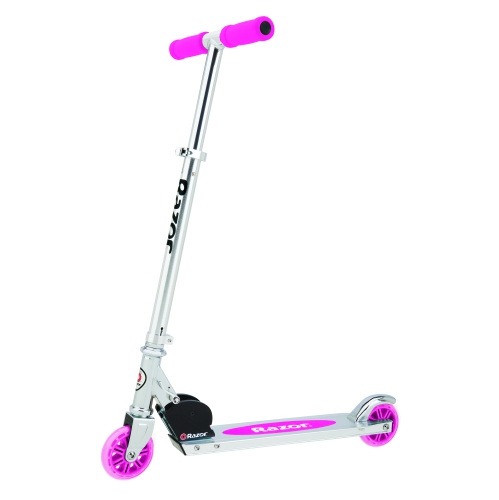 Your price for this item is $49.99
 -
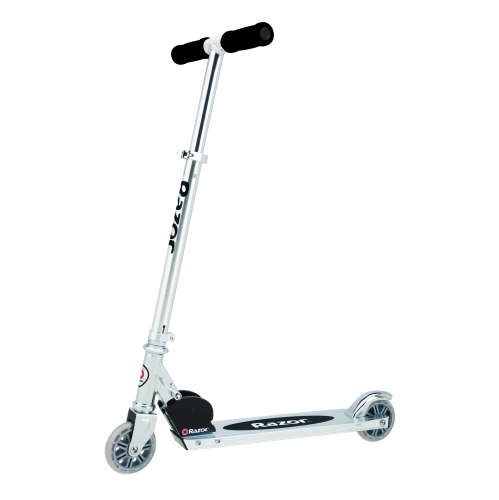 Your price for this item is $49.99
 -
 Your price for this item is $153.99
Discover more categories related to Affordable Kick Scooters
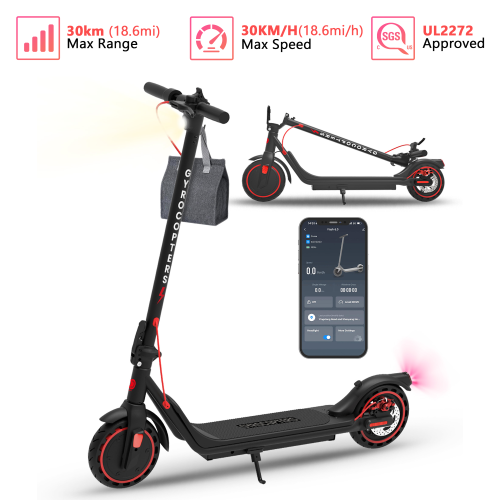
Top Collections:
Pokemon Centers, Kindle Devices, Best Budget Office Chairs, Apple iPhones 16, Best Laptops for Writers, iPhone 15 Apple, Canon G7X Cameras, Refurbished Apple Laptops, Alarm Clock, Motorola Razr Phones
Some products may be subject to Environmental Handling Fees
(EHF) depending on your province.
Learn more about EHFs.