Affordable Kids Scooters
Affordable Kids Scooters make outdoor playtime fun and active, offering a great way for children to enjoy fresh air and exercise. With a wide selection of styles, colors, and designs available, finding the perfect fit for every child’s personality and needs is easy. Explore options that suit a variety of budgets, so you can provide your little one with hours of entertainment without overspending. Whether it’s for cruising around the neighborhood or playing at the park, Affordable Kids Scooters deliver excitement and value for families looking to get moving.
Sort
Why scooter fit matters more than a favourite colour
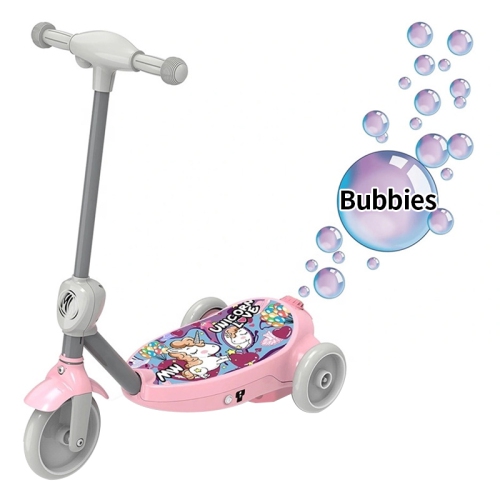
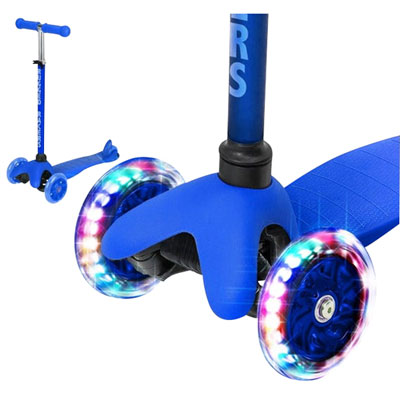
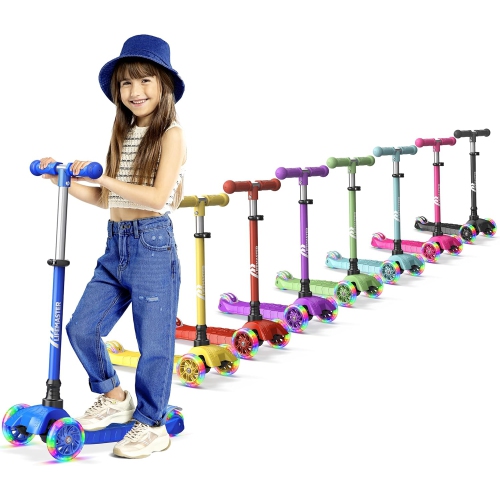
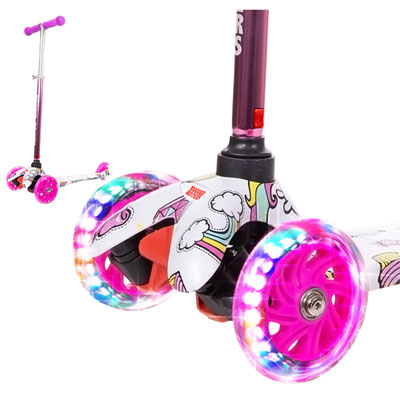
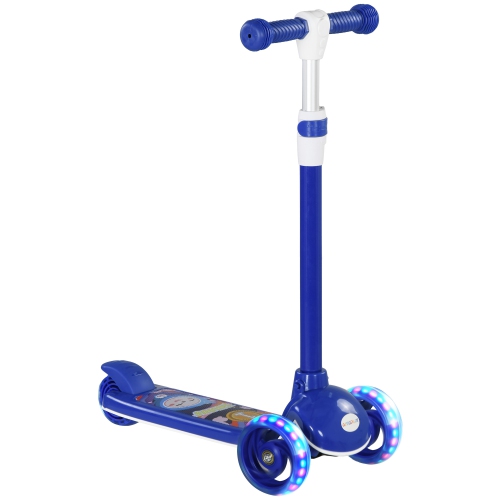
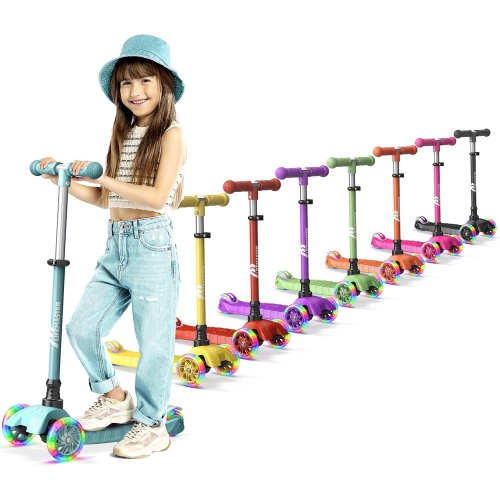
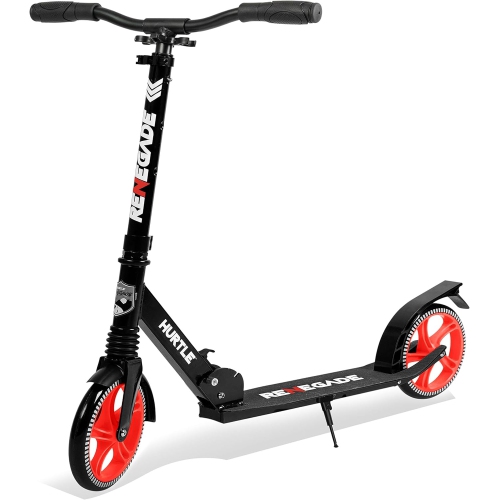
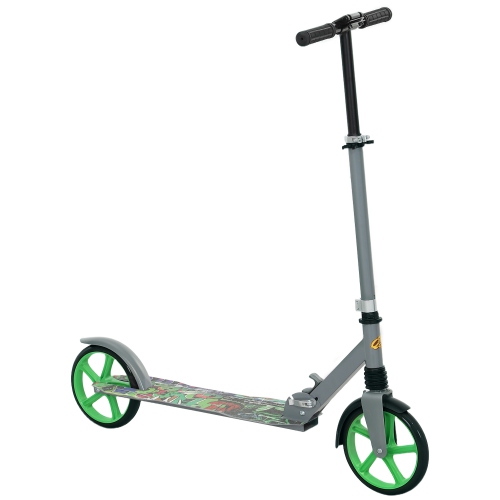
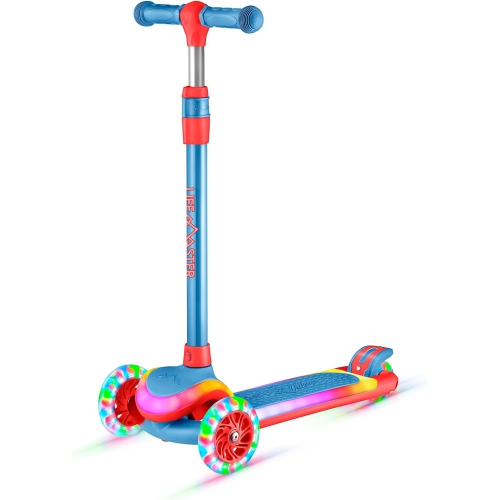
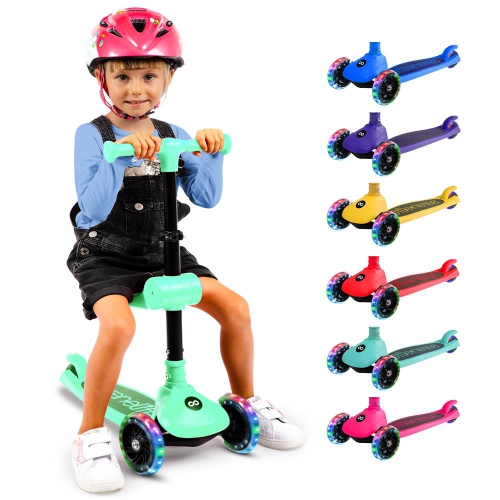
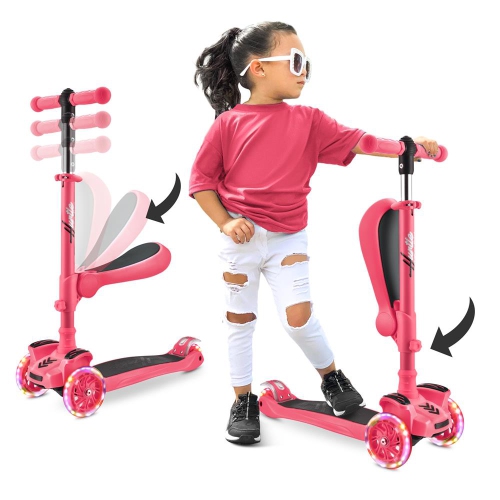
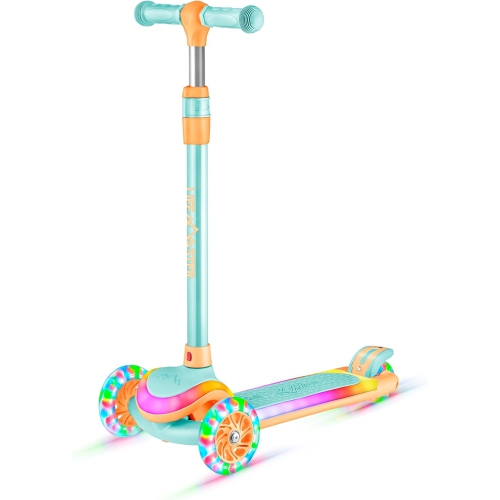
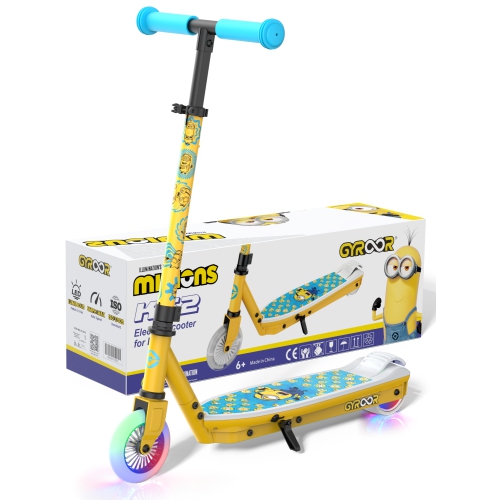
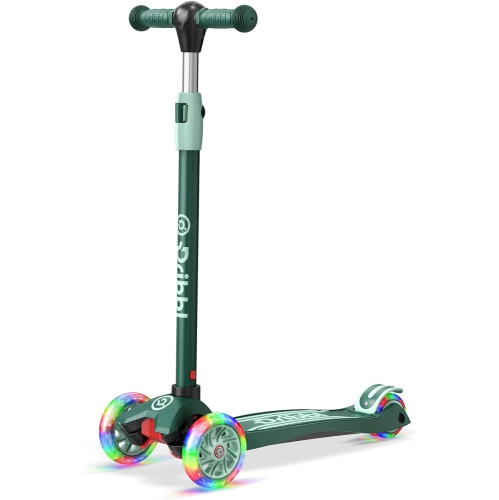
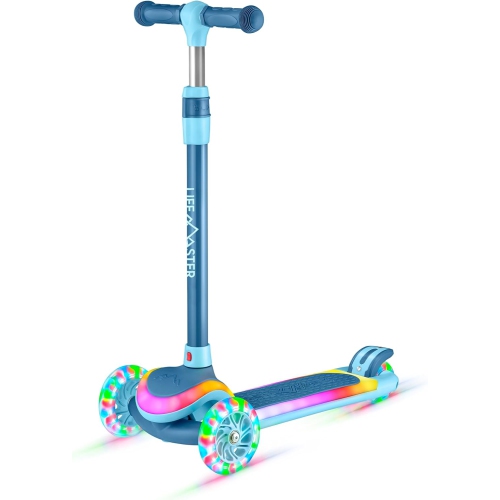
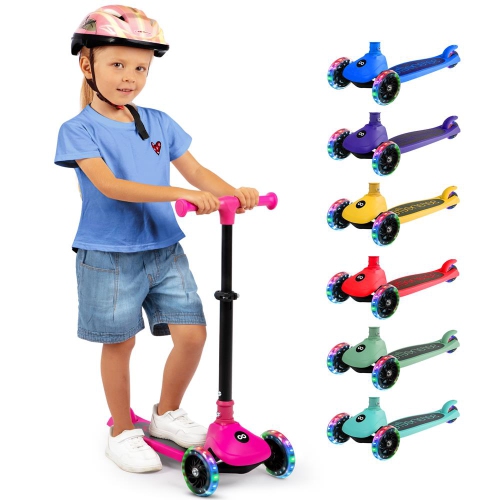
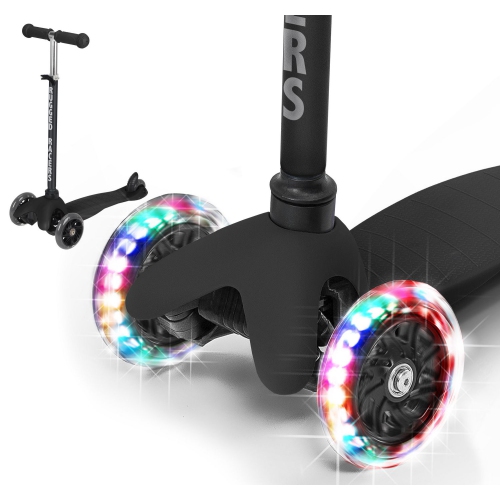
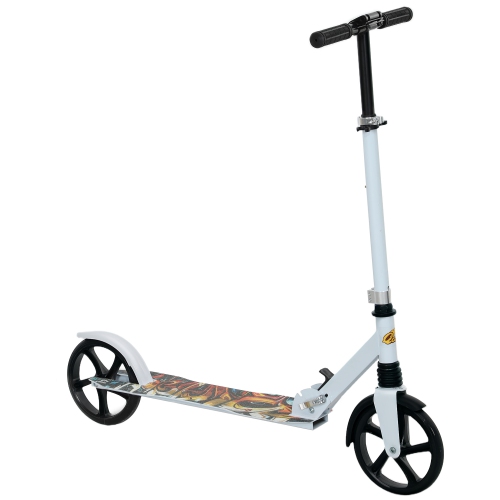
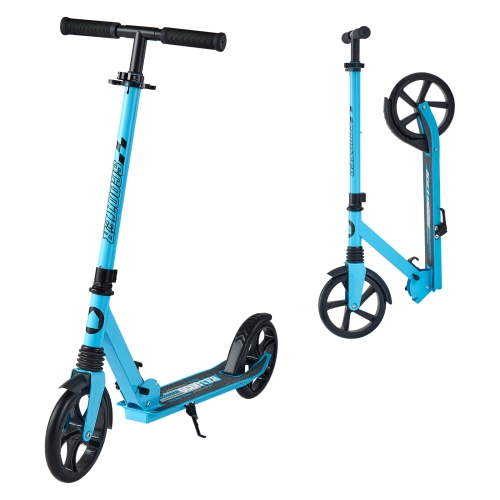
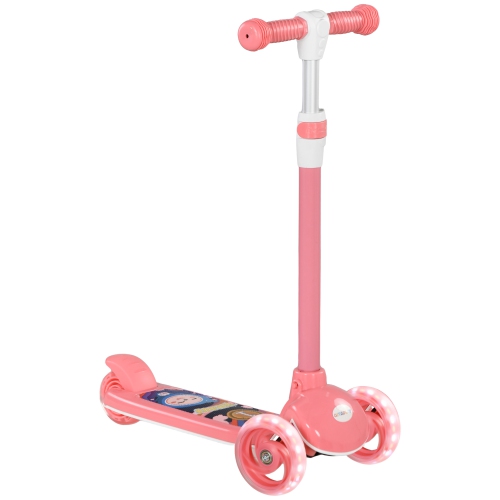
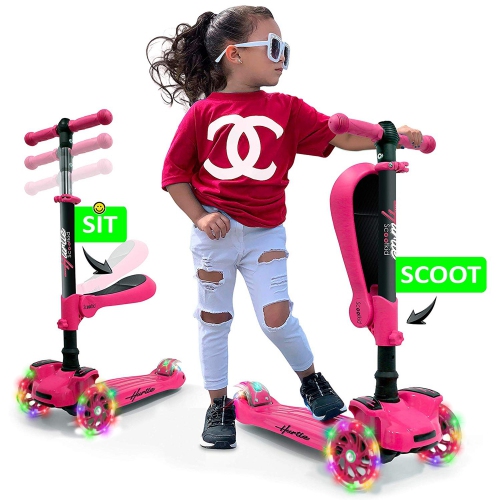
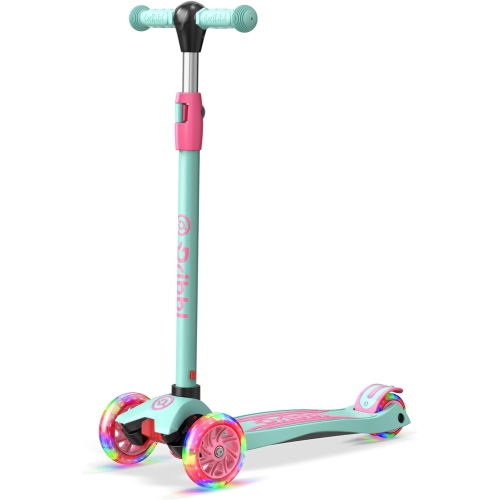
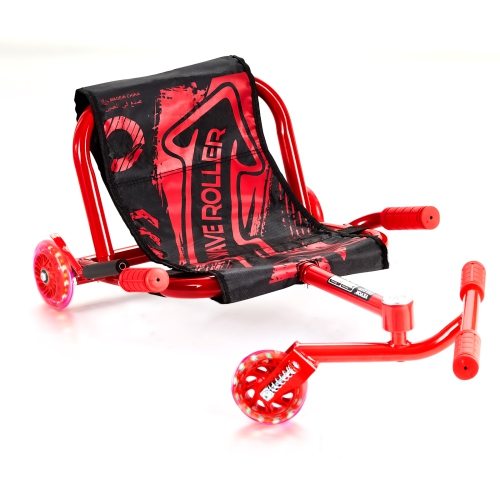
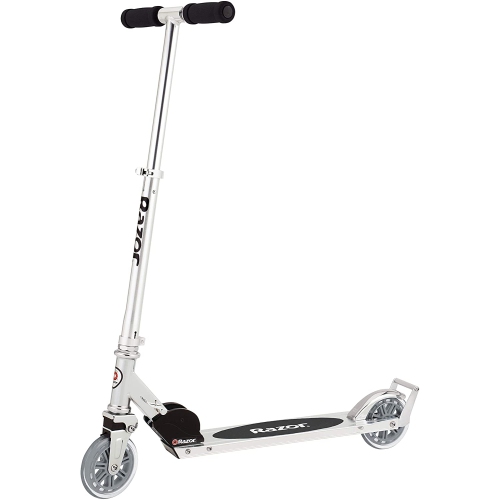
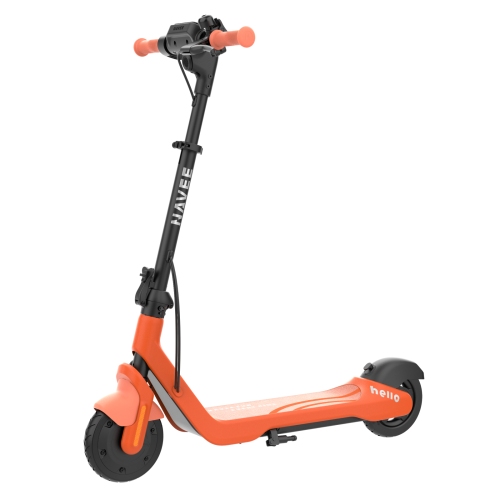
Kids’ scooters turn a familiar stretch of pavement into a place to practise balance, build coordination, and enjoy active play. A short ride beside a parent or caregiver, a few laps around a permitted play area, or a trip to a nearby park can give children a satisfying sense of independence while keeping an adult close by. The right scooter starts with the rider rather than appearance alone: height, reach, confidence, and the manufacturer’s age and weight recommendations all matter. A child should be able to stand comfortably on the deck, hold the grips without stretching, and reach and operate the brake as intended. Adjustable handlebars can accommodate changes in height, provided every setting stays within the marked adjustment range and locks securely. Three-wheel designs generally offer a more stable platform at a standstill, making them appealing to children who are still getting comfortable stepping on and pushing off. Some use lean-to-steer handling, where shifting body weight changes direction; others use a turning handlebar. Two-wheel scooters ask more of a rider’s balance and can suit children who already feel comfortable gliding, steering, and stopping. Neither wheel count nor an age label tells the whole story, since children develop these skills at different rates. Across the Kids Scooters category, these differences help distinguish a first riding toy from a scooter intended for a more practised rider. For a birthday or another gift-giving occasion, knowing the child’s height, riding experience, and usual play setting is more useful than choosing by colour alone. A favourite colour or playful deck design can still make the scooter feel personal, especially when the fit and handling are right. In a household with siblings, separate fit checks are important even when the children are close in age. A handlebar position that feels natural for one child may leave another reaching too high or bending awkwardly, and a scooter that feels manageable to carry may still be difficult for a smaller rider to control.
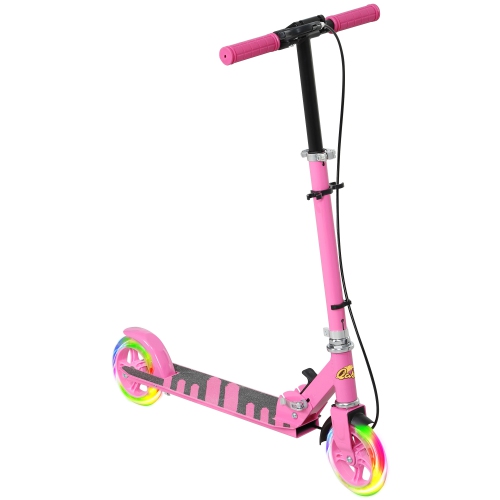
Materials and construction influence how a scooter feels both underfoot and when an adult carries it home. Aluminium frames can keep carrying weight manageable, while steel components may add weight and strength in particular areas; the complete design and stated rider limit matter more than the material name by itself. Moulded components are common on scooters for younger children, often combined with metal supports where the design requires them. A deck needs enough usable space for the intended stance without making the scooter awkward for the child to push. Textured grip surfaces help shoes stay planted, while comfortable handle grips should feel secure without requiring the rider to squeeze tightly. Wheel diameter, width, and material also affect the ride. Larger wheels generally roll over small surface irregularities more easily, while compact wheels can make for a smaller overall scooter. Solid polyurethane wheels are common on kick scooters and do not need inflation; pneumatic tires, where fitted, need pressure checks according to the manufacturer’s directions. Neither type makes a scooter suitable for every surface, and ordinary pavement scooters are not automatically intended for gravel, trails, ramps, or tricks. A rear fender brake is a familiar feature, although brake designs vary and should match the child’s ability to use them. For families carrying a scooter through a building or storing it beside other sports equipment, overall weight and folded dimensions can be as relevant as riding features. A folding stem can simplify storage, but its latch must engage fully before riding, and folding joints need to be handled by an adult when pinching is a concern. Non-folding frames avoid that particular mechanism but take up more space. Durable construction also depends on small details: grips that stay in place, wheels that turn smoothly, secure fasteners, and a steering assembly without unexpected movement. These details shape the everyday experience more than decorative extras, especially when a scooter is regularly carried, parked, and used for short rides.
Everyday use is easiest when the scooter suits both the child’s skills and the places where riding is permitted. Smooth, level paved areas away from vehicle traffic give a beginner room to learn a controlled push, a straight glide, and a predictable stop. A child who can travel confidently in a straight line may still need practice slowing before a turn or leaving space around pedestrians. Short, supervised sessions let those skills develop without turning every outing into a long journey. Supportive, closed-toe footwear helps keep feet positioned on the deck and brake, while loose laces and dangling clothing need to stay clear of moving parts. A properly fitted helmet appropriate for scooter riding is an important part of the setup; knee and elbow pads can add protection while a child learns. Protective equipment does not replace adult supervision, and local riding rules, posted signs, and the manufacturer’s instructions still apply. Standard recreational scooters are intended for one rider at a time and should not be treated as stunt equipment unless expressly designed for that purpose. Care between rides is usually straightforward but worthwhile. Wiping dirt from the deck and frame, clearing debris from the wheels, and checking that the brake moves correctly help keep the scooter ready for its intended use. Cleaning products and methods should follow the care instructions, with particular attention to keeping lubricants away from braking and grip surfaces. Regular checks can catch worn grips, damaged deck covering, loose fasteners, or wheels that no longer spin freely. A scooter with a damaged frame, unreliable brake, or insecure folding latch needs attention before another ride. Stored in a designated spot away from stairs and walkways, it is less likely to become a tripping hazard or be knocked over. For children who enjoy movement and hands-on play, a well-fitted scooter can become a familiar part of everyday recreation, with comfortable handling, straightforward care, and room to develop riding skills at their own pace.
Top selling and popular products
-
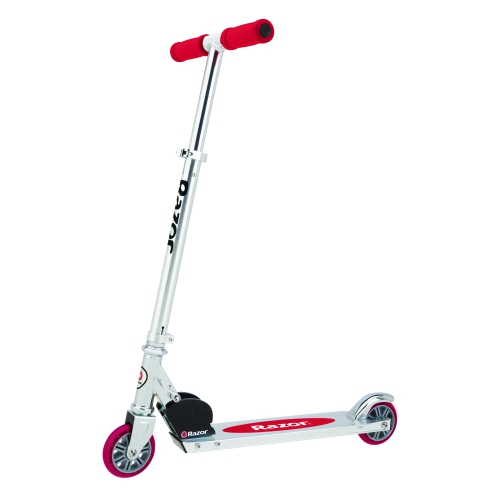 Your price for this item is $49.99
-
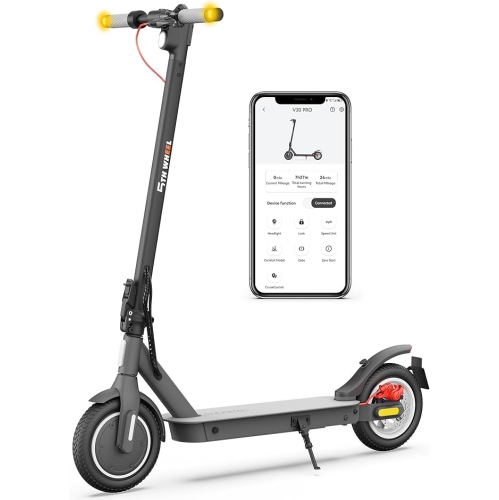 Your price for this item is $417.32
-
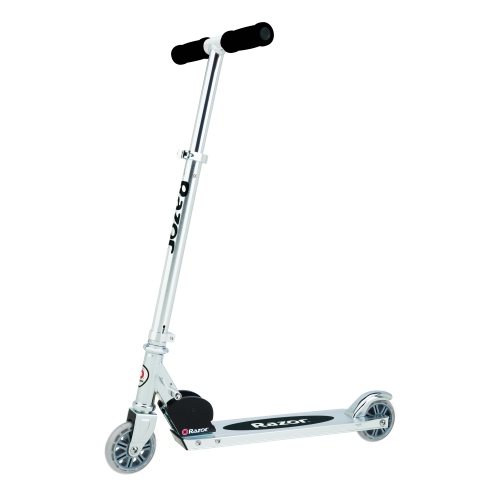 Your price for this item is $49.99
-
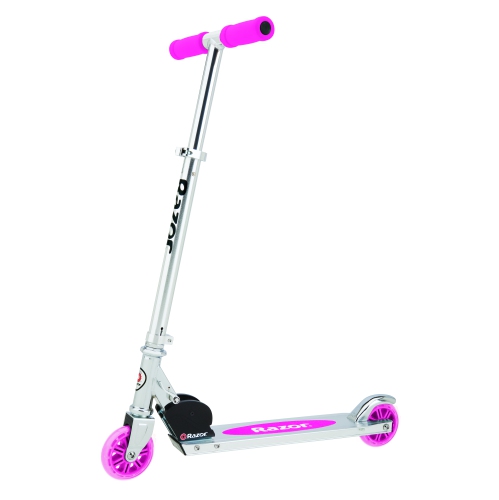 Your price for this item is $49.99
-
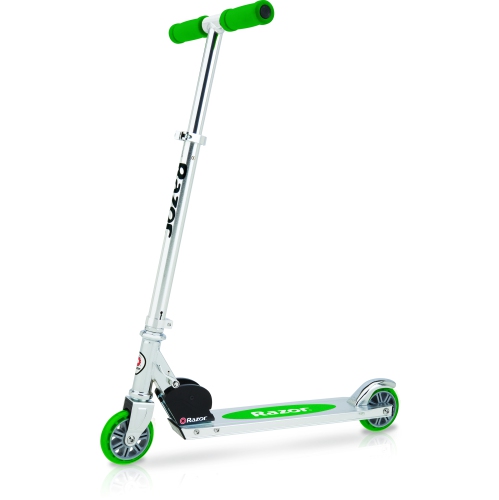 Your price for this item is $49.99
-
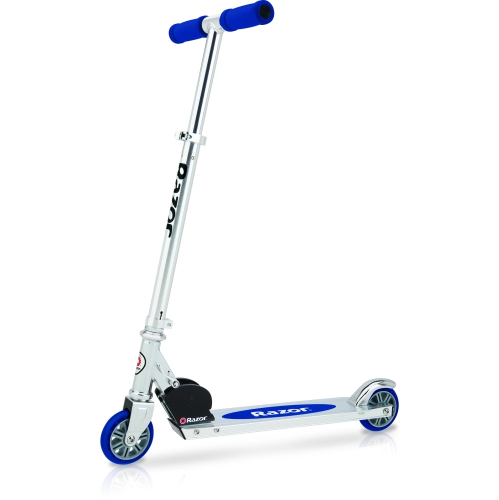 Your price for this item is $49.99
-
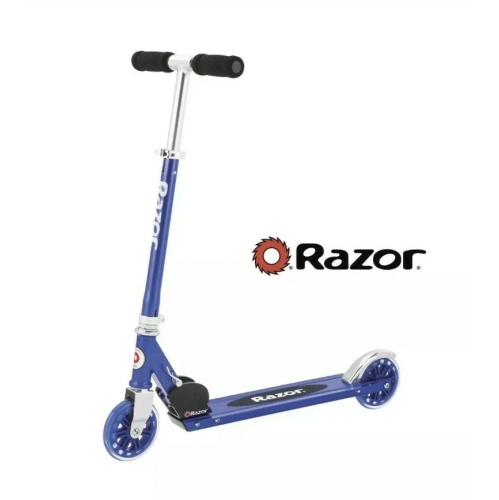 Your price for this item is $119.99
-
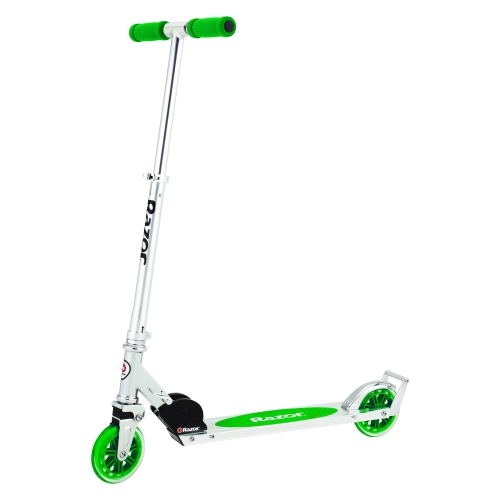 Your price for this item is $76.99
Discover more categories related to Affordable Kids Scooters
Top Collections:
Best Black Friday Deals This Year, Best Black Friday Deals On Electronics, Kindle Devices, Dyson Airwrap, Best Cameras for Sports Photography, Best Budget Office Chairs, Canon G7X Cameras, PS5 Pro Consoles, Best Black Friday Deals On Apple Products, XBOX One S Consoles
Some products may be subject to Environmental Handling Fees
(EHF) depending on your province.
Learn more about EHFs.