Anchoring Systems
Discover the essential tools for ensuring stability and security with our diverse range of anchoring systems. Perfect for a variety of applications, these systems are designed to provide reliable support and peace of mind, whether you're securing outdoor equipment, setting up a temporary structure, or fortifying your home projects. Explore options that cater to different needs, offering durability and ease of use. With the right anchoring system, you can confidently tackle any task knowing that your setup is secure. Dive into our collection and find the perfect solution to keep everything grounded and steady.
Sort

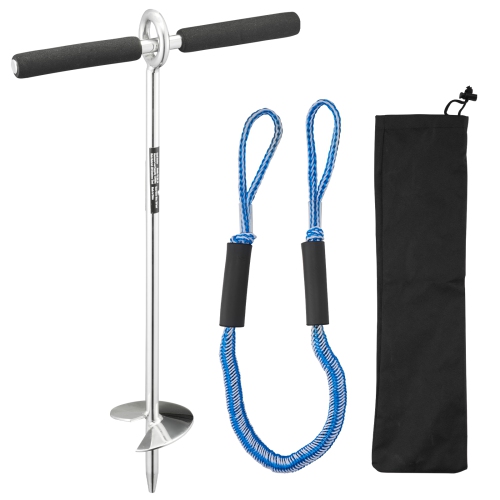
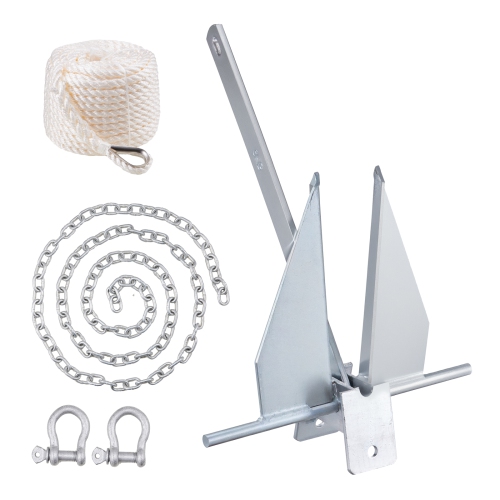
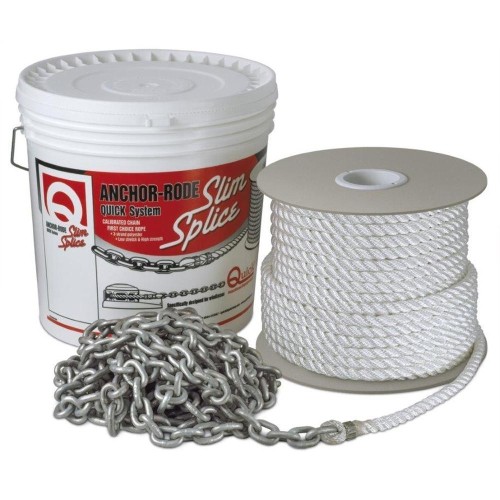
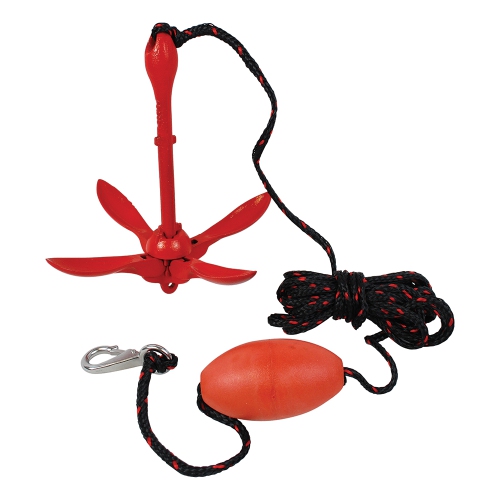

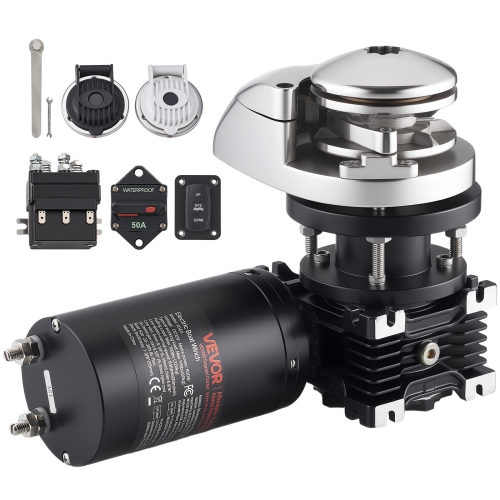
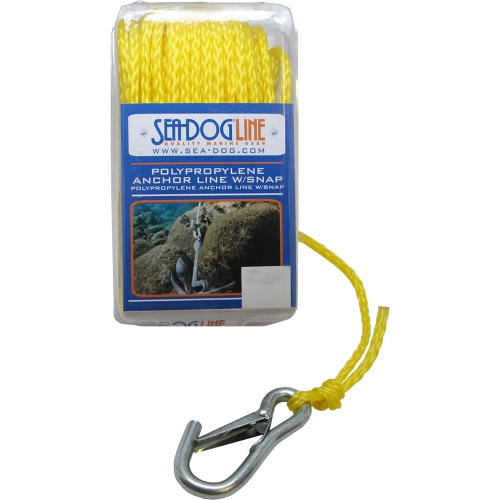
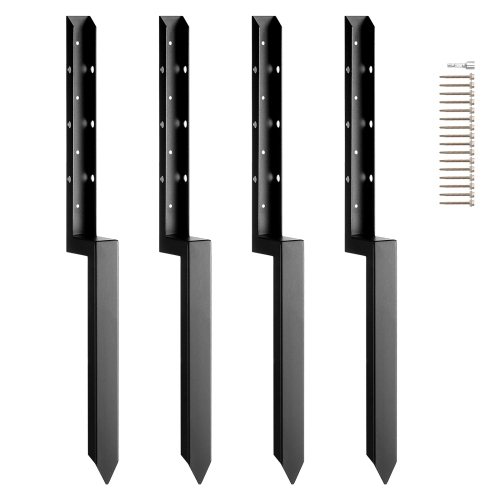
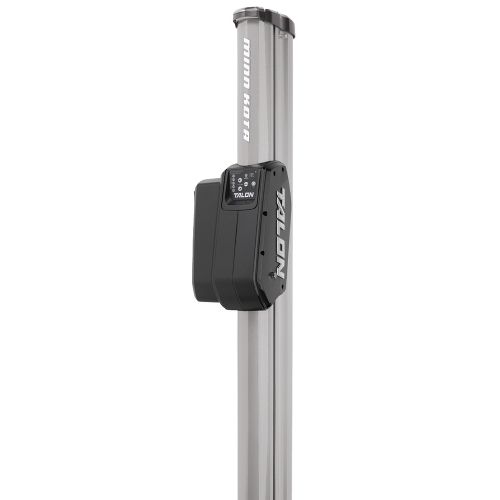

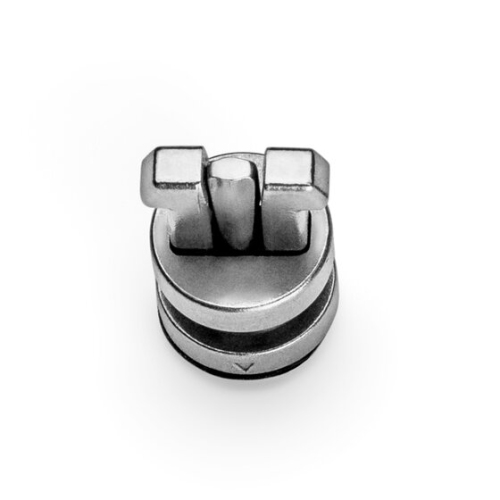
Anchoring Systems
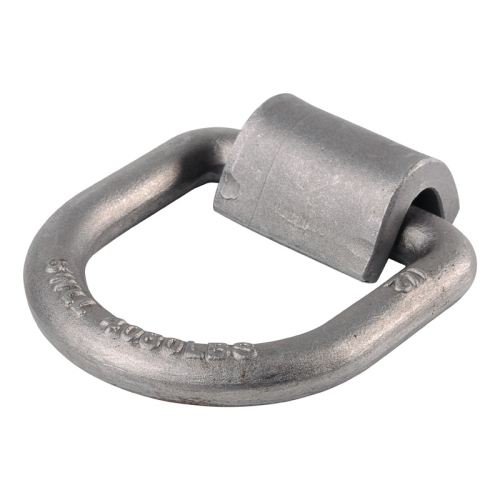
Anchoring systems are designed to secure an object, fixture, vessel, or structure against movement by transferring force into a dependable base such as concrete, masonry, timber, compacted soil, rock, or the seabed. Although the word “anchoring” can describe several very different applications, the purpose is consistent: create a reliable connection that can resist pulling, shifting, vibration, wind, water movement, or changing loads. For household and renovation projects, mechanical anchors are commonly installed in drilled holes and hold through expansion, friction, or interlocking action. Wedge anchors, sleeve-style anchors, screw anchors, and other mechanical fasteners can be useful for attaching equipment or structural components to concrete and masonry, but each has a specific load rating and installation method. Chemical anchoring systems use resin or epoxy to bond a threaded rod, reinforcing bar, or similar insert into a properly prepared hole. They can be a practical choice where high holding strength or greater flexibility in placement is important, though the hole must be cleaned carefully and the adhesive needs sufficient curing time. Helical or screw anchors are turned into soil and use their spiral plates to develop resistance below the surface, making them suitable for certain posts, temporary structures, tie-downs, and ground-stabilization applications. Deadman anchors take a different approach: a buried block, plate, beam, or other substantial member is connected with cable or rod and relies on the surrounding soil to resist movement. The right anchoring system depends on the base material, expected load, direction of force, installation depth, exposure to moisture, and whether the connection is temporary or permanent. A product that works well in solid concrete may be unsuitable for hollow block, brick, loose soil, rock, or a sandy shoreline, so checking the manufacturer’s specifications and the condition of the host material is an essential part of choosing confidently.
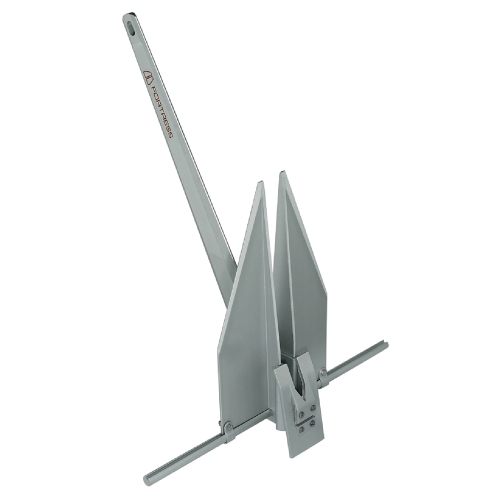
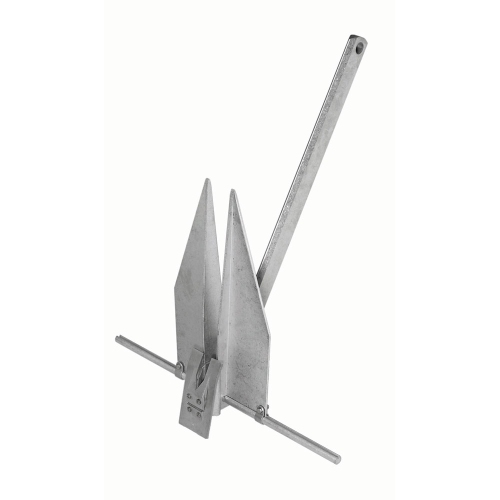
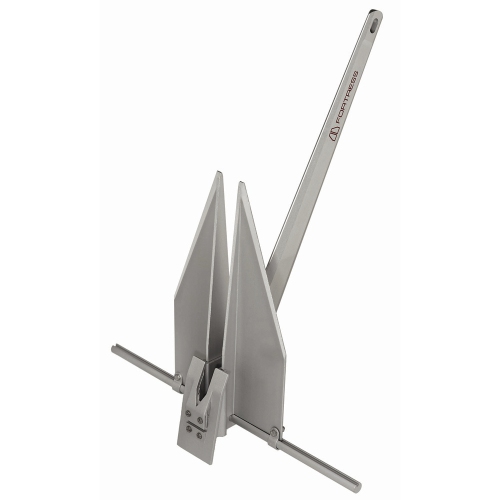
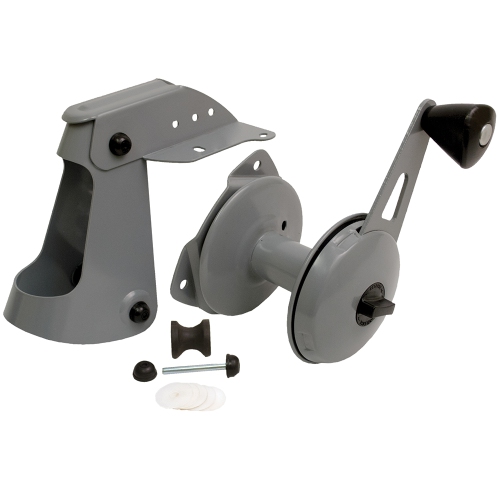
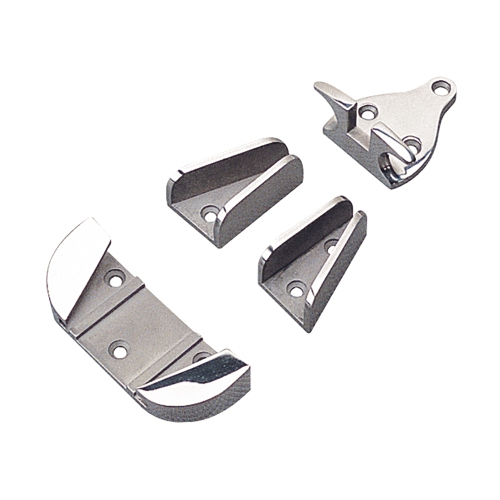
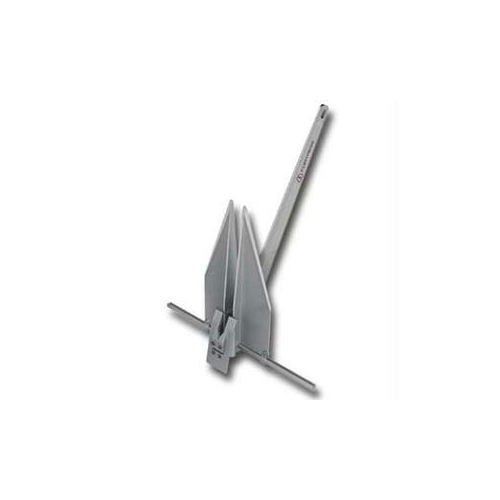
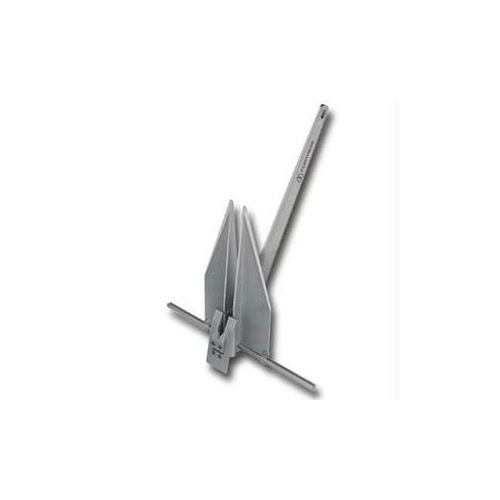
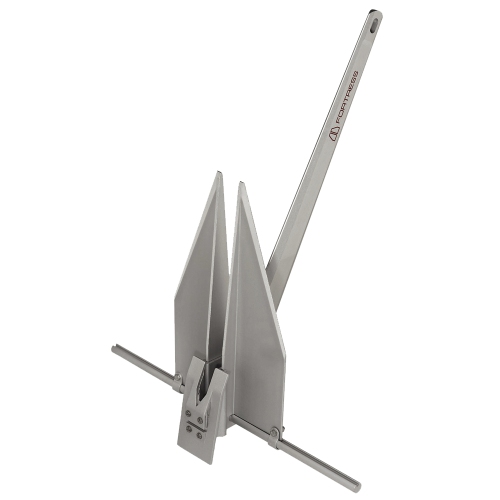
Marine anchoring systems are built around the way a vessel interacts with the bottom, current, wind, and waves. Fluke or plough-style anchors are shaped to penetrate sand or mud and develop holding power as tension increases along the rode, while other anchor designs are better suited to gravel, clay, grass, or mixed seabeds. The chain and line connecting the anchor to the vessel are equally important because they help maintain a low, steady pulling angle and absorb some of the movement caused by wind and waves. When selecting equipment for a boat, consider the vessel’s length and weight, the usual anchorage depth, bottom conditions, weather exposure, storage space, and the strength and compatibility of every connecting component. A larger vessel or a location with strong current may call for a heavier-duty arrangement than a small craft used in sheltered water. Commercial and offshore applications use more specialized systems, including stockless or Hall-style anchors for large ships, suction piles for floating structures, and deep grouted rock or soil anchors for retaining slopes, stabilizing foundations, or securing structures below ground. These systems are engineered as complete assemblies rather than chosen by appearance alone. Load calculations, soil or seabed testing, corrosion considerations, inspection access, and local codes can all affect the final design. Powder-actuated fastening tools may provide rapid attachment to suitable steel or concrete, but they use controlled explosive charges and should only be handled by trained users who follow the tool instructions, workplace requirements, and applicable regulations. For home projects, compare the anchor diameter, embedment depth, recommended hole size, allowable load, spacing, edge distance, and required tools before beginning. A connection can look firmly installed while still being unsafe if the hole is too shallow, the substrate is cracked, the fastener is overloaded, or the system has not been allowed to cure or settle correctly.
Anchoring systems are useful for homeowners, renovators, contractors, boat owners, facility teams, event crews, and anyone who needs a stable connection between an object and its surroundings. They can help secure equipment, shelving, posts, railings, outdoor fixtures, temporary barriers, storage structures, and other installations where ordinary screws or surface-level fasteners do not provide enough resistance. They may also appeal to a practical gift-giver shopping for a boater, workshop enthusiast, property manager, or experienced do-it-yourselfer, although anchoring equipment is best selected for a known project rather than given without considering the intended substrate and load. Before purchasing, measure the material thickness, identify whether the surface is solid or hollow, and note any hidden wiring, plumbing, reinforcement, or buried services. Outdoor and marine settings call for added attention to rust resistance, galvanic compatibility, water exposure, freezing and thawing, and the possibility of repeated movement. During warmer conditions, soil can be easier to work but may also be softer or less stable after rain; during cooler months, frozen ground, damp masonry, and lower adhesive temperatures can affect installation and curing. Keep the complete system in mind, including washers, nuts, plates, cables, chains, shackles, tensioners, and protective coatings, since the weakest component determines the practical strength of the connection. For installations supporting people, vehicles, overhead loads, boats, retaining forces, or critical equipment, consult a qualified professional and follow local building, marine, and safety requirements. If your project involves positioning a screen, device, or piece of equipment after the underlying anchor point is established, related Mounting Systems can help complete the installation with the appropriate brackets and support hardware. Careful matching, accurate measurement, proper surface preparation, and routine inspection will help an anchoring system perform as intended through changing conditions and everyday use.
Marine anchoring systems are built around the way a vessel interacts with the bottom, current, wind, and waves. Fluke or plough-style anchors are shaped to penetrate sand or mud and develop holding power as tension increases along the rode, while other anchor designs are better suited to gravel, clay, grass, or mixed seabeds. The chain and line connecting the anchor to the vessel are equally important because they help maintain a low, steady pulling angle and absorb some of the movement caused by wind and waves. When selecting equipment for a boat, consider the vessel’s length and weight, the usual anchorage depth, bottom conditions, weather exposure, storage space, and the strength and compatibility of every connecting component. A larger vessel or a location with strong current may call for a heavier-duty arrangement than a small craft used in sheltered water. Commercial and offshore applications use more specialized systems, including stockless or Hall-style anchors for large ships, suction piles for floating structures, and deep grouted rock or soil anchors for retaining slopes, stabilizing foundations, or securing structures below ground. These systems are engineered as complete assemblies rather than chosen by appearance alone. Load calculations, soil or seabed testing, corrosion considerations, inspection access, and local codes can all affect the final design. Powder-actuated fastening tools may provide rapid attachment to suitable steel or concrete, but they use controlled explosive charges and should only be handled by trained users who follow the tool instructions, workplace requirements, and applicable regulations. For home projects, compare the anchor diameter, embedment depth, recommended hole size, allowable load, spacing, edge distance, and required tools before beginning. A connection can look firmly installed while still being unsafe if the hole is too shallow, the substrate is cracked, the fastener is overloaded, or the system has not been allowed to cure or settle correctly.
Anchoring systems are useful for homeowners, renovators, contractors, boat owners, facility teams, event crews, and anyone who needs a stable connection between an object and its surroundings. They can help secure equipment, shelving, posts, railings, outdoor fixtures, temporary barriers, storage structures, and other installations where ordinary screws or surface-level fasteners do not provide enough resistance. They may also appeal to a practical gift-giver shopping for a boater, workshop enthusiast, property manager, or experienced do-it-yourselfer, although anchoring equipment is best selected for a known project rather than given without considering the intended substrate and load. Before purchasing, measure the material thickness, identify whether the surface is solid or hollow, and note any hidden wiring, plumbing, reinforcement, or buried services. Outdoor and marine settings call for added attention to rust resistance, galvanic compatibility, water exposure, freezing and thawing, and the possibility of repeated movement. During warmer conditions, soil can be easier to work but may also be softer or less stable after rain; during cooler months, frozen ground, damp masonry, and lower adhesive temperatures can affect installation and curing. Keep the complete system in mind, including washers, nuts, plates, cables, chains, shackles, tensioners, and protective coatings, since the weakest component determines the practical strength of the connection. For installations supporting people, vehicles, overhead loads, boats, retaining forces, or critical equipment, consult a qualified professional and follow local building, marine, and safety requirements. If your project involves positioning a screen, device, or piece of equipment after the underlying anchor point is established, related Mounting Systems can help complete the installation with the appropriate brackets and support hardware. Careful matching, accurate measurement, proper surface preparation, and routine inspection will help an anchoring system perform as intended through changing conditions and everyday use.
Top selling and popular products
-
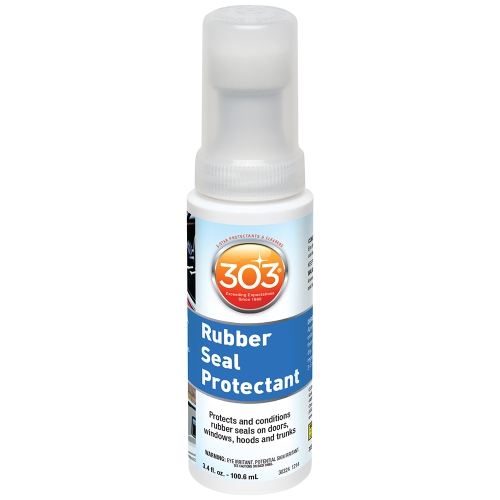 Your price for this item is $29.06
 -
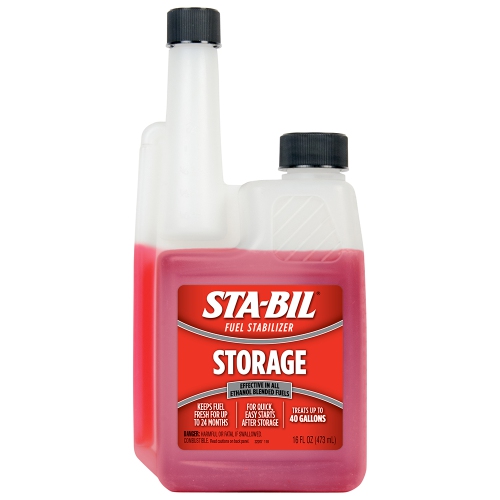 Your price for this item is $30.54
 -
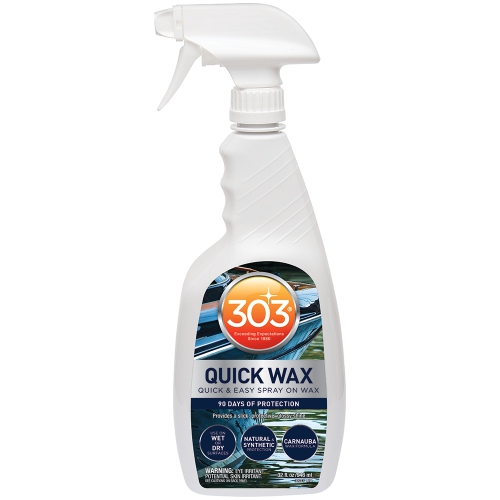 Your price for this item is $37.12
 -
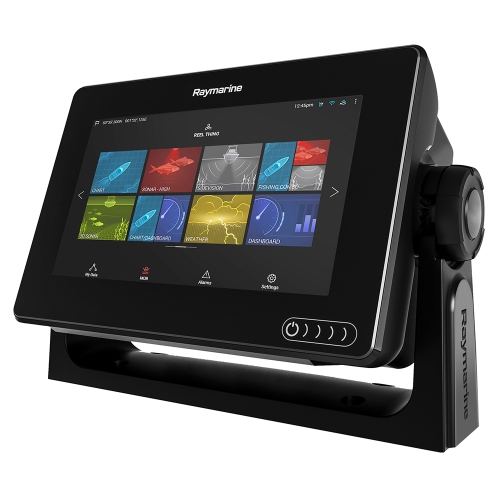 Your price for this item is $844.91
 -
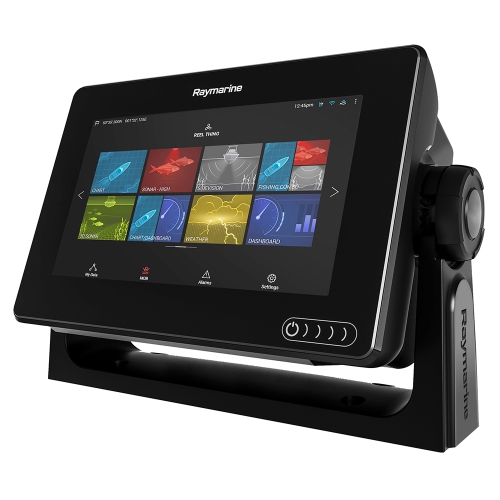 Your price for this item is $909.33
 -
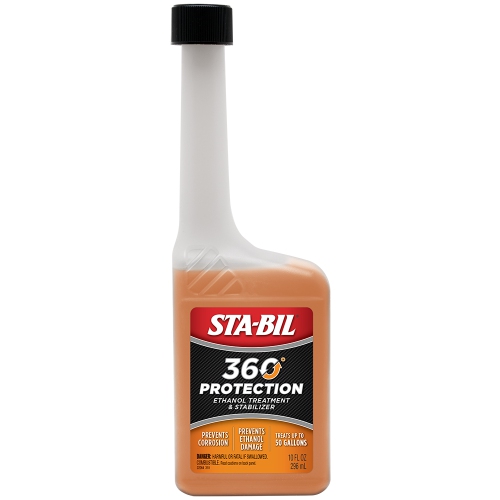 Your price for this item is $30.96
 -
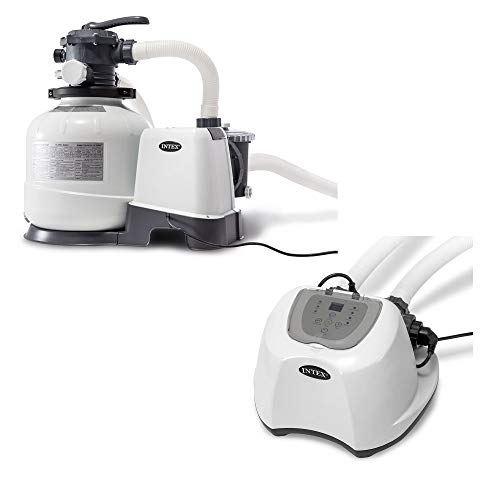 Your price for this item is $804.99
 -
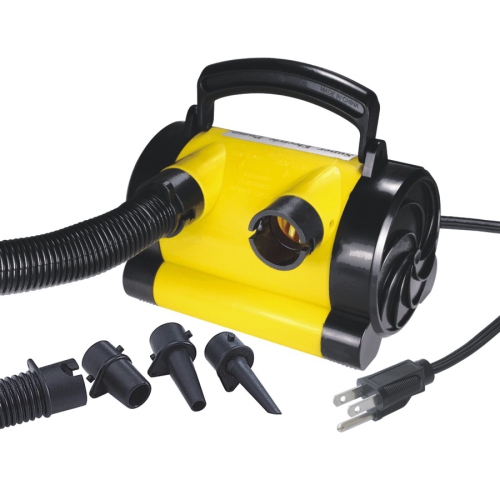 Your price for this item is $63.43
Discover more categories related to Anchoring Systems
Top Collections:
Pokemon Centers, Kindle Devices, Budget Smartphones, Budget 4K TVs, Apple iPhones 16, Canon G7X Cameras, iPhone 15 Apple, Alarm Clock, Budget-Friendly Wireless Earbuds, iPhone 14 256GB
Some products may be subject to Environmental Handling Fees
(EHF) depending on your province.
Learn more about EHFs.