Anchor Ropes
When it comes to securing your boat or watercraft, having reliable anchor ropes is essential for a safe and worry-free experience on the water. Whether you're looking for durable nylon ropes for everyday use or heavy-duty options for more demanding marine conditions, our selection of anchor ropes offers a variety of lengths, strengths, and materials to suit your specific needs. Explore our range of high-quality anchor ropes to find the perfect solution for keeping your vessel secure while out on the waves.
Sort
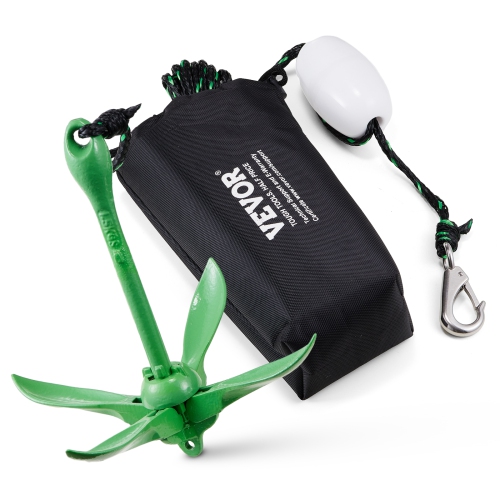
What to know about anchor line selection and care
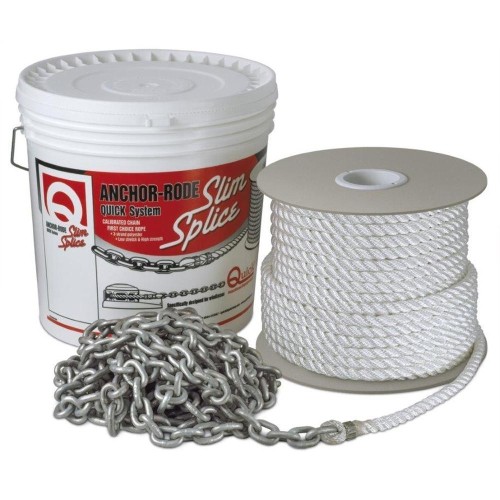
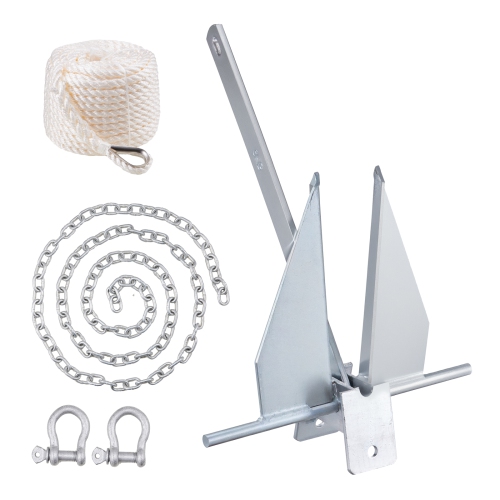
Anchor ropes, also called anchor lines, connect a boat to its anchor and help keep the vessel securely positioned while it is stopped, fishing, swimming, or waiting out changing conditions. A dependable line does more than simply hold the anchor: it helps absorb the pull created by waves, wind, current, and movement on board. The right choice depends on the size and weight of the boat, the anchor being used, the depth of the water, and whether the line will be handled by hand or used with a windlass winch. Recreational boaters, anglers, paddlers with anchor systems, and cottage owners may all find an anchor rope useful, especially when preparing equipment for cooler months or getting ready for the next boating season. It can also be a practical gift for someone who spends weekends on the water, maintains a fishing boat, or keeps a small craft at a dock. When shopping, consider the full setup rather than looking only at the rope itself. The rope diameter should suit the boat and anchor, while the length should provide enough scope for the water depth and the conditions where the boat will be anchored. A short line may limit holding performance, while extra length provides more flexibility when anchoring in deeper water. Many boaters pair rope with a section of anchor chain, which adds weight near the anchor and helps the anchor sit at a useful angle on the bottom. Check the recommended capacity of the boat, anchor, cleat, and winch so every part of the system works together.
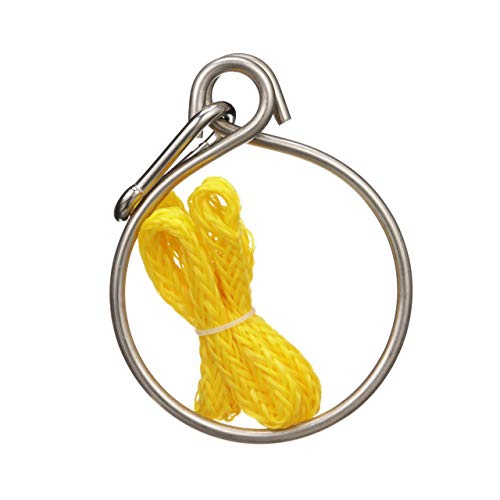
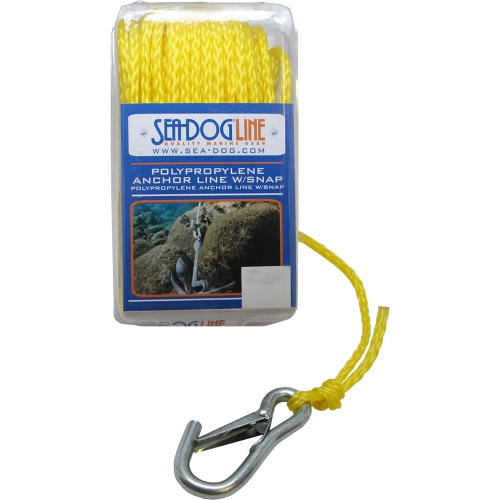
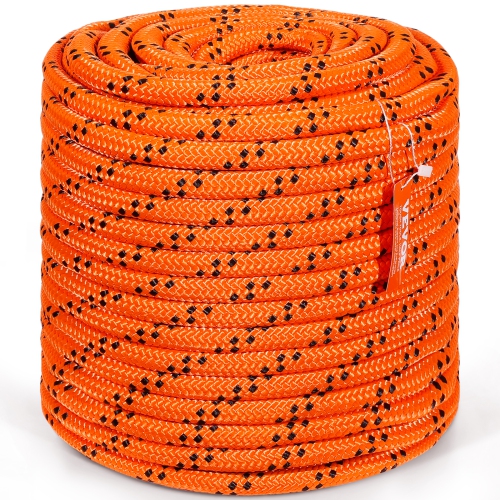
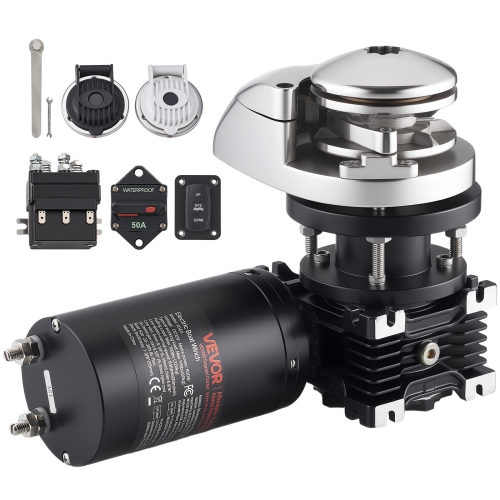
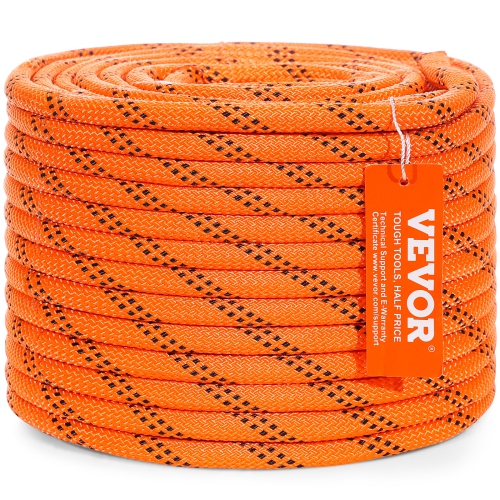
Three-strand nylon is a popular choice for anchor lines because it offers useful stretch that helps absorb sudden shocks from waves and gusts. Its familiar twisted construction is flexible, easy to handle, and well suited to many small and medium-sized boats. Nylon can feel soft and pliable when new, then gradually develop a more settled shape with use. Double-braid rope has a smooth outer cover over a braided core, giving it a neat appearance and a comfortable feel in the hands. It is strong and durable, although it generally provides less stretch than three-strand nylon, so the rest of the anchoring system should be selected with that difference in mind. Polypropylene is lightweight and floats on water, which can be helpful for certain applications, but it is typically weaker and less durable than nylon. Look closely at the rope’s stated diameter, construction, rated strength, and intended use instead of assuming that a thicker line is automatically the best option. A pre-spliced eye and metal thimble can make attachment to an anchor more straightforward while helping protect the rope from wear at the connection point. Lines with an anchor hook may offer a convenient setup for compatible equipment. If a windlass is part of the system, confirm that the rope construction and size are designed for that mechanism, since a line that works well with a hand-operated cleat may not feed or grip correctly in a powered unit. For additional options for demanding outdoor, workshop, towing, or utility applications, browse Heavy Duty Ropes.
Before using an anchor rope, inspect it carefully from end to end. Run a gloved hand along the line and look for fraying, flattened sections, cuts, stiffness, fading, melted fibres, or damage around the splice and thimble. Pay special attention to areas that rub against a bow roller, cleat, chain, or rough edge, since repeated chafing can weaken a line even when the outer surface appears mostly intact. Rinse away salt, sand, mud, and grit with fresh water, allow the rope to dry fully, and store it loosely coiled in a dry, ventilated place between outings. Avoid leaving it compressed in a wet locker for long periods. Learn and practise a suitable knot, such as an anchor bend, and make sure the connection is tight before relying on it. The line should be secured to a strong attachment point on the boat, not to a lightweight fitting intended only for convenience. Lower the anchor gradually, keep hands and loose clothing clear of moving rope, and never wrap a loaded line around a hand or wrist. Conditions can change quickly during a day on the water, so keep an eye on wind direction, waves, current, water depth, and nearby traffic. As the weather shifts from warmer outings to cooler storage conditions, a careful inspection is a simple way to identify worn equipment before it is needed again. With the appropriate length, diameter, construction, attachment method, and care routine, an anchor rope can become a dependable part of a boating kit for quiet afternoons at the dock, fishing trips, and safe stops on the water.
Three-strand nylon is a popular choice for anchor lines because it offers useful stretch that helps absorb sudden shocks from waves and gusts. Its familiar twisted construction is flexible, easy to handle, and well suited to many small and medium-sized boats. Nylon can feel soft and pliable when new, then gradually develop a more settled shape with use. Double-braid rope has a smooth outer cover over a braided core, giving it a neat appearance and a comfortable feel in the hands. It is strong and durable, although it generally provides less stretch than three-strand nylon, so the rest of the anchoring system should be selected with that difference in mind. Polypropylene is lightweight and floats on water, which can be helpful for certain applications, but it is typically weaker and less durable than nylon. Look closely at the rope’s stated diameter, construction, rated strength, and intended use instead of assuming that a thicker line is automatically the best option. A pre-spliced eye and metal thimble can make attachment to an anchor more straightforward while helping protect the rope from wear at the connection point. Lines with an anchor hook may offer a convenient setup for compatible equipment. If a windlass is part of the system, confirm that the rope construction and size are designed for that mechanism, since a line that works well with a hand-operated cleat may not feed or grip correctly in a powered unit. For additional options for demanding outdoor, workshop, towing, or utility applications, browse Heavy Duty Ropes.
Before using an anchor rope, inspect it carefully from end to end. Run a gloved hand along the line and look for fraying, flattened sections, cuts, stiffness, fading, melted fibres, or damage around the splice and thimble. Pay special attention to areas that rub against a bow roller, cleat, chain, or rough edge, since repeated chafing can weaken a line even when the outer surface appears mostly intact. Rinse away salt, sand, mud, and grit with fresh water, allow the rope to dry fully, and store it loosely coiled in a dry, ventilated place between outings. Avoid leaving it compressed in a wet locker for long periods. Learn and practise a suitable knot, such as an anchor bend, and make sure the connection is tight before relying on it. The line should be secured to a strong attachment point on the boat, not to a lightweight fitting intended only for convenience. Lower the anchor gradually, keep hands and loose clothing clear of moving rope, and never wrap a loaded line around a hand or wrist. Conditions can change quickly during a day on the water, so keep an eye on wind direction, waves, current, water depth, and nearby traffic. As the weather shifts from warmer outings to cooler storage conditions, a careful inspection is a simple way to identify worn equipment before it is needed again. With the appropriate length, diameter, construction, attachment method, and care routine, an anchor rope can become a dependable part of a boating kit for quiet afternoons at the dock, fishing trips, and safe stops on the water.
Top selling and popular products
-
 Your price for this item is $30.58
 -
 Your price for this item is $30.54
 -
 Your price for this item is $38.85
 -
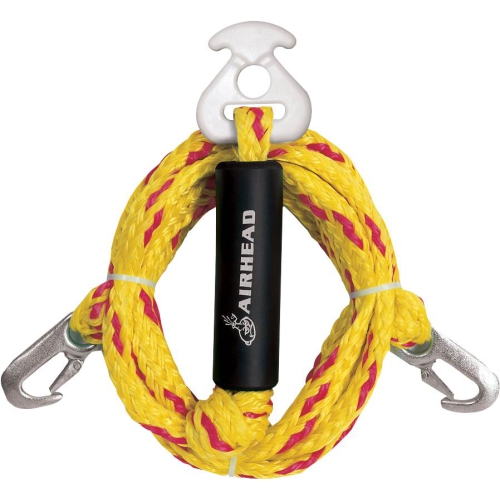 Your price for this item is $92.99
 -
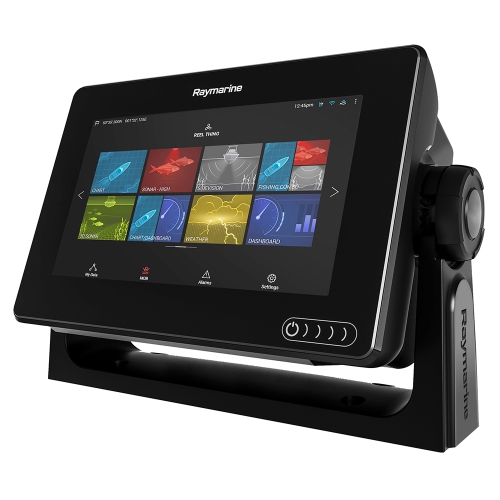 Your price for this item is $917.79
 -
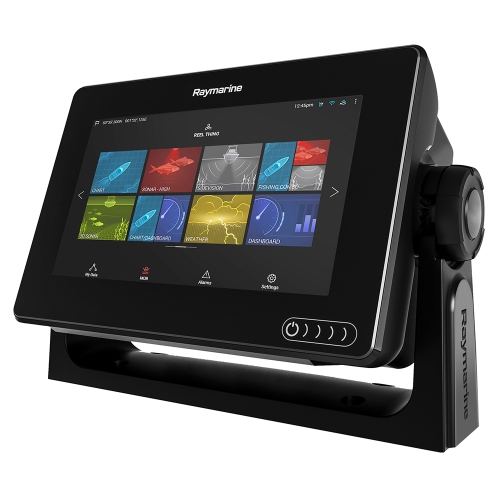 Your price for this item is $844.31
 -
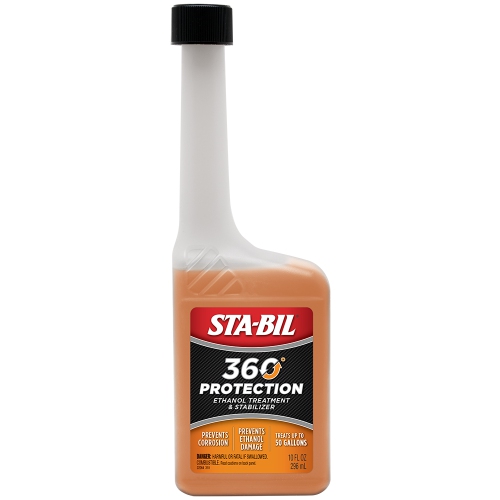 Your price for this item is $30.62
 -
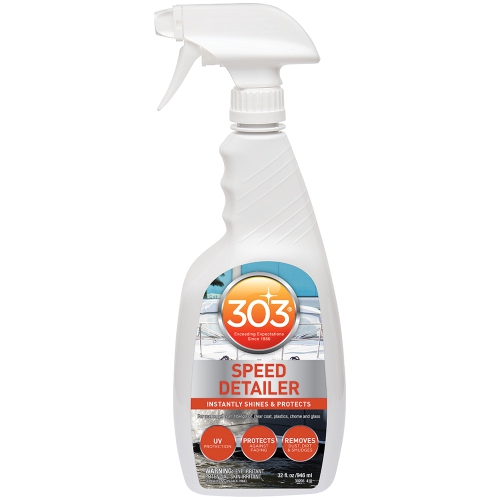 Your price for this item is $34.93
Discover more categories related to Anchor Ropes
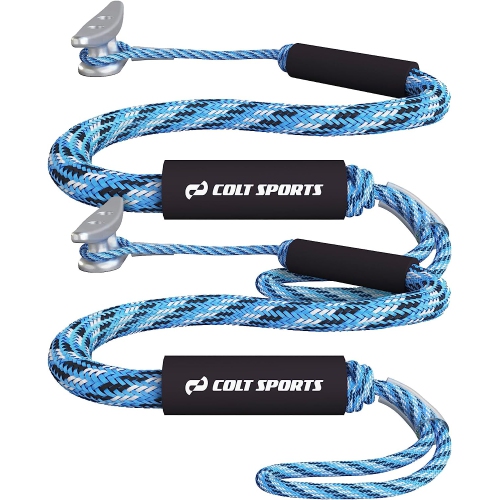
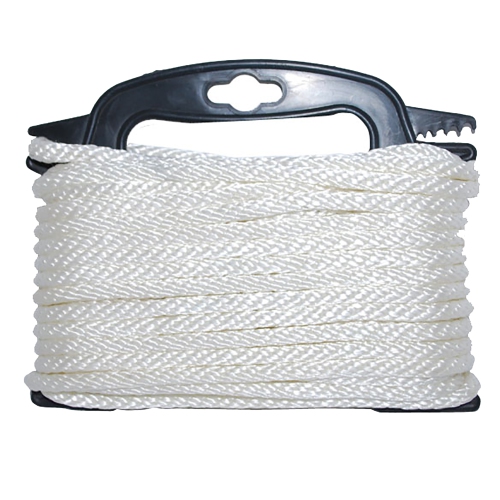
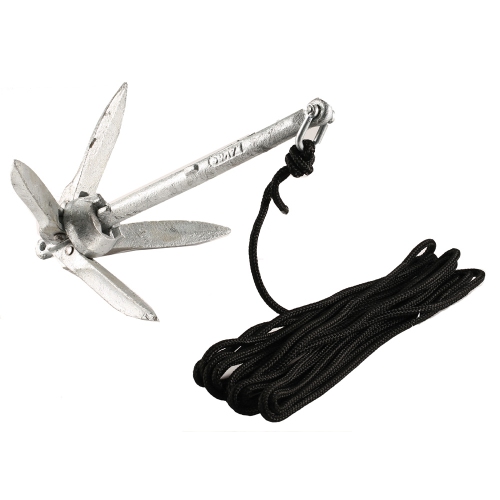
Top Collections:
Pokemon Centers, Kindle Devices, Best Budget Office Chairs, Apple iPhones 16, Canon G7X Cameras, iPhone 15 Apple, Alarm Clock, Refurbished Apple Laptops, Flip Phones, Best Laptops for Writers
Some products may be subject to Environmental Handling Fees
(EHF) depending on your province.
Learn more about EHFs.