Automotive Digital Gauges
Upgrade your car's dashboard with automotive digital gauges. These cutting-edge devices provide real-time information on your vehicle's performance, allowing you to monitor crucial metrics such as speed, fuel efficiency, engine temperature, and more. With sleek designs and intuitive interfaces, these digital gauges are not only functional but also add a modern touch to your car's interior. Whether you're a car enthusiast looking to track every detail or simply want to enhance your driving experience, our selection of Aatomotive digital gauges has something for everyone.
Sort

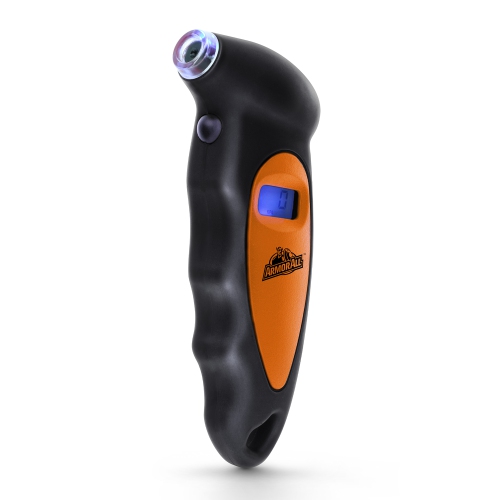
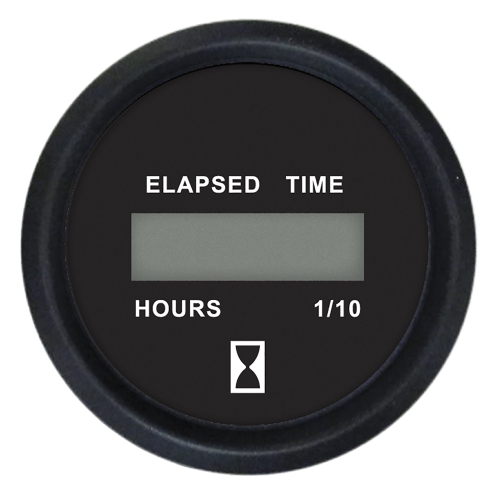

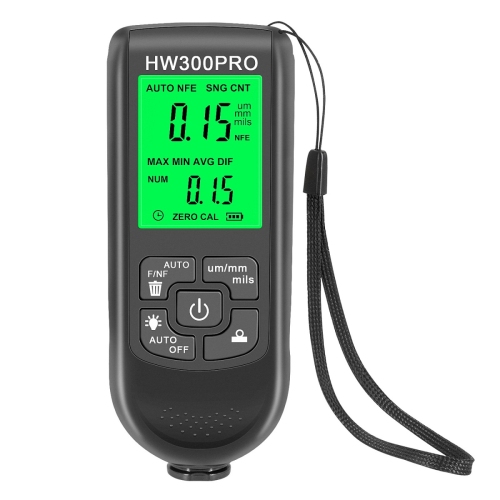
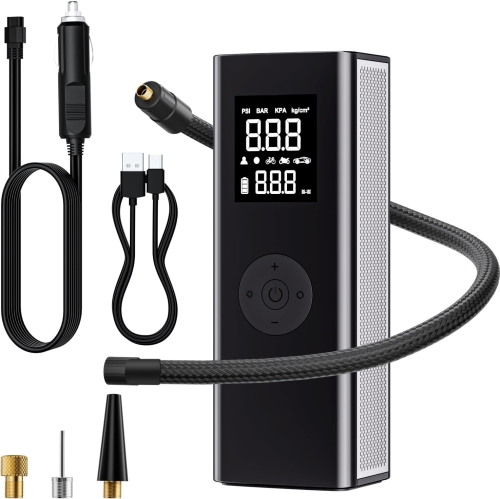
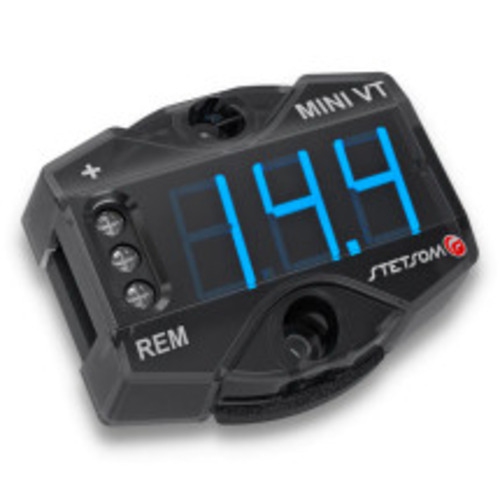
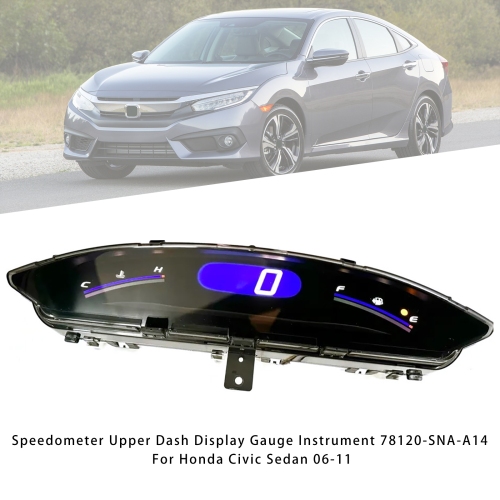
Monitor vehicle health with clear customizable digital displays
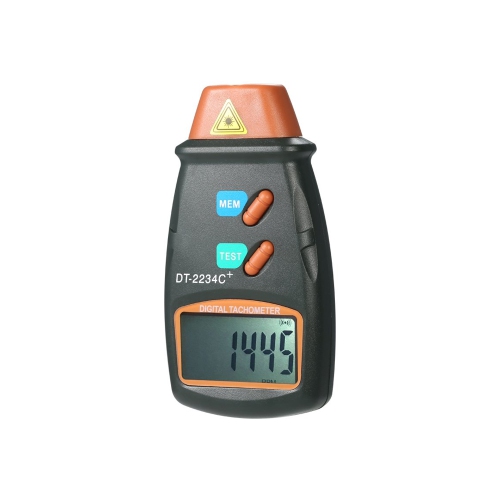
Automotive digital gauges provide a clear, modern way to monitor the information that matters while driving, tuning, towing, or maintaining a vehicle. Instead of relying solely on traditional mechanical dials, these displays use LCD or LED screens to show readings such as vehicle speed, engine revolutions per minute (RPM), coolant temperature, oil pressure, oil temperature, battery voltage, fuel level, boost pressure, and exhaust temperature. Depending on the design, a digital gauge may be installed as a complete replacement for the factory instrument cluster, mounted as an additional display on the dashboard, or connected through the vehicle’s OBD-II port to read information from the onboard computer. Some models are designed to show one measurement in a large, easy-to-read format, while multi-parameter units can display several readings together. This makes them useful for everyday drivers who want a quick view of vehicle health, as well as enthusiasts who regularly adjust engine performance, tow heavy loads, drive off-road, or spend time at a track. A well-positioned screen can be especially helpful during the cooler months, when a driver may want to keep an eye on engine warm-up, charging voltage, or temperature changes without taking attention away from the road. Clear numbers, adjustable brightness, selectable display layouts, warning indicators, and audible or visual alerts can make important readings easier to understand at a glance, particularly when the dashboard is busy or the original gauges are difficult to read.
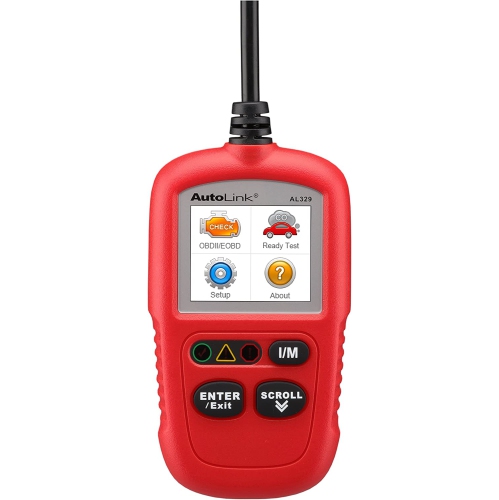
When choosing automotive digital gauges, start by considering the type of information you need and how much installation work is appropriate for your vehicle. An OBD-II display is often a practical choice for drivers who want live vehicle data without replacing the factory instrument cluster. These units generally connect through the diagnostic port and may display information already monitored by the vehicle’s computer, such as speed, RPM, coolant temperature, intake temperature, fuel economy, battery voltage, and diagnostic codes, although the exact readings vary by vehicle. A full digital dash replacement creates a more dramatic change by replacing the original cluster with a larger customizable screen, but compatibility, wiring, mounting space, calibration, and professional installation should be reviewed carefully before purchase. Compact multi-gauge systems may require separate sending units for measurements such as oil pressure or water temperature, making sensor placement and wiring an important part of the installation. Drivers should confirm the vehicle’s make, model, year, engine configuration, available dashboard space, and connection type before selecting a display. It is also worth checking whether the unit is intended for a 12-volt automotive system, whether the readings can be configured between metric and imperial formats, and whether the screen remains legible in direct sunlight or at night. A gauge that looks impressive in a product photo still needs to fit comfortably within the driver’s sightline and avoid blocking warning lights, vents, switches, or the windshield. From personal experience, the most useful display is usually the one that can be understood in a split second: a large temperature figure rising steadily, a voltage reading that confirms the charging system is working, or a bright warning alert that draws attention before a small issue becomes a roadside problem. Drivers who want to investigate warning lights or understand more about a vehicle’s electronic systems may also wish to explore Automotive Diagnostic Tools, while remembering that a digital gauge is intended to present information and should not replace proper maintenance or qualified service.
Automotive digital gauges can suit a wide range of vehicles and drivers, from a commuter looking for a cleaner dashboard display to a hands-on owner who enjoys customizing every detail of a car, truck, SUV, van, or performance vehicle. They can be particularly useful for older vehicles with worn, inaccurate, or hard-to-read factory instruments, provided the replacement is compatible with the vehicle’s electrical and sensor systems. They may also appeal to drivers who tow trailers, carry heavy loads, travel through hilly areas, or spend extended periods idling, since additional temperature and voltage information can provide helpful context when the engine is working harder than usual. Enthusiasts often use digital gauges to monitor boost, oil pressure, air-fuel information, exhaust temperature, or other readings while making adjustments, but the right configuration depends on the engine, modifications, and intended use. For everyday drivers, a simple display with speed, RPM, coolant temperature, and battery voltage may be more useful than a screen packed with technical data. Digital gauges can also make a thoughtful gift for a vehicle owner who enjoys detailing, restoration, weekend repairs, road trips, or automotive customization. A compact add-on unit may be suitable for someone who wants useful information without changing the vehicle’s original appearance, while a customizable cluster may better match a restoration project or a carefully planned interior upgrade. During the transition from warmer weather into cooler driving conditions, checking that wiring, sensors, and mounting hardware are secure is just as important as choosing the display itself. Installation instructions should be followed closely, and any work involving the vehicle’s electrical system, airbag areas, steering column, or factory instrument cluster should be handled with appropriate care. Whether the goal is improved visibility, more detailed engine monitoring, a refreshed dashboard appearance, or greater awareness while towing and travelling, automotive digital gauges offer a flexible way to bring essential vehicle information into one readable display.
When choosing automotive digital gauges, start by considering the type of information you need and how much installation work is appropriate for your vehicle. An OBD-II display is often a practical choice for drivers who want live vehicle data without replacing the factory instrument cluster. These units generally connect through the diagnostic port and may display information already monitored by the vehicle’s computer, such as speed, RPM, coolant temperature, intake temperature, fuel economy, battery voltage, and diagnostic codes, although the exact readings vary by vehicle. A full digital dash replacement creates a more dramatic change by replacing the original cluster with a larger customizable screen, but compatibility, wiring, mounting space, calibration, and professional installation should be reviewed carefully before purchase. Compact multi-gauge systems may require separate sending units for measurements such as oil pressure or water temperature, making sensor placement and wiring an important part of the installation. Drivers should confirm the vehicle’s make, model, year, engine configuration, available dashboard space, and connection type before selecting a display. It is also worth checking whether the unit is intended for a 12-volt automotive system, whether the readings can be configured between metric and imperial formats, and whether the screen remains legible in direct sunlight or at night. A gauge that looks impressive in a product photo still needs to fit comfortably within the driver’s sightline and avoid blocking warning lights, vents, switches, or the windshield. From personal experience, the most useful display is usually the one that can be understood in a split second: a large temperature figure rising steadily, a voltage reading that confirms the charging system is working, or a bright warning alert that draws attention before a small issue becomes a roadside problem. Drivers who want to investigate warning lights or understand more about a vehicle’s electronic systems may also wish to explore Automotive Diagnostic Tools, while remembering that a digital gauge is intended to present information and should not replace proper maintenance or qualified service.
Automotive digital gauges can suit a wide range of vehicles and drivers, from a commuter looking for a cleaner dashboard display to a hands-on owner who enjoys customizing every detail of a car, truck, SUV, van, or performance vehicle. They can be particularly useful for older vehicles with worn, inaccurate, or hard-to-read factory instruments, provided the replacement is compatible with the vehicle’s electrical and sensor systems. They may also appeal to drivers who tow trailers, carry heavy loads, travel through hilly areas, or spend extended periods idling, since additional temperature and voltage information can provide helpful context when the engine is working harder than usual. Enthusiasts often use digital gauges to monitor boost, oil pressure, air-fuel information, exhaust temperature, or other readings while making adjustments, but the right configuration depends on the engine, modifications, and intended use. For everyday drivers, a simple display with speed, RPM, coolant temperature, and battery voltage may be more useful than a screen packed with technical data. Digital gauges can also make a thoughtful gift for a vehicle owner who enjoys detailing, restoration, weekend repairs, road trips, or automotive customization. A compact add-on unit may be suitable for someone who wants useful information without changing the vehicle’s original appearance, while a customizable cluster may better match a restoration project or a carefully planned interior upgrade. During the transition from warmer weather into cooler driving conditions, checking that wiring, sensors, and mounting hardware are secure is just as important as choosing the display itself. Installation instructions should be followed closely, and any work involving the vehicle’s electrical system, airbag areas, steering column, or factory instrument cluster should be handled with appropriate care. Whether the goal is improved visibility, more detailed engine monitoring, a refreshed dashboard appearance, or greater awareness while towing and travelling, automotive digital gauges offer a flexible way to bring essential vehicle information into one readable display.
Top selling and popular products
-
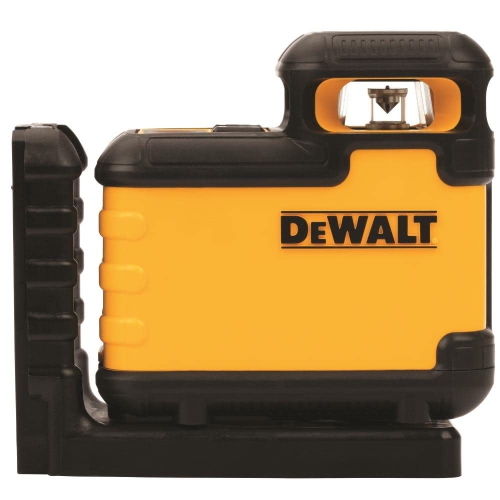 Your price for this item is $150
 -
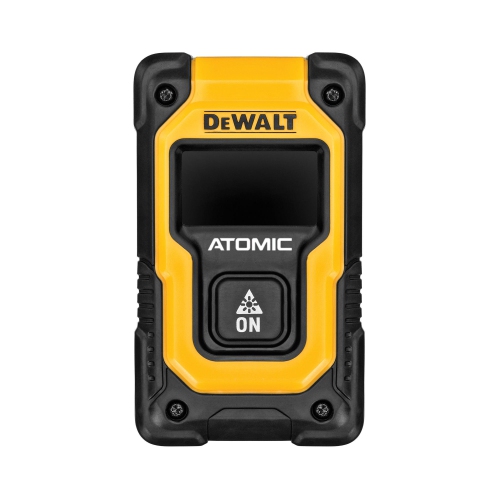 Your price for this item is $52.99
 -
 Your price for this item is $76.35
 -
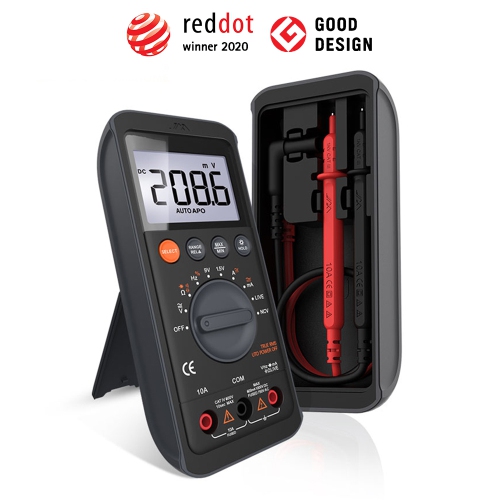 Your price for this item is $60.99
 -
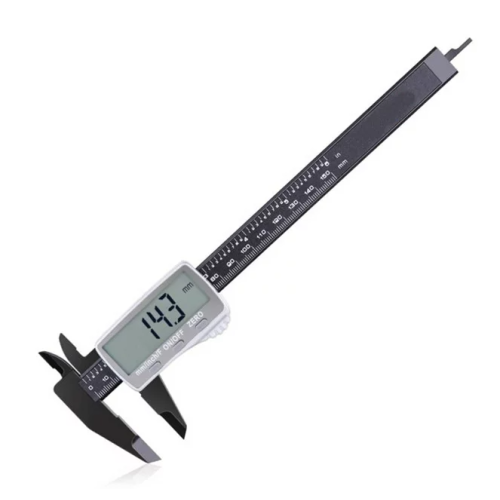 Your price for this item is $9.99
 -
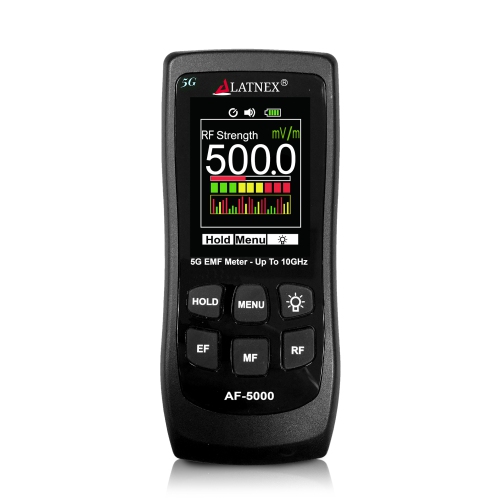 Your price for this item is $277
 -
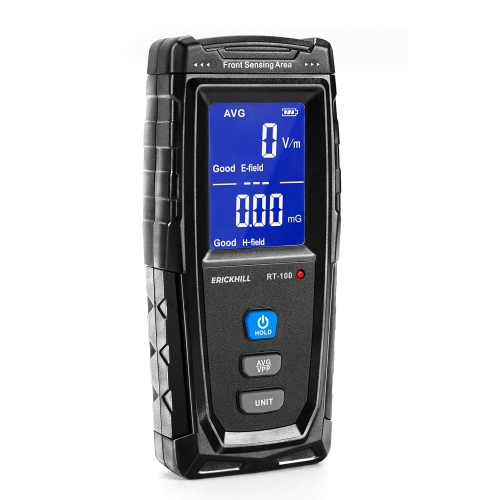 Your price for this item is $89.99
 -
 Your price for this item is $23.31
Discover more categories related to Automotive Digital Gauges

Top Collections:
Pokemon Centers, Kindle Devices, Best Cell Phones Under $500, Alarm Clock, Canon G7X Cameras, iPhone 15 Apple, Laptops for Students, Budget Smartphones, iPhone 14 256GB, Best Camera Tripods Under $100
Some products may be subject to Environmental Handling Fees
(EHF) depending on your province.
Learn more about EHFs.