Backpacking Stoves
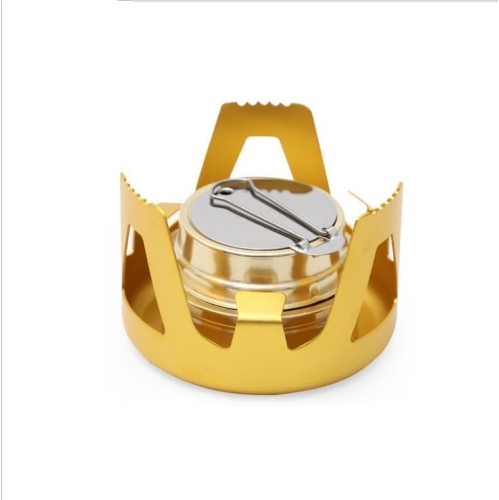
Whether you're a seasoned outdoor enthusiast or new to the world of backpacking, having a reliable and efficient stove is essential for preparing hot meals and beverages while on the trail. Backpacking stoves come in various types, including canister stoves, liquid fuel stoves, and alternative fuel stoves, each offering unique benefits to suit different camping needs. From lightweight and compact designs perfect for solo treks to high-powered options ideal for group adventures, finding the right backpacking stove can enhance your outdoor cooking experience and make mealtime a breeze during your wilderness escapades.
Sort
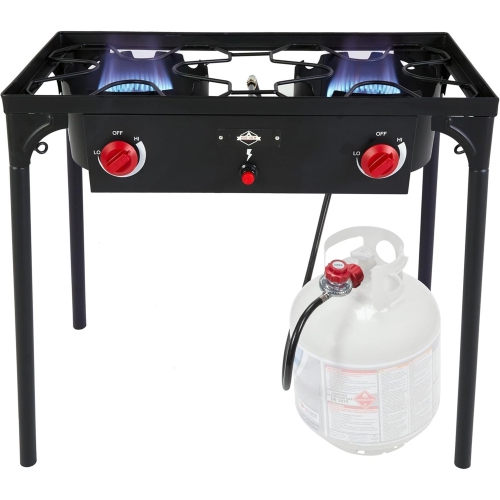
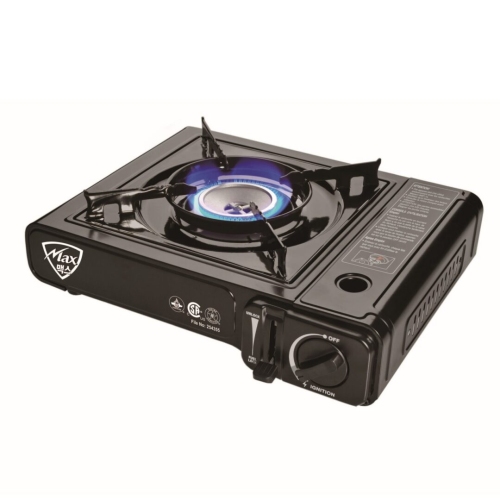
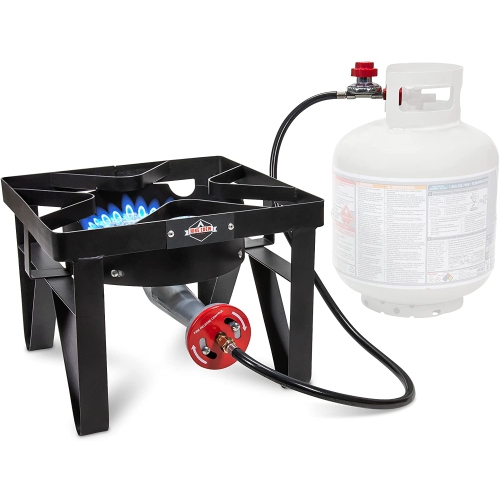
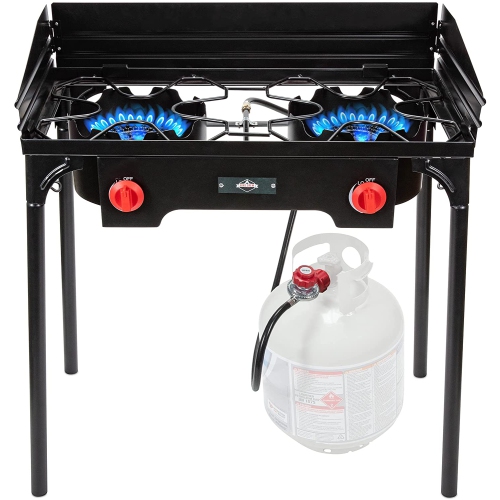
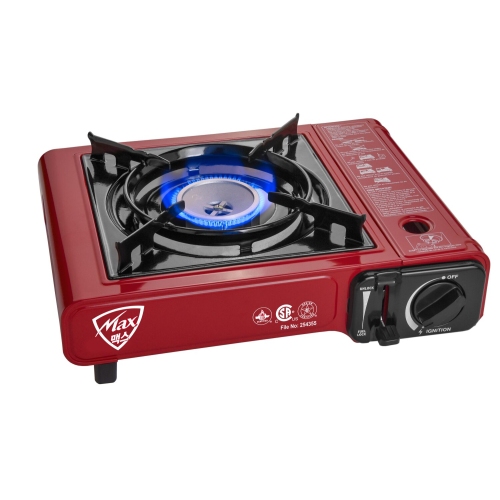
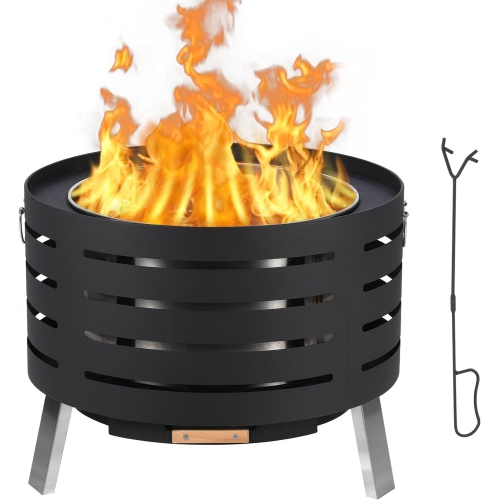
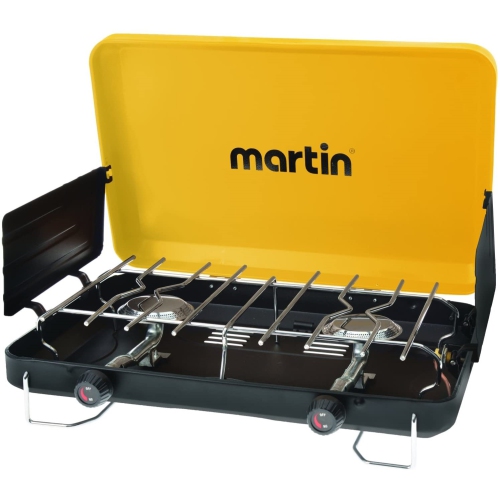
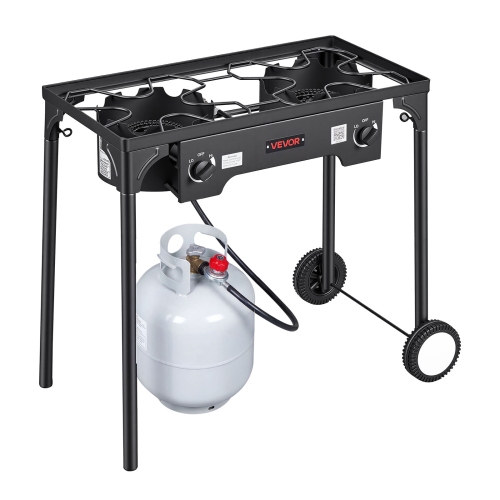
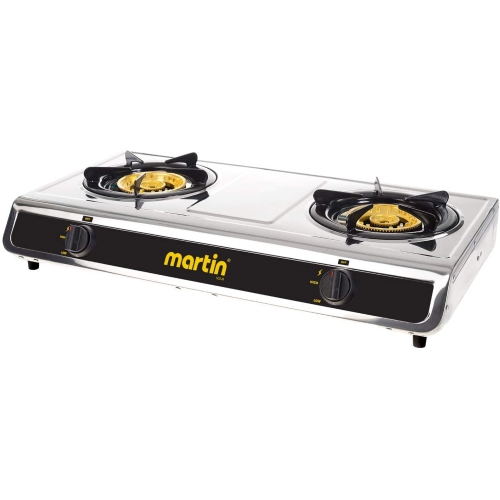
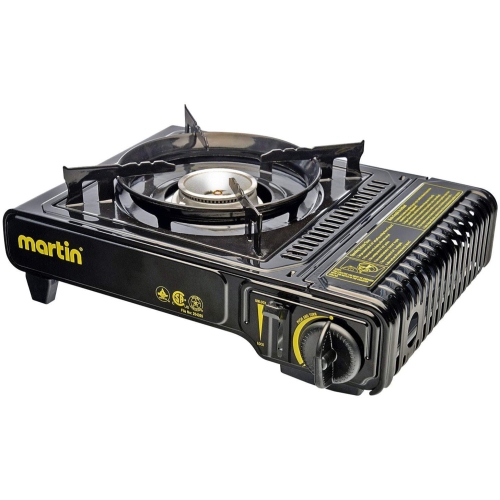
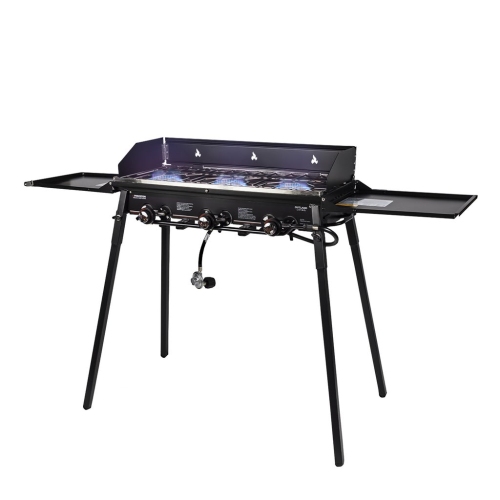
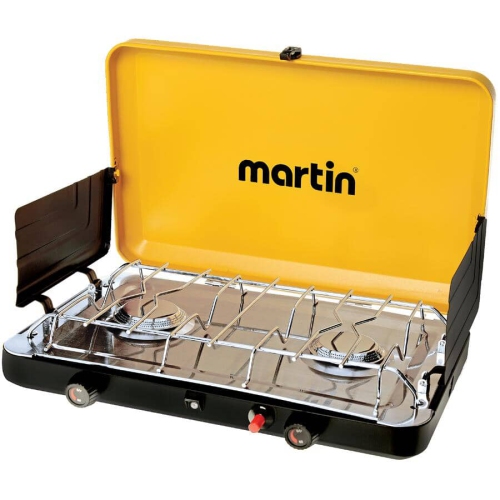
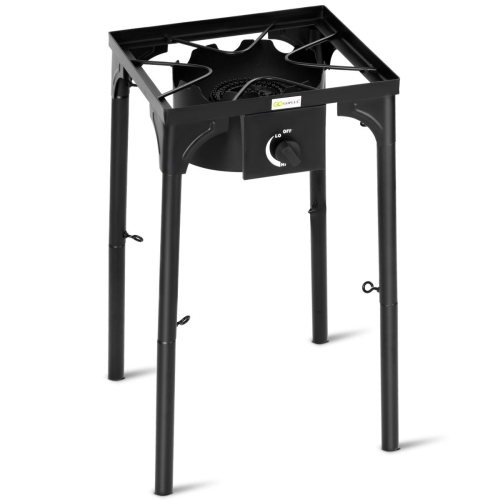
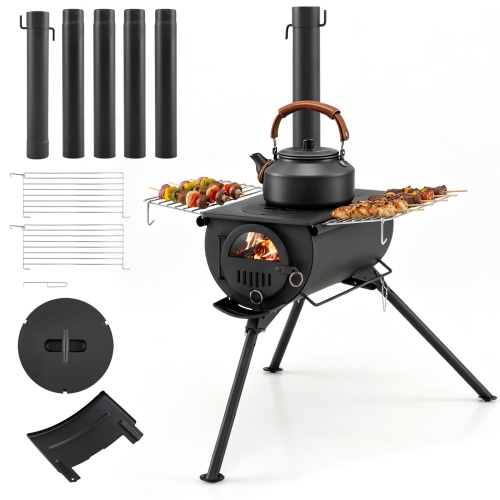
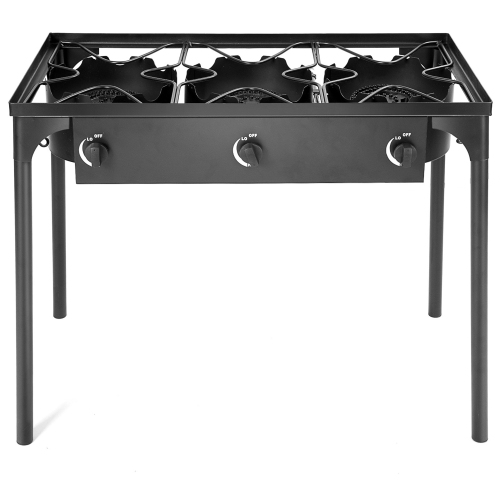
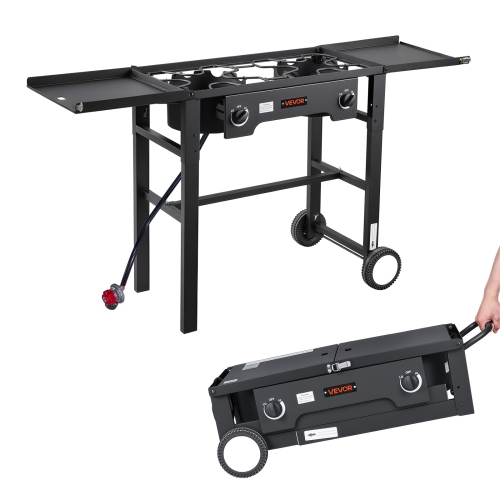
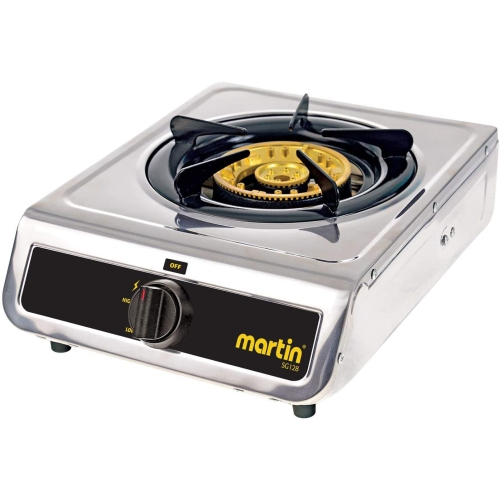
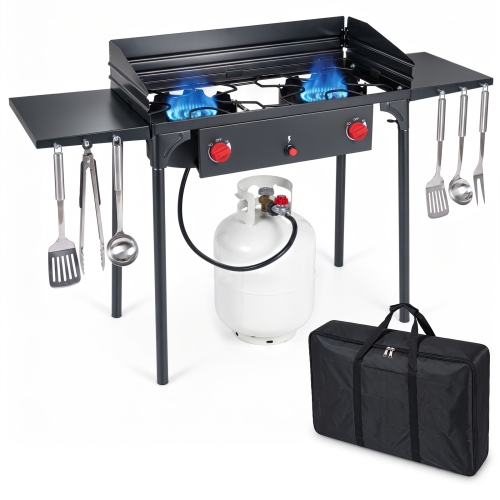
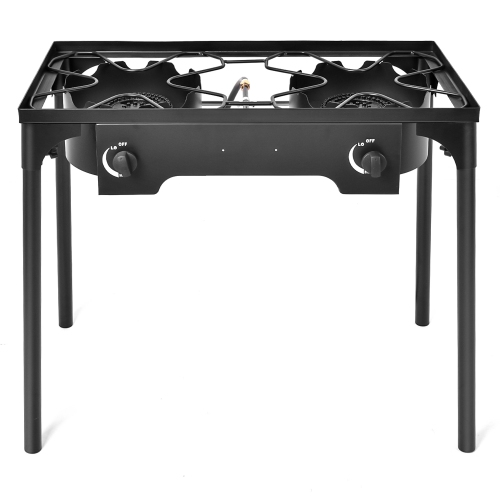
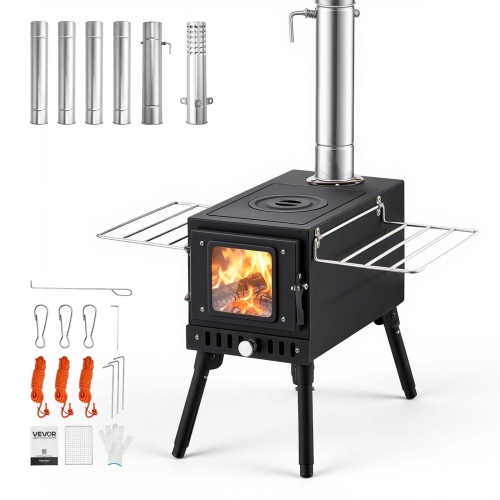
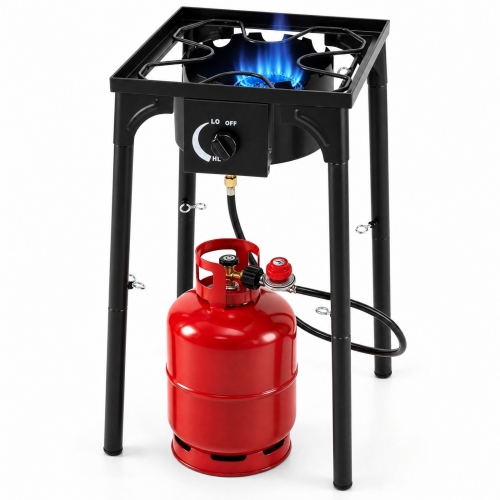
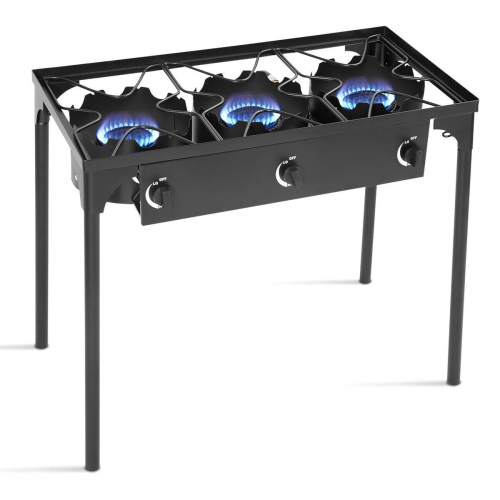
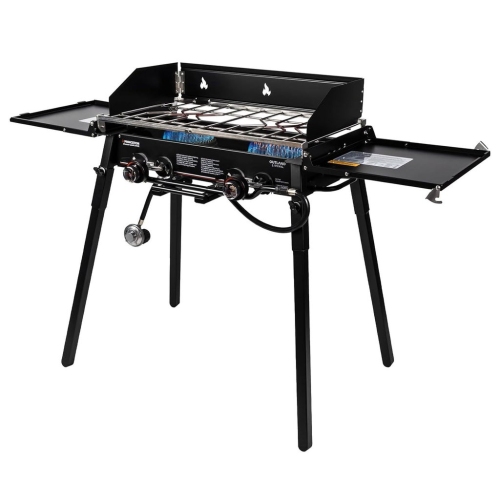
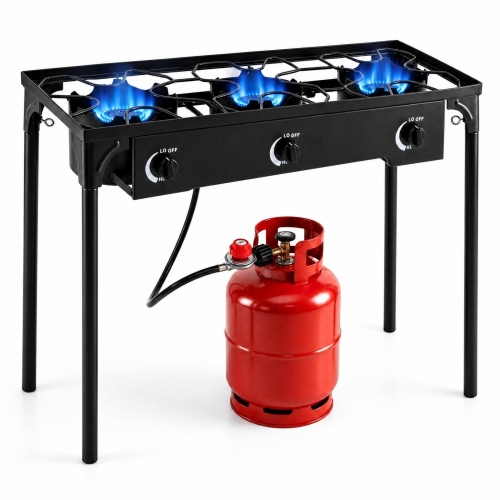
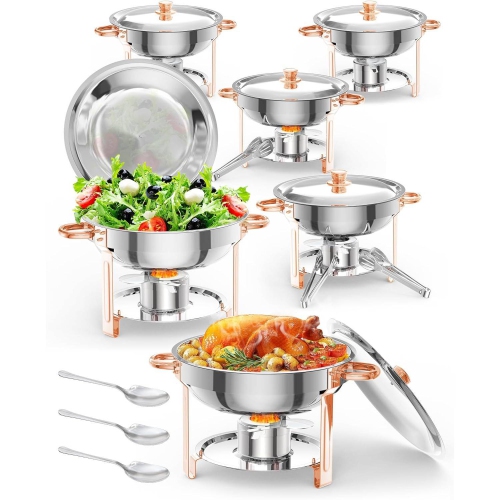
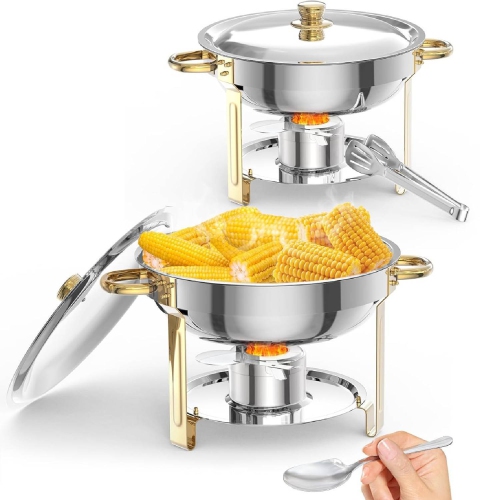
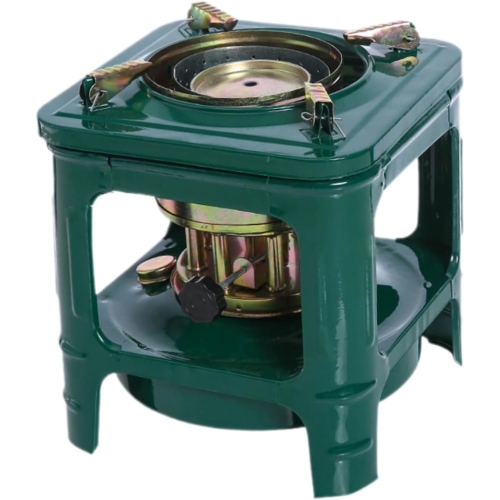
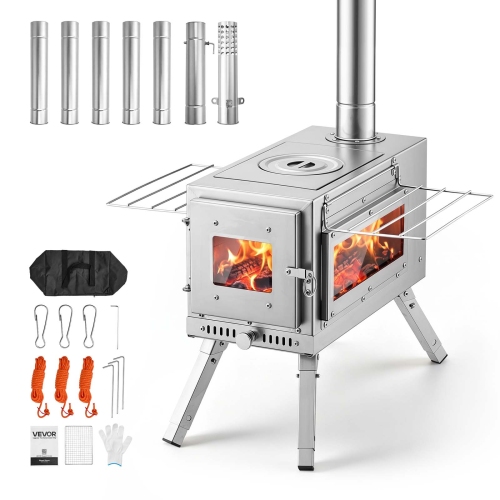
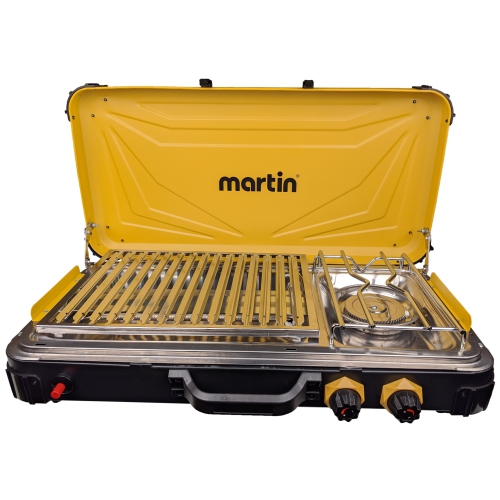
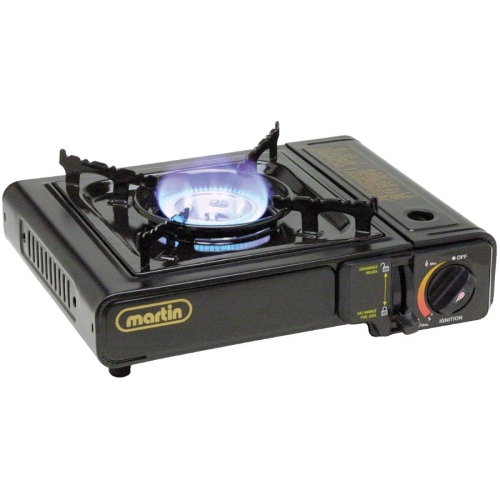
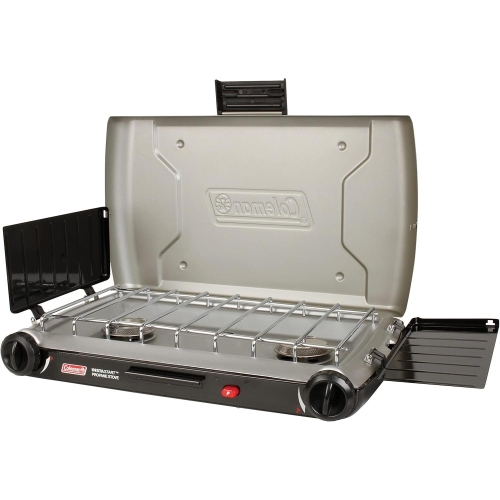
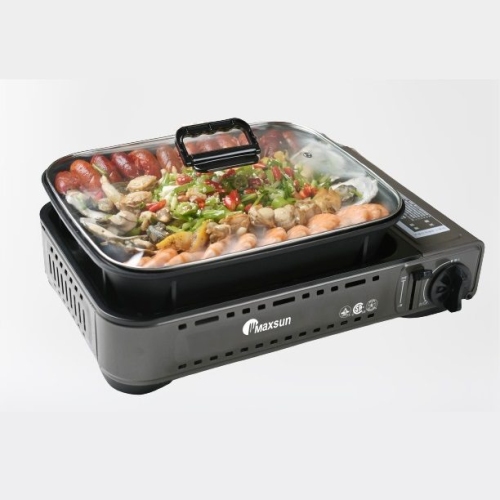
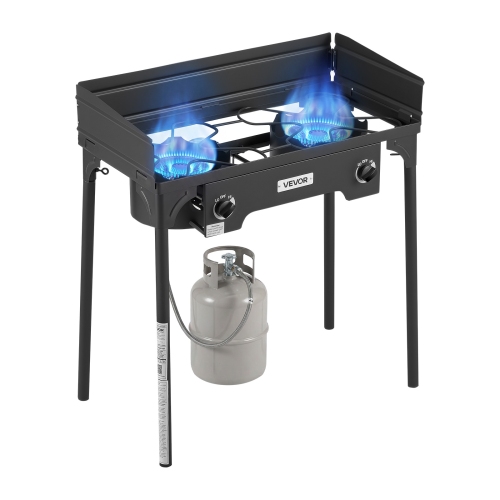
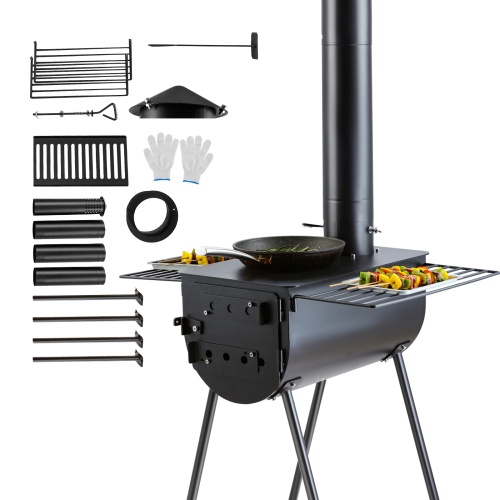
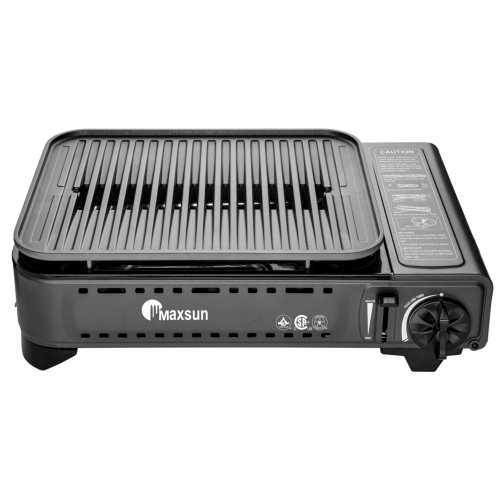
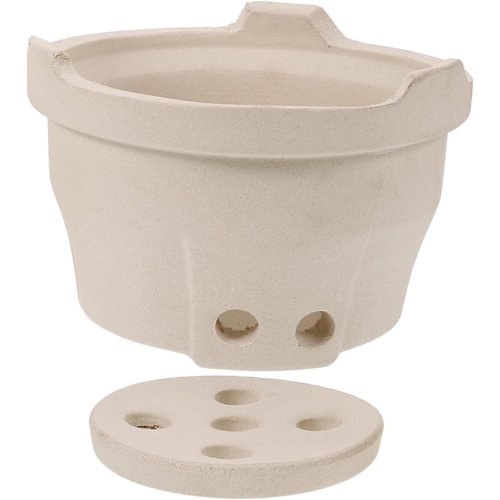
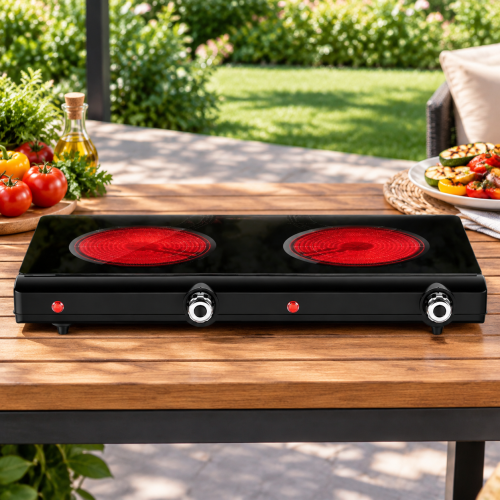
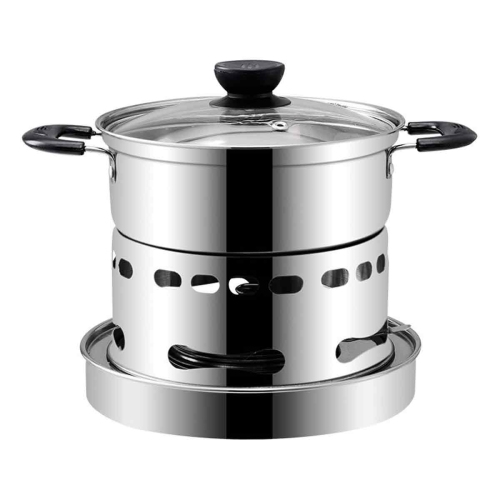
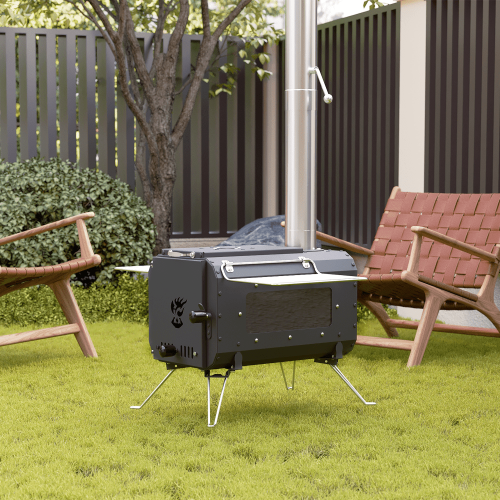
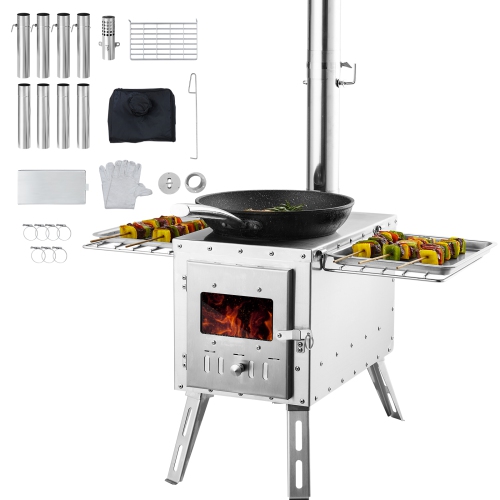
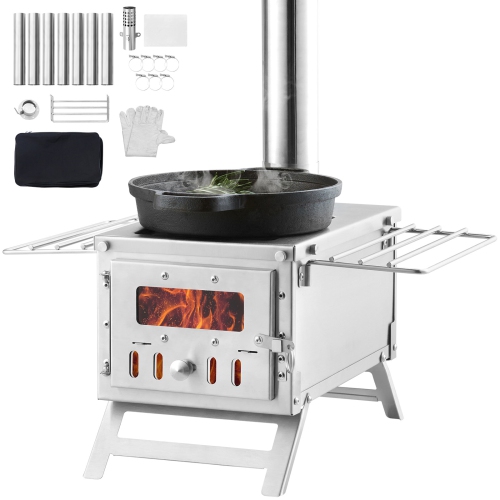
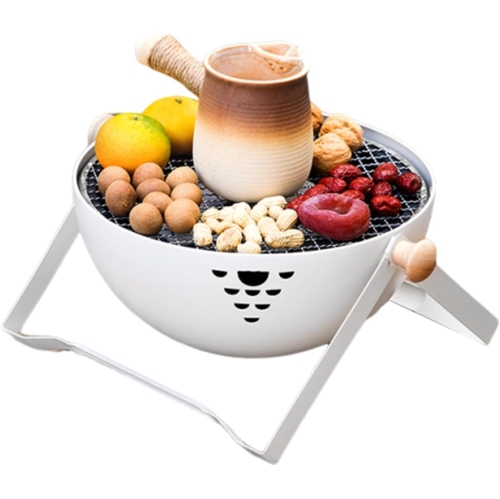
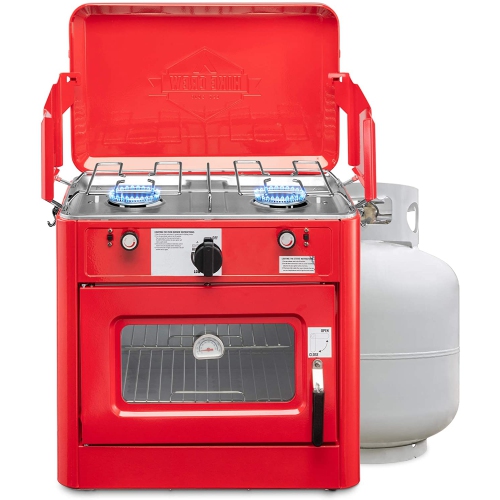
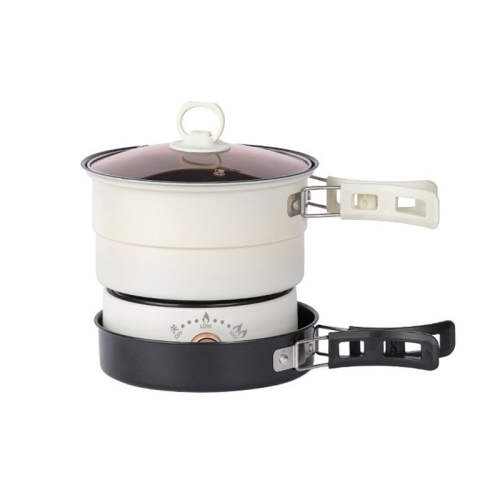
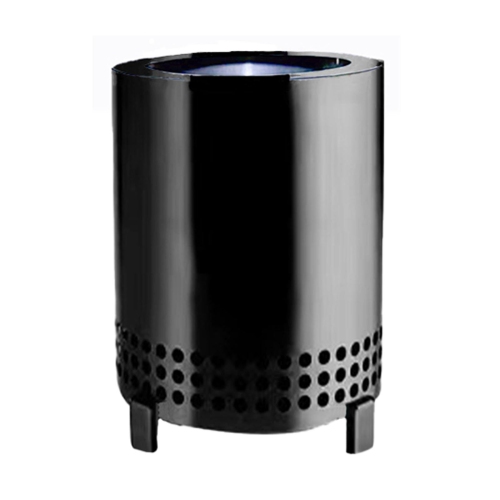
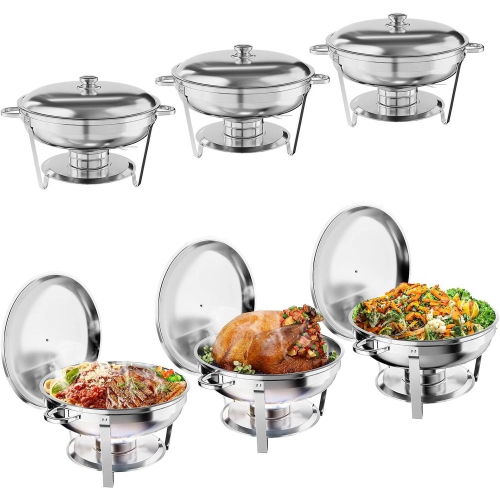

How fuel, meals, and conditions shape stove selection
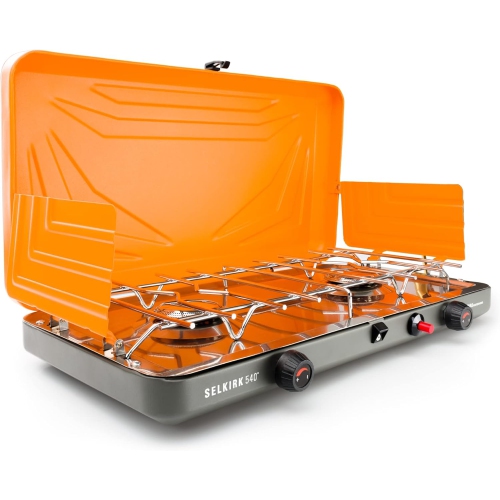
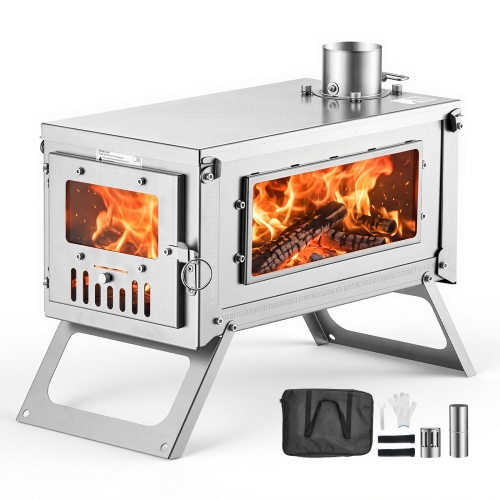
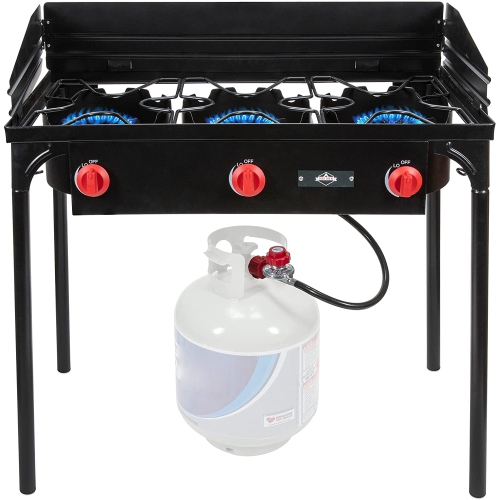
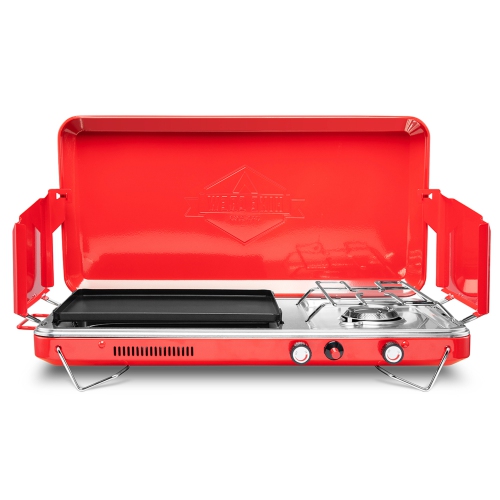
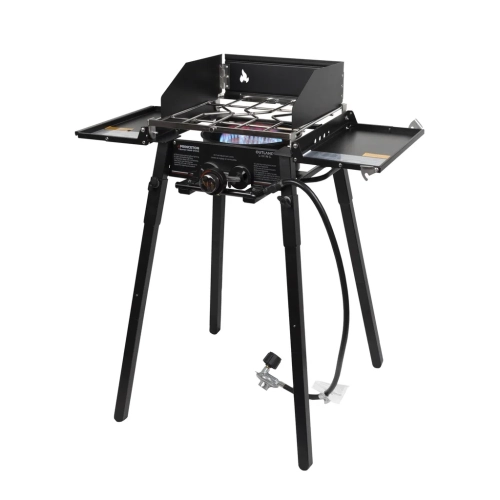
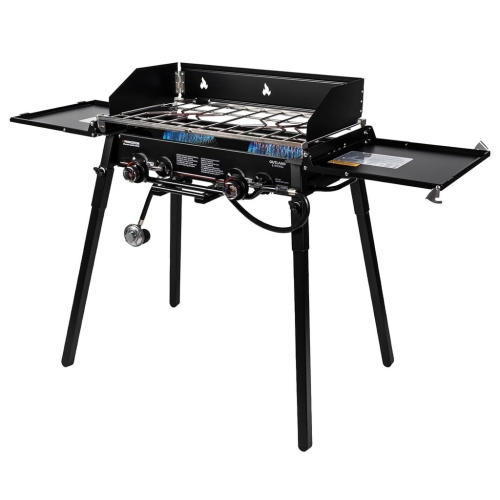
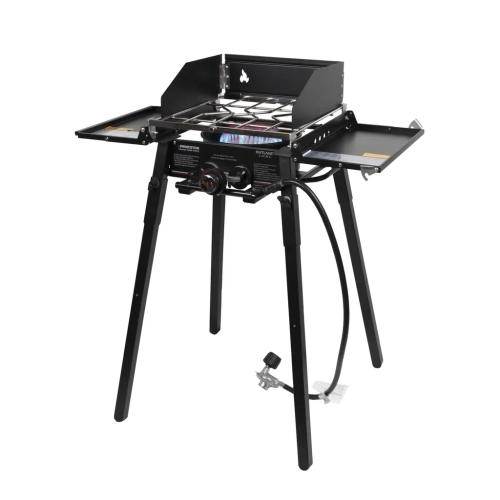
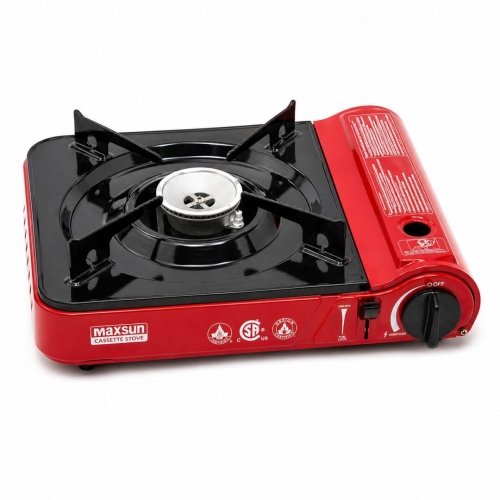
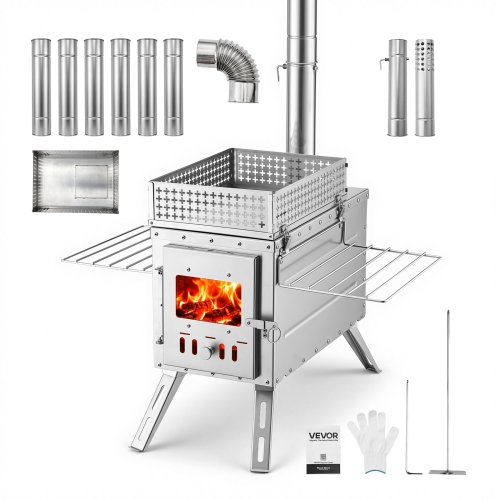
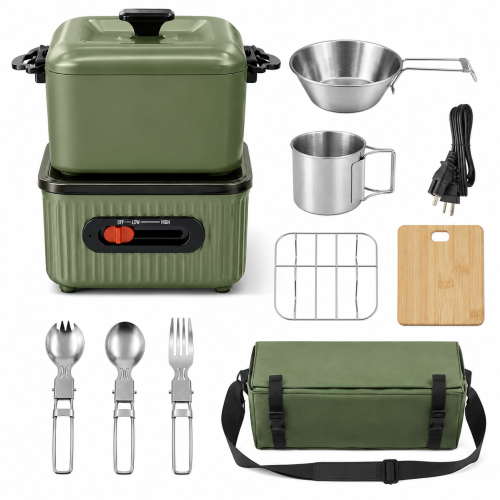
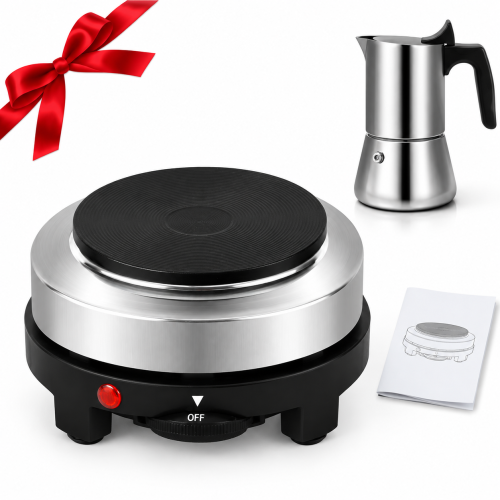
Backpacking stoves provide a compact way to prepare hot drinks, rehydrate meals, simmer simple recipes, and boil water when you are travelling beyond the reach of a kitchen. They are designed for hikers, campers, paddlers, climbers, hunters, and anyone who wants dependable cooking equipment that fits neatly into a pack. A warm mug at a breezy lookout, a quick bowl of soup beside a forest lake, or a hot meal after a long day on the trail can make a substantial difference to comfort and energy levels. Backpacking stoves are also useful for minimalist camping setups, emergency kits, cottage gear, and road trips where space is limited. When choosing a stove, begin by considering how many people you usually feed and what you like to prepare. A solo hiker who mainly boils water for coffee and freeze-dried meals may prefer a very small burner with a simple pot, while a pair or group may need a wider cooking surface and a fuel supply suited to larger meals. Some travellers carry only a pot and spoon, while others appreciate the flexibility to cook oatmeal, pasta, rice, sauces, or fresh ingredients. Looking at the stove’s packed size, weight, cooking surface, pot support, ignition method, and storage requirements can help you find an option that fits naturally into your routine.
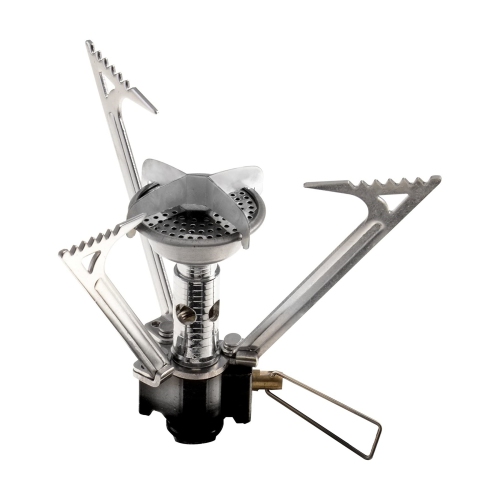
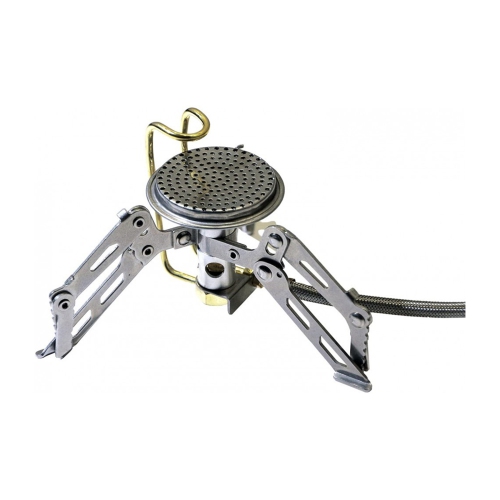
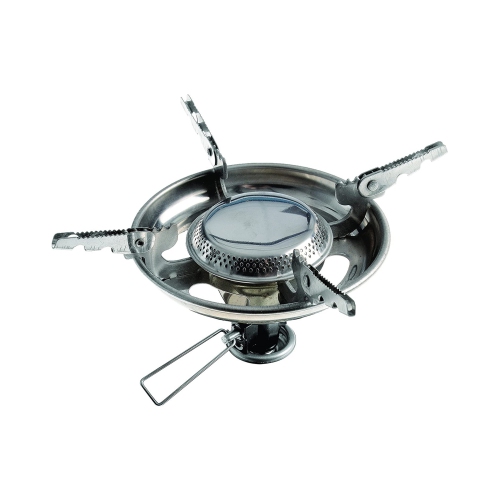
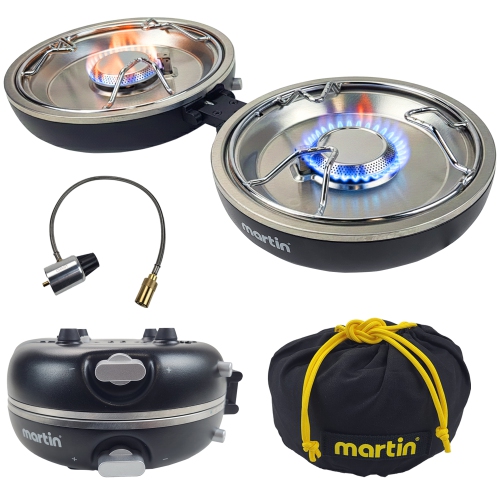
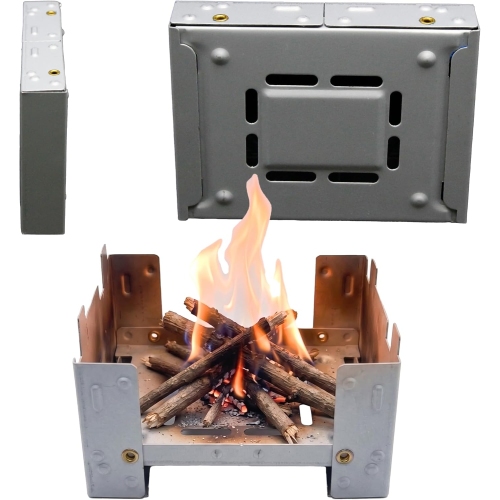
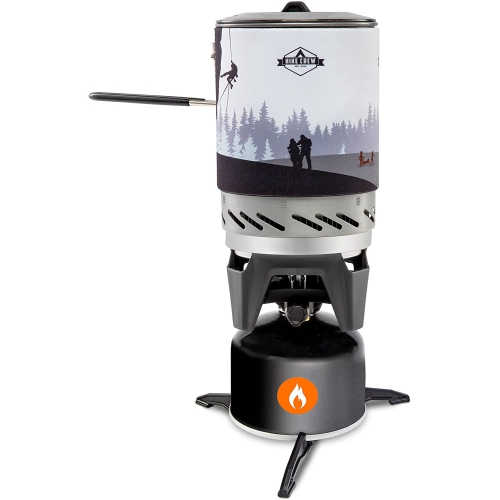
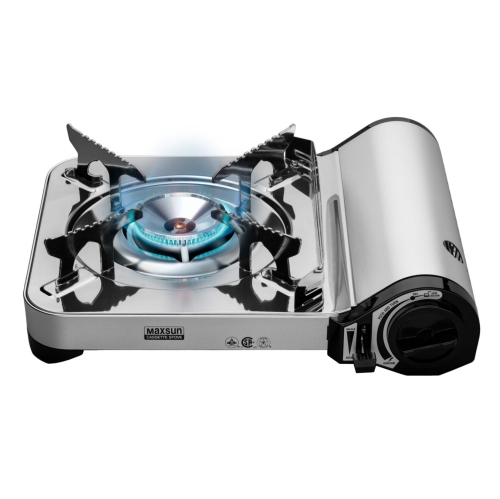
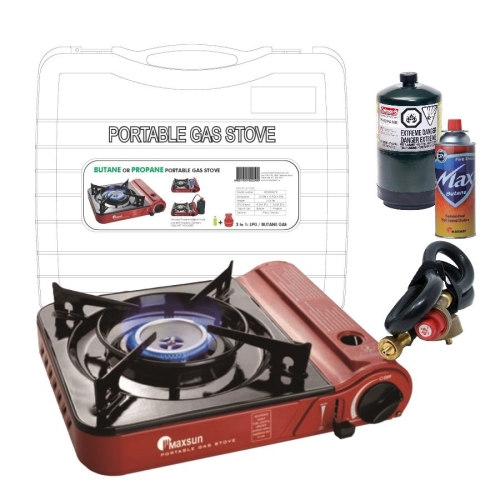
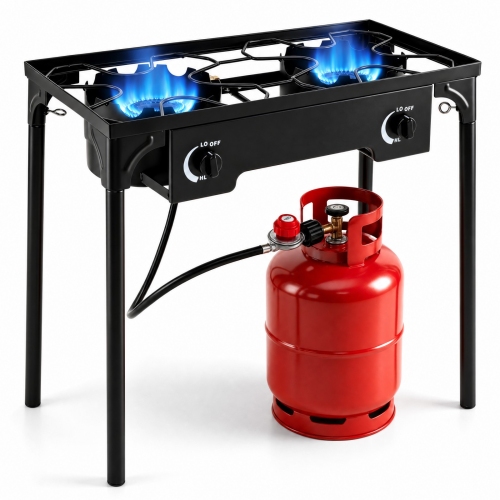
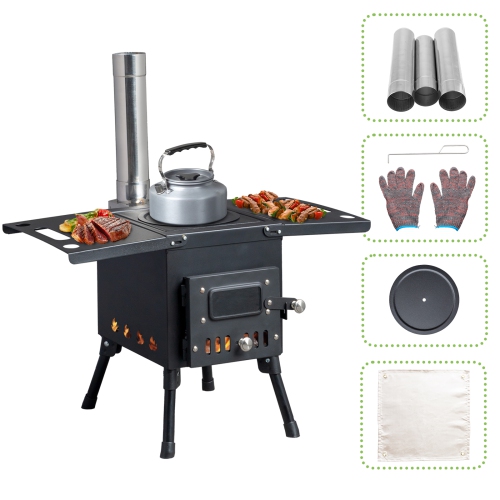
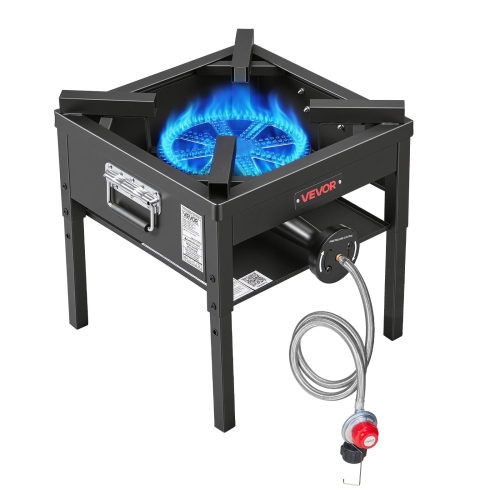
Canister stoves are popular for backpacking because they attach directly to self-sealing fuel canisters and are generally quick to set up. They are often a practical choice for weekend trips, day hikes with a hot lunch, and multi-day routes where convenience and a compact load matter. Many canister models offer adjustable flame control, allowing you to move from a rapid boil to a gentler heat for simmering. Some designs sit directly on top of the fuel canister, while others use a fuel hose to place the canister beside the burner for improved stability and flexibility. If you are comparing Butane Stoves, check the fuel connection and confirm that the intended canister type is compatible with the stove. Integrated cooking systems pair a burner with a dedicated pot and are designed to heat water efficiently, making them particularly appealing to hikers who value fast boiling and straightforward packing. Liquid-fuel stoves connect to a refillable bottle and can be useful for longer expeditions, international travel, or colder conditions where fuel performance is an important consideration. Their operation can involve more steps, such as priming and pressurizing the bottle, but that additional process may suit experienced campers who want a versatile setup. Fuel availability along your route should also influence your decision, especially when travelling away from major towns or planning a trip that crosses borders.
Wind, temperature, altitude, and cookware all affect how a backpacking stove performs outdoors. A burner that works quickly in calm conditions may take longer in an exposed alpine area, so features such as a built-in windscreen, protected burner head, stable pot supports, or a separate windscreen can be valuable. Use a windscreen only as directed by the manufacturer, since trapping excessive heat around a fuel canister can create a safety hazard. In cooler conditions, fuel pressure can drop and boiling times may increase, making a stove designed for the expected temperature range a sensible choice for shoulder-season outings and winter camping. Flat, stable ground is important, and a stove should be kept well away from tent walls, dry grass, loose clothing, and other flammable materials. Allow cookware handles to remain clear of the flame, keep children and pets at a safe distance, and never leave a lit stove unattended. Before heading out, check the burner, hose, seals, ignition, and pot supports for damage, then pack fuel separately according to the manufacturer’s instructions and local transport rules. A small lighter or waterproof match set can provide a useful backup when an integrated igniter is damp or depleted. Backpacking stoves can make thoughtful gifts for a new camper, an avid hiker, a student planning a camping trip, or someone building a compact outdoor cooking kit. The most suitable choice will depend on the recipient’s usual trip length, cooking style, group size, and preferred fuel, but any well-matched stove can turn a quiet campsite into a comfortable place to gather, eat, and recharge during the cooler months.
Top selling and popular products
-
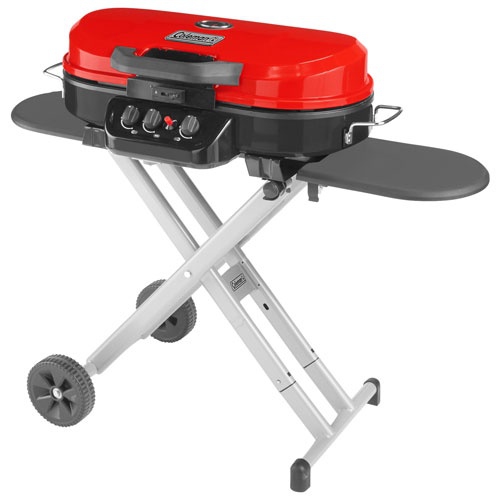 Your price for this item is $513.99
-
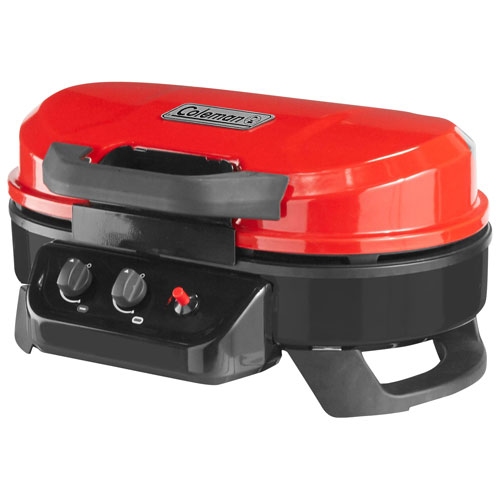 Your price for this item is $299
-
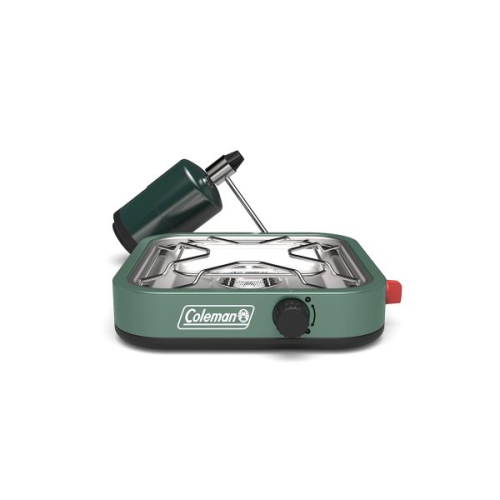 Your price for this item is $109
-
 Your price for this item is $766.99
-
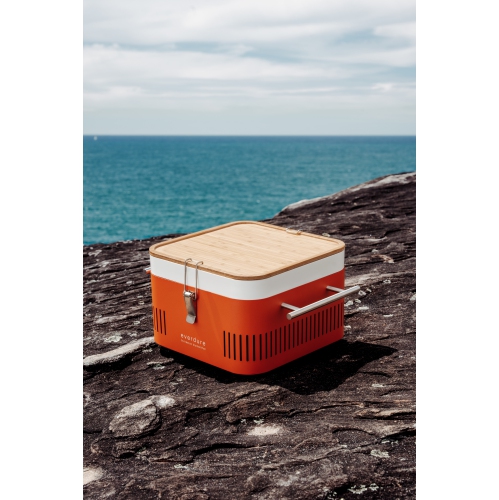 Your price for this item is $135
-
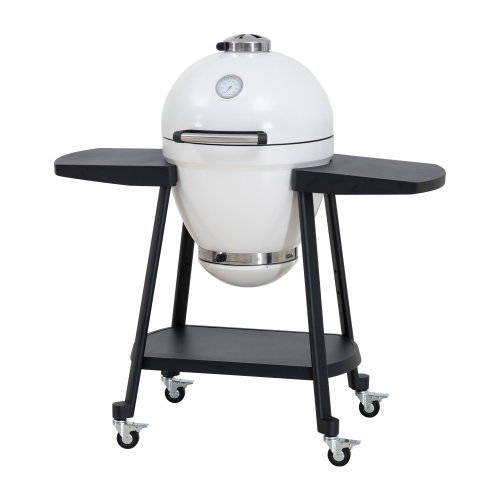 Your price for this item is $369.99
-
 Your price for this item is $369.99
-
 Your price for this item is $369.99
Discover more categories related to Backpacking Stoves
Top Collections:
Best Black Friday Deals This Year, Best Black Friday Deals On Electronics, Kindle Devices, Pokemon Centers, Best Black Friday Deals On Apple Products, Best Cameras for Sports Photography, Dyson Airwrap, Pokémon 30th Celebration Cards, Apple iPhone 17 Pro, Canon G7X Cameras
Some products may be subject to Environmental Handling Fees
(EHF) depending on your province.
Learn more about EHFs.