Backup Power Generators
In today's fast-paced world, having a reliable backup power generator is essential to keep your home or business running smoothly during unexpected power outages. Whether you live in an area prone to severe weather conditions or simply want the peace of mind that comes with being prepared, a backup power generator is a smart investment. With a wide range of options available, finding the perfect backup power generator to suit your needs can be overwhelming. That's why we've curated this comprehensive collection of backup power generators, offering you a diverse selection of reliable and efficient solutions. From portable generators for outdoor adventures to whole-house standby generators for maximum convenience, our selection has something for everyone. Take control of your power supply and ensure uninterrupted electricity with our top-notch backup power generators.





















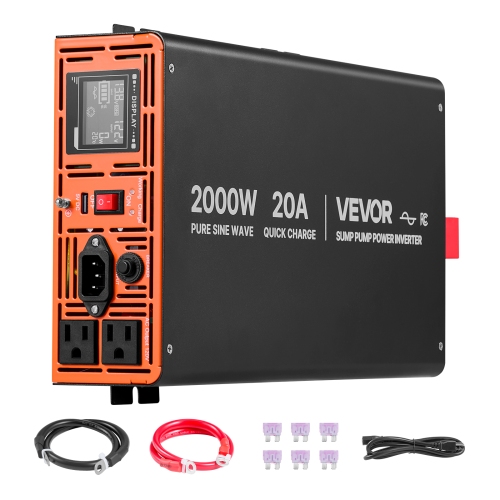


What your essential appliances need during a power outage
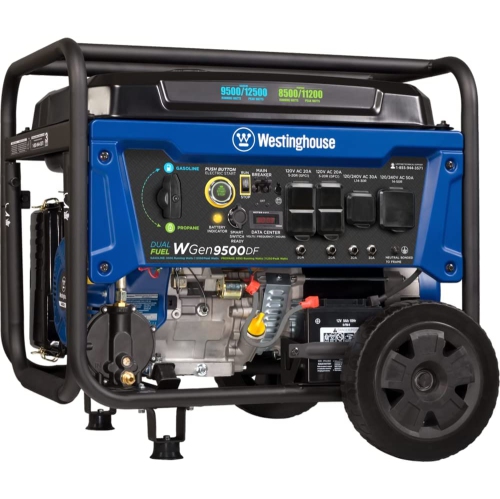
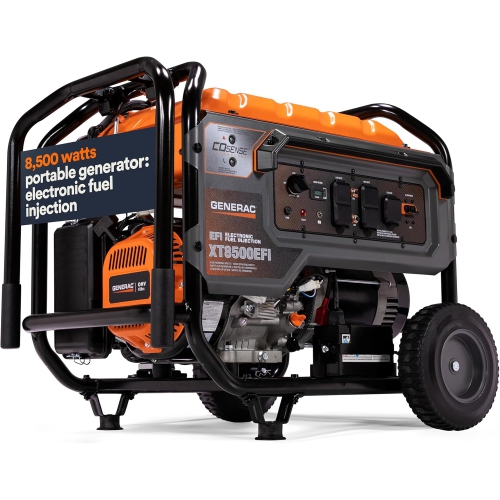
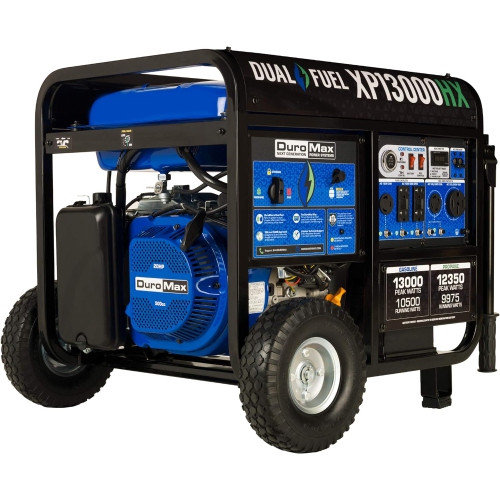
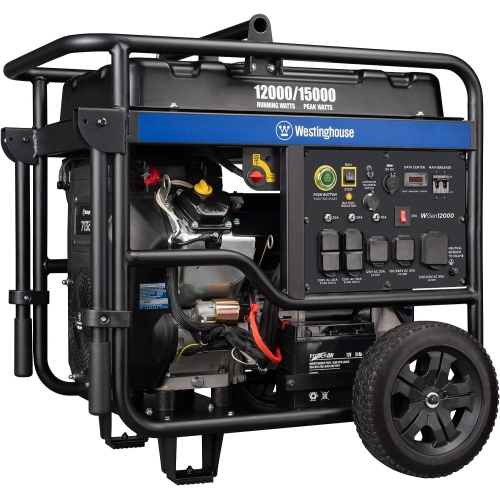
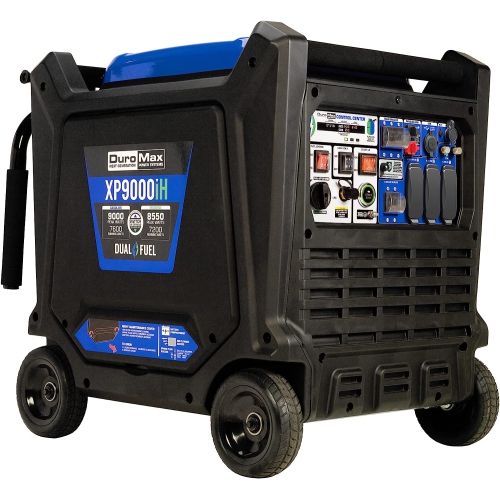
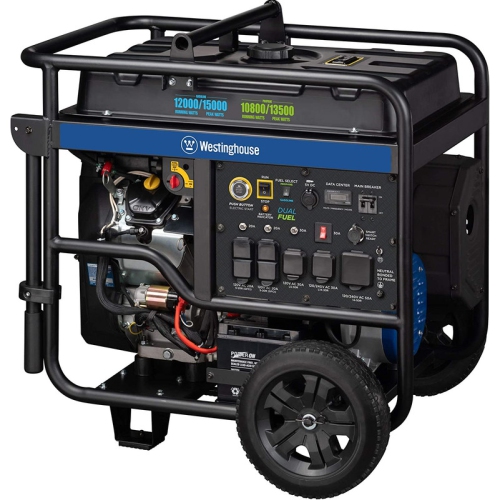
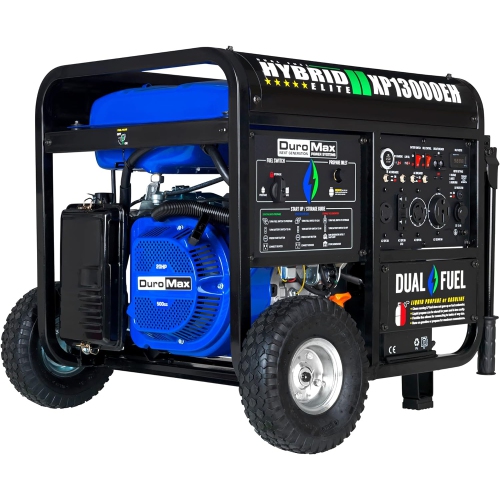
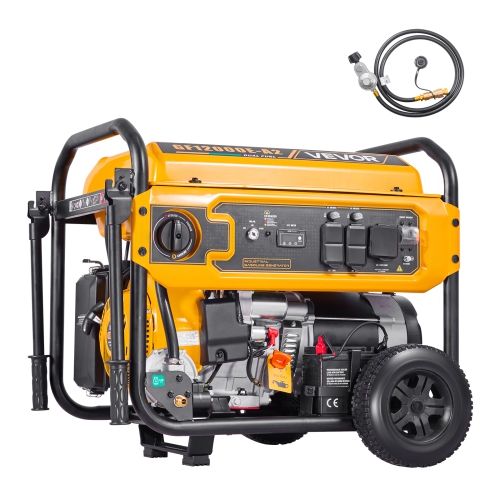
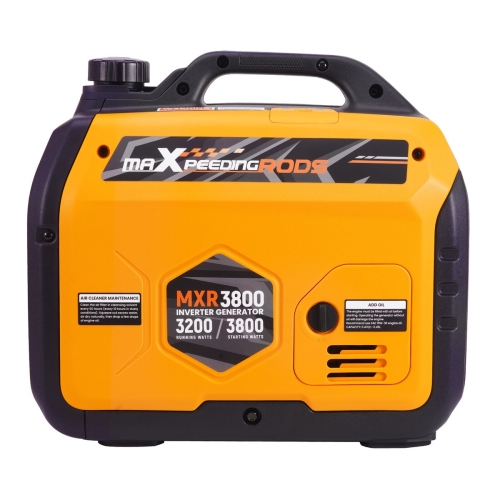
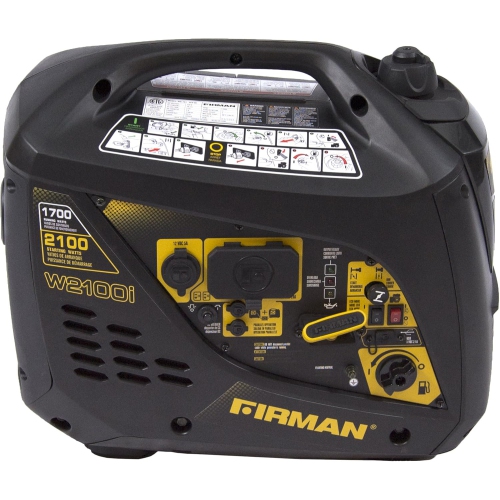
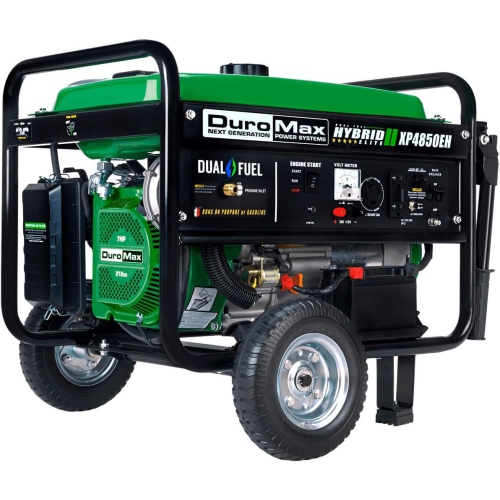
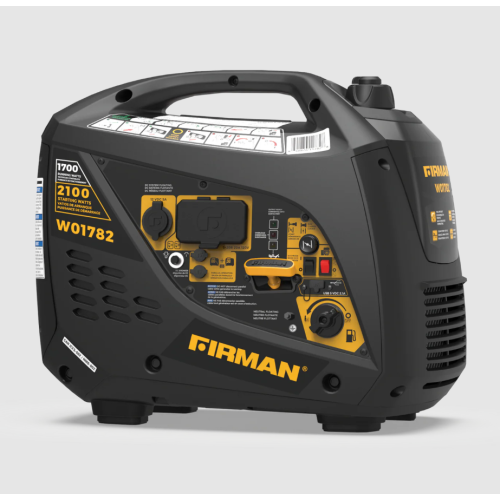
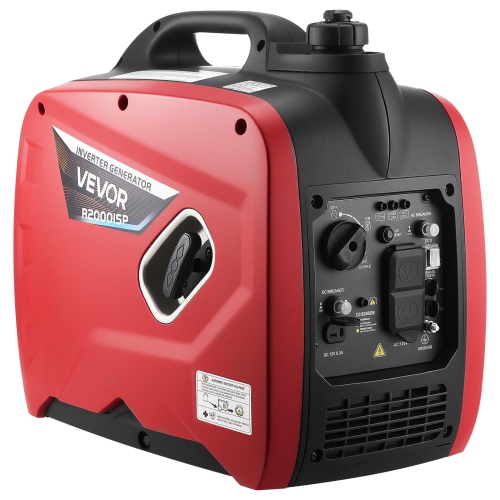
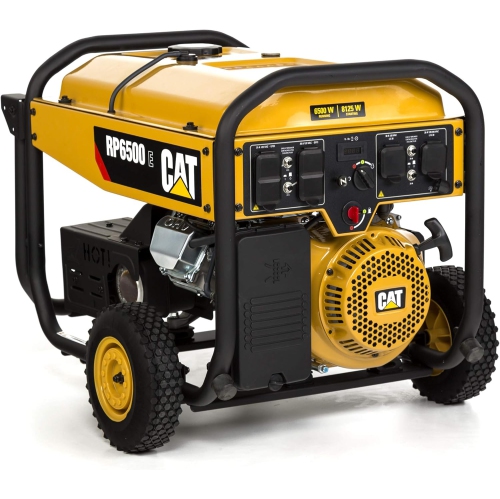
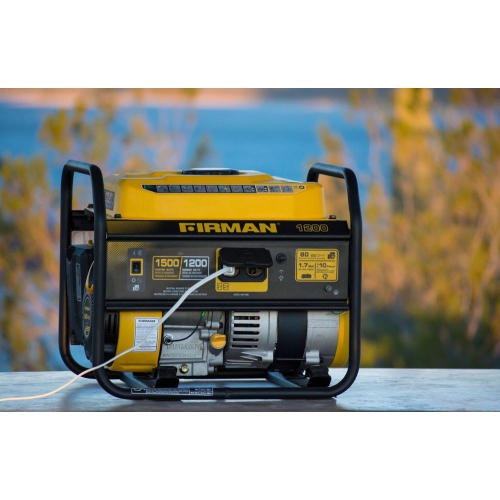
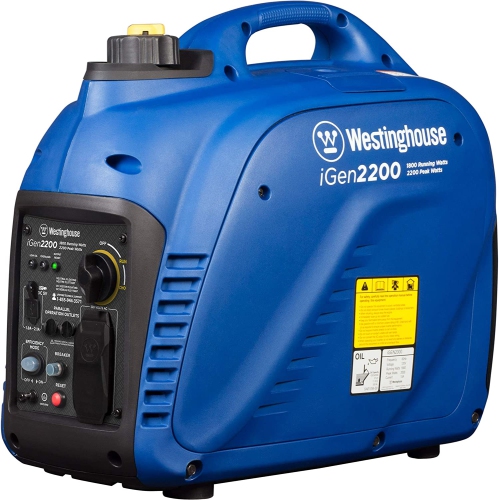
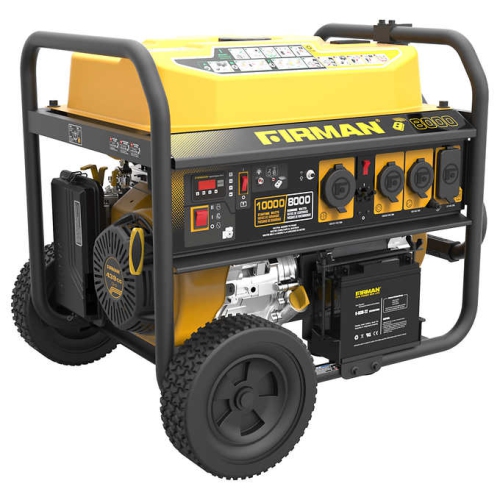
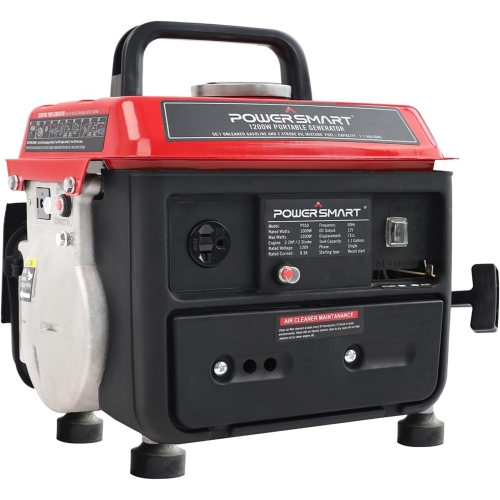
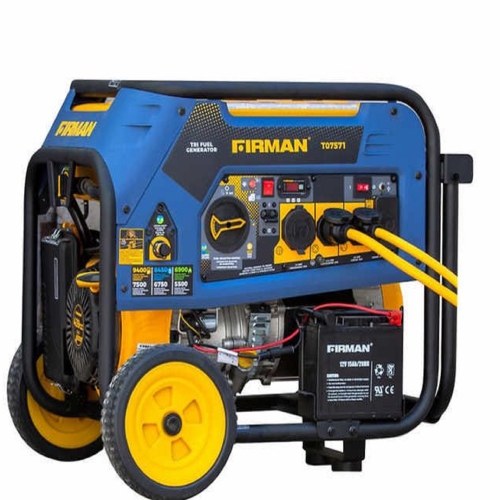
Portable backup generators combine useful output with the flexibility to move between suitable locations, but their weight, construction, and handling features make a noticeable difference in everyday ownership. A sturdy frame, durable housing, stable feet, and accessible controls are worth considering for equipment that may spend long periods stored between uses. Wheels and folding handles can make heavier units easier to position, although steps, narrow gates, and gravel paths can still complicate moving them. Fuel choice affects storage and upkeep as well as operation. Gasoline requires appropriate containers and attention to storage life, while propane uses a compatible cylinder or tank and secure connections. Dual-fuel generators can operate on either gasoline or propane, but their rated output may differ by fuel. Sound levels also vary, and published noise ratings are most meaningful when the distance and operating load used for measurement are comparable. An inverter generator may provide lower-distortion electrical output for compatible electronics, but the equipment manufacturer’s power requirements remain important. Safe placement is essential for every combustion generator: it must operate outdoors, at least 6 metres from doors, windows, and vents, with exhaust directed away from buildings. A garage, shed, basement, or partly enclosed space is not a safe operating location, even with doors open. Working carbon monoxide alarms provide an additional layer of protection inside the home, not permission to move a generator closer. Connections matter just as much as placement. A generator must never feed a home through a wall outlet; powering household circuits requires an approved transfer arrangement installed by a qualified electrician. Directly connected appliances need properly rated extension cords intended for outdoor use, with plugs and cables in good condition. Regular care supports dependable operation: oil checks and changes where required, filter maintenance, inspection of fuel lines, and test runs should follow the manufacturer’s schedule. Refuelling also requires the engine to be shut down and allowed to cool. Keeping the manual, maintenance record, and suitable accessories together makes the equipment easier to manage when an interruption occurs and household routines are already disrupted.
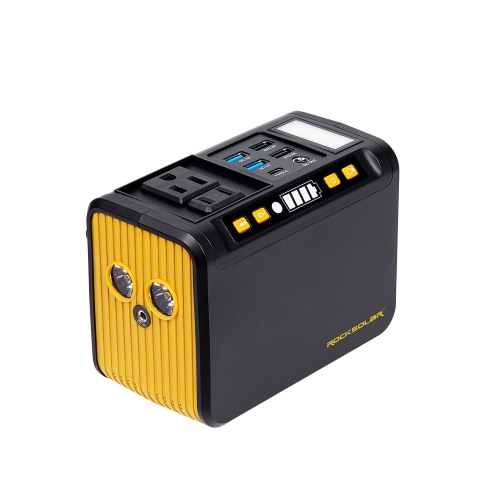
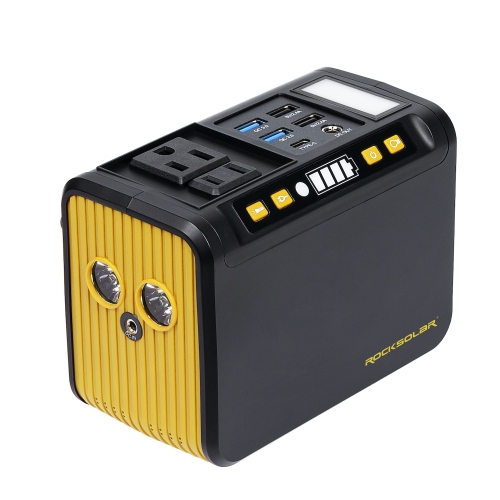
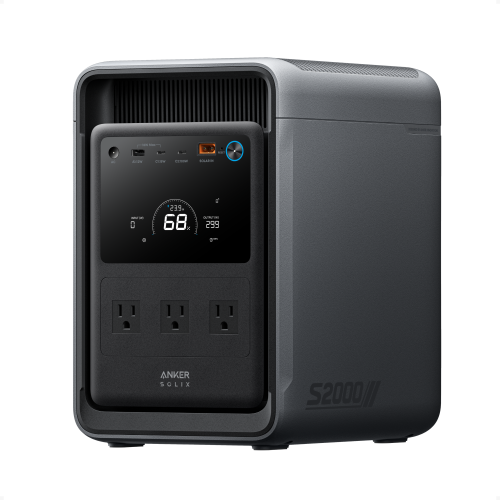
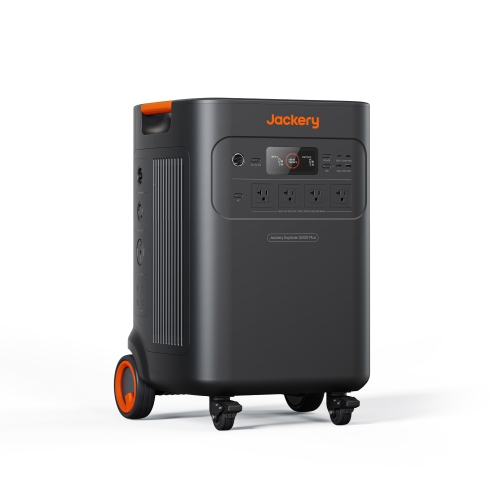
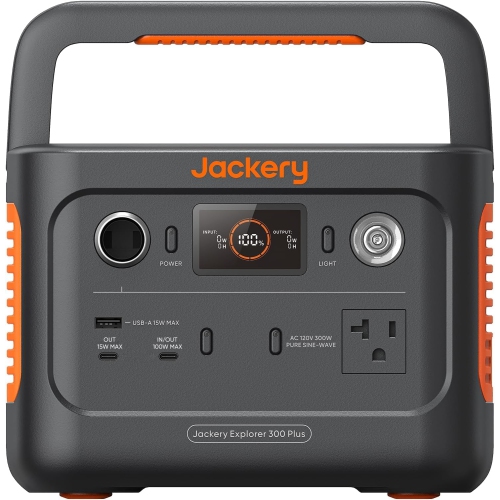
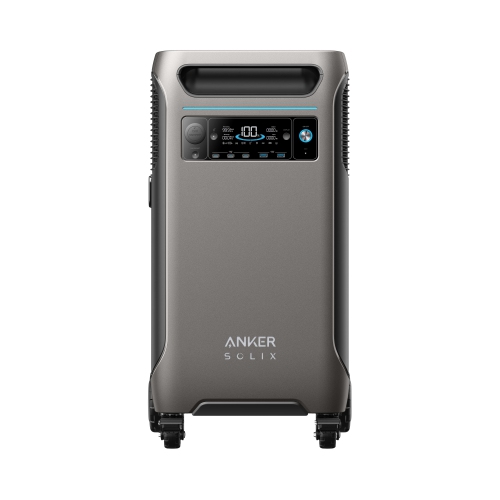
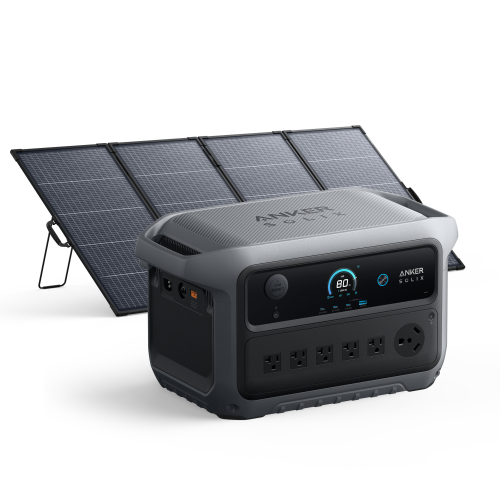
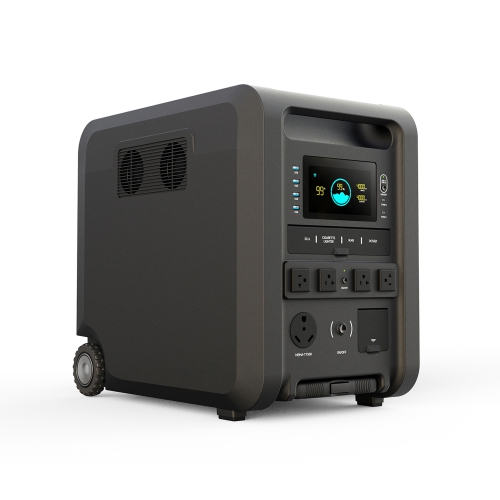
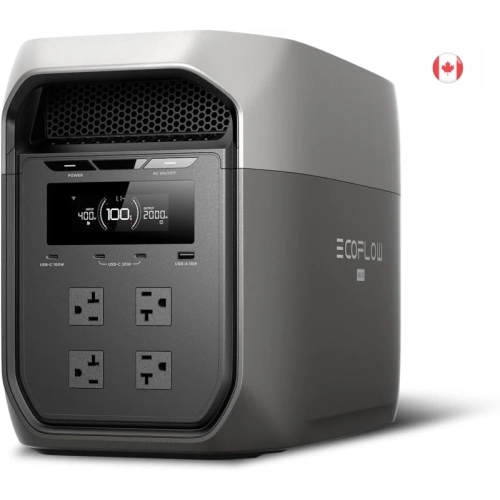
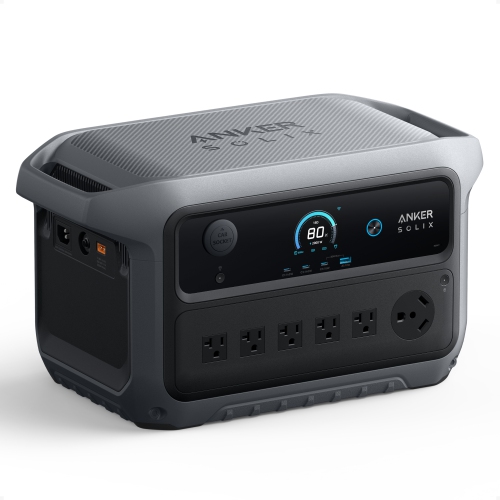
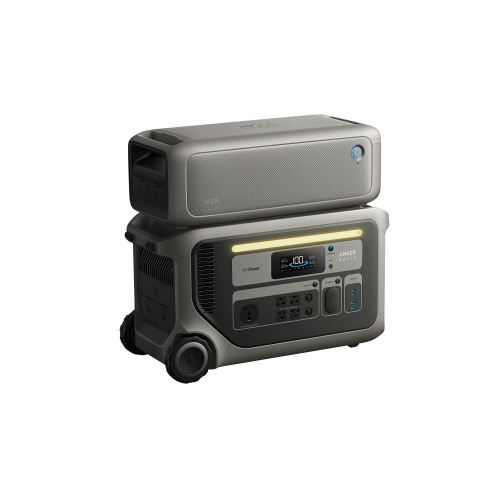
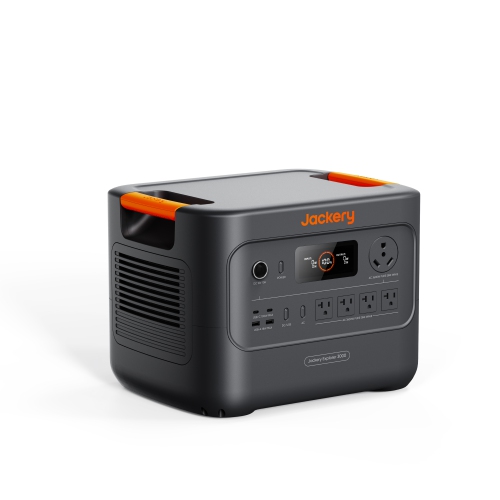
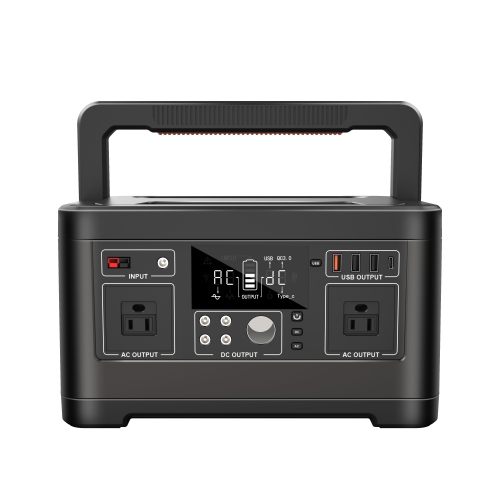
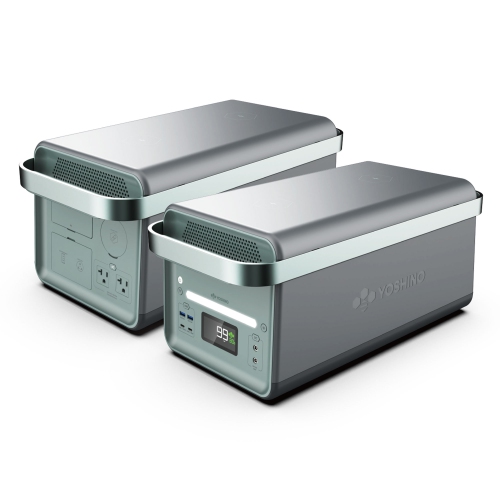
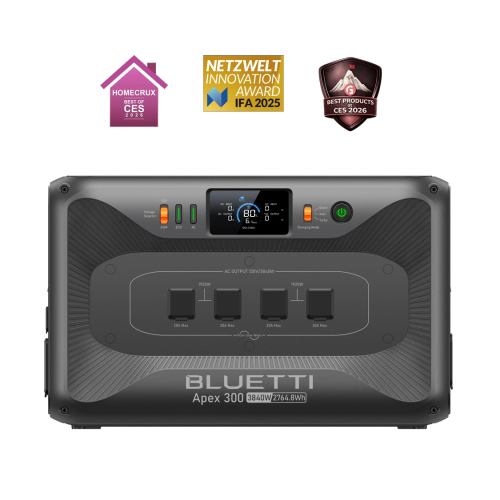
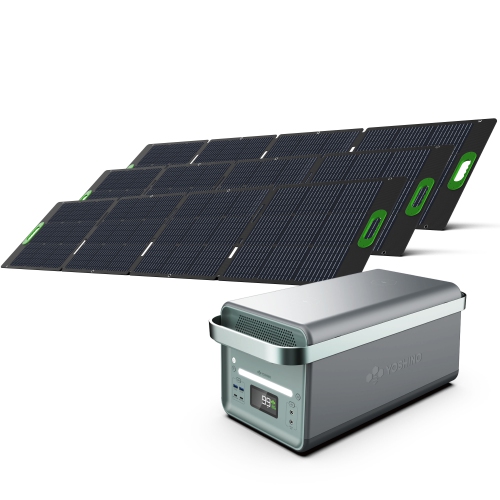
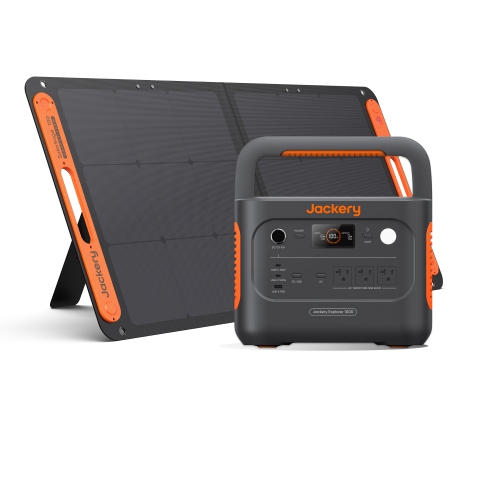
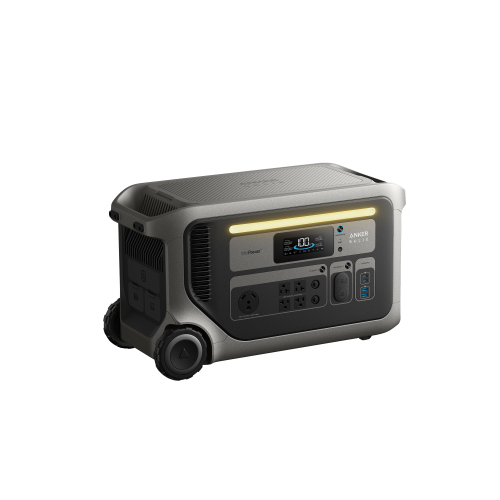
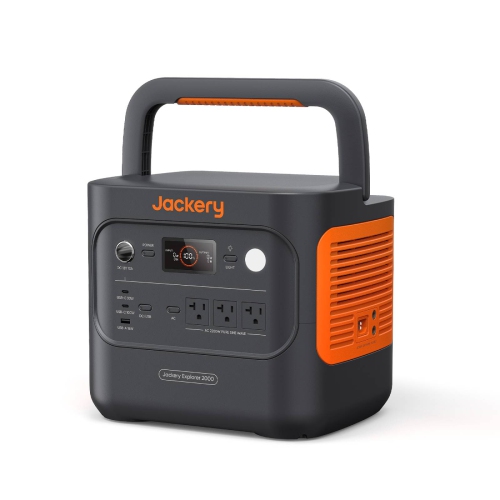
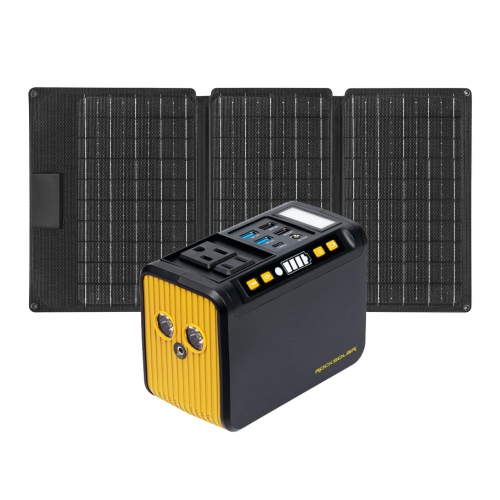
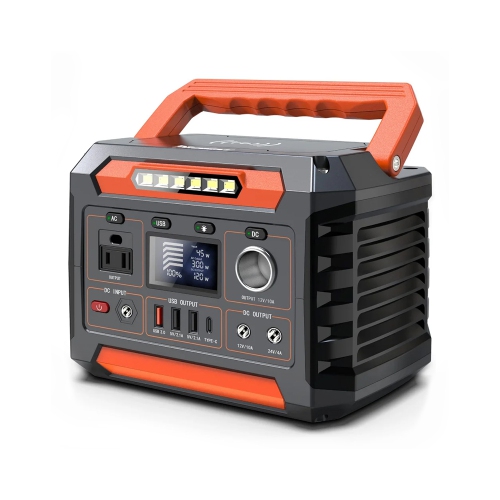
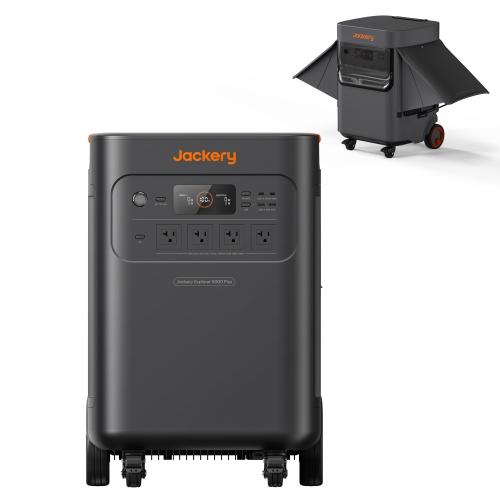
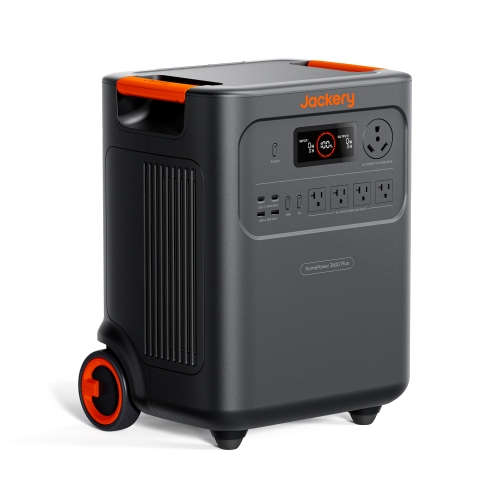
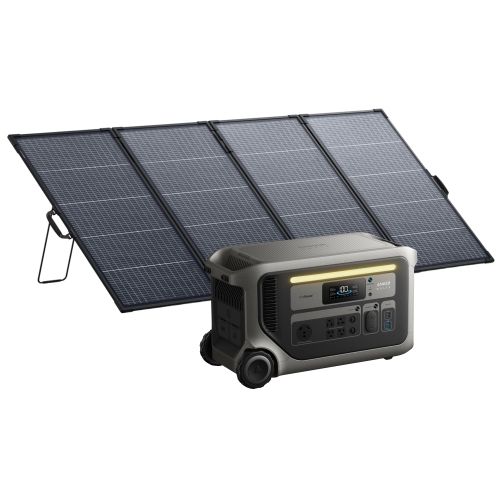
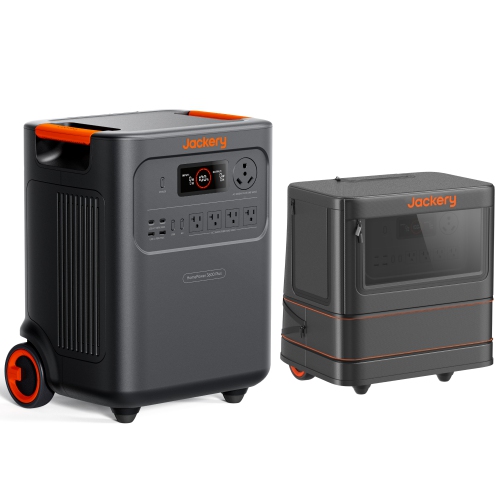
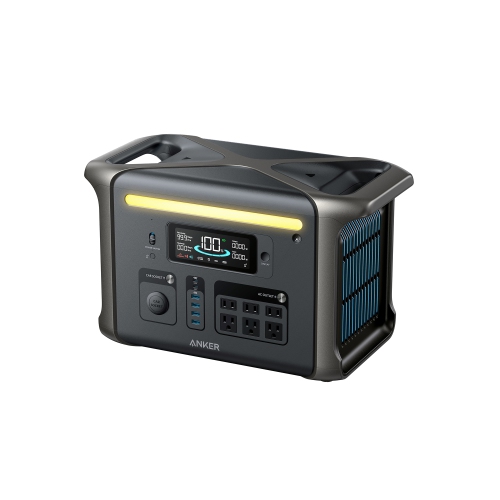
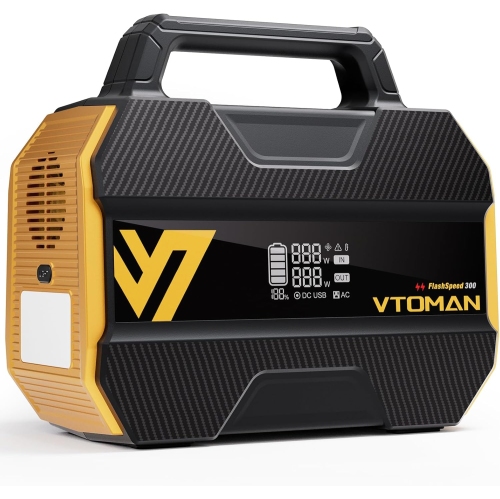
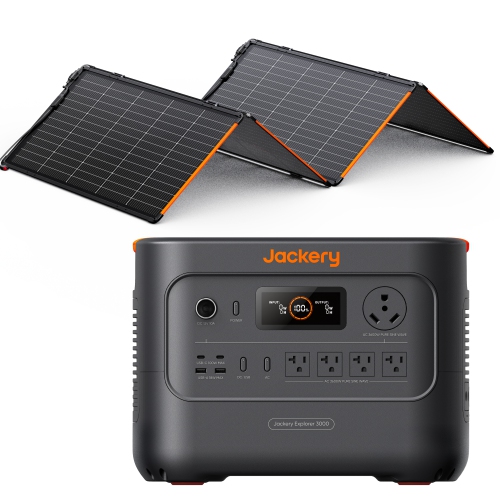
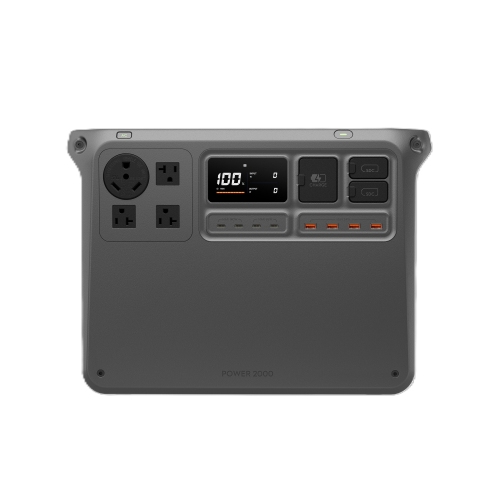
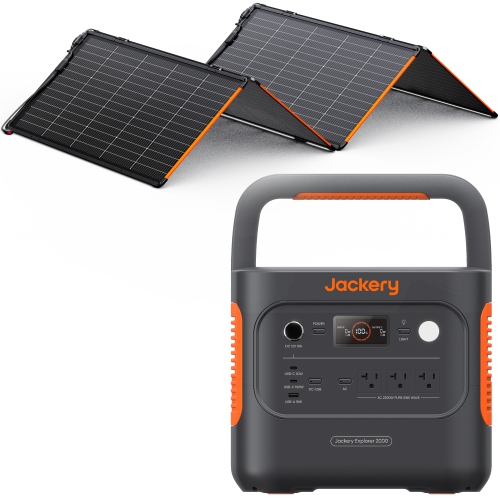
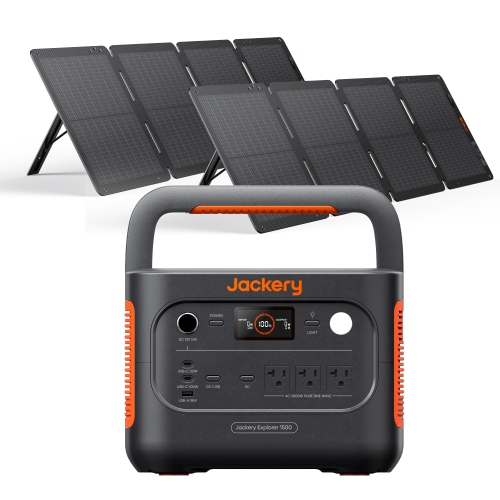
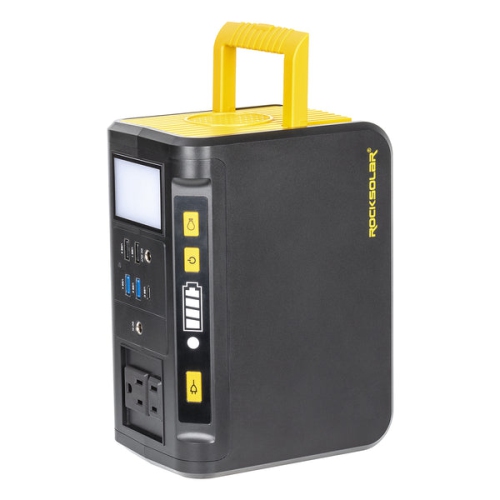
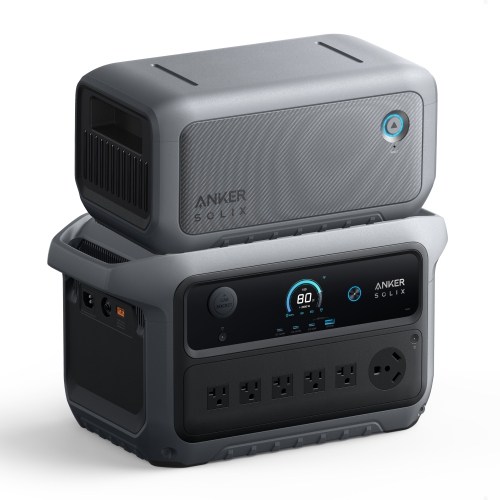
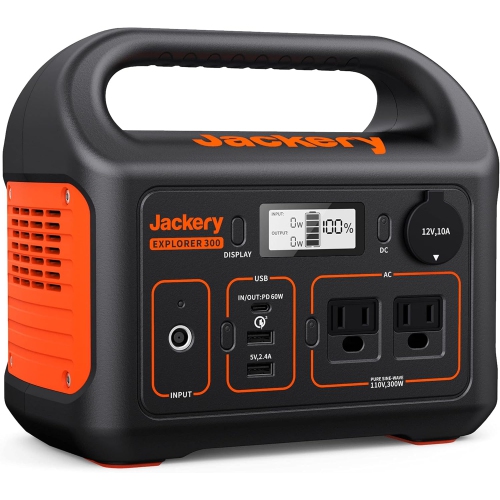
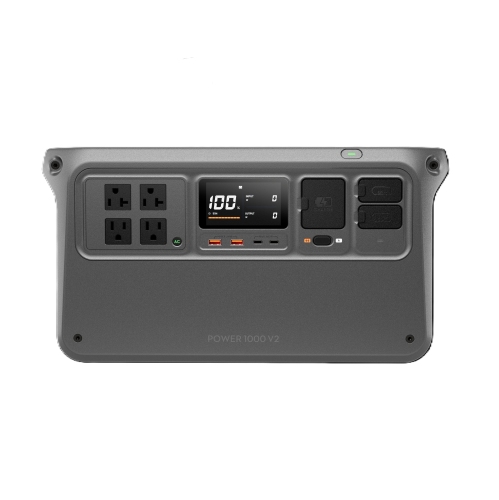
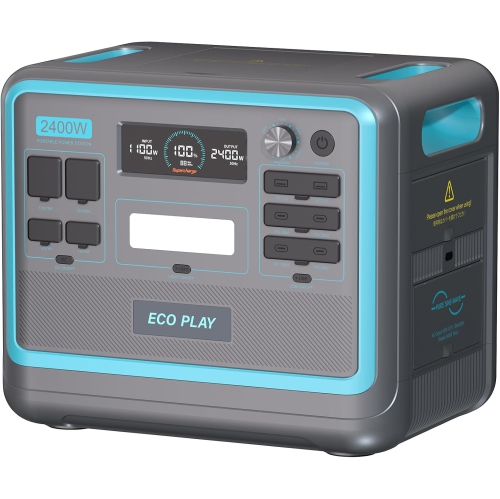
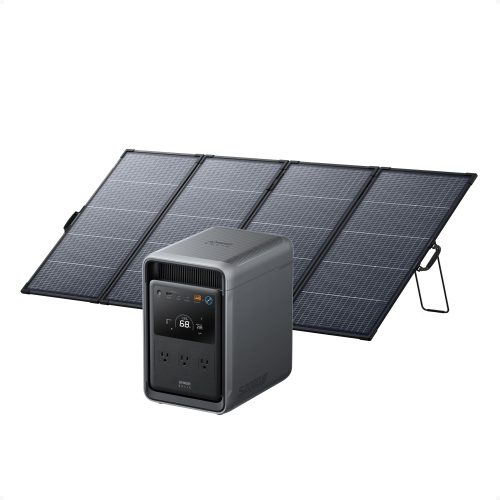
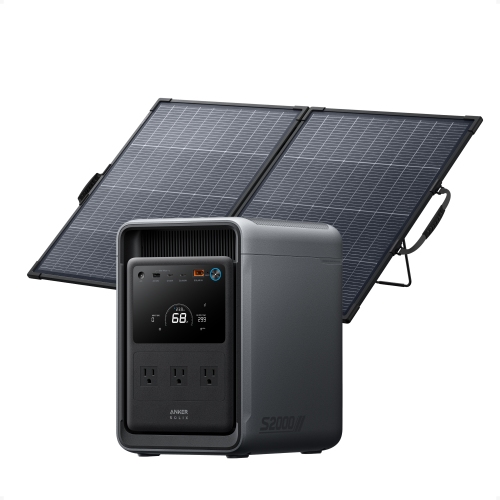
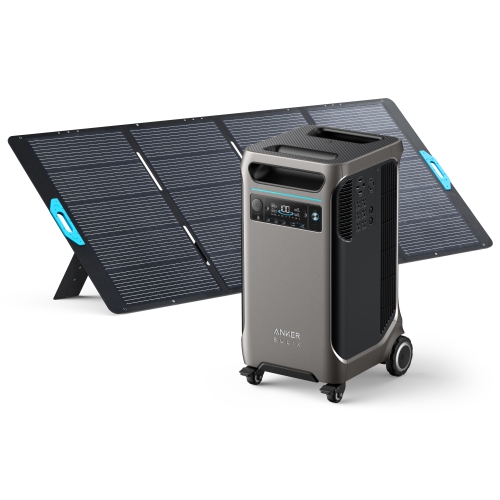
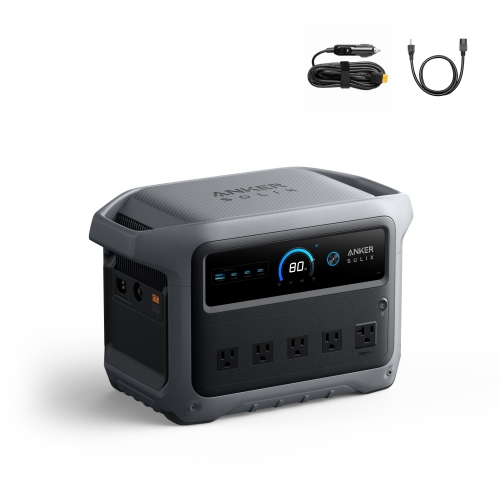
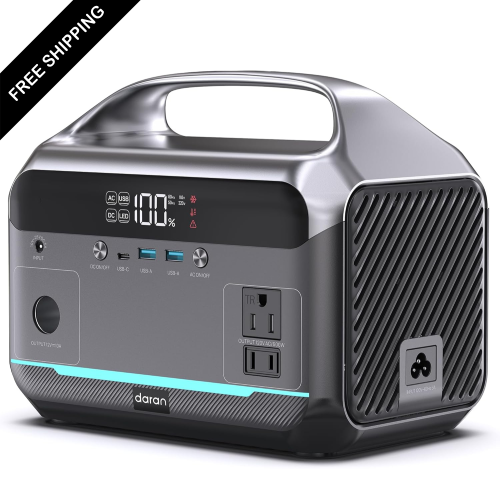
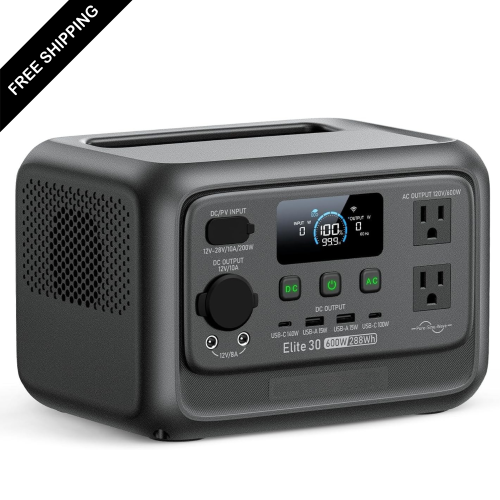
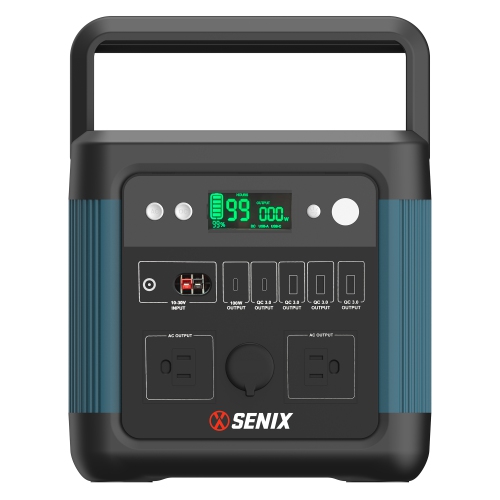
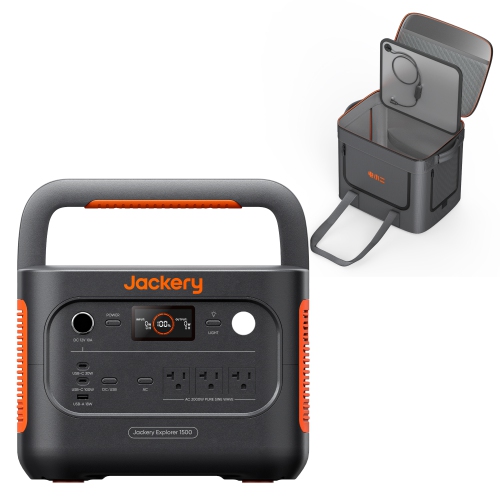
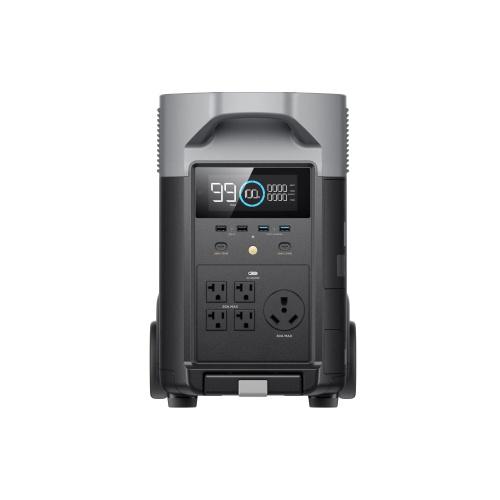
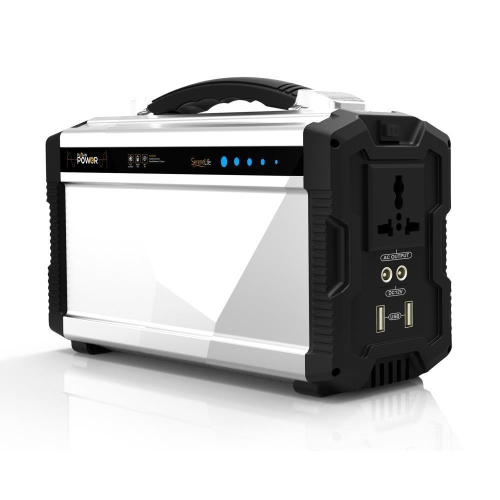
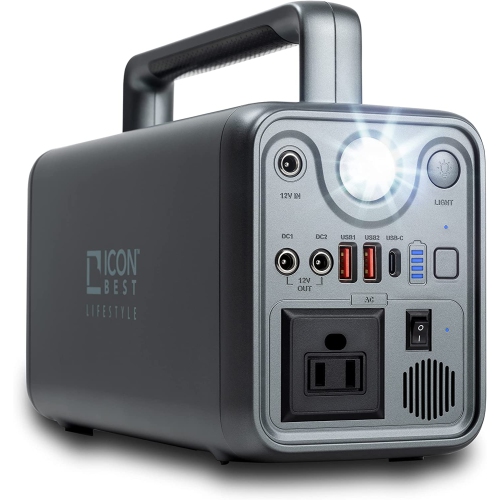
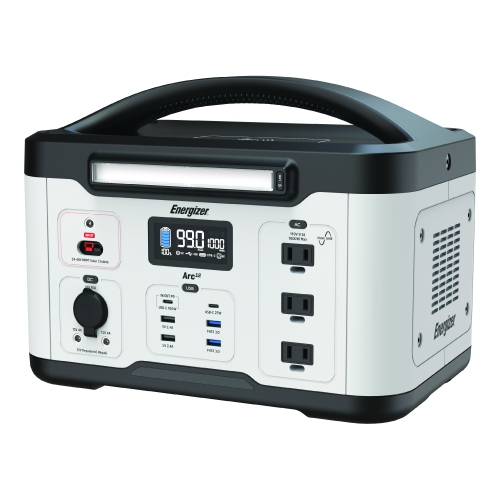
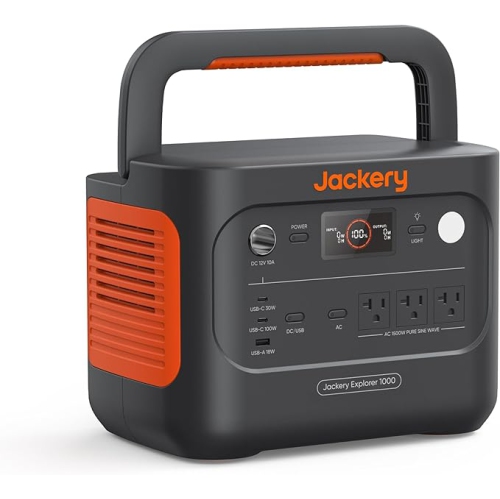
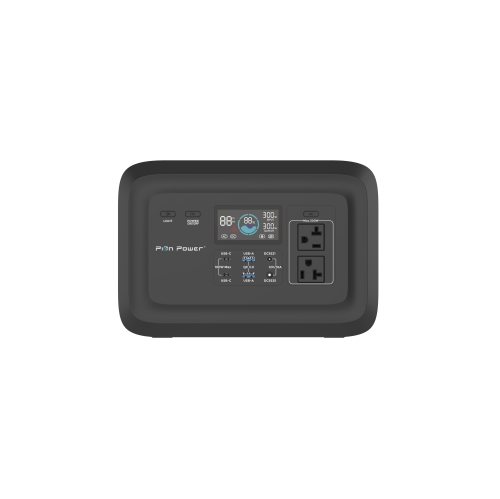
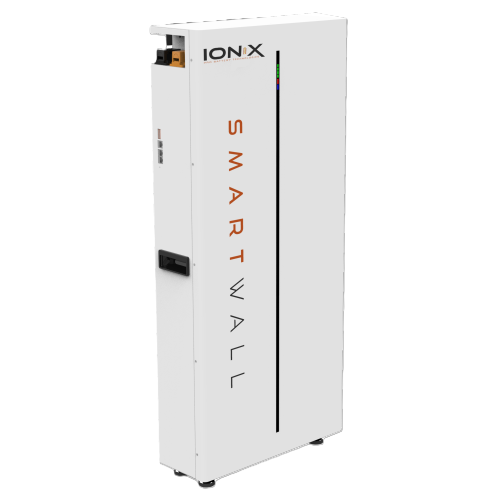
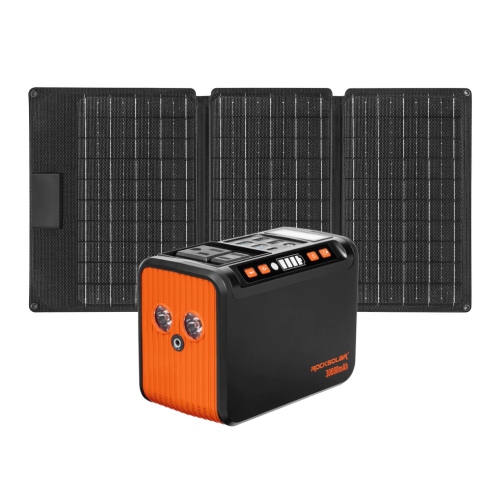
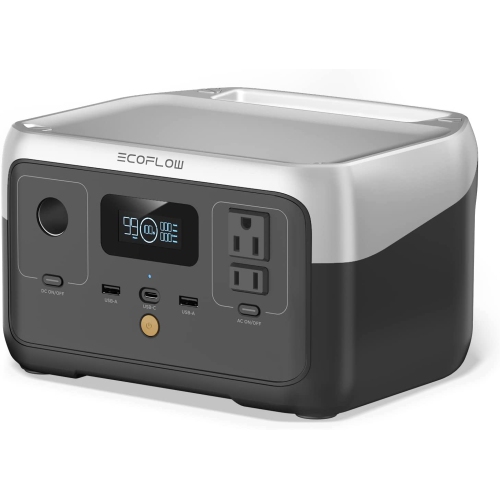
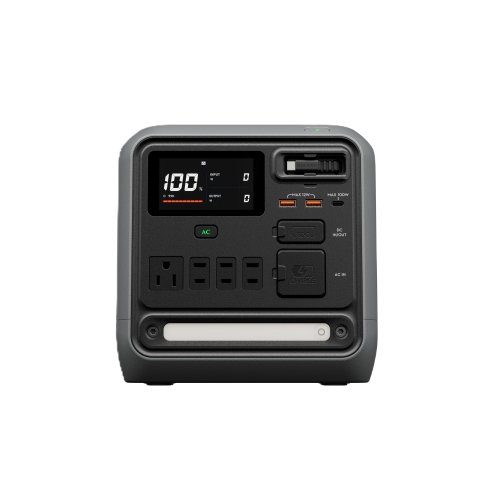
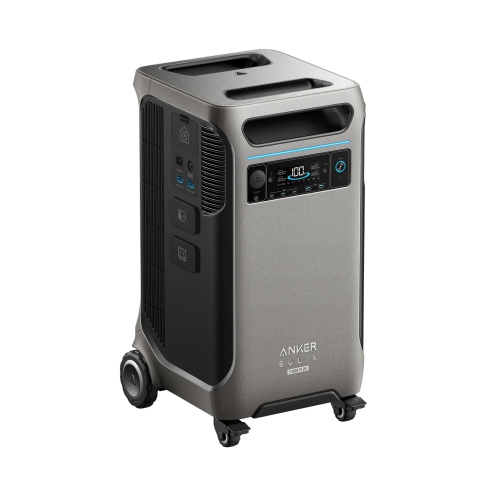
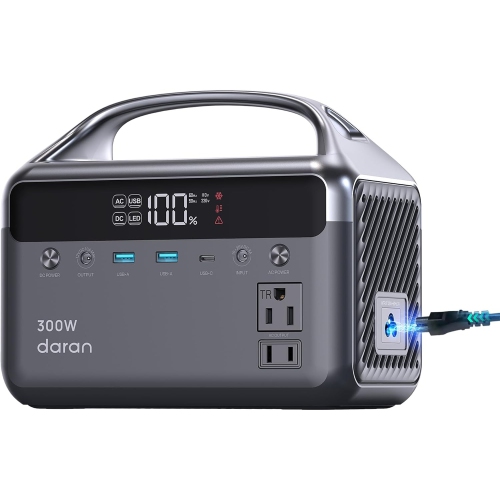
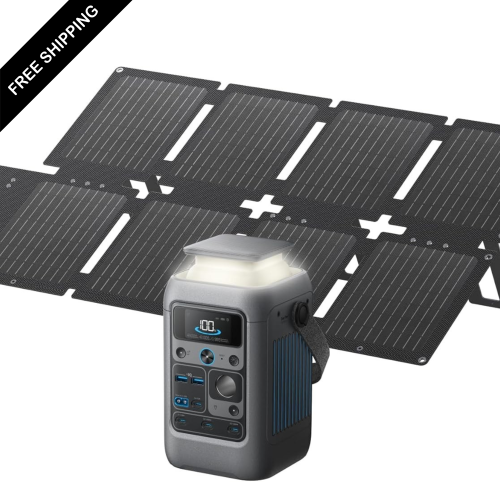
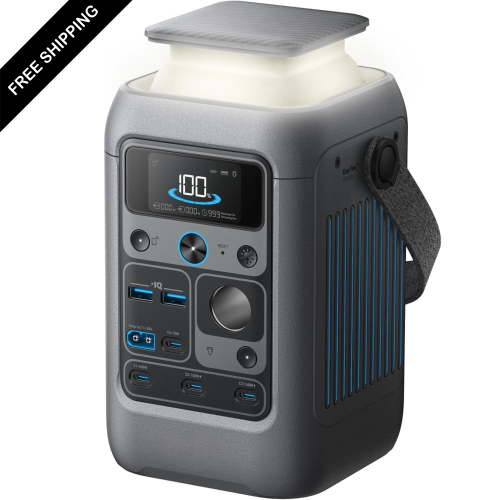
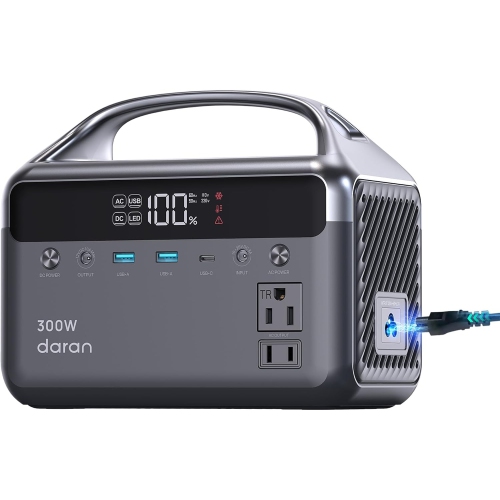
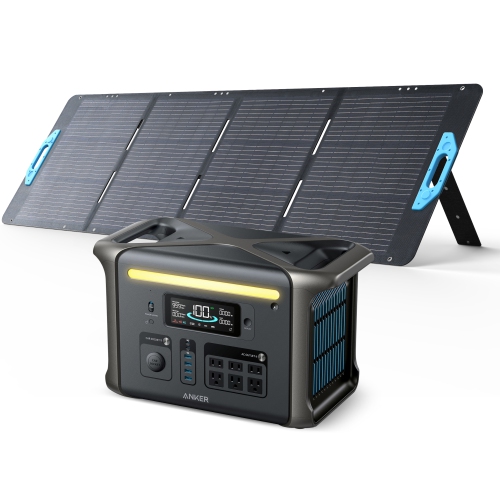
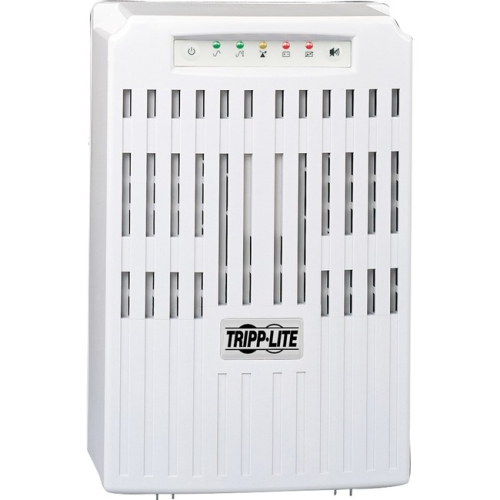
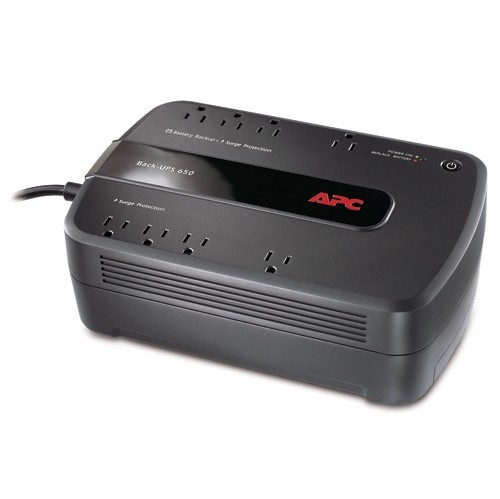
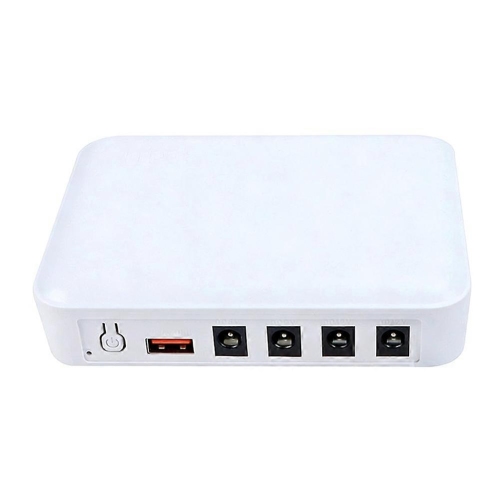
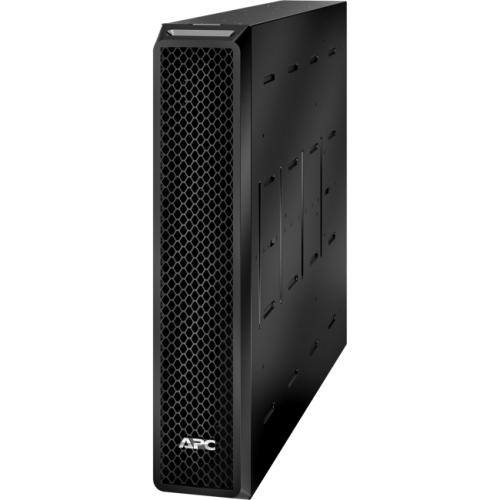
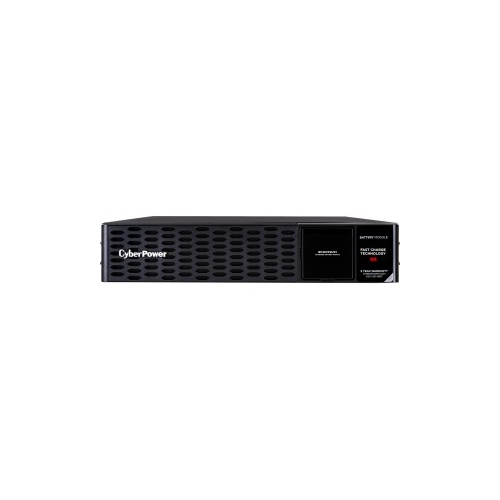
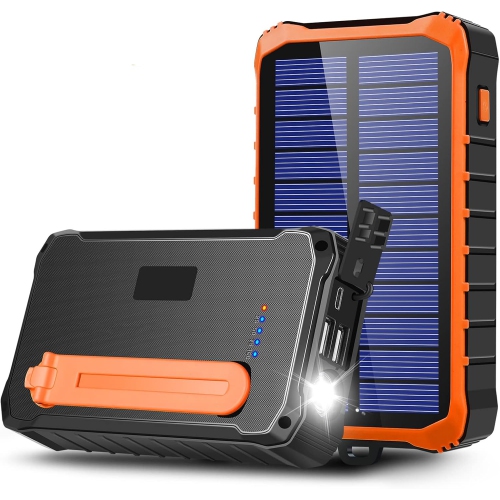
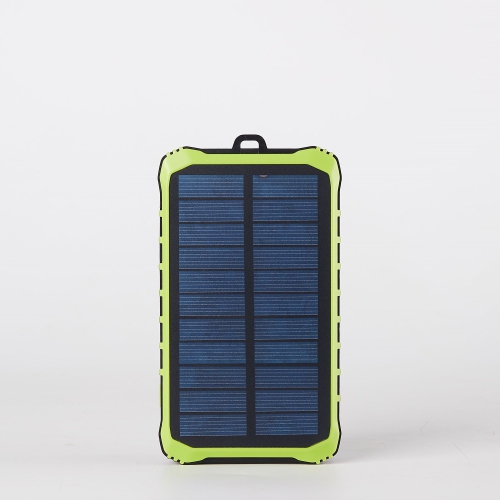
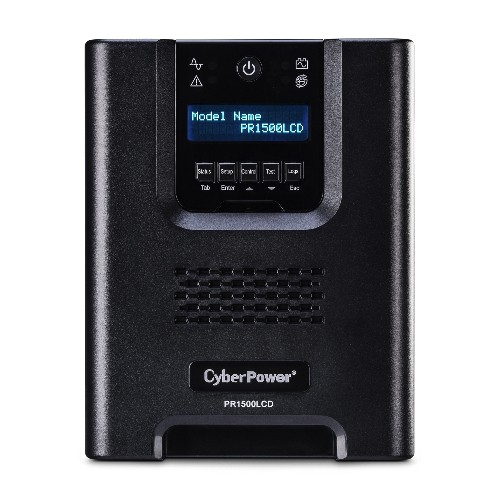
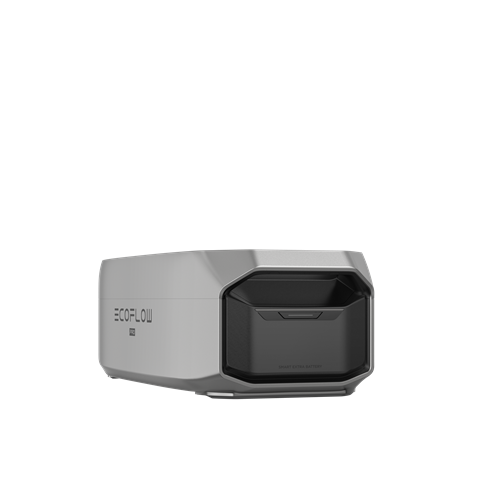
Home standby generators suit households looking for an integrated backup arrangement rather than equipment that must be positioned and connected for each outage. Their permanent installation typically includes a fixed fuel supply, an outdoor enclosure, and a transfer switch that separates the home’s electrical system from the utility supply during backup operation. Depending on the installation, coverage may extend to selected essential circuits or a broader range of household loads. Whole-home coverage still requires careful sizing: electric heating, cooking equipment, pumps, and other high-demand appliances can place substantial demands on a system. Load-management equipment can help prioritize circuits rather than running every appliance at once. The enclosure’s durability, access for servicing, installation clearances, local requirements, and ongoing maintenance all contribute to suitability. For more limited needs, Emergency Backup Power Stations provide stored electrical power without running a combustion engine. Their usefulness depends on both battery capacity, measured in watt-hours, and output capacity, measured in watts. A larger watt-hour figure generally means more stored energy, while the output rating determines which connected devices can operate; neither figure replaces the other. Actual runtime is affected by conversion losses, appliance cycling, and the power drawn by every connected device. Recharge time and supported charging methods also influence how readily a station can be prepared for another interruption. Indoor use must follow the manufacturer’s instructions, including ventilation, clearance, and charging precautions. A compact station may be a practical fit for a renter keeping communication devices charged, while a homeowner supporting pumps and larger appliances may need a fuel-powered or permanently installed system. Anyone relying on powered medical equipment needs a backup arrangement confirmed with the equipment supplier and healthcare provider, rather than assuming a general-purpose generator or battery is suitable. Across these options, the most useful backup power setup is one matched to essential loads, safe connection methods, manageable upkeep, and the people who will operate it.
Top selling and popular products
-
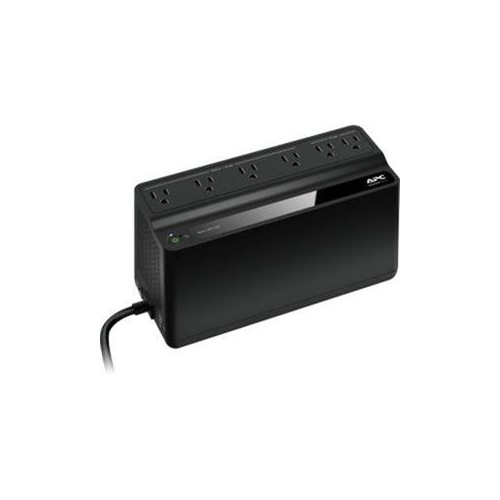 Your price for this item is $106.68
-
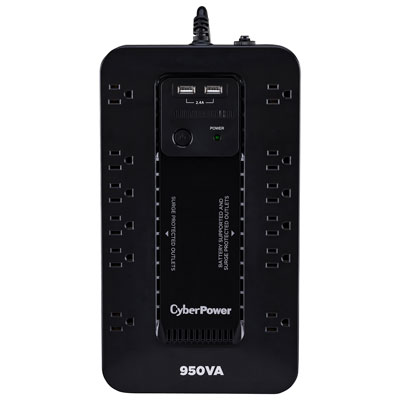 Your price for this item is $149.99
-
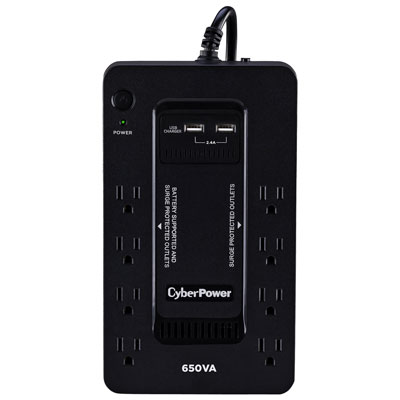 Your price for this item is $99.99
-
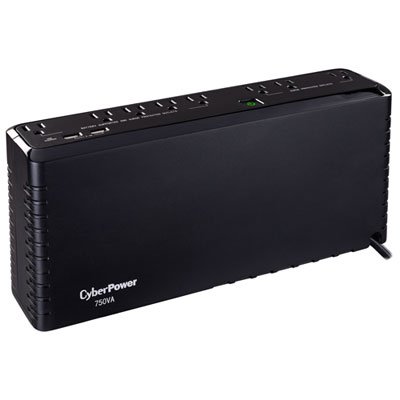 Your price for this item is $99.99
-
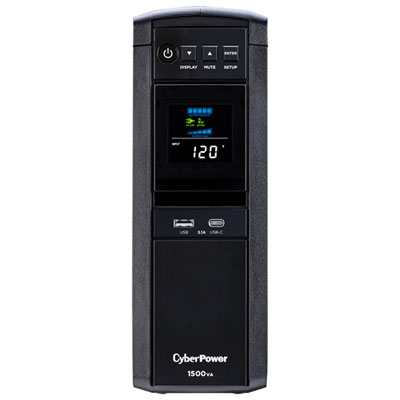 Your price for this item is $229.99
-
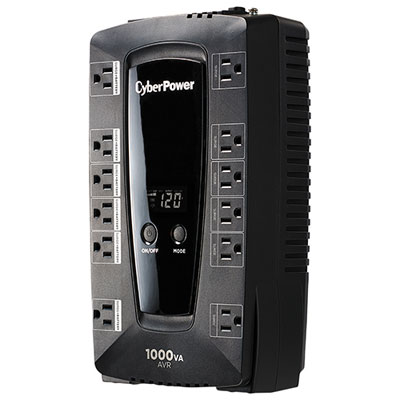 Your price for this item is $149.99
-
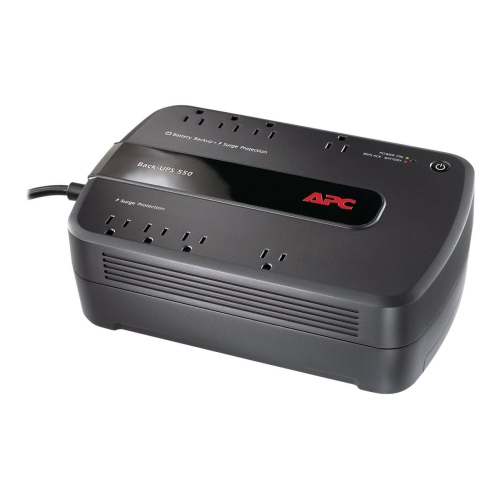 Your price for this item is $170.69
-
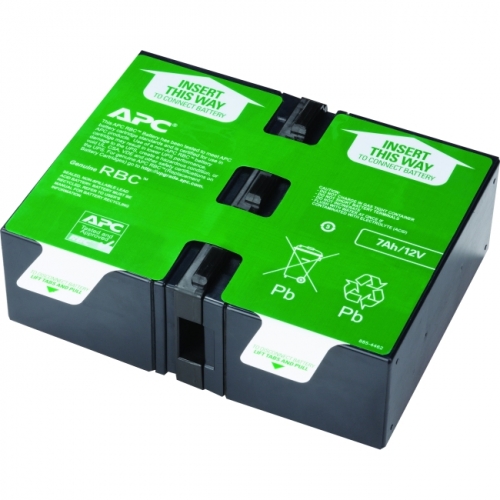 Your price for this item is $169.28