Basketball Hoops for Home
Looking to bring the excitement of the basketball court to your own backyard? Look no further than our selection of basketball hoops for home. Whether you're a seasoned player looking to improve your skills or simply want to enjoy some friendly competition with family and friends, our range of basketball hoops offers something for everyone. From adjustable height options for growing athletes to sturdy and durable designs built to withstand outdoor elements, we have the perfect hoop to elevate your game. Get ready to shoot, score, and slam dunk with our top-notch basketball hoops designed for endless fun right at home.
Sort
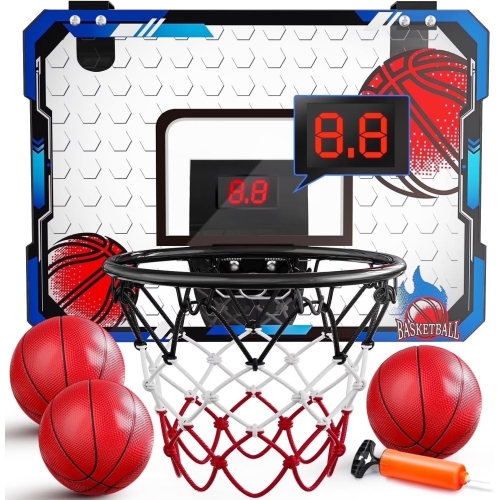
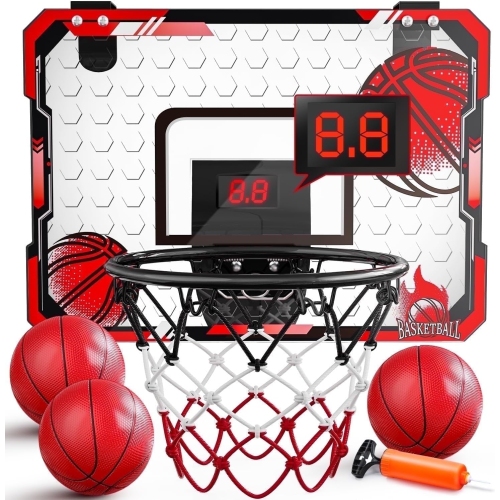


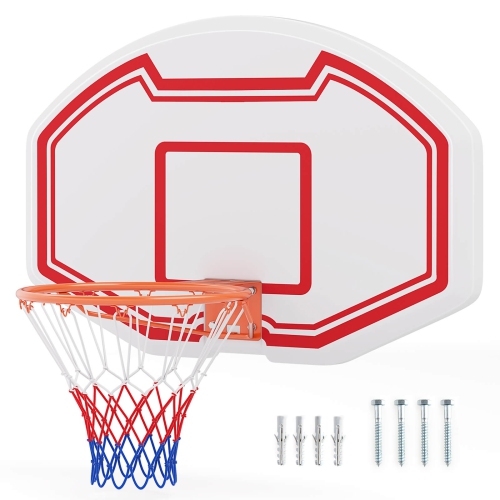


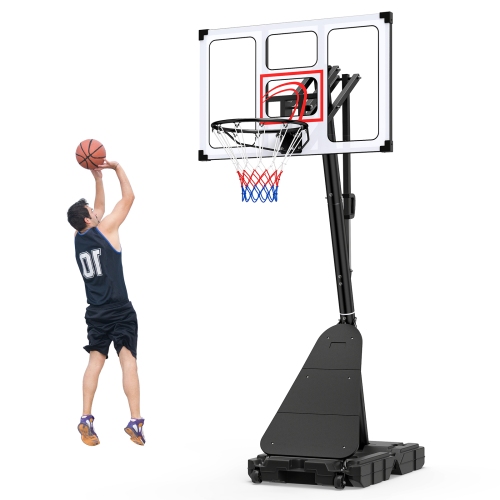


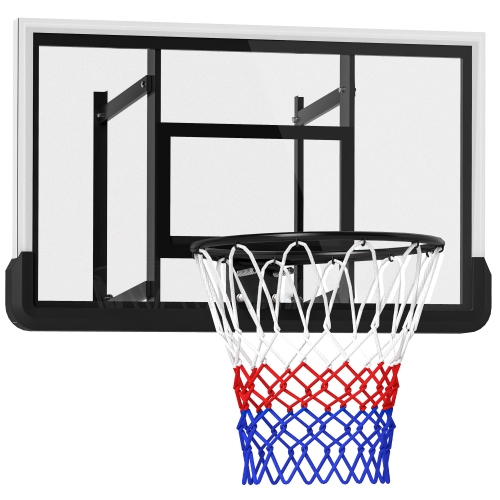


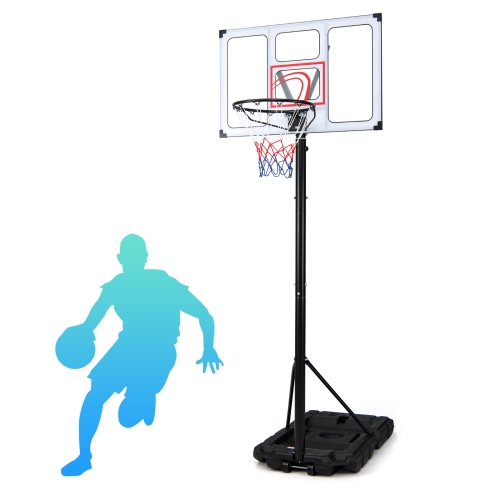

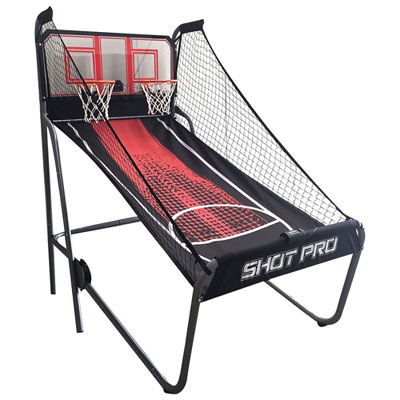


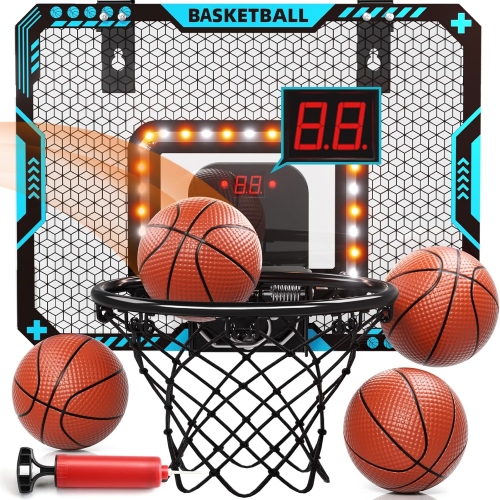


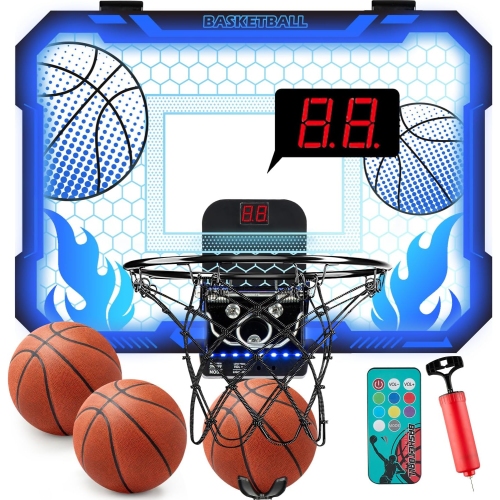

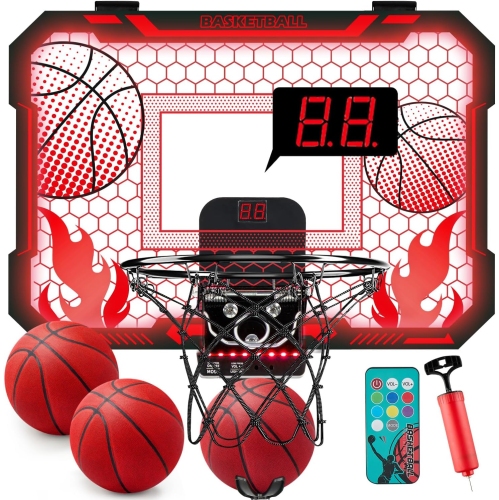
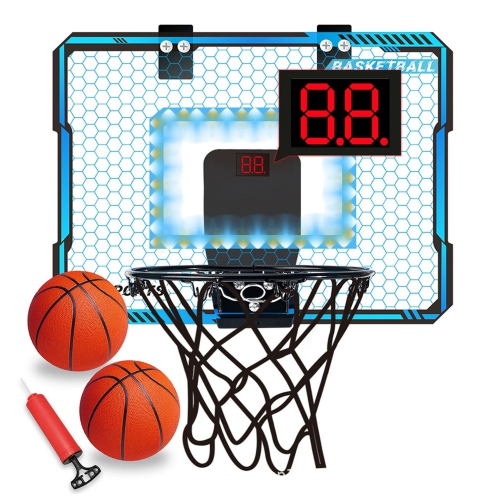

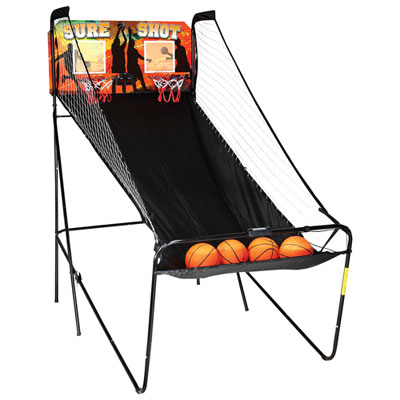




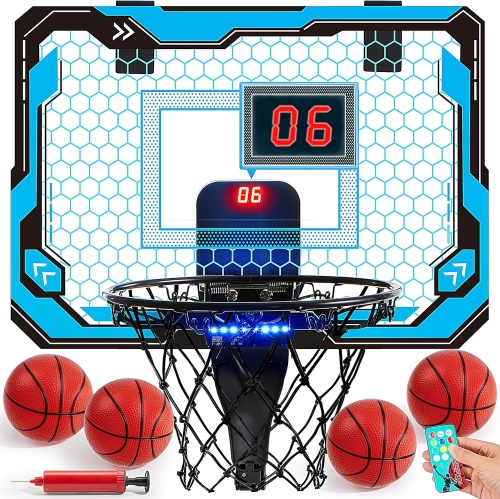


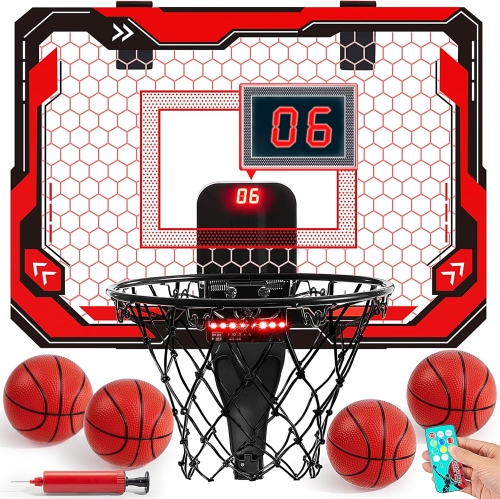


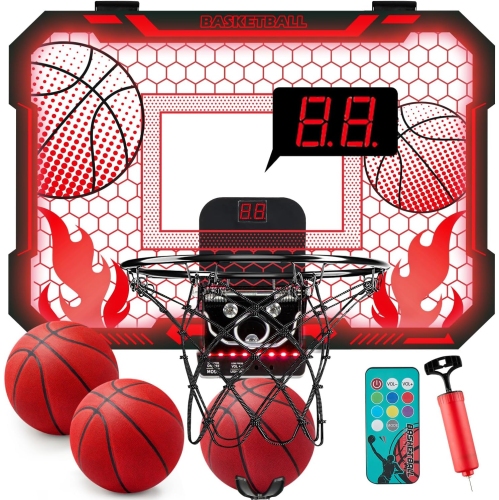


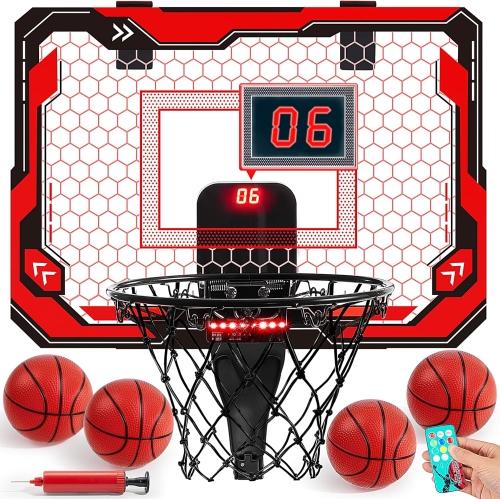







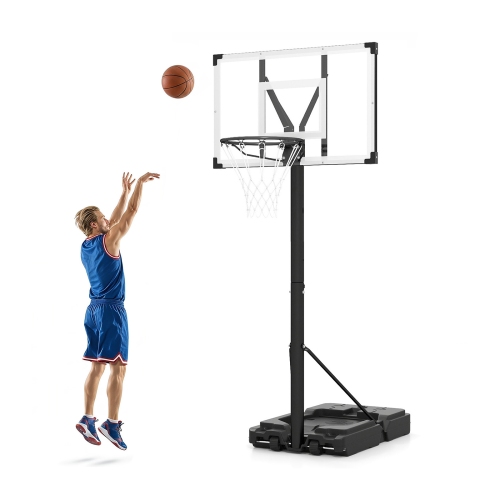
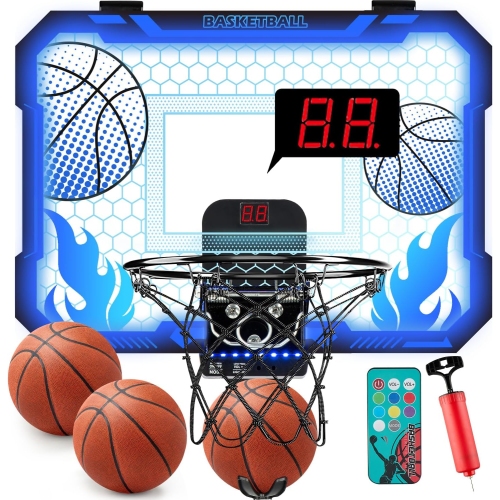


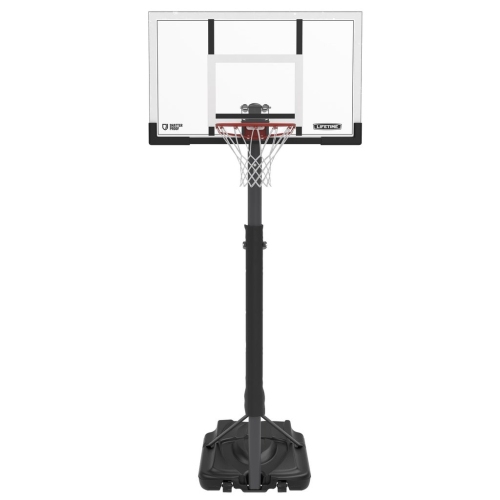


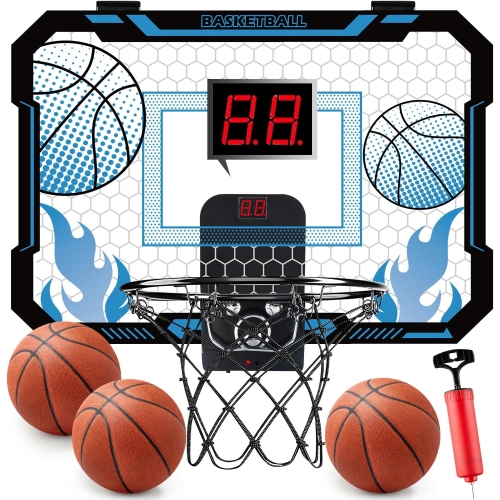








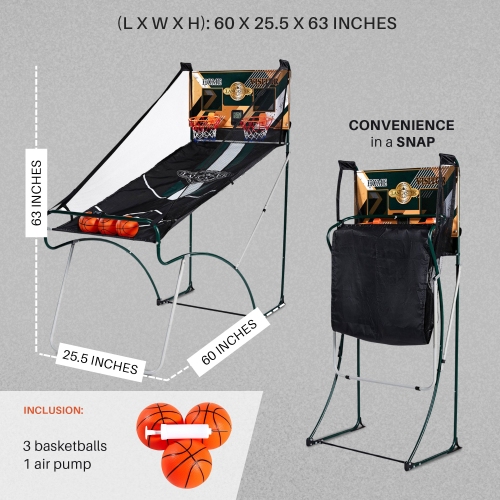


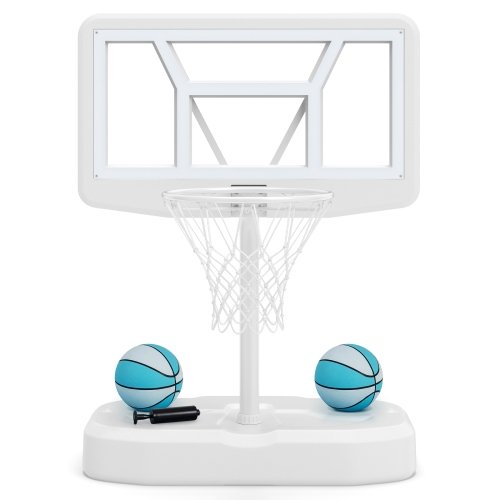
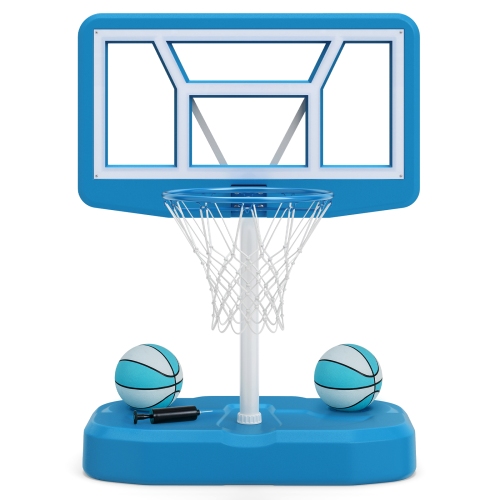


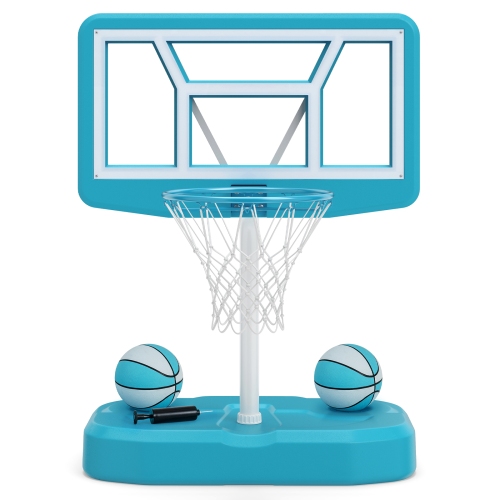


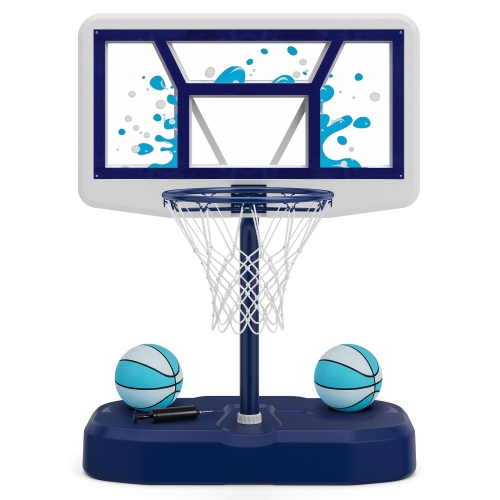



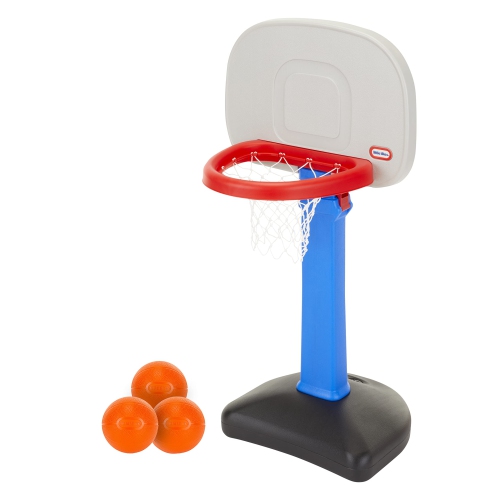
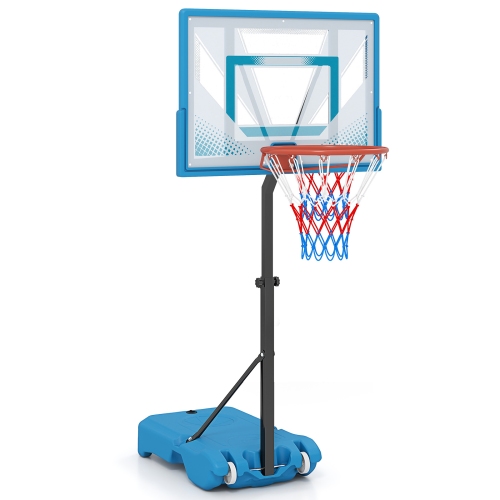









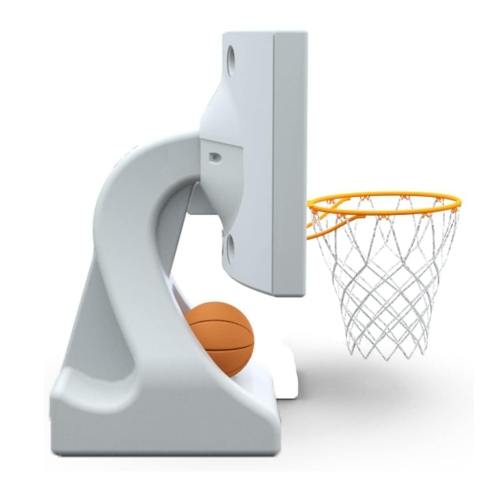
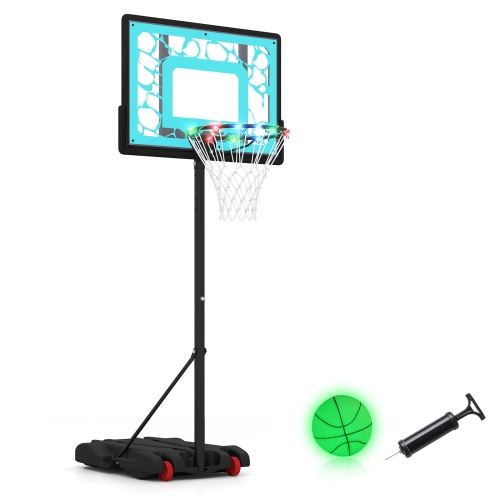

The right hoop starts with room to play
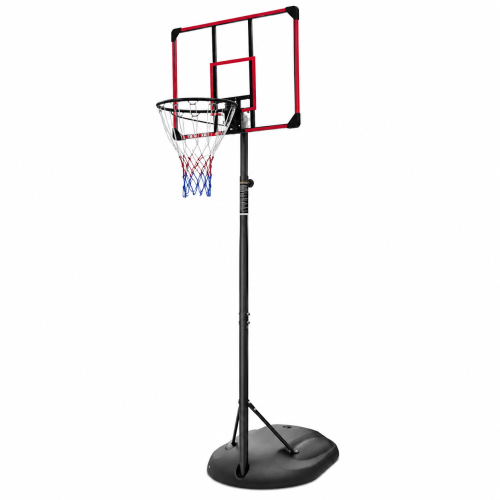
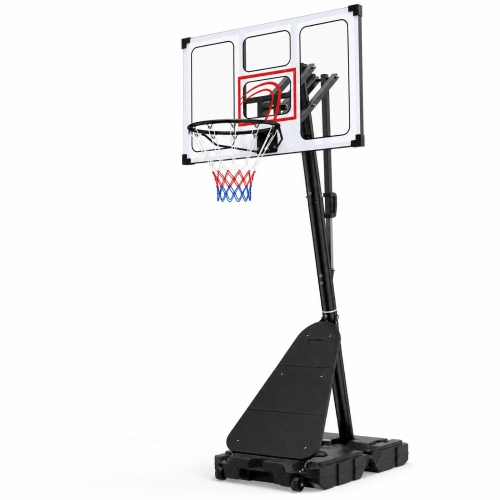
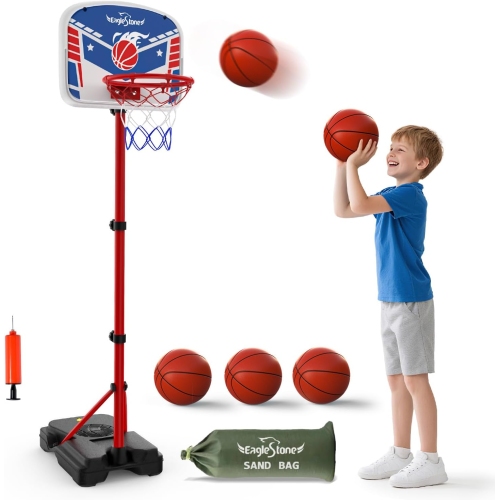
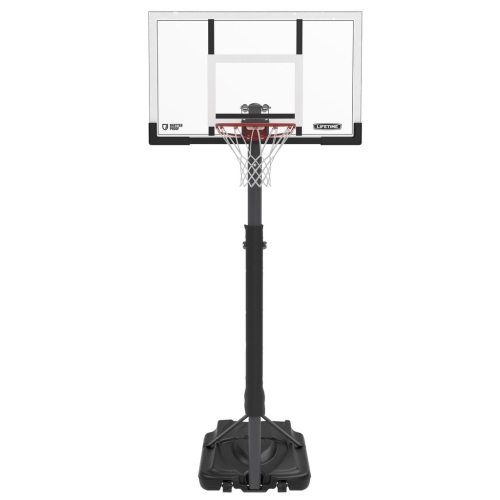
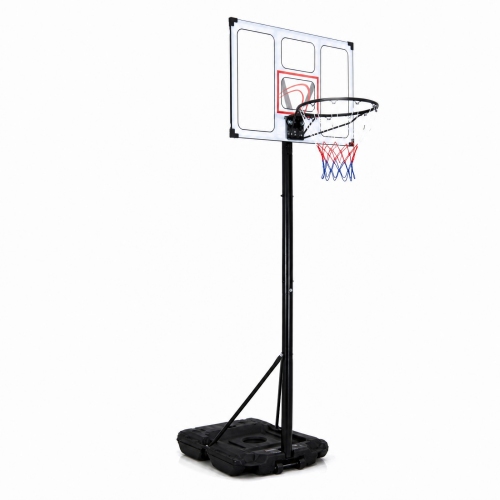
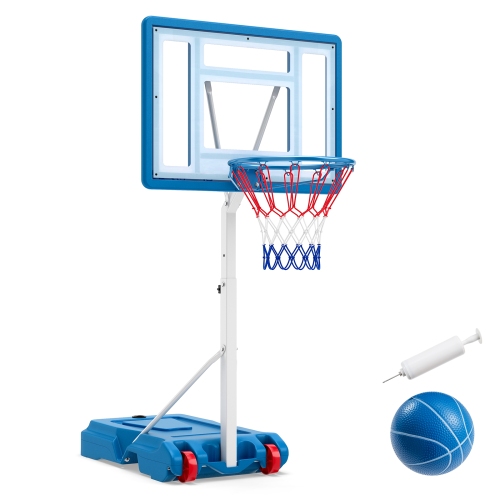
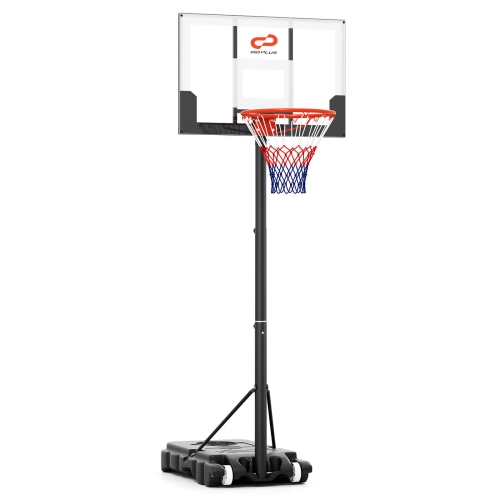
Basketball hoops for home turn an open stretch of driveway, a suitable backyard court, or a dedicated indoor play space into a place for shooting practice and friendly competition. The right fit depends on the space around the basket, the ages of the players, and whether the hoop needs to move or stay in one position. Portable basketball hoops use a freestanding base filled with ballast, typically water or sand as specified by the manufacturer, and often have wheels for repositioning. They suit households that need some flexibility in how a paved area is used, although a filled base can be very heavy and moving it requires care. In-ground basketball hoops have a support pole secured through a concrete footing or an anchored installation, creating a permanent setup with less movement during play when properly installed. Wall-mounted basketball hoops attach to a suitable structural surface and leave the ground beneath the basket free of a support base. Their suitability depends on the strength of the mounting surface, the mounting hardware, and the clearance around the backboard and rim. For driveway and backyard setups, the Outdoor Basketball Hoops collection brings the focus to hoops intended for play outside the home. Across these formats, usable playing space matters more than whether the base or pole simply fits. Players need room to take a shot, follow through, collect a rebound, and slow down without stepping into traffic or colliding with a parked vehicle. A firm, level surface gives the ball a more predictable bounce and helps players maintain their footing. The distance between the backboard and its support, sometimes called the offset or overhang, also affects the space beneath the basket. A hoop positioned close to a wall or garage door can feel quite different from one with open space behind and beside it, especially when more than one person is playing.
Backboard size, backboard material, and the strength of the supporting frame all contribute to how a home basketball hoop feels in use. A larger backboard provides more surface area for bank shots, while a smaller board takes up less visual space and may suit casual shooting in a compact area. Tempered glass is commonly associated with a firmer, more consistent rebound and the familiar feel of a gym backboard, but it is heavy and needs a substantial support system. Acrylic offers a clear appearance at a lower weight than glass, with rebound behaviour that varies according to the board’s thickness and construction. Polycarbonate is valued for impact resistance and is often used in family-oriented setups, though it generally has a less rigid rebound than tempered glass. Moulded plastic backboards are also common on smaller recreational hoops where light weight and simple play are priorities. Material alone does not determine performance: a flexible frame or a support pole that shakes can affect the ball’s response even when the backboard itself is sturdy. Rim design makes another noticeable difference. A fixed rim has a straightforward construction, while a breakaway rim uses a spring mechanism that allows some movement under force. A breakaway design does not automatically mean that dunking or hanging from the rim is permitted; the hoop’s stated use limits still apply. Height-adjustable basketball hoops can make one setup more useful to a household with children, teens, and adults. Regulation rim height is 10 feet, measured from the playing surface to the top of the rim, but a lower setting can help younger players practise a controlled shooting motion rather than heaving the ball upward. Adjustment ranges and mechanisms vary, including telescoping poles, handles, and crank systems. An accessible mechanism can make shared use simpler, provided an adult handles adjustments where required and the height locks securely before play. Clear height markings are useful when different players prefer different settings for practice.
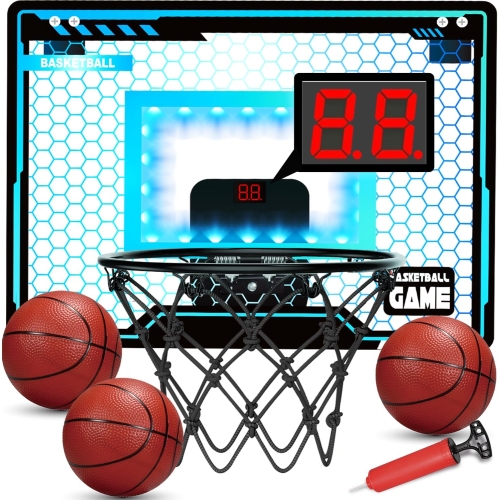
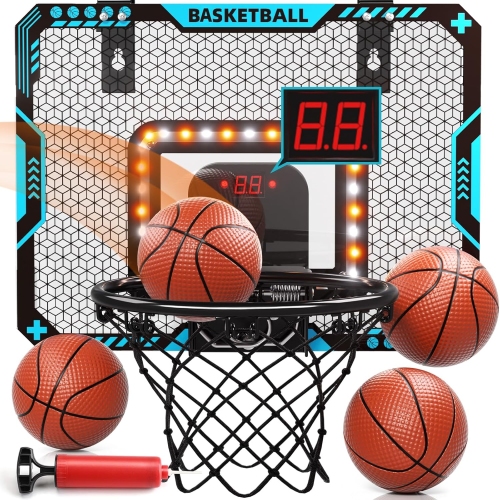
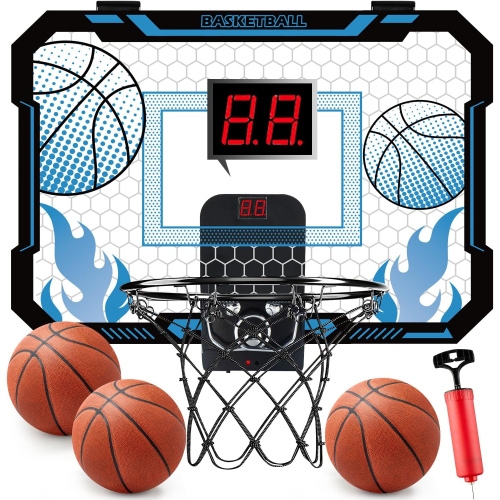
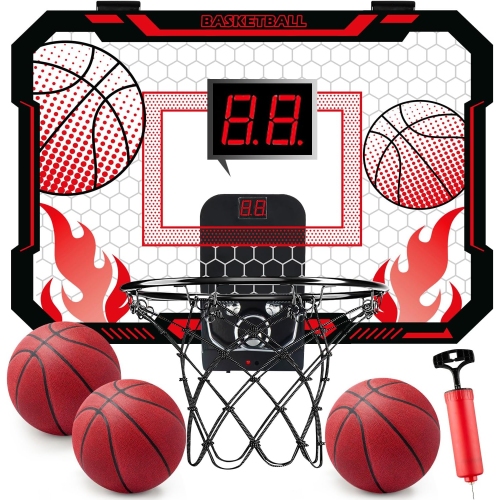
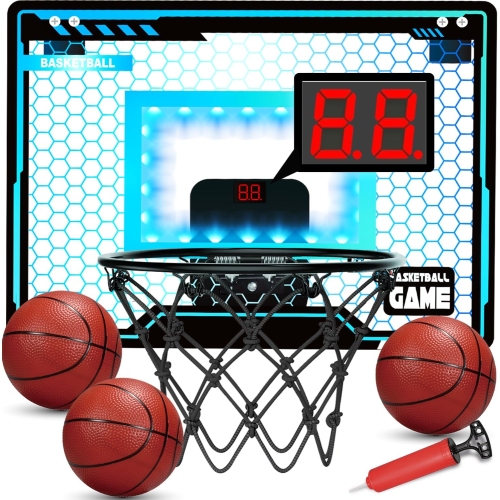
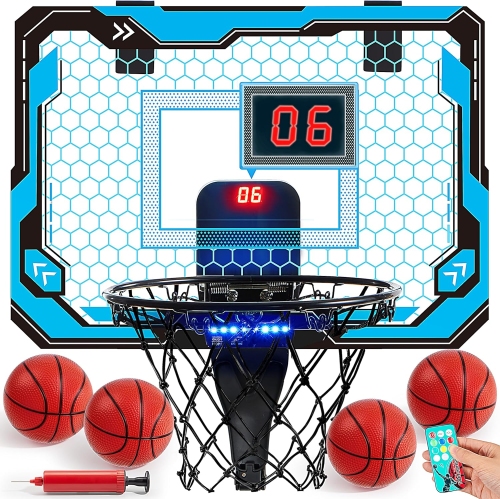
The intended style of play helps distinguish a satisfying home setup from one that feels awkward after a few sessions. A child learning to aim at the backboard needs a different scale of equipment from a teenager practising layups or an adult working through free throws. Smaller indoor and over-the-door basketball hoops offer a compact option for light recreational play, usually with a ball sized for the hoop rather than a full-size basketball. Door fit, bracket padding, and clearance for closing the door matter in these spaces, as does keeping play away from lights, screens, and breakable objects. These compact hoops serve a different purpose from full-height systems and are not substitutes for a court-style setup. For larger hoops, durability comes from the whole assembly: the pole, joints, base, backboard frame, rim, fasteners, and net all carry part of the workload. Steel supports with a protective finish, secure connections, and padding in potential contact areas are practical features to consider alongside the backboard. Portable bases need the specified type and amount of ballast; an underfilled base or loose weights placed on top are not substitutes for the manufacturer’s filling requirements. Permanent installations may require professional assessment, particularly where concrete work or attachment to a building is involved. Routine care is generally straightforward but important. Periodic checks for loose hardware, cracks, worn adjustment parts, base leaks, and frayed nets help identify wear before the next game. Backboards benefit from cleaning with a soft cloth and a cleaner approved for their material, since abrasive tools or unsuitable chemicals can scratch or cloud some surfaces. Protective padding and nets may need replacement as they wear, and any damaged structural component needs attention before further use. As a gift, a home basketball hoop can suit a young player developing an interest in the sport, a family that enjoys shooting games, or an experienced player who appreciates practice close to home. Matching the hoop to the recipient’s space and ability gives it a clear role, whether that is a few quiet shots after school or a lively game of HORSE with friends.
Top selling and popular products
-
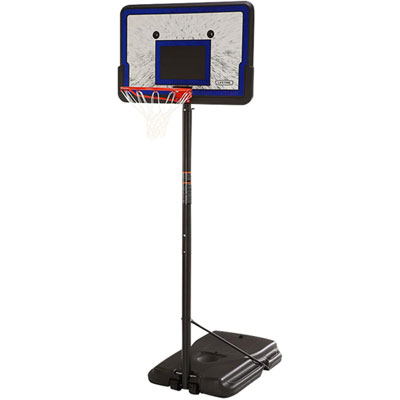 Your price for this item is $279.98
-
 Your price for this item is $114.99
-
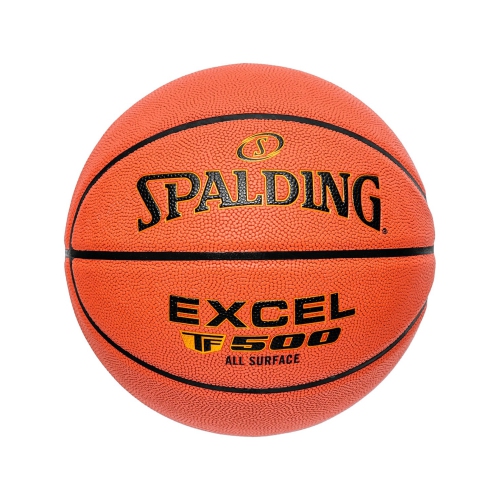 Your price for this item is $58.99
-
 Your price for this item is $58.99
-
 Your price for this item is $58.99
-
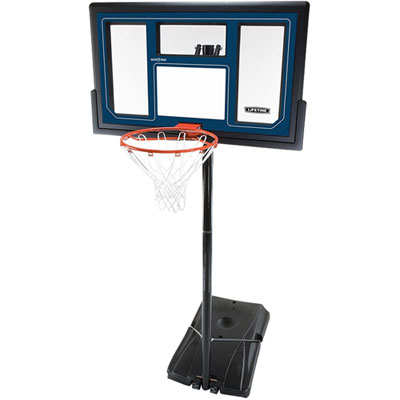 Your price for this item is $479.98
-
 Your price for this item is $52.99
-
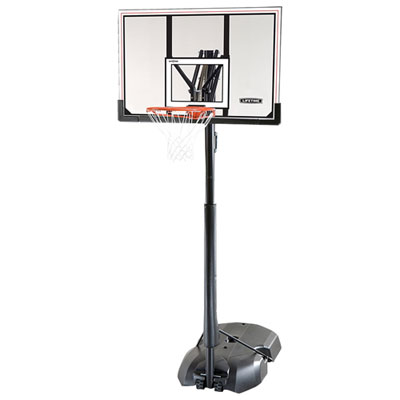 Your price for this item is $638.98
Discover more categories related to Basketball Hoops for Home
Top Collections:
Pokemon Centers, Best Cameras for Sports Photography, Kindle Devices, Samsung Galaxy Phones, Canon G7X Cameras, Pokémon 30th Celebration Cards, Refurbished Apple Laptops, iPhone 15 Apple, Laptops for Students, Budget Smartphones
Some products may be subject to Environmental Handling Fees
(EHF) depending on your province.
Learn more about EHFs.