Basketball Hoops With Backboard
Looking to shoot some hoops in your backyard or driveway? Look no further than our selection of Spalding Basketballs and hoops with backboards. Whether you're an aspiring NBA star or just looking for a fun way to stay active, these basketball hoops are designed to bring the excitement of the game right to your own home. With sturdy backboards and adjustable heights, you can practice your layups, three-pointers, and dunks with ease. Choose from a variety of styles and sizes to find the perfect basketball hoop that suits your space and skill level. Get ready to channel your inner basketball pro and enjoy endless hours of outdoor fun with our basketball hoops with backboards.
Sort


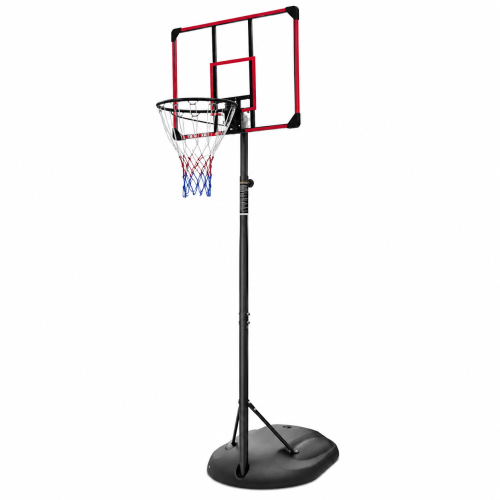


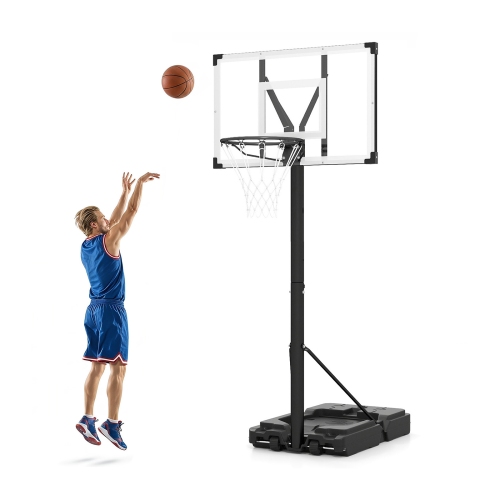


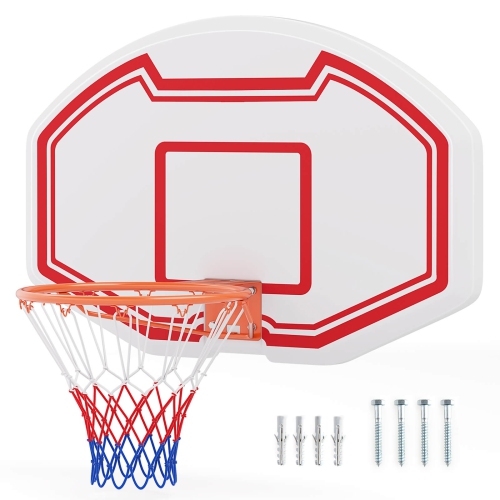


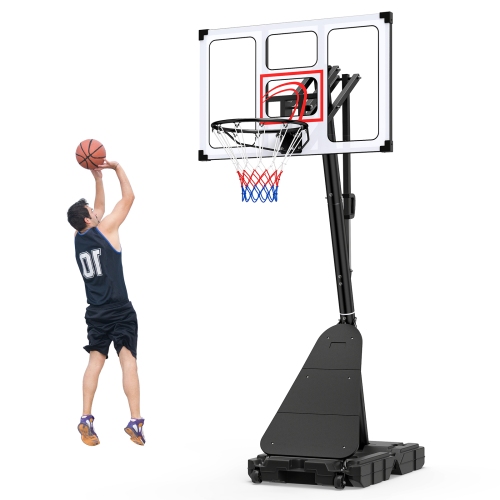


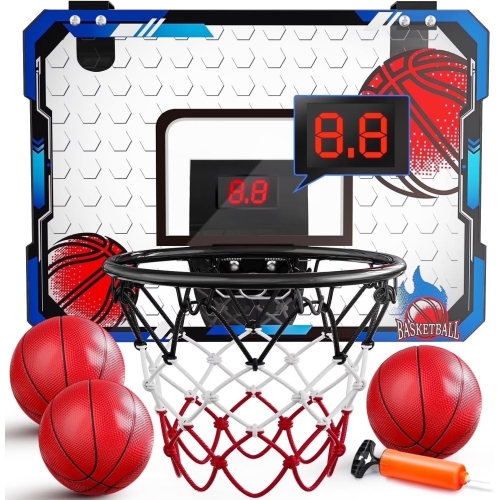
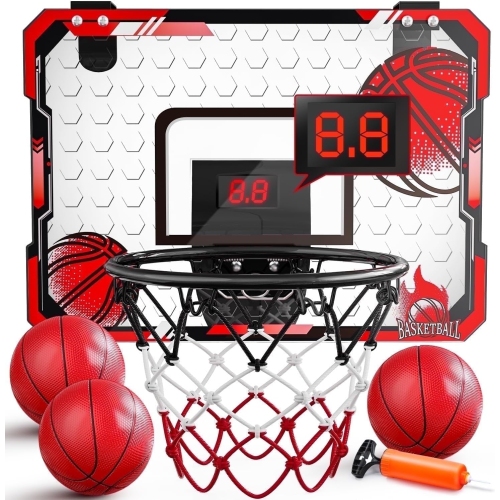


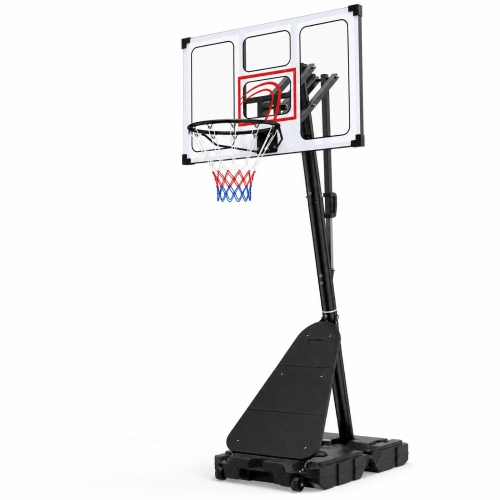


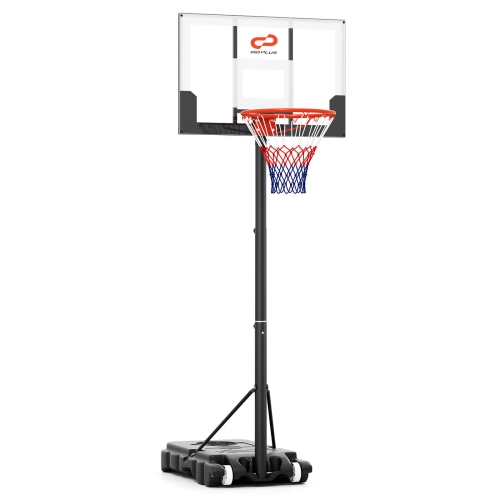

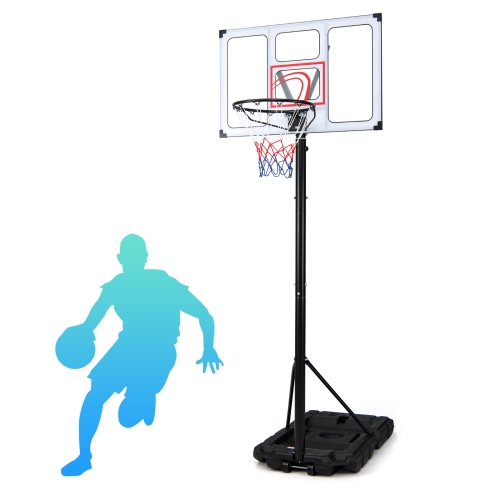


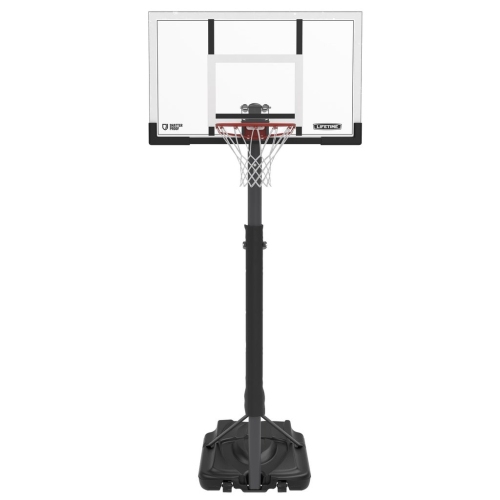


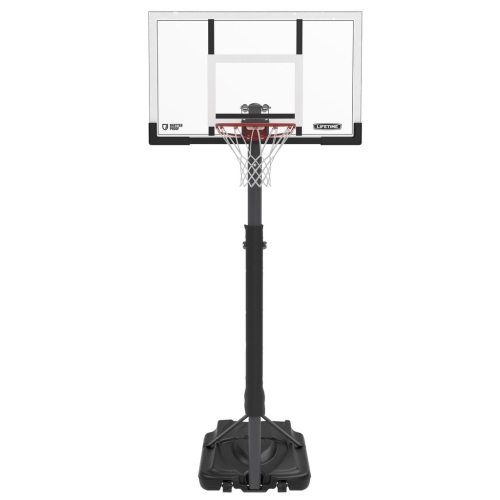


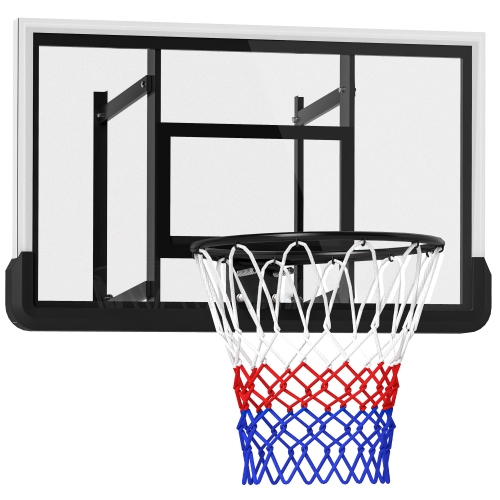

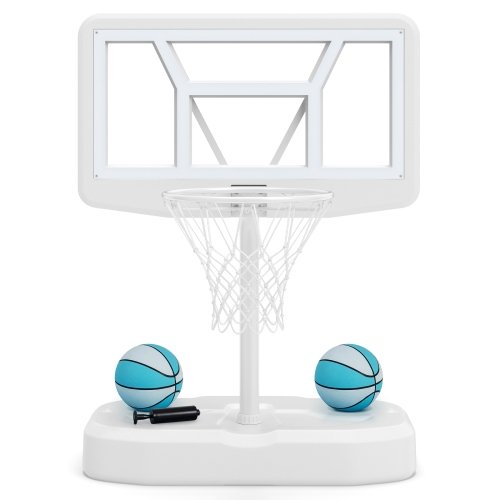

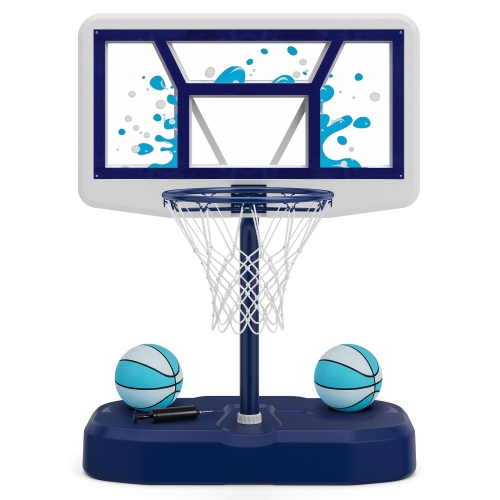
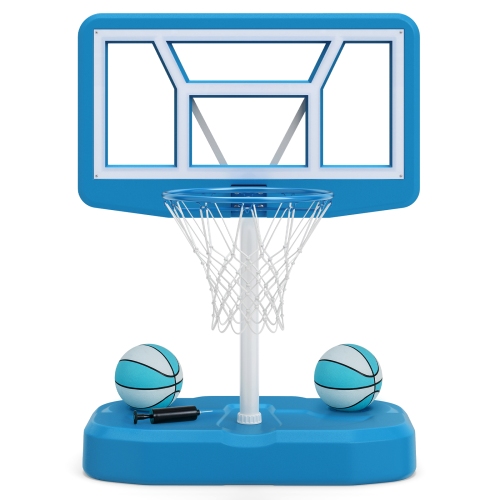
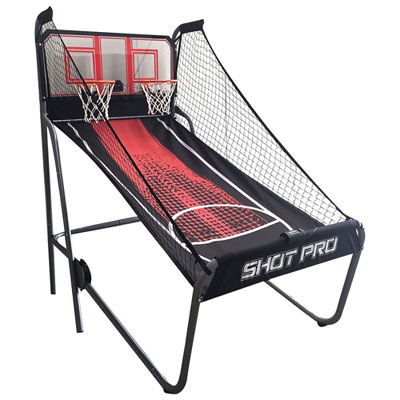






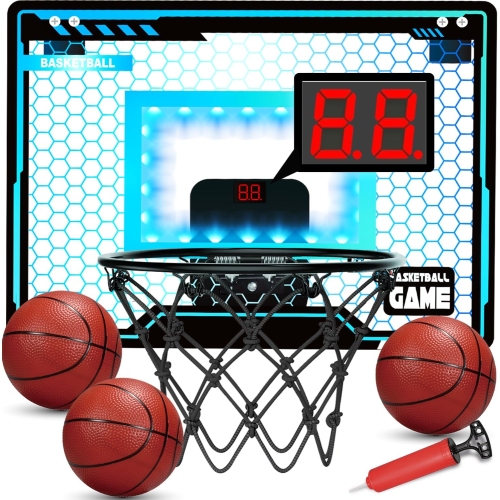


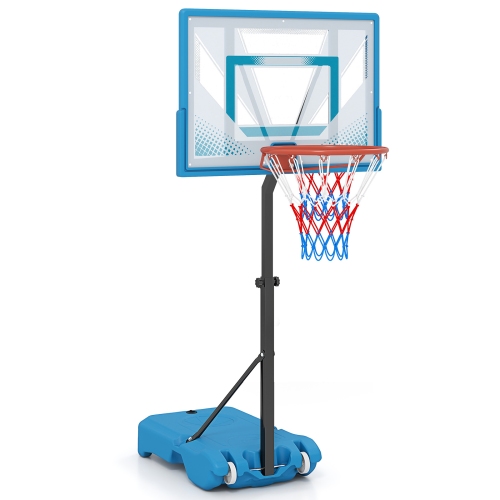
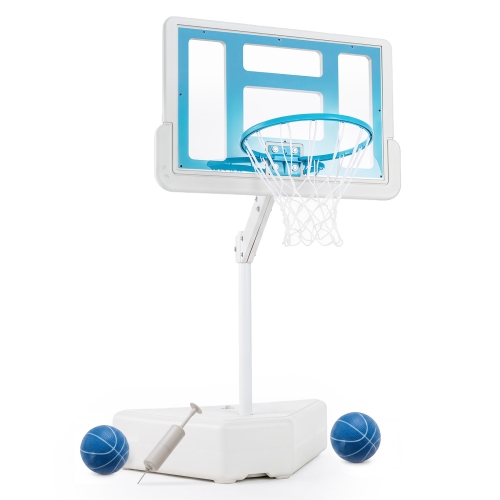


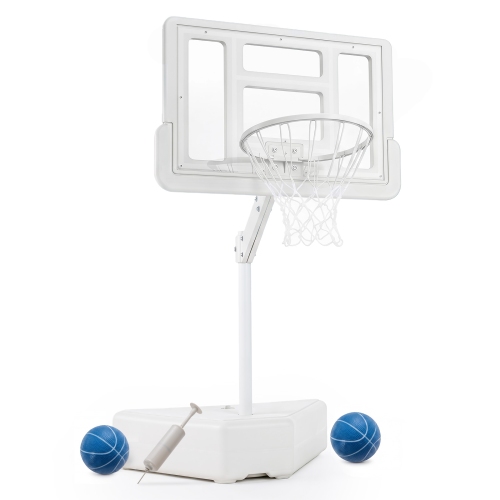

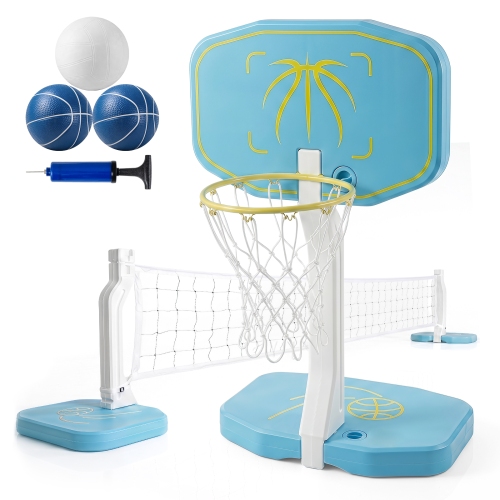
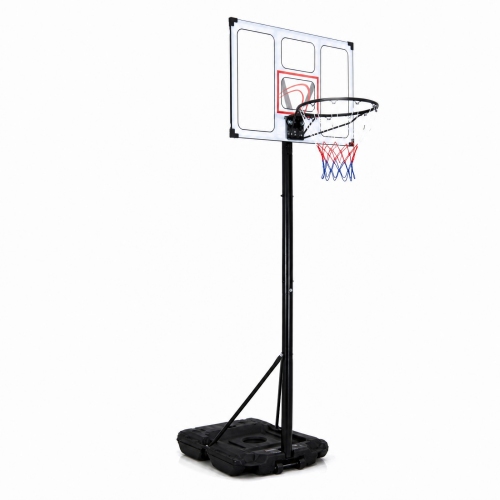
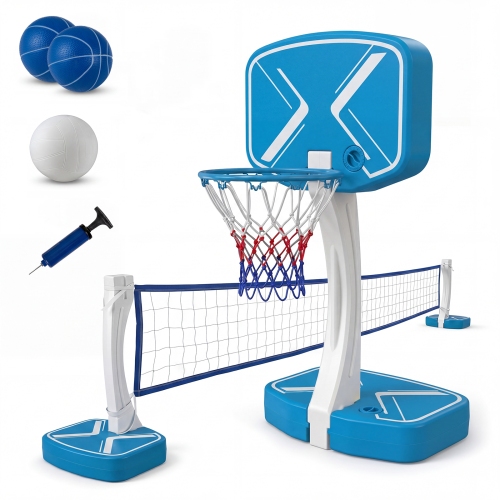


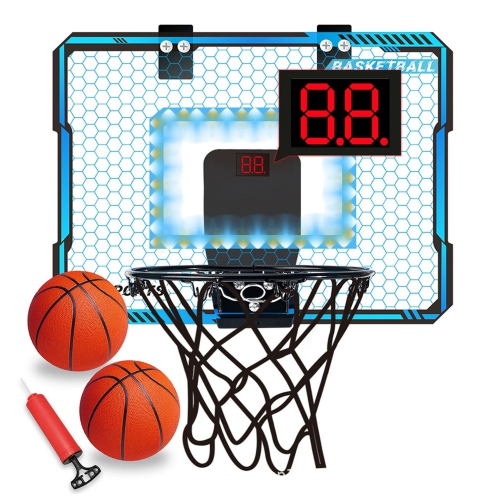


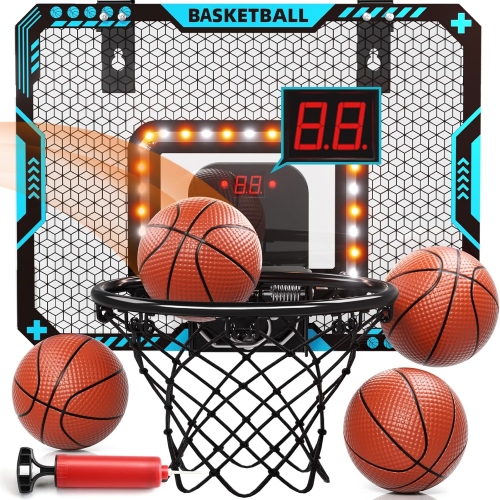


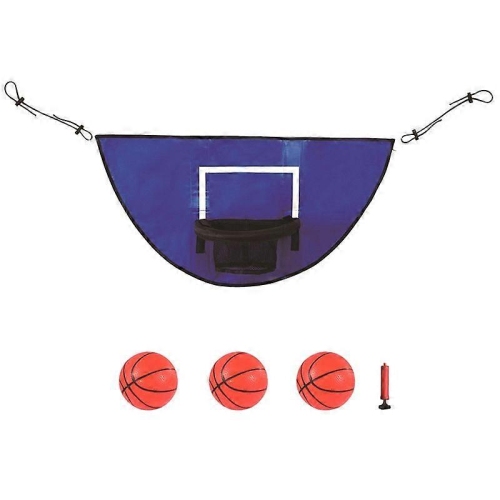
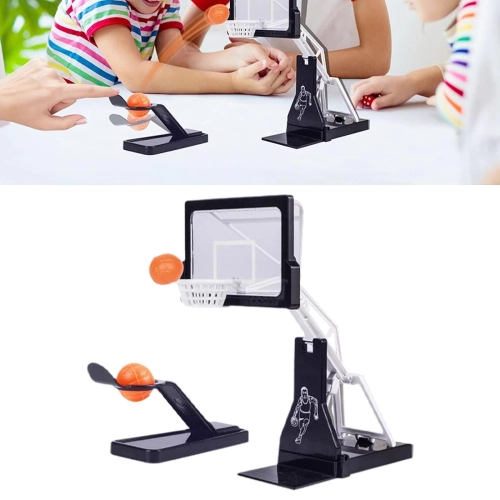



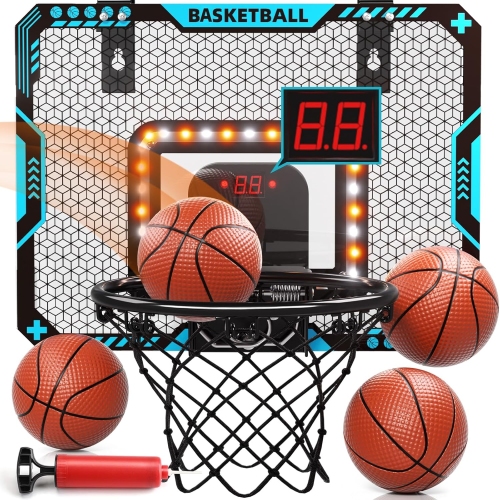
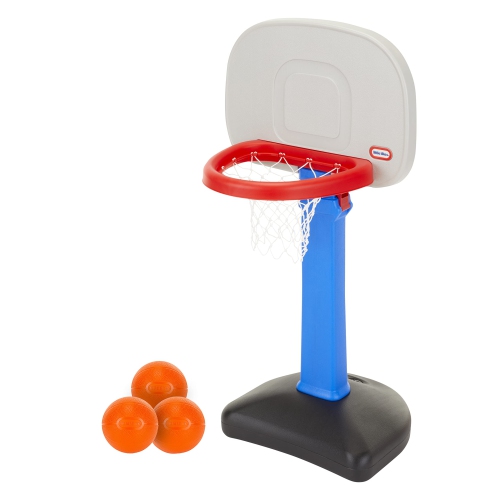

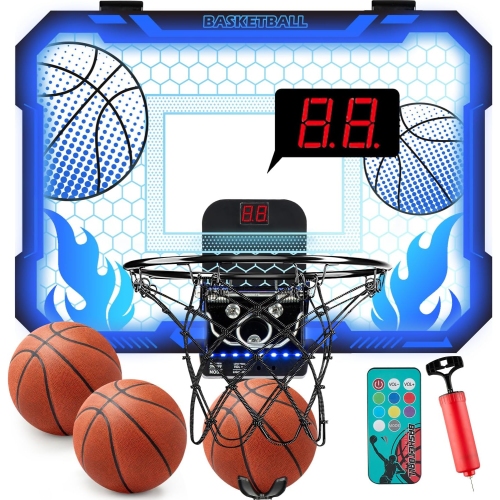
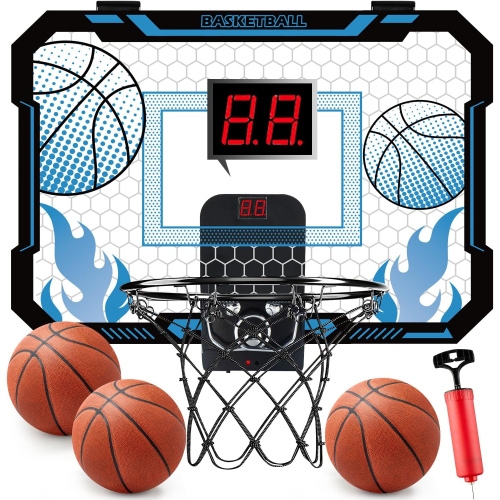

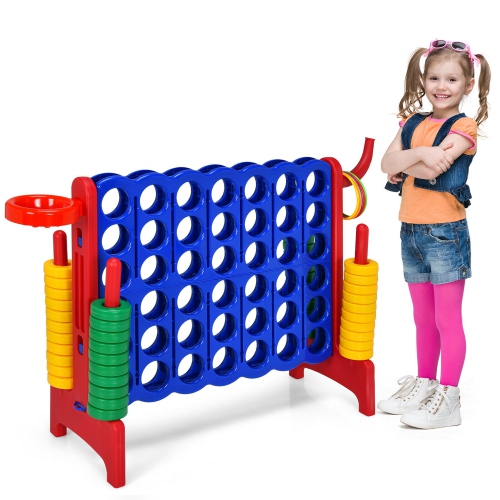
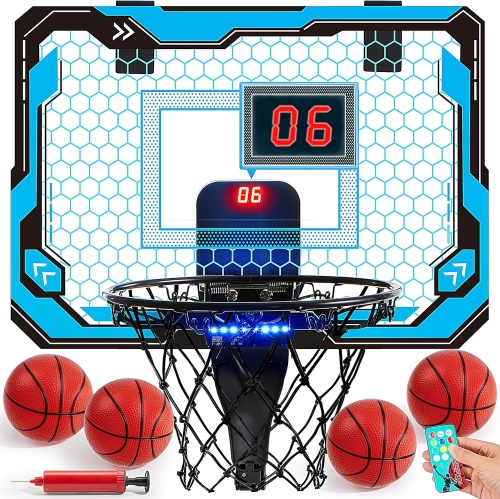
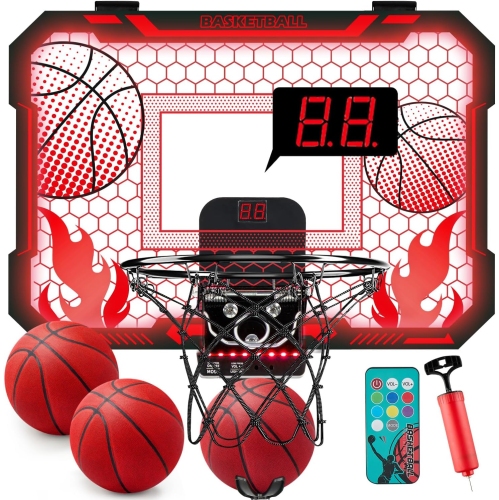

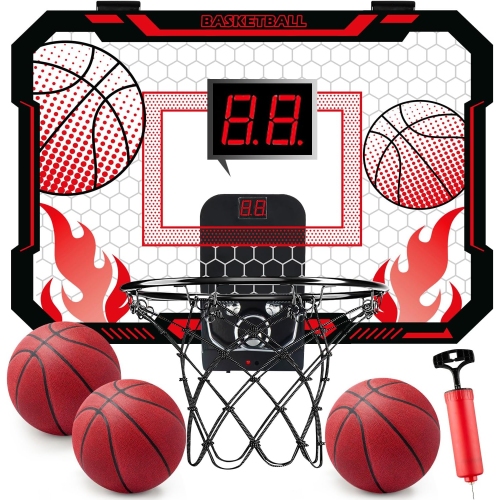


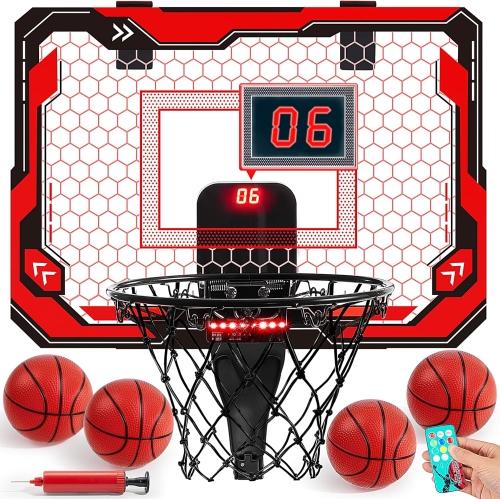


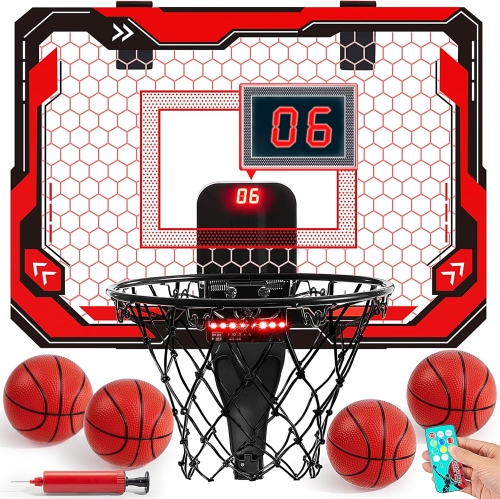
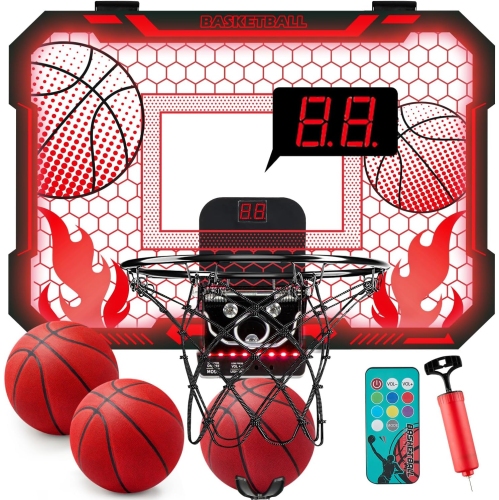

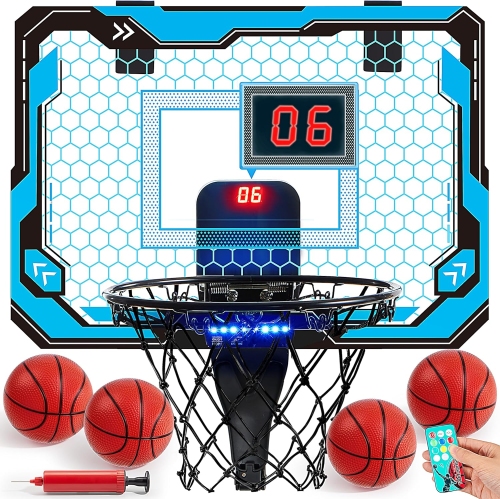
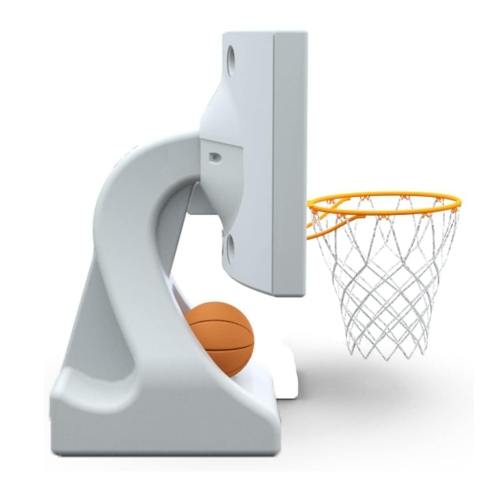
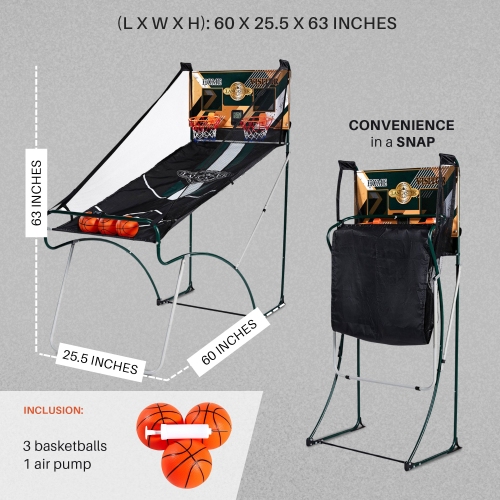
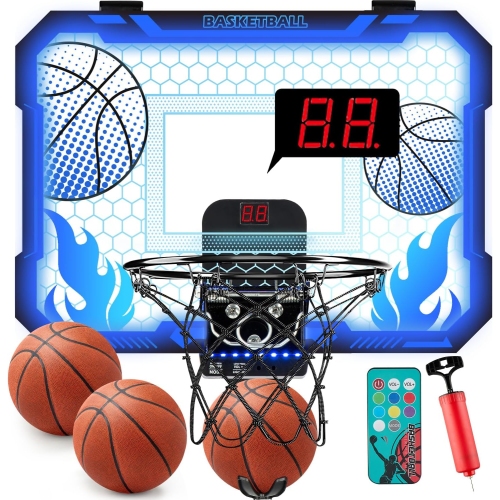

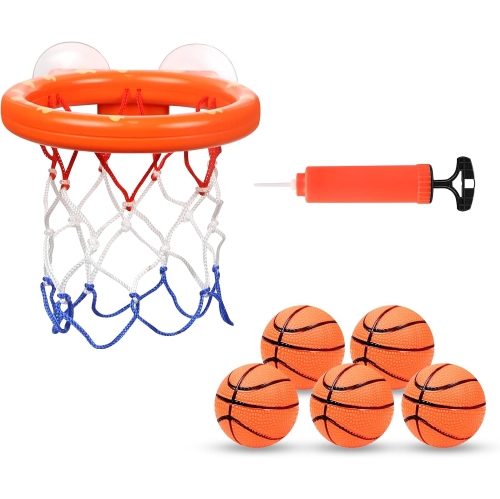
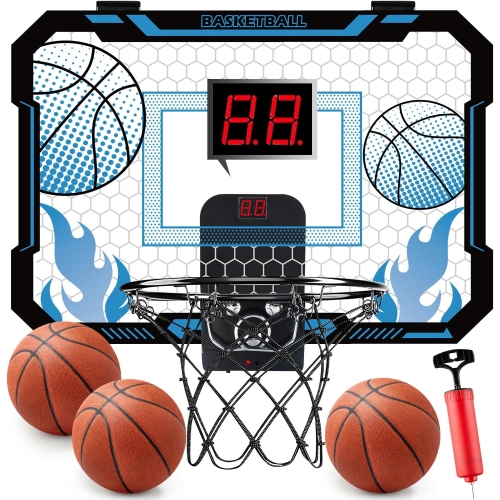
The right hoop setup for your space and game
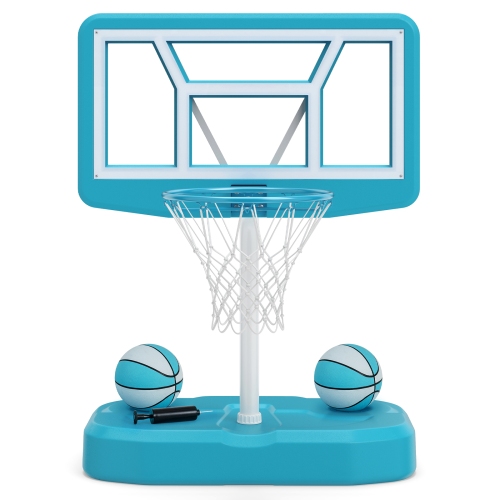
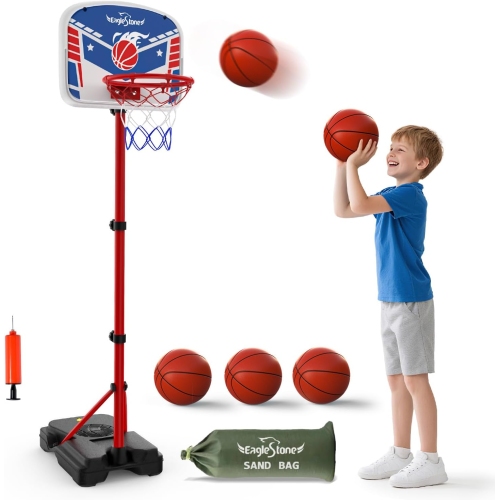
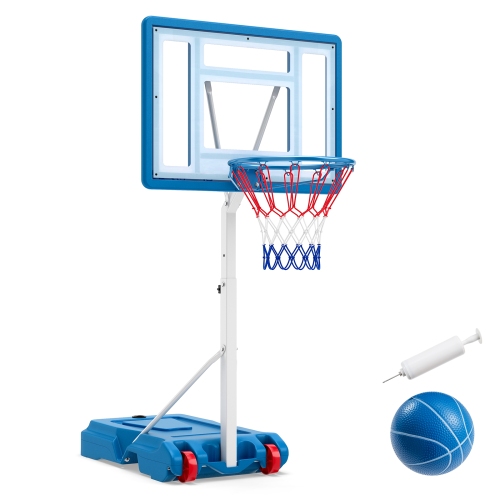
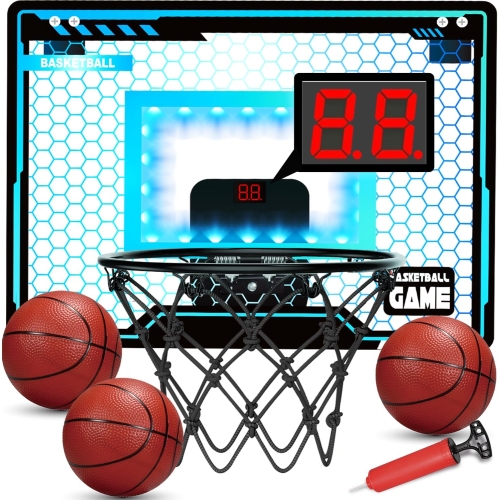
Basketball hoops with backboards create a dedicated spot for shooting practice, casual games, and family play, whether the setting is a driveway, backyard court, or suitable indoor space. The backboard gives players a clear target for bank shots and layups, while the rim and net provide familiar feedback as the ball drops through. Portable, wall-mounted, and in-ground systems serve different spaces and levels of commitment. A portable basketball hoop uses a weighted base to support the pole, making it a practical option where permanent installation is not suitable. Built-in wheels can help with repositioning, although the base weight and the manufacturer’s moving instructions remain important considerations. Wall-mounted basketball hoops keep the supporting structure off the playing surface, but they require a compatible mounting bracket and a wall or structural support capable of handling the specified loads. In-ground systems use a permanently installed support or anchoring arrangement and are better suited to a dedicated playing area. Within the broader selection of Basketball Hoops for Home, these different formats accommodate anything from a child practising close-range shots to adults playing a relaxed half-court game. Adjustable height is especially useful for shared family use: a lower setting can put the basket within a younger player’s reach, while higher settings support more challenging practice as skills develop. The standard regulation rim height is 10 feet above the playing surface, and a regulation-size rim has an 18-inch inside diameter. Not every home system reaches that height or uses full-size components, so its adjustment range, rim size, and intended age group matter. The space around the basket matters just as much as the hoop itself. Players need room to approach the rim, land after a layup, and retrieve rebounds without stepping into traffic, doorways, or nearby obstacles. A clear, level playing surface helps make that space more usable for both individual drills and small-group games.
Backboard materials influence the weight, durability, appearance, and rebound response of a basketball hoop. Polycarbonate is commonly used for its impact resistance and relatively light weight, making it a practical material for many recreational systems. Acrylic provides a clear appearance and can deliver a responsive rebound, although board thickness, framing, and overall construction also affect how the ball comes off the surface. Tempered glass is often associated with a firmer, more consistent response and a court-style feel, but its greater weight calls for a suitably engineered support system. Moulded composite or polyethylene backboards are another option for casual play, with solid panels that emphasize everyday durability rather than a transparent look. No material alone determines performance: a substantial frame and stable mounting points help limit movement when a shot strikes the board. Backboard width also changes the playing experience. A wider board provides more room for angled bank shots and off-centre layups, while a compact board can be easier to accommodate in a smaller practice area. The marked shooting square gives beginners a useful visual reference, particularly when learning to place the ball softly against the board instead of throwing it directly at the rim. For a teenager repeating the same layup from both sides, consistent rebound response may matter more than appearance; for a family sharing a modest driveway, manageable dimensions and easy height adjustment may take priority. Rim construction adds another distinction. Fixed rims have a straightforward design, while breakaway rims use a spring mechanism to absorb some downward force. A breakaway design does not automatically mean the system is rated for dunking or hanging, so the stated use limits still apply. The distance between the backboard and the support pole, sometimes called overhang or offset, also affects the space beneath the basket. Pole padding and padded backboard edges, where included, add cushioning around contact points, but they do not replace clear playing space or appropriate supervision.
A well-matched basketball hoop should fit the household’s routine as comfortably as it fits the available space. A child learning to shoot may benefit from a height adjustment mechanism an adult can operate easily, while a household with several players may appreciate clear height markings and secure locking points. Some adjustment systems use a crank or handle, while others require a different lifting or pin-setting process; those differences become noticeable when the basket height changes frequently. Installation requirements deserve equal attention. A hoop-and-backboard package may include the playing components without a pole, base, or all necessary mounting hardware, so the package contents determine what else is needed for a complete setup. Wall-mounted systems need fasteners and structural attachment appropriate to the specified installation, and in-ground systems require the foundation and curing process described by the manufacturer. Portable bases must be filled or weighted only as directed, with caps, plugs, and connections kept secure. Improvised weights and unsupported modifications can change how the system behaves during play. Routine care is generally straightforward: remove surface dirt with a soft cloth and a cleaner suitable for the backboard material, and avoid abrasive products that could scratch clear panels or damage printed markings. Regular checks of bolts, welds, adjustment locks, the rim attachment, and the base can reveal loose parts or wear before they interrupt a game. A torn or tangled net is worth replacing with a compatible size, and any damaged structural component should be addressed before play resumes. Matching the basketball to the playing surface and the player’s age helps complete the setup, with a manageable ball size making passing and shooting less awkward for smaller hands. As a gift, a basketball hoop with a backboard works best when the recipient’s space, installation needs, and preferred style of play are already understood. A suitable system can become the gathering point for a few shots after school, a friendly free-throw challenge, or focused practice between team sessions.
Top selling and popular products
-
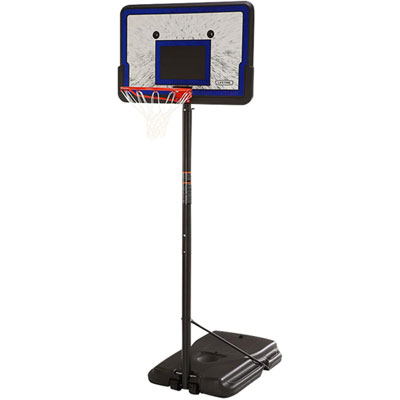 Your price for this item is $279.98
-
 Your price for this item is $114.99
-
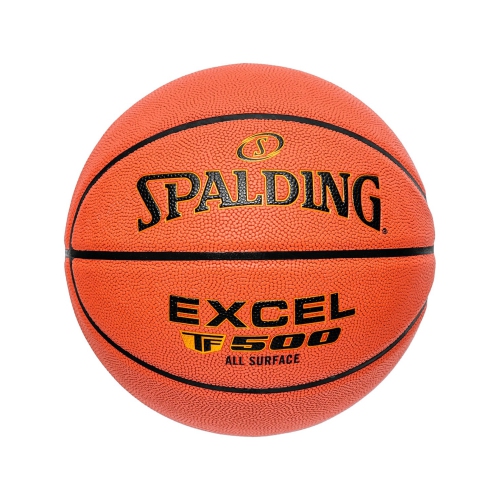 Your price for this item is $58.99
-
 Your price for this item is $58.99
-
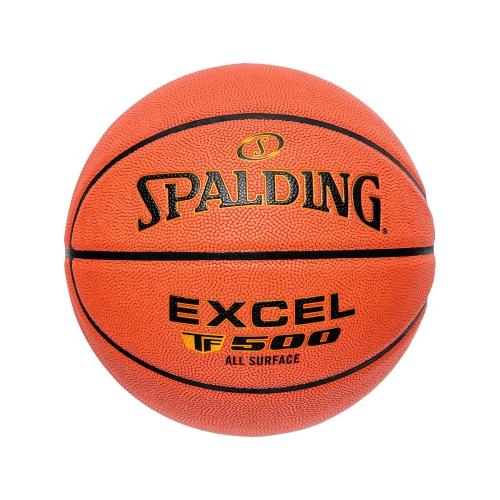 Your price for this item is $58.99
-
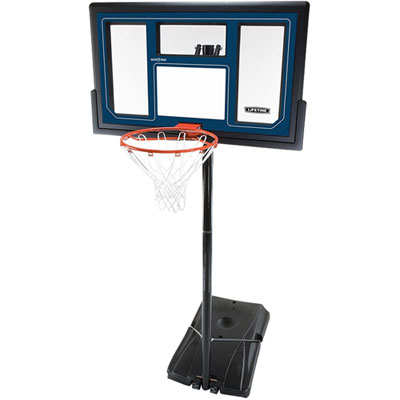 Your price for this item is $479.98
-
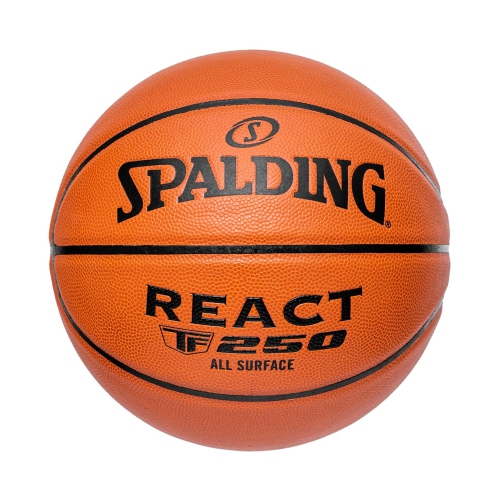 Your price for this item is $52.99
-
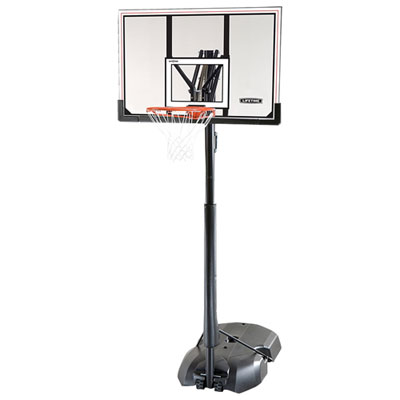 Your price for this item is $638.98
Discover more categories related to Basketball Hoops With Backboard
Top Collections:
Pokemon Centers, Best Cameras for Sports Photography, Kindle Devices, Samsung Galaxy Phones, Canon G7X Cameras, Pokémon 30th Celebration Cards, Refurbished Apple Laptops, iPhone 15 Apple, Laptops for Students, Budget Smartphones
Some products may be subject to Environmental Handling Fees
(EHF) depending on your province.
Learn more about EHFs.