Battery Powered Coolers
Stay cool on-the-go with our selection of battery-powered coolers. Perfect for road trips, camping adventures, or outdoor gatherings, these innovative coolers keep your beverages and snacks chilled without the need for traditional power sources. Say goodbye to melted ice and warm drinks - our range of battery-powered coolers are designed to provide portable cooling solutions wherever you are. Whether you're tailgating at a sports event or enjoying a picnic in the park, these coolers offer convenience and functionality to keep your refreshments cold and refreshing.
Sort
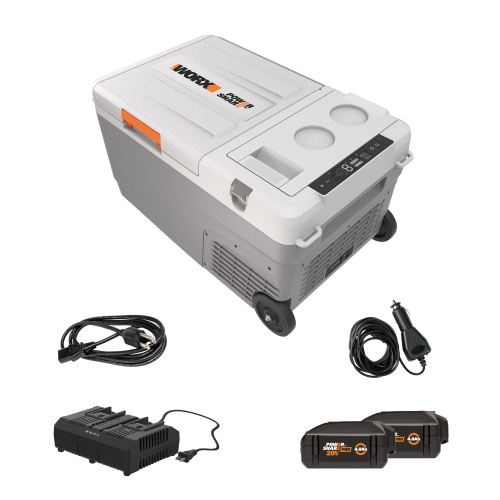




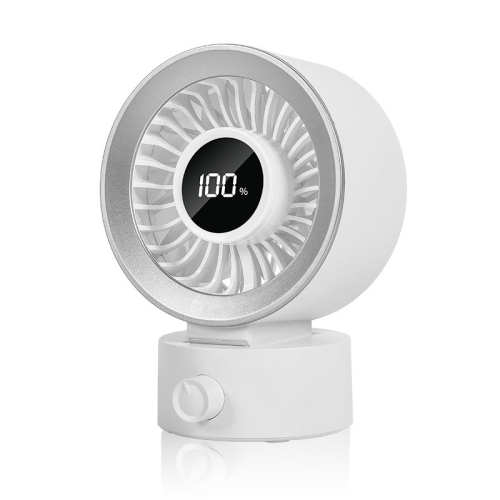

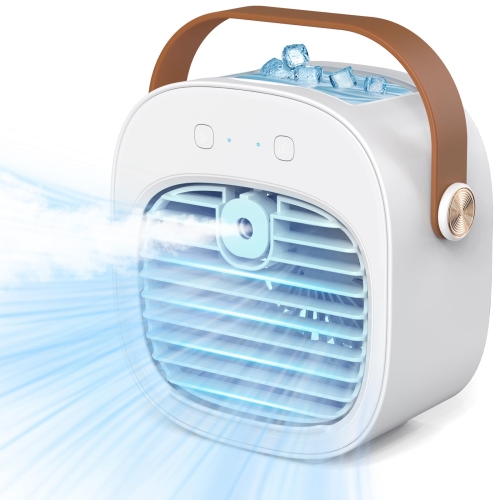

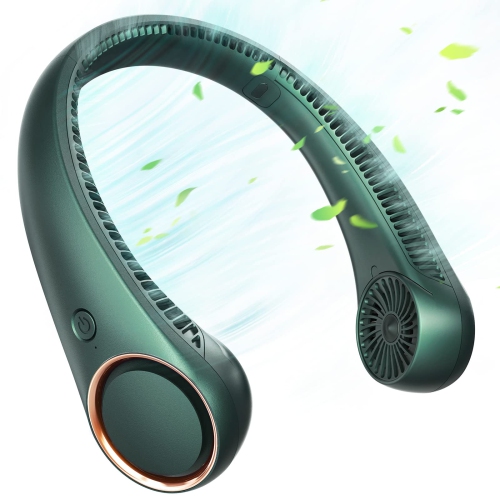




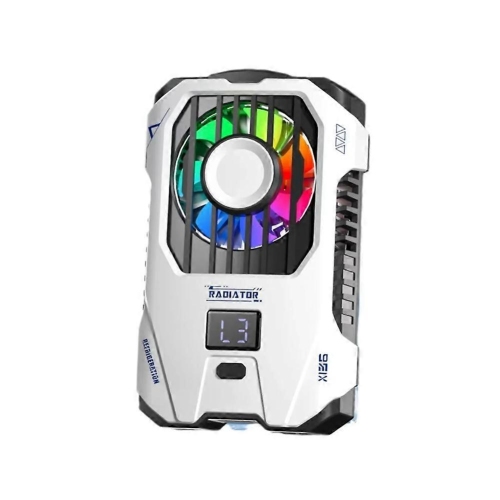
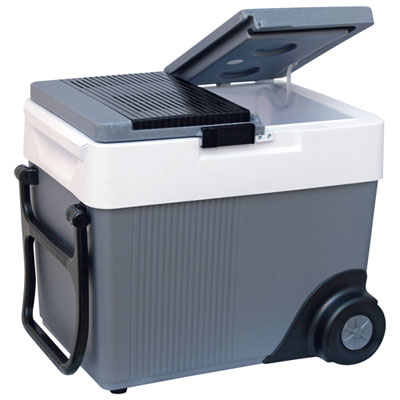

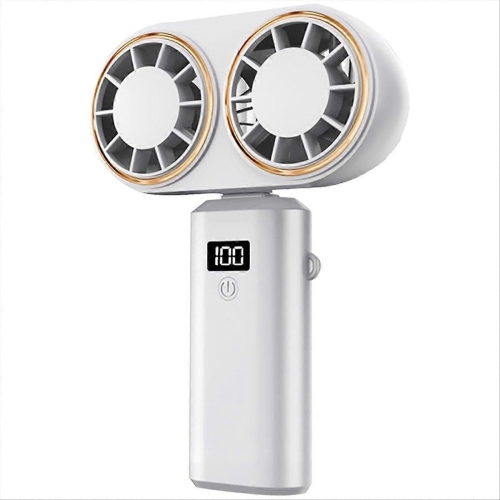



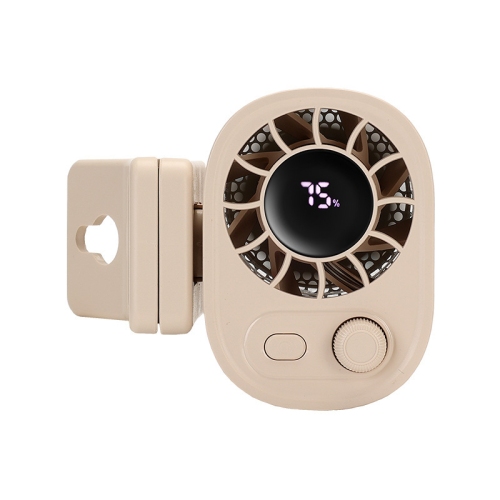
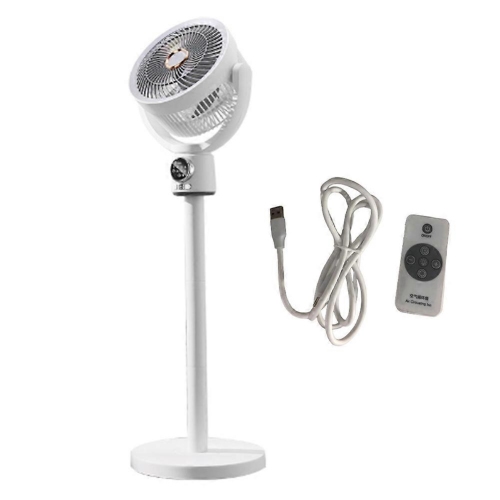


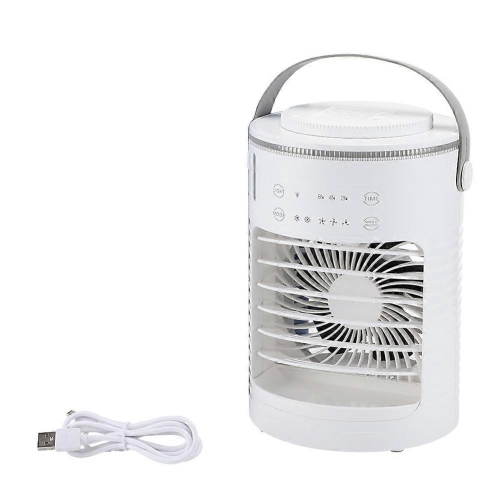
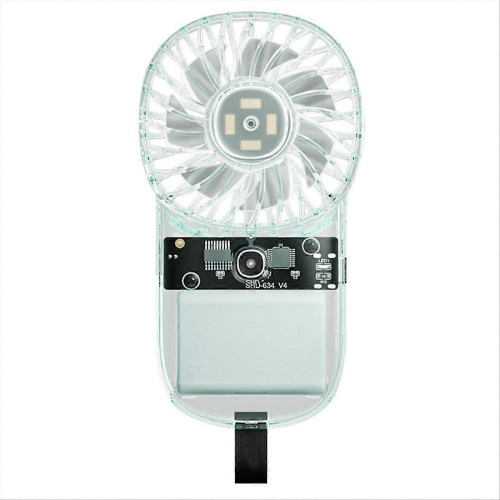


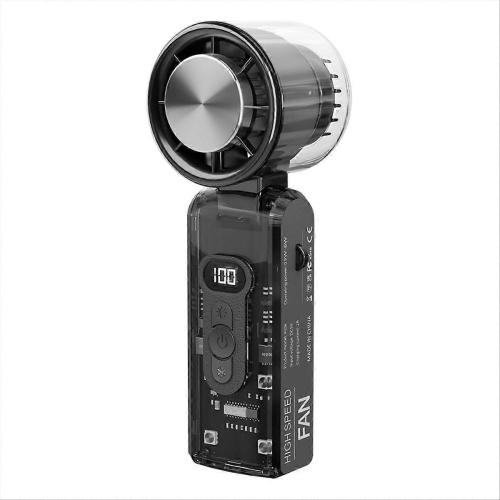
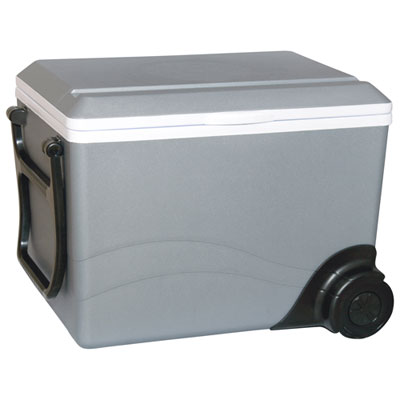

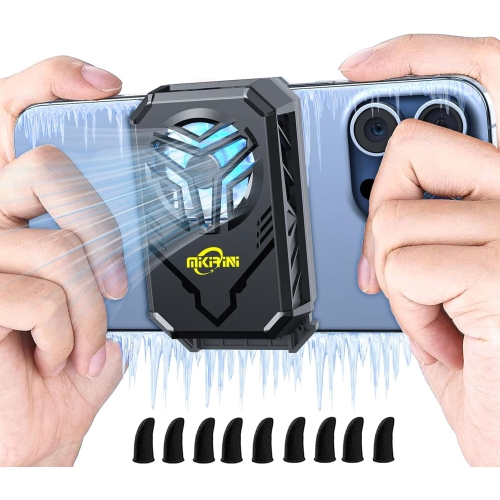
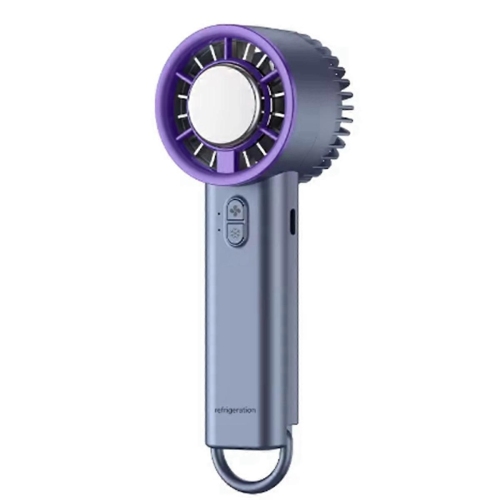
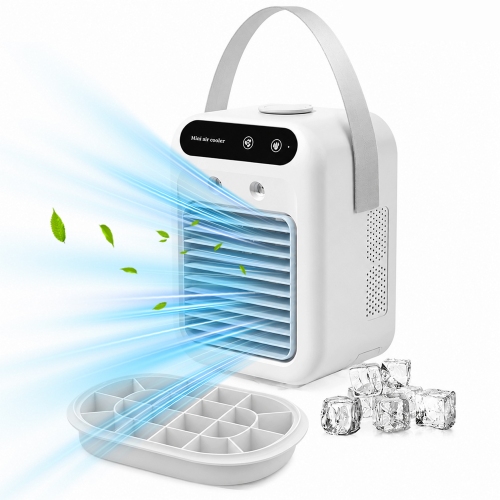
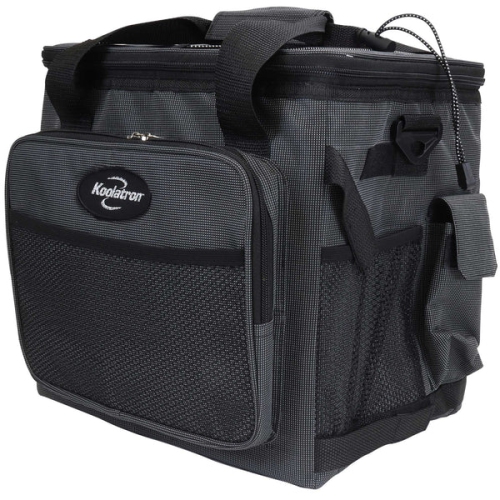

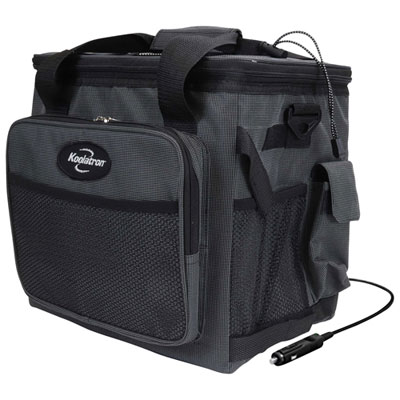
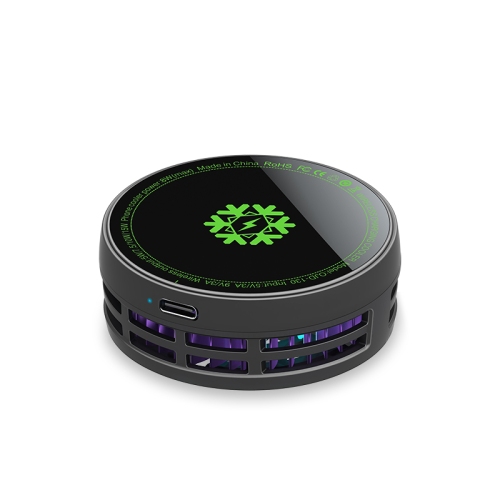

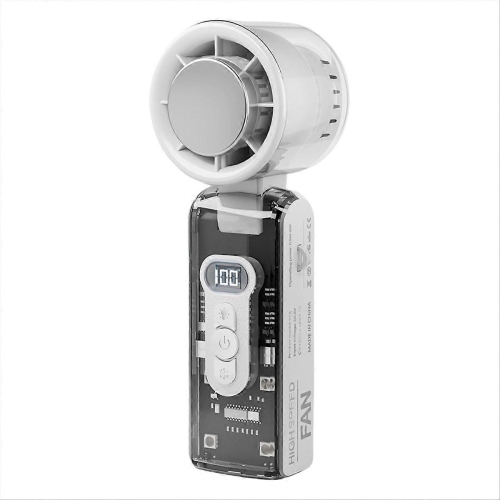

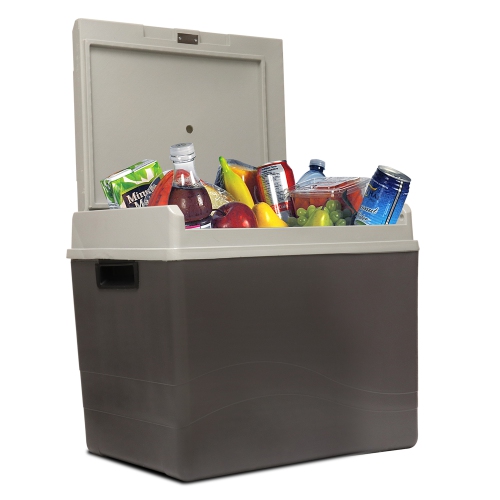


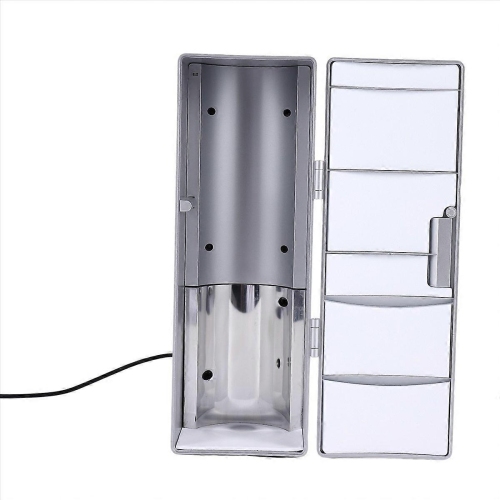

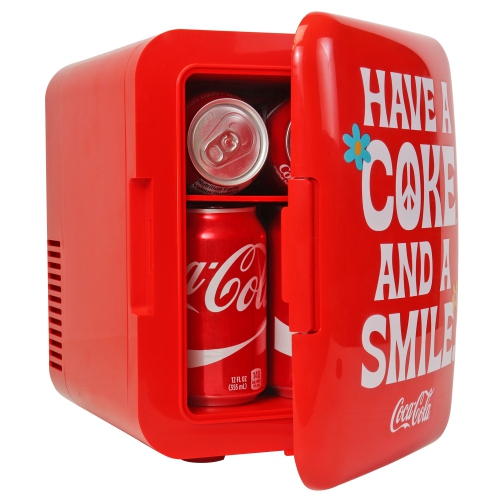


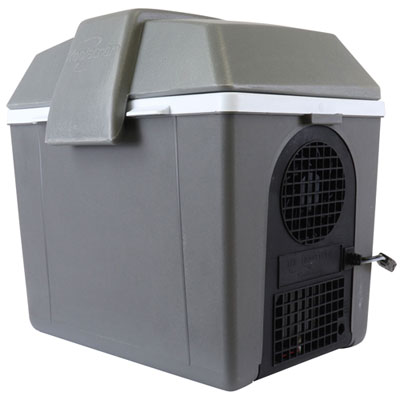
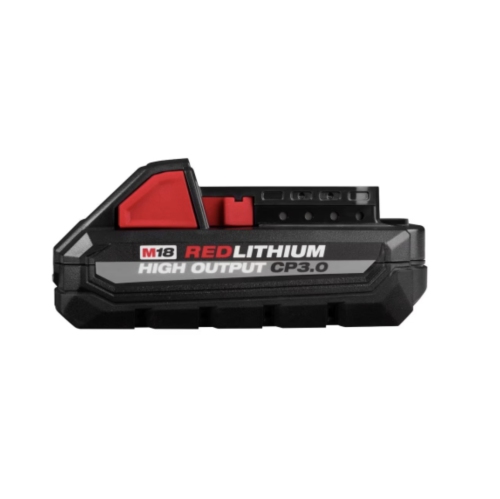


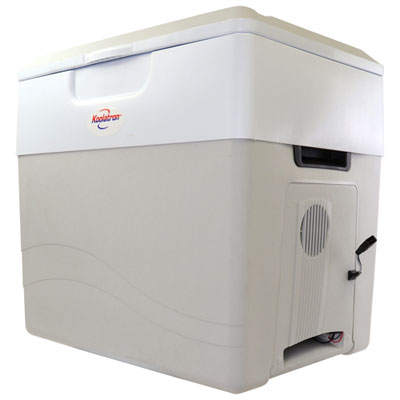
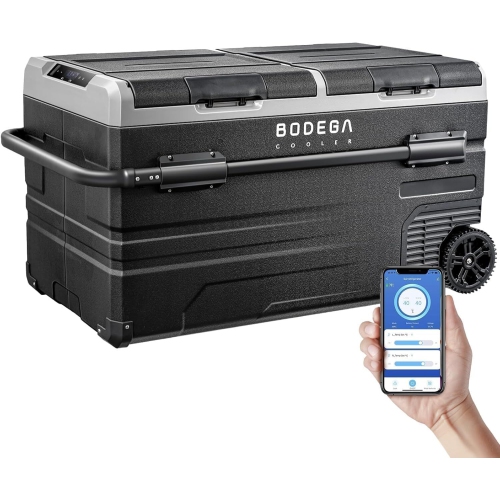
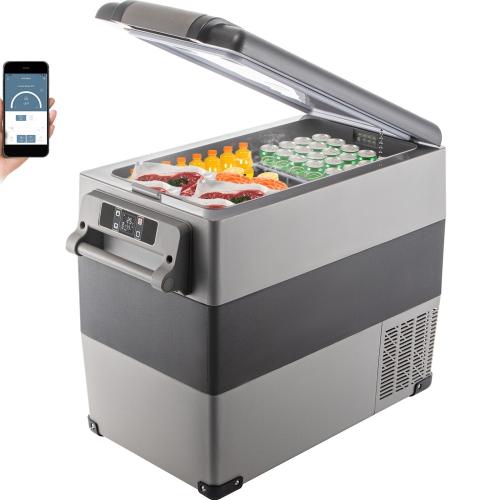

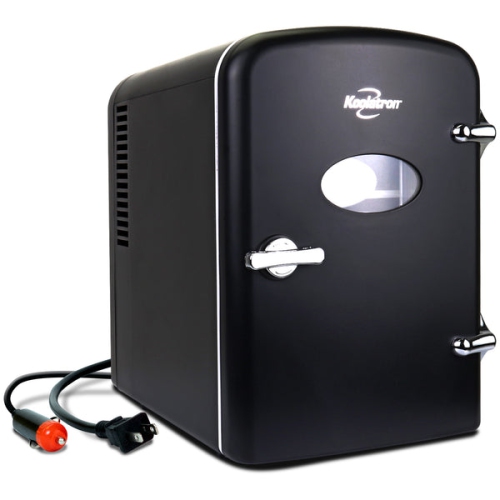
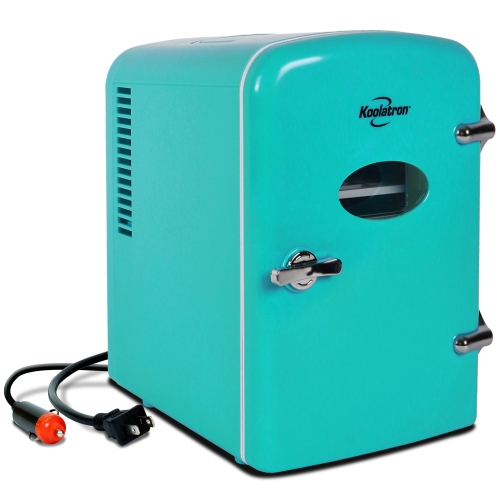
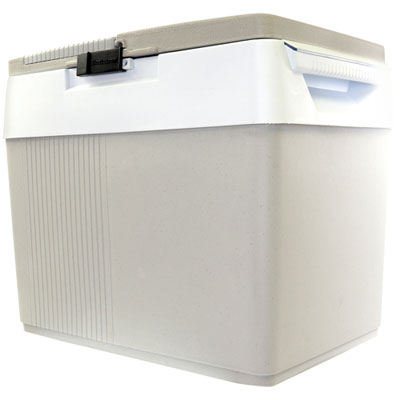
Portable refrigeration without loose ice or meltwater
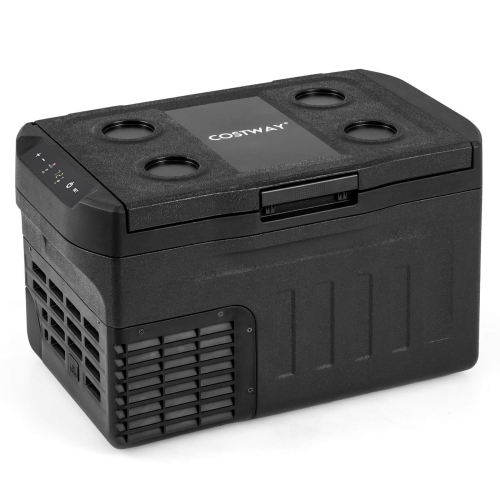
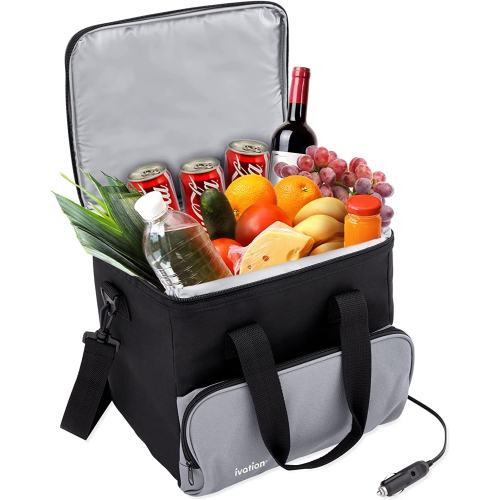
Battery-powered coolers use electricity from a compatible battery to keep food and drinks cold without relying on loose ice. They bring portable refrigeration to road trips, campsites, worksites, and other places where a wall outlet may be out of reach. Unlike a traditional insulated cooler, which slows the warming of its contents, a powered cooler actively removes heat while its cooling system is running. This can leave more room for packed lunches, drink bottles, and groceries, with no meltwater collecting around containers. The term covers several power arrangements: some coolers have an integrated rechargeable battery, others accept a removable battery pack, and some need a separate portable power source. Battery capacity, charging equipment, and compatibility therefore matter just as much as the cooler’s storage volume. Compressor-based coolers work much like a compact refrigerator and can maintain a selected internal temperature within their specified operating limits. Some also offer freezer settings, making them useful for carrying frozen food as well as chilled supplies. Thermoelectric coolers use a different cooling method and generally cool relative to the surrounding air rather than maintaining refrigerator temperatures in every setting. That distinction matters when carrying milk, meat, or other perishable food, which should be kept at 4°C or below. A temperature display is convenient, while a separate appliance thermometer can help confirm storage conditions inside the compartment. For someone packing sandwiches for a long shift or keeping groceries chilled between stops, the practical benefit is a dedicated cold space that travels with the day’s plans. Battery operation also allows compatible models to continue cooling after they are disconnected from a vehicle, provided there is enough charge remaining. Insulation still plays an important role: a well-insulated body and a close-fitting lid reduce heat transfer and help the cooling system work less often. Actual cooling performance depends on the design, the load inside, and how the cooler is used.
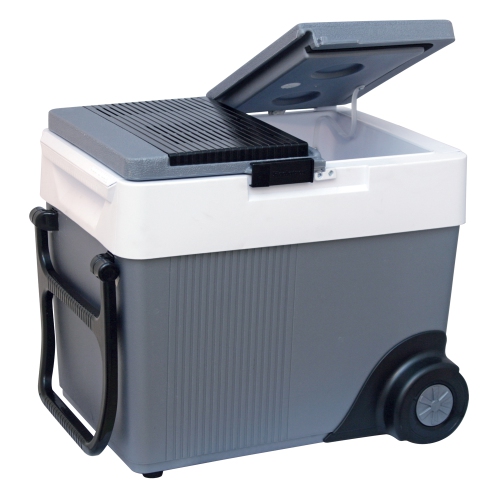
Capacity and physical fit shape how useful a portable cooler feels once it is packed. A compact compartment may suit a driver’s lunch, a few drinks, and small food containers, while a larger interior can accommodate shared meals or supplies for a longer stay. Capacity in litres offers a useful starting point, but interior dimensions reveal whether tall bottles can stand upright and whether broad containers will sit flat. Baskets, dividers, and removable trays can keep delicate food separate from heavier bottles and make frequently used snacks easier to reach. A dual-zone design may provide separate refrigeration and freezing spaces, although independent controls and operating modes vary by model. The exterior deserves equal attention, especially when the cooler needs to fit behind a vehicle seat, beneath a counter, or alongside other luggage. Room for the lid to open and space around ventilation openings are part of that footprint; a tight storage cubby is not suitable unless it meets the manufacturer’s clearance requirements. Carrying comfort also changes once the compartment is full. Recessed grips can keep the shape compact, extended handles can make a two-person lift easier, and wheels can help with longer walks over suitable surfaces. A telescoping handle and large wheels may be useful between a parking area and a picnic spot, but steps and uneven ground can still require lifting. Rigid plastic shells are common and can be straightforward to wipe clean, while reinforced corners, sturdy hinges, and secure latches help withstand repeated loading and transport. Metal components may add strength but can also add weight. Lid seals should sit evenly, and the battery compartment should remain accessible without unloading the entire cooler. These details matter to campers, drivers, mobile workers, and families carrying meals between activities. A battery-powered cooler can also be a thoughtful gift for someone who regularly travels with food, particularly when its size and power system suit their vehicle, storage space, and existing equipment.
Power flexibility determines how easily a battery-powered cooler moves between home, a vehicle, and a destination. Depending on its design, a cooler may support charging from a wall outlet, operation from a vehicle’s DC socket, or connection to a compatible external power station. A vehicle connection does not automatically mean a cooler has its own battery: 12v Electric Coolers are a related option for keeping contents chilled with vehicle power, but operation away from that supply depends on the model and any separate battery arrangement. Battery runtime is not a fixed number across everyday situations. It varies with battery capacity, the selected temperature, insulation, surrounding conditions, lid openings, and whether the contents were already chilled. A freezer setting generally requires more energy than a refrigerator setting, and cooling a full load of unchilled drinks places a different demand on the system than maintaining already-cold food. Pre-chilling the compartment using a supported external supply and loading chilled contents can help preserve battery charge for time away from an outlet. Where supported, removable packs make it possible to exchange a depleted battery for a charged compatible one. Some models allow charging while cooling, but that capability and the required connections should be confirmed in the specifications. Low-voltage protection can help limit drain on a connected vehicle battery, although its settings and operation vary. Care is usually straightforward: disconnect power before cleaning, remove crumbs and spills with a soft cloth and mild cleaner as directed, and let the interior dry thoroughly before storage. Removable baskets and drain plugs can simplify cleanup, but electrical connections, controls, and vents need protection from water. A rugged-looking housing should not be treated as waterproof unless its stated rating supports that use. Keeping ventilation paths clear, checking lid seals for debris, and following battery storage instructions help maintain reliable operation. With suitable capacity, manageable weight, and a power arrangement matched to the outing, a battery-powered cooler provides a practical place for meals and drinks without the repeated packing and draining that loose ice requires.
Top selling and popular products
-
 Your price for this item is $129.99
-
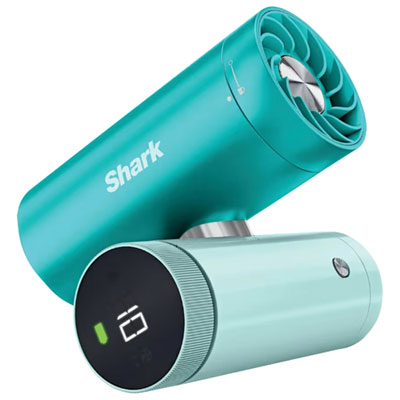 Your price for this item is $179.99
-
 Your price for this item is $99.99
-
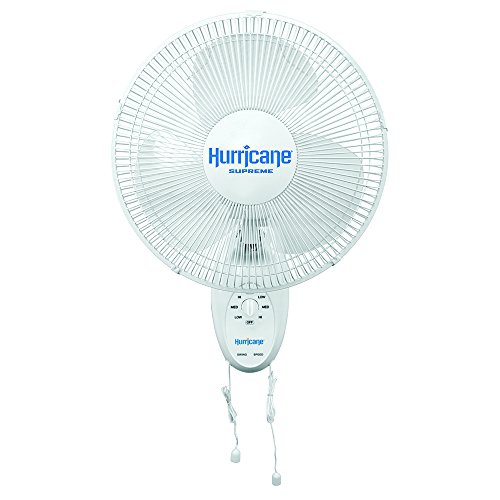 Your price for this item is $75.99
-
 Your price for this item is $124.99
-
 Your price for this item is $103.99
-
 Your price for this item is $136.99
-
 Your price for this item is $29.99
Discover more categories related to Battery Powered Coolers


Top Collections:
Pokemon Centers, Kindle Devices, Best Budget Office Chairs, Canon G7X Cameras, Apple iPhones 16, Samsung Galaxy Phones, Refurbished Apple Laptops, Laptops for Students, iPhone 15 Apple, Budget Smartphones
Some products may be subject to Environmental Handling Fees
(EHF) depending on your province.
Learn more about EHFs.