Bikes for 5 Year Olds With Training Wheels
Bikes for 5 year olds with training wheels are designed to help young riders build confidence and enjoy their first cycling adventures. With the added support of training wheels, these bikes make it easy for children to learn balance and coordination while having fun outdoors. Explore a variety of styles, colors, and designs to find the perfect fit for your little one’s next ride. Whether it’s for neighborhood stroll or park outings, bikes for 5 year olds with training wheels offer a great way to encourage active play and create lasting memories.
Sort








Why bike fit matters more than age alone
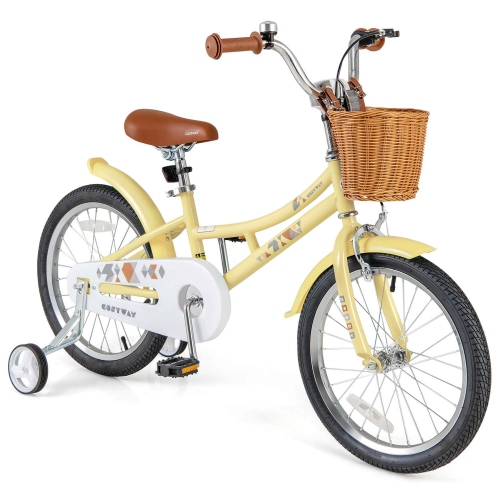
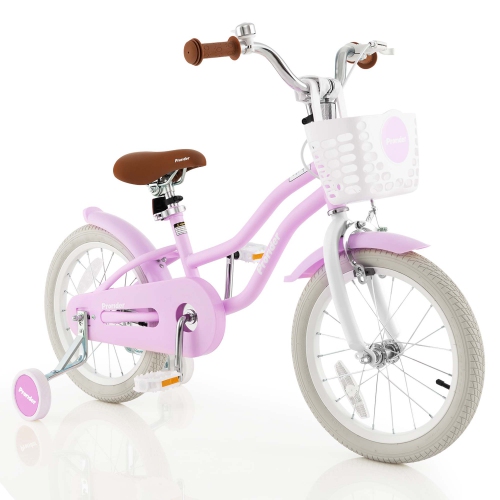
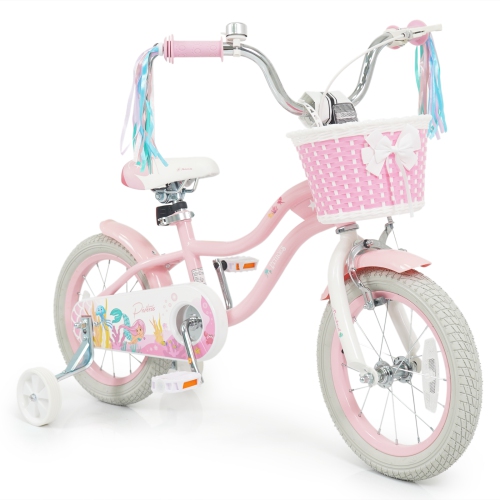
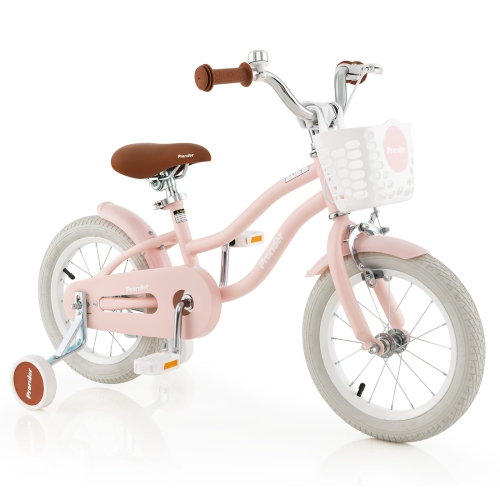
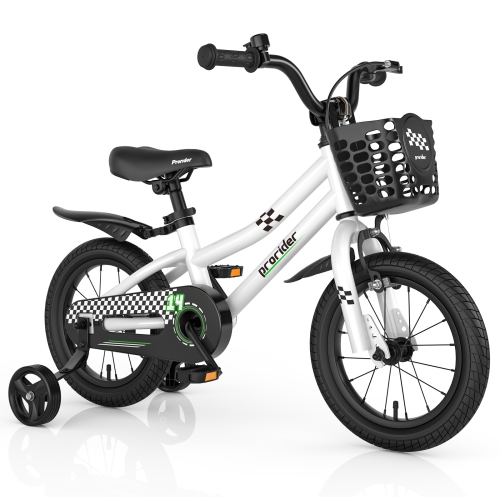
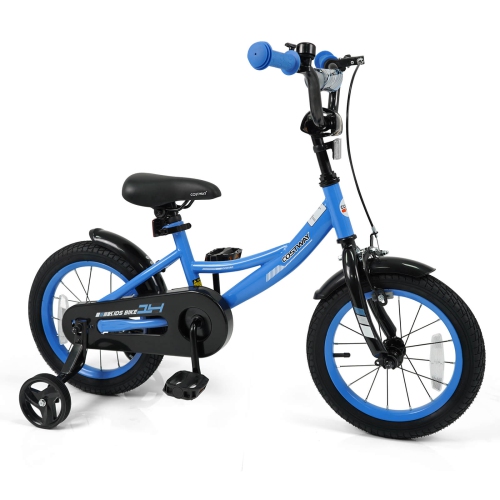
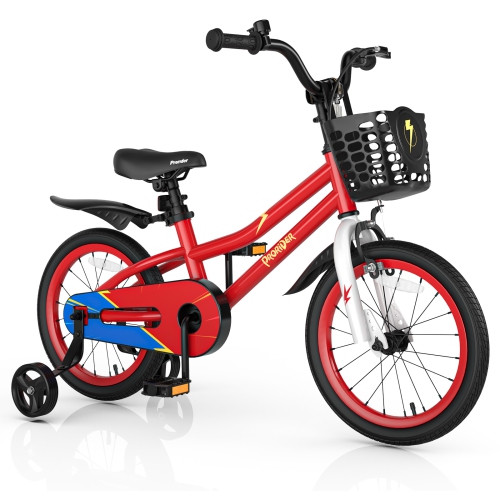
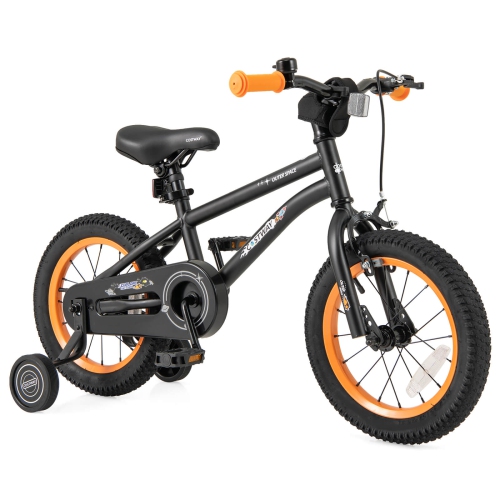
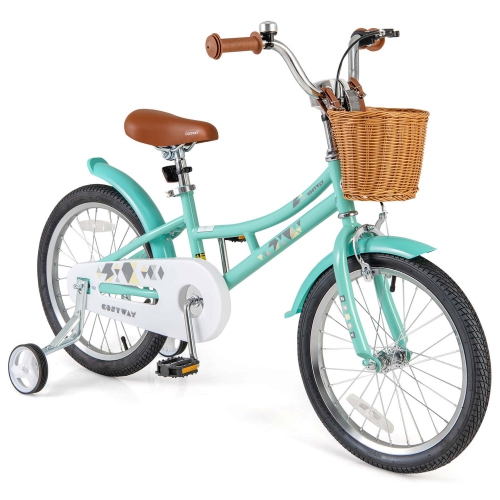
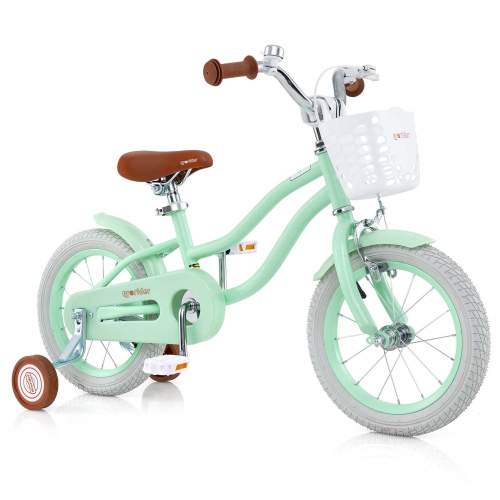
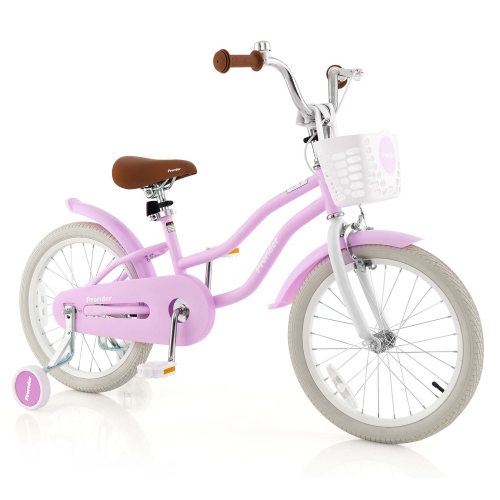
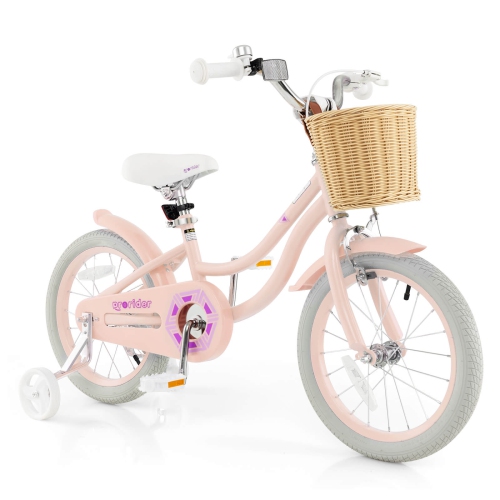
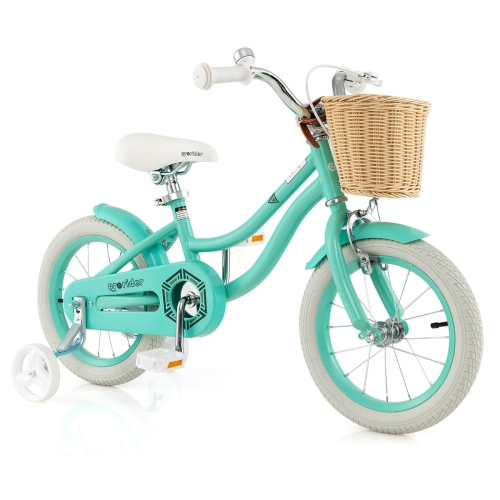
Bikes for 5-year-olds with training wheels are designed for young riders who are learning to pedal, steer, and stop with added support. Many children around this age fit a bike with 14-inch or 16-inch wheels, but height, inseam, and the bike’s frame dimensions matter more than age alone. Wheel size describes the diameter of the wheels, not the height of the seat, so two bikes with the same wheel size can feel quite different to a child. A suitable fit lets the rider reach the handlebars without stretching, turn comfortably, and use the brakes without struggling. For a beginner, a saddle position that allows comfortable contact with the ground can make starting and stopping feel more manageable, provided the adjustment stays within the manufacturer’s limits. There should also be clearance above the frame when the child stands over it with both feet on the ground. An oversized bike bought with growing room in mind may be harder to control, even with training wheels attached. Adjustable saddles and handlebars offer useful flexibility within an appropriate frame size, rather than making a larger frame suitable for every child. Training wheels provide side support while a child becomes familiar with the movement of the pedals and the response of the steering. They do not prevent every tip-over or teach all the balance skills needed for independent riding. Removable training wheels allow the same bike to support a later stage of learning, although the timing of that change depends on the child’s readiness. Families comparing different sizes and frame styles can explore the broader selection of Bikes With Training Wheels while keeping the young rider’s measurements in mind. For a fifth birthday gift or a first pedal bike, checking those measurements with a parent or caregiver helps make the gift a comfortable match rather than relying on the age printed in a size recommendation.
Frame material, bike weight, and the shape of the components all influence how a small bicycle handles during everyday practice. Steel frames are common on children’s bikes and can offer sturdy construction, while aluminium frames may reduce weight; the total weight still depends on the complete design and its components. A lighter bike can be easier for a child to manoeuvre and for an adult to carry home when a short ride ends with tired legs. Low step-over frames make getting on and off less awkward, especially for a rider who is still coordinating pedals, handlebars, and feet. Grips sized for small hands, securely fitted handlebar ends, and pedals with a textured surface help create comfortable contact points. Braking arrangements deserve particular attention because young riders differ in hand strength and coordination. A rear coaster brake works by turning the pedals backwards, while a handbrake requires the child to reach and squeeze a lever. Some bikes combine both systems, giving children an opportunity to become familiar with a hand-operated brake while retaining pedal-operated braking. Neither arrangement replaces practice: the child needs to understand how the fitted brakes work before riding beyond a controlled space. Brake levers should be within easy reach without requiring the rider to let go of the grip. A chain guard helps reduce contact with the moving chain and keeps loose trouser legs farther from the drivetrain, although close-fitting clothing and tied shoelaces remain important. Training-wheel brackets should be compatible with the bike and fitted according to its instructions, with secure hardware and the specified positioning. Tyre construction also affects the ride. Pneumatic tyres provide cushioning and require pressure checks, while solid tyres avoid punctures but can feel firmer over uneven paving. Colour, frame graphics, baskets, and bells can make a bike feel personal, but fit and manageable handling remain the foundations of a bike a child will enjoy using.
The intended setting for these small bikes is usually supervised practice on smooth, level surfaces away from traffic, with enough open space for wide turns and gradual stops. Training wheels are not intended to make a beginner’s bike suitable for steep slopes, rough trails, or fast cornering. On uneven ground, a support wheel can catch or lift the rear wheel enough to interrupt traction, which is one reason a flat practice area matters. A quiet paved area where cycling is permitted gives a child room to learn without needing to navigate pedestrians, kerbs, or tight obstacles at the same time. Short sessions can be especially rewarding at this age: pedalling towards a familiar adult, stopping at an agreed point, and making a broad turn are meaningful achievements. A properly fitted bicycle helmet should be worn on every ride, and closed-toe shoes help keep feet secure on the pedals. Before each outing, an adult can check that the wheels and training-wheel brackets are secure, the brakes respond properly, the tyres are in suitable condition, and the saddle and handlebars do not twist. Ongoing care is straightforward but important for durability. Wiping dirt from the frame, keeping the chain lubricated as directed, and storing the bike in a dry place help protect moving parts and finishes. Tyre pressure should follow the manufacturer’s recommendation, and worn grips, damaged pedals, loose spokes, or unreliable brakes need attention before further riding. Assembly also matters: handlebars, pedals, brakes, and support-wheel hardware must be installed correctly, with professional assistance if anything is unclear. As the child grows, periodic fit checks help keep the saddle height and handlebar position comfortable without exceeding adjustment marks. When the rider is ready to practise balancing without training wheels, their removal should follow the bike’s instructions, with close adult supervision in a suitable space. A well-fitting, well-maintained bike supports that progression while keeping the focus on the simple pleasure of moving under their own pedal power.
Top selling and popular products
-
 Your price for this item is $605.99
-
 Your price for this item is $280.99
-
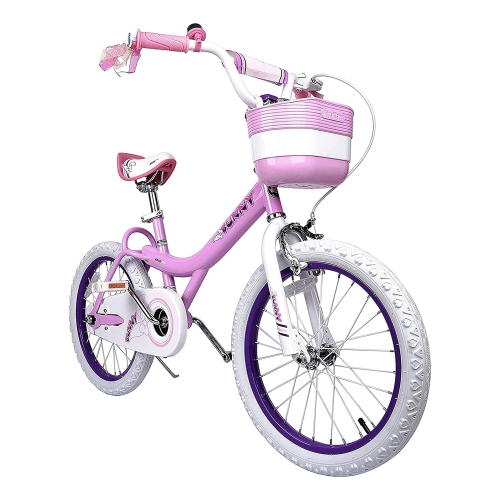 Your price for this item is $319.99
-
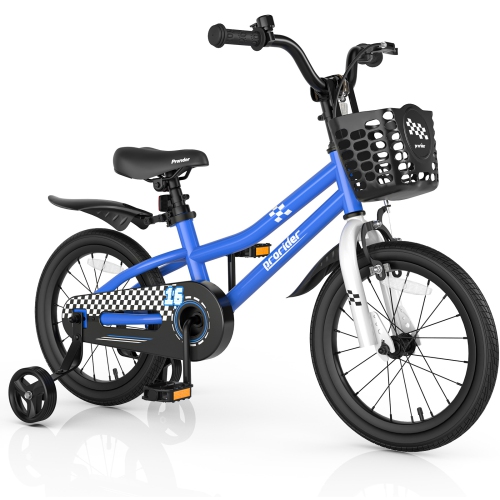 Your price for this item is $128.99
-
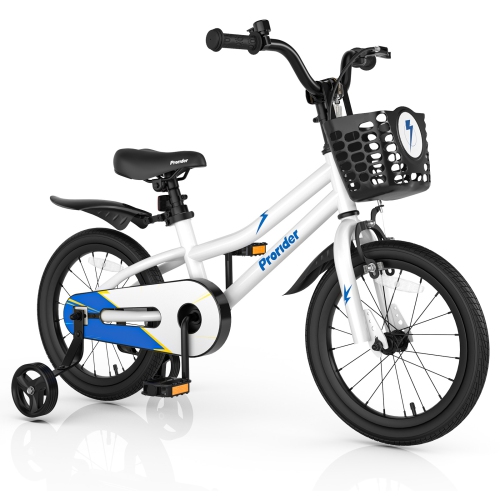 Your price for this item is $118.99
-
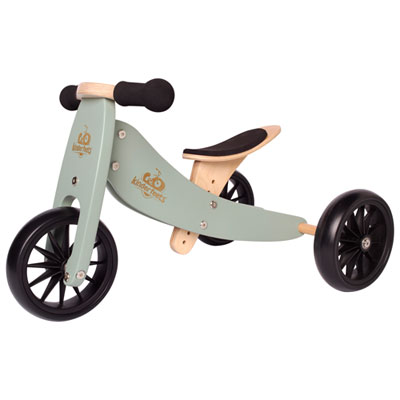 Your price for this item is $134.99
-
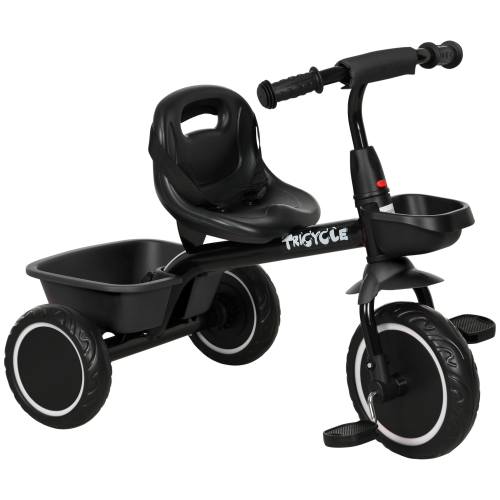 Your price for this item is $84.99
-
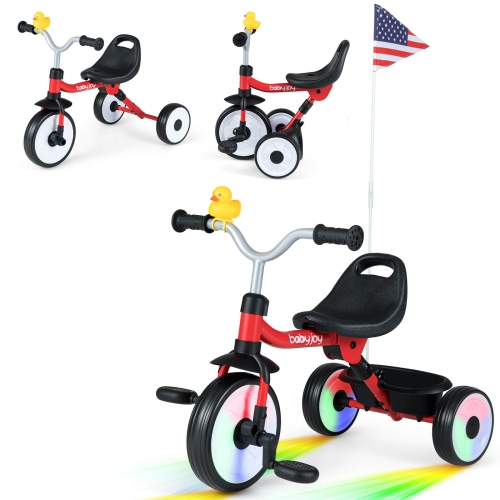 Your price for this item is $75.99
Discover more categories related to Bikes for 5 Year Olds With Training Wheels
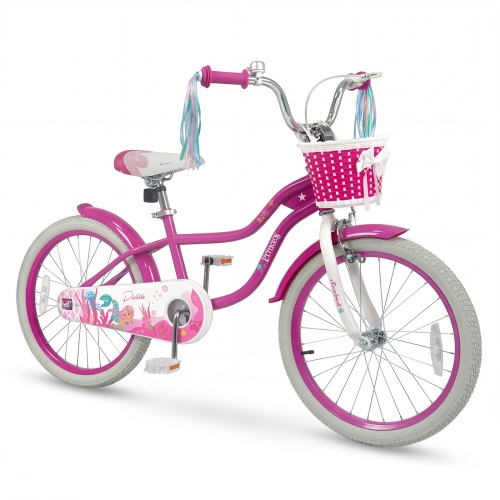

Top Collections:
Pokemon Centers, Kindle Devices, Best Budget Office Chairs, Canon G7X Cameras, Apple iPhones 16, Samsung Galaxy Phones, Refurbished Apple Laptops, Laptops for Students, iPhone 15 Apple, Budget Smartphones
Some products may be subject to Environmental Handling Fees
(EHF) depending on your province.
Learn more about EHFs.