Bikes With Training Wheels
Looking to help your little one take their first steps towards independent cycling? Look no further than our collection of bikes with training wheels. These sturdy and reliable bicycles are designed to provide the perfect balance of stability and confidence-building for young riders. With a diverse range of sizes, styles, and colors available, you're sure to find the ideal bike that will ignite your child's passion for outdoor adventures. Whether it's a fun-filled ride in the park or a family outing on a sunny day, our bikes with training wheels are the perfect companion for those memorable moments of childhood exploration.
Sort

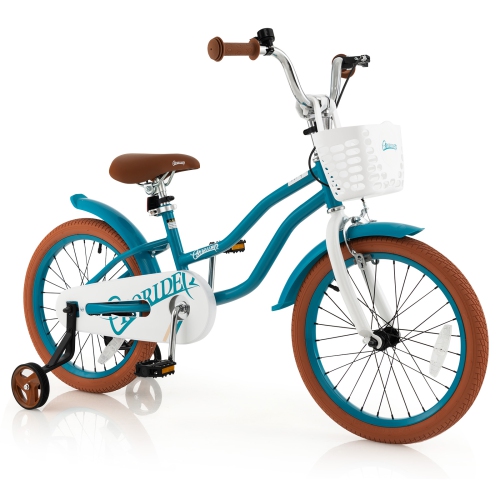
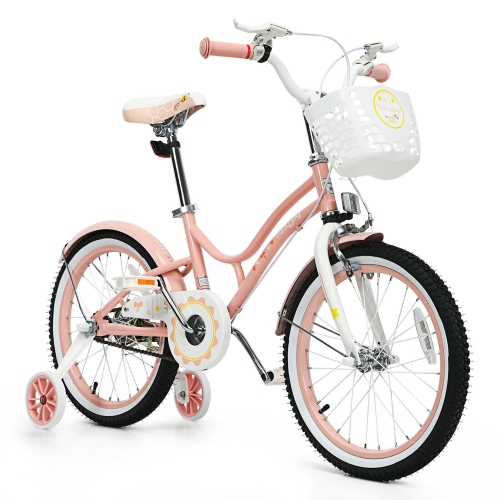

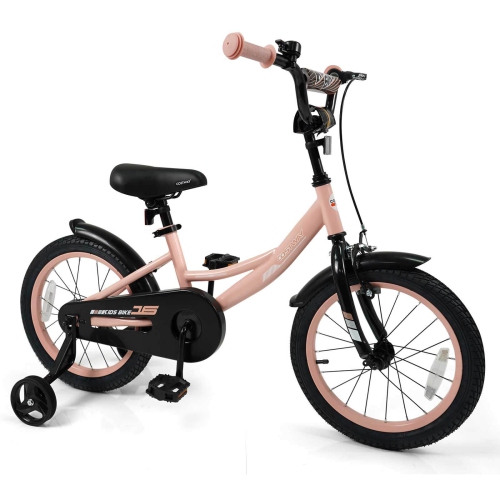
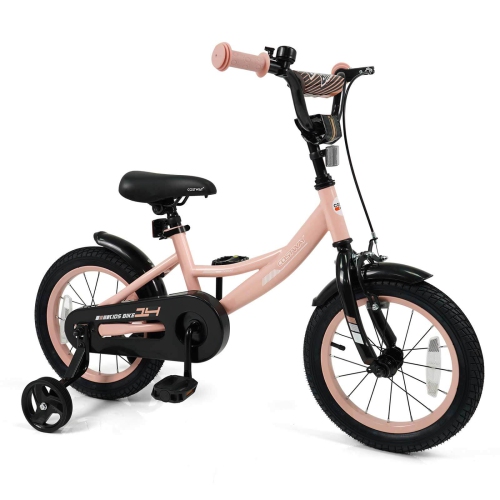
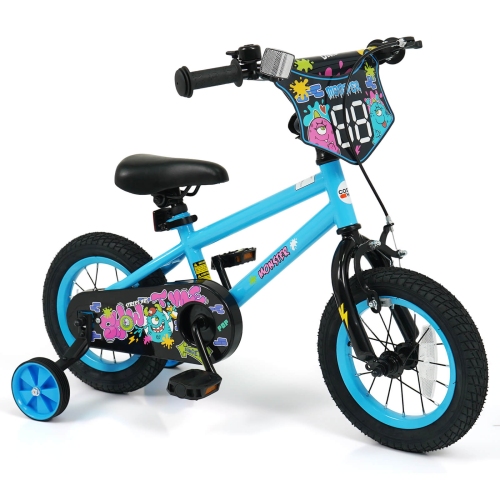
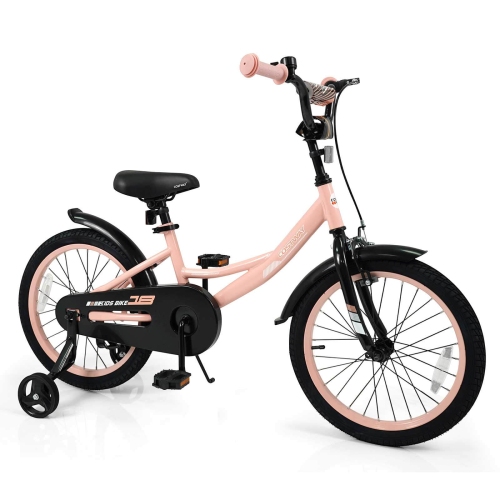
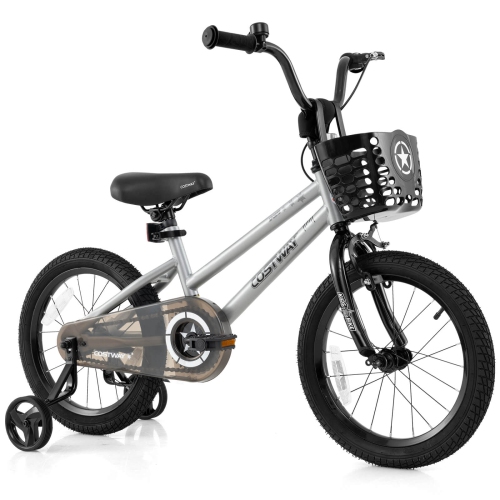
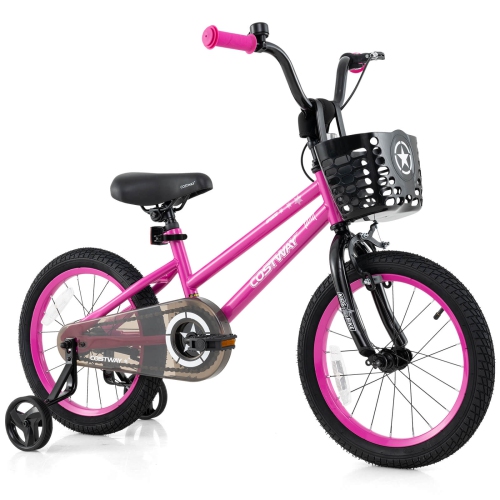
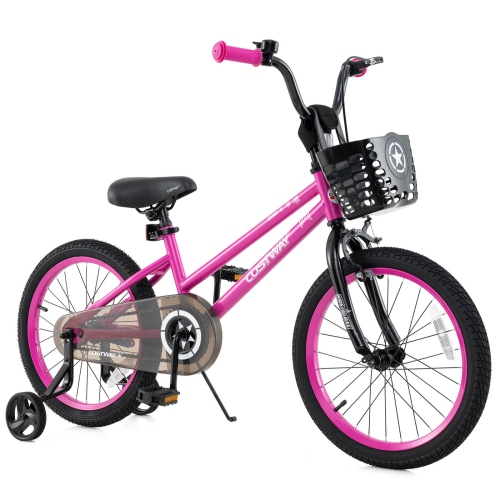
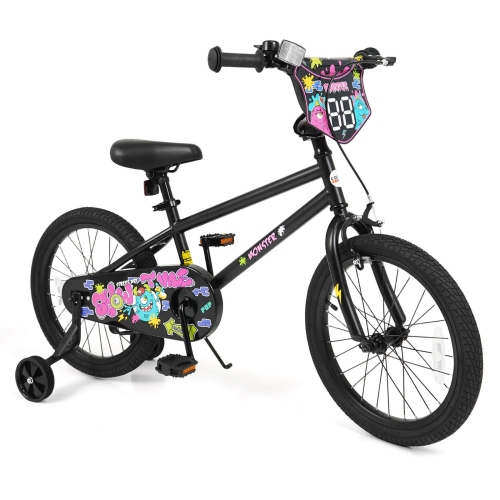
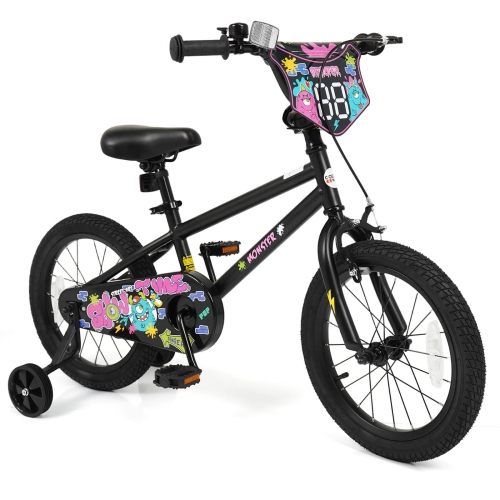
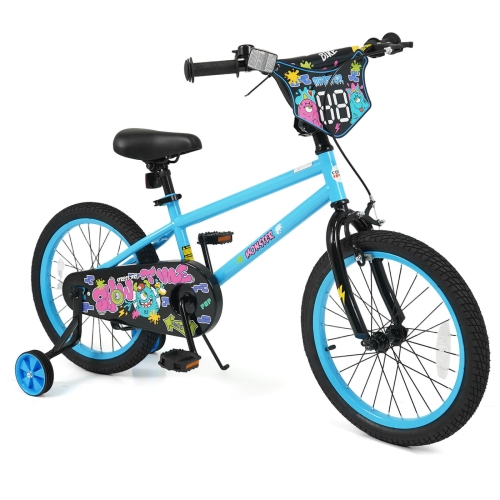
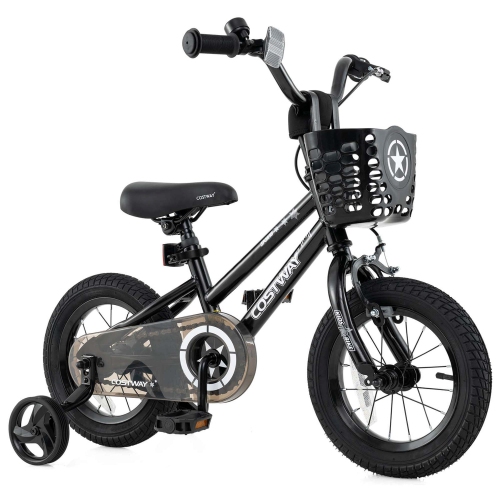
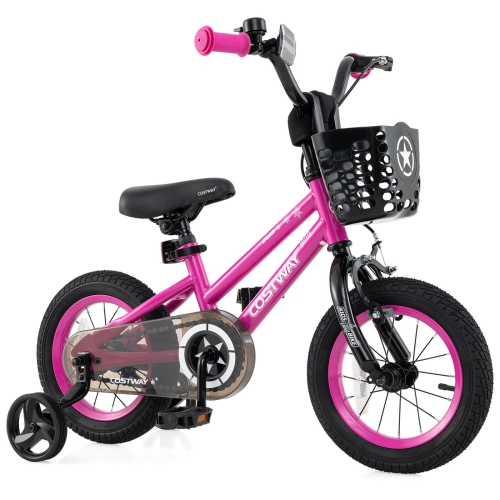
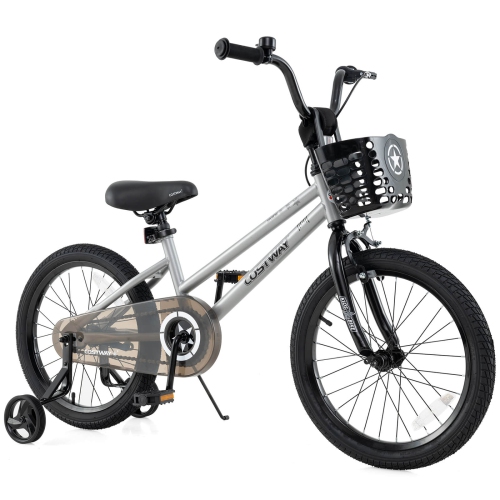
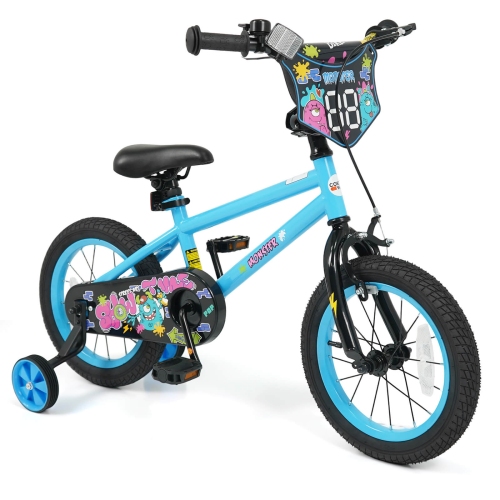
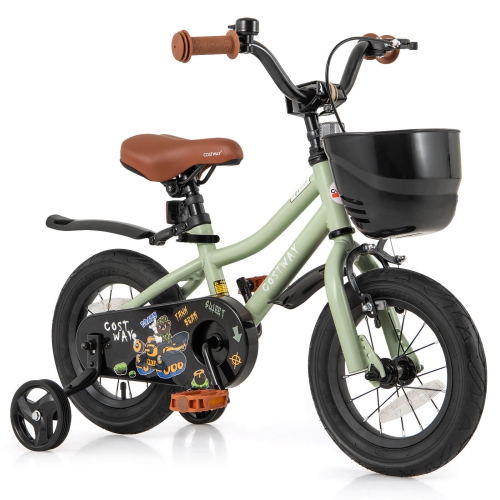
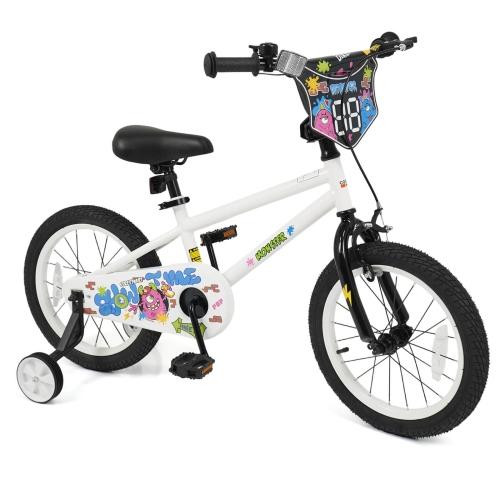

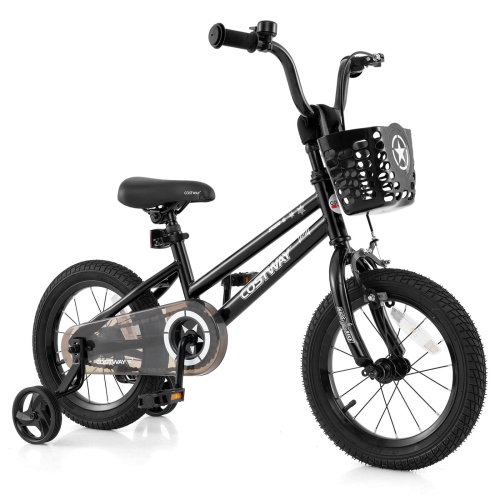
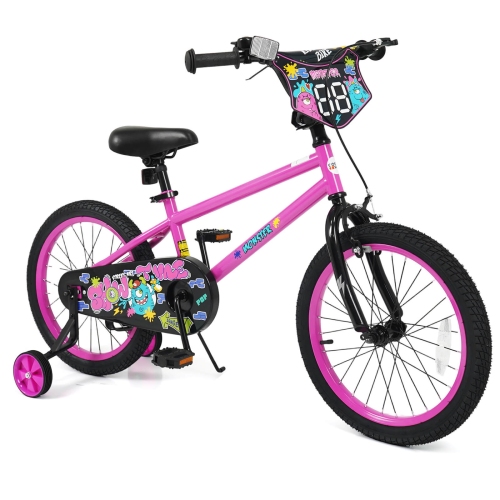
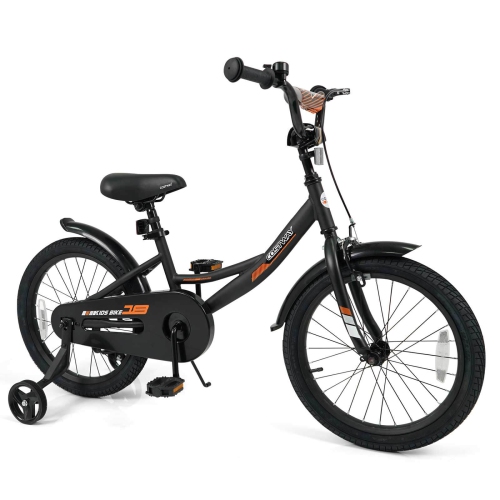
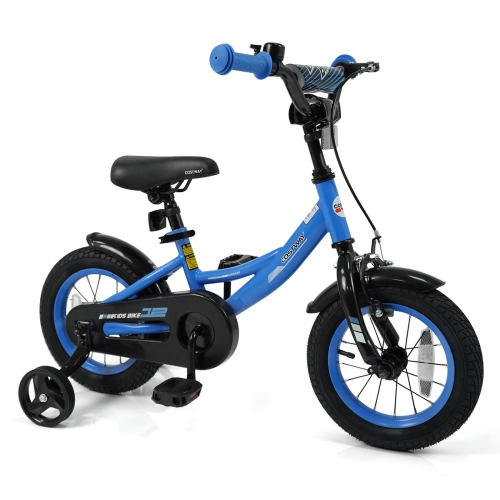
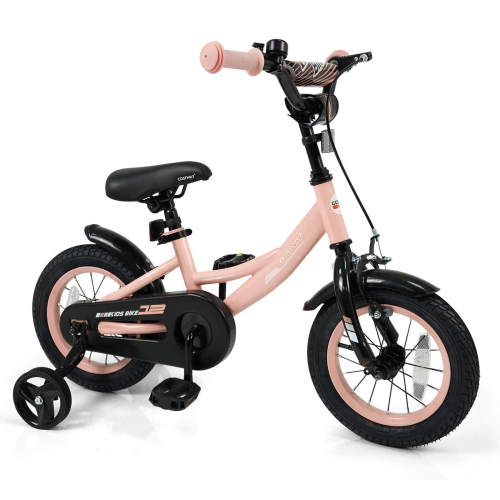
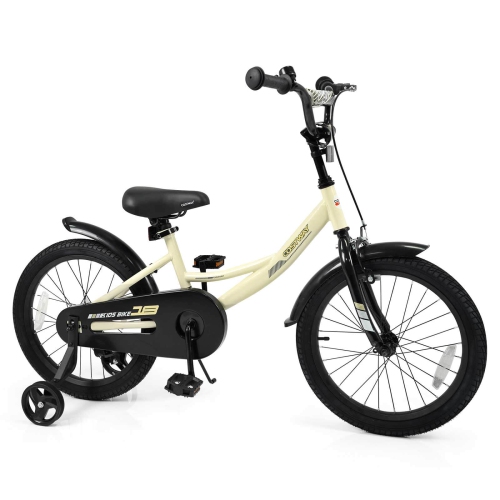
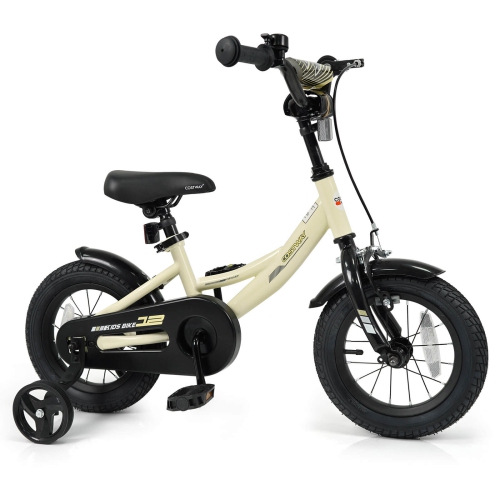
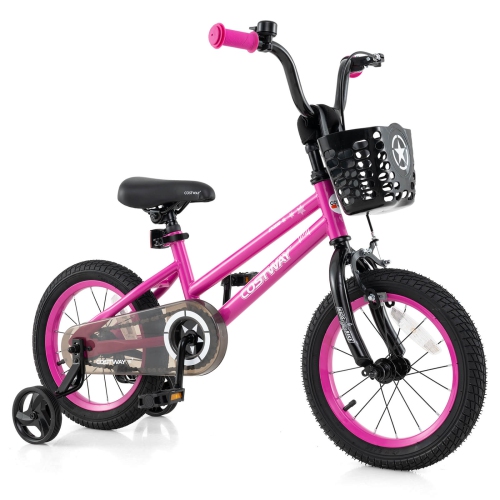
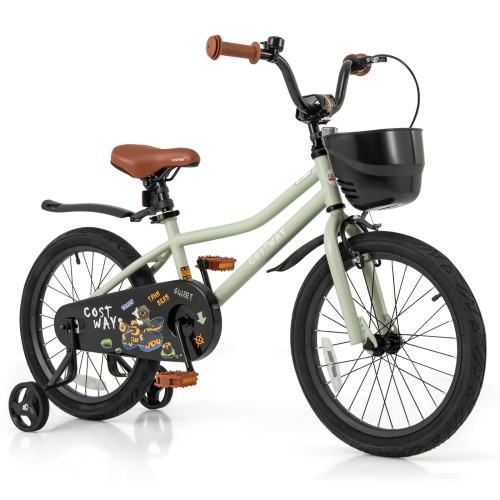

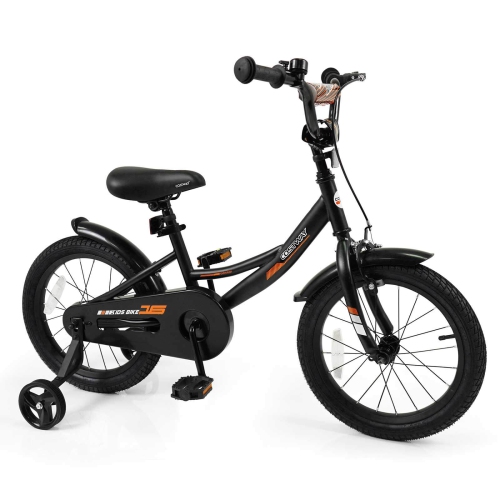
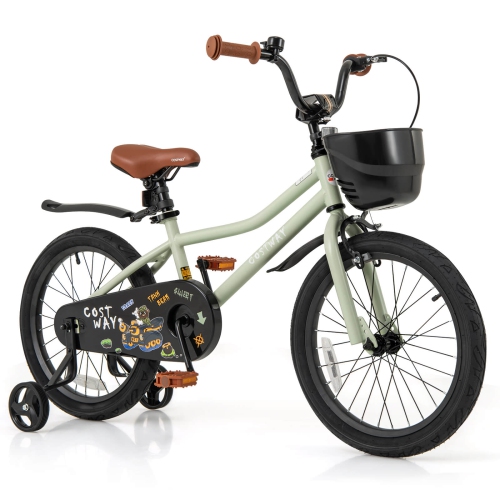
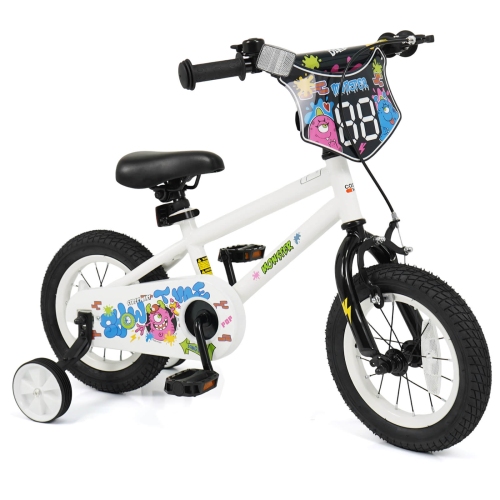
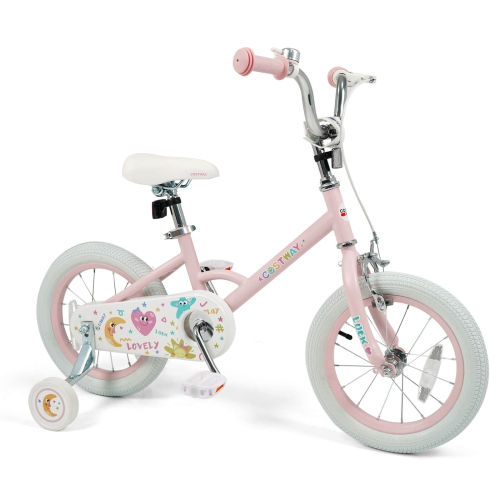
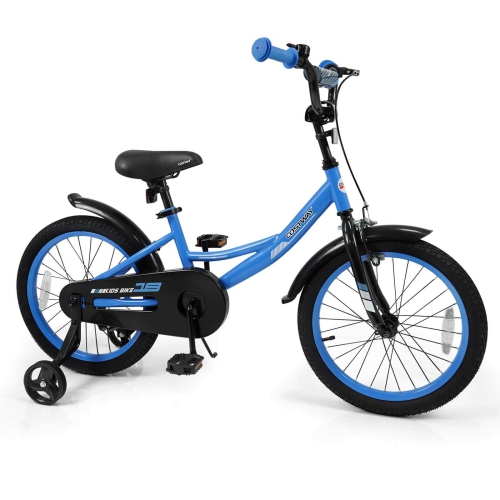
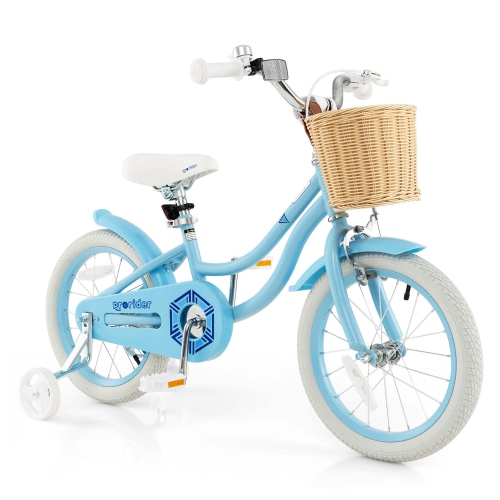
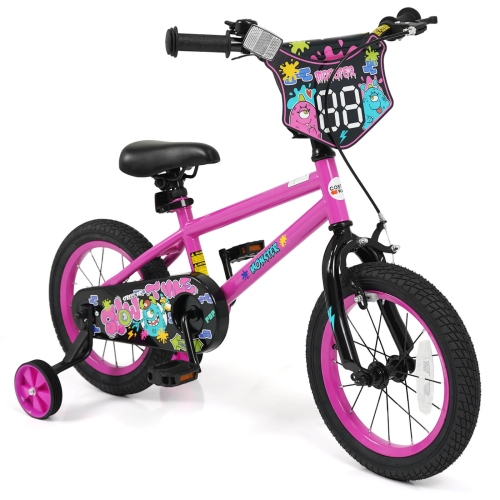
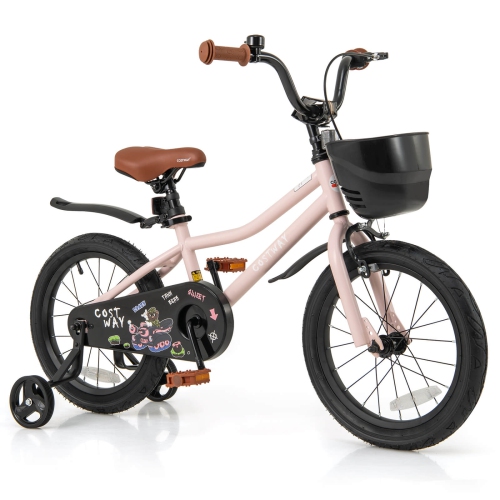
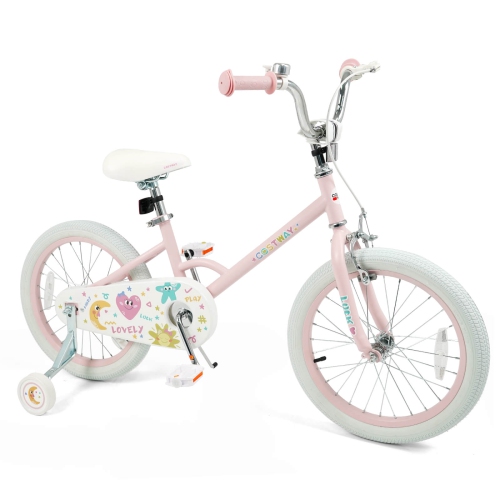
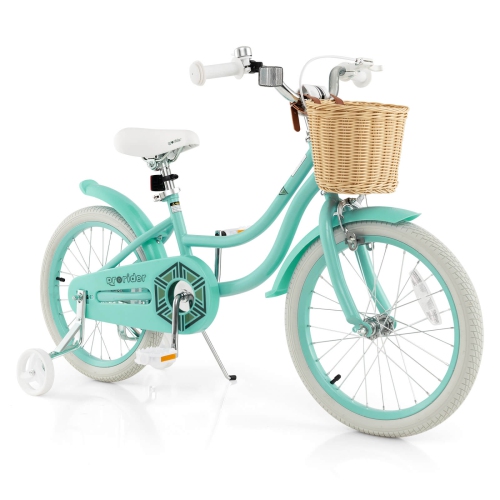
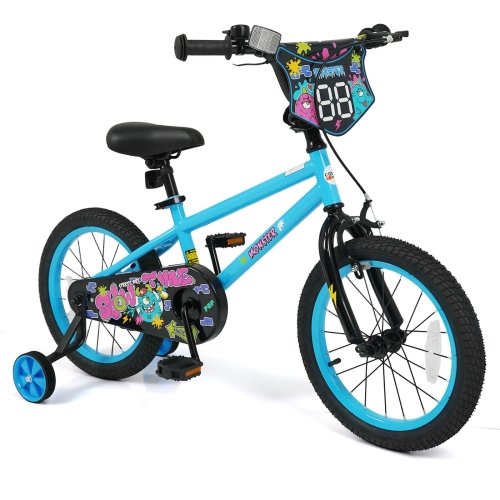
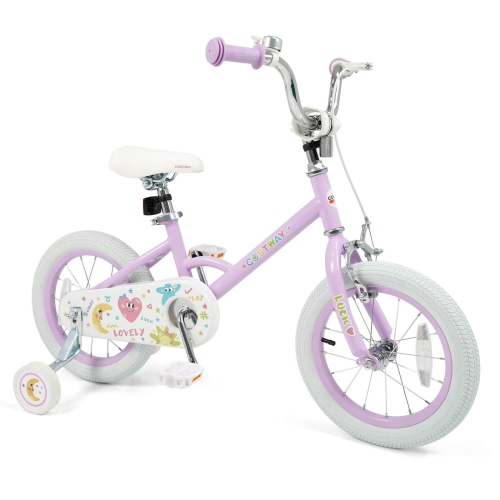
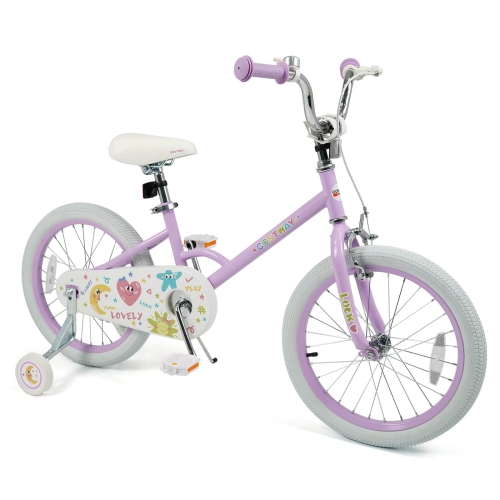
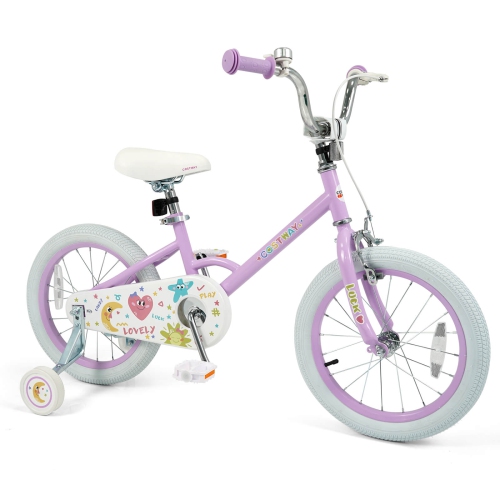
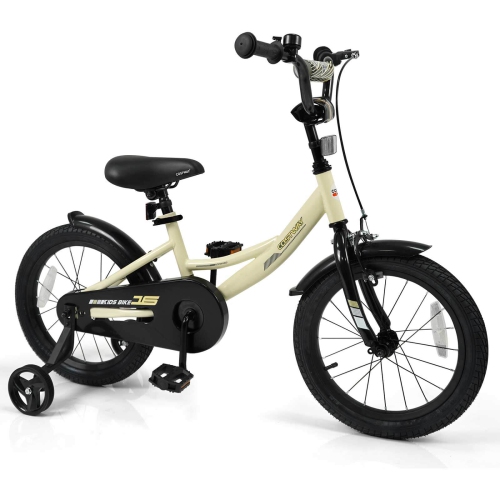
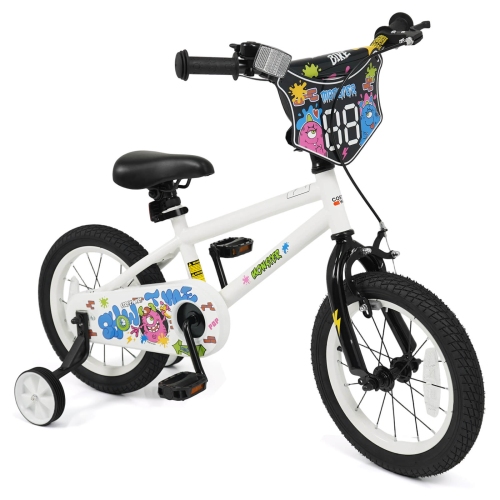
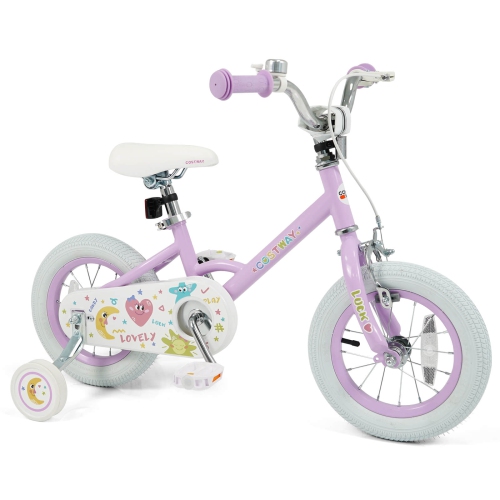
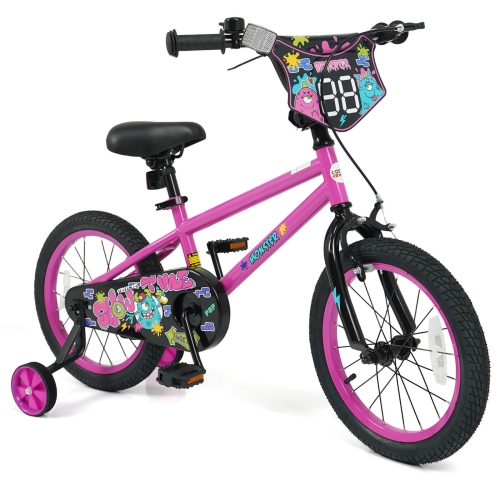
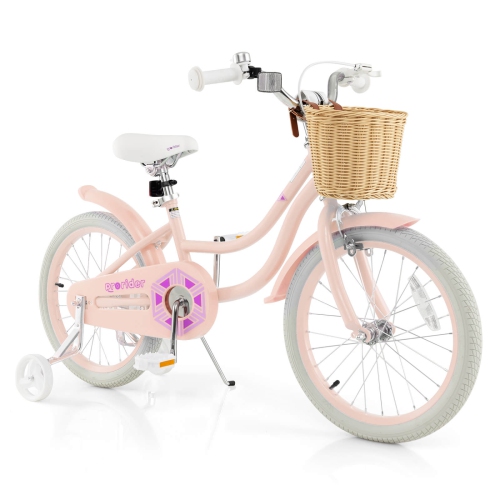
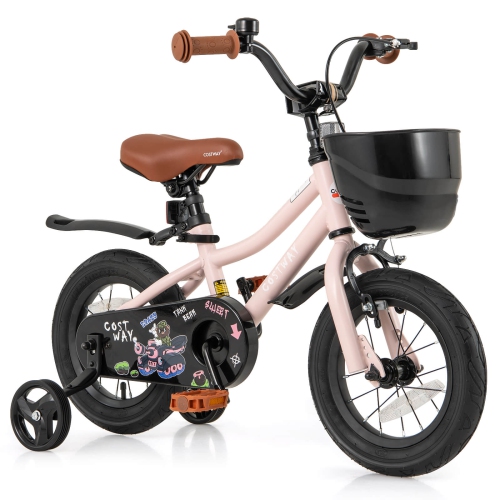
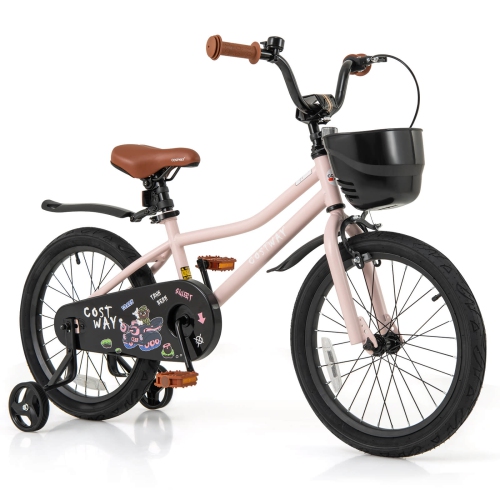
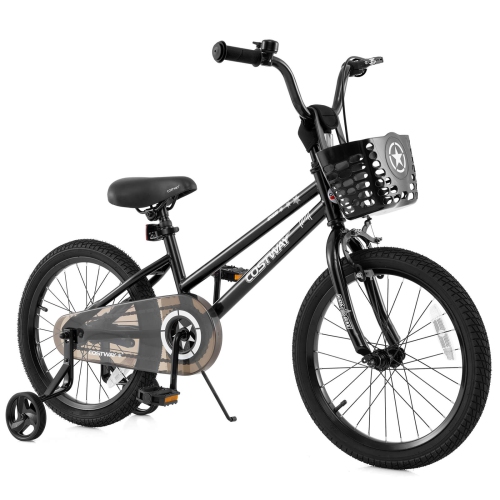
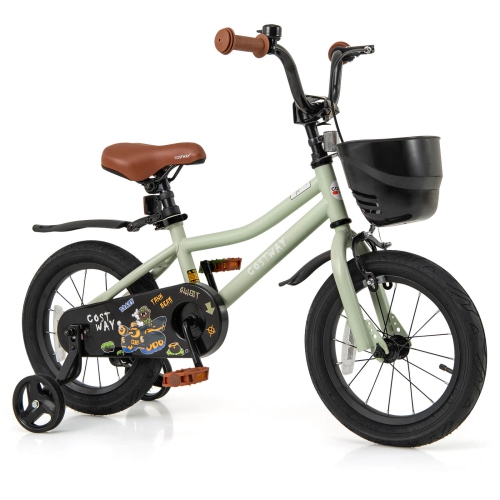
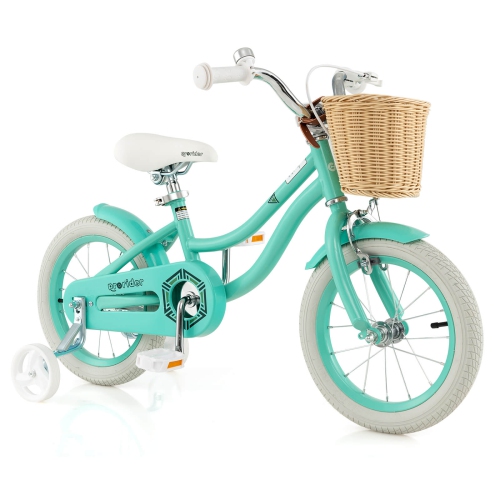
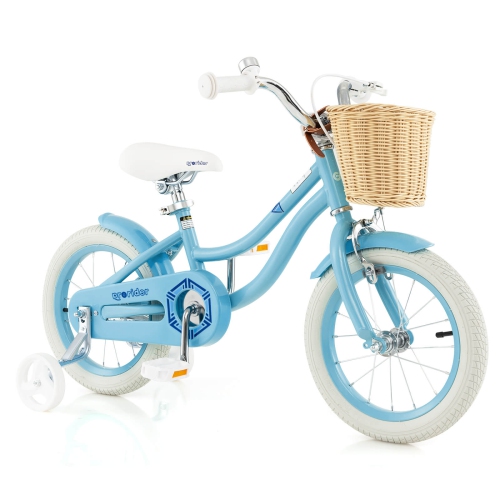
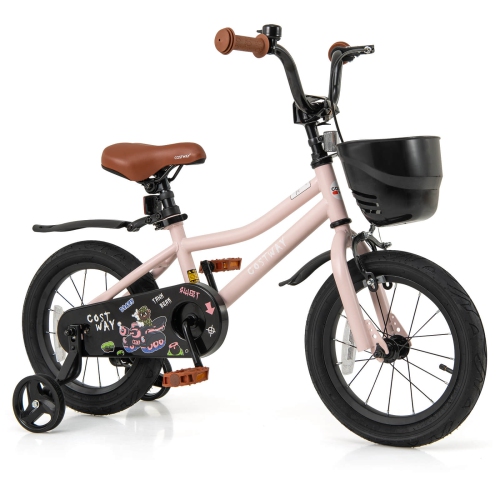
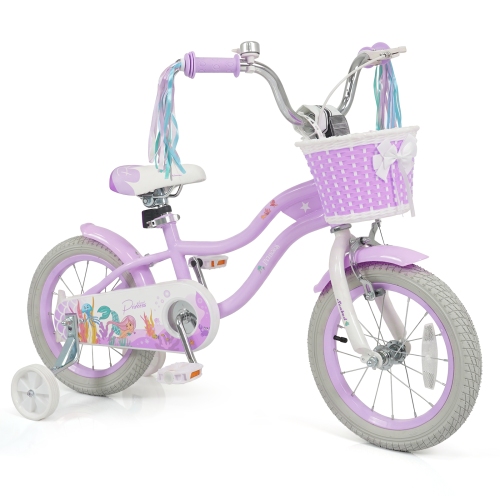
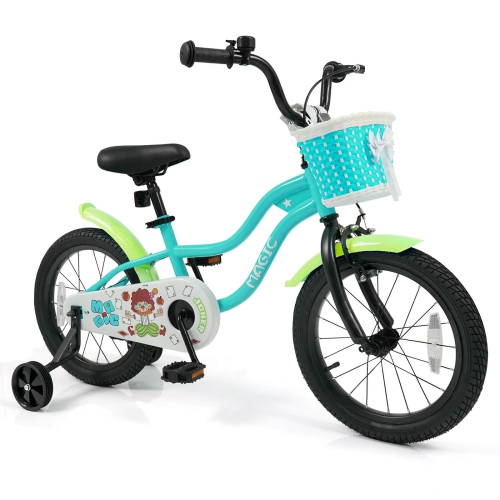
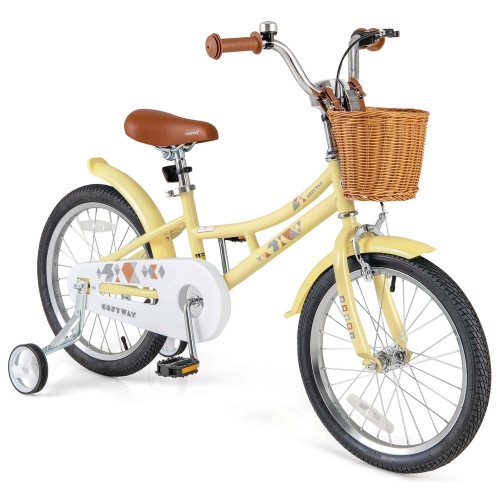
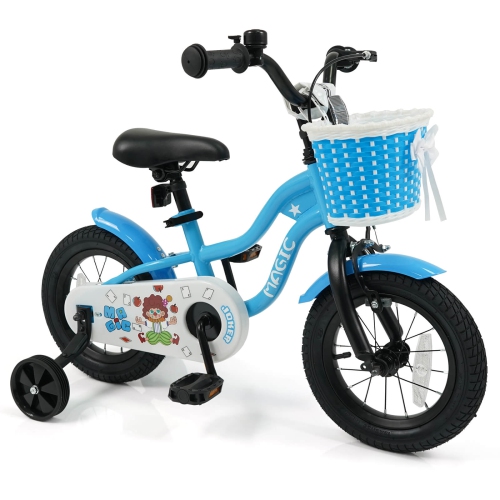
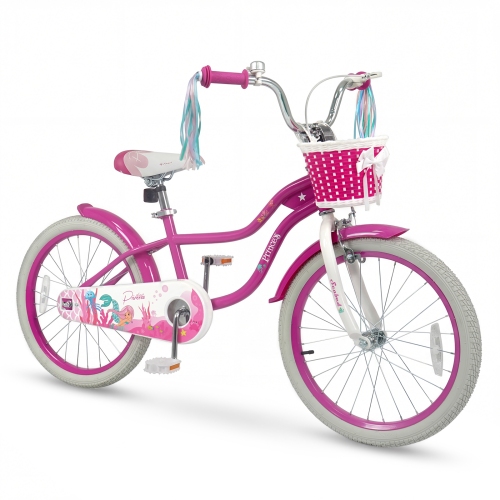
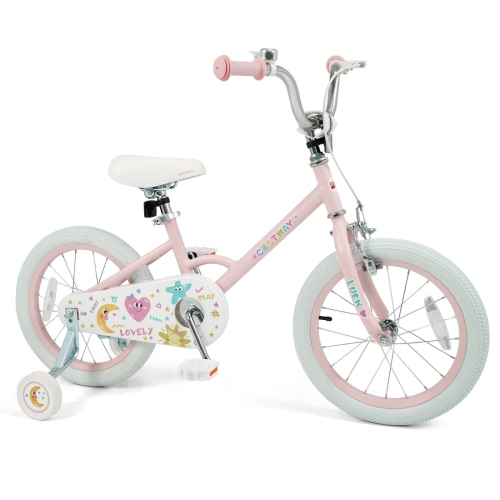
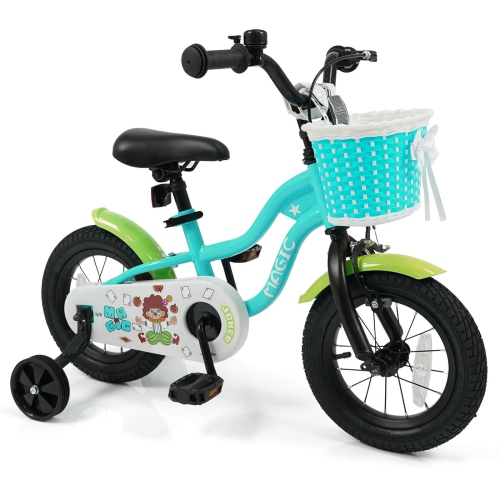
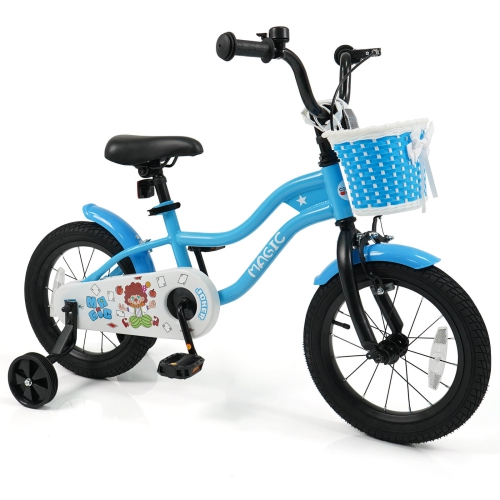
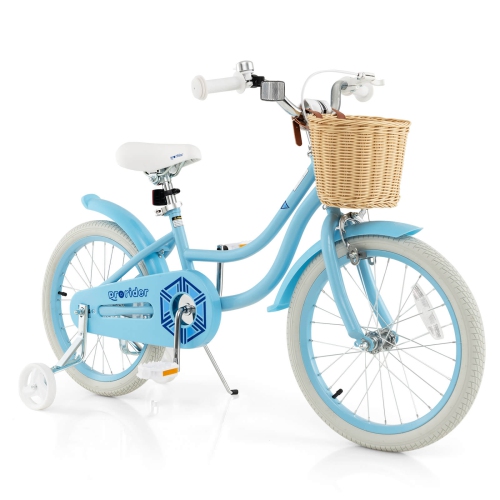
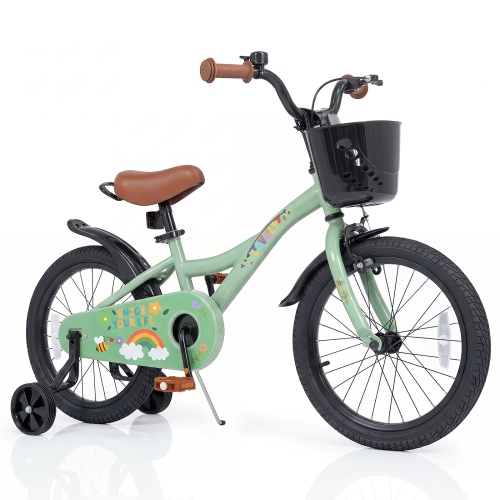
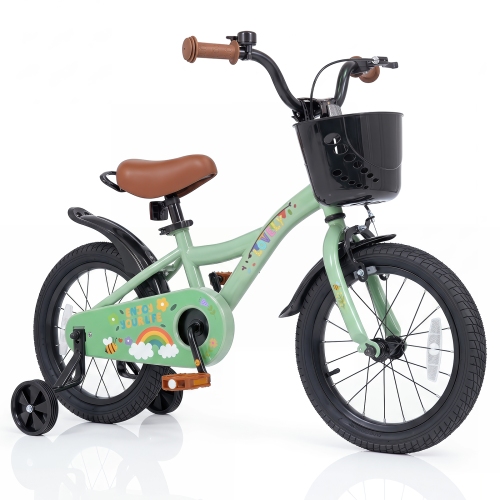
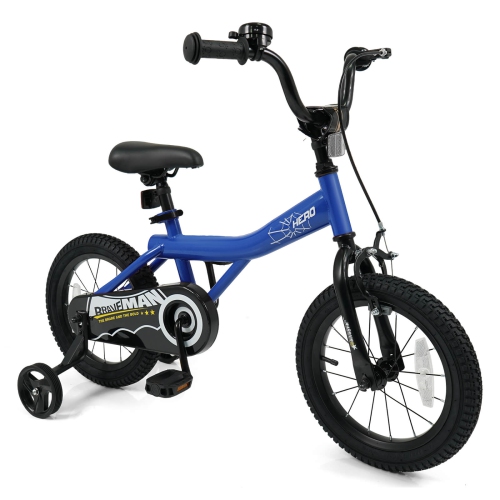
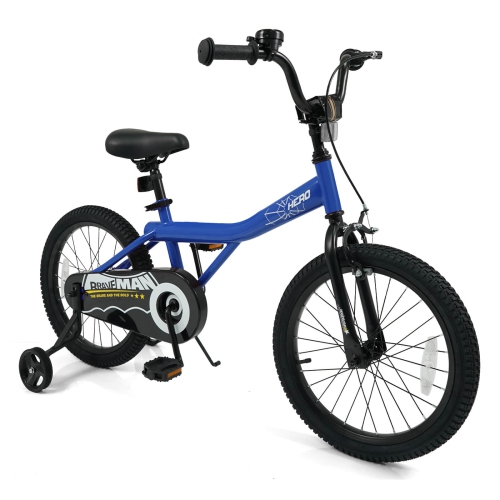
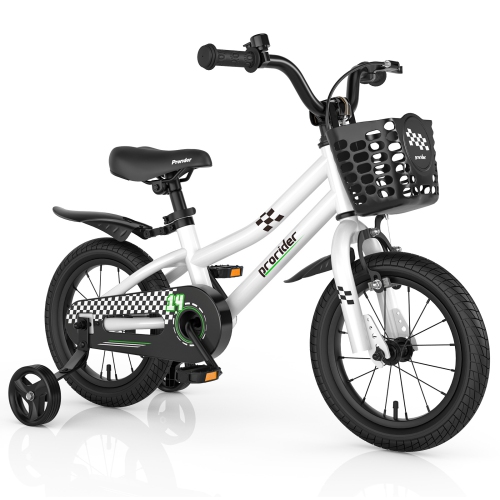
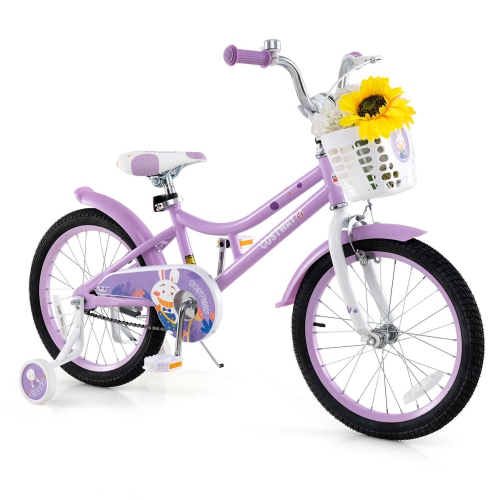
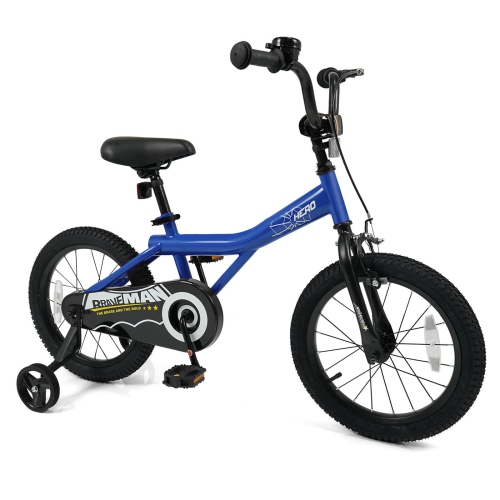
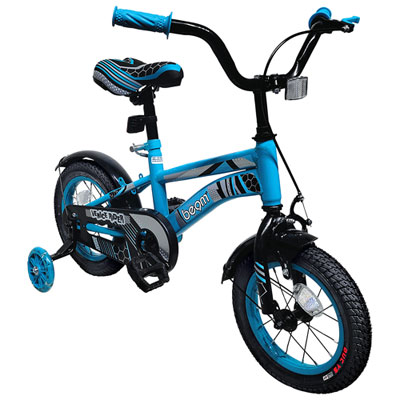
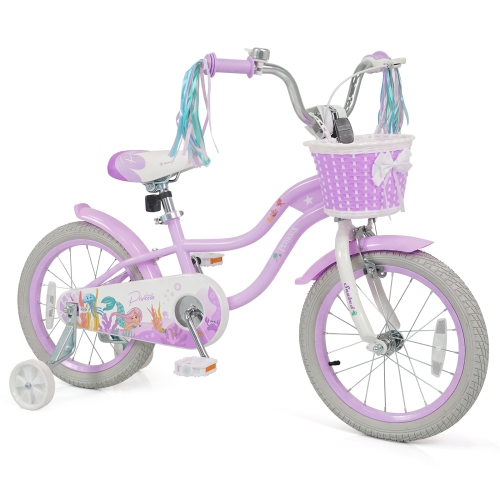
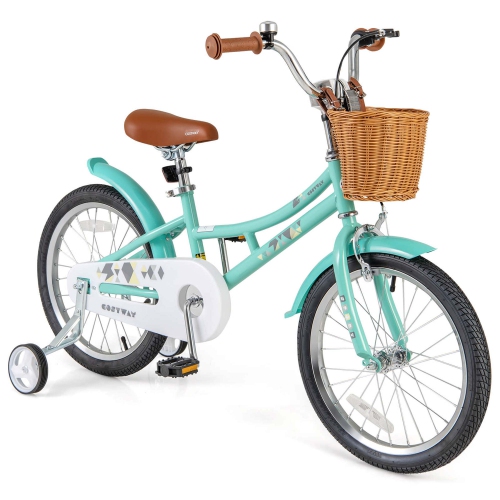
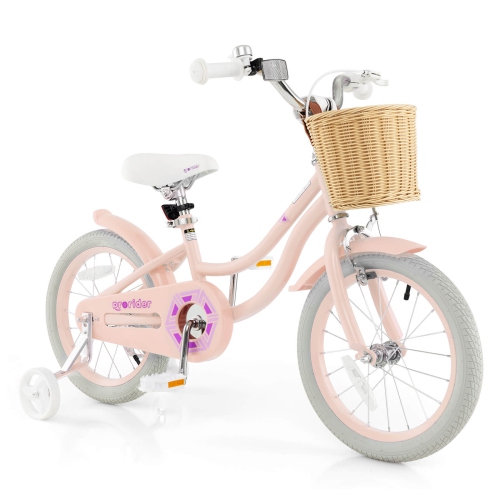
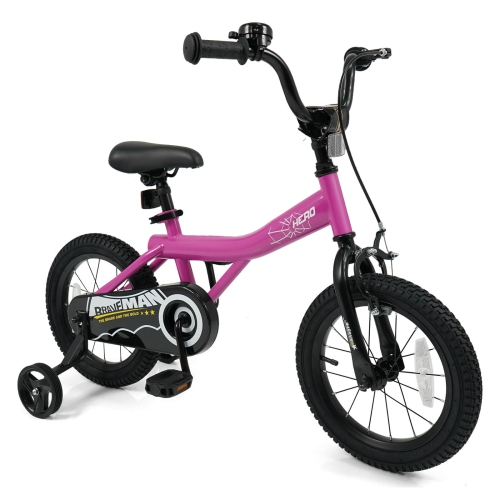
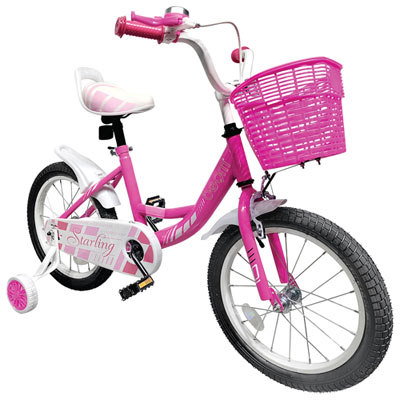
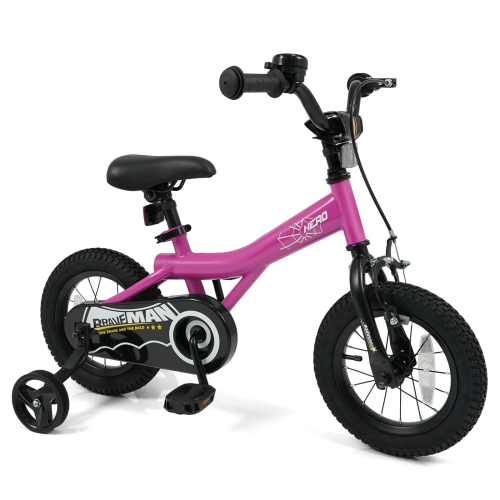
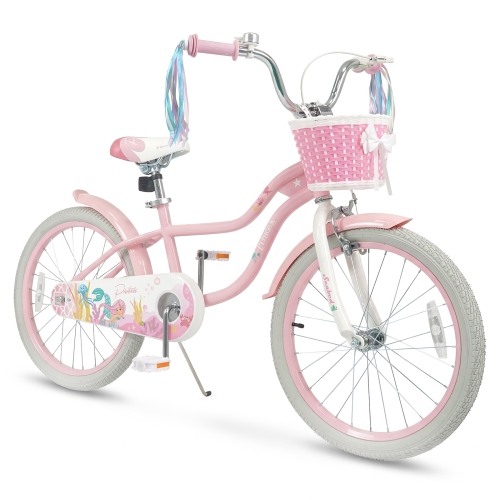
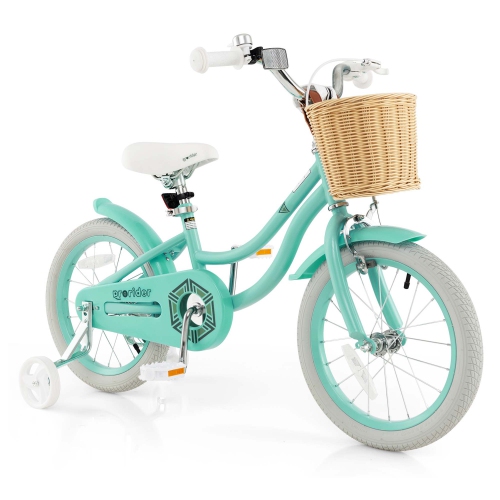
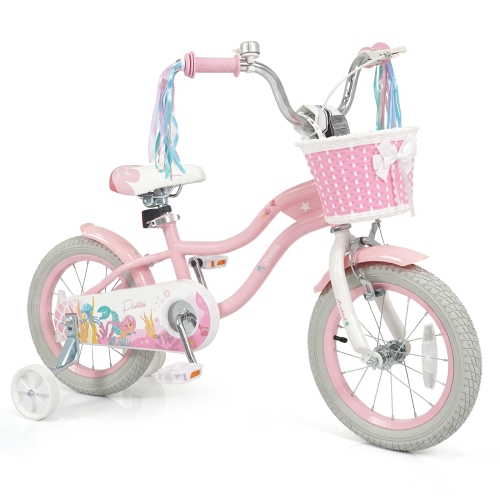
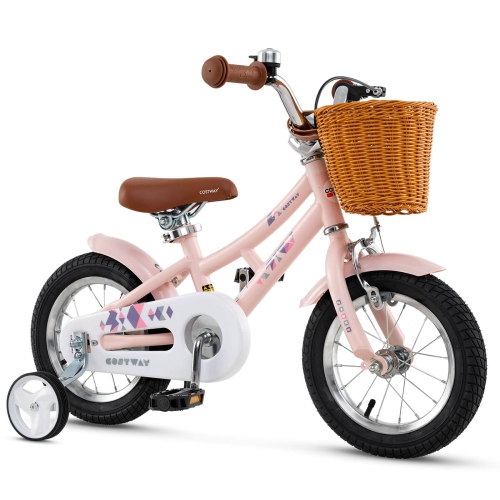
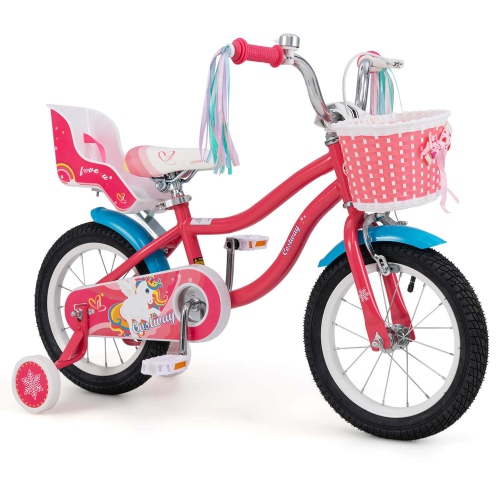
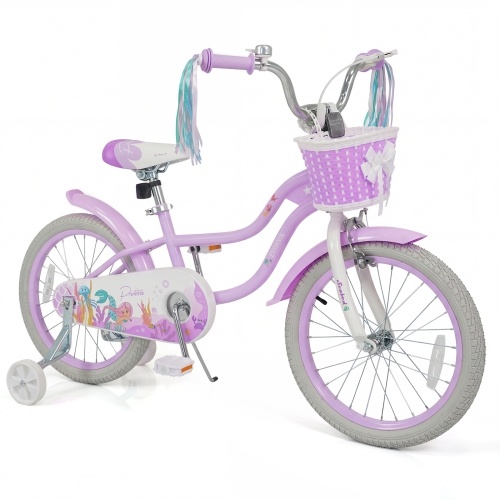
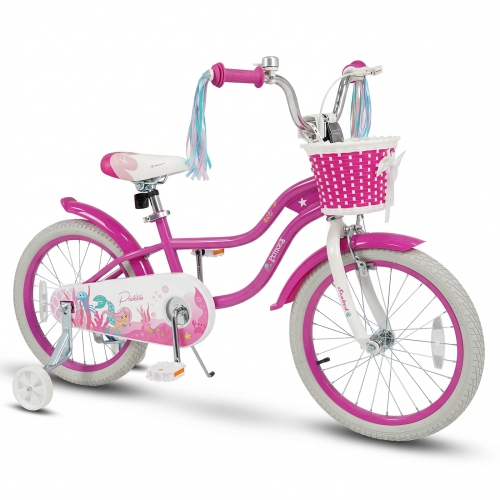
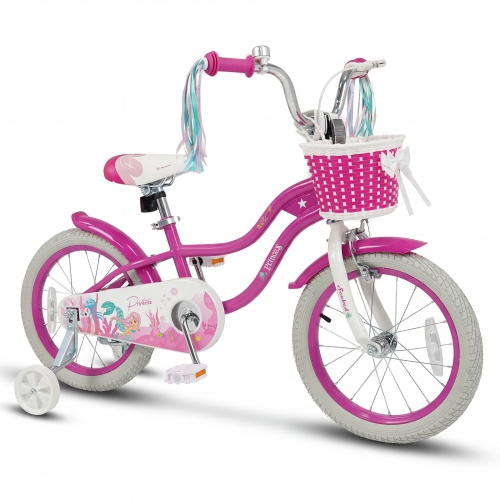
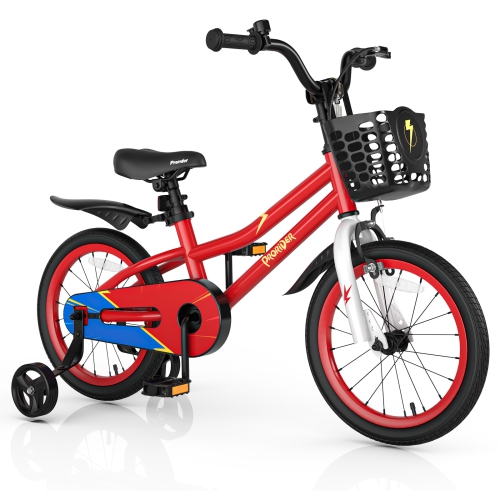
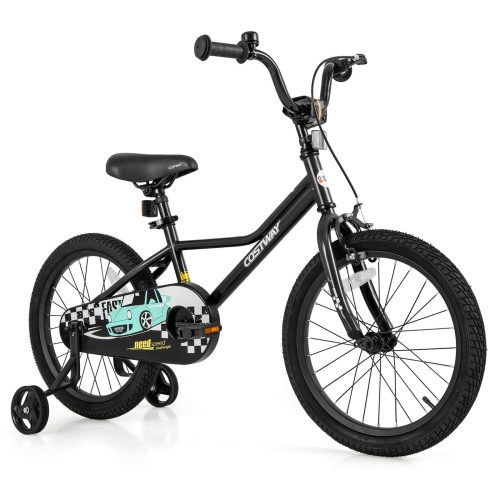
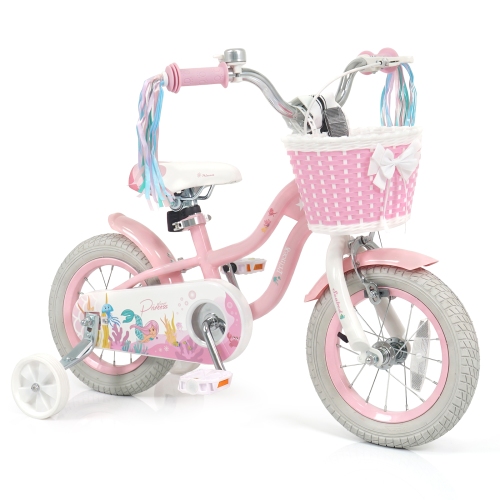
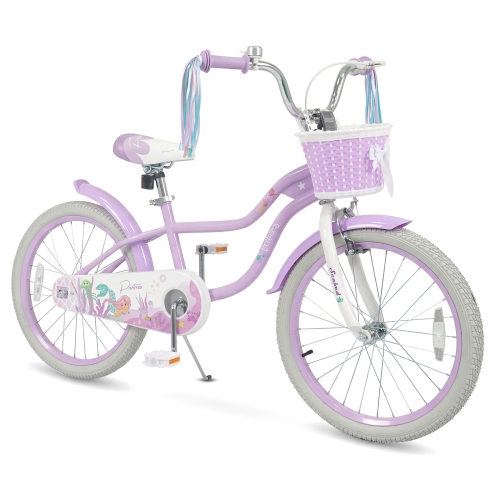
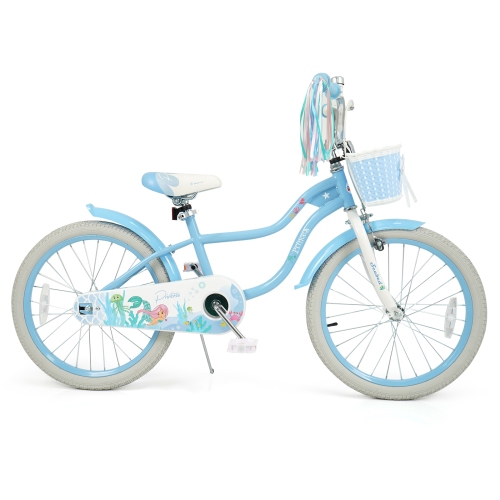
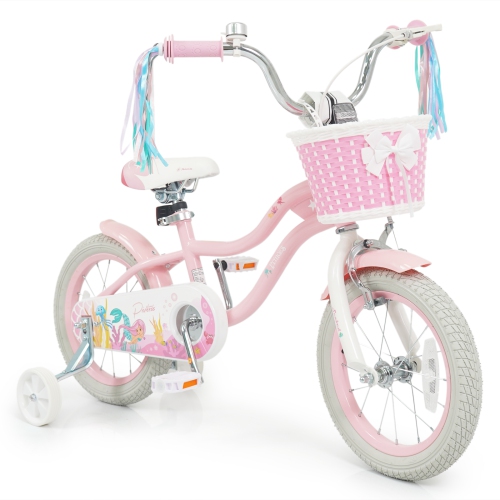
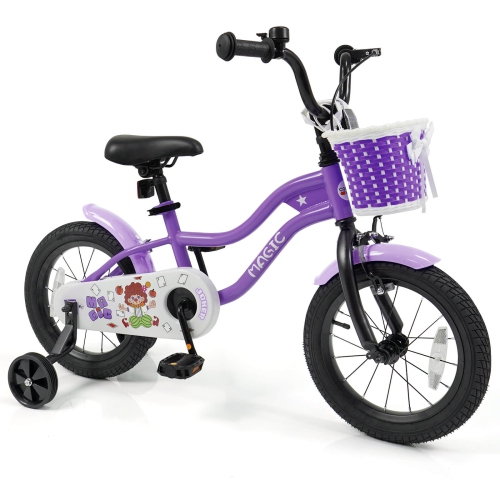
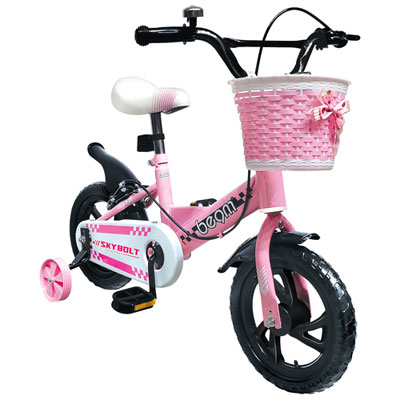
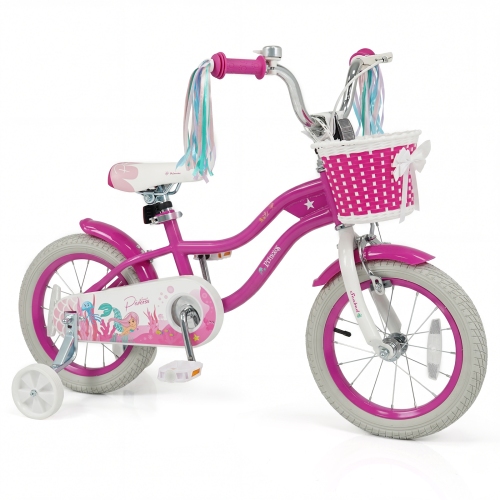
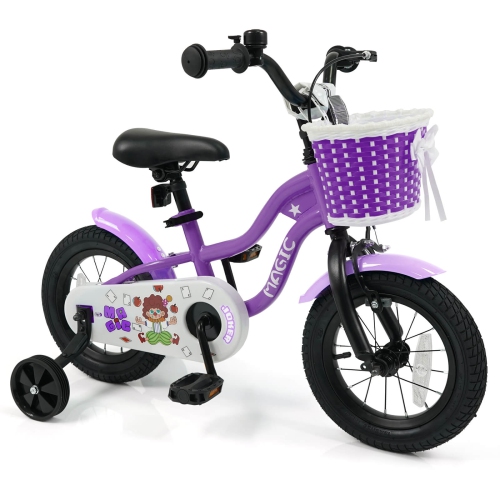
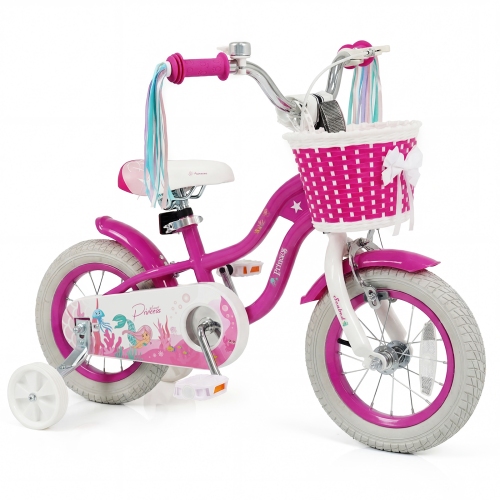
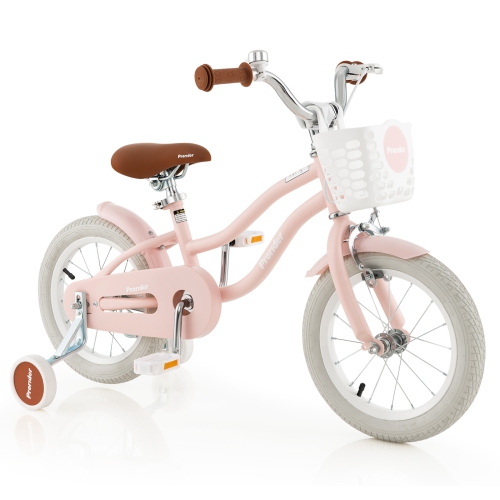
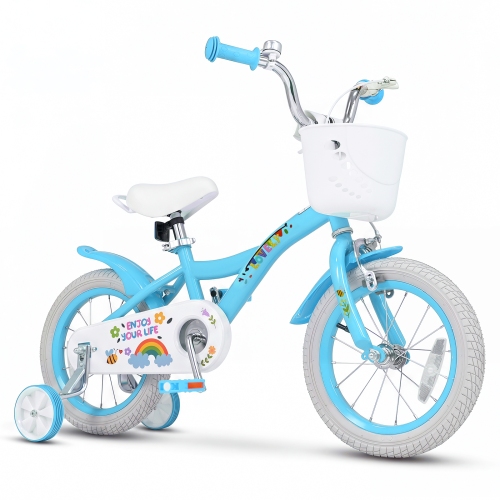
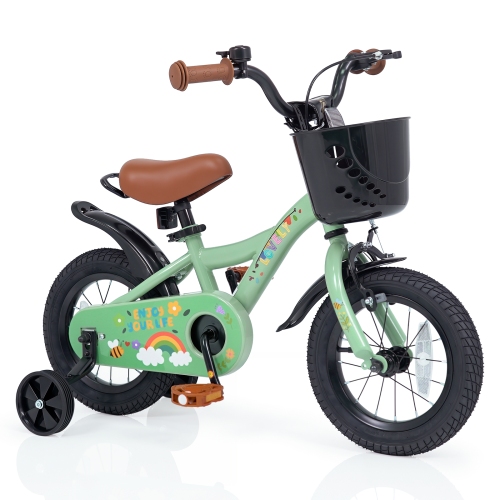
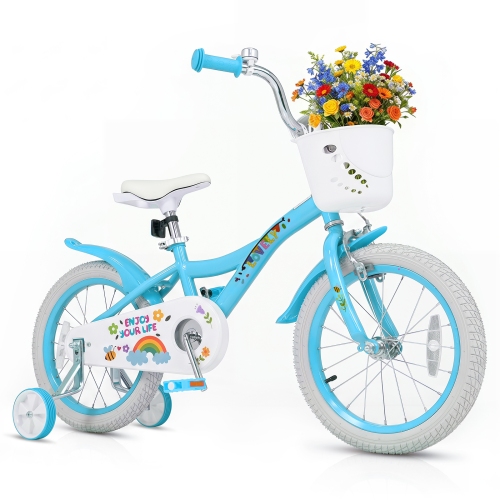
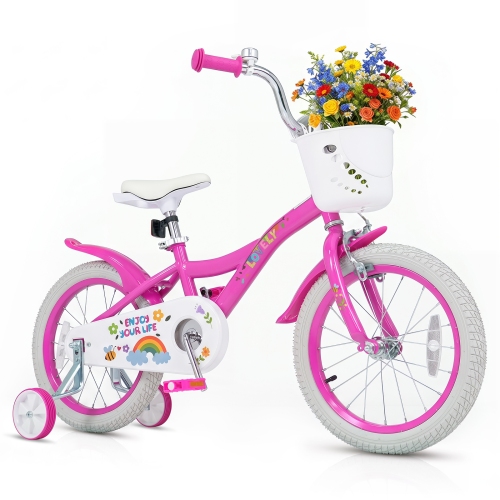
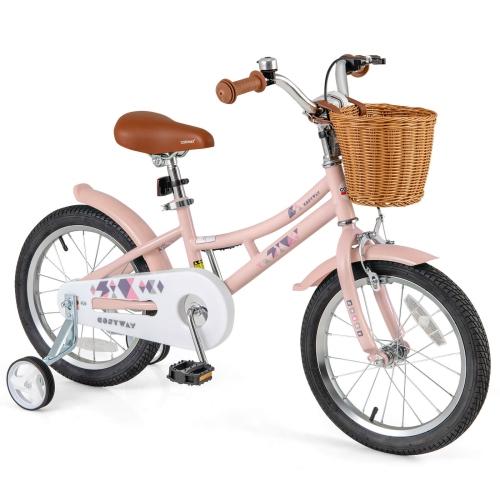
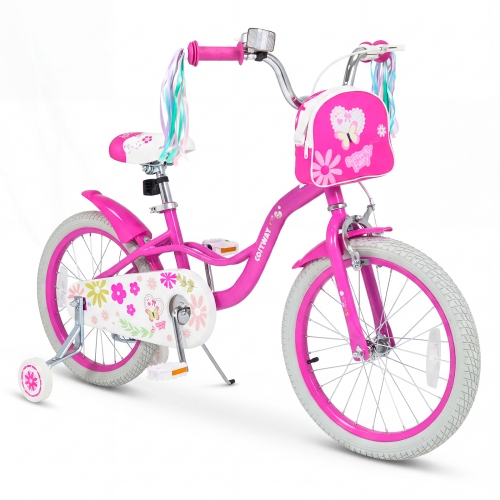
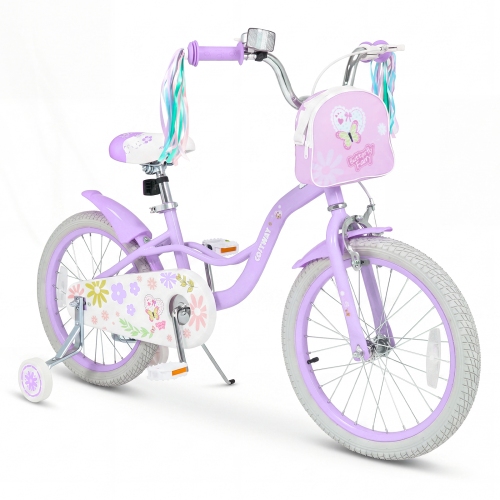

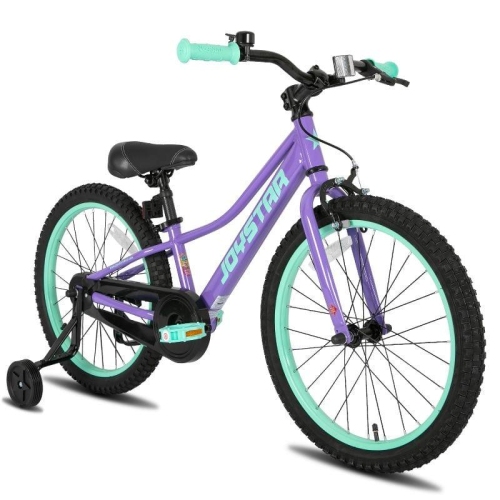
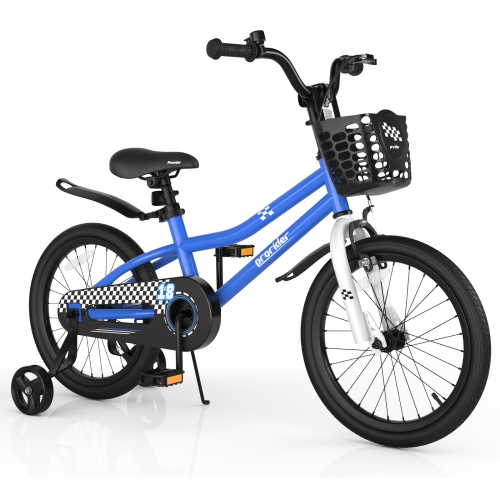
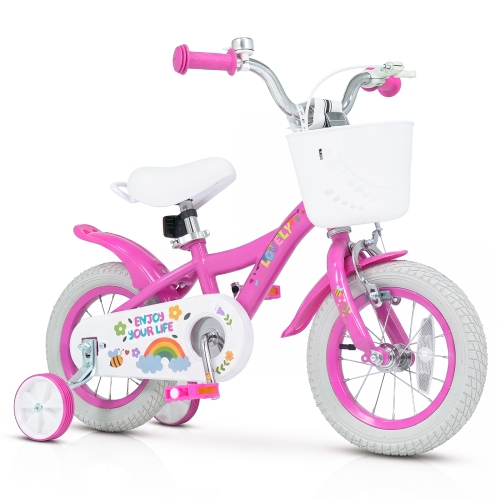
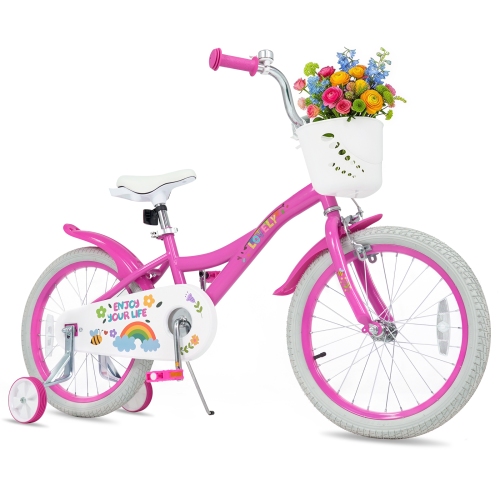
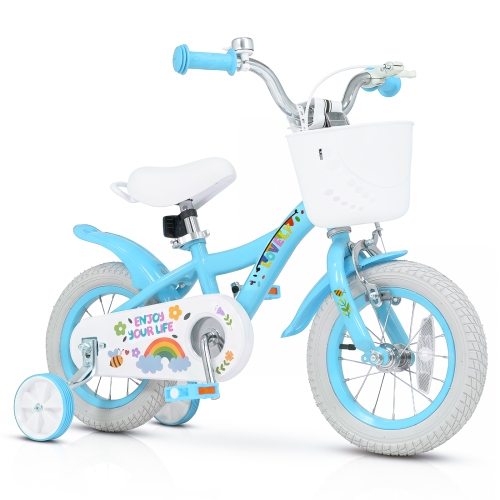
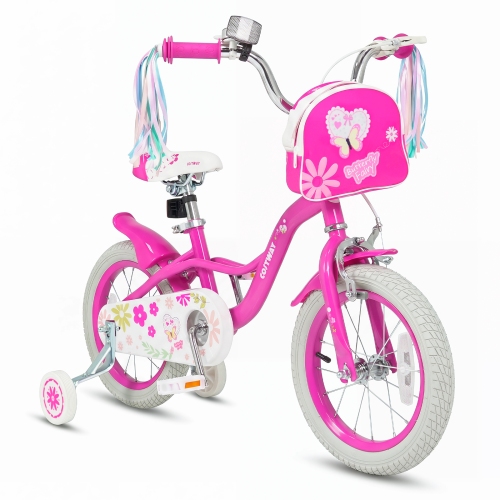
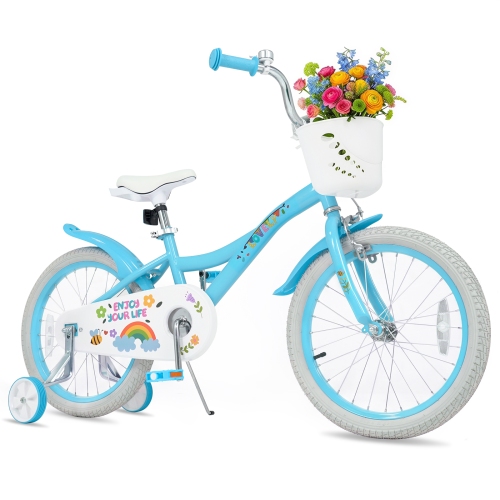
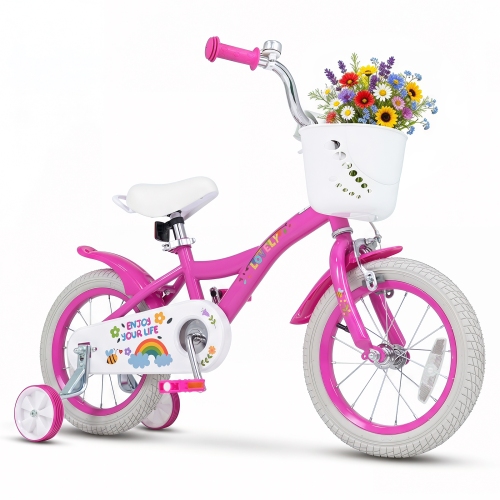
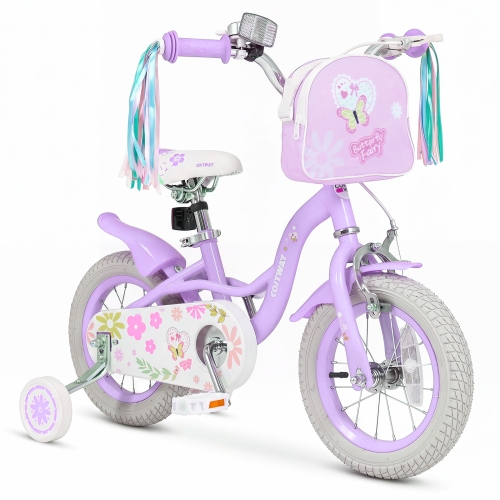
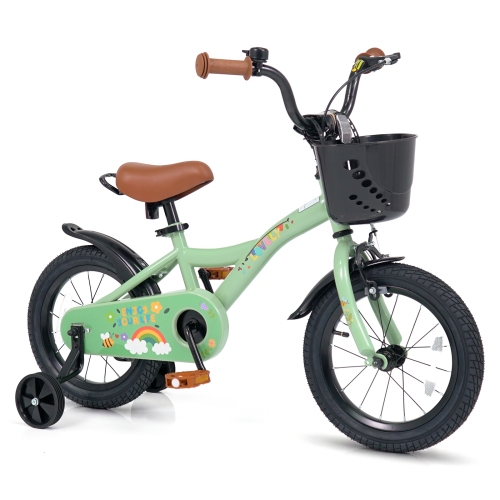
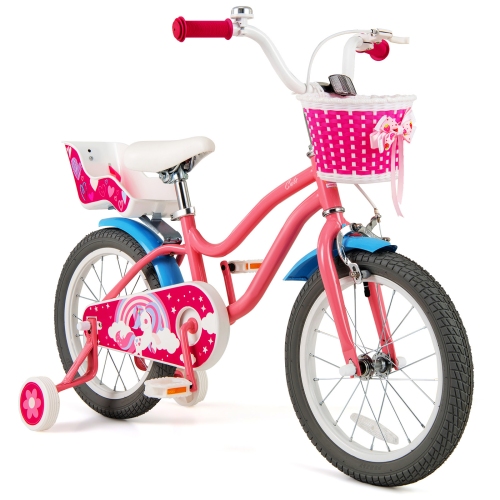
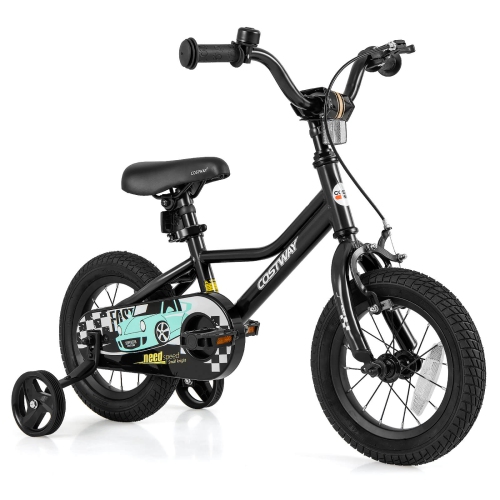
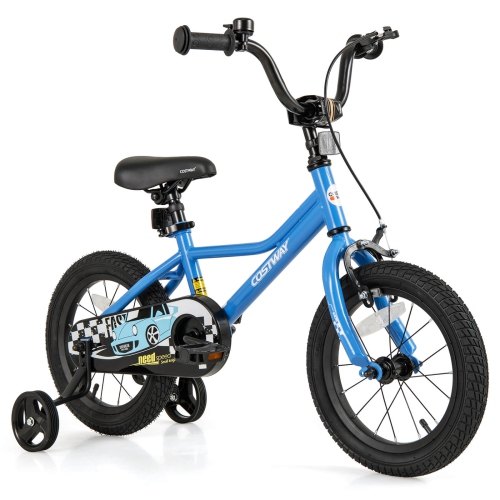
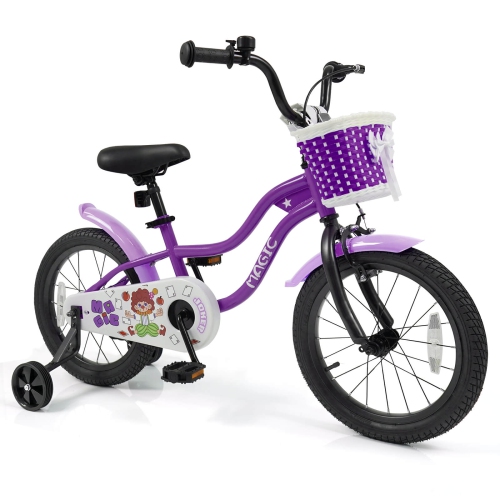
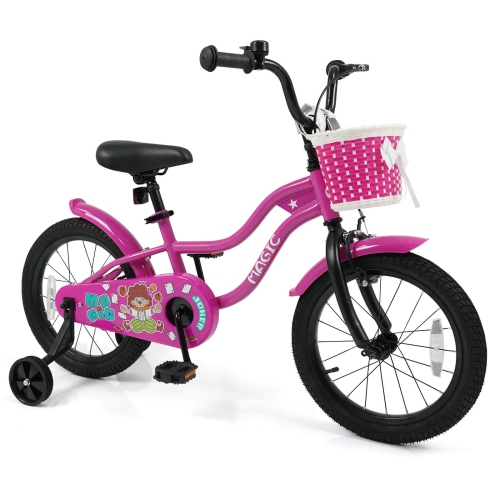
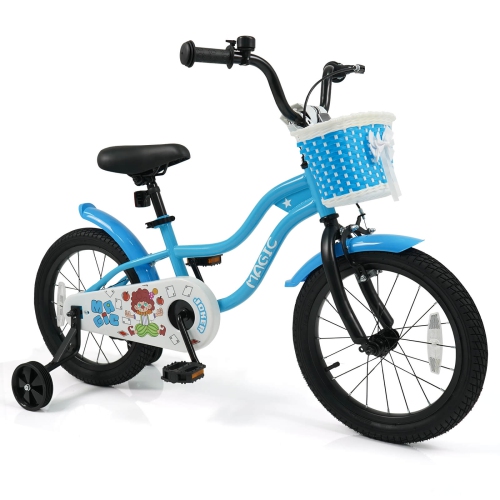
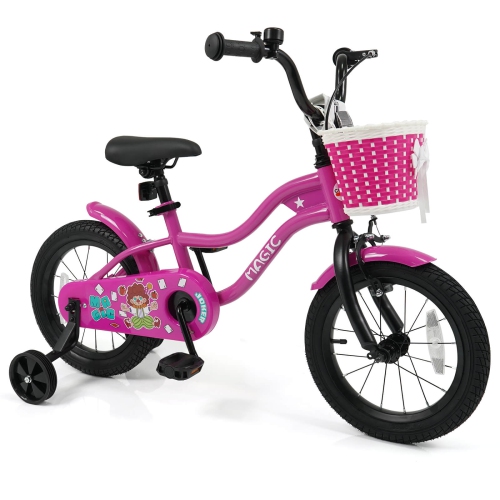
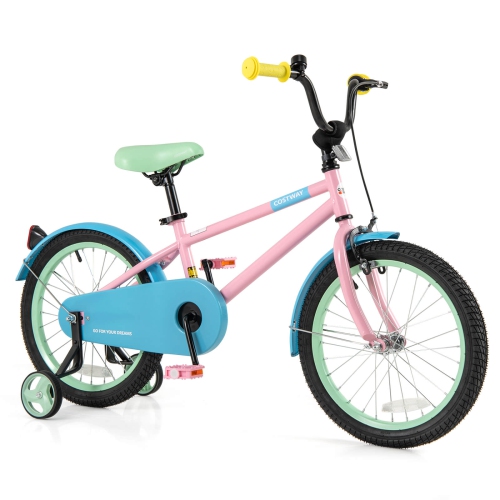
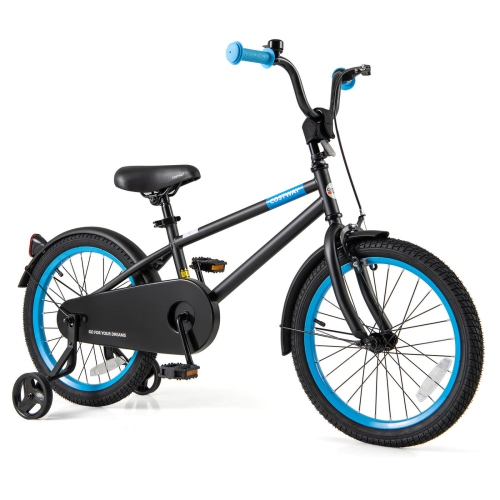
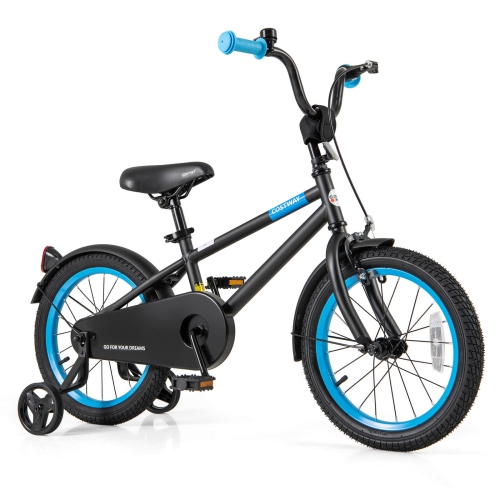
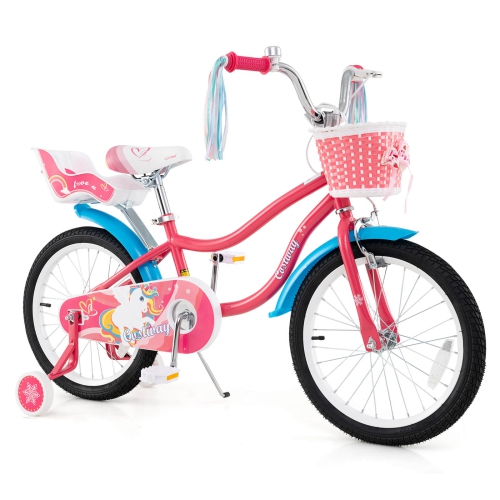
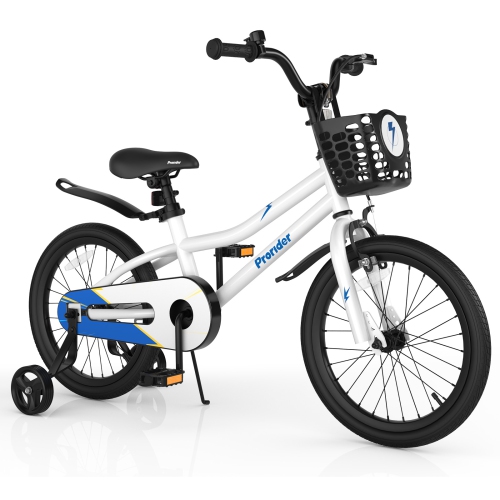
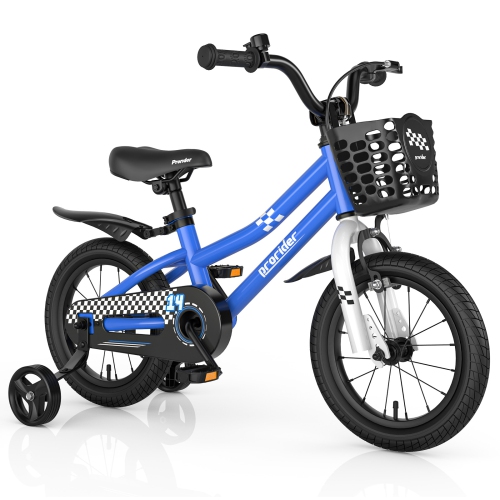
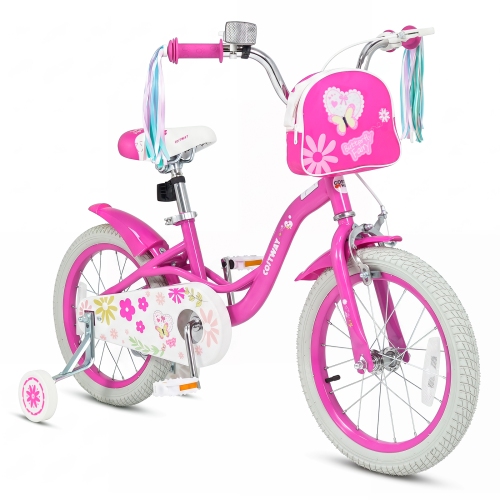
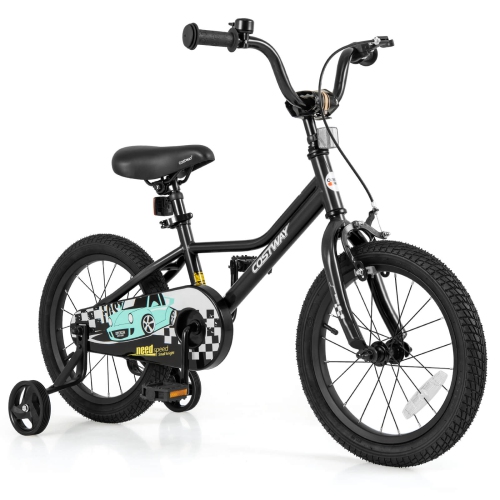
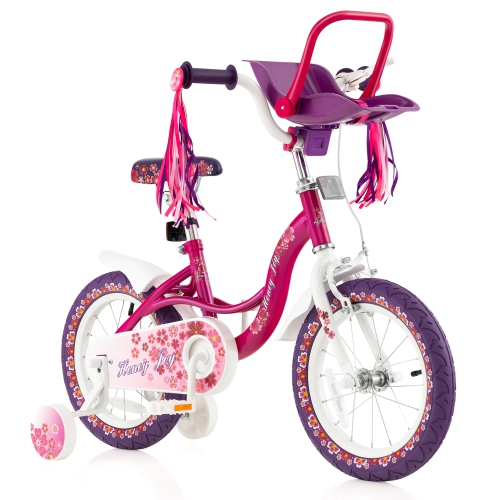
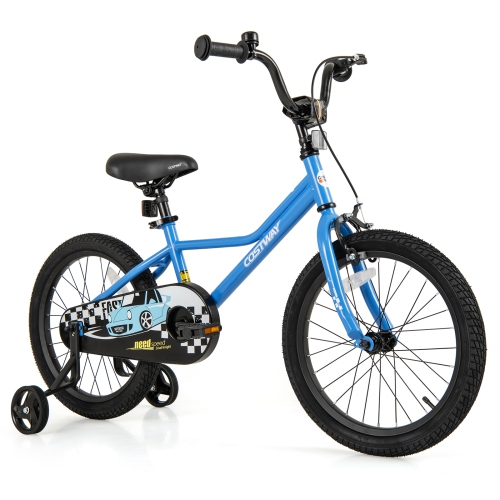
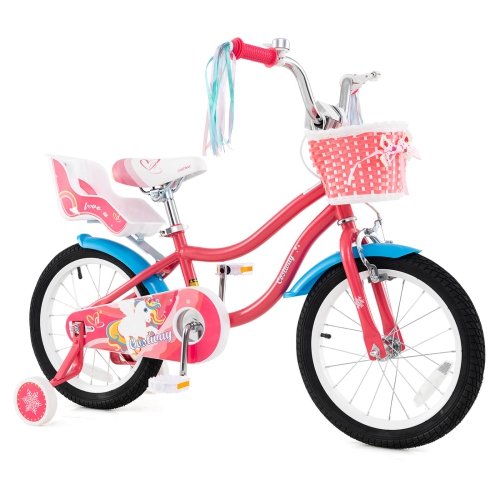
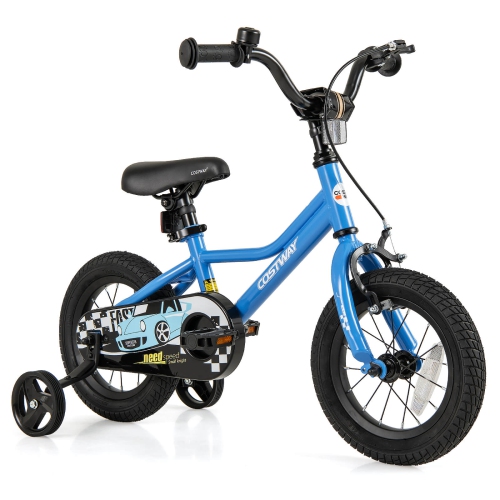
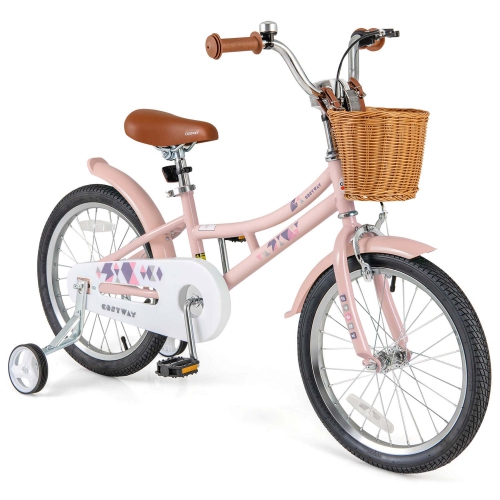
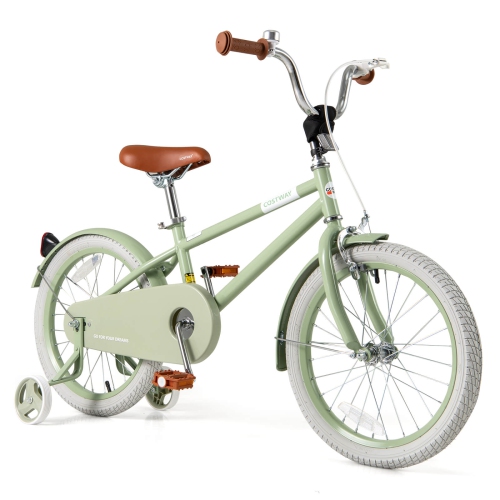
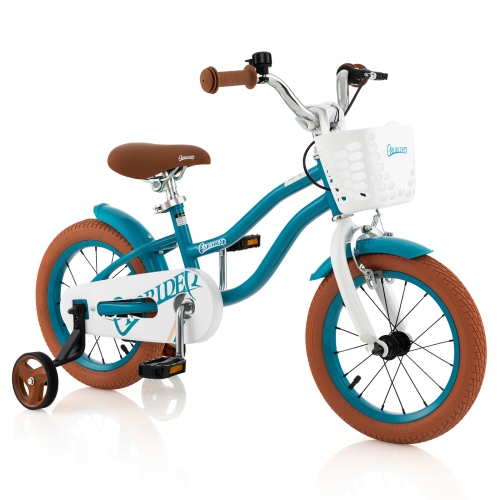
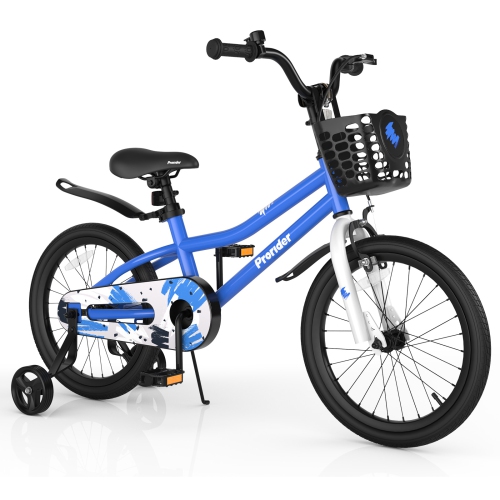
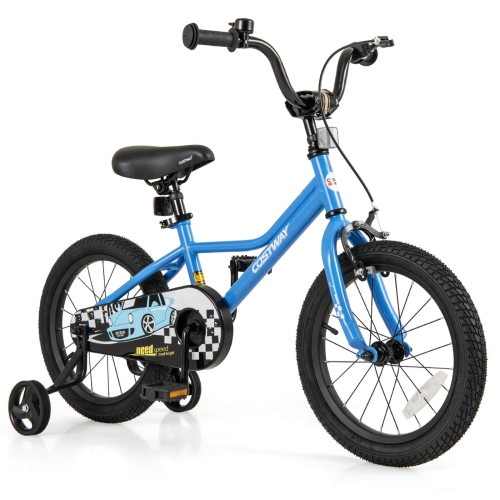
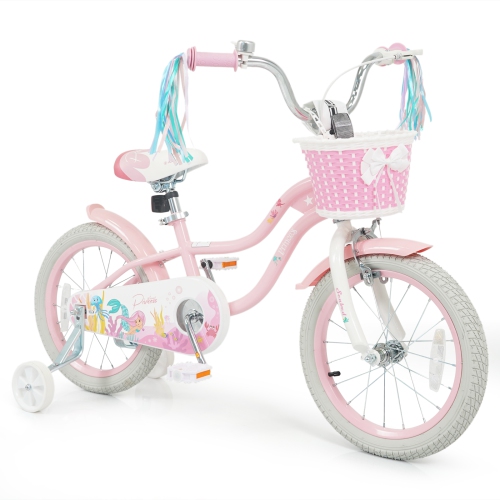
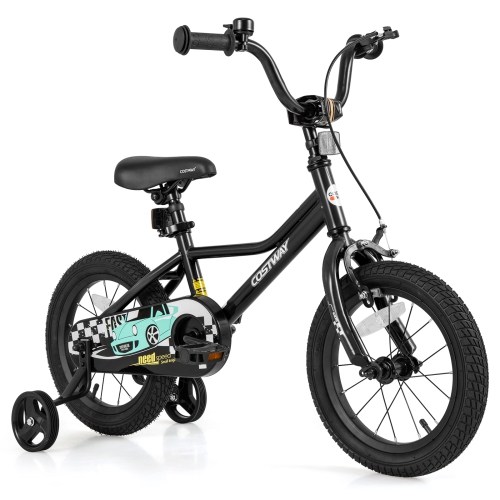
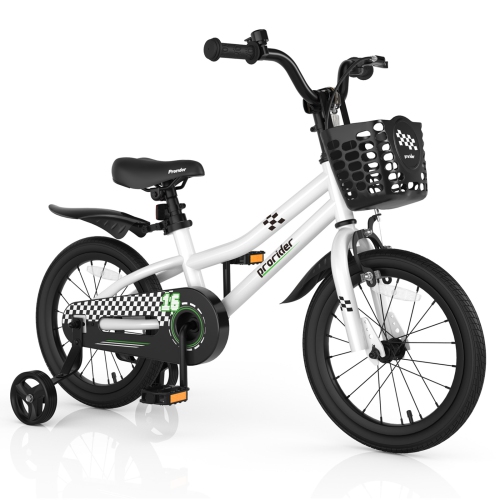
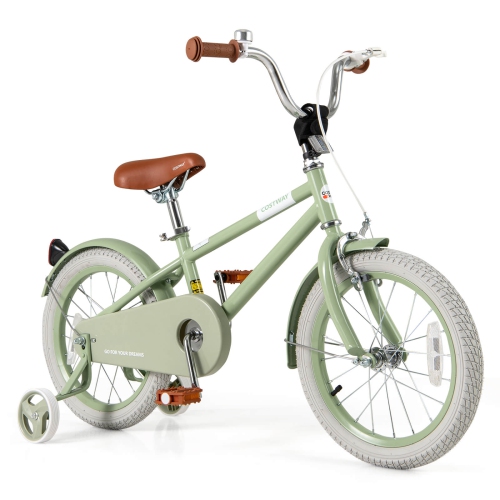
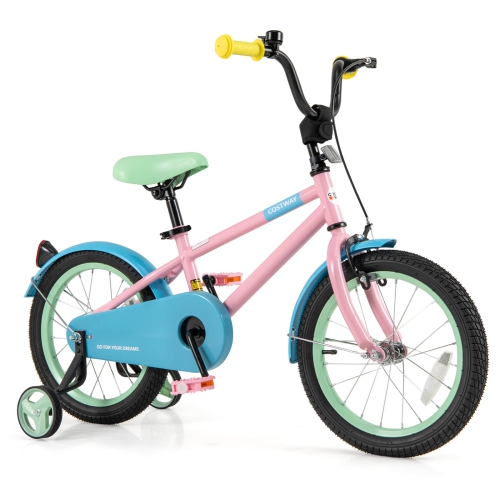
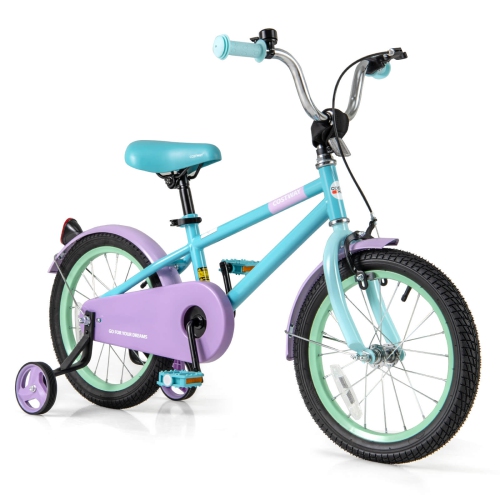
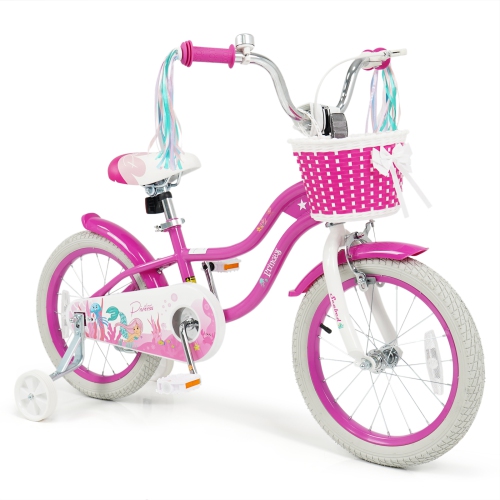
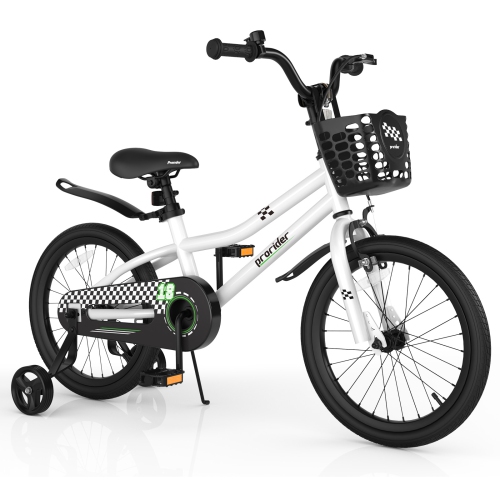
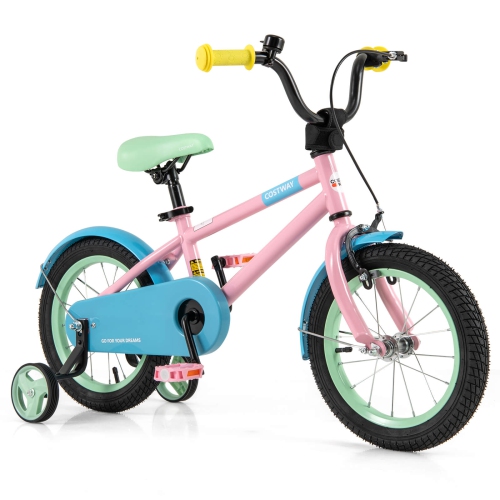
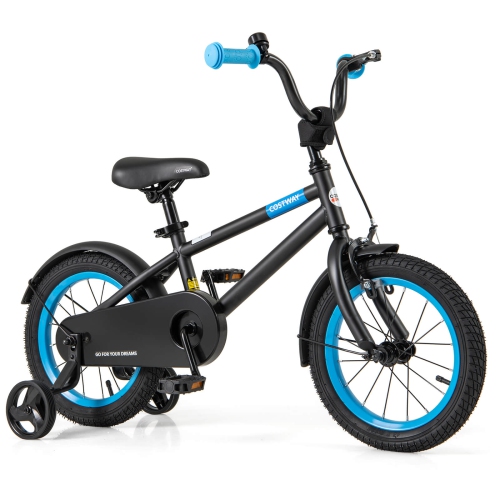
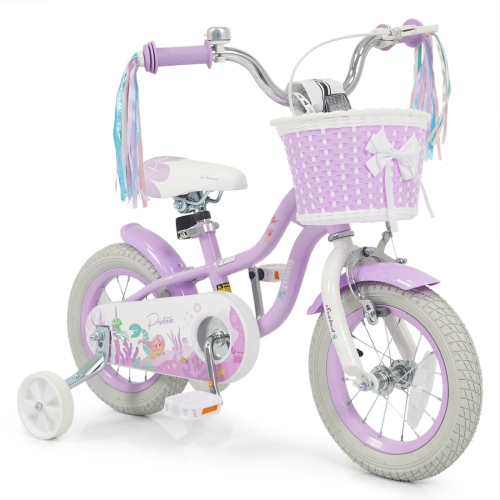
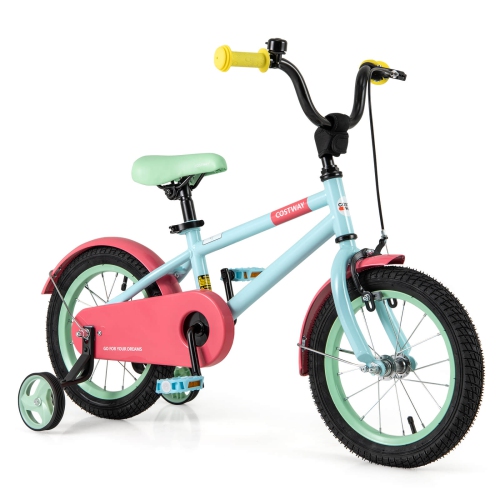
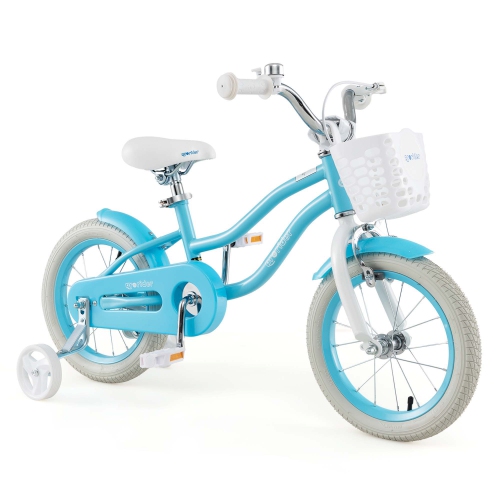
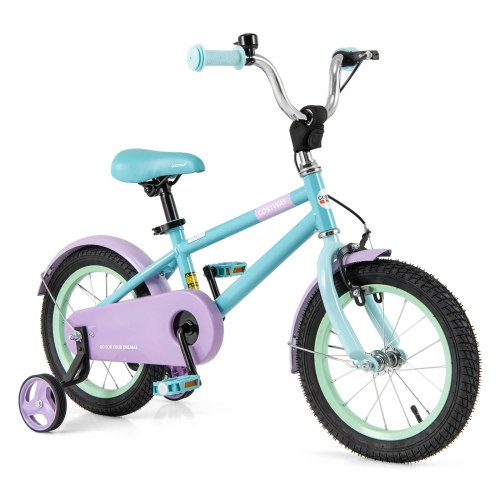
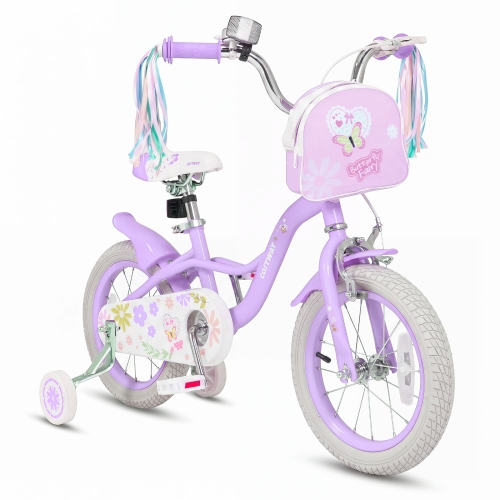
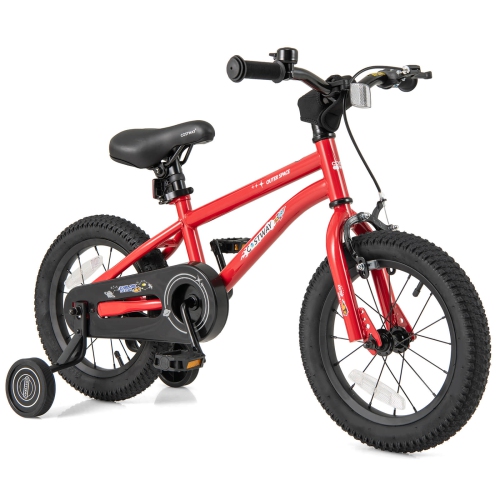
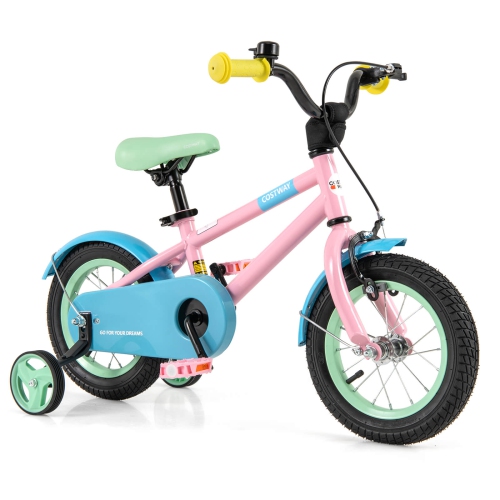
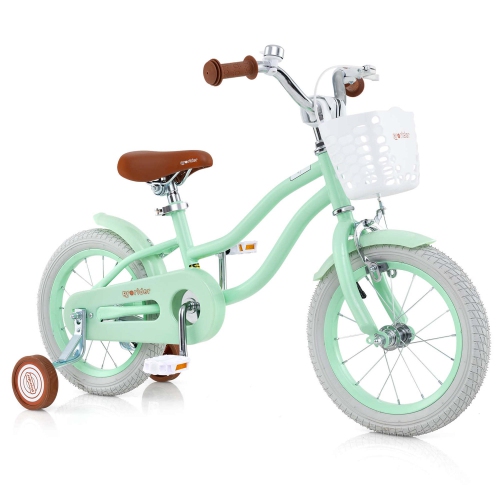
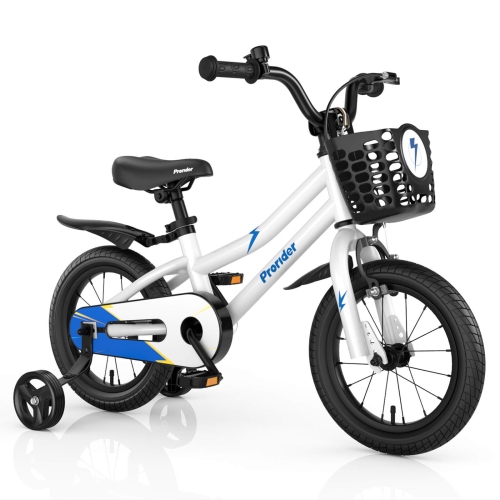
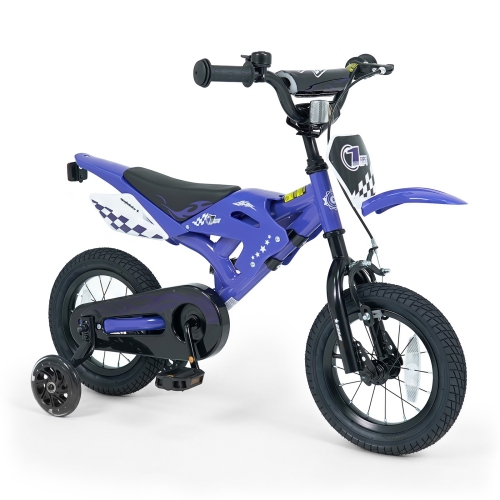

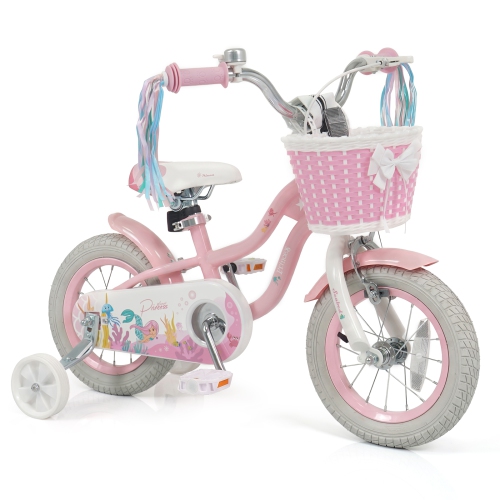
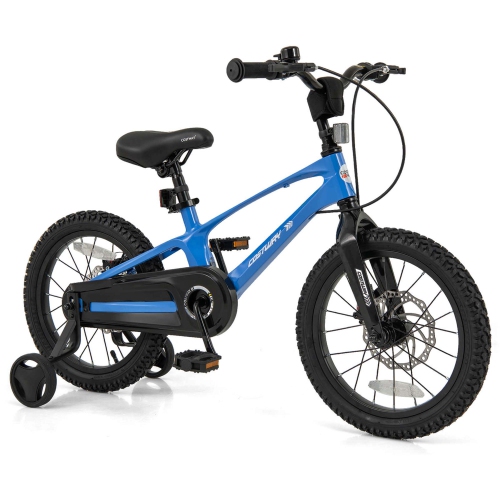
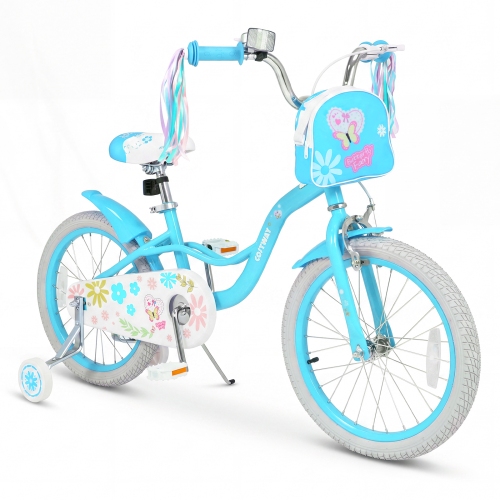
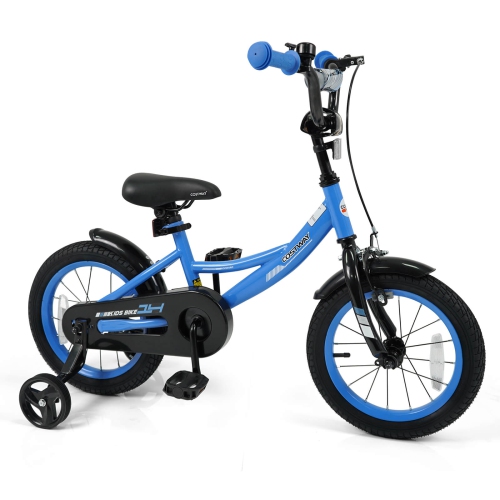
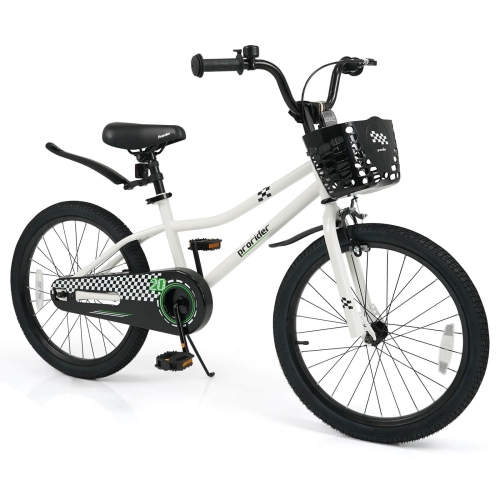
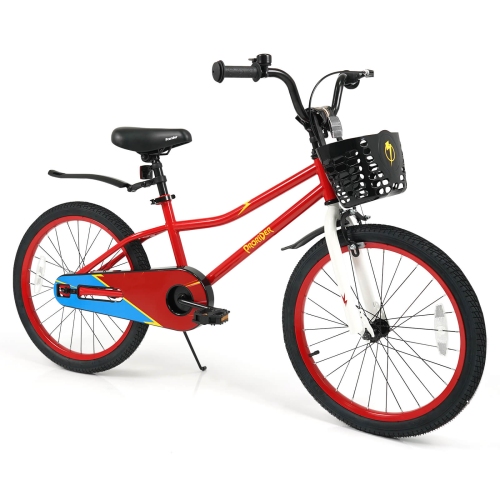
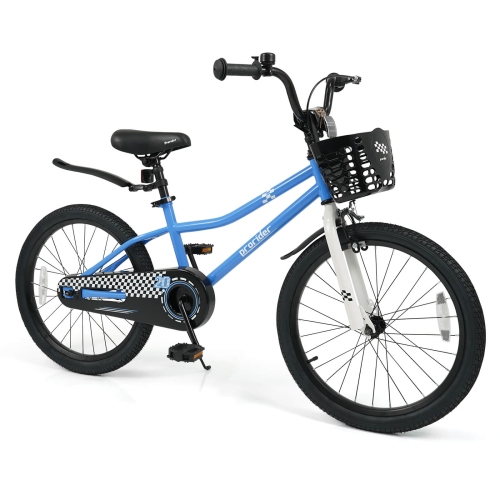
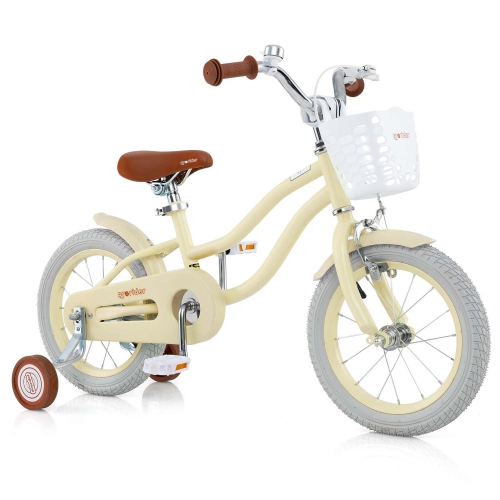
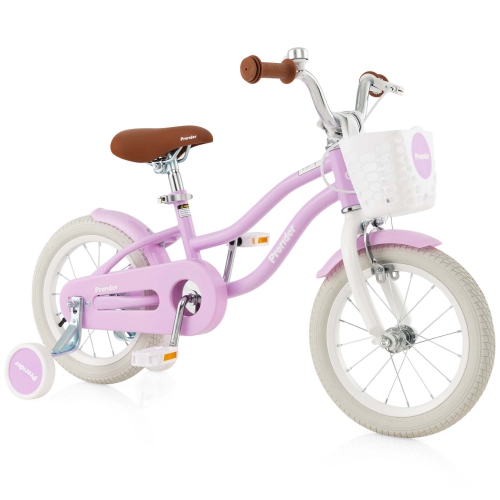
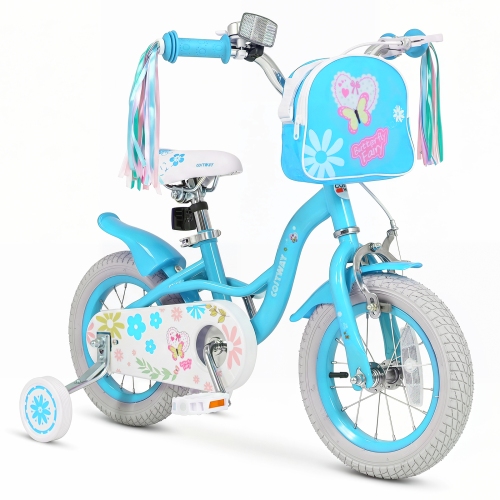
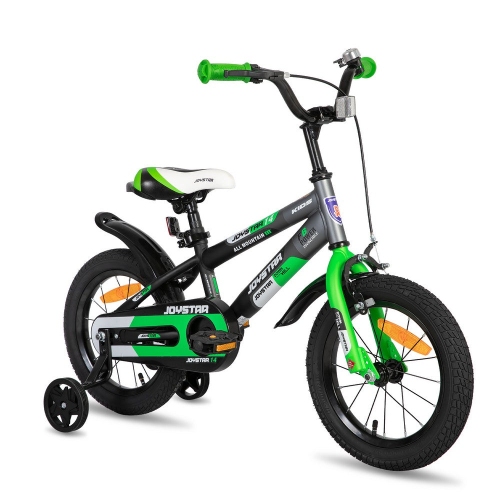
Supportive features for confident first rides and growing skills
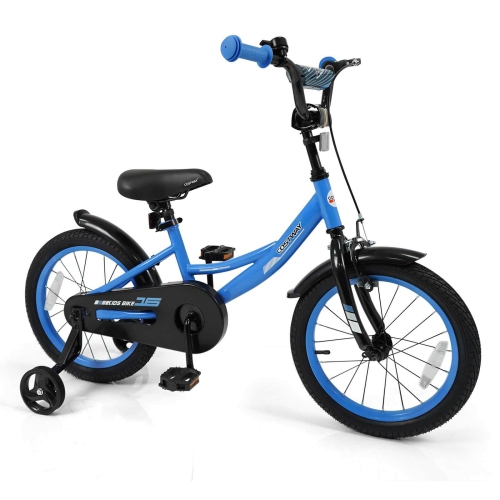
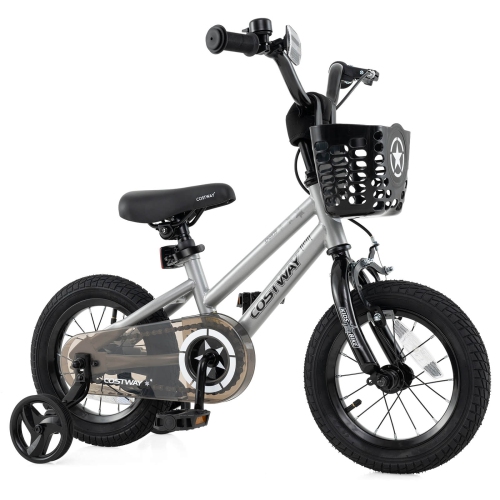
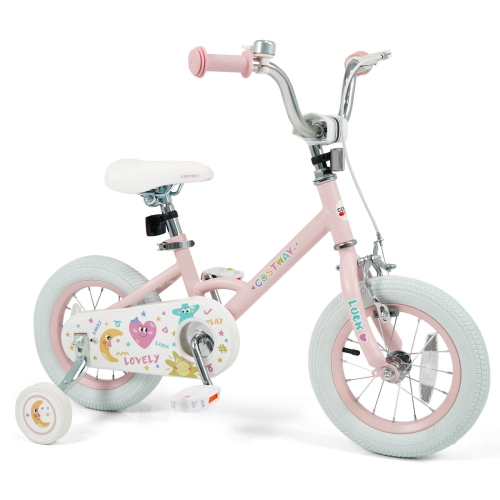
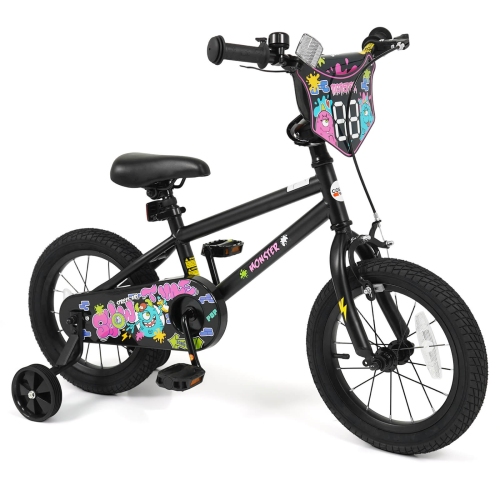
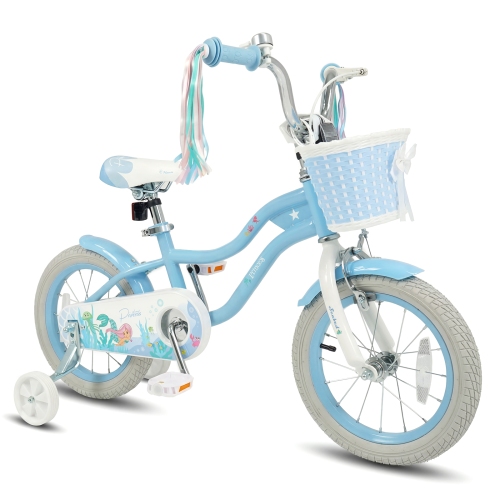
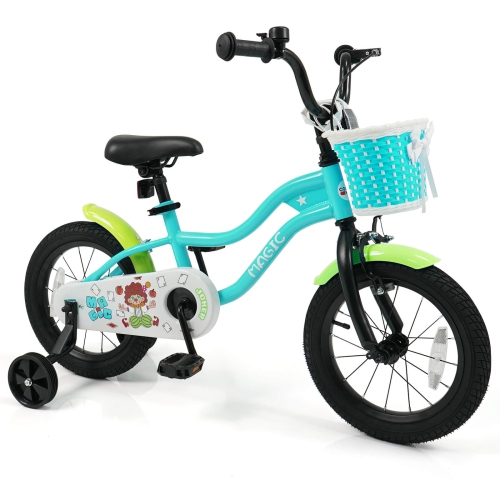
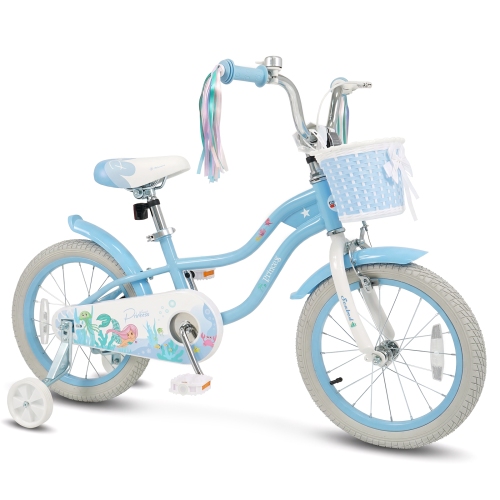
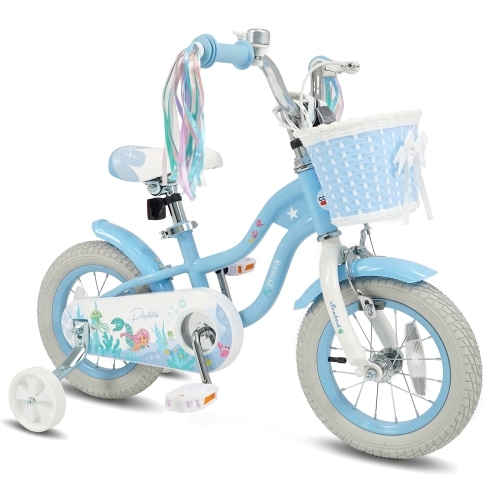
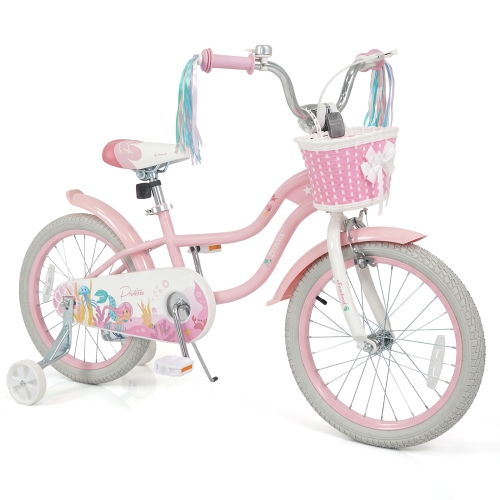
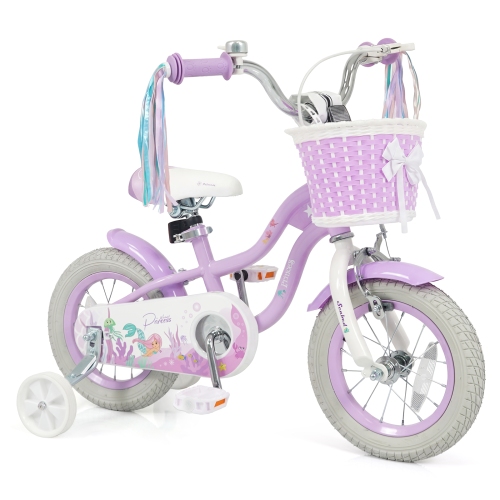
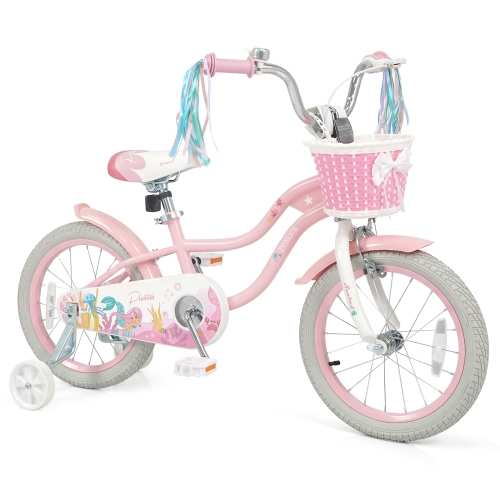
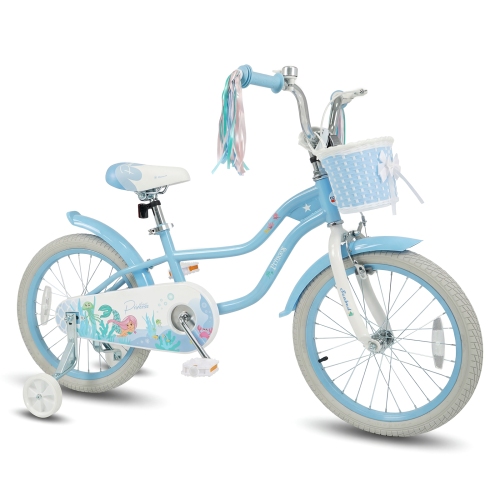
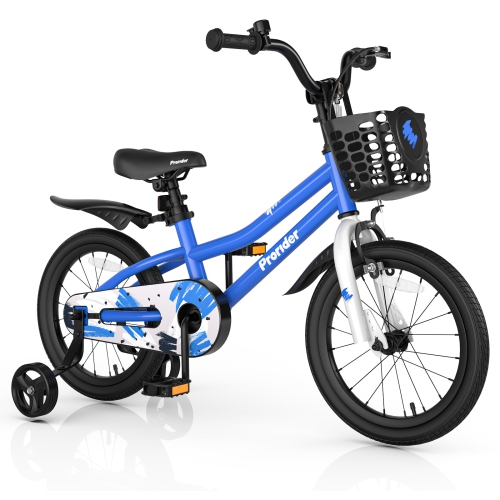
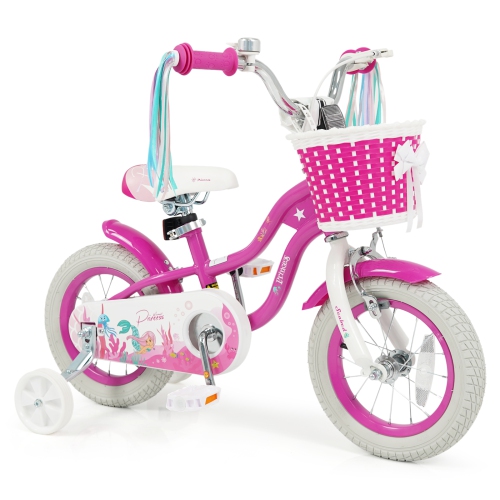
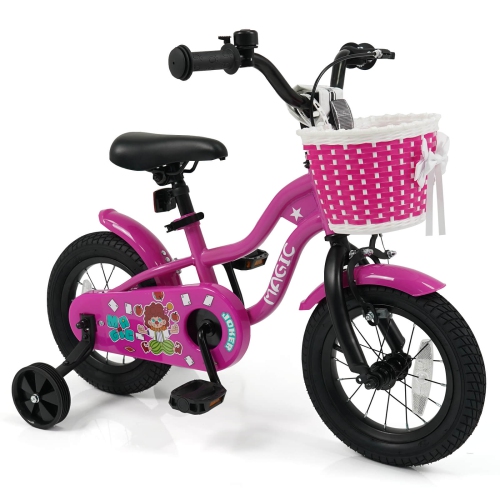
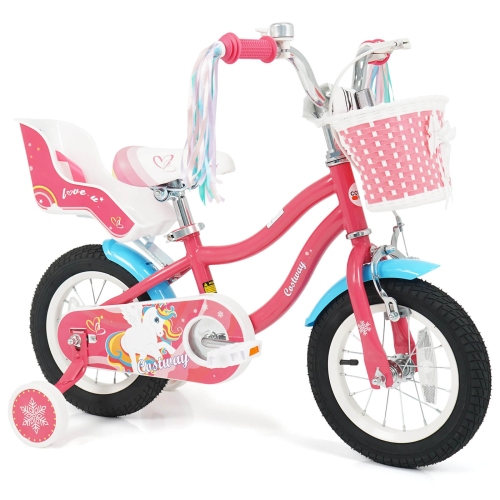
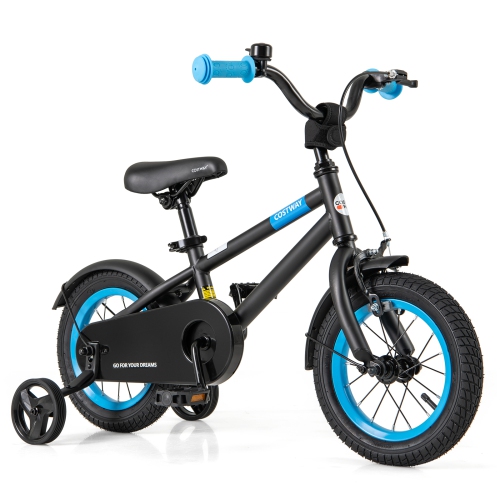
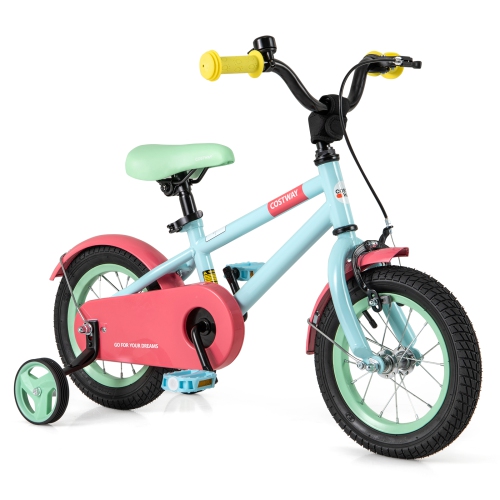
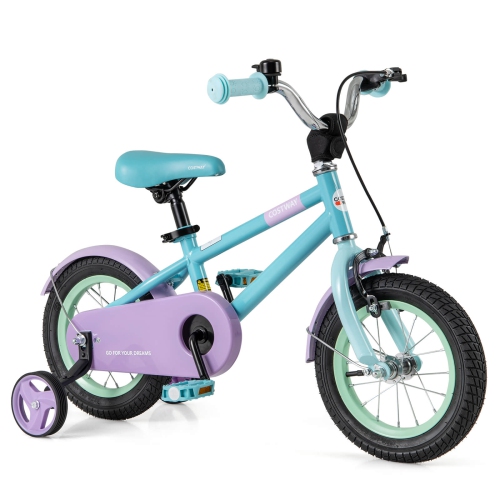
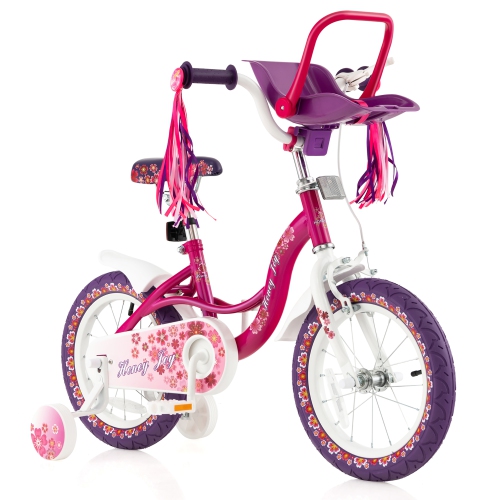
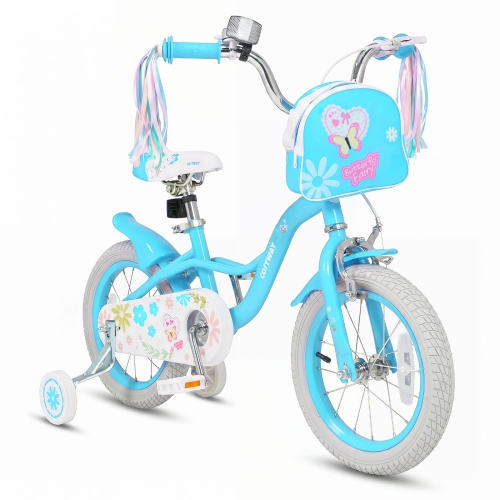
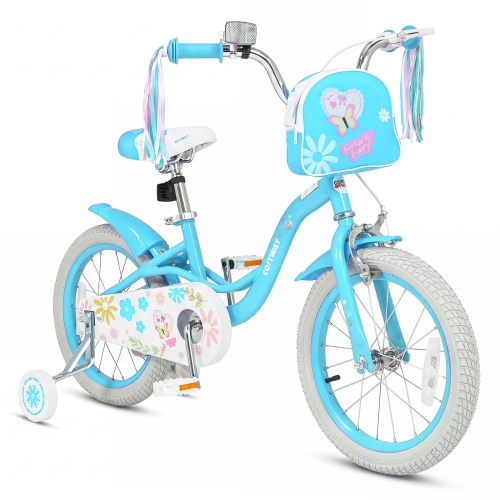
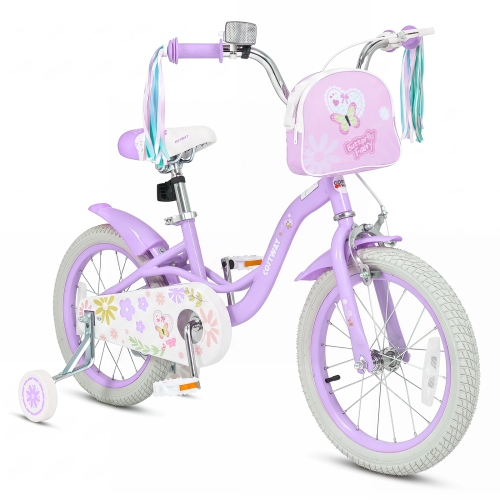
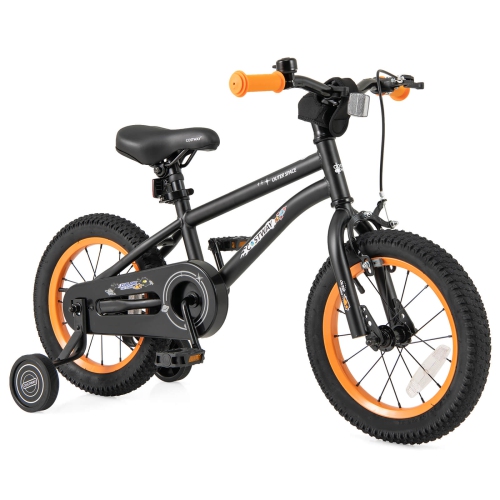
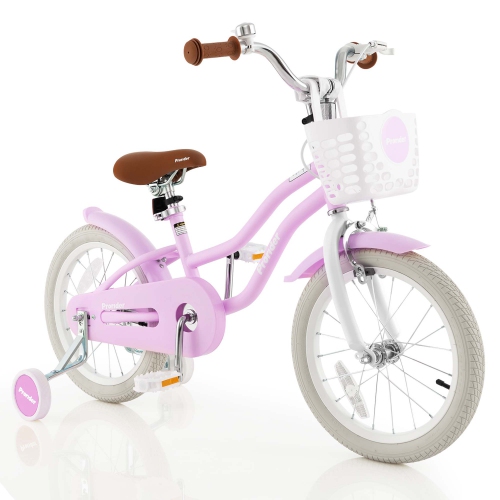
Bikes with training wheels are a welcoming way for young riders to experience the freedom of cycling while they build balance, coordination and confidence. The stabilizers on either side of the rear wheel help keep the bike upright, giving children a steady platform for practising pedalling, steering and stopping. They can be used on quiet sidewalks, driveways, paved paths and other suitable riding areas where a child has plenty of room to move at a comfortable pace. During the warmer part of the year, a first ride might mean a slow loop around the driveway with a parent walking alongside; as the weather turns cooler, the bike can still be ready for short outdoor outings whenever conditions are dry and comfortable. Bikes with training wheels can also make thoughtful gifts for birthdays, special occasions or a child’s first big-kid milestone. When choosing one, consider the rider’s height and inseam rather than relying on age alone. A child should be able to sit comfortably, reach the handlebars without stretching and place their feet securely on the ground when stopped. As a general starting point, 12-inch wheels are often suited to toddlers around 3 to 4 years old with a height of approximately 31 to 41 inches, while 14-inch to 16-inch wheels commonly suit children around 3 to 6 years old with a height of approximately 37 to 51 inches. Eighteen-inch wheels may be a better fit for some riders around 5 to 8 years old who measure approximately 47 to 59 inches. These ranges are only guidelines, since children grow at different rates and frame geometry can vary between bicycles. Checking the manufacturer’s sizing information and comparing it with the child’s measurements can help create a more comfortable fit.
Features that support adjustability and gradual skill development can make a meaningful difference as a young rider gains experience. An adjustable seat allows the bike to accommodate growth, while adjustable handlebars can help maintain a natural riding position as a child becomes taller. Removable training wheels are especially useful for families who want the bike to adapt when the rider begins to balance independently. Some children are ready to try without stabilizers after a few rides, while others prefer more time to practise; a removable design lets families make that change when the child is comfortable rather than replacing the bicycle. Braking is another important consideration. A rear coaster brake, activated by pedalling backwards, is often straightforward for younger riders to learn, while a small hand brake can introduce the hand control they may use on a larger bicycle later. If a model includes both systems, check that the levers are easy for small hands to reach and operate. An enclosed chain guard helps shield fingers, shoelaces and loose clothing from the moving chain, which is useful when children are still learning how to mount, dismount and position their feet. Look for pedals with a grippy surface, a handlebar with comfortable grips and a frame that feels manageable when the child is moving the bicycle by hand. A lightweight design may be easier to steer and lift, although stability and a durable construction remain important for everyday family use. Before the first ride, an adult should check that the seat, handlebars, pedals, wheels and training-wheel hardware are firmly secured, with the wheels aligned and the brakes working properly.
The best bike with training wheels is one that matches the child’s current size, confidence and riding environment. A beginner who is still learning to pedal may appreciate a straightforward design with easy-to-use controls, while a more adventurous rider may benefit from removable stabilizers and a seat that offers room to grow. Think about where the bicycle will be stored and transported as well: families with limited storage may prefer a more compact frame, while a bike that will travel to a park or cottage may need to fit comfortably in a vehicle or on an approved carrier. A helmet that fits snugly and sits level on the head is an essential companion, and bright clothing or reflective details can help a child remain visible in lower-light conditions. Closed-toe shoes, properly fastened laces and comfortable clothing can make each ride easier and safer. An adult should supervise young riders, choose smooth areas away from traffic, inspect the path for gravel or puddles and explain simple habits such as looking ahead, keeping both hands on the handlebars and slowing down before stopping. Children often learn in small, memorable steps: first managing a few turns without wobbling, then braking at a driveway line, and eventually completing a familiar route with a proud smile. Families shopping for a particular age range can also browse Bikes for 5 Year Olds With Training Wheels to find options designed around the needs of young riders at that stage. With the right fit and a little patience, bikes with training wheels can turn ordinary outdoor time into an enjoyable way for children to develop confidence, independence and a lasting interest in cycling.
Features that support adjustability and gradual skill development can make a meaningful difference as a young rider gains experience. An adjustable seat allows the bike to accommodate growth, while adjustable handlebars can help maintain a natural riding position as a child becomes taller. Removable training wheels are especially useful for families who want the bike to adapt when the rider begins to balance independently. Some children are ready to try without stabilizers after a few rides, while others prefer more time to practise; a removable design lets families make that change when the child is comfortable rather than replacing the bicycle. Braking is another important consideration. A rear coaster brake, activated by pedalling backwards, is often straightforward for younger riders to learn, while a small hand brake can introduce the hand control they may use on a larger bicycle later. If a model includes both systems, check that the levers are easy for small hands to reach and operate. An enclosed chain guard helps shield fingers, shoelaces and loose clothing from the moving chain, which is useful when children are still learning how to mount, dismount and position their feet. Look for pedals with a grippy surface, a handlebar with comfortable grips and a frame that feels manageable when the child is moving the bicycle by hand. A lightweight design may be easier to steer and lift, although stability and a durable construction remain important for everyday family use. Before the first ride, an adult should check that the seat, handlebars, pedals, wheels and training-wheel hardware are firmly secured, with the wheels aligned and the brakes working properly.
The best bike with training wheels is one that matches the child’s current size, confidence and riding environment. A beginner who is still learning to pedal may appreciate a straightforward design with easy-to-use controls, while a more adventurous rider may benefit from removable stabilizers and a seat that offers room to grow. Think about where the bicycle will be stored and transported as well: families with limited storage may prefer a more compact frame, while a bike that will travel to a park or cottage may need to fit comfortably in a vehicle or on an approved carrier. A helmet that fits snugly and sits level on the head is an essential companion, and bright clothing or reflective details can help a child remain visible in lower-light conditions. Closed-toe shoes, properly fastened laces and comfortable clothing can make each ride easier and safer. An adult should supervise young riders, choose smooth areas away from traffic, inspect the path for gravel or puddles and explain simple habits such as looking ahead, keeping both hands on the handlebars and slowing down before stopping. Children often learn in small, memorable steps: first managing a few turns without wobbling, then braking at a driveway line, and eventually completing a familiar route with a proud smile. Families shopping for a particular age range can also browse Bikes for 5 Year Olds With Training Wheels to find options designed around the needs of young riders at that stage. With the right fit and a little patience, bikes with training wheels can turn ordinary outdoor time into an enjoyable way for children to develop confidence, independence and a lasting interest in cycling.
Top selling and popular products
-
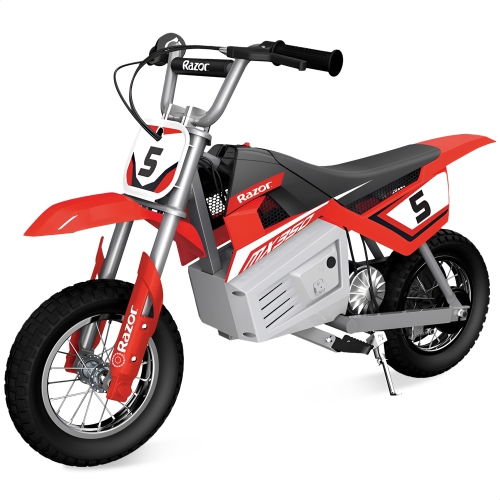 Your price for this item is $611.99
 -
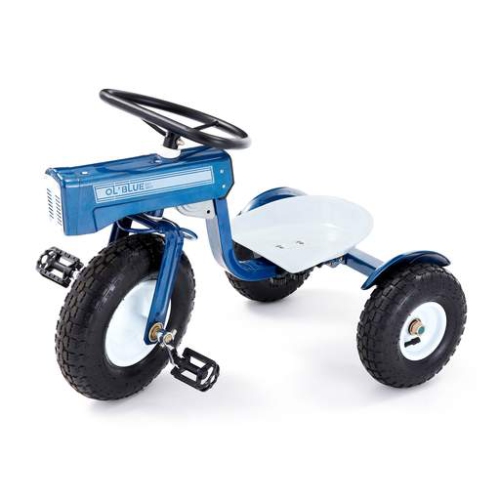 Your price for this item is $280.99
 -
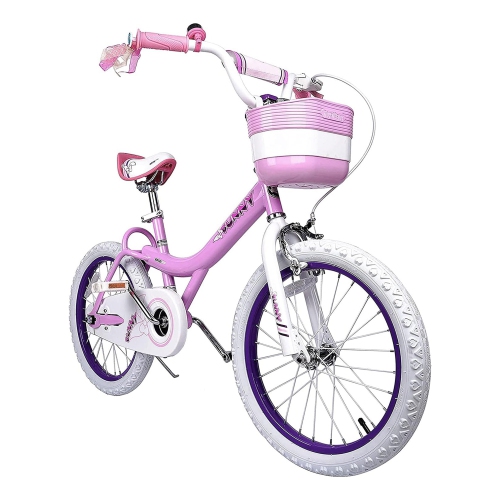 Your price for this item is $319.99
 -
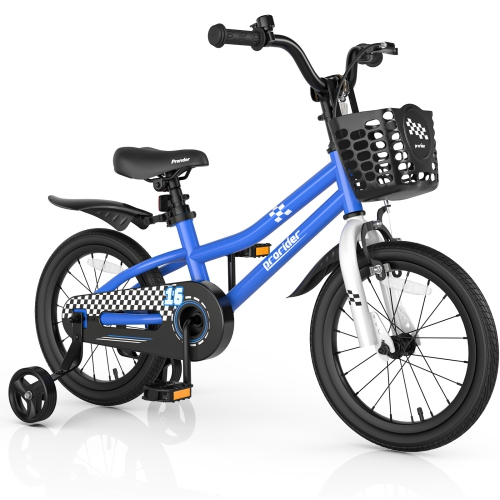 Your price for this item is $128.99
 -
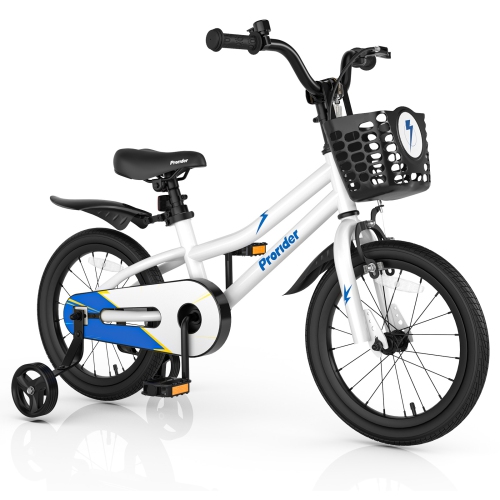 Your price for this item is $118.99
 -
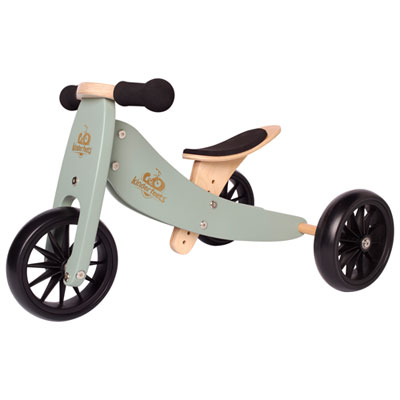 Your price for this item is $134.99
 -
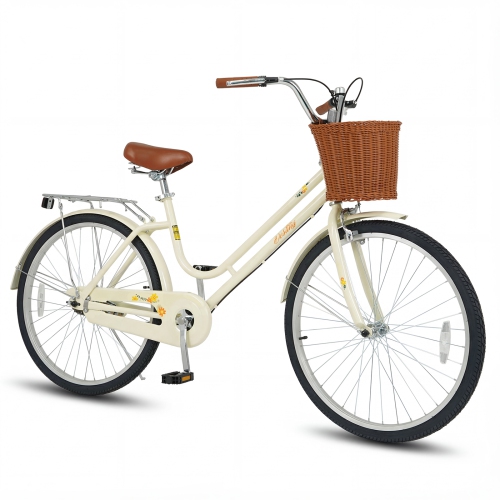 Your price for this item is $279.99
 -
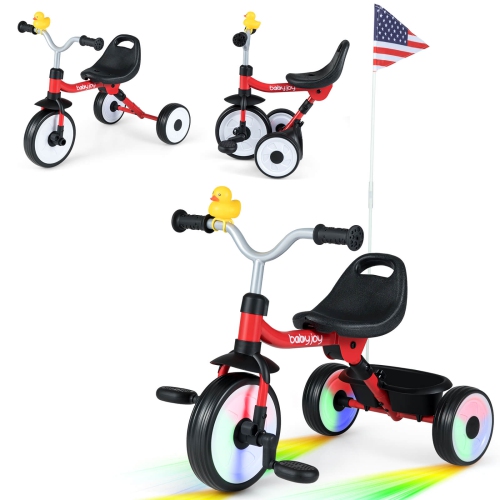 Your price for this item is $75.99
Discover more categories related to Bikes With Training Wheels
Top Collections:
Pokemon Centers, Best Cameras for Sports Photography, Kindle Devices, Samsung Galaxy Phones, Canon G7X Cameras, Pokémon 30th Celebration Cards, Refurbished Apple Laptops, iPhone 15 Apple, Laptops for Students, Budget Smartphones
Some products may be subject to Environmental Handling Fees
(EHF) depending on your province.
Learn more about EHFs.