Bikes for Kids
Cycling is not just a fun activity but also a great way for kids to stay active and enjoy the outdoors. Our collection of bikes for kids offers a wide range of options to suit every young rider's style and skill level. From colorful and sturdy training bikes for beginners to sleek and durable mountain bikes for more adventurous riders, we have something for every child looking to embark on their cycling journey. Discover the perfect bike that will spark joy and excitement in your little one as they pedal their way to new adventures.
Sort




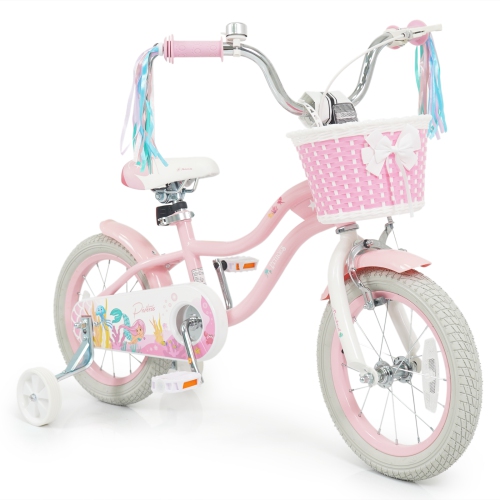


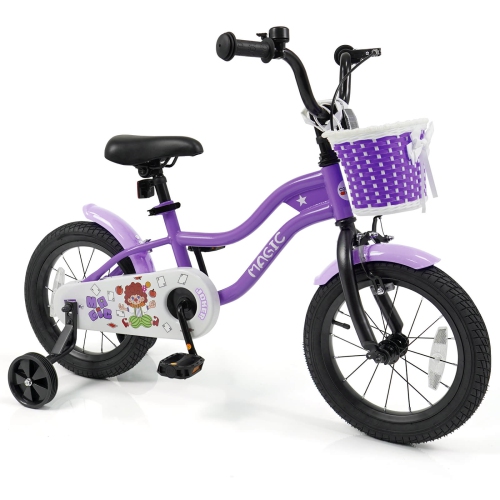
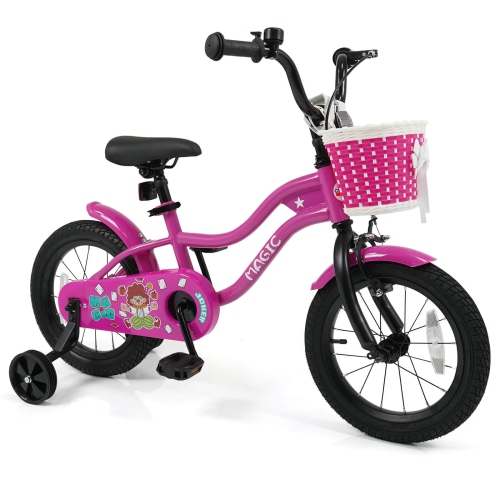
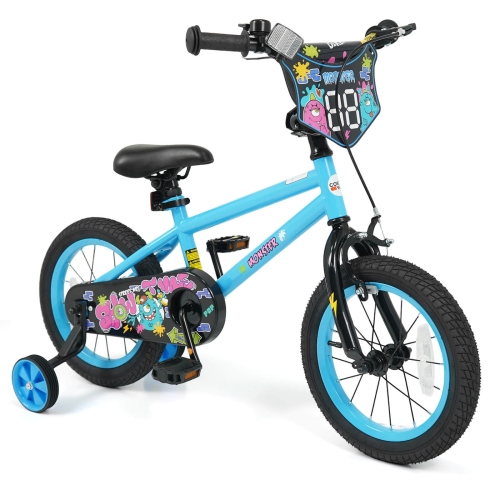














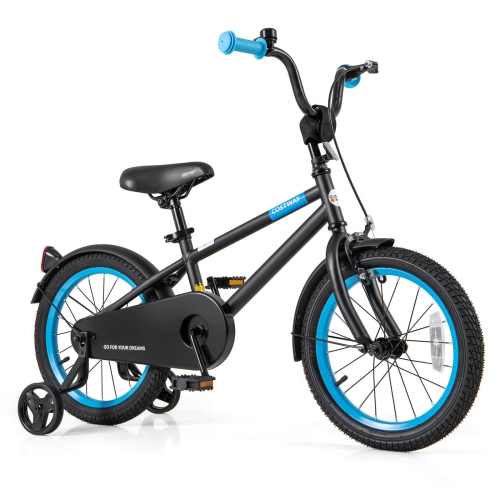

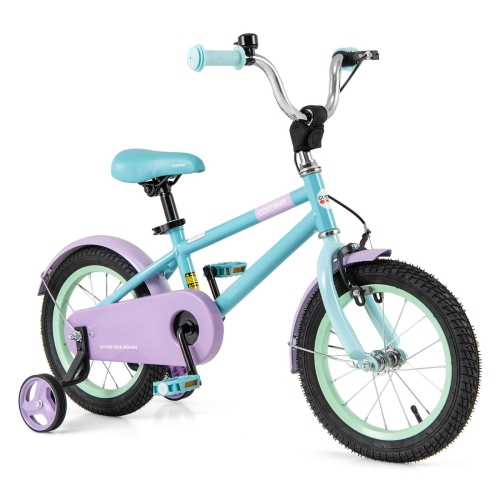


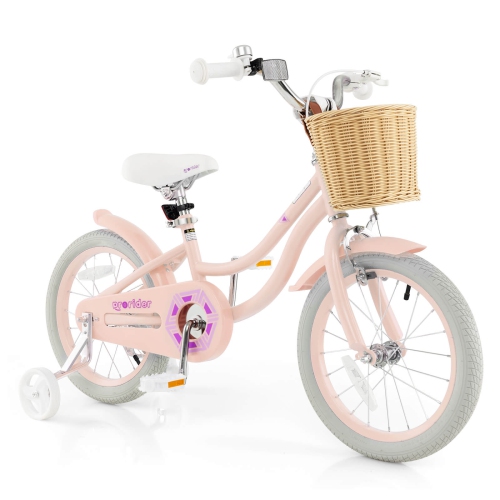


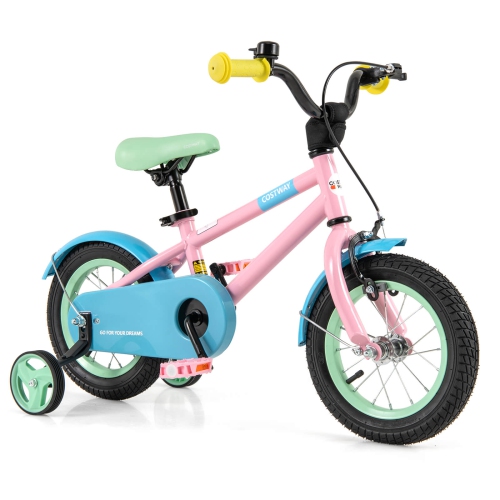































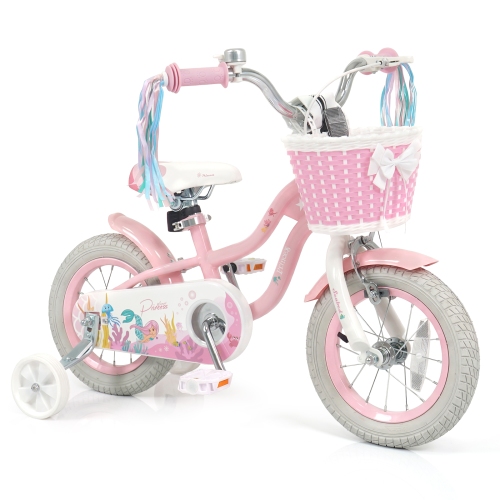
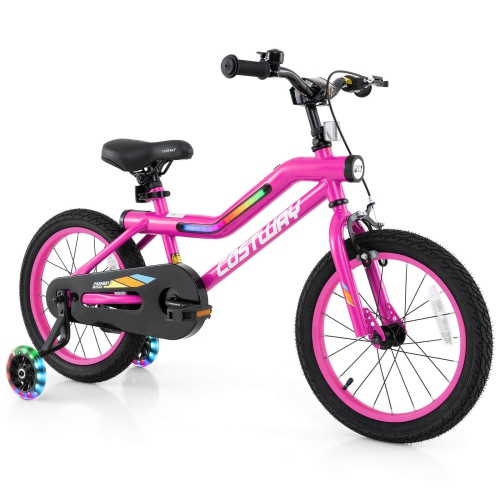


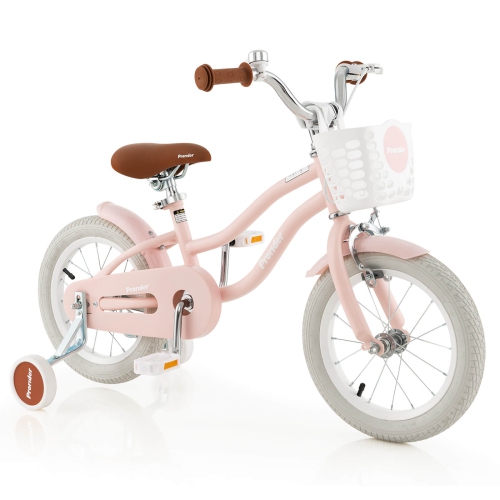
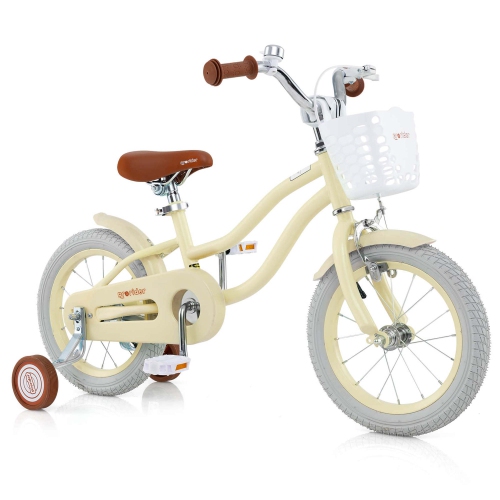











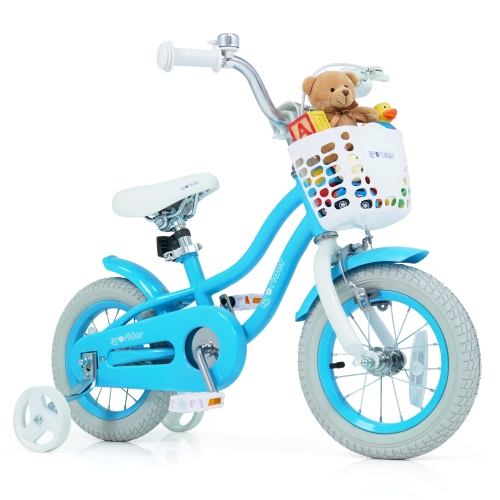

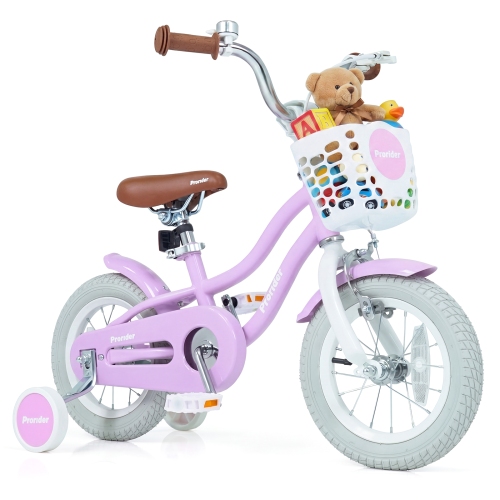
Why bike fit matters more than age alone
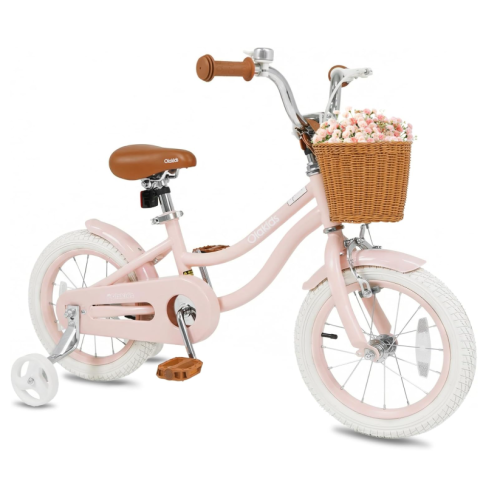
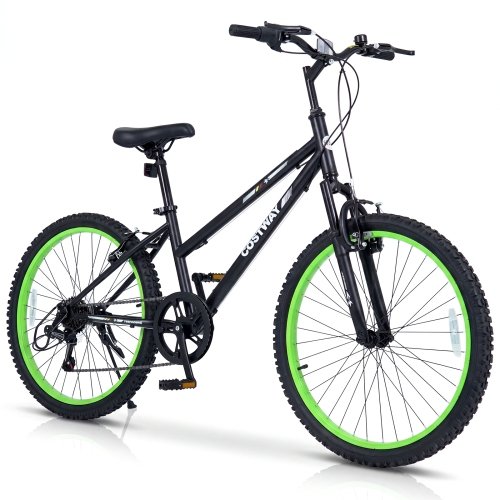
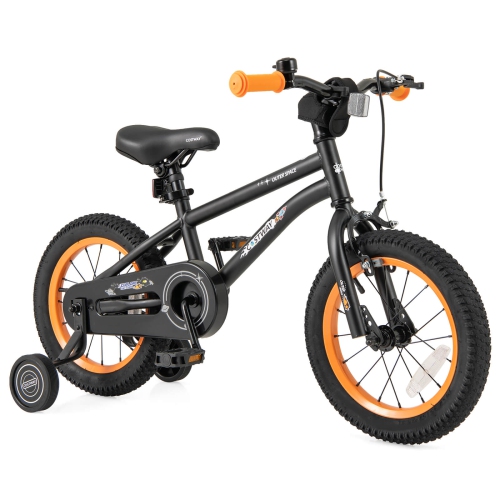
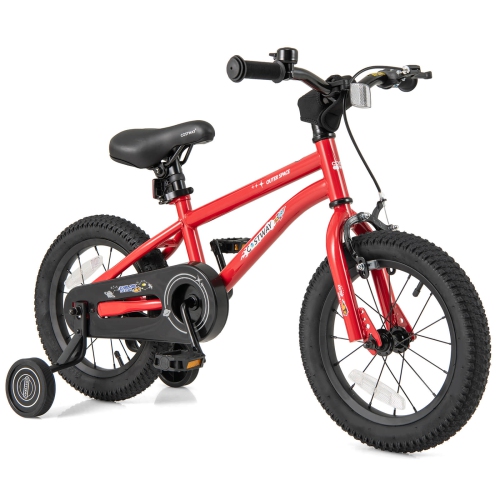
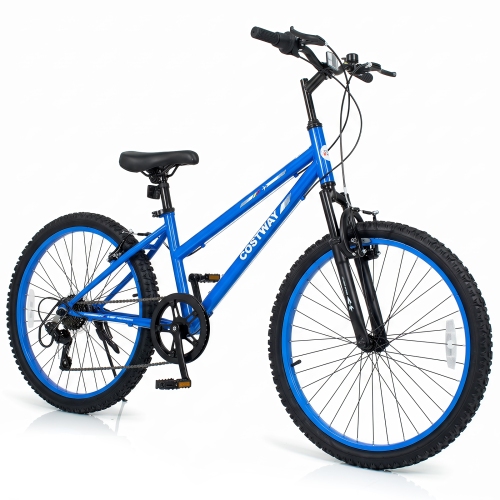
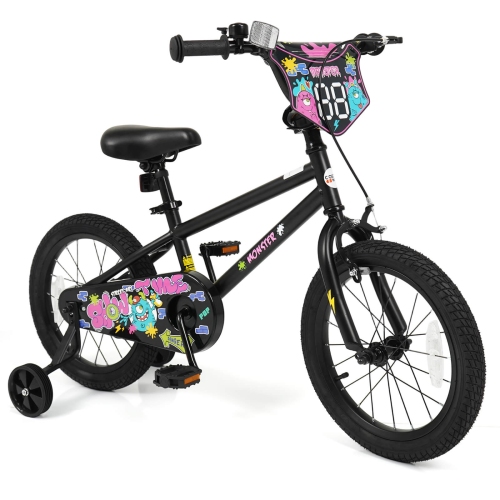
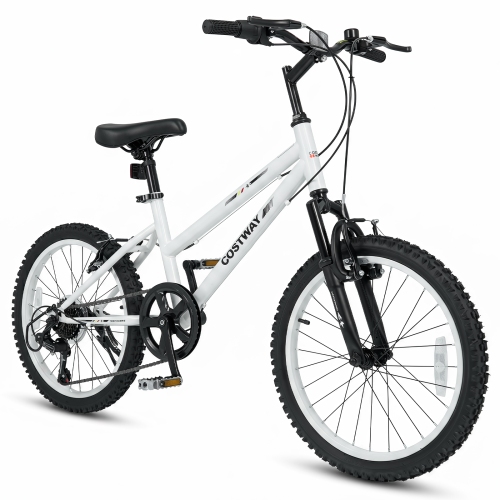
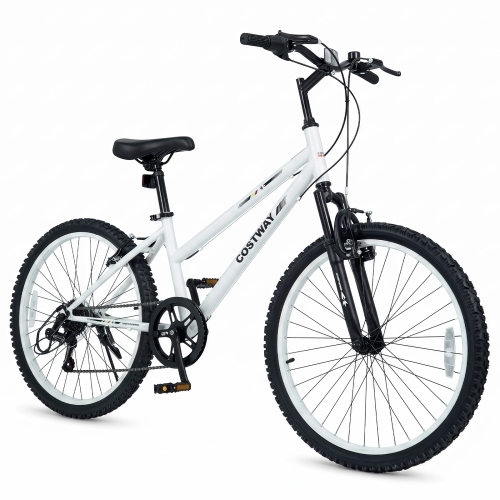
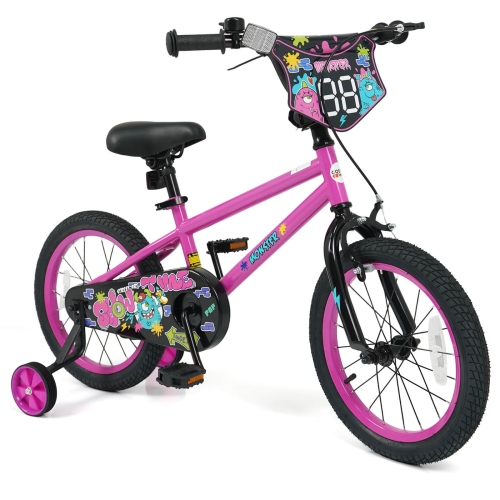
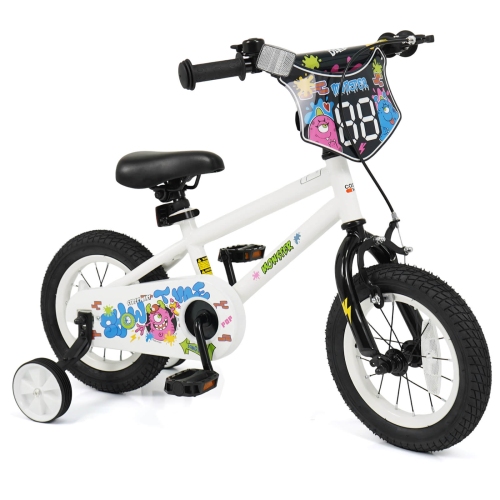
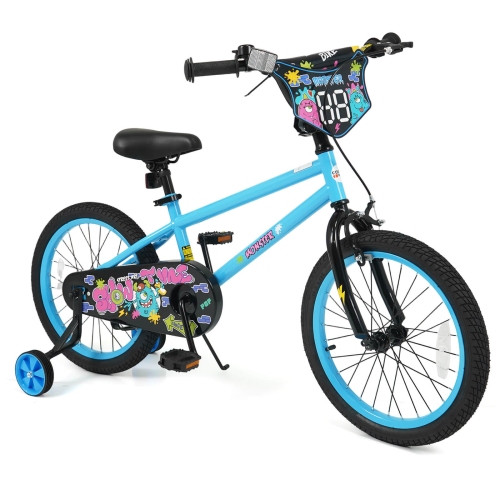
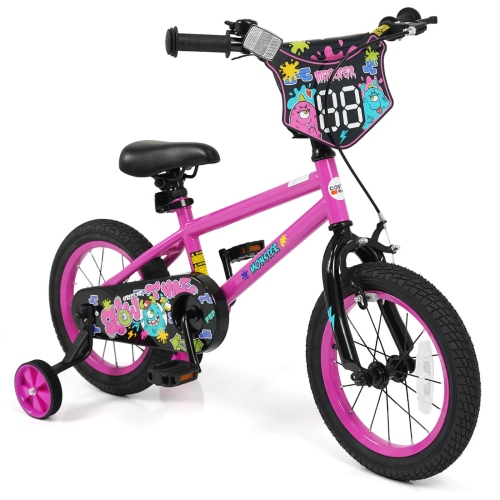
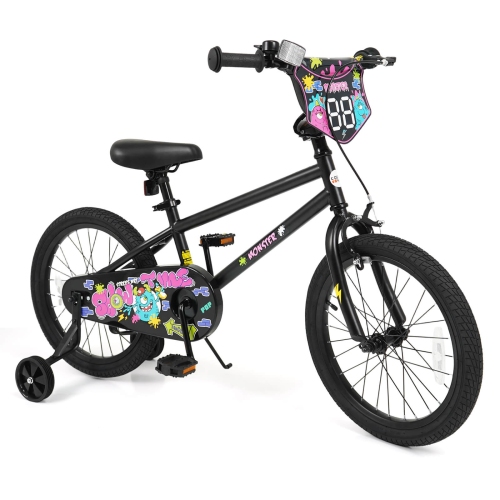
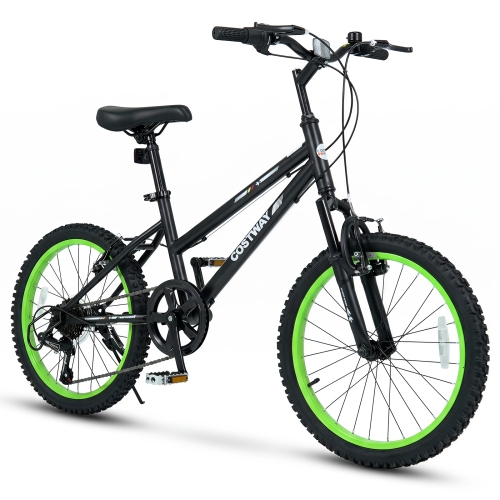
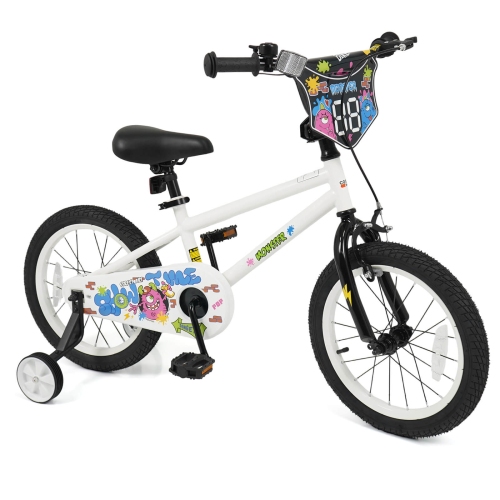
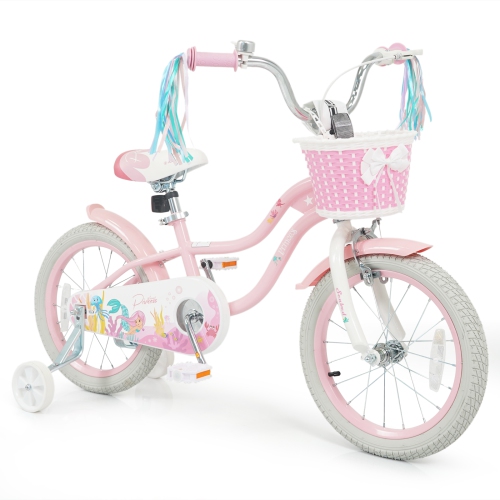
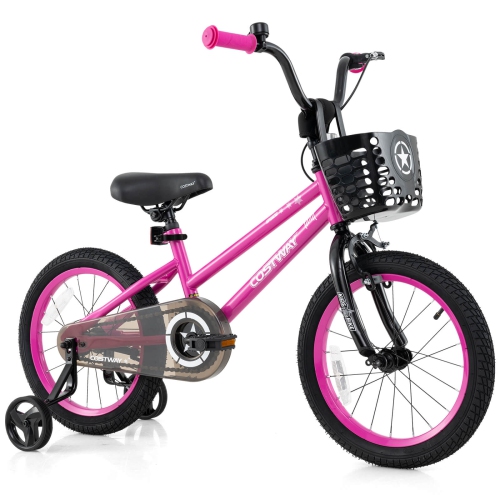
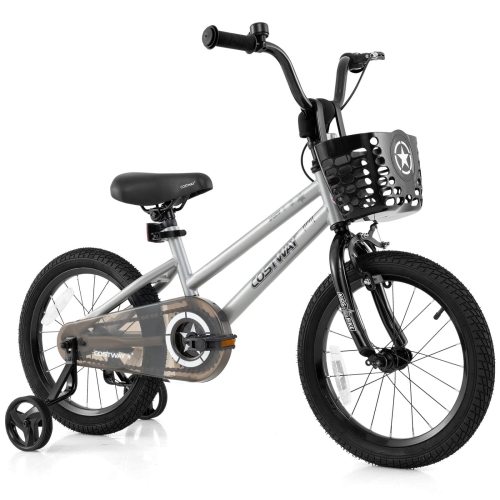
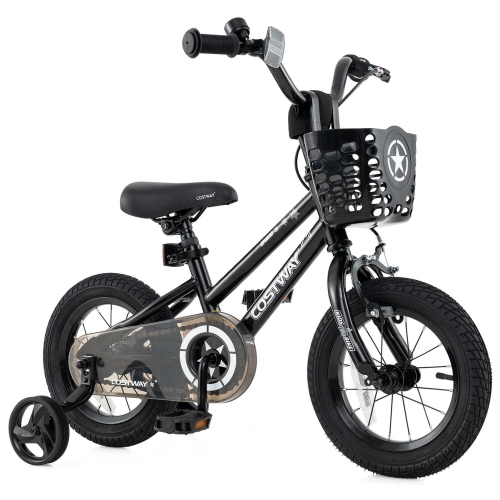
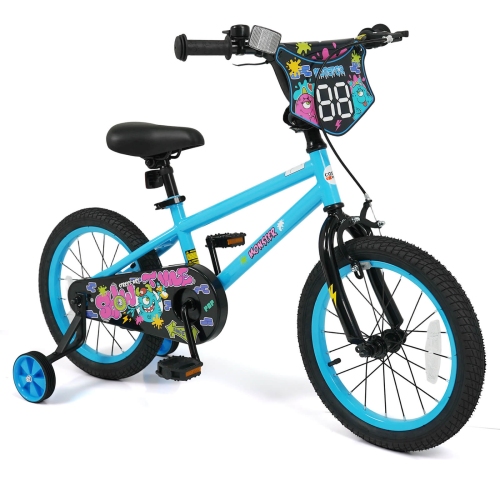
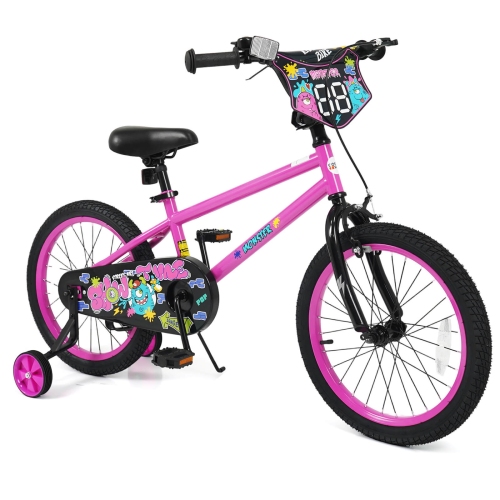
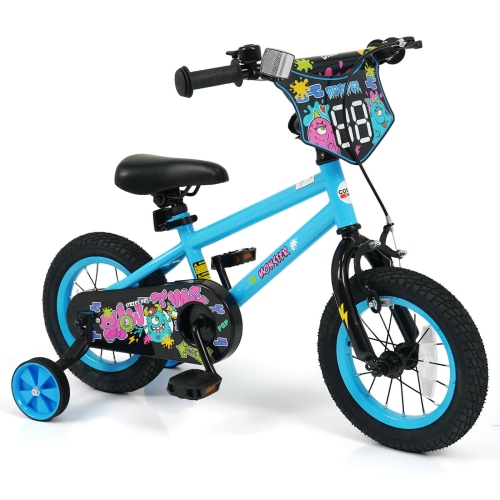
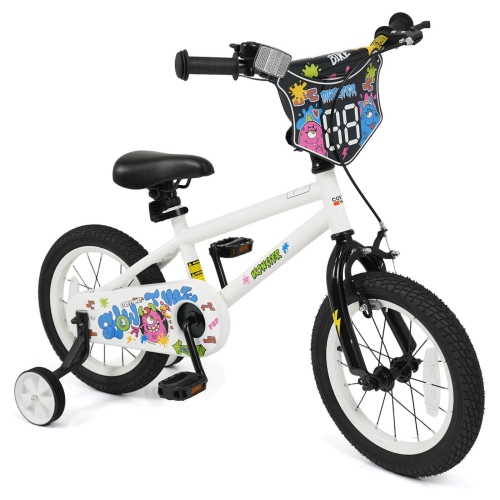
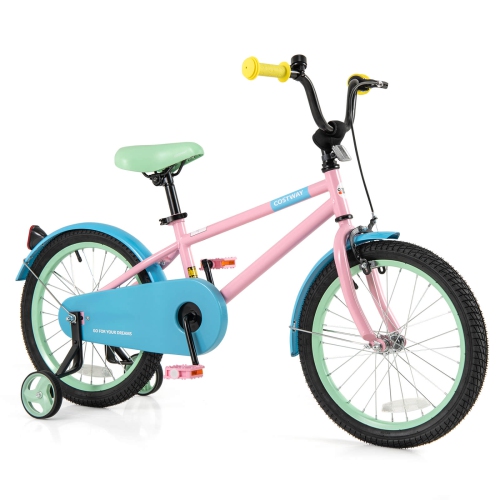
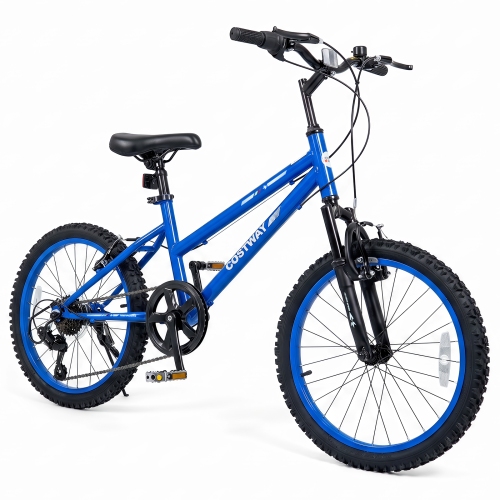
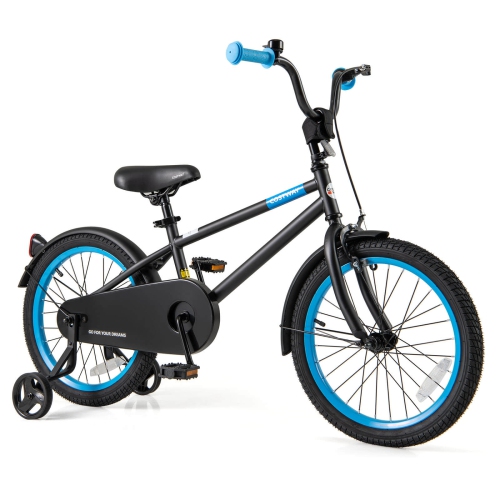
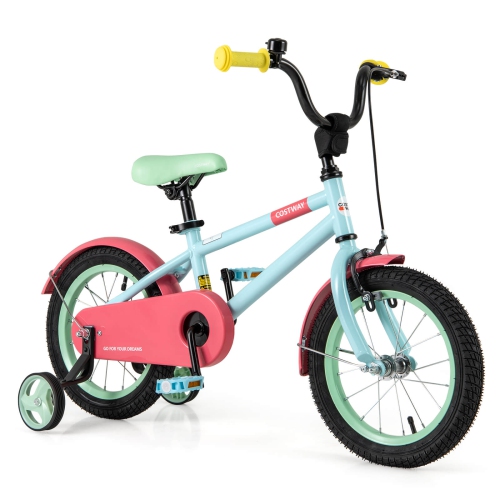
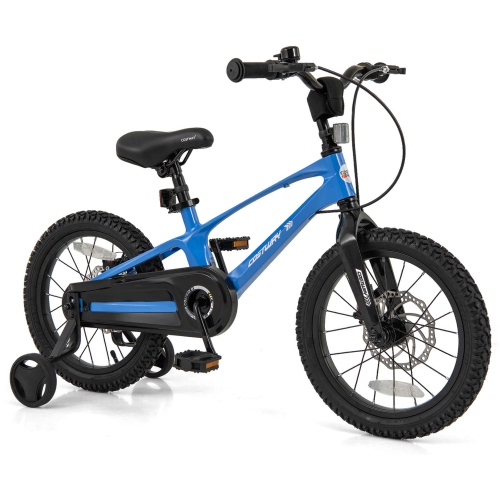
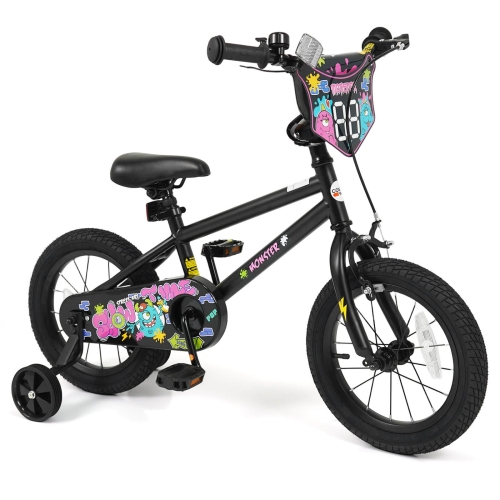
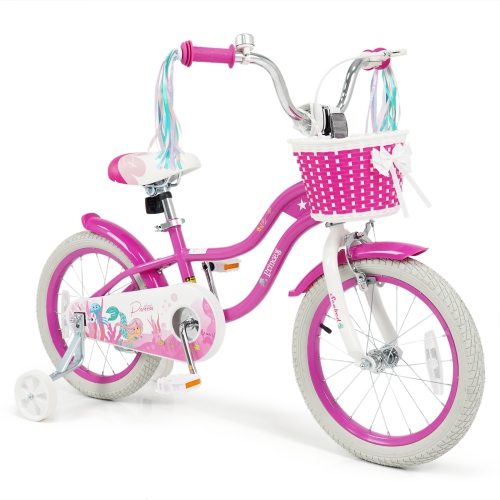
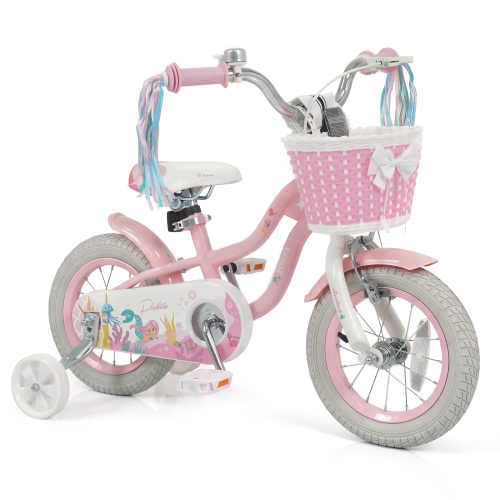
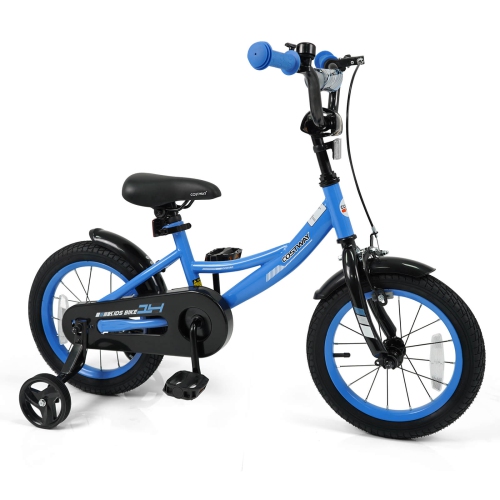
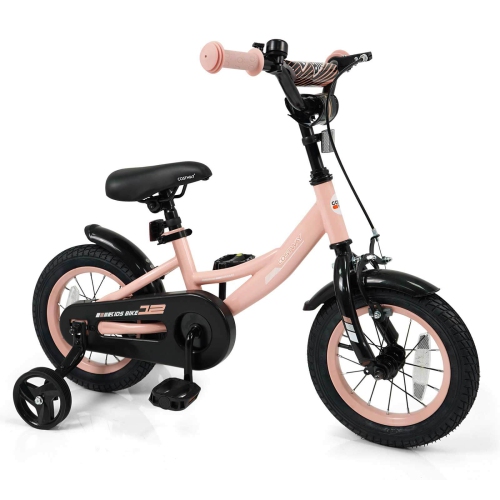
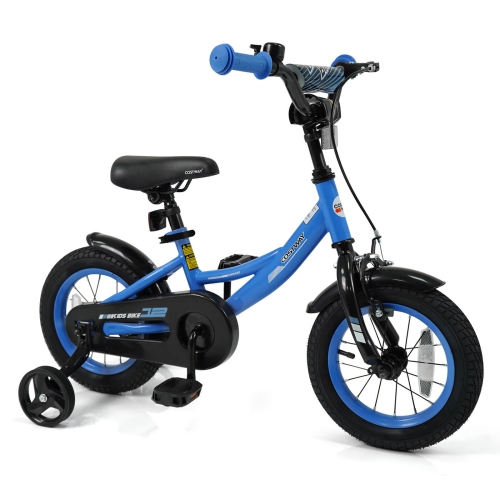
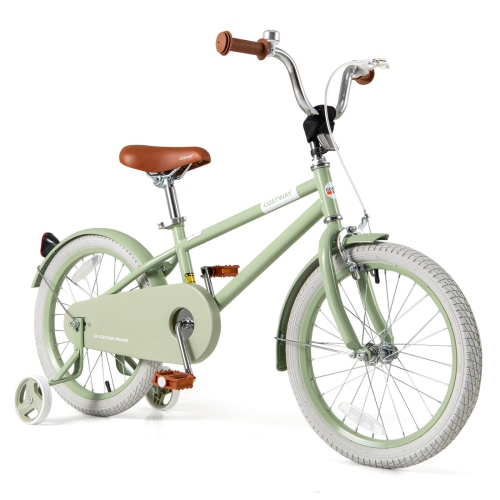
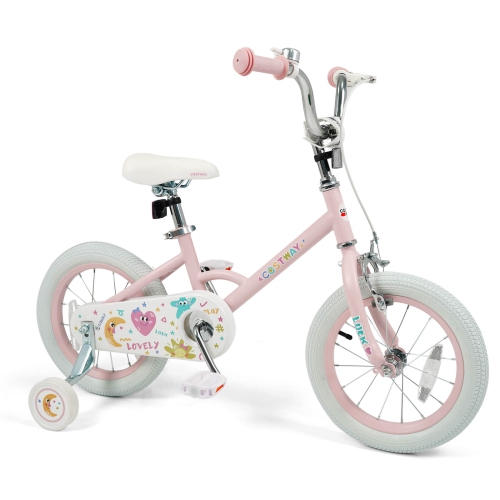
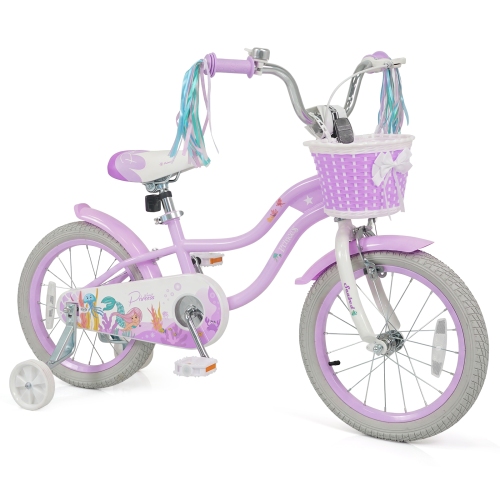
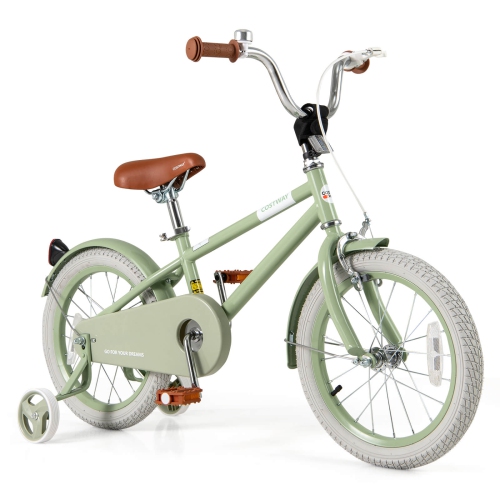
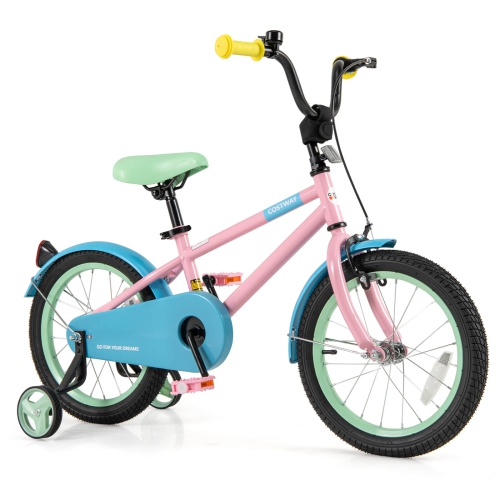
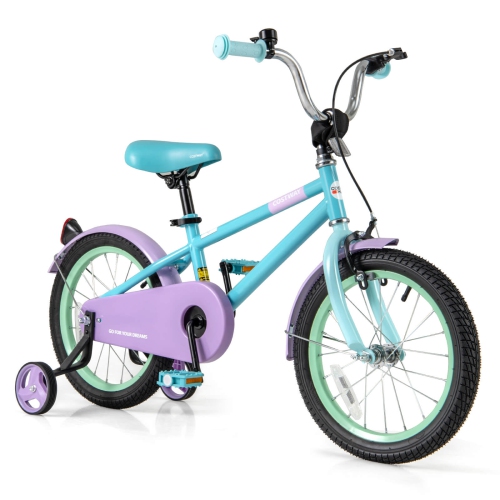
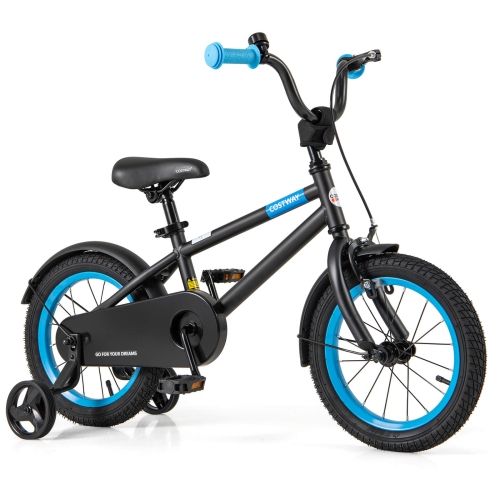
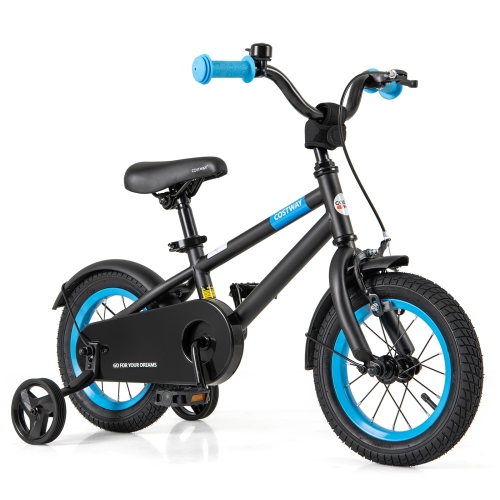
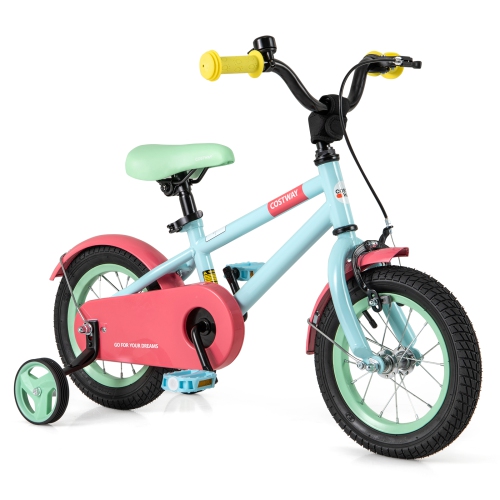
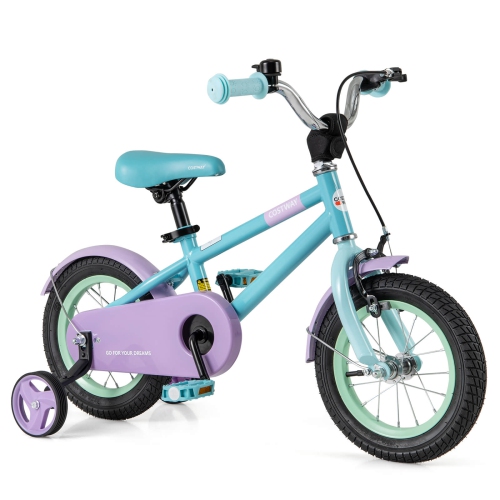
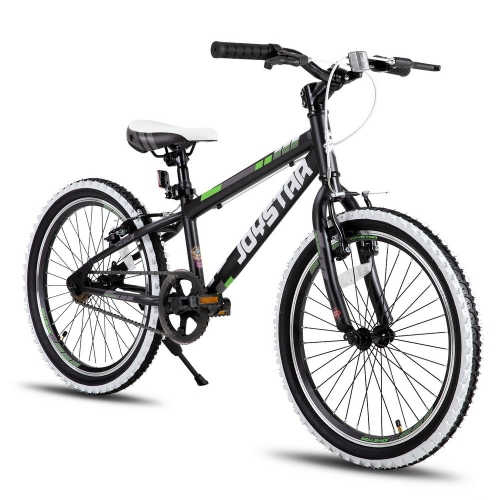
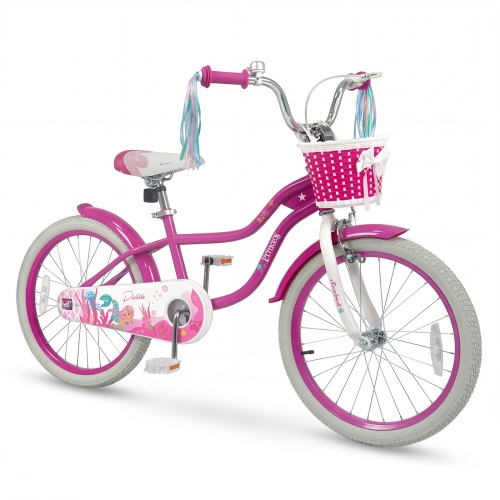
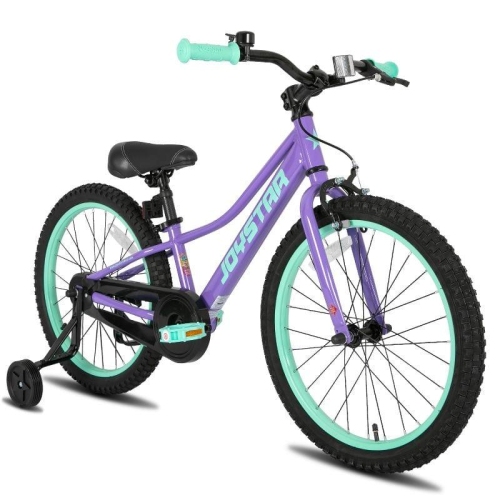
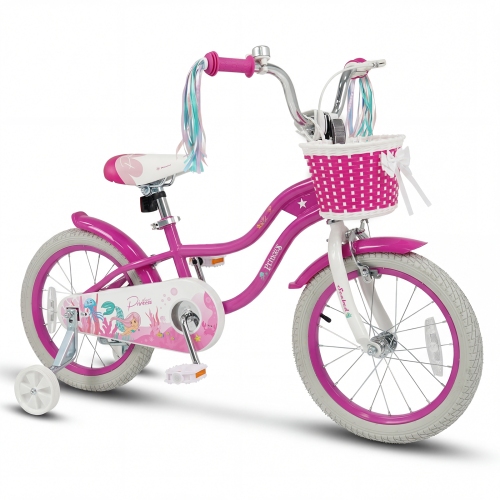
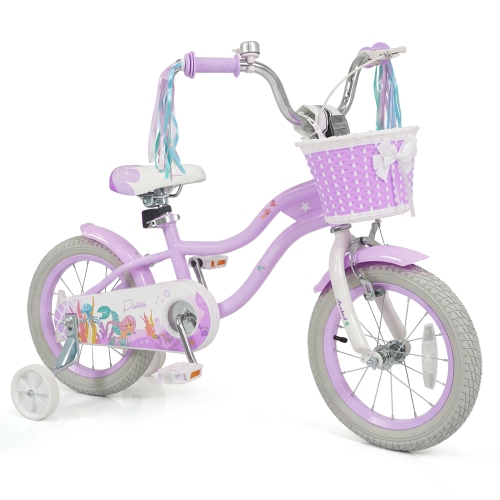
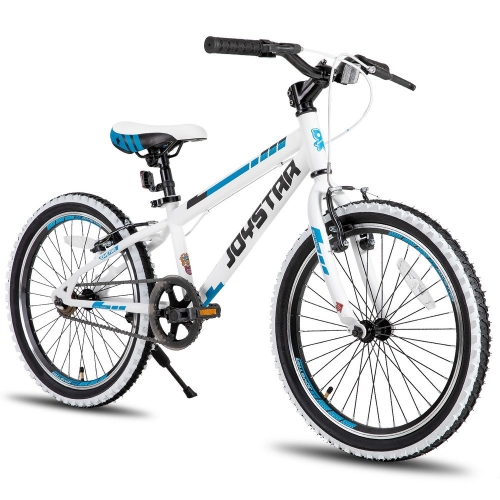
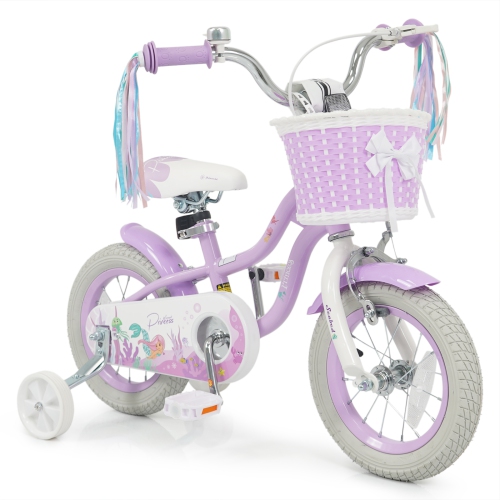
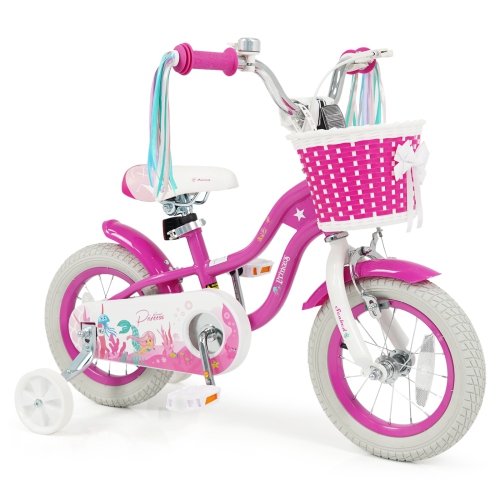
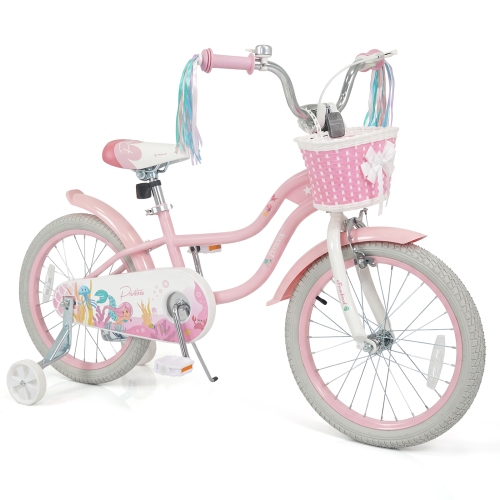
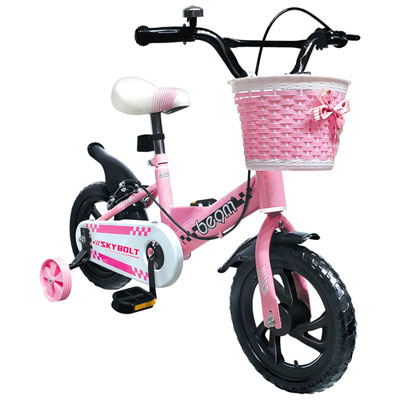
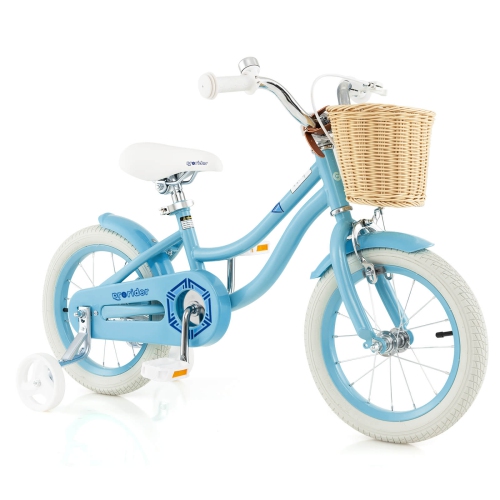
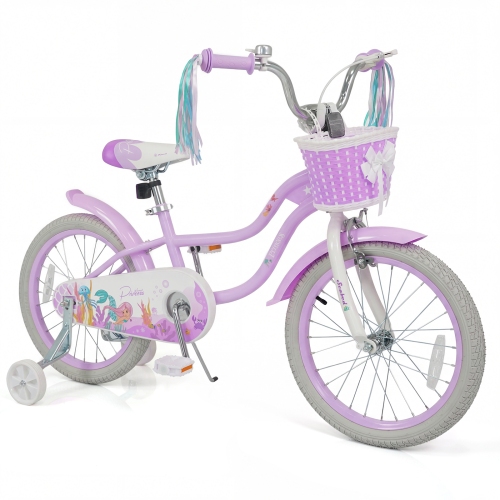
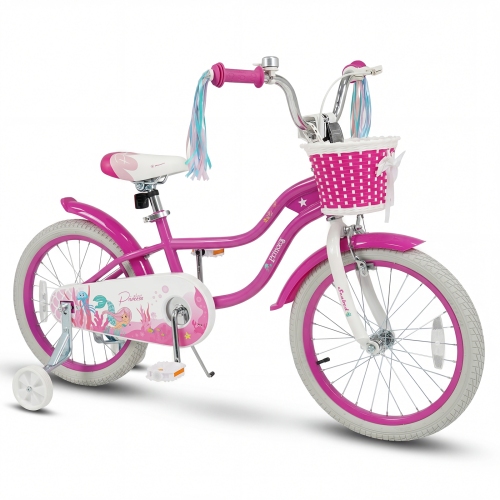
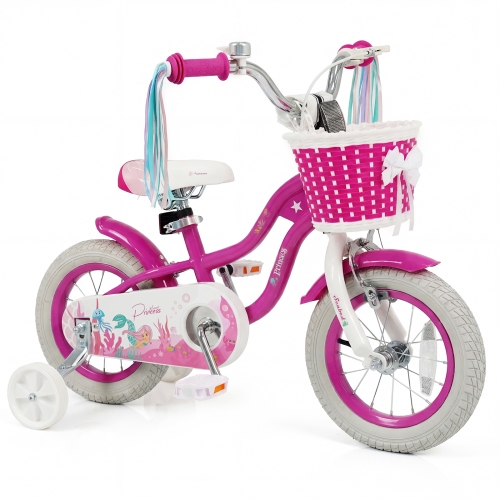
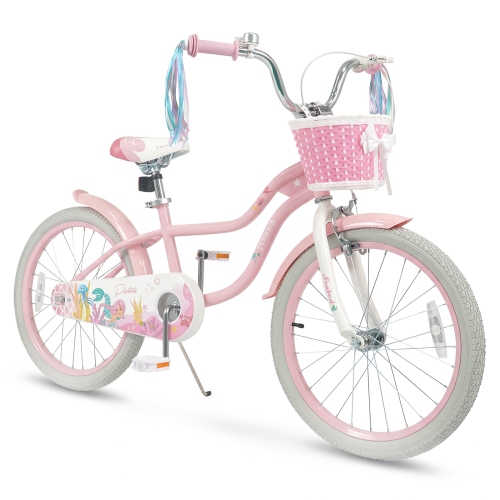
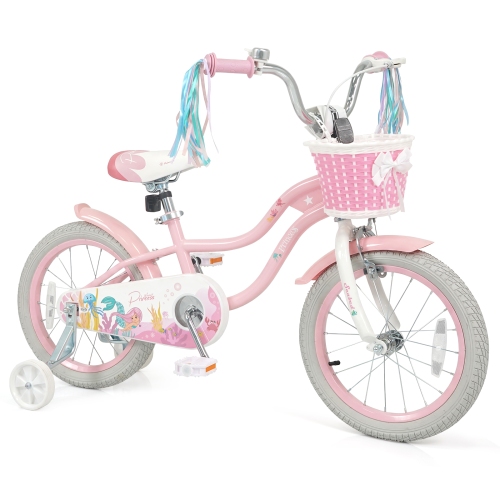
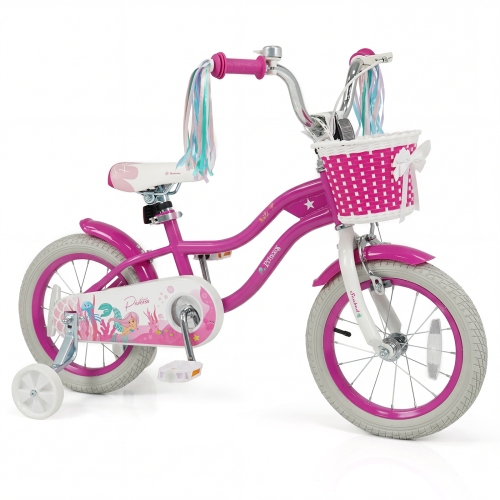
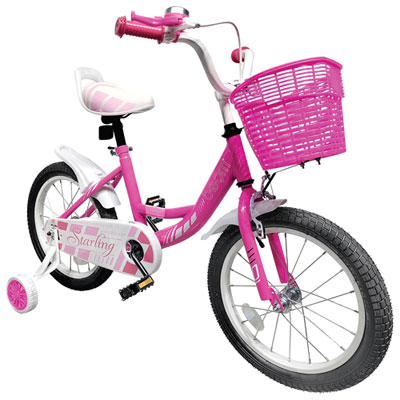
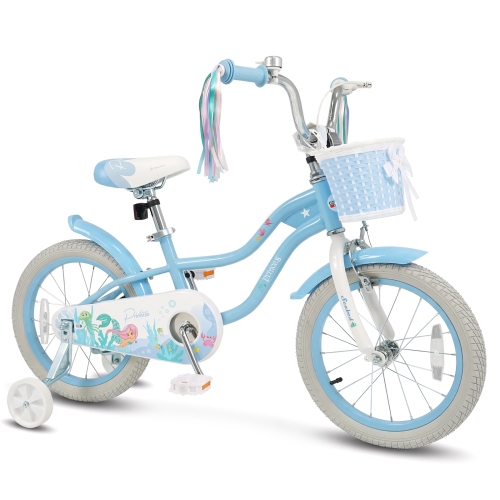
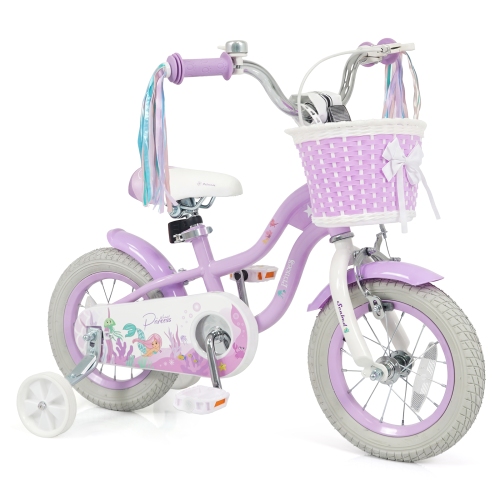
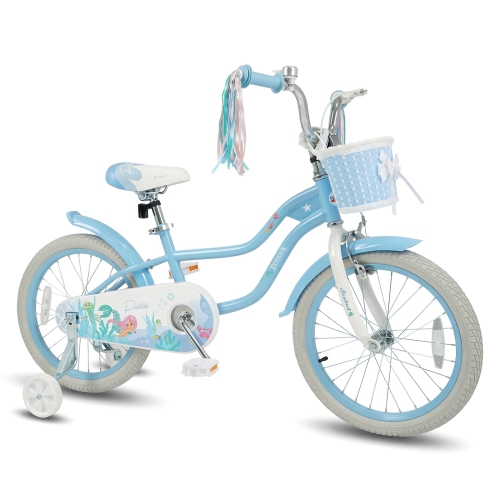
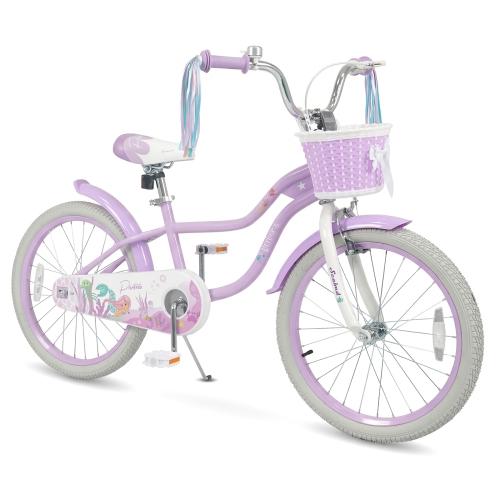
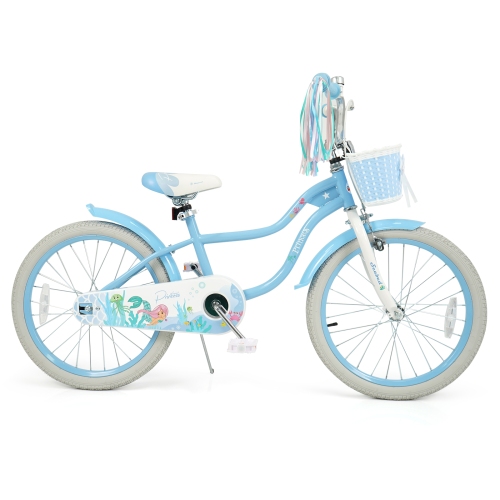
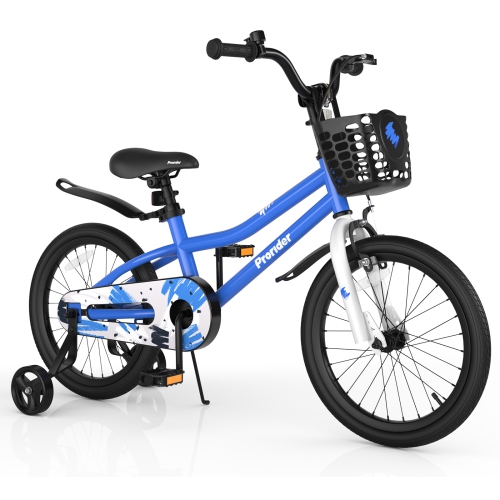
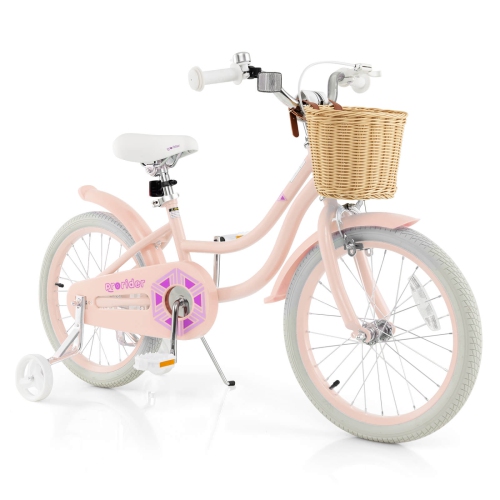
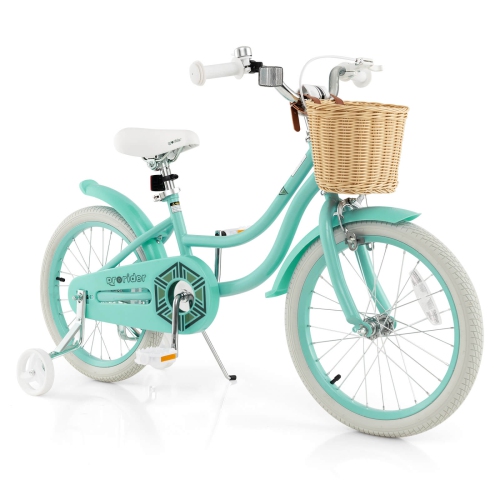
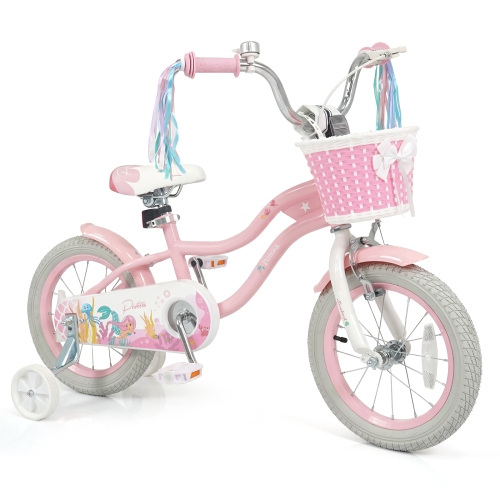
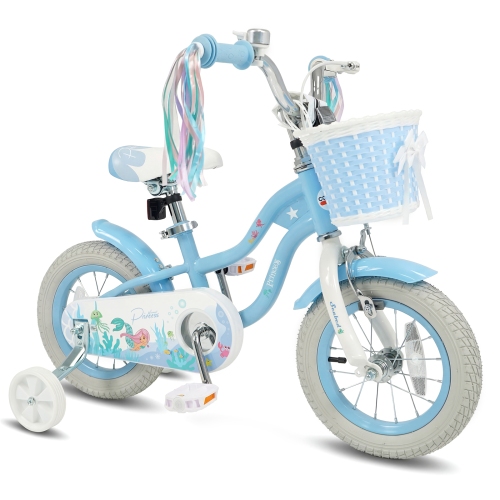
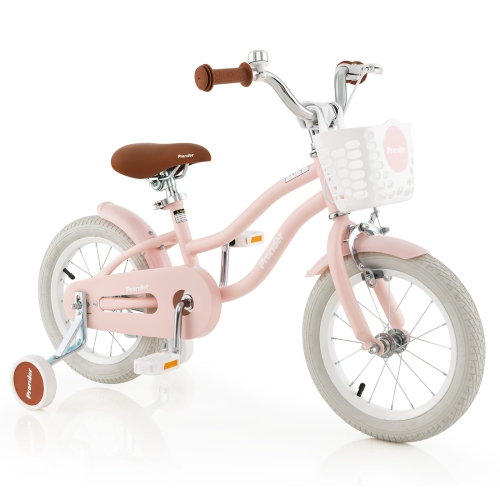
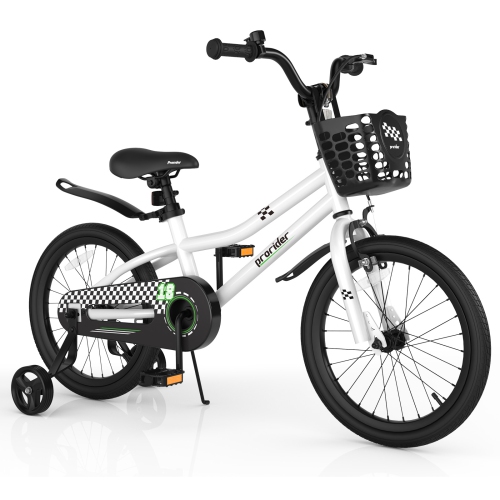
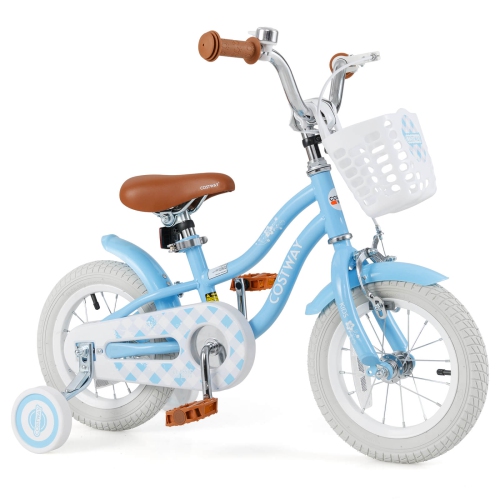
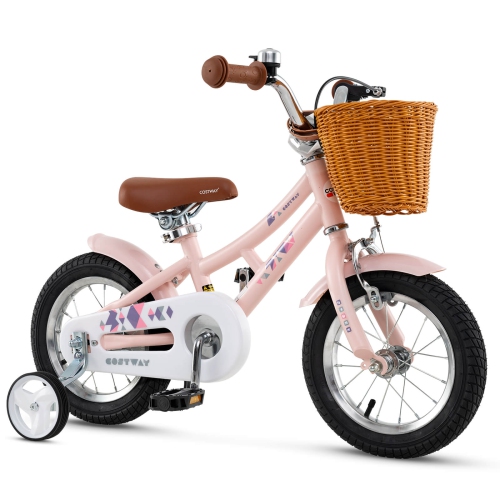
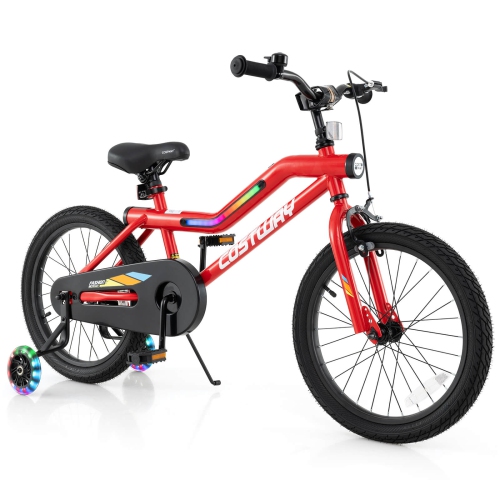
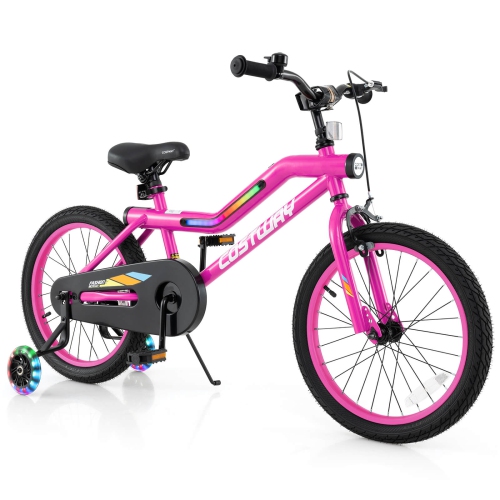
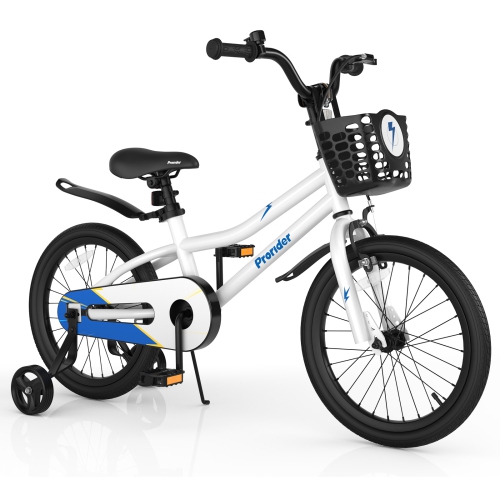
Bikes for kids support everything from a toddler’s first feet-on-the-ground glides to a confident rider’s trips along neighbourhood paths with family. The right fit depends more on a child’s height, inseam, reach, and riding ability than on age alone. Children of the same age can need different frame proportions, so wheel size is a starting point rather than a complete measure of fit. Common children’s bike wheel sizes include 12-inch, 14-inch, 16-inch, 20-inch, and 24-inch, with some overlap between sizes depending on the frame design. A manufacturer’s height range and minimum seat height help clarify whether a bike suits a particular child. Balance bikes have no pedals, allowing young riders to push with their feet, practise steering, and gradually lift their feet as their balance improves. They should allow comfortable contact with the ground while seated, without forcing the child to stretch. Small pedal bikes introduce pedalling and braking, and some accept removable training wheels for children who need support while learning those controls. Training wheels provide side-to-side support, but balancing independently remains a separate skill. Larger children’s bicycles may add gears or a more specialized frame shape as riding distances and interests develop. Across kids’ bikes, a manageable frame and comfortable riding position matter more than choosing the largest size a child might eventually grow into. A rider should be able to reach the handlebars and brake controls without locking their elbows or leaning awkwardly forward. There should also be suitable clearance when standing over the frame, where its shape allows. For a beginner, being able to put feet down readily can make stopping feel less intimidating; a more experienced pedal-bike rider may use a higher saddle position for efficient pedalling. Seat and handlebar adjustments offer useful room for growth only within the marked adjustment limits. A bike that is too tall or too long can make starting, turning, and stopping harder, even if its wheel size seems appropriate on an age chart.
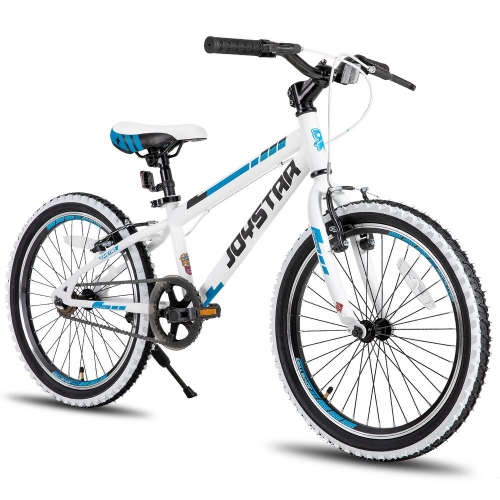
Construction and component choices shape how a child’s bike feels on an ordinary ride. Steel frames are often sturdy, while aluminum frames can offer a lower weight, although the total weight also depends on the wheels, fork, tyres, and other parts. For a small rider, weight is noticeable when pushing away from a stop, steering around a tight corner, or lifting a fallen bike from the ground. Comparing the whole bicycle rather than the frame material alone gives a clearer picture of how manageable it will be. A low step-over frame can make getting on and off easier, and child-sized grips, pedals, and cranks help keep the contact points in proportion to the rider. Brake design deserves particular attention. Coaster brakes work by pedalling backwards, while hand brakes require enough finger reach and grip strength to operate the levers. Neither layout replaces practice: children need to become familiar with how their own brakes respond before riding near other people or obstacles. Where adjustable brake levers are fitted, a properly set reach can make them easier for small hands to use. Single-speed bicycles keep the controls simple and often suit shorter rides on relatively level routes. Gears can help with hills and longer outings once a child is ready to learn shifting, but extra controls are not automatically an advantage for a new rider. Tyre tread and width should reflect the intended riding surface. A smoother tread generally rolls easily on pavement, while a more pronounced tread can provide useful traction on loose paths. Air-filled tyres offer cushioning and require pressure checks; solid tyres, found on some balance bikes, avoid punctures but feel different over uneven ground. Suspension can add weight and maintenance, so it is not essential for every path or neighbourhood ride. Children interested in rougher trails need a bicycle intended for that use, rather than one chosen only for a mountain-bike appearance. Matching the bicycle to the route helps keep the experience comfortable without adding features the child is unlikely to use.
Everyday care helps a children’s bicycle remain dependable through repeated practice sessions, family outings, and the occasional hand-me-down. Tyres should be kept within the pressure range specified for them, and brakes, wheel attachments, steering, and pedals need regular checks for secure operation. A loose handlebar or a brake lever that pulls too close to the grip is a reason to address the problem before the next ride. Chains benefit from appropriate bicycle lubricant, with excess wiped away so it does not collect grit; lubricant must stay off braking surfaces. Removing dirt with gentle cleaning and storing the bike in a dry place helps protect its finish and working parts. Seatposts and handlebar stems must remain within their insertion limits as adjustments are made, and any assembly or repair beyond a caregiver’s ability is best handled by a qualified bicycle technician. Durability also comes from details such as secure grips, sound wheels, and components that can be serviced as they wear. Chain guards can help keep clothing away from moving parts, though trouser cuffs, shoelaces, and straps still need to stay clear. A correctly fitted bicycle helmet is an essential companion, and enclosed footwear gives a firmer footing on the pedals than loose sandals. Early practice works best in an open, traffic-free area with a predictable surface and enough space to stop, with adult supervision suited to the child’s ability. For families choosing a bike as a birthday gift or to mark a riding milestone, the recipient’s measurements and confidence level are more useful than age-based assumptions. Colour and style can make the gift feel personal, but comfort and control determine whether it becomes a favourite part of the day. A child who enjoys short loops close to home may value simple controls and easy handling, while one joining longer family rides may benefit from a different fit and gearing. When a bicycle is passed to another child, a fresh fit assessment and mechanical check matter just as much as they did for its first rider.
Top selling and popular products
-
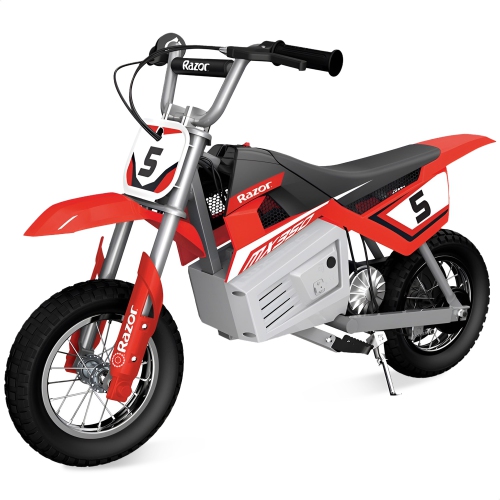 Your price for this item is $605.99
-
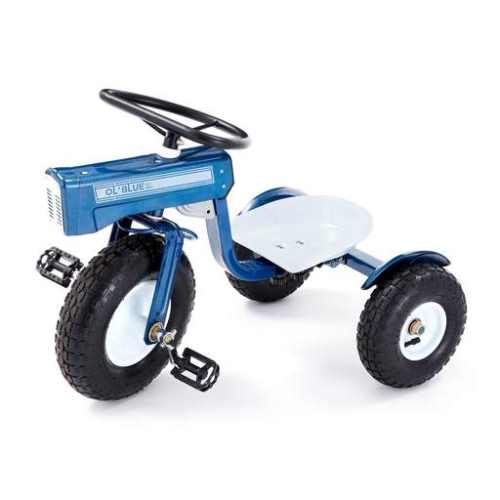 Your price for this item is $280.99
-
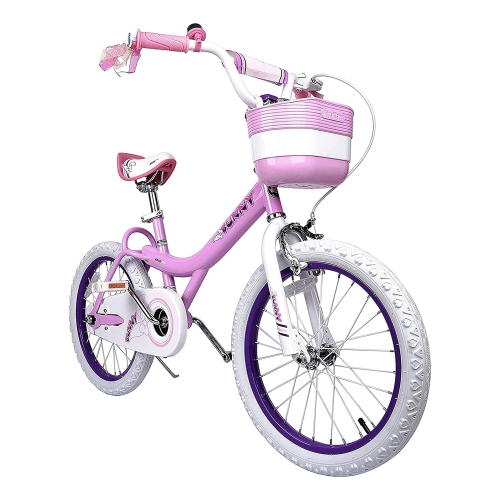 Your price for this item is $319.99
-
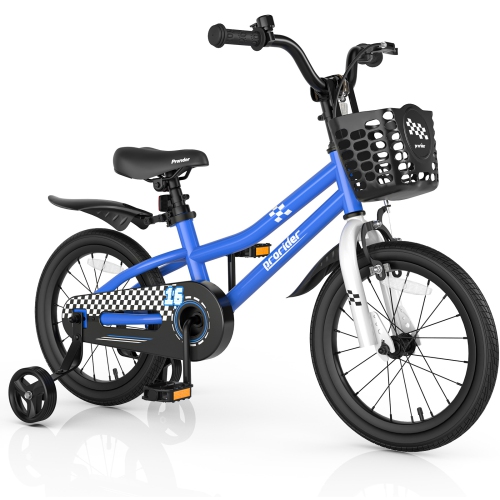 Your price for this item is $128.99
-
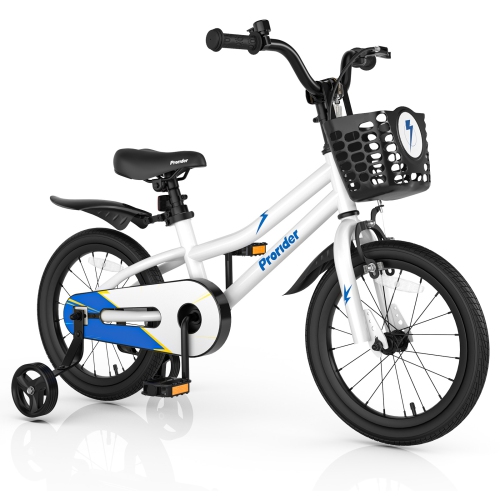 Your price for this item is $118.99
-
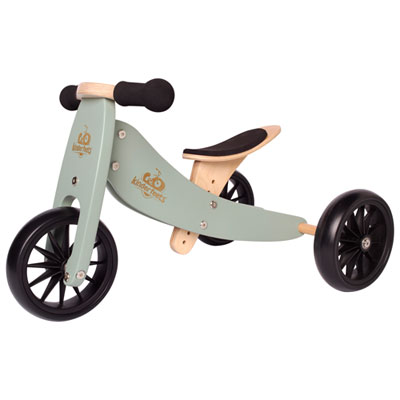 Your price for this item is $134.99
-
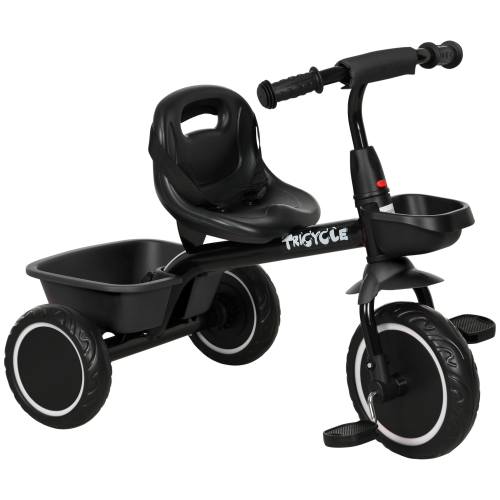 Your price for this item is $84.99
-
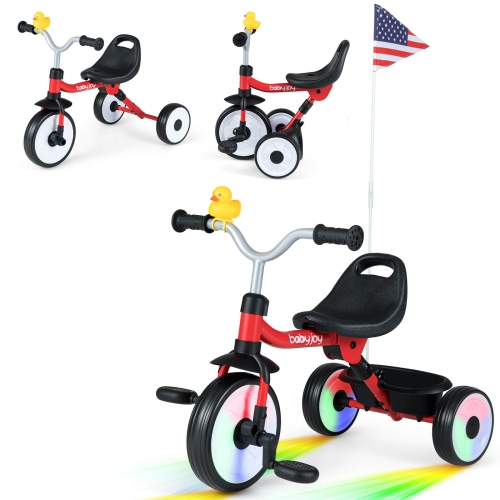 Your price for this item is $75.99
Discover more categories related to Bikes for Kids

Top Collections:
Pokemon Centers, Kindle Devices, Best Budget Office Chairs, Canon G7X Cameras, Apple iPhones 16, Samsung Galaxy Phones, Refurbished Apple Laptops, Laptops for Students, iPhone 15 Apple, Budget Smartphones
Some products may be subject to Environmental Handling Fees
(EHF) depending on your province.
Learn more about EHFs.