Bicycle for Kids
Looking for the perfect way to get your little one outside and active? Our selection of bicycles for kids is sure to have just what you need. From beginner balance bikes to sturdy training wheels, we have a variety of options to suit every child's skill level and style preference. Encourage outdoor play, physical activity, and a love for cycling with our high-quality and durable bicycles designed specifically for young riders. With features like adjustable seat heights, colorful designs, and reliable safety features, finding the ideal bike for your child has never been easier.
Sort







Why bike fit matters more than age alone
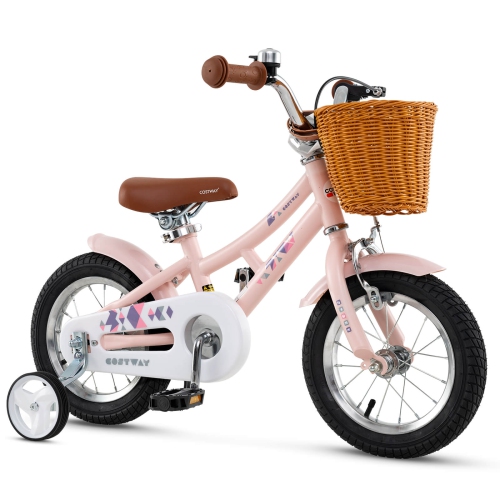
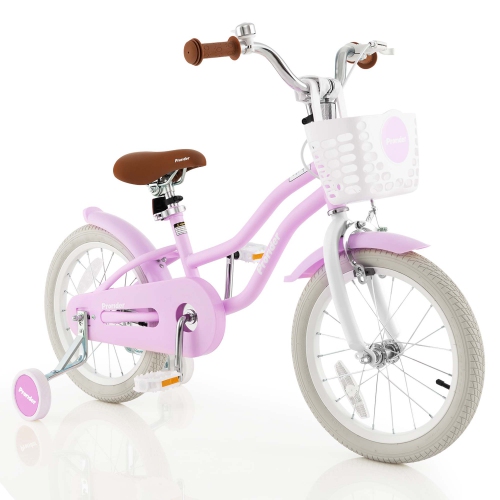
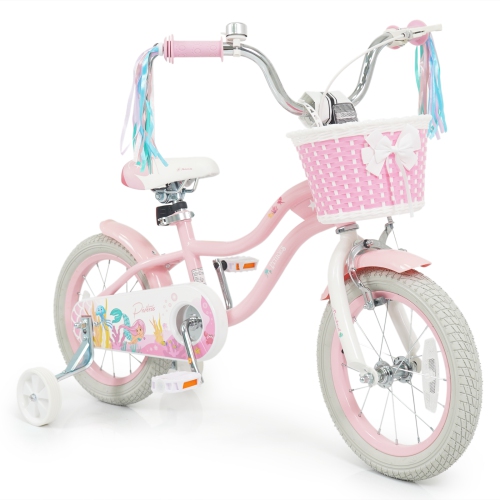
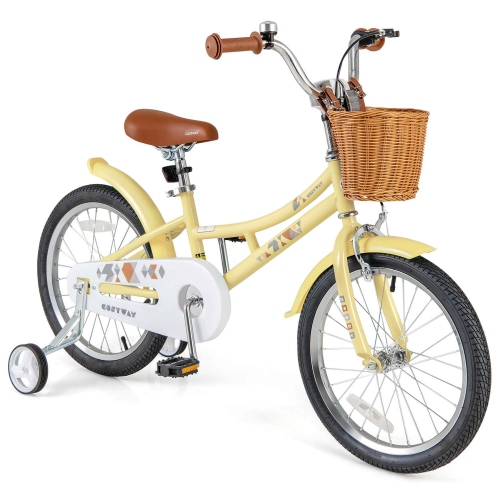
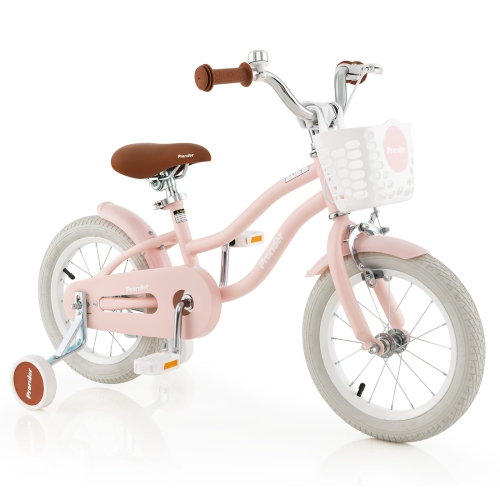
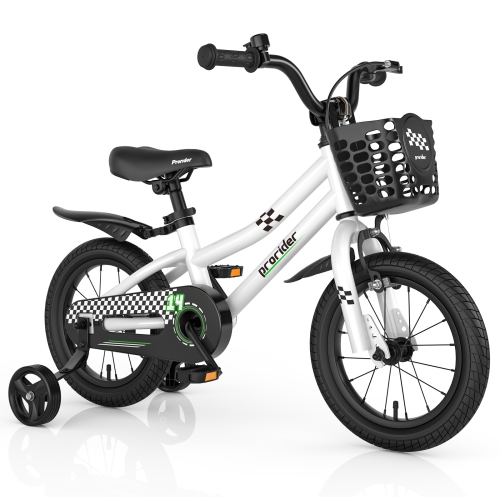
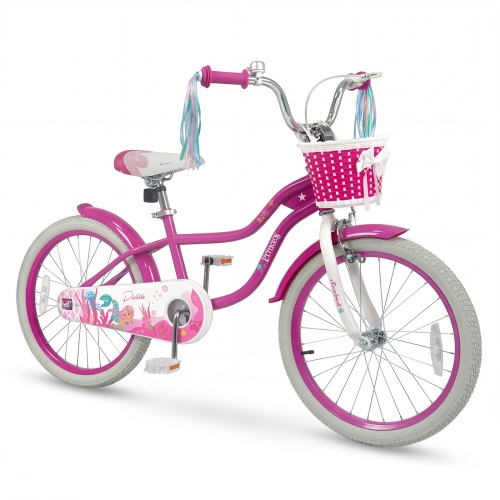
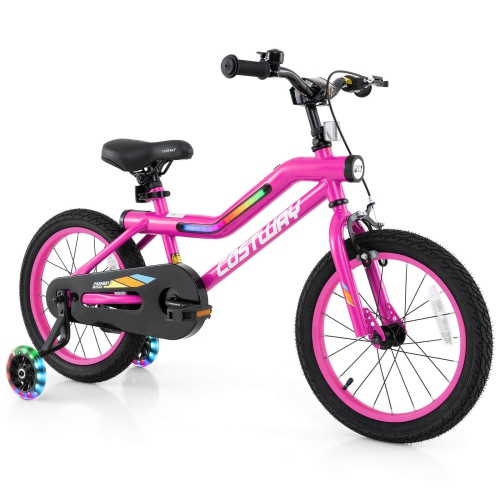
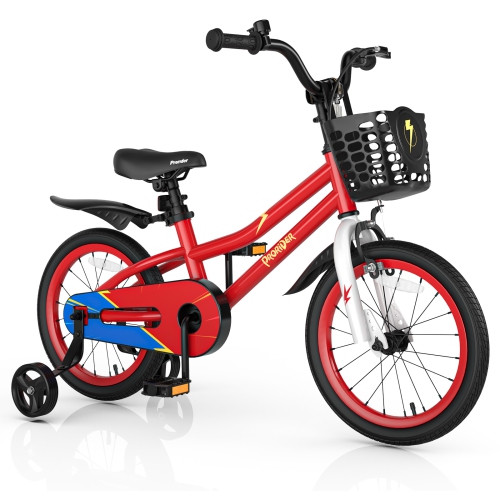
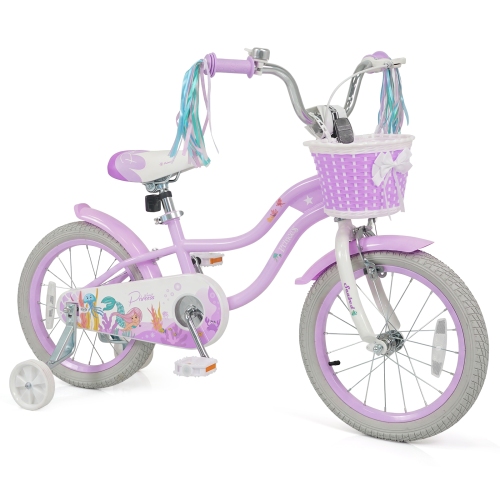
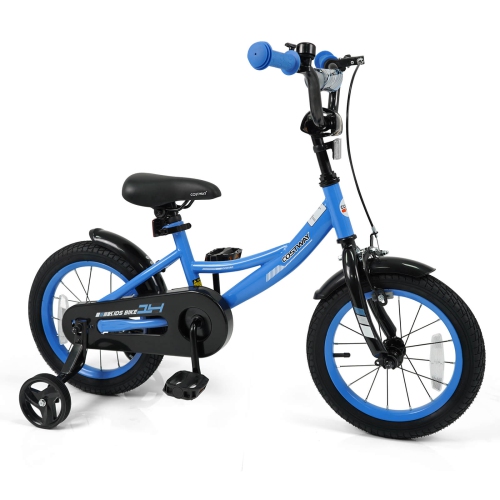
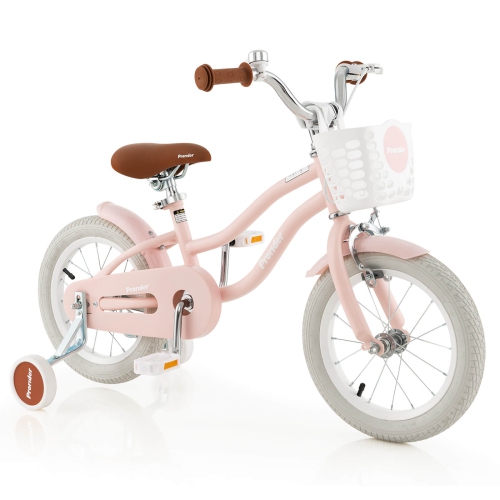
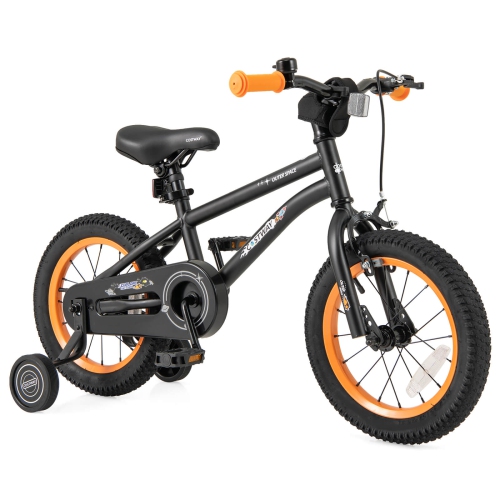
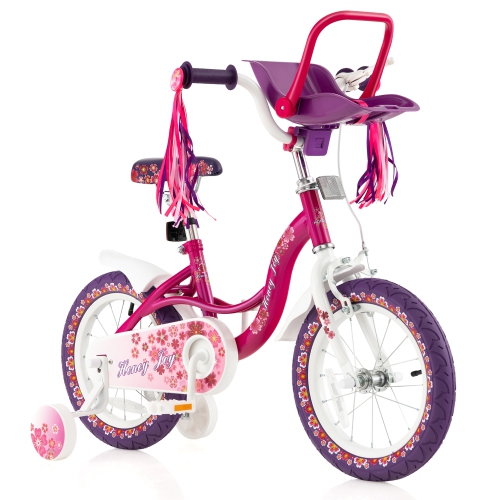
A bicycle for kids brings together movement, play, and the satisfaction of doing something independently, whether that means a first glide across a level driveway or a relaxed ride along a shared neighbourhood path. The right fit depends more on a child’s height, inseam, and riding ability than on age alone. Children of the same age can need quite different bicycles, and wheel diameter is only part of the picture: frame shape, saddle height, handlebar reach, and overall weight also affect comfort and control. Children’s bicycles are commonly described by wheel sizes such as 12-inch, 14-inch, 16-inch, 20-inch, and 24-inch, but sizing varies between designs, so the manufacturer’s height and inseam ranges are useful reference points. A bicycle that fits today is generally easier to steer and stop than an oversized one chosen mainly for future growth. A child should be able to reach the handlebars and operate any hand brakes without stretching, with enough clearance to stand over the frame comfortably. On a balance bike, both feet should rest flat on the ground with a slight bend at the knees, allowing the rider to push off and stop confidently. Pedal-bike saddle position depends on experience and the bicycle’s design; beginners often benefit from a lower setting that makes putting a foot down easier, while more confident riders can use a position that supports comfortable pedalling. Browsing Kids Bikes brings these different stages of riding into focus, from small frames for early practice to larger bicycles suited to longer family outings. Adjustable saddles and handlebars can accommodate some growth within the intended fit range, but they cannot make a frame that is too large suitable for a smaller rider. For a birthday or holiday gift, current measurements and a sense of the child’s confidence are more useful than age-based guesses, especially when the bicycle will be ridden after a period in storage.
Balance bikes and pedal bikes support different parts of learning to ride. Without pedals or cranks, a balance bike lets a young child practise steering, slowing down with their feet, and lifting both feet briefly as confidence builds. A low frame and manageable weight help when that child needs to climb on, turn around, or walk the bicycle back to an adult. Pedal bikes add the rhythm of turning the cranks and using the braking system, while removable training wheels can provide support during early practice. Training wheels do not teach balance in the same way as a pedal-free design, and they are best suited to smooth, level surfaces where sudden slopes or uneven ground will not upset their support. For either style, weight matters in ordinary moments: starting from a stop, lifting the bicycle upright after a tumble, or guiding it around a tight corner. Aluminium frames often offer lower weight and resist rust, while steel frames can provide sturdy construction but may need closer attention where paint is chipped. The complete bicycle’s weight matters more than frame material alone, since wheels, tyres, forks, and accessories all contribute. Simple single-speed designs keep operation straightforward for short rides and early learning. Gears can help more experienced children manage varied terrain, provided they can comfortably reach and understand the controls. Brakes deserve the same attention. Coaster brakes operate by pedalling backwards, while hand brakes require enough reach and grip strength to pull the levers effectively. Practising with the bicycle’s actual braking system on a flat, traffic-free surface helps make stopping familiar before rides grow longer. Tyres also shape the experience: air-filled tyres offer cushioning and require pressure checks, while some small balance bikes use solid tyres that avoid punctures but usually provide less cushioning. Smoother tread suits paved routes, and more pronounced tread can add traction on suitable loose surfaces. Suspension may be useful for some rougher riding, but it adds weight and maintenance that may not be necessary for neighbourhood use.
Everyday details often determine how much a child enjoys a bicycle after the excitement of the first ride. Comfortable grips, secure bar-end plugs, a saddle suited to the rider, and pedals that give shoes a dependable foothold all support steady control. A chain guard can help keep clothing away from moving parts, although loose trouser cuffs, dangling laces, and scarves still need attention. Baskets, bells, mudguards, and kickstands can add convenience or personality, but accessories should be compatible with the bicycle and fitted so they do not interfere with steering, braking, or pedalling. A child carrying a favourite toy needs an unobstructed view and both hands free to control the handlebars. Intended use matters just as much as appearance: a bicycle for gentle paved-path outings has different demands from one intended for uneven trails, and a rugged look does not by itself indicate suitability for jumps or demanding terrain. Manufacturer guidance helps establish those limits. A properly fitted, certified bicycle helmet belongs with every ride, alongside closed-toe footwear and supervision appropriate to the child’s ability and surroundings. During the cooler months, shorter daylight hours and damp leaves make visibility and surface conditions especially important; lights and reflectors help others notice a rider but do not replace safe route choices or attentive supervision. Ice and snow can make an otherwise familiar practice area unsuitable. Routine care keeps the bicycle ready for those clear, dry opportunities to ride. Before an outing, tyres should be checked against their specified pressure range where applicable, brakes should work smoothly, and wheels, handlebars, and the saddle should be secure. Dirt and moisture are best wiped away after use, with the chain cleaned and lubricated according to the manufacturer’s instructions. Dry, sheltered storage helps protect metal components and keeps grips and saddles in better condition. After a fall, or whenever steering, braking, or wheel movement feels different, an adult should inspect the bicycle and arrange professional servicing if needed. Periodic fit checks matter too, since a comfortable setup can change as a child grows. With suitable sizing and regular care, a children’s bicycle can remain a familiar part of outdoor play, shared outings, and steadily developing riding skills.
Top selling and popular products
-
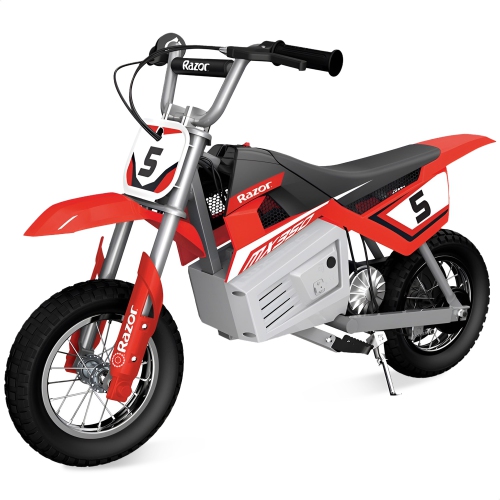 Your price for this item is $605.99
-
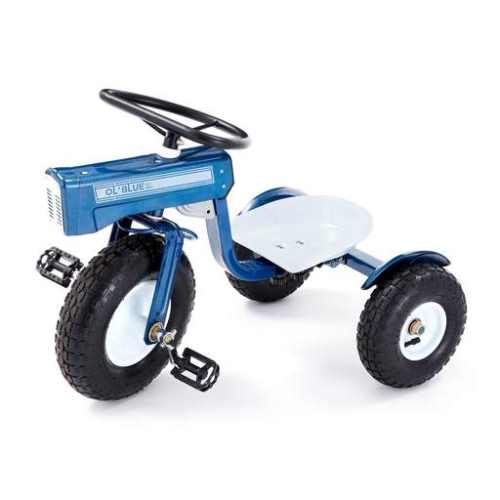 Your price for this item is $280.99
-
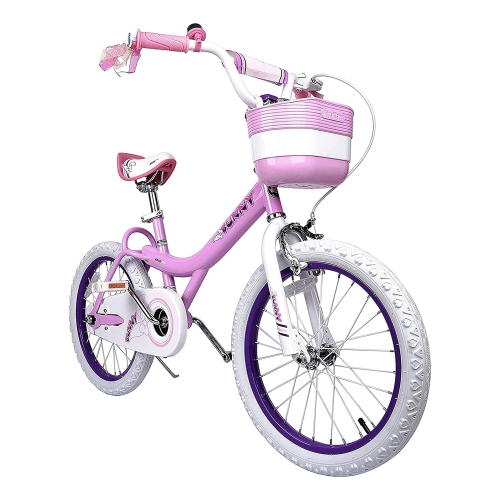 Your price for this item is $319.99
-
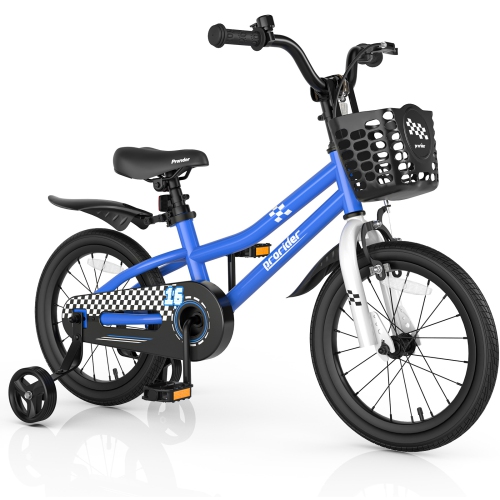 Your price for this item is $128.99
-
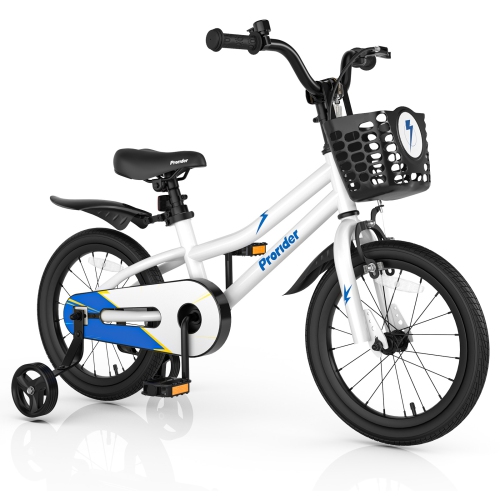 Your price for this item is $118.99
-
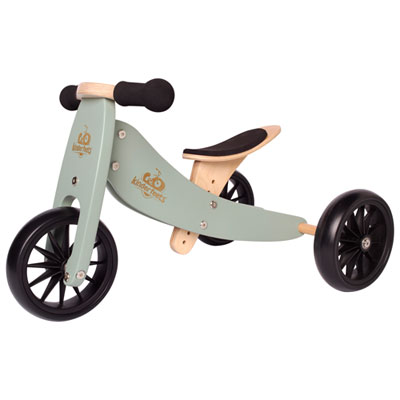 Your price for this item is $134.99
-
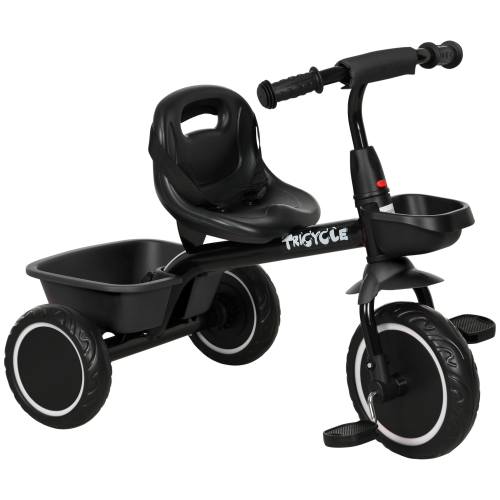 Your price for this item is $84.99
-
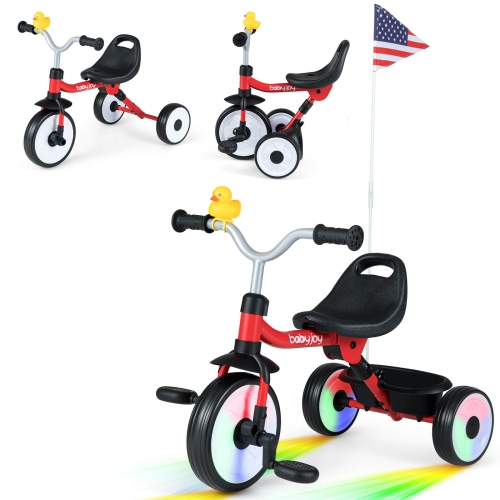 Your price for this item is $75.99
Discover more categories related to Bicycle for Kids
Top Collections:
Pokemon Centers, Kindle Devices, Best Budget Office Chairs, Canon G7X Cameras, Apple iPhones 16, Samsung Galaxy Phones, Refurbished Apple Laptops, Laptops for Students, iPhone 15 Apple, Budget Smartphones
Some products may be subject to Environmental Handling Fees
(EHF) depending on your province.
Learn more about EHFs.