Inflatable Boat Accessories
Explore a wide range of essential accessories to enhance your inflatable boat experience. From safety gear to convenient storage solutions, our collection has everything you need to make the most out of your aquatic adventures. Whether you're planning a relaxing day on the lake or an exciting fishing trip, these accessories are designed to provide convenience, functionality, and peace of mind. Discover the perfect additions to complement your inflatable boat and ensure a memorable time on the water.
Sort


























Why valve fit matters more than boat length
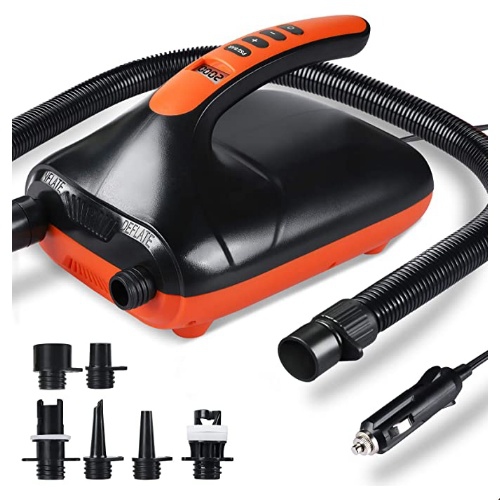
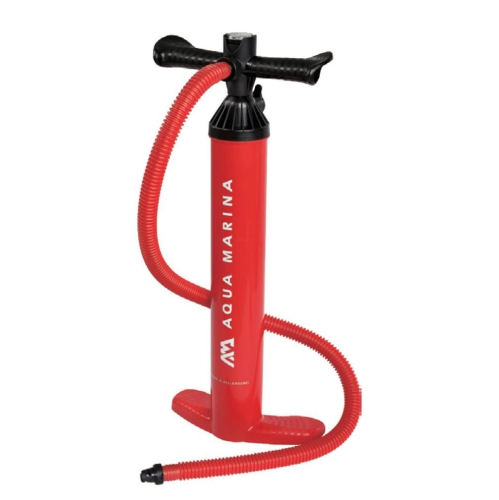
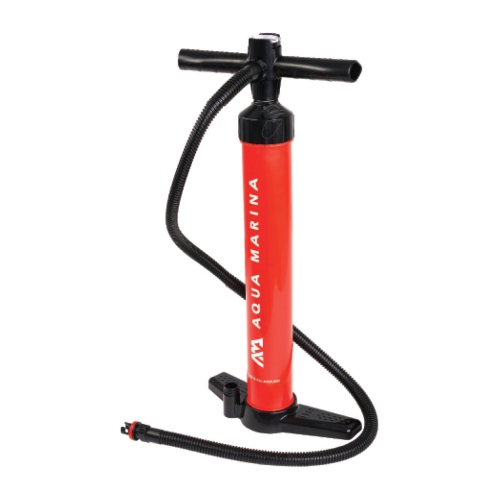
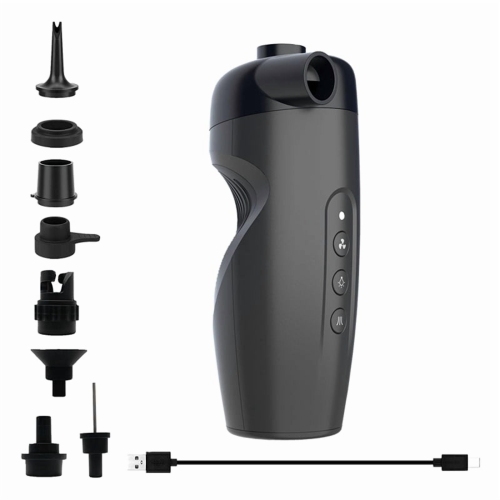
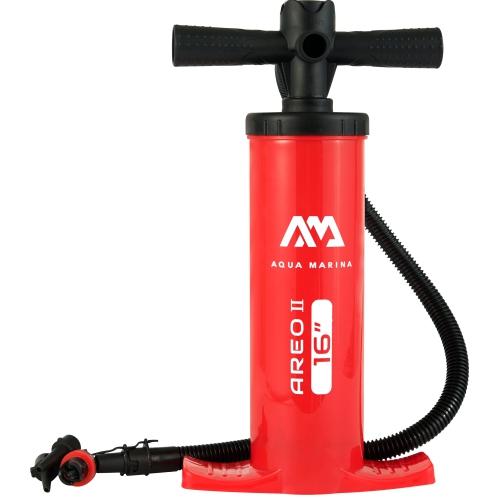
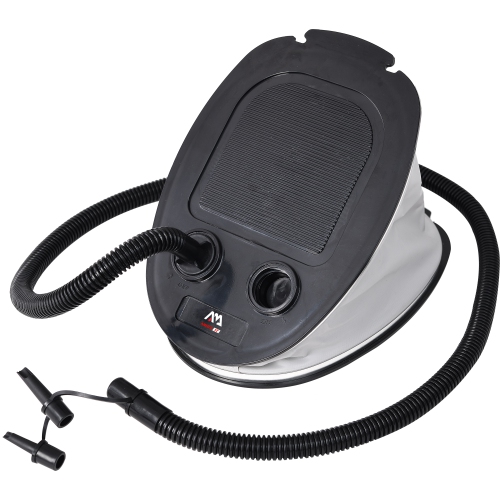
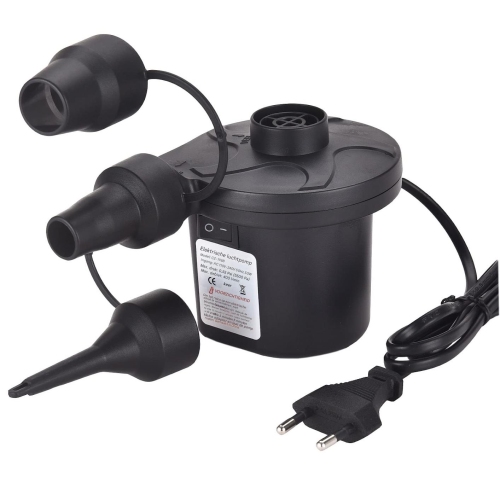
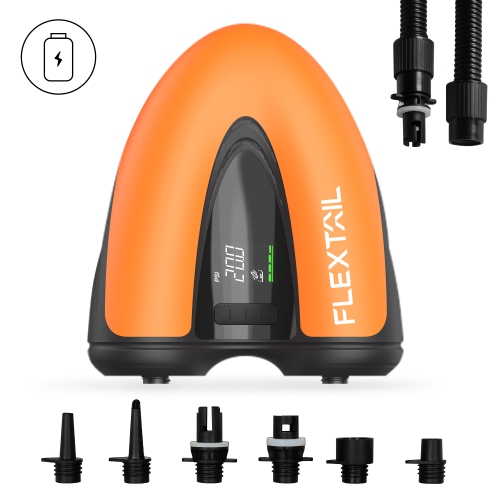
Inflatable boat accessories support the practical details of getting a boat ready, keeping equipment organized, and making time aboard more comfortable. The main accessory categories include compatible air pumps and valve adapters, oars and paddles, seating, storage bags, mounting hardware, repair supplies, and boating safety equipment. Their usefulness depends on the boat’s construction and intended role: a compact inflatable used for short rowing trips has different requirements from a fishing dinghy or a tender carrying passengers between a dock and a larger vessel. Fit starts with the boat manufacturer’s specifications, including valve type, chamber pressure, tube material, attachment points, and load capacity. Even boats of similar length can use different valves and floor designs, so dimensions alone do not establish compatibility. Inflation equipment is especially important because a firm-looking tube is not a reliable measure of correct pressure. A suitable pump needs both the airflow to fill the chambers and the pressure range specified for each component, particularly when an inflatable floor requires a different pressure from the tubes. Manual foot pumps and hand pumps offer operation without a power connection, while compatible electric pumps can reduce the physical effort involved in setup. Dual-action hand pumps move air on both strokes, although their suitability still depends on the required pressure and valve connection. Pressure gauges help verify inflation, and automatic shut-off can add convenience when supported by the pump, but neither replaces the boat’s inflation instructions. Adapter shape, hose connections, power supply requirements, and deflation capability also affect everyday use. For a boat that travels folded in a vehicle, a pump and hose that pack neatly alongside the carrying bag can make preparation less cumbersome. Replacement valve caps, where specified for the boat, and a protected place for small fittings help keep essential components together rather than loose at the bottom of a storage compartment.
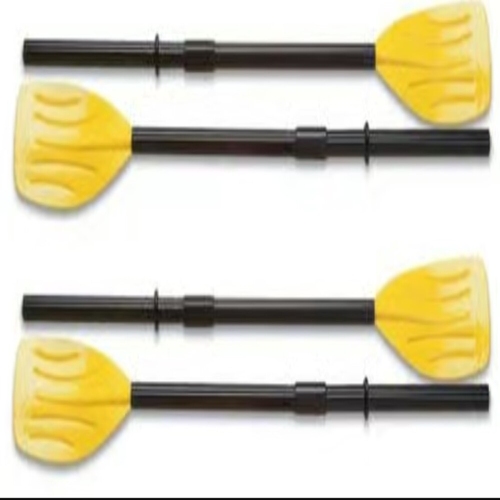
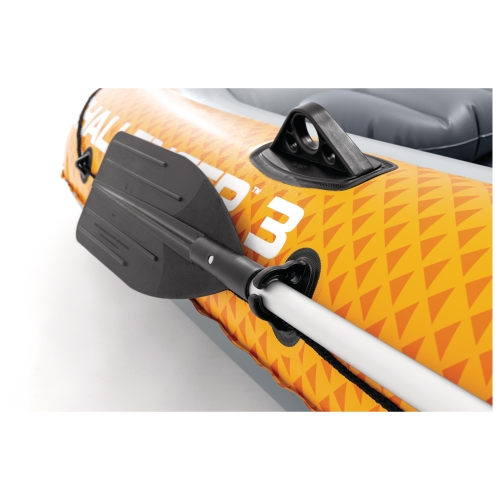
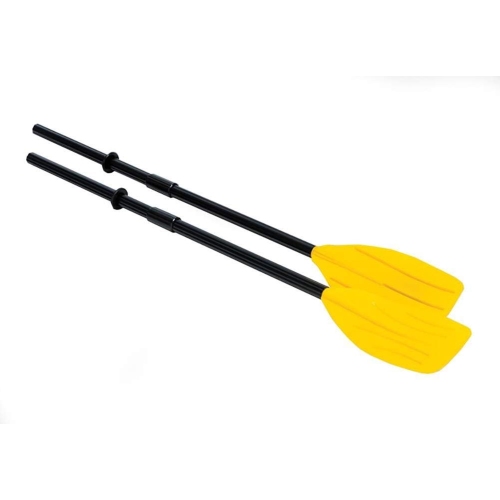
Comfort and organization matter most when accessories work with the space an inflatable boat actually provides. Bench cushions can soften a firm seat, while compatible under-seat bags put tackle, personal belongings, or small supplies within reach without covering the floor. Seat width, attachment method, and clearance around the tubes determine whether that arrangement feels secure or gets in the way of rowing. Storage materials also deserve attention: abrasion-resistant fabric, reinforced seams, and dependable fasteners can help bags stand up to repeated handling, but water-resistant construction should not be mistaken for waterproof protection. Roll-top dry bags and protective cases offer different levels of protection, and their stated ratings and closure instructions matter when carrying a phone or other sensitive belongings. A clear floor leaves more room for feet and reduces the chance of catching an oar handle or fishing line on loose equipment. For anglers, rod holders, tackle storage, and suitable equipment mounts can give frequently used gear a defined place; related Fishing Boat Accessories provide additional context for outfitting a fishing-focused setup. Mounting on inflatable tubes requires particular care. Glue-on attachment pads must suit the hull fabric and use the adhesive system and preparation method specified by the relevant manufacturers. PVC and chlorosulphonated polyethylene fabrics can require different bonding products, so a pad described as universal is not automatically suitable for every hull. Drilling into an air chamber is not an appropriate mounting method. Accessories attached to a rigid transom or an existing fitting still need compatible dimensions, hardware, and load ratings. Oars should match the boat’s beam, rowing position, and oarlock design, with comfortable grips and secure connections on sectional shafts. Motor mounts introduce further considerations, including whether the boat permits motor use at all, the approved mounting arrangement, and the maximum motor weight and power. A mount does not increase the boat’s rated capacity. Balanced placement of passengers, equipment, and any permitted propulsion system remains important, especially in a small craft where one loaded bag can occupy a substantial share of the usable space.
Durability comes from suitable materials, careful installation, and routine care rather than from adding more equipment. Corrosion-resistant hardware, well-finished edges, and straps that do not rub against the tubes are useful details in accessories handled repeatedly around water. Aluminium components can keep weight manageable, while appropriately specified stainless steel fittings can provide strength; neither material removes the need for inspection and cleaning. Launching wheels can simplify moving a compatible rigid-transom inflatable between a storage area and a launch point, but their mounting requirements, weight limits, and suitability for the ground surface need to match the task. They are not a substitute for a trailer or permission to move a boat with passengers aboard. Carrying handles, securing straps, and protective bags can also make packing and transport more orderly when they are used at the attachment points intended by the manufacturer. After use, rinsing away grit and residue, allowing accessories to dry, and keeping abrasive hardware away from folded tubes can help limit avoidable wear. Cleaning products should be approved for the boat fabric and accessory materials, since unsuitable solvents or harsh cleaners can damage surfaces and bonds. Repair supplies are similarly material-specific: patches, adhesives, valve tools, and replacement fittings need to match the construction and repair instructions. A compact repair kit may be useful for an approved minor repair, but damage to seams, valves, or structural attachment points can require professional assessment. Safety equipment belongs in the same practical planning as comfort accessories. Properly fitted, Canadian-approved lifejackets or personal flotation devices should suit each wearer and activity, and the required onboard equipment depends on the boat and its operation. Transport Canada requirements remain the reference for the applicable safety provisions. For someone who enjoys rowing, fishing, or using an inflatable tender, accessories can also make thoughtful gifts when the boat’s specifications are known. A compatible storage solution or seat cushion is more useful than an attachment that cannot be fitted safely. The strongest accessory setup is one that preserves usable space, stays within the boat’s limits, and keeps essential equipment easy to reach.
Top selling and popular products
-
 Your price for this item is $30.95
-
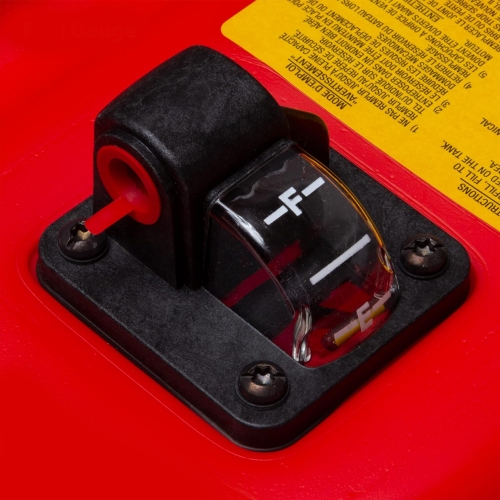 Your price for this item is $180.99
-
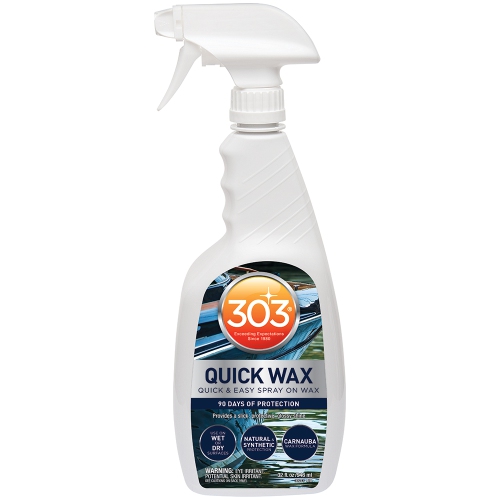 Your price for this item is $38.85
-
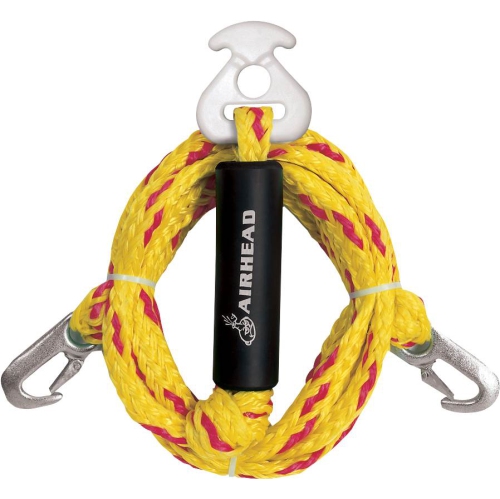 Your price for this item is $91.99
-
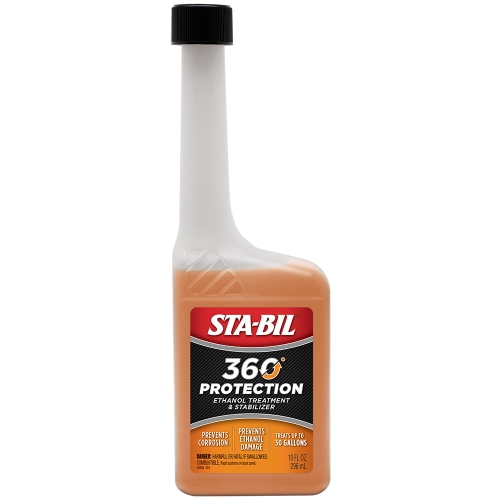 Your price for this item is $32.05
-
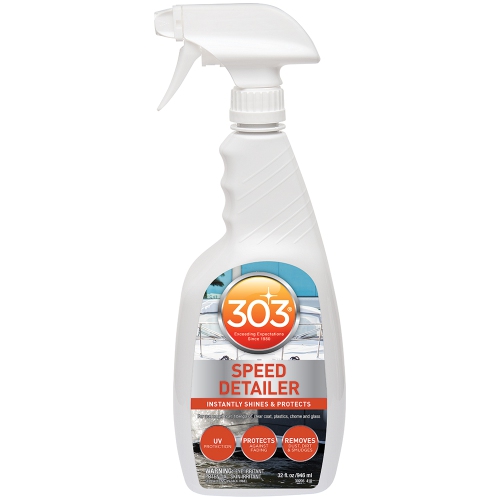 Your price for this item is $35.35
-
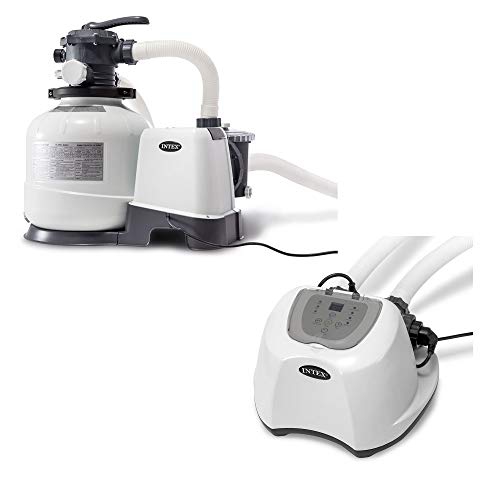 Your price for this item is $852.99
-
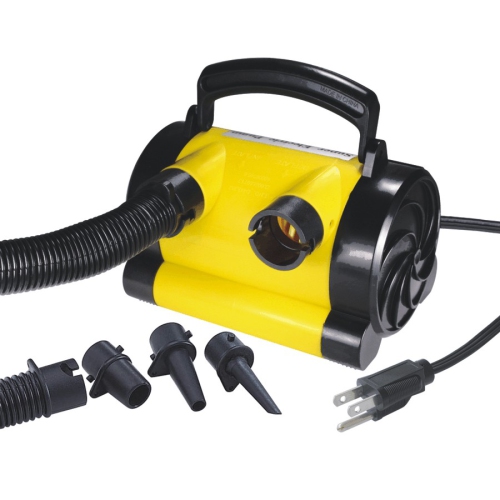 Your price for this item is $64.56
Discover more categories related to Inflatable Boat Accessories
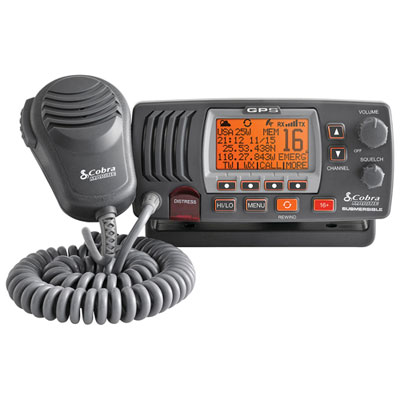
Top Collections:
Pokemon Centers, Best Black Friday Deals This Year, Best Black Friday Deals On Electronics, Kindle Devices, Best Budget Office Chairs, Best Black Friday Deals On Apple Products, Best Cameras for Sports Photography, Pokémon 30th Celebration Cards, Dyson Airwrap, Canon G7X Cameras
Some products may be subject to Environmental Handling Fees
(EHF) depending on your province.
Learn more about EHFs.