Boat Depth Sounders
Discover the best boat depth sounders to enhance your marine adventures. Whether you're a seasoned sailor or a weekend boater, having a reliable depth sounder is essential for navigating waterways with confidence. From compact and portable options to advanced models with cutting-edge technology, our collection offers a wide range of choices to suit every boating need. They are designed to provide accurate readings of water depths and bottom contours, allowing you to stay safe and informed while on the water.
Sort






What your depth reading says about keel clearance
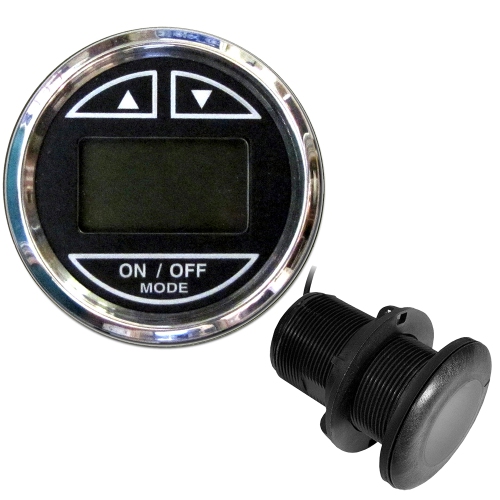
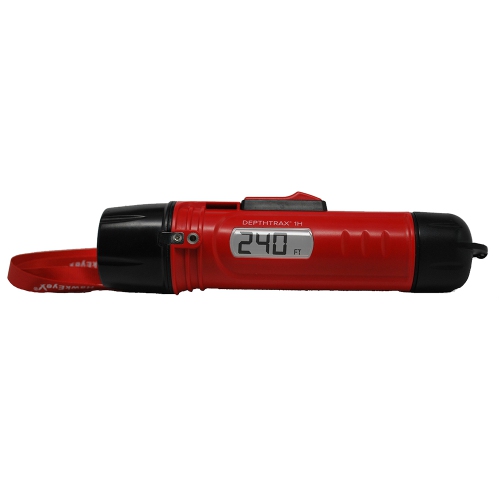
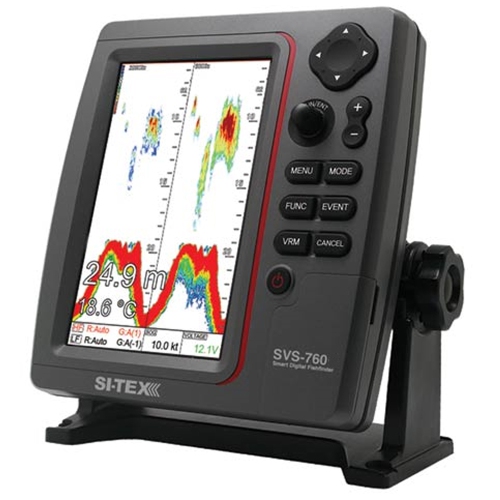
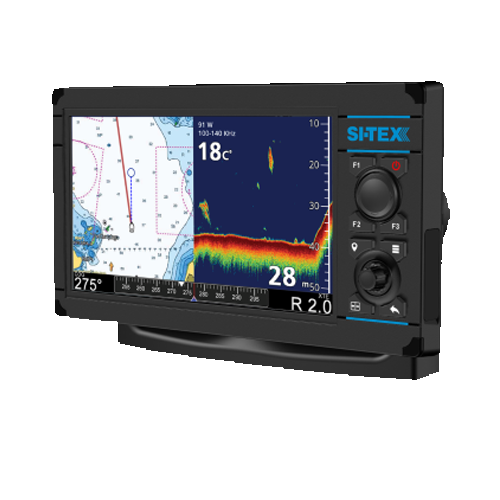
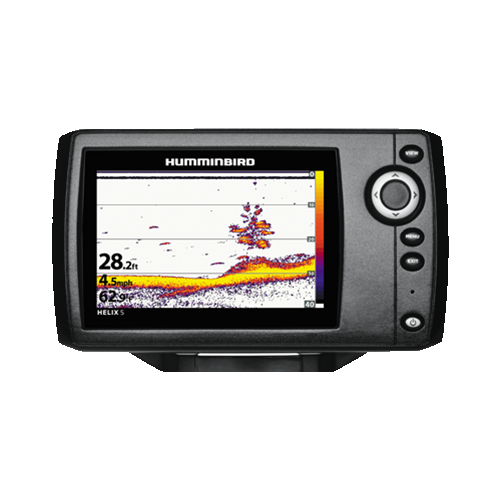
Boat depth sounders measure the water depth beneath a vessel by sending sound pulses from a transducer and timing how long the returning signals take to arrive. The result appears as a numerical depth reading, a view of the bottom, or both, depending on the instrument. That information is useful when approaching a shallow launch, moving through a channel, or choosing an anchoring spot with enough clearance beneath the keel. A basic marine depth sounder focuses on clear depth readings, while a fish finder adds sonar imagery that can help reveal fish, vegetation, and underwater structure. Some multifunction units also include GPS positioning or chartplotting, although these capabilities vary and may require compatible charts or accessories. For boaters whose main concern is the distance beneath the hull, a dedicated digital display can provide the essential information without taking up much helm space. Anglers may prefer a larger screen that shows changing bottom contours alongside the depth number. The important distinction is where that number is measured from: a transducer normally measures depth from its installed position, not automatically from the waterline or the lowest point of the boat. An adjustable depth offset, when supported and correctly configured, can make the displayed reading refer to the waterline or clearance beneath the keel. That detail matters on a sailboat with a deep keel just as much as it does on a small powerboat approaching a rocky shoreline. Shallow-water alarms can draw attention to a preset threshold, but they are a supporting aid rather than a guarantee against grounding. Most conventional sounders read beneath the boat, not ahead of it, and changing water levels, waves, and vessel movement all affect the clearance needed. Charts, posted markers, local conditions, and a careful lookout remain essential companions to any depth display. Across fishing boats, sailboats, pontoons, and compact runabouts, the appeal is straightforward: a readable picture of what lies below helps boaters make more informed decisions on the water.
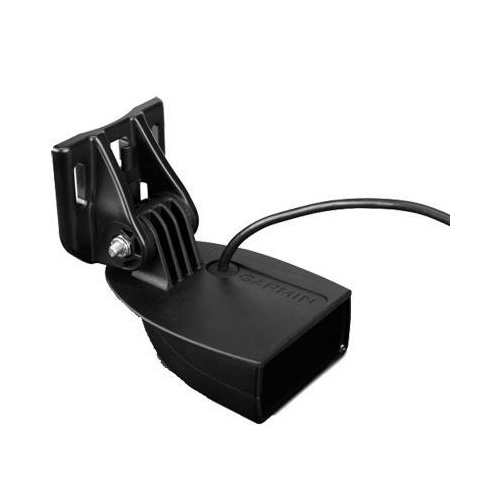
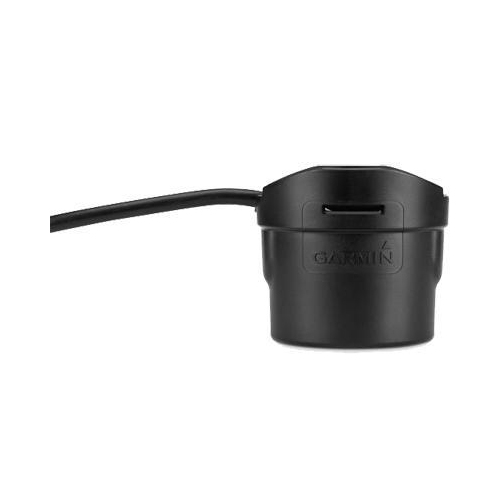
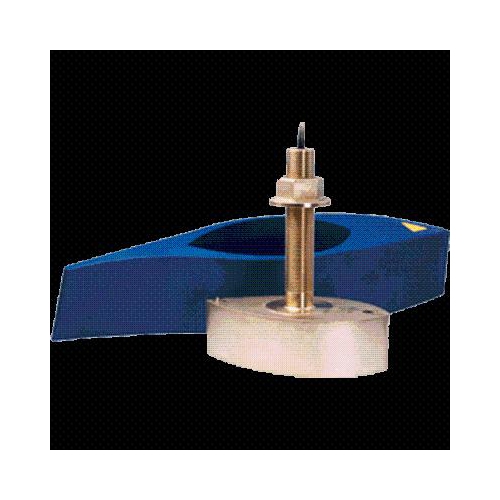
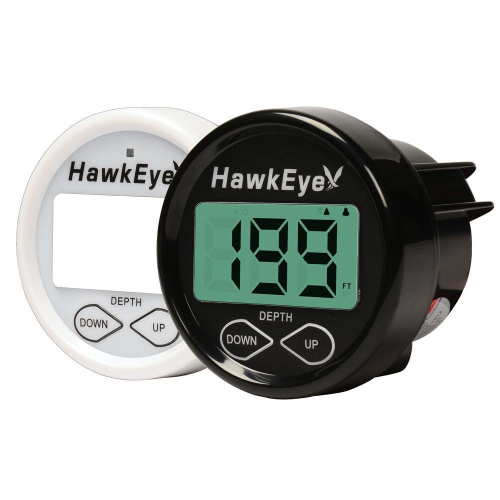
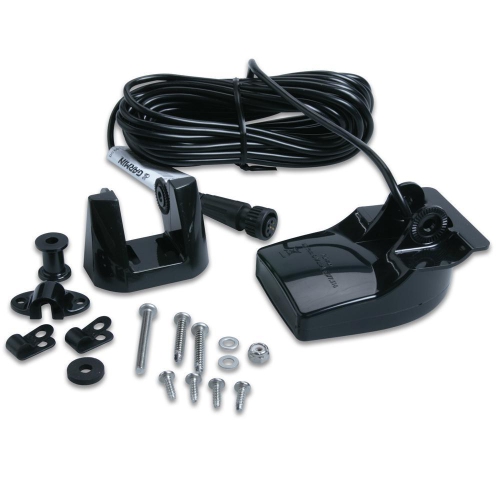
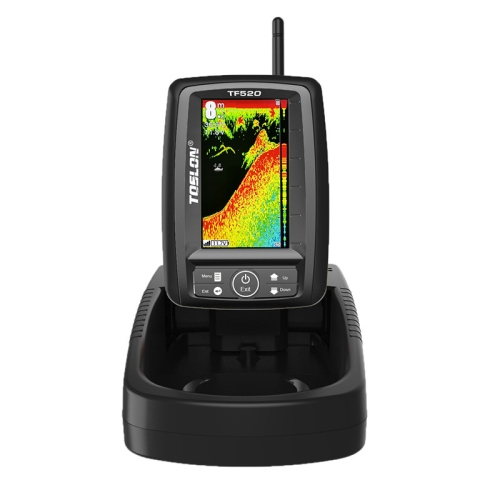
The transducer and its mounting arrangement are central to how well a boat depth sounder suits a particular hull. A transom-mounted transducer attaches at the stern and is common on smaller powered boats, but its location needs a smooth flow of water with minimal turbulence or air bubbles. Propeller wash, hull steps, and nearby fittings can interrupt the signal, particularly as speed increases. An in-hull installation sends sound through the hull without placing the transducer directly in the water; it is generally suited to compatible solid fibreglass hulls and requires careful attention to the manufacturer's installation requirements. Cored construction, trapped air, and unsuitable hull materials can prevent satisfactory operation. A through-hull transducer passes through a fitted opening and needs a housing, sealant, and installation method appropriate to the vessel. Hull angle, also called deadrise, matters because the transducer must direct its beam appropriately towards the bottom. Plastic, bronze, and stainless steel housings have different applications, and metal compatibility is particularly important on aluminium boats. Professional installation may be worthwhile where drilling, electrical connections, or hull integrity are involved. At the helm, fit includes both physical dimensions and everyday visibility. A compact round gauge may suit an existing dashboard opening, while a bracket-mounted screen needs room for adjustment, cable clearance, and an unobstructed view. Screen brightness, contrast, and readable digits make a difference when sunlight reflects off the water or the operator is standing away from the console. Physical buttons can be practical with wet hands or gloves, while touchscreen operation depends on the display design and conditions. Electrical compatibility also deserves attention: supply voltage, circuit protection, connector type, and cable routing all need to match the boat and instrument. A display, transducer, and marine network connection are not necessarily interchangeable simply because their plugs look similar. Portable arrangements can suit occasional use or smaller craft, provided their power source, mounting system, and transducer placement are secure and appropriate for the intended trip.
Performance depends on more than the maximum depth stated in a specification. Sonar frequency, beam angle, water conditions, bottom composition, and installation quality all influence the information shown. Higher-frequency sonar generally provides finer detail over shorter ranges, while lower frequencies can be useful in deeper water; actual capability depends on the complete system. A narrower beam samples a smaller area beneath the boat, whereas a wider beam covers more bottom and may make it harder to tell exactly where a return originated. CHIRP sonar transmits across a range of frequencies and, in compatible equipment, can improve target separation and clarity. For anglers comparing a simple depth readout with more detailed underwater imaging, Boat Fish Finders offer a related category centred on fish detection and bottom structure. A fishing trip over a sloping lake bed calls for different information from a quiet passage into a marina, so intended use is a better starting point than the longest feature list. Durability matters in either setting. Marine instruments should have water-resistance ratings suitable for their mounting location, with protected connections and housings designed for exposure to spray, sunlight, and vibration. A water-resistance rating does not mean every unit can tolerate prolonged immersion or a high-pressure wash. Routine care usually includes wiping the display with a soft cloth, removing salt residue as directed, and checking cables and mounting hardware for wear. The transducer face should remain free of growth and deposits, using cleaning methods and any coatings approved by its manufacturer. During the cooler months, secure storage, sound seals, and attention to battery care help protect equipment between outings; removable displays may need indoor storage according to their temperature limits. For someone giving a depth sounder to a keen angler or recreational boater, knowing the boat's hull material, existing electronics, and preferred mounting location is more useful than guessing at screen size. Whether the priority is a crisp number at the helm or a detailed view of a familiar fishing spot, the best fit brings together readable information, compatible installation, and dependable operation for the way the boat is used.
Top selling and popular products
-
 Your price for this item is $31.34
-
 Your price for this item is $30.54
-
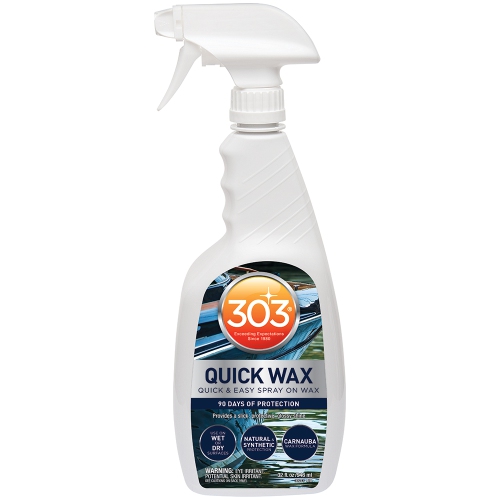 Your price for this item is $38.85
-
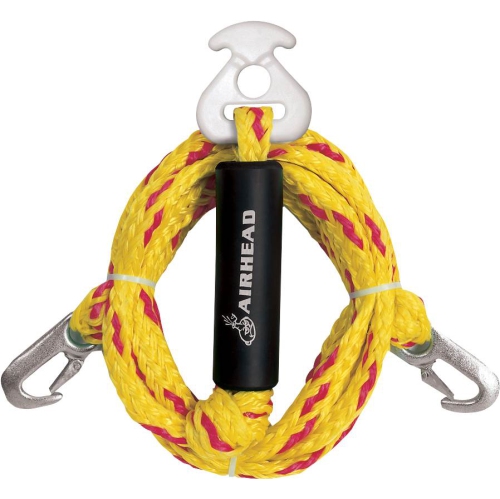 Your price for this item is $63.99
-
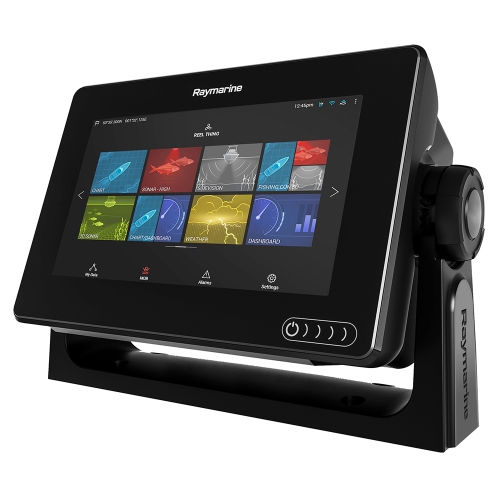 Your price for this item is $917.79
-
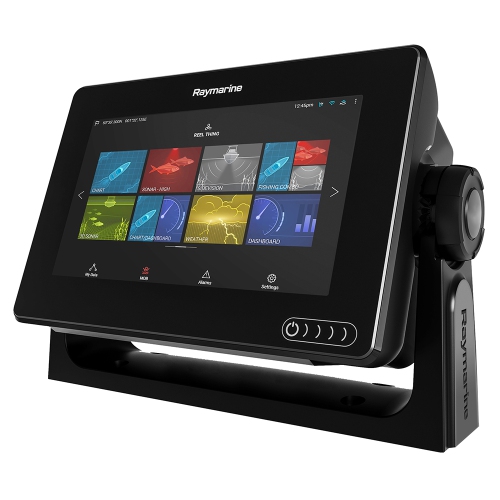 Your price for this item is $844.31
-
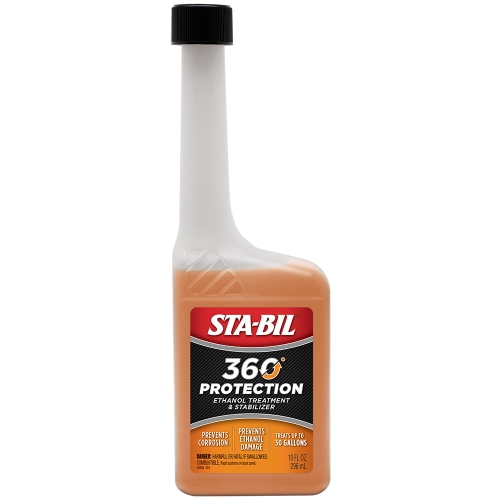 Your price for this item is $31.38
-
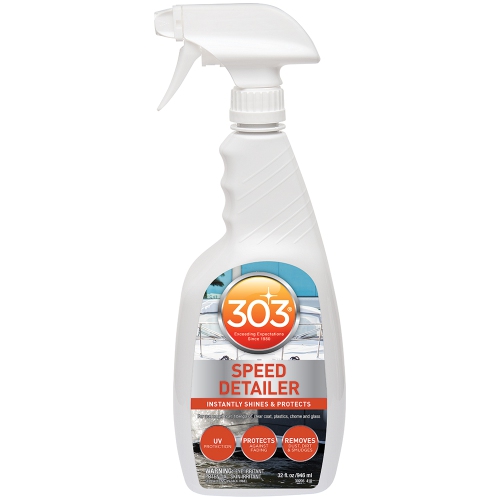 Your price for this item is $35.35
Discover more categories related to Boat Depth Sounders

Top Collections:
Pokemon Centers, Kindle Devices, Best Cameras for Sports Photography, Pokémon 30th Celebration Cards, Apple iPhones 16, Canon G7X Cameras, iPhone 15 Apple, Flip Phones, Samsung Galaxy Phones, Alarm Clock
Some products may be subject to Environmental Handling Fees
(EHF) depending on your province.
Learn more about EHFs.