Sonar Fish Finders
Looking to enhance your fishing experience and reel in more catches? Look no further than our collection of Sonar Fish Finders. These innovative devices utilize cutting-edge technology to help you locate fish, identify underwater structures, and navigate the depths with ease. Whether you're a seasoned angler or just starting, our range of Sonar Fish Finders offers something for everyone. With their advanced features and user-friendly interfaces, these fish finders are sure to become your new favorite fishing companion. So dive in and explore our selection today!
Sort
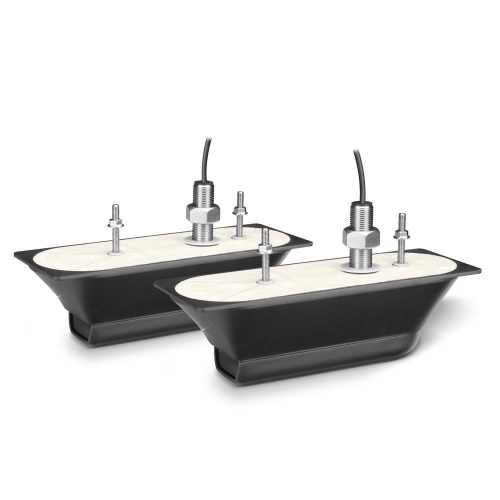
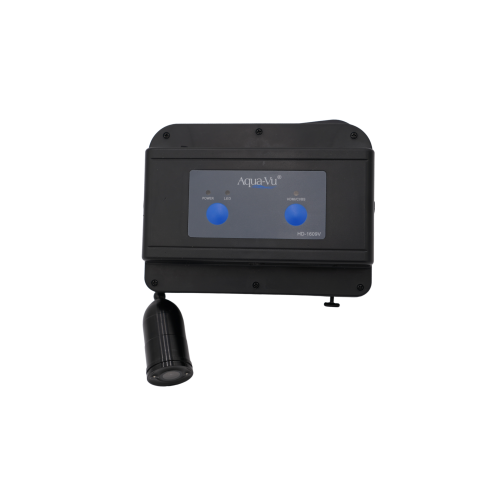
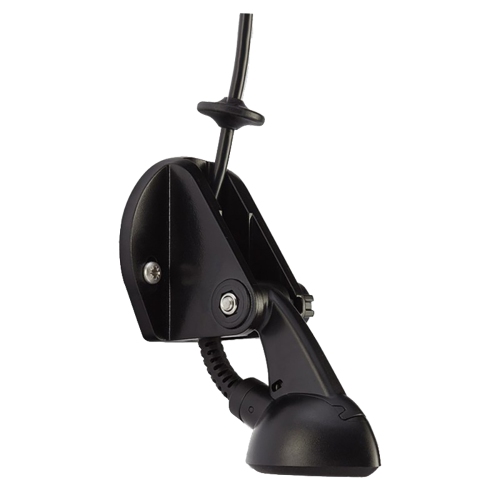
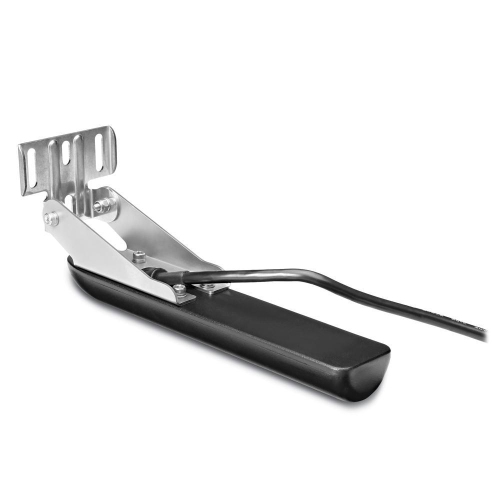
See beneath the surface and understand underwater structure
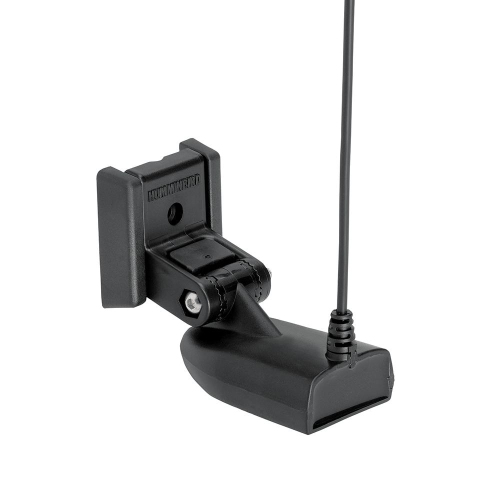
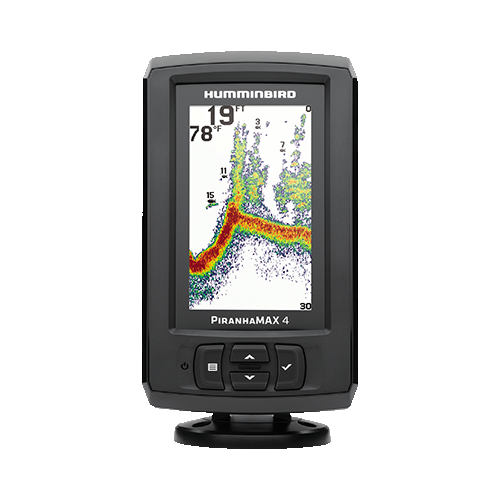
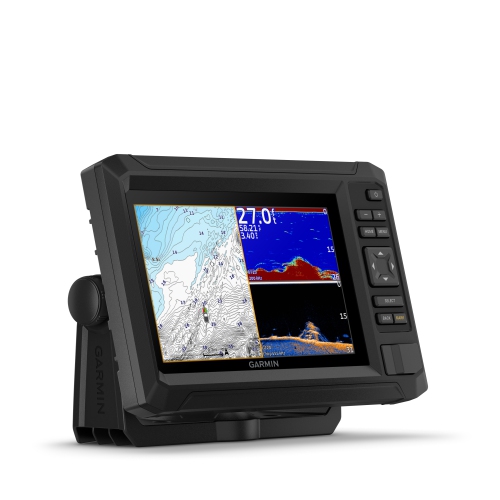
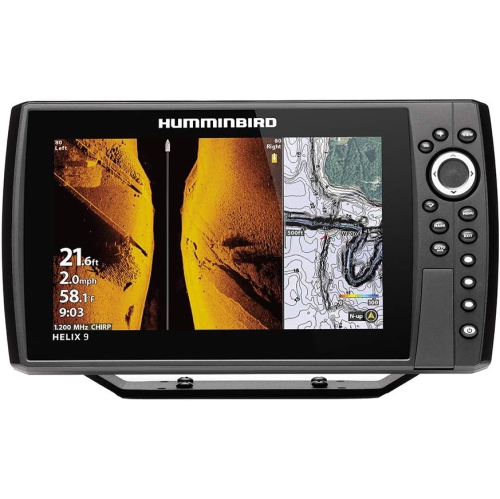
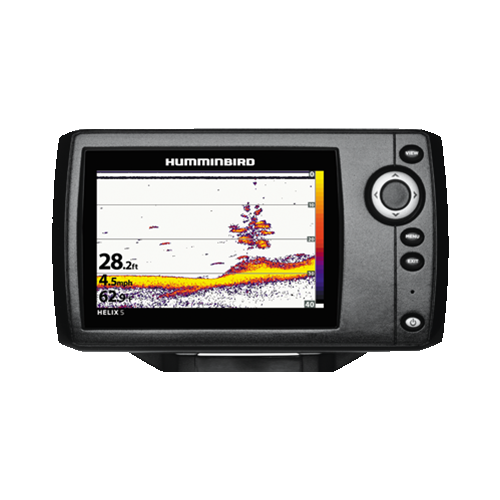
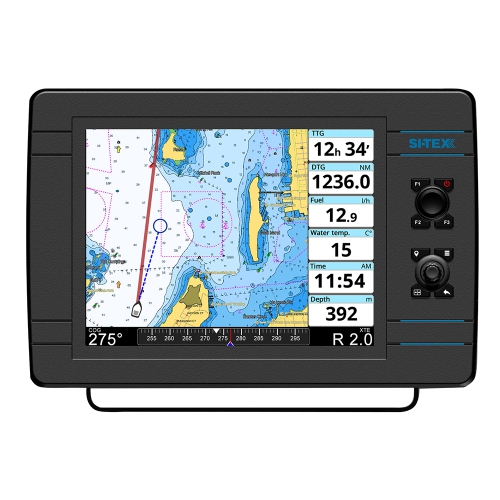
Sonar fish finders use sound waves to help anglers understand what is happening beneath the surface. A transducer sends acoustic pulses into the water, and the unit interprets the returning signals to estimate depth, reveal bottom contours, and identify objects such as fish, vegetation, rocks, timber, and other underwater structure. On the display, fish may appear as arches, lines, or concentrated marks, while the lake or riverbed is shown as a continuous contour that changes with depth. This information can add useful context to time spent on the water, whether you are searching for a rocky point on a large lake, following a channel through a river, or locating a productive edge where weeds meet open water. Traditional 2D sonar is a practical choice for general depth readings and finding fish beneath the boat. Units with CHIRP sonar sweep through a range of frequencies to provide a more detailed view and can help separate individual targets when several fish are close together. Down imaging uses a narrow, high-frequency beam to create a picture-like view of the area directly below the transducer, making it easier to study submerged logs, rock piles, weed beds, and changes in bottom composition. Side imaging sends beams outward from both sides of the boat, allowing you to scan a wider section of water and find structure before travelling directly over it. Live or forward-facing sonar provides a moving, near-real-time view in front of the boat, which can help anglers watch fish respond to a lure and adjust their presentation. Each sonar style serves a different purpose, and many units combine two or more technologies so you can switch between broad searching, detailed inspection, and close observation as conditions change. To browse a wider selection for different fishing setups, explore Fish Finders.
Choosing the right sonar fish finder starts with the way you fish and the watercraft you use. A compact, portable unit may suit someone fishing from a kayak, canoe, small aluminium boat, or dock, particularly when easy installation and straightforward controls matter more than a large display. Castable sonar options can be useful for shore anglers because the transducer can be placed farther from the bank and the readings viewed on a compatible mobile device, helping reveal depth changes that are otherwise difficult to see. Anglers who move between different boats may prefer a portable design with a rechargeable battery, a protective case, and a transducer mount that can be removed without specialised tools. For a permanently installed setup, consider the available space at the helm, the way the transducer will be mounted, and whether the boat’s electrical system can support the unit. Screen size and readability are important in bright daylight, while physical buttons can be convenient when hands are wet or when wearing gloves during cooler months. GPS features add another layer of usefulness by allowing you to mark productive locations, boat launches, hazards, weed lines, drop-offs, and other points worth revisiting. Mapping capability is helpful for understanding how underwater contours connect, although chart coverage and map compatibility can vary by region and unit. Pay attention to transducer placement as well: turbulence, bubbles, and an obstructed view can affect sonar performance, especially when the boat is moving quickly. Consider the depths you normally fish, the clarity of the water, your typical speed, and whether you spend more time searching large areas or carefully working a known spot. A simple 2D system can be an excellent fit for learning the basics, while down imaging or side imaging may appeal to anglers who enjoy studying structure in greater detail. Advanced live sonar can be valuable for anglers who want to observe fish behaviour in real time, but it typically requires more setup, practice, and familiarity with interpreting a constantly changing display.
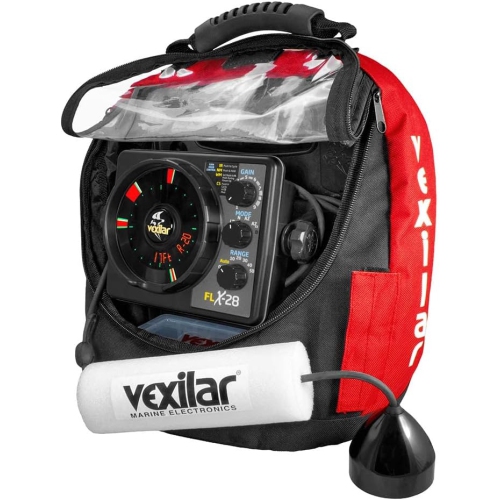
Sonar fish finders can be useful for a broad range of anglers, from someone learning to read a local lake to an experienced boater planning a full day on deeper water. Beginners may appreciate a unit that presents depth, water temperature, bottom contours, and fish indicators without overwhelming menus, while more experienced users may look for split-screen views, custom sensitivity settings, waypoint management, detailed charts, and networking with other onboard equipment. These devices can also make thoughtful gifts for boat owners, kayak anglers, ice fishers, and shore anglers who enjoy exploring new locations or refining their technique. During the warmer boating season, a fish finder can help locate drop-offs, submerged channels, and holding areas as fish move between shallow and deeper water. As conditions become cooler, depth and structure readings can be especially helpful when fish shift location or gather in more predictable areas. Ice-fishing models and portable systems may also be designed for use through the ice, with features that help display activity below a drilled hole. When comparing options, look at installation requirements, battery life, waterproofing, display resolution, transducer compatibility, GPS and mapping features, maximum depth ratings, and the types of sonar included. Read the display from different angles and think about whether the controls feel intuitive enough to use while steering, casting, or managing a line. It is also worth considering storage and transport, since a unit that is easy to remove, protect, and recharge is more likely to be used regularly. Sonar does not replace local knowledge, careful navigation, or time spent watching the water, but it can reveal the hidden landscape beneath the boat and turn an unfamiliar stretch of water into a clearer, more manageable fishing area.
Choosing the right sonar fish finder starts with the way you fish and the watercraft you use. A compact, portable unit may suit someone fishing from a kayak, canoe, small aluminium boat, or dock, particularly when easy installation and straightforward controls matter more than a large display. Castable sonar options can be useful for shore anglers because the transducer can be placed farther from the bank and the readings viewed on a compatible mobile device, helping reveal depth changes that are otherwise difficult to see. Anglers who move between different boats may prefer a portable design with a rechargeable battery, a protective case, and a transducer mount that can be removed without specialised tools. For a permanently installed setup, consider the available space at the helm, the way the transducer will be mounted, and whether the boat’s electrical system can support the unit. Screen size and readability are important in bright daylight, while physical buttons can be convenient when hands are wet or when wearing gloves during cooler months. GPS features add another layer of usefulness by allowing you to mark productive locations, boat launches, hazards, weed lines, drop-offs, and other points worth revisiting. Mapping capability is helpful for understanding how underwater contours connect, although chart coverage and map compatibility can vary by region and unit. Pay attention to transducer placement as well: turbulence, bubbles, and an obstructed view can affect sonar performance, especially when the boat is moving quickly. Consider the depths you normally fish, the clarity of the water, your typical speed, and whether you spend more time searching large areas or carefully working a known spot. A simple 2D system can be an excellent fit for learning the basics, while down imaging or side imaging may appeal to anglers who enjoy studying structure in greater detail. Advanced live sonar can be valuable for anglers who want to observe fish behaviour in real time, but it typically requires more setup, practice, and familiarity with interpreting a constantly changing display.
Sonar fish finders can be useful for a broad range of anglers, from someone learning to read a local lake to an experienced boater planning a full day on deeper water. Beginners may appreciate a unit that presents depth, water temperature, bottom contours, and fish indicators without overwhelming menus, while more experienced users may look for split-screen views, custom sensitivity settings, waypoint management, detailed charts, and networking with other onboard equipment. These devices can also make thoughtful gifts for boat owners, kayak anglers, ice fishers, and shore anglers who enjoy exploring new locations or refining their technique. During the warmer boating season, a fish finder can help locate drop-offs, submerged channels, and holding areas as fish move between shallow and deeper water. As conditions become cooler, depth and structure readings can be especially helpful when fish shift location or gather in more predictable areas. Ice-fishing models and portable systems may also be designed for use through the ice, with features that help display activity below a drilled hole. When comparing options, look at installation requirements, battery life, waterproofing, display resolution, transducer compatibility, GPS and mapping features, maximum depth ratings, and the types of sonar included. Read the display from different angles and think about whether the controls feel intuitive enough to use while steering, casting, or managing a line. It is also worth considering storage and transport, since a unit that is easy to remove, protect, and recharge is more likely to be used regularly. Sonar does not replace local knowledge, careful navigation, or time spent watching the water, but it can reveal the hidden landscape beneath the boat and turn an unfamiliar stretch of water into a clearer, more manageable fishing area.
Top selling and popular products
-
 Your price for this item is $230.43
 -
 Your price for this item is $422.69
 -
 Your price for this item is $1099
 -
 Your price for this item is $124.56
 -
 Your price for this item is $92.98
 -
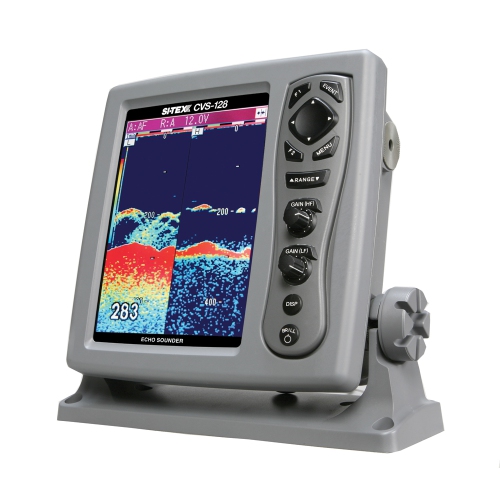 Your price for this item is $2106.21
 -
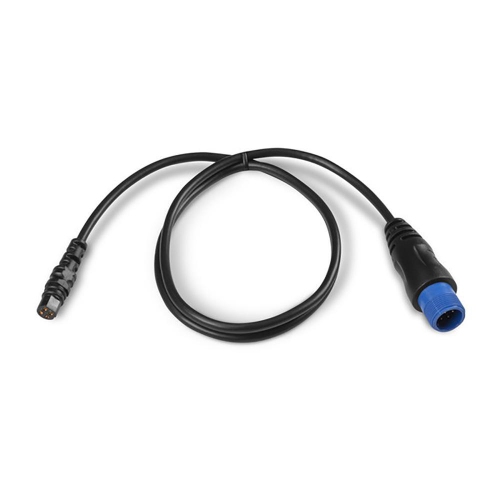 Your price for this item is $52.82
 -
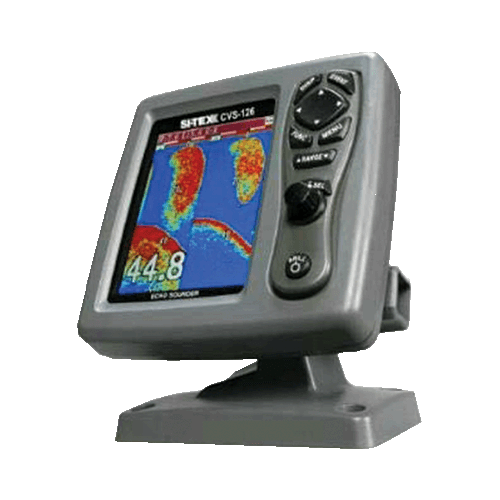 Your price for this item is $1036.77
Discover more categories related to Sonar Fish Finders
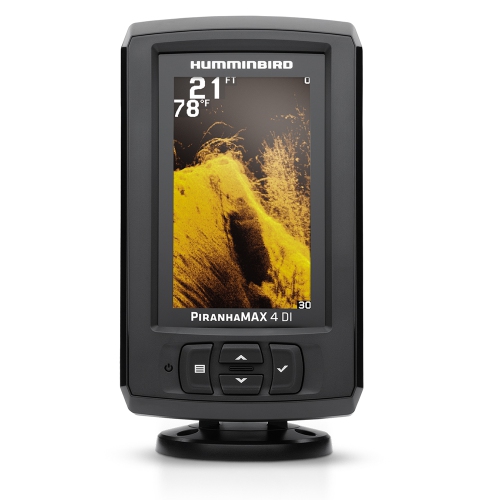
Top Collections:
Pokemon Centers, Kindle Devices, Best Cell Phones Under $500, Alarm Clock, Canon G7X Cameras, iPhone 15 Apple, Laptops for Students, Budget Smartphones, iPhone 14 256GB, Best Camera Tripods Under $100
Some products may be subject to Environmental Handling Fees
(EHF) depending on your province.
Learn more about EHFs.