Camping Food Storage
Organizing your camping food supplies is essential for a successful outdoor adventure. Our Camping Food Storage collection offers a variety of solutions to keep your meals fresh, organized, and easily accessible while you're exploring the great outdoors. From compact and lightweight containers to versatile storage bags and durable coolers, we have everything you need to store your food securely during your camping trips. Browse through our selection to find the perfect food storage options for your next wilderness excursion.
Sort
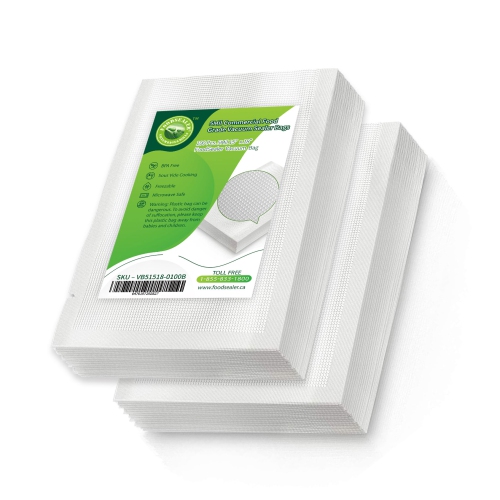
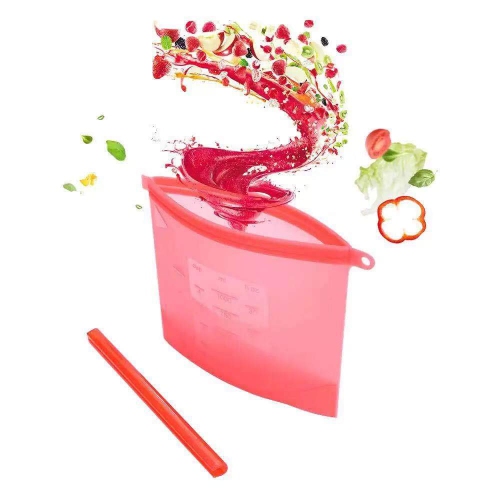
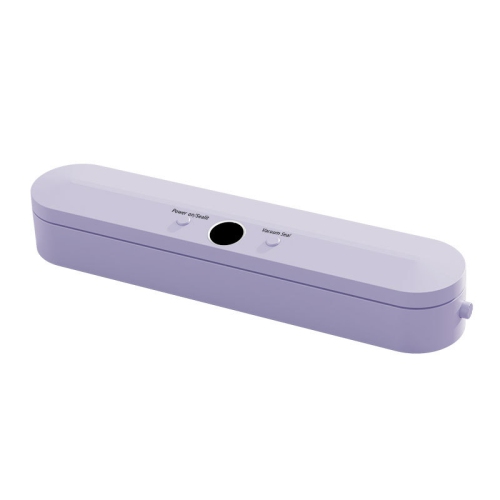
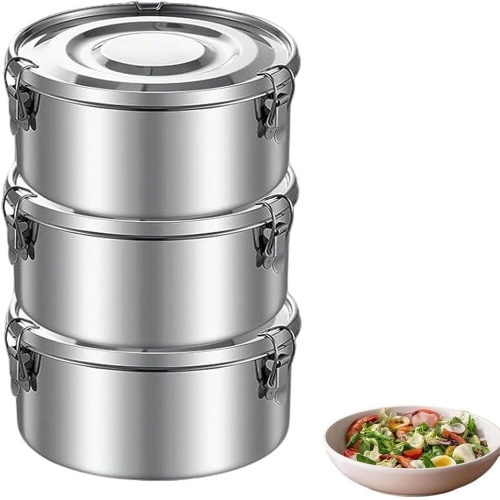
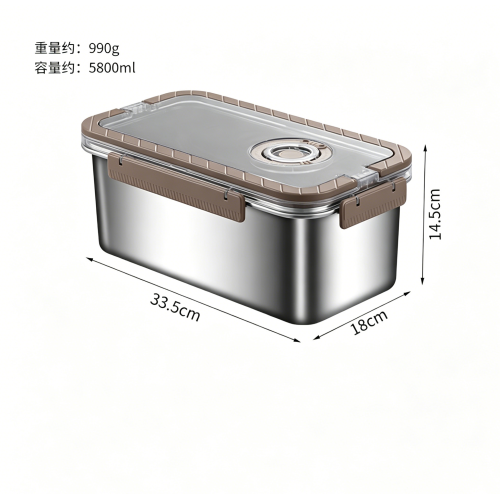
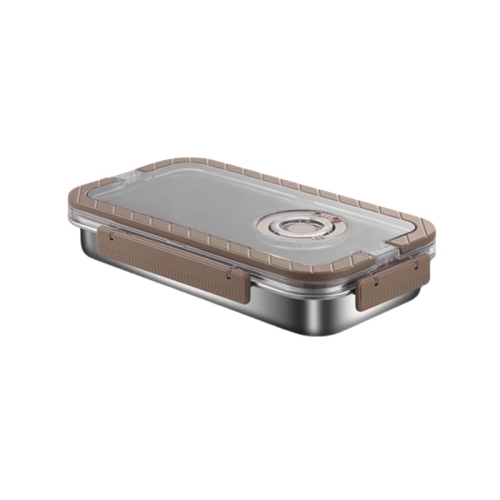
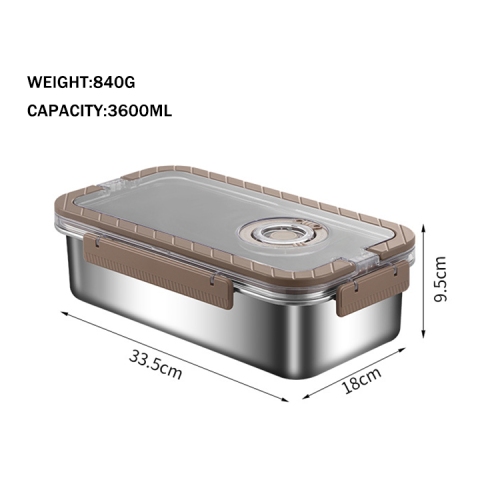
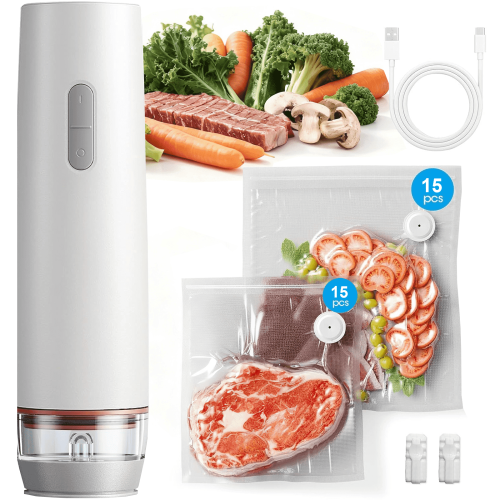
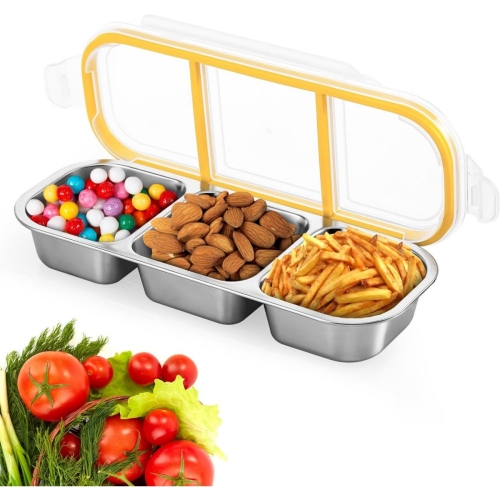
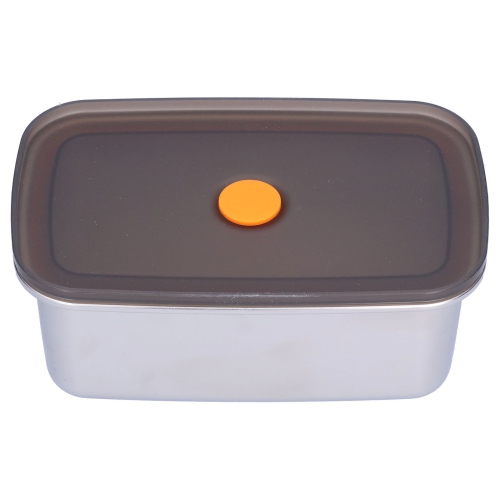
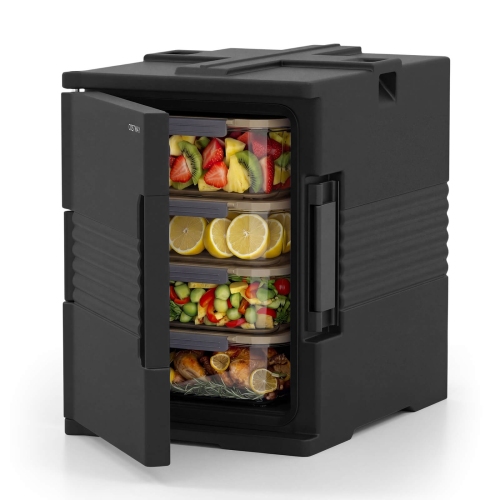
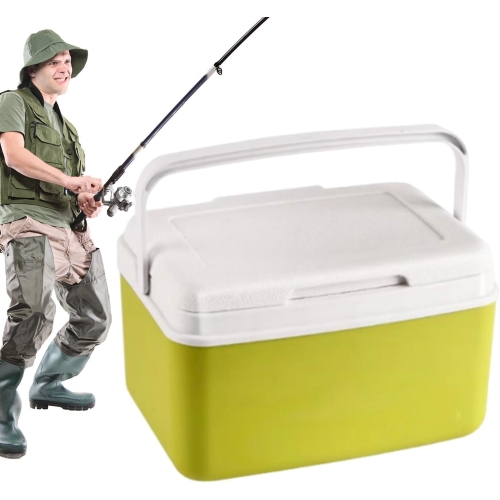


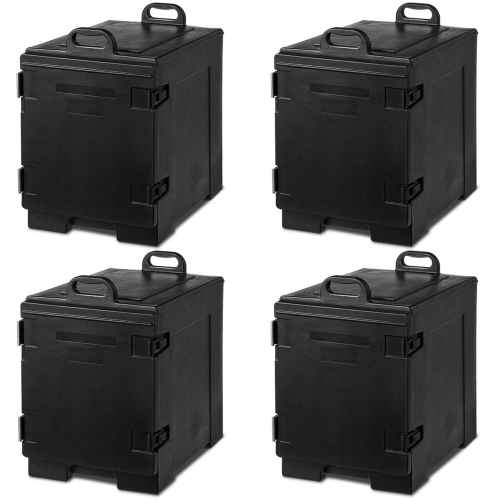

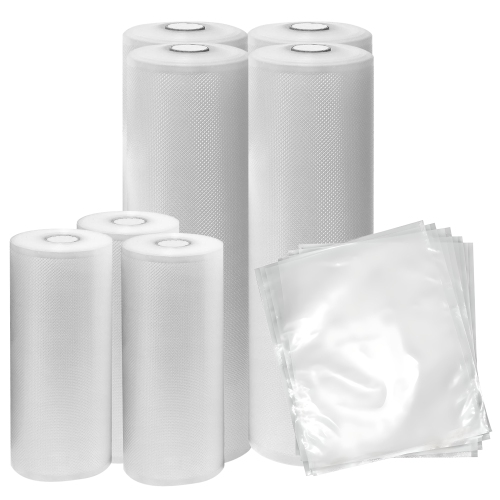
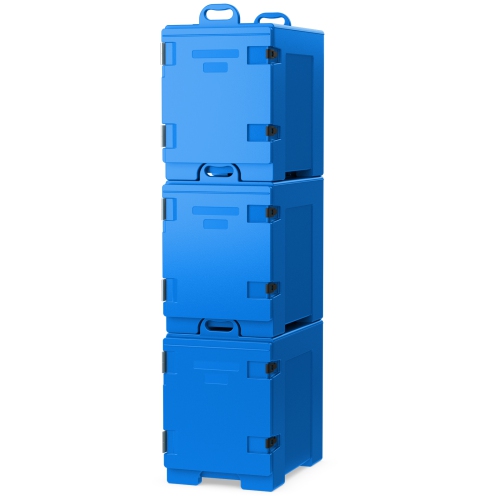
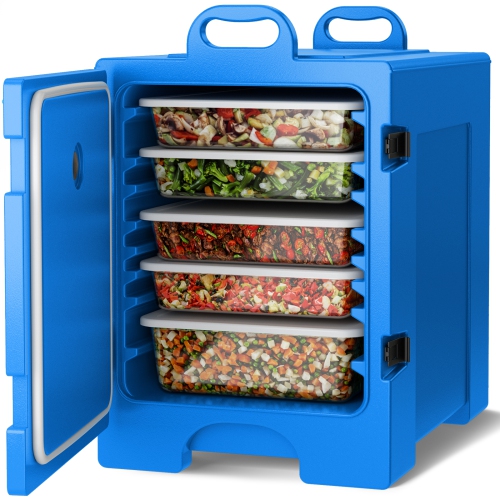
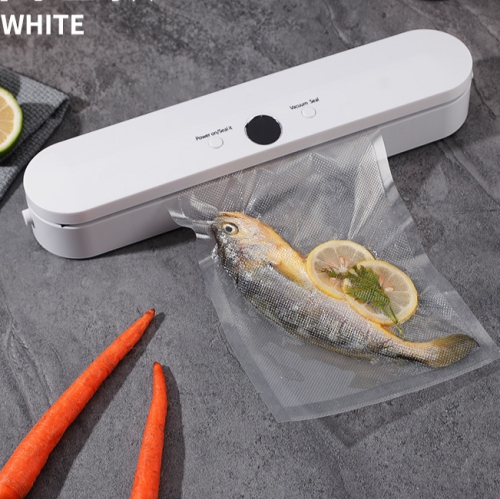
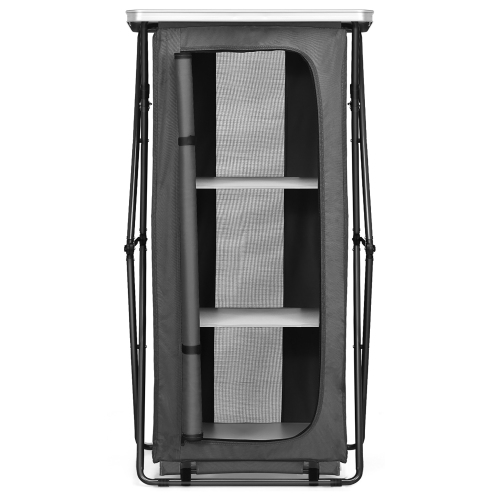
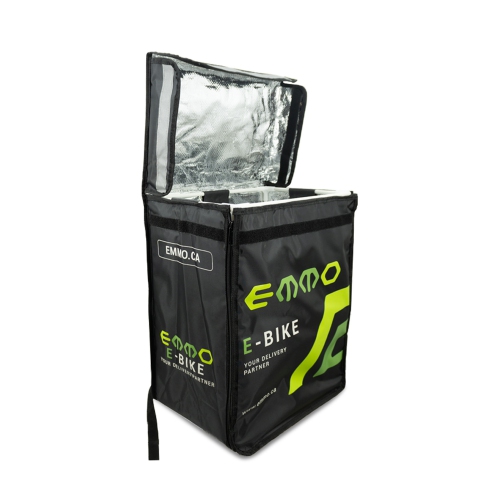
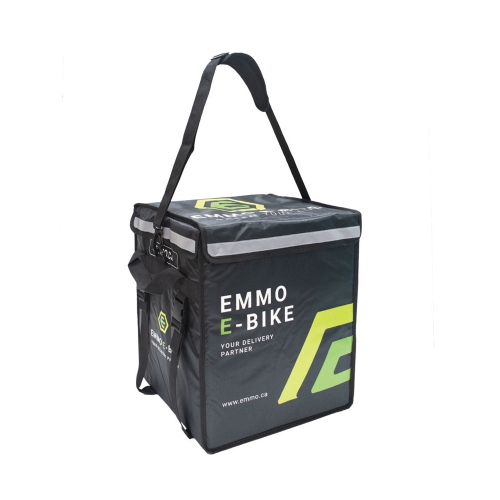
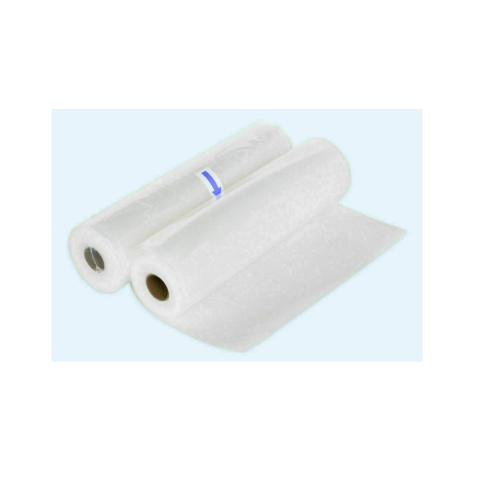
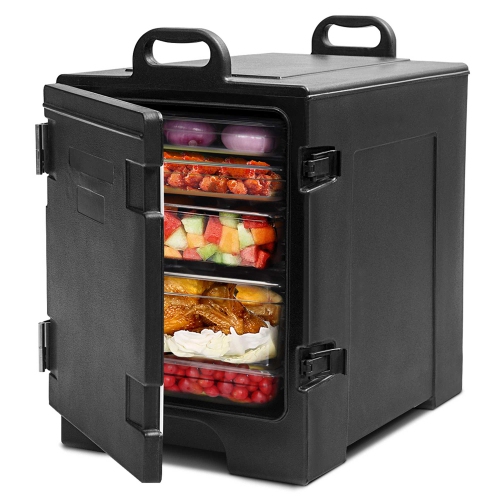
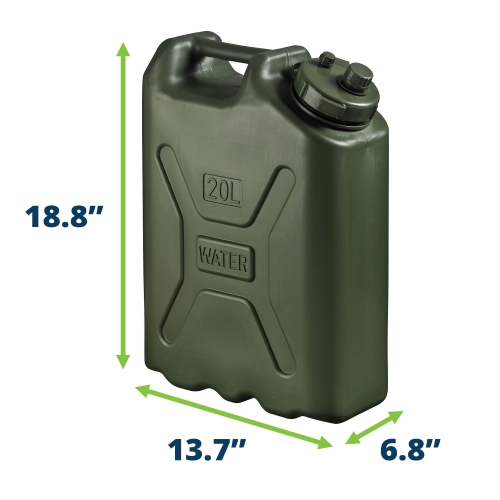
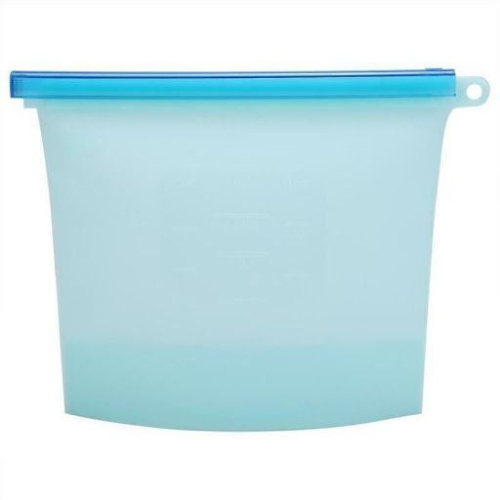
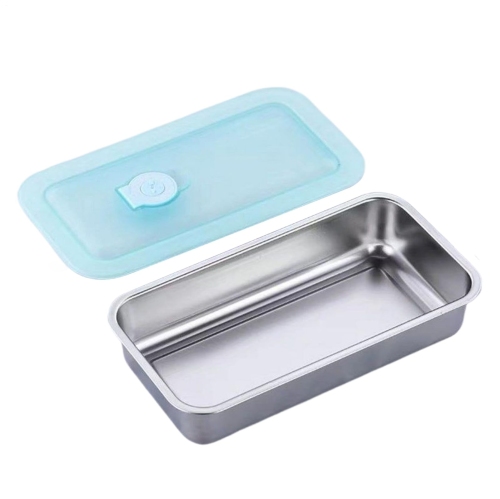
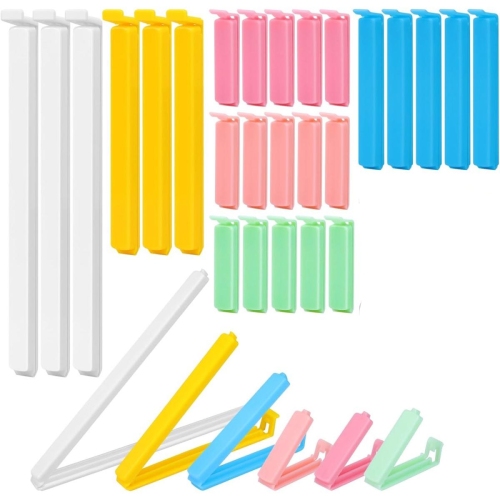
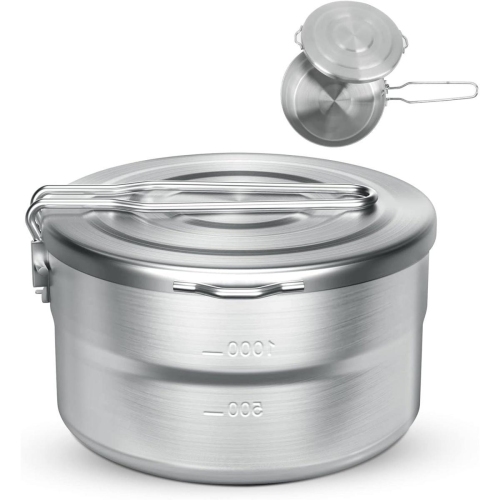
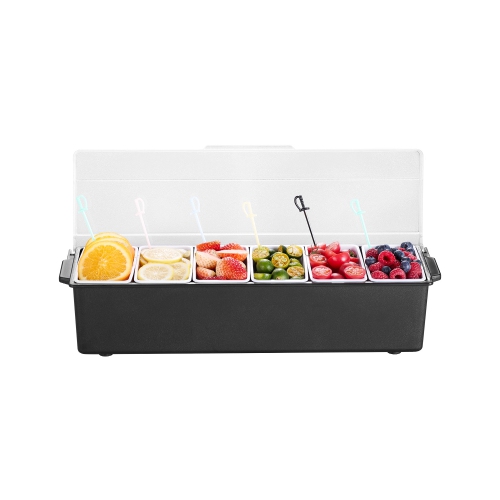

Practical ways to organize and protect food at camp
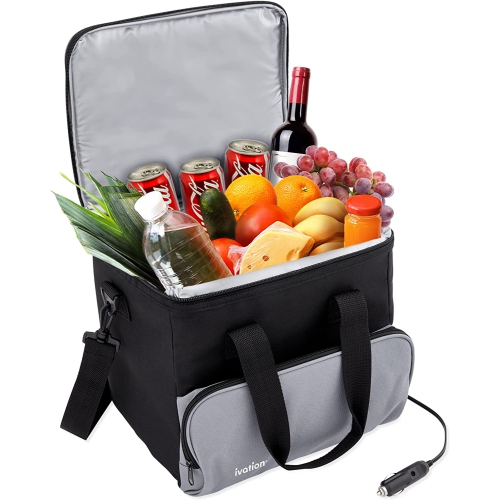
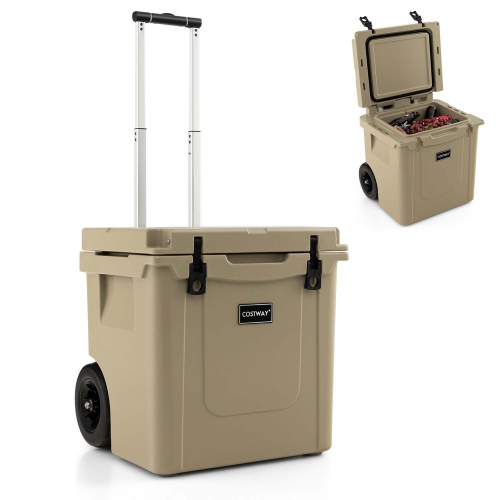
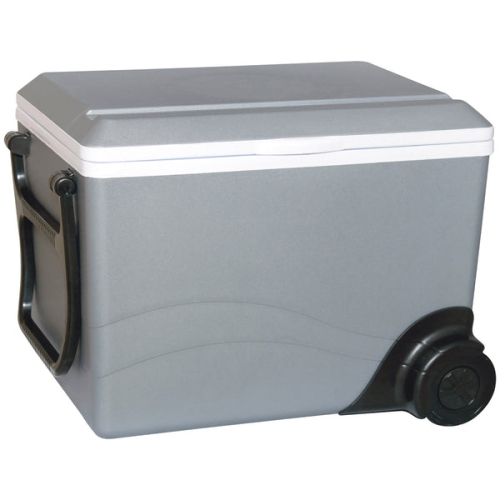
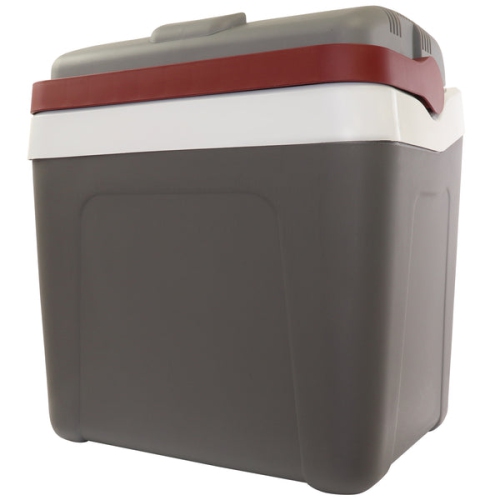
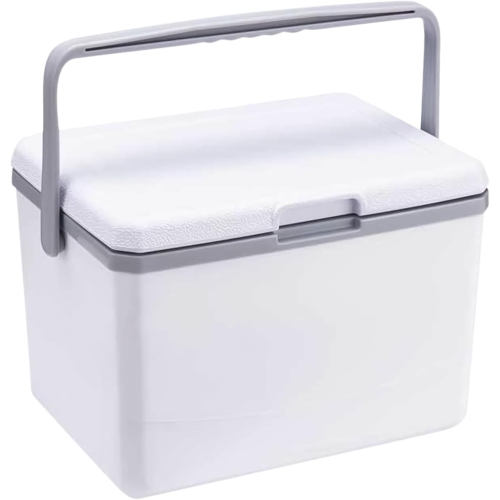
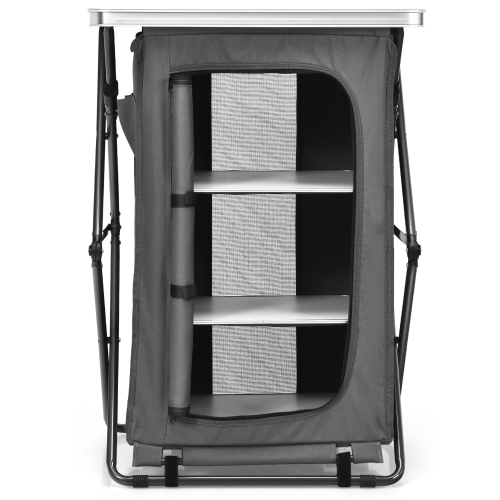
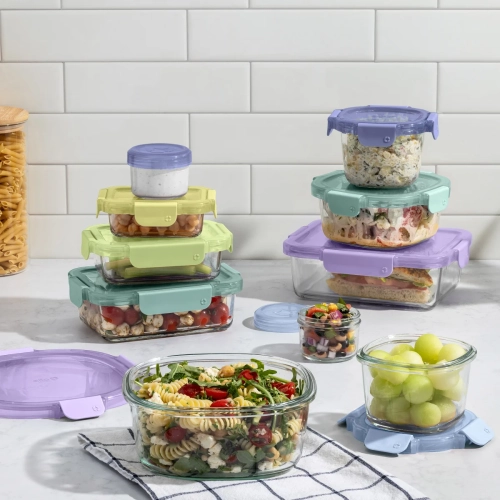
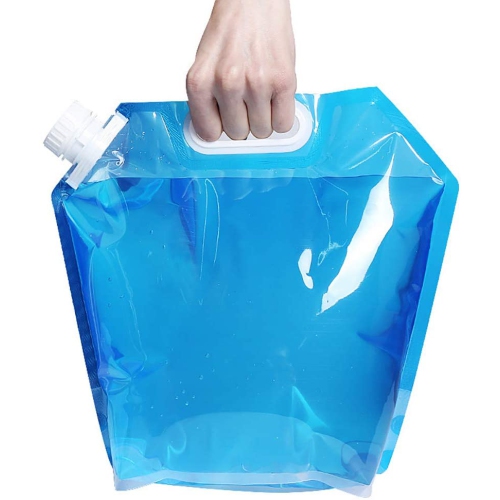
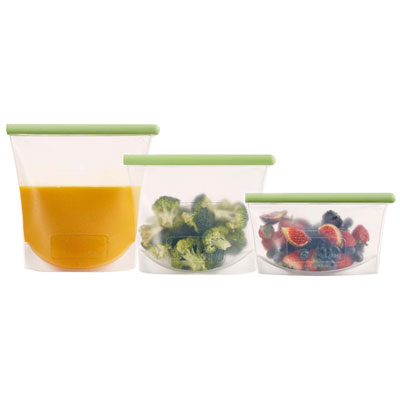
Camping food storage helps keep meals fresh, supplies organized, and shared outdoor spaces easier to manage from the first picnic lunch to the final breakfast at camp. Whether you are setting up a family campsite near a lake, travelling by trailer, spending a few nights at a drive-in site, or preparing a compact food kit for a day of hiking, the right storage assortment can make a noticeable difference. Insulated coolers are useful for keeping drinks, dairy products, prepared meals, and other perishables cold, while dry storage containers help protect bread, snacks, grains, canned foods, cooking ingredients, and packaged treats from moisture, dust, and curious insects. A practical setup often includes more than one storage type: a cooler for chilled foods, a hard-sided bin with a secure lid for dry goods, and smaller leak-resistant containers for sauces, oils, seasonings, coffee, or ingredients that could spill inside a larger bag. Look for durable handles, lids that close securely, easy-to-clean interiors, and dimensions that fit the available space in a vehicle, trailer, or campsite storage area. For longer outings, separate containers by meal or food category so breakfast items, cooking staples, snacks, and evening ingredients can be found without unpacking everything. Clear walls, labels, stackable shapes, and removable dividers can be especially helpful when several people are sharing food duties or when supplies need to stay accessible in changing weather. Travellers who already have a cooler or outdoor kitchen may also find useful additions among Travel Food Storage options, particularly when planning meals that need to move between home, the vehicle, and the campsite.
When choosing camping food storage, consider the length of the trip, the number of people being fed, the type of food being packed, and how far supplies will travel before they are used. A short car-camping weekend may call for a generously sized insulated cooler and a couple of sealed dry-food boxes, while a larger group or extended stay may benefit from separate coolers for beverages and perishables so the food cooler is not opened repeatedly. Pre-chilling the cooler before packing can help it hold a low temperature more effectively, and block ice generally lasts longer than smaller pieces. Pack raw meat and other foods that could leak in sealed bags or containers, positioned low in the cooler and away from ready-to-eat items to help reduce cross-contamination. Keep the lid closed as much as possible, place the cooler in a shaded area, and drain melted water when needed while following the storage instructions for the foods inside. Dry goods should be placed in rigid containers with tight-fitting lids rather than left in cardboard or thin packaging that can absorb rain, condensation, or cooking spills. Smaller squeeze bottles and compact containers can prevent half-used ingredients from leaking across a food box, while reusable bags or labelled pouches make it easier to portion snacks and ingredients before leaving home. At the campsite, food storage is also part of keeping the area secure. Perishables, rubbish, scented toiletries, and cooking ingredients should not be left in a tent or soft-sided shelter, where they provide little protection from animals. When a campground provides a metal bear locker, use it as directed; otherwise, store food and scented items in a locked vehicle or another approved hard-sided storage area overnight. Keeping supplies contained also helps prevent raccoons, rodents, birds, and other wildlife from getting into meals between uses. Follow campground rules and local wildlife guidance, since storage requirements can vary between parks, backcountry areas, and regions.
Camping food storage can be a thoughtful gift for someone who enjoys weekend road trips, fishing excursions, cottage stays, family camping, or outdoor cooking. It is also practical for a new camper building a first setup, a student preparing for group outings, or a frequent traveller replacing worn containers and organizing supplies more efficiently. Gift shoppers may want to match the storage solution to the recipient’s habits: a compact container set suits someone who packs light and prepares individual portions, while a larger insulated cooler or stackable dry bin may be better for a family that brings complete meals and plenty of drinks. During warmer conditions, strong insulation, dependable seals, and enough capacity for ice are important considerations; during cooler months, durable lids and moisture-resistant construction can help protect food from rain, condensation, and muddy campsite conditions. Hard-sided storage can also double as a tidy place to keep cooking equipment, napkins, utensils, or unopened ingredients between meals, although food and scented items should still be stored according to local wildlife rules. Think about how the storage will be carried from the vehicle to the picnic table, whether it will fit beneath a vehicle hatch or inside a trailer compartment, and whether its shape allows other supplies to be packed around it. Easy-clean surfaces are useful after spills, while sturdy latches and reinforced handles can make repeated trips less awkward. A well-planned collection of camping food storage keeps ingredients grouped, meals easier to prepare, and shared spaces less cluttered, whether the outing involves a simple packed lunch, several days of camp cooking, or a relaxed gathering around the fire during the cooler months.
When choosing camping food storage, consider the length of the trip, the number of people being fed, the type of food being packed, and how far supplies will travel before they are used. A short car-camping weekend may call for a generously sized insulated cooler and a couple of sealed dry-food boxes, while a larger group or extended stay may benefit from separate coolers for beverages and perishables so the food cooler is not opened repeatedly. Pre-chilling the cooler before packing can help it hold a low temperature more effectively, and block ice generally lasts longer than smaller pieces. Pack raw meat and other foods that could leak in sealed bags or containers, positioned low in the cooler and away from ready-to-eat items to help reduce cross-contamination. Keep the lid closed as much as possible, place the cooler in a shaded area, and drain melted water when needed while following the storage instructions for the foods inside. Dry goods should be placed in rigid containers with tight-fitting lids rather than left in cardboard or thin packaging that can absorb rain, condensation, or cooking spills. Smaller squeeze bottles and compact containers can prevent half-used ingredients from leaking across a food box, while reusable bags or labelled pouches make it easier to portion snacks and ingredients before leaving home. At the campsite, food storage is also part of keeping the area secure. Perishables, rubbish, scented toiletries, and cooking ingredients should not be left in a tent or soft-sided shelter, where they provide little protection from animals. When a campground provides a metal bear locker, use it as directed; otherwise, store food and scented items in a locked vehicle or another approved hard-sided storage area overnight. Keeping supplies contained also helps prevent raccoons, rodents, birds, and other wildlife from getting into meals between uses. Follow campground rules and local wildlife guidance, since storage requirements can vary between parks, backcountry areas, and regions.
Camping food storage can be a thoughtful gift for someone who enjoys weekend road trips, fishing excursions, cottage stays, family camping, or outdoor cooking. It is also practical for a new camper building a first setup, a student preparing for group outings, or a frequent traveller replacing worn containers and organizing supplies more efficiently. Gift shoppers may want to match the storage solution to the recipient’s habits: a compact container set suits someone who packs light and prepares individual portions, while a larger insulated cooler or stackable dry bin may be better for a family that brings complete meals and plenty of drinks. During warmer conditions, strong insulation, dependable seals, and enough capacity for ice are important considerations; during cooler months, durable lids and moisture-resistant construction can help protect food from rain, condensation, and muddy campsite conditions. Hard-sided storage can also double as a tidy place to keep cooking equipment, napkins, utensils, or unopened ingredients between meals, although food and scented items should still be stored according to local wildlife rules. Think about how the storage will be carried from the vehicle to the picnic table, whether it will fit beneath a vehicle hatch or inside a trailer compartment, and whether its shape allows other supplies to be packed around it. Easy-clean surfaces are useful after spills, while sturdy latches and reinforced handles can make repeated trips less awkward. A well-planned collection of camping food storage keeps ingredients grouped, meals easier to prepare, and shared spaces less cluttered, whether the outing involves a simple packed lunch, several days of camp cooking, or a relaxed gathering around the fire during the cooler months.
Top selling and popular products
-
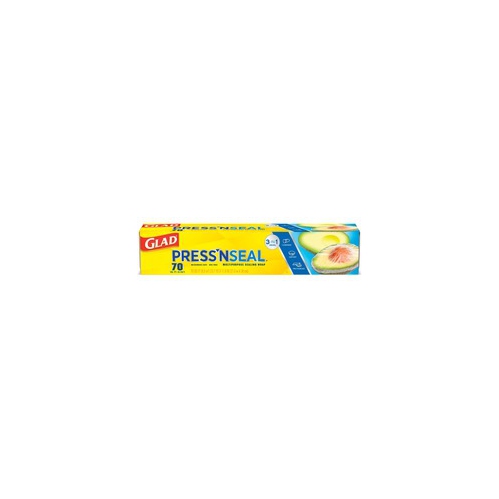 Your price for this item is $5.99
 -
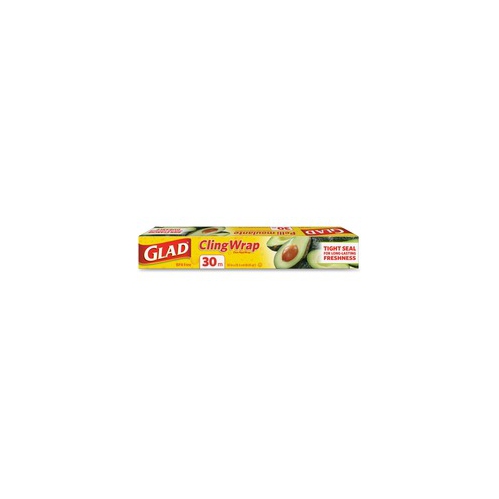 Your price for this item is $2.99
 -
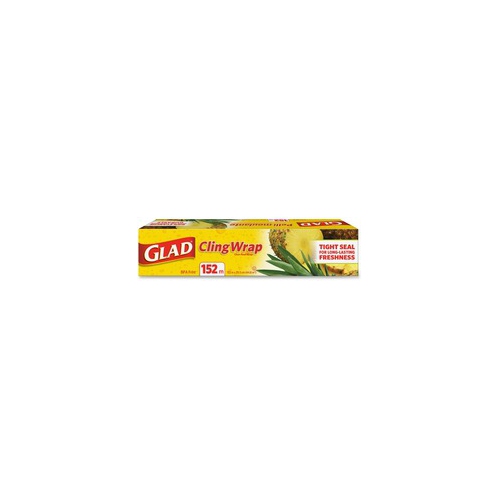 Your price for this item is $9.99
 -
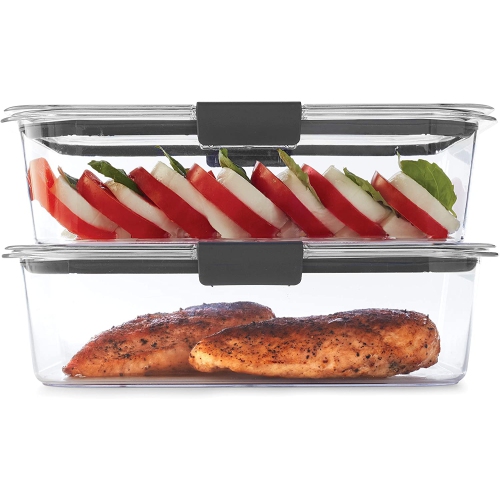 Your price for this item is $108.25
 -
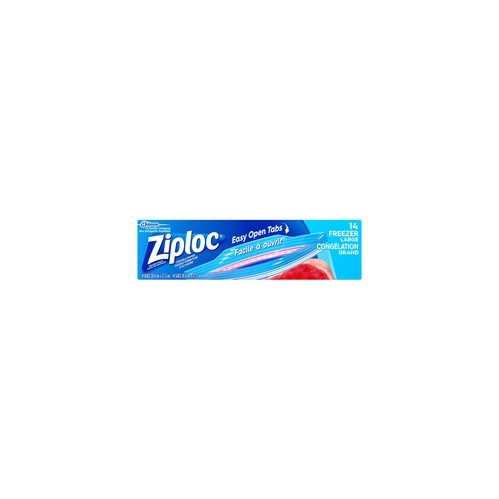 Your price for this item is $7.99
 -
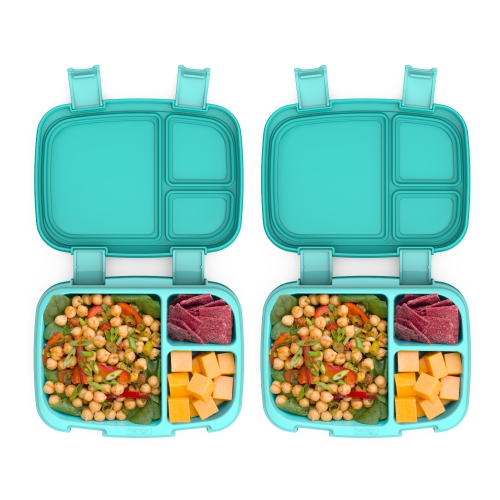 Your price for this item is $59.99
 -
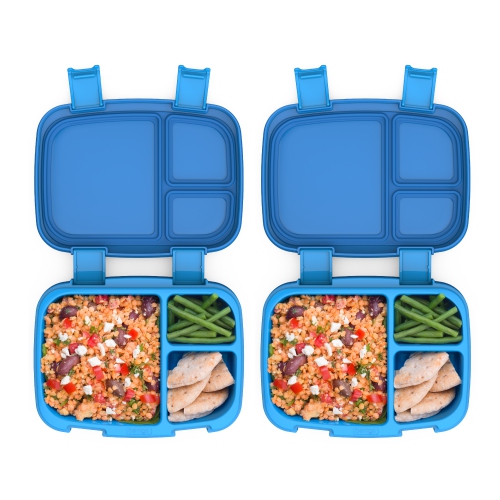 Your price for this item is $59.99
 -
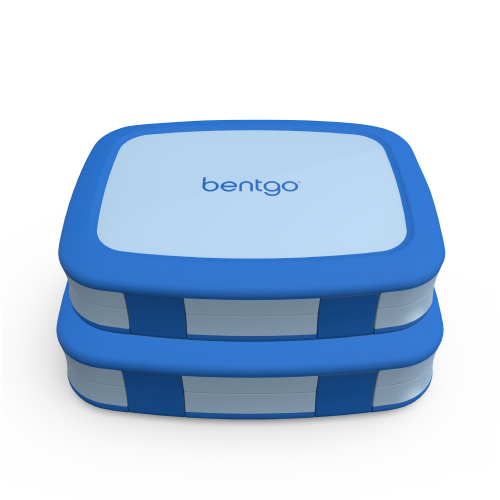 Your price for this item is $49.99
Discover more categories related to Camping Food Storage
Top Collections:
Best Laptops for Video Editing, Pokemon Centers, Samsung Z Fold, Kindle Devices, Best Cell Phones Under $300, Best Laptops for Writers, Best Budget Office Chairs, Best Cell Phones Under $500, Best Laptop Computers for Students, iPhone 15 Apple
Some products may be subject to Environmental Handling Fees
(EHF) depending on your province.
Learn more about EHFs.