Camping Gear Storage
Organizing your camping gear just got easier with our selection of storage solutions designed to keep your outdoor essentials tidy and easily accessible. From compact storage bins and hanging organizers to spacious duffel bags and backpacks, we have everything you need to streamline your camping experience. Whether you're a seasoned adventurer or new to the great outdoors, having the right storage options can make a world of difference in keeping your gear in order during your outdoor escapades.
Sort
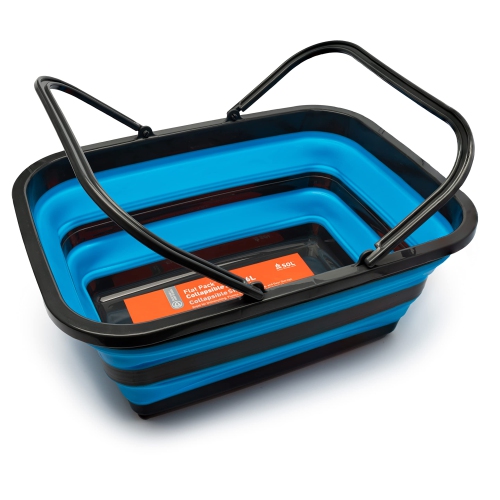

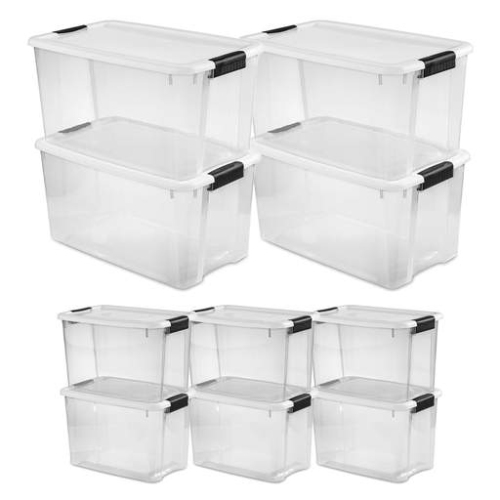
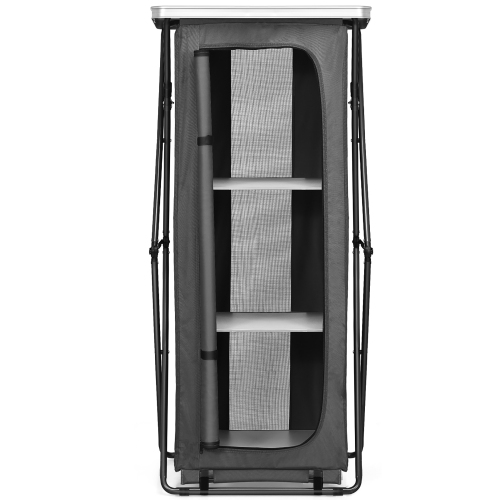
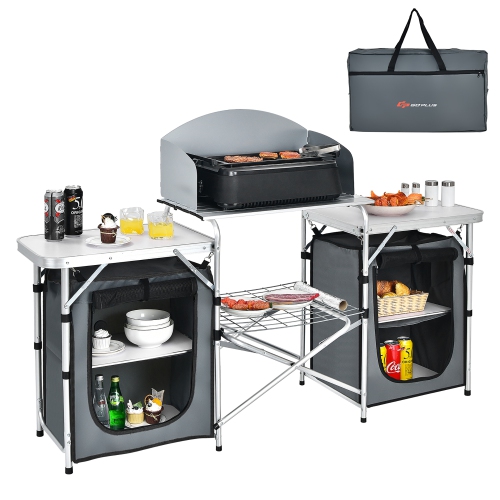
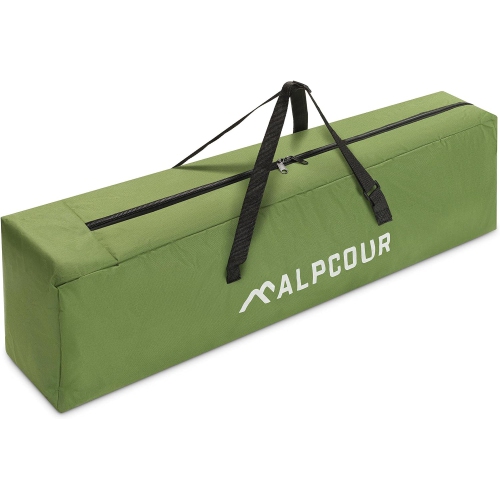
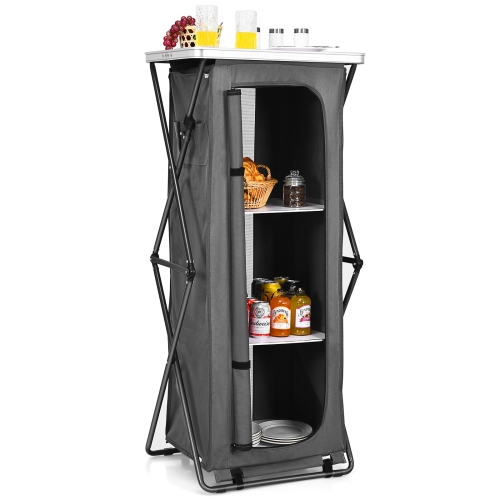
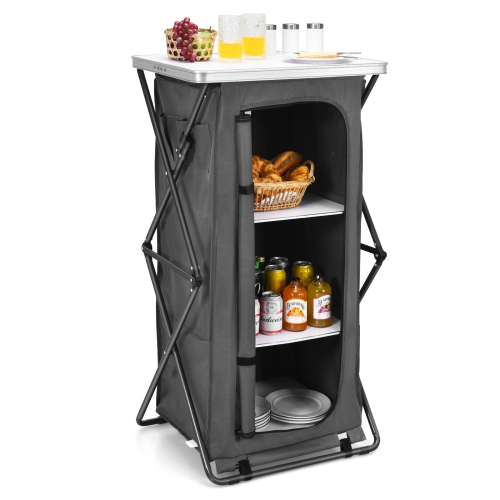
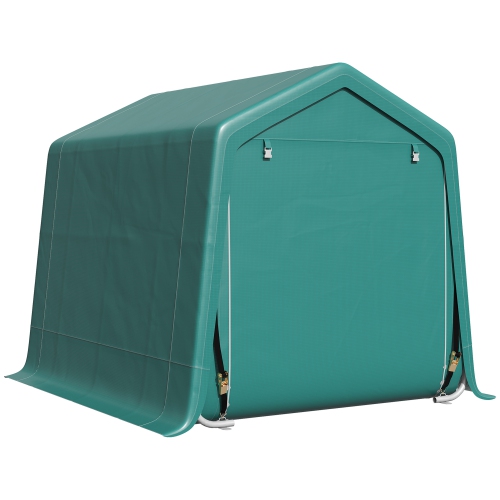
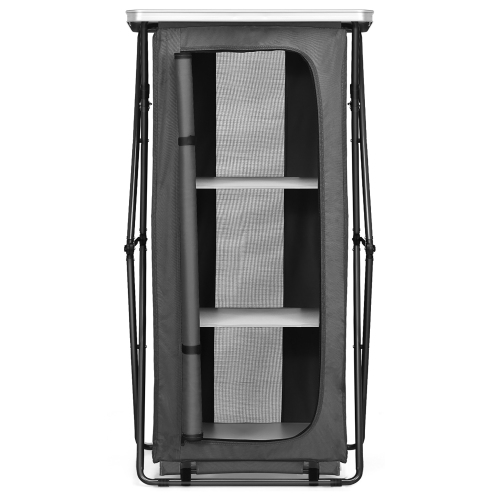
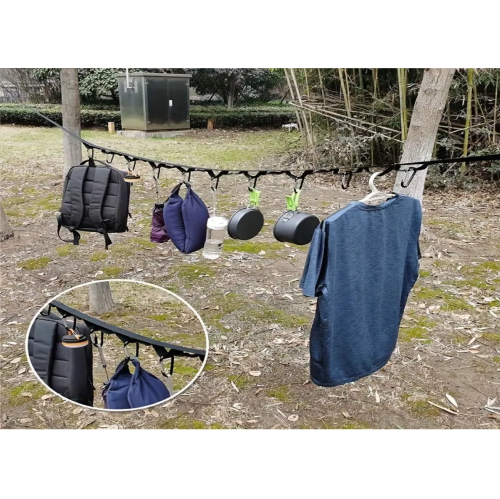
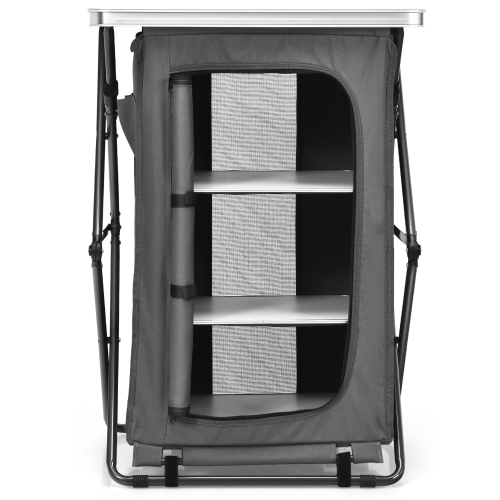
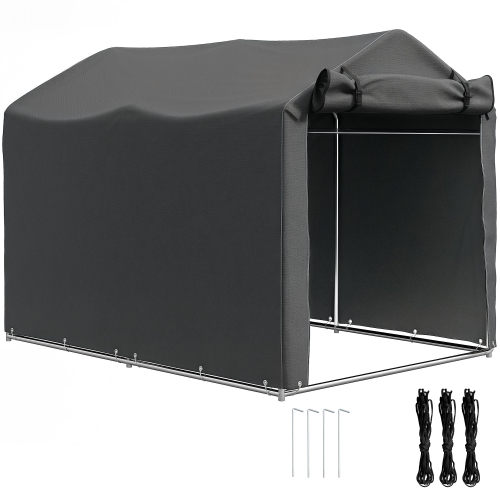
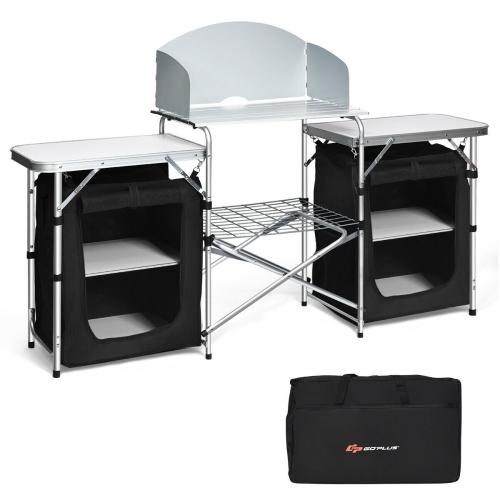
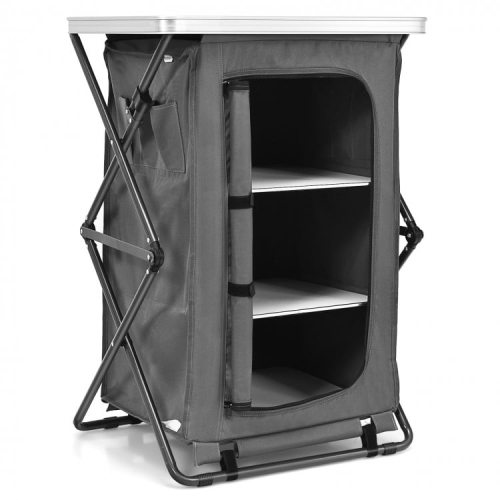
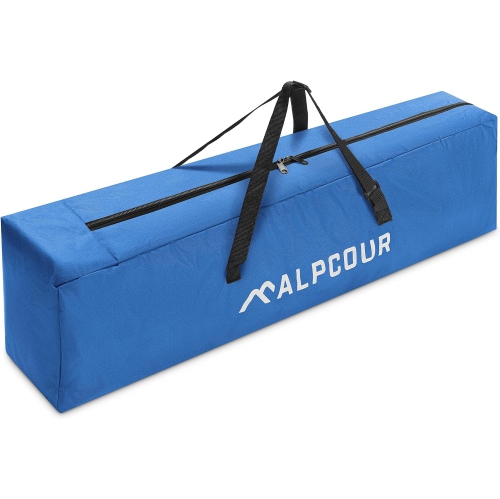
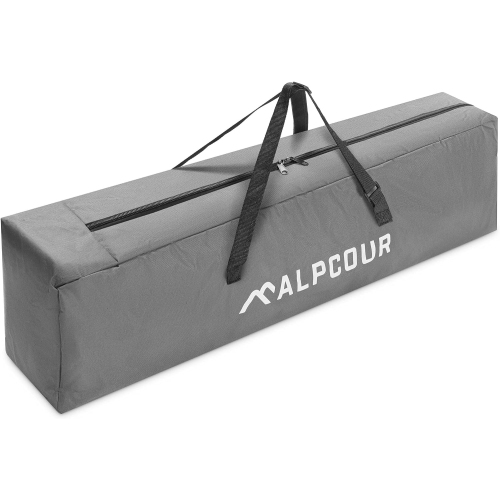
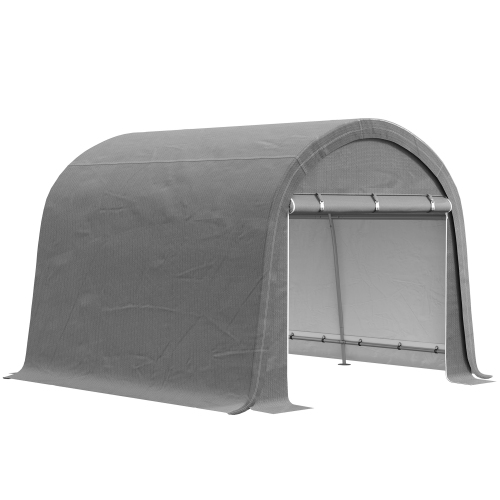
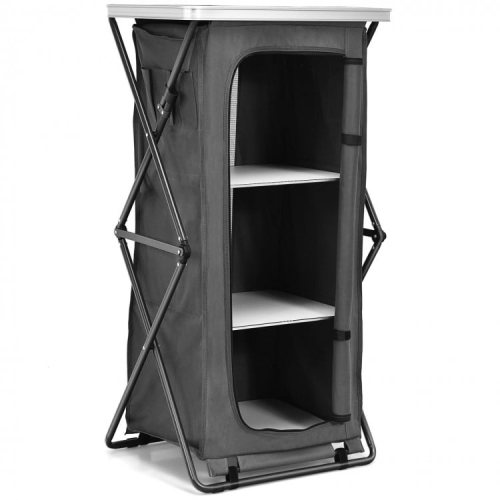
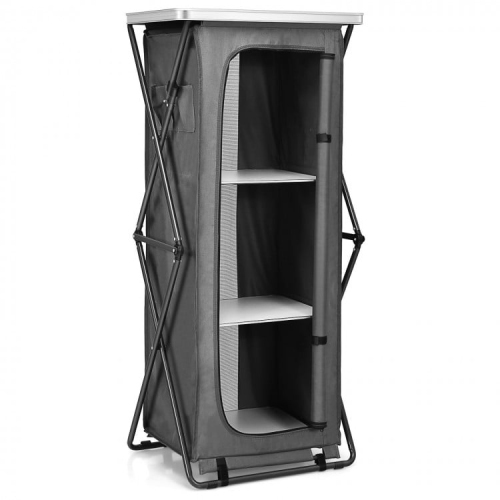
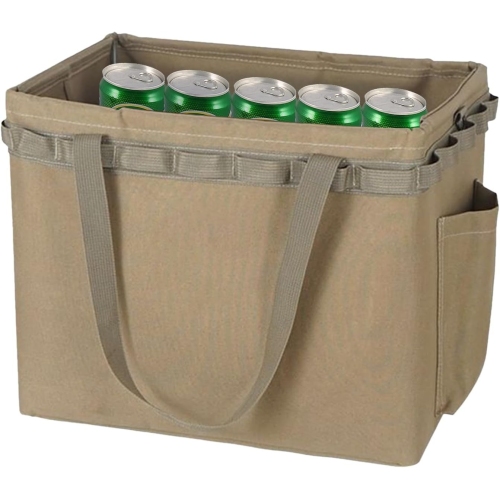
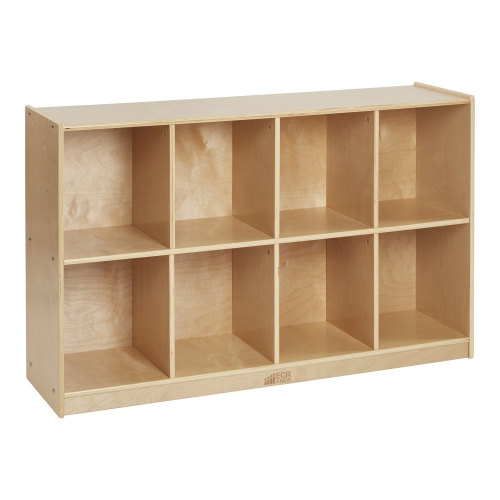
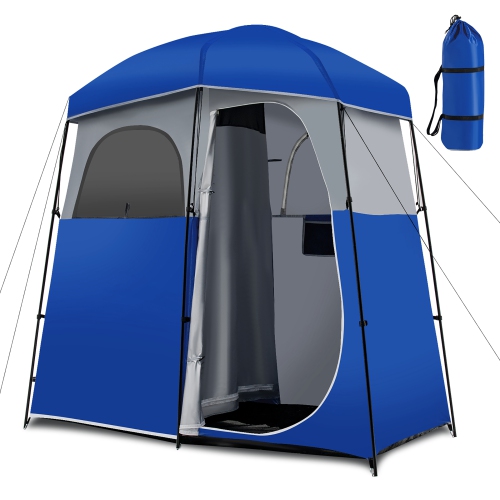

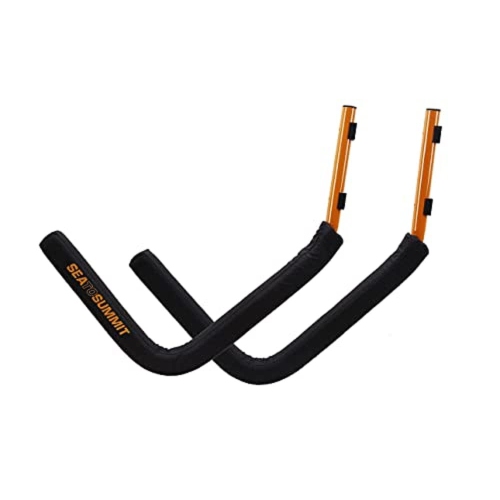
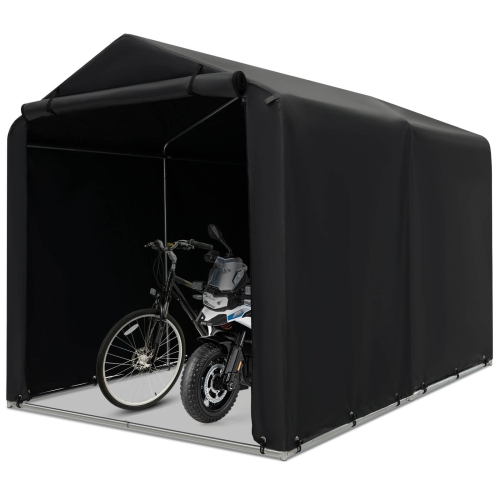
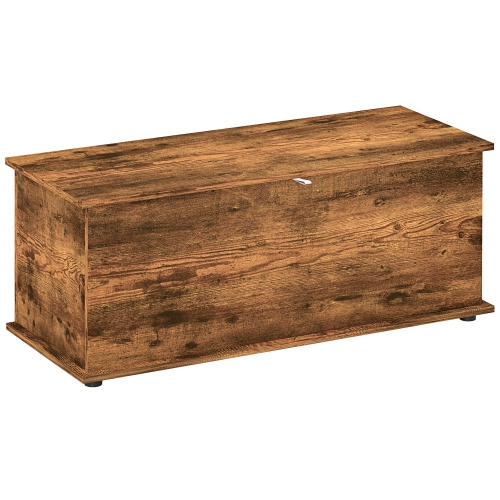
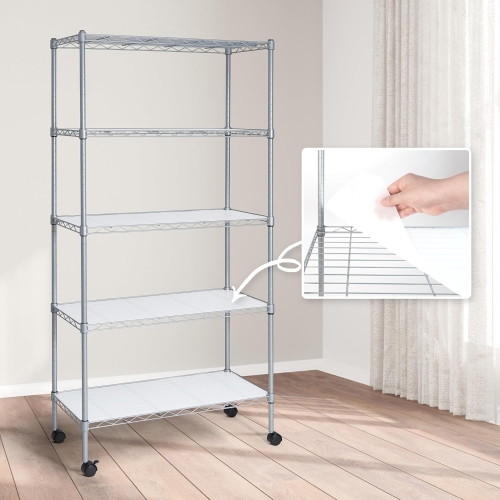
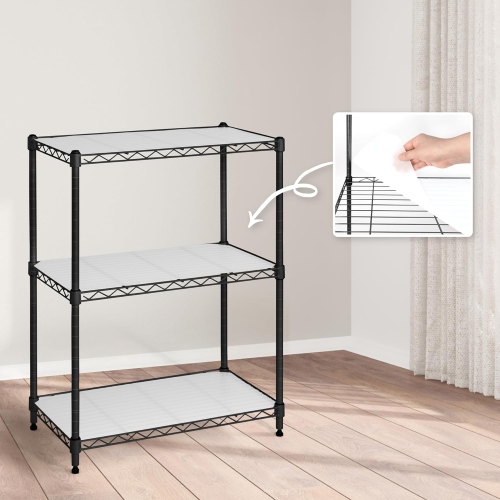
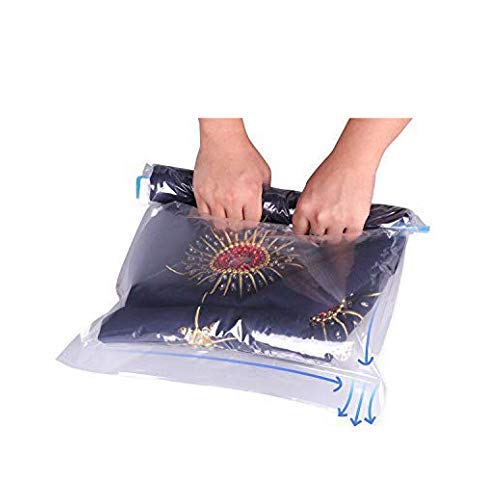
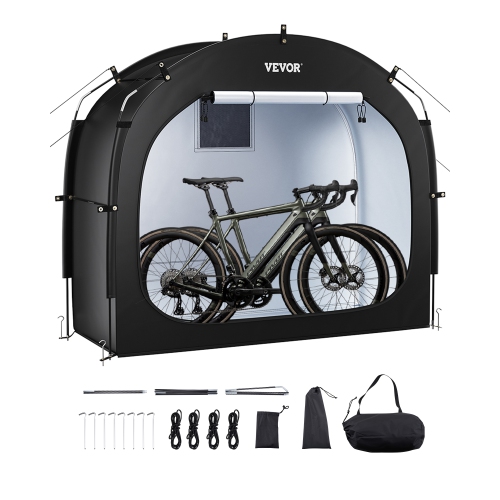
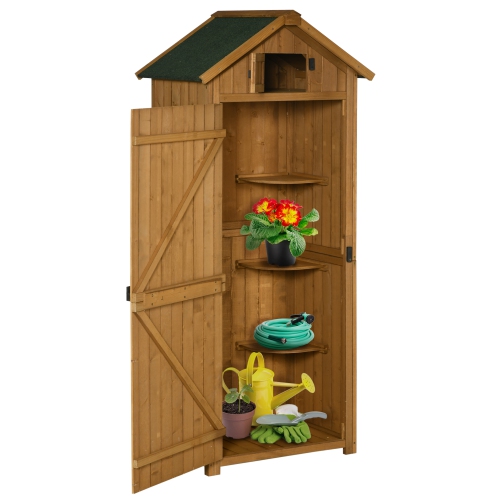
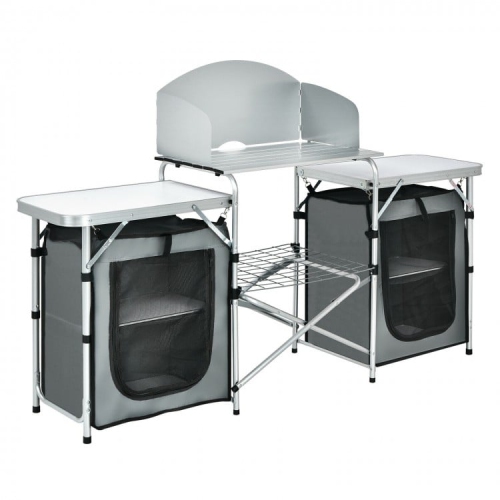
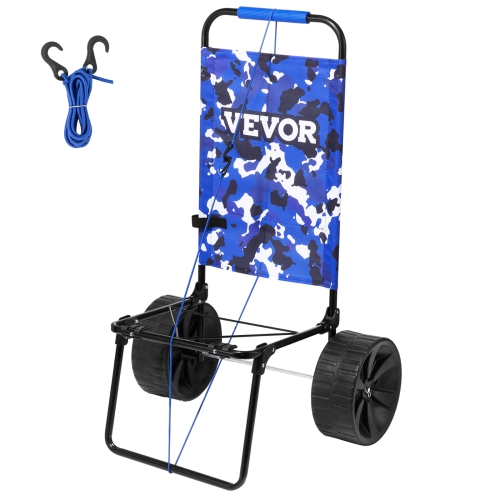
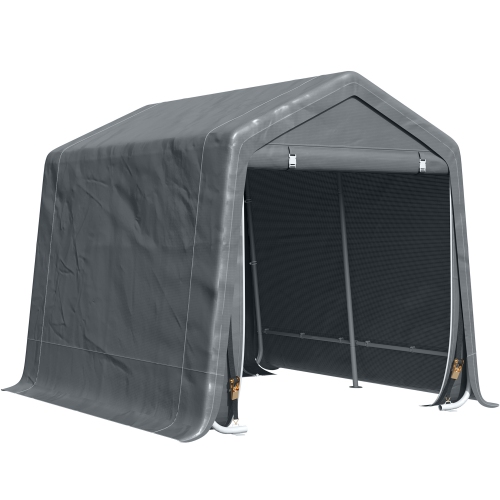
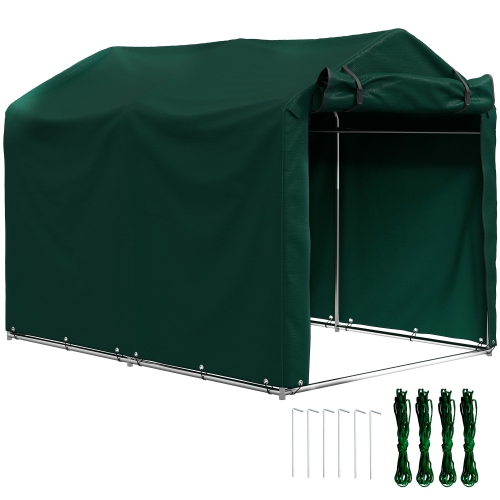
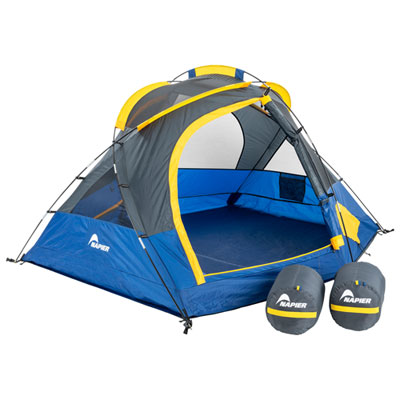
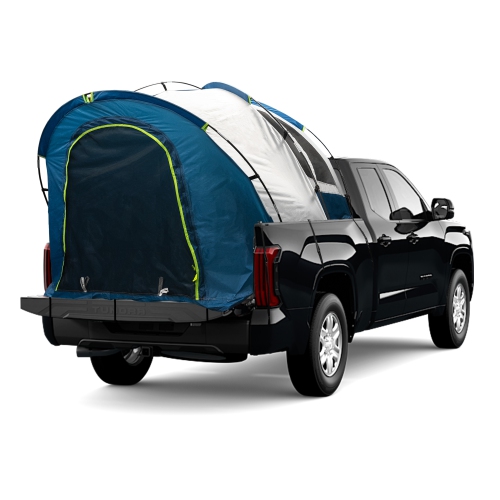

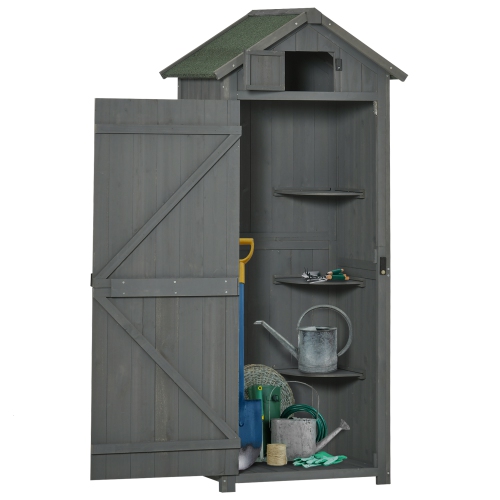
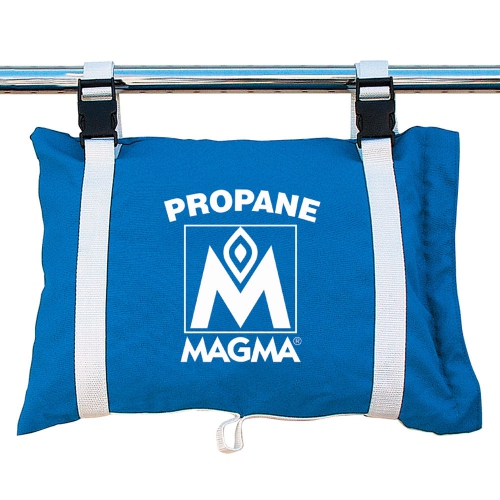
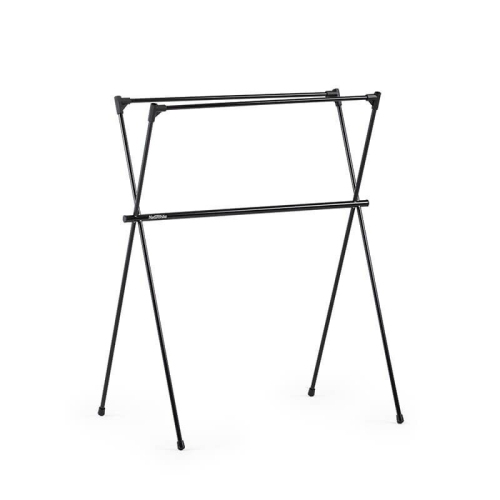
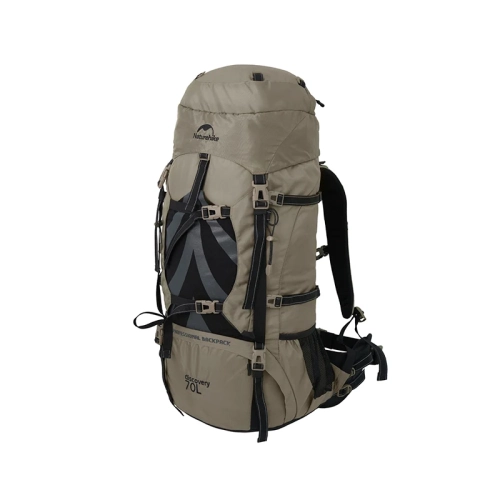
Dry, labelled storage keeps camping equipment ready for every trip
Camping gear storage helps keep outdoor equipment protected, organized, and ready for the next trip, whether it is kept in a garage, utility room, closet, shed, basement, or self-storage space. A well-planned storage setup can make packing less stressful by keeping shelter equipment, sleeping gear, camp kitchen supplies, clothing, footwear, lighting, and repair essentials in clearly defined places. Storage bins and totes are useful for grouping equipment by activity or packing order, while stackable designs can make better use of floor space. Choose containers with sturdy construction, secure lids, and handles that are comfortable to carry when the contents are full. Clear sides or transparent lids make it easier to check what is inside, while opaque containers can help protect light-sensitive items and create a more uniform appearance on open shelving. Labels are especially helpful when several bins look alike; simple descriptions such as “tent and shelter,” “sleeping gear,” “camp kitchen,” or “repair supplies” can save time when preparing for a weekend away. Smaller organizers can keep batteries, cords, cookware accessories, first aid supplies, pegs, ropes, and other loose items from disappearing among larger equipment. If your collection of Camping Gear includes bulky chairs, tables, coolers, or folding equipment, shelving units, wall hooks, and overhead storage can help keep these items off the floor while leaving walking and vehicle-loading areas clear. Measure the available space before buying storage, paying attention to doorways, ceiling height, shelf depth, and the weight capacity of each surface. In a smaller home or apartment, low-profile containers may fit beneath a bed or along the back of a closet, while hanging organizers can use vertical space for compact accessories. For larger households, separate bins for each camper or each type of outing can make shared equipment easier to find and return.
Preparing equipment properly before it goes into storage is just as important as selecting the container. Tents, tarps, rain covers, groundsheets, and other fabric shelter pieces should be shaken out, cleaned according to their care instructions, and allowed to dry completely before being packed away. Even a small amount of trapped moisture can lead to musty odours or mildew during extended storage, particularly in a warm garage or enclosed shed. Rather than leaving fabric items compressed in their smallest travel bags for long periods, consider using breathable storage bags or larger containers that allow them to rest more loosely. Sleeping bags and quilts benefit from being hung, laid flat, or placed in a roomy breathable bag so their insulation is not kept under constant pressure. Sleeping pads should be clean and dry, with valves and folds handled according to the manufacturer’s instructions. Footwear should be brushed free of dirt, emptied, and dried at room temperature away from intense direct heat; removable insoles can be dried separately. Camp kitchen items should be washed, dried, and stored without food residue, with sealed containers helping reduce exposure to dust and pests. Keep fuel, batteries, cleaning chemicals, and other sensitive supplies according to their safety instructions rather than placing them casually in a general-purpose bin. Electronics and small accessories are easier to manage in compact, lidded organizers, especially when each compartment or container is labelled. In a garage, shed, or basement, raise storage containers off the floor where possible to help protect them from minor leaks, condensation, and cold surfaces. A cool, dry, dark location is generally preferable, and areas with changing temperature or humidity may benefit from improved ventilation or moisture control. Leave enough space around stored equipment to inspect it, remove it without shifting a tall stack, and spot any signs of dampness or damage.
Camping gear storage can be tailored to the people who use the equipment and the way they travel. Families may appreciate colour-coded bins or large labelled totes that allow children to help return sleeping bags, camp chairs, and outdoor games to their proper places after a trip. Frequent campers can create a ready-to-pack system, with one container for shelter, another for cooking, and a smaller organizer for navigation, lighting, tools, and first aid. Occasional campers may prefer a compact setup that fits neatly into a closet and keeps equipment together between outings. Storage solutions can also be thoughtful gifts for someone moving into a home with a garage, preparing for their first camping season, or gradually building a collection of outdoor equipment. For gift-giving, consider the recipient’s available storage space, physical comfort, and preferred activities: lightweight organizers suit apartment dwellers, durable stackable containers work well for larger collections, and wall-mounted options may appeal to someone who likes a tidy workshop. During the warmer part of the year, accessible storage makes it simple to load equipment for road trips, backcountry excursions, fishing weekends, and family stays at a campsite. During cooler months, it supports an orderly end-of-season routine, allowing wet-weather items to be checked, dried, and put away without being forgotten in a vehicle. A useful system should make equipment easy to identify, lift, clean, and repack, while leaving room for new additions as camping habits evolve. By storing each item in a suitable container, keeping fabric gear dry and breathable, using vertical space carefully, and labelling everything clearly, campers can spend less time sorting through clutter and more time enjoying quiet mornings outdoors, shared meals by the fire, and comfortable nights beneath the open sky.
Preparing equipment properly before it goes into storage is just as important as selecting the container. Tents, tarps, rain covers, groundsheets, and other fabric shelter pieces should be shaken out, cleaned according to their care instructions, and allowed to dry completely before being packed away. Even a small amount of trapped moisture can lead to musty odours or mildew during extended storage, particularly in a warm garage or enclosed shed. Rather than leaving fabric items compressed in their smallest travel bags for long periods, consider using breathable storage bags or larger containers that allow them to rest more loosely. Sleeping bags and quilts benefit from being hung, laid flat, or placed in a roomy breathable bag so their insulation is not kept under constant pressure. Sleeping pads should be clean and dry, with valves and folds handled according to the manufacturer’s instructions. Footwear should be brushed free of dirt, emptied, and dried at room temperature away from intense direct heat; removable insoles can be dried separately. Camp kitchen items should be washed, dried, and stored without food residue, with sealed containers helping reduce exposure to dust and pests. Keep fuel, batteries, cleaning chemicals, and other sensitive supplies according to their safety instructions rather than placing them casually in a general-purpose bin. Electronics and small accessories are easier to manage in compact, lidded organizers, especially when each compartment or container is labelled. In a garage, shed, or basement, raise storage containers off the floor where possible to help protect them from minor leaks, condensation, and cold surfaces. A cool, dry, dark location is generally preferable, and areas with changing temperature or humidity may benefit from improved ventilation or moisture control. Leave enough space around stored equipment to inspect it, remove it without shifting a tall stack, and spot any signs of dampness or damage.
Camping gear storage can be tailored to the people who use the equipment and the way they travel. Families may appreciate colour-coded bins or large labelled totes that allow children to help return sleeping bags, camp chairs, and outdoor games to their proper places after a trip. Frequent campers can create a ready-to-pack system, with one container for shelter, another for cooking, and a smaller organizer for navigation, lighting, tools, and first aid. Occasional campers may prefer a compact setup that fits neatly into a closet and keeps equipment together between outings. Storage solutions can also be thoughtful gifts for someone moving into a home with a garage, preparing for their first camping season, or gradually building a collection of outdoor equipment. For gift-giving, consider the recipient’s available storage space, physical comfort, and preferred activities: lightweight organizers suit apartment dwellers, durable stackable containers work well for larger collections, and wall-mounted options may appeal to someone who likes a tidy workshop. During the warmer part of the year, accessible storage makes it simple to load equipment for road trips, backcountry excursions, fishing weekends, and family stays at a campsite. During cooler months, it supports an orderly end-of-season routine, allowing wet-weather items to be checked, dried, and put away without being forgotten in a vehicle. A useful system should make equipment easy to identify, lift, clean, and repack, while leaving room for new additions as camping habits evolve. By storing each item in a suitable container, keeping fabric gear dry and breathable, using vertical space carefully, and labelling everything clearly, campers can spend less time sorting through clutter and more time enjoying quiet mornings outdoors, shared meals by the fire, and comfortable nights beneath the open sky.
Top selling and popular products
-
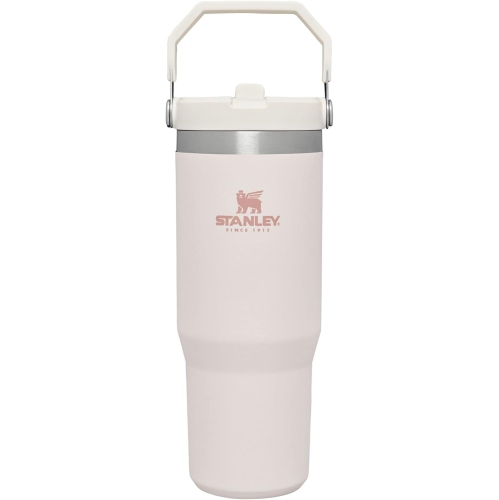 Your price for this item is $49.89
 -
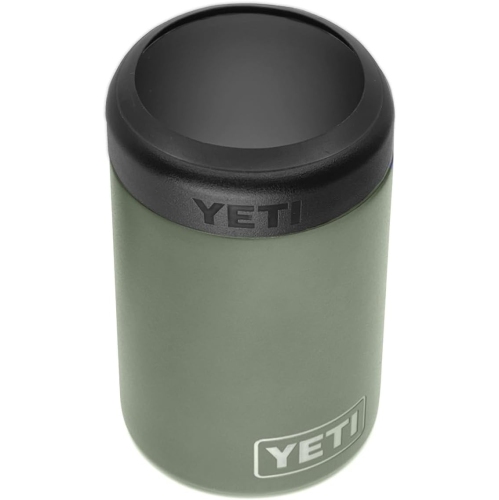 Your price for this item is $64.99
 -
 Your price for this item is $109.99
 -
 Your price for this item is $87.99
 -
 Your price for this item is $179.99
 -
 Your price for this item is $64.99
 -
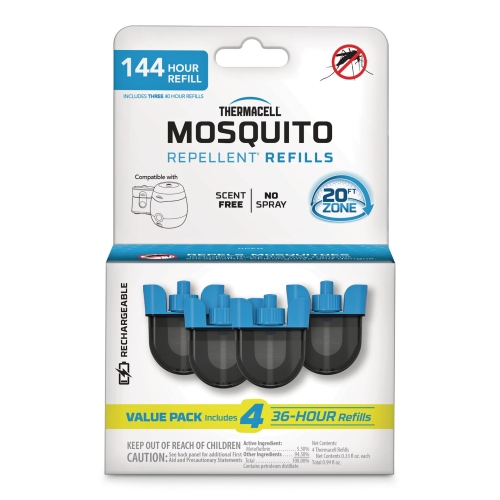 Your price for this item is $69
 -
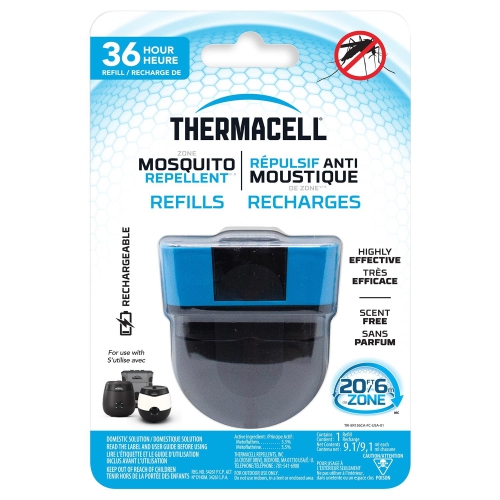 Your price for this item is $34.99
Discover more categories related to Camping Gear Storage
Top Collections:
Best Laptops for Video Editing, Pokemon Centers, Samsung Z Fold, Kindle Devices, Best Cell Phones Under $300, Best Laptops for Writers, Best Budget Office Chairs, Best Cell Phones Under $500, Best Laptop Computers for Students, iPhone 15 Apple
Some products may be subject to Environmental Handling Fees
(EHF) depending on your province.
Learn more about EHFs.