Camping Tent
If you're looking for a way to enjoy the outdoors while still having the comfort of home, then a camping tent is the perfect solution. Camping tents come in a variety of sizes, shapes, and materials, making it easy to find one that suits your needs. Whether you're camping solo or with a group, there's a tent that can accommodate your needs. Here are some of the best options available.
Sort




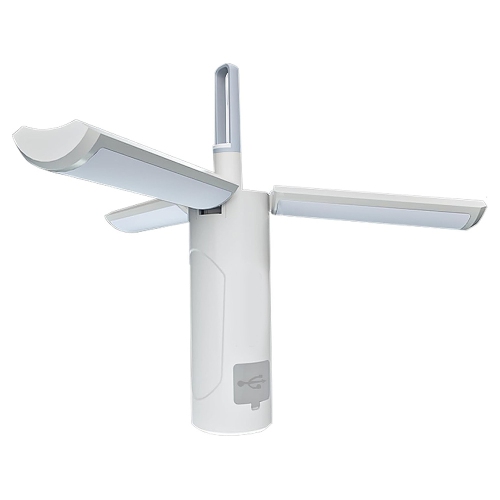
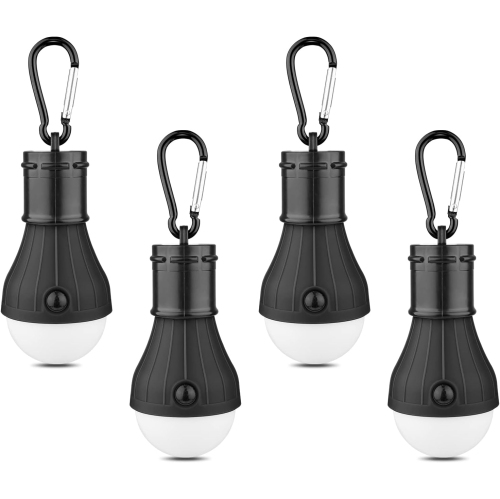
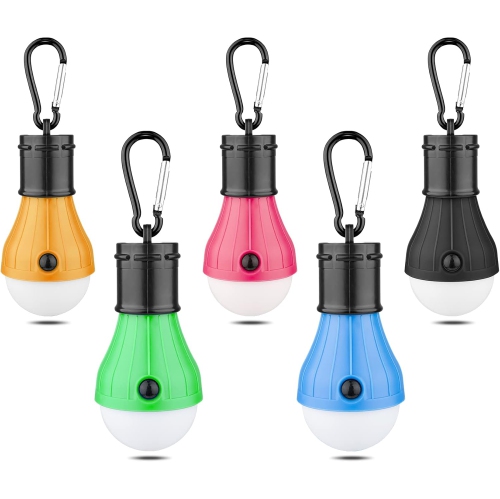
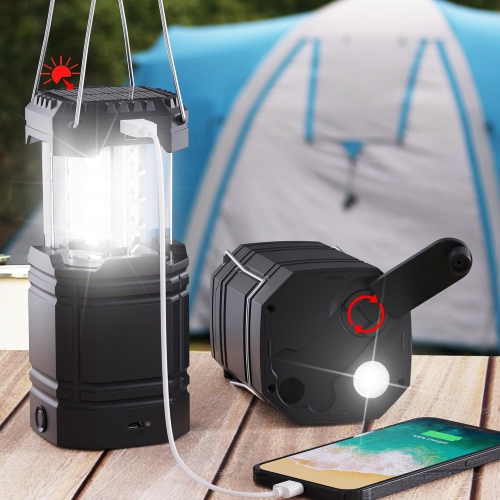
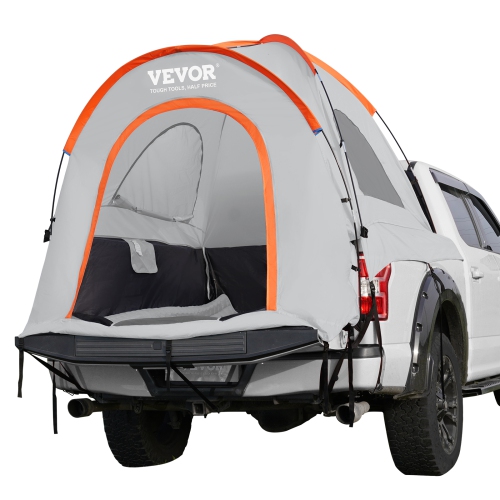
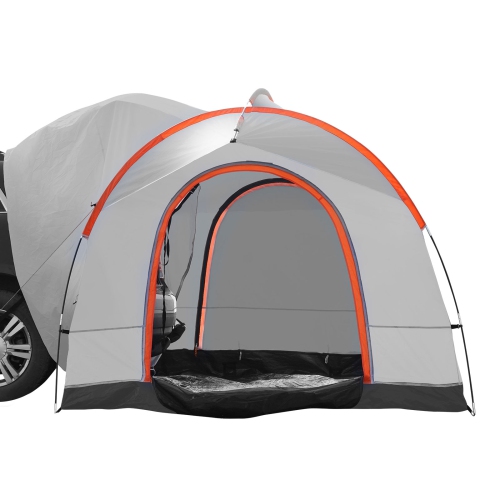
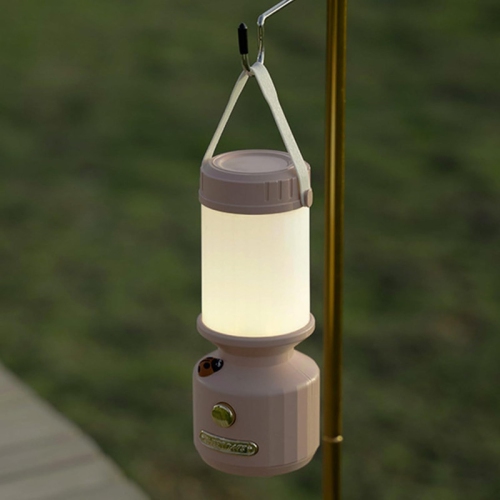
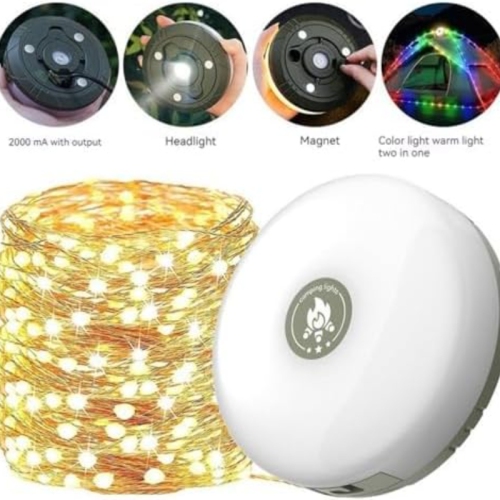
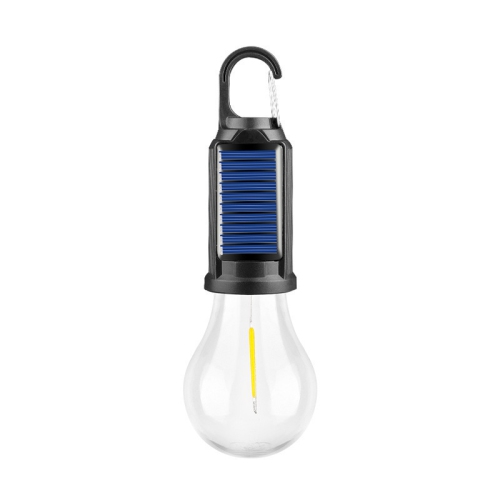
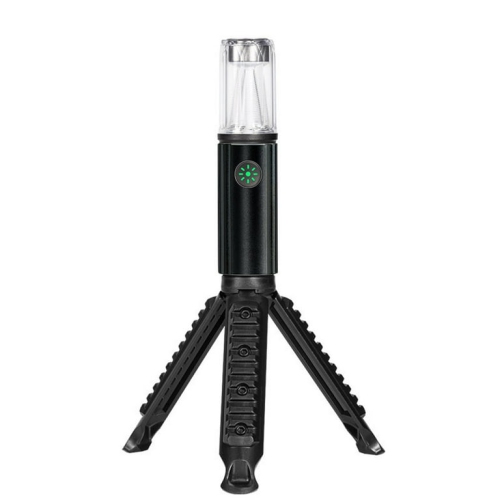
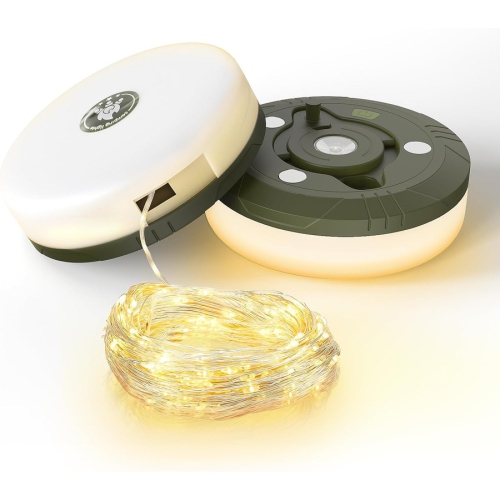
![VECELOLIBILIS Camping Light [5 Pack], 4 Lighting Modes Led Camping Lantern Bulbs w Clip Hooks, Waterproof Portable Battery Operated Emergency Tent](https://multimedia.bbycastatic.ca/multimedia/products/500x500/193/19351/19351103.jpeg)
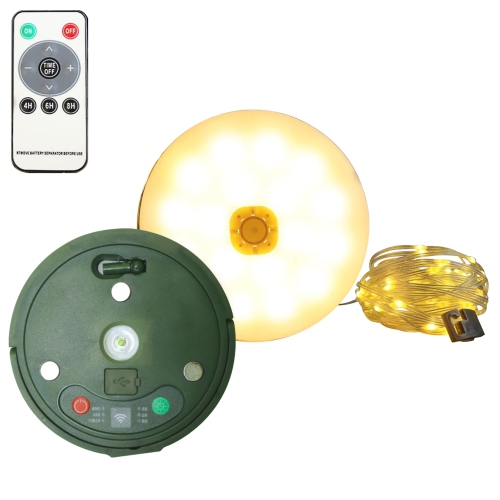
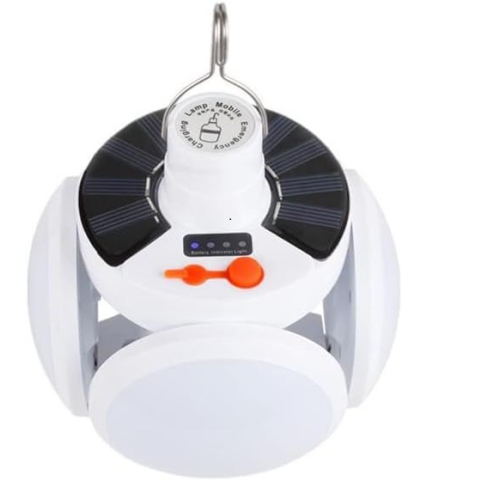
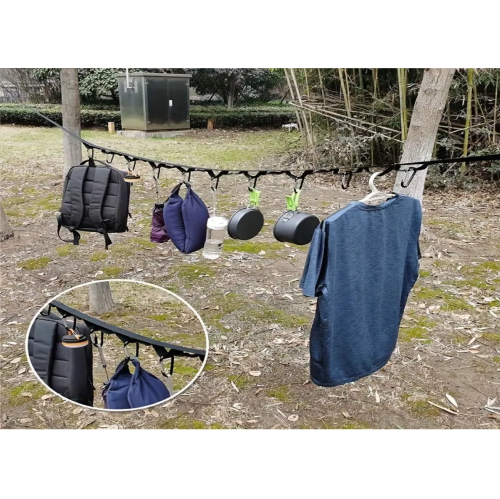
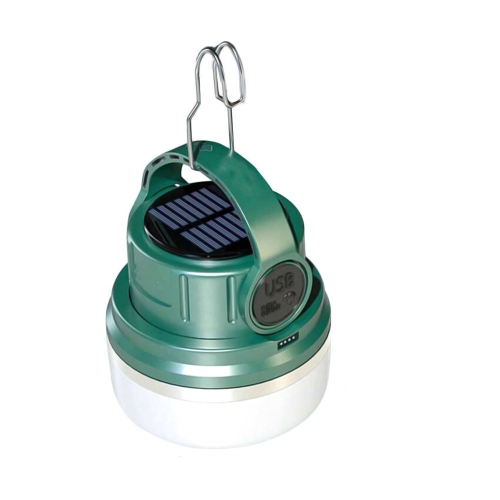
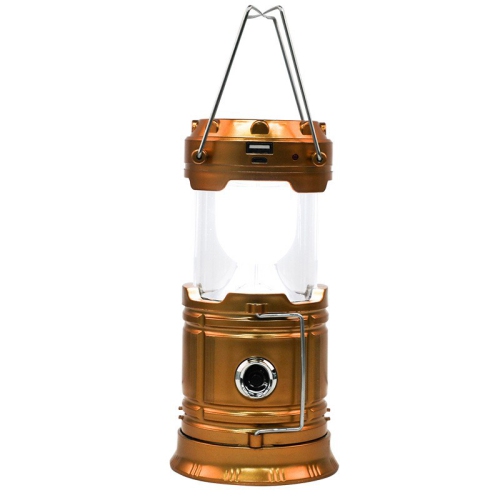
![GREEN SCENIC Outdoor Camping Light Portable Multi-Function Led Camping Light Tent Light - Battery Type [Black]](https://multimedia.bbycastatic.ca/multimedia/products/500x500/193/19327/19327907.jpeg)
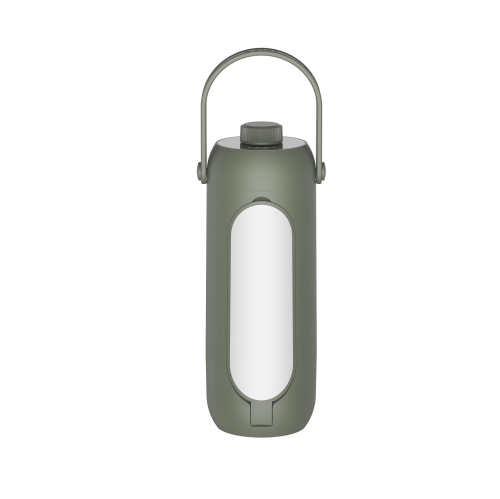
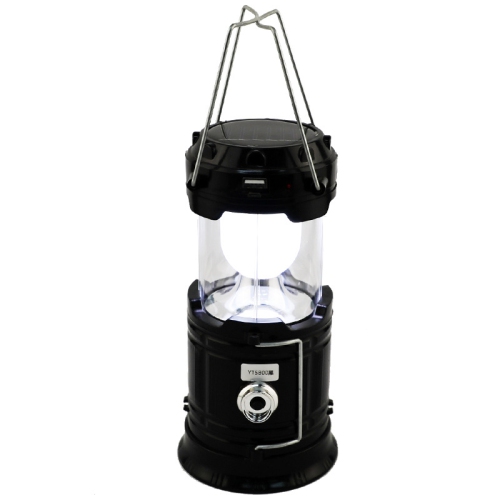
![GREEN SCENIC Outdoor Camping Light Portable Multi-Function Led Camping Light Tent Light - Battery Type [Military Green]](https://multimedia.bbycastatic.ca/multimedia/products/500x500/193/19327/19327905.jpeg)
![GREEN SCENIC Outdoor Camping Light Portable Multi-Function Led Camping Light Tent Light - Battery Type [Red]](https://multimedia.bbycastatic.ca/multimedia/products/500x500/193/19327/19327910.jpeg)
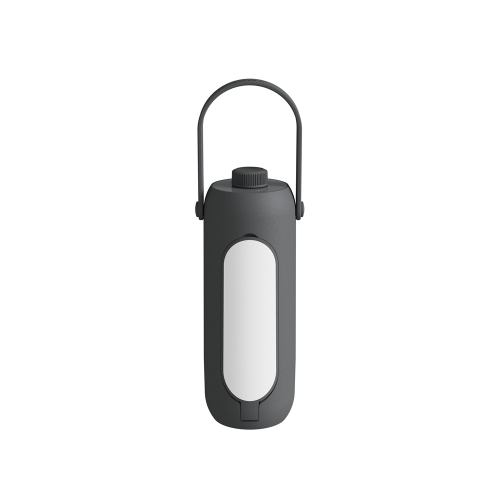

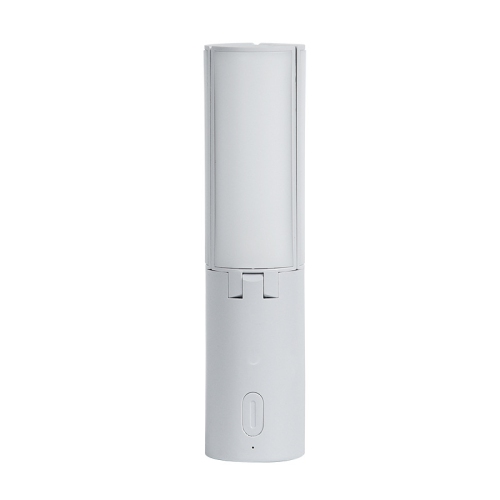
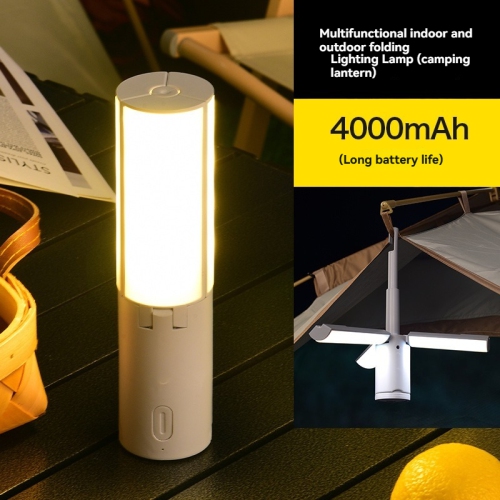

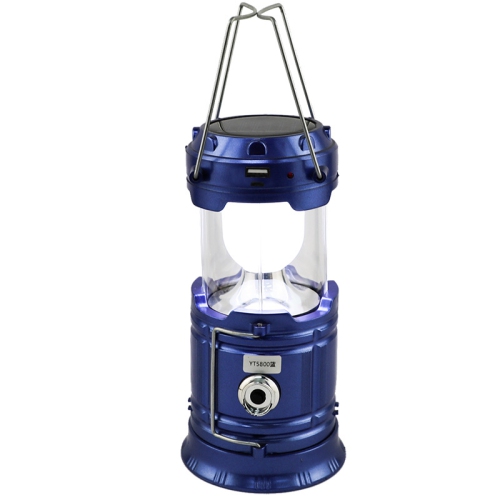

Why tent capacity tells only part of the story
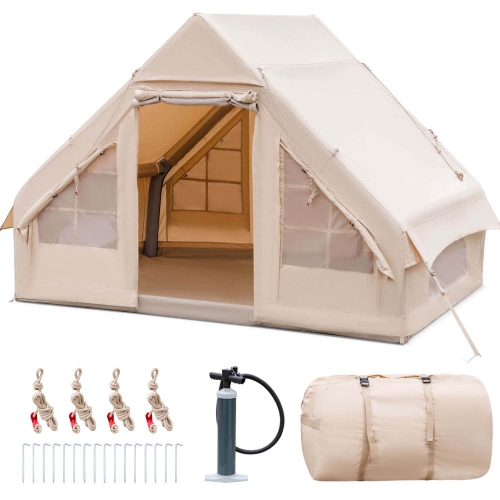
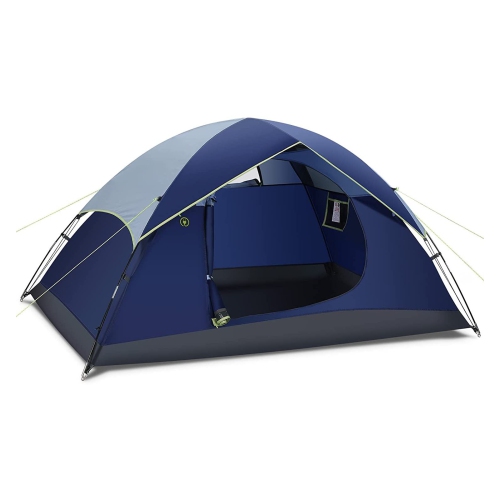
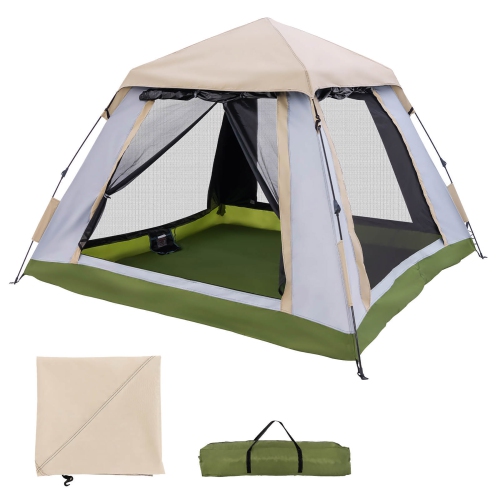
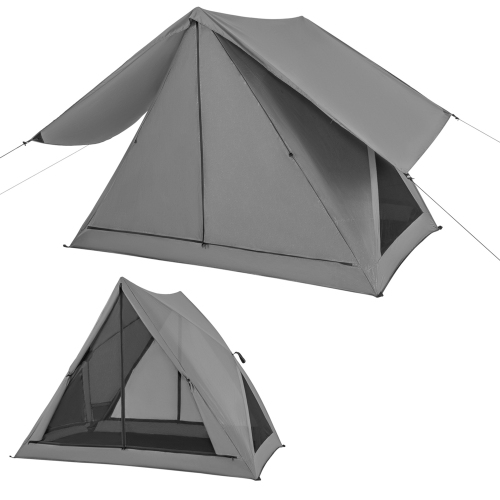
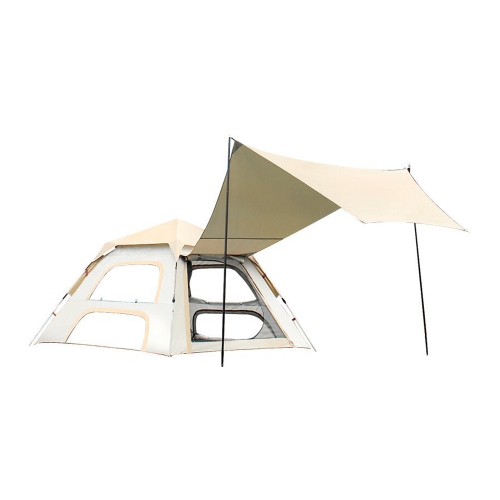
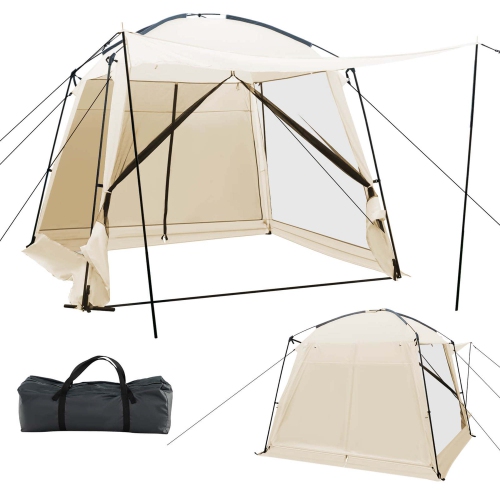
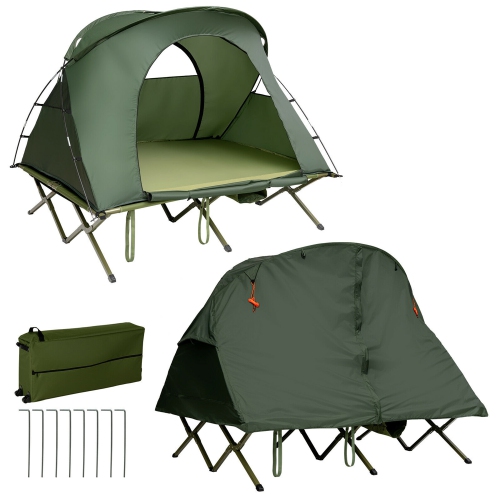
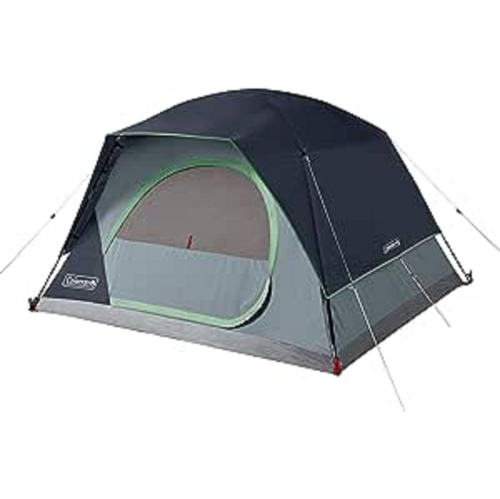
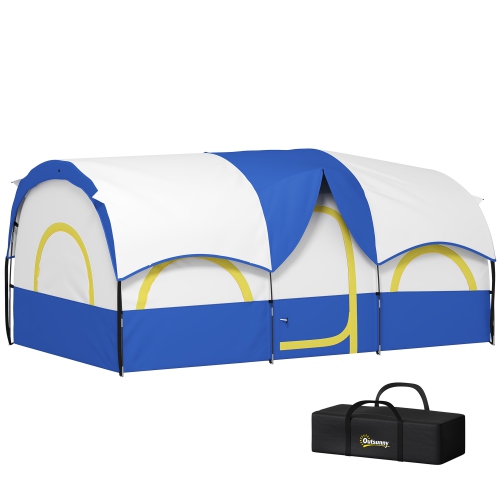
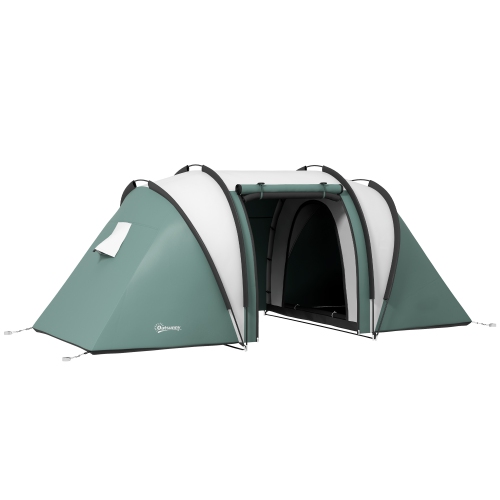
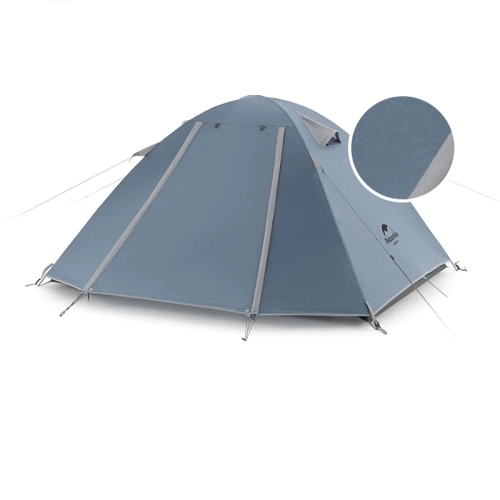
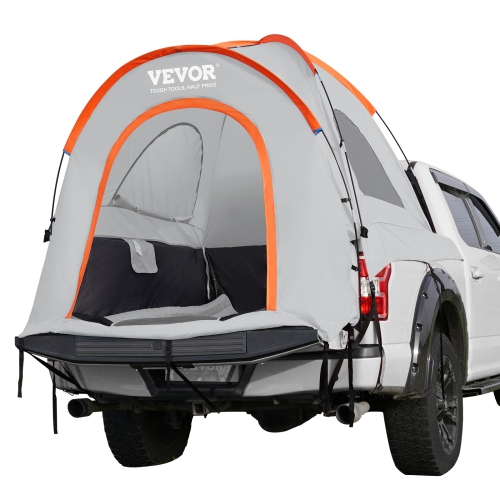
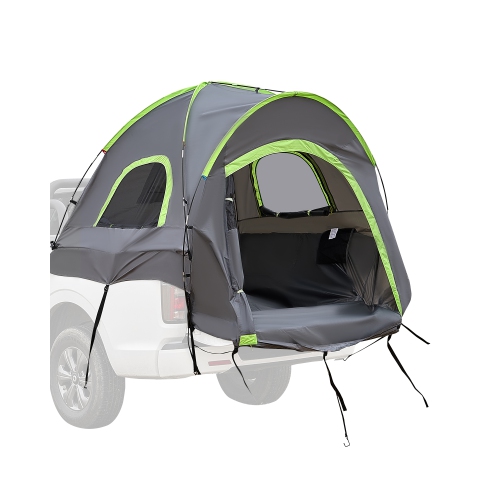
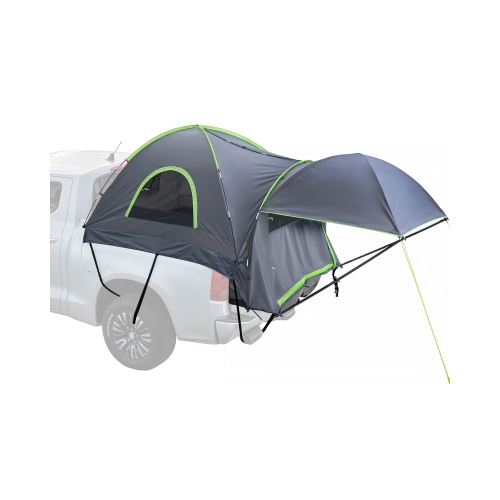
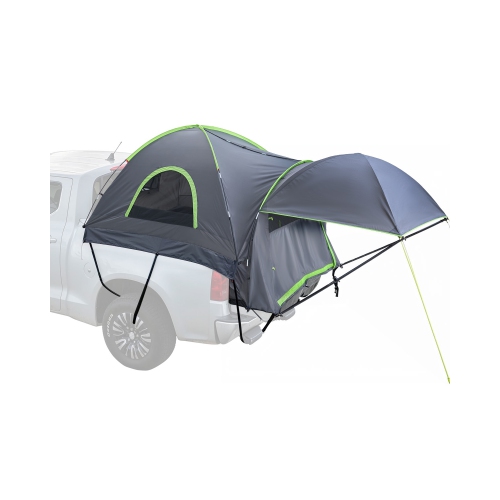
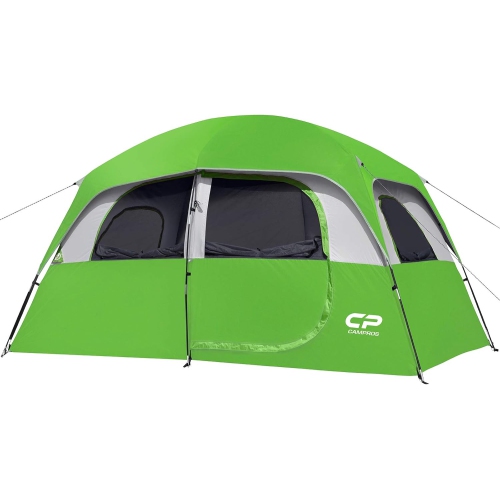
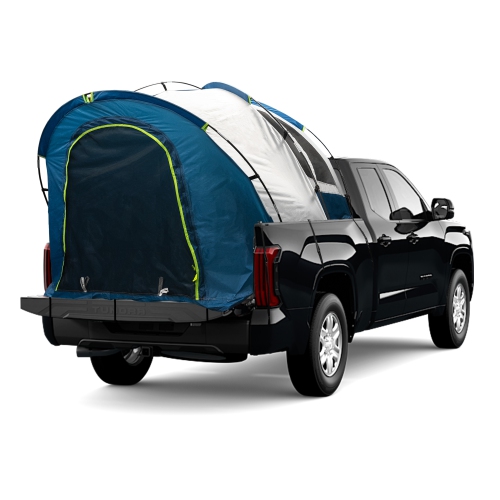
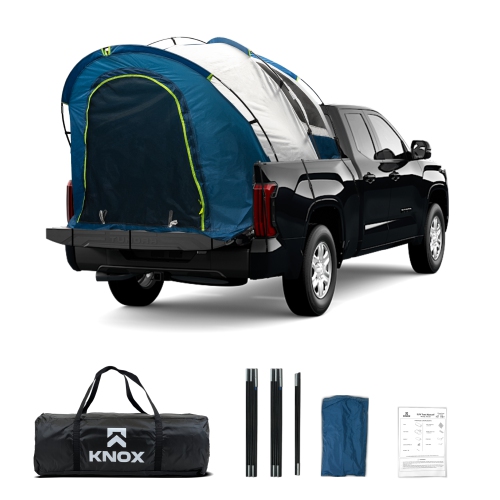
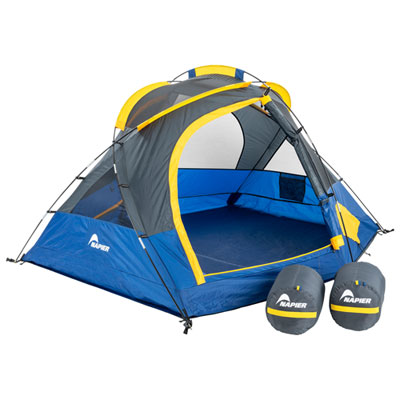
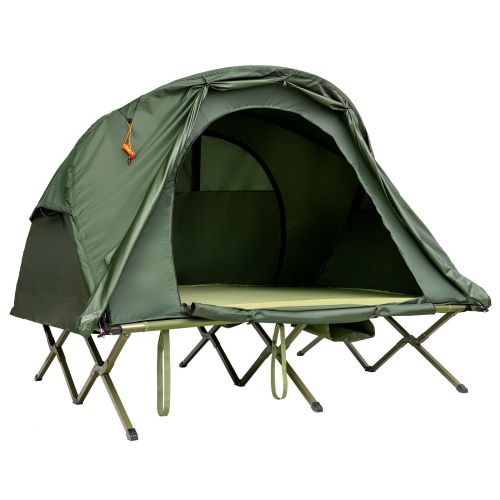
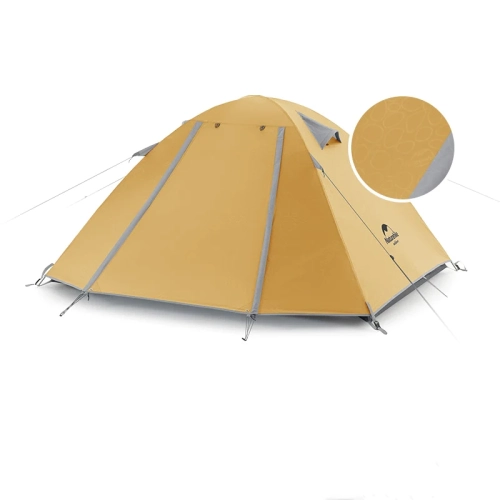
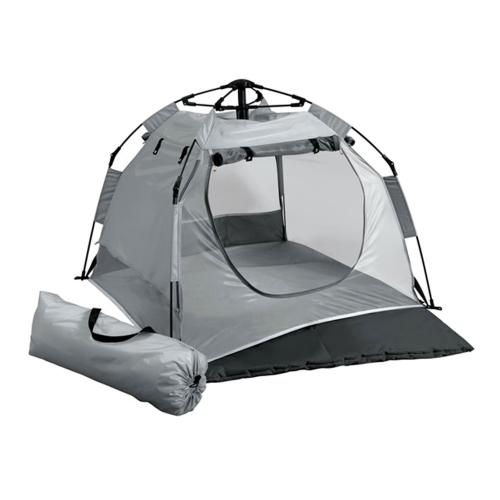
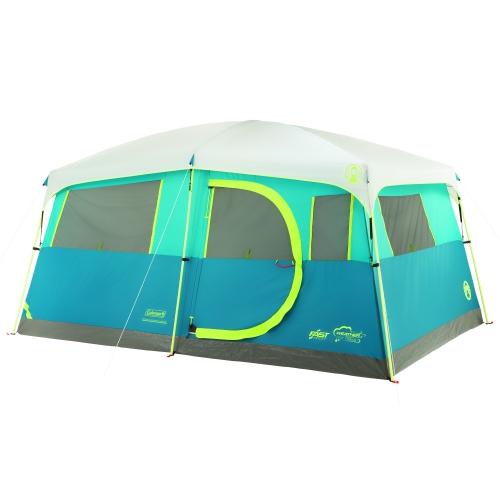
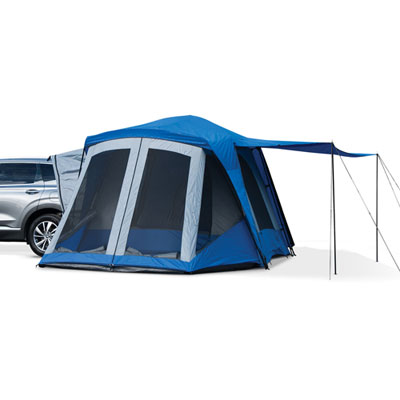
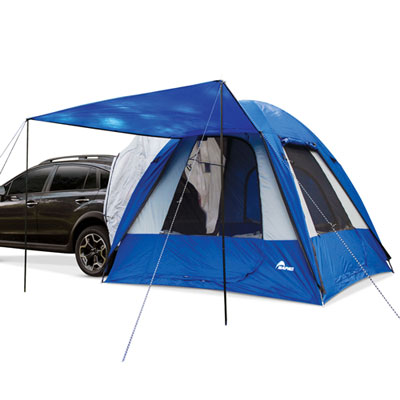
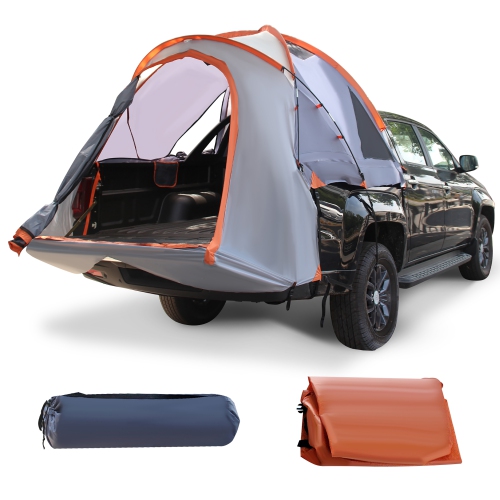
Camping tents provide a dedicated place to sleep, change clothes, and keep personal essentials together, whether the destination is a drive-in campsite or a backcountry stop reached on foot. The best fit depends on how the tent will travel, how many people will share it, and how much living space they need. Backpacking tents prioritize low weight and a compact packed size, making them easier to carry alongside a sleeping bag, food, and other trail essentials. Car-camping tents can put more emphasis on headroom, larger doors, and room to spread out because they usually travel only a short distance from the vehicle to the campsite. Capacity ratings describe the intended number of sleepers, but they do not guarantee room for wide sleeping pads, bulky bags, or an air mattress. A two-person tent may suit two campers travelling light, while a larger footprint can make a shared stay more comfortable when extra equipment comes along. Floor dimensions are more useful than capacity alone when checking whether a particular sleeping arrangement will fit. Tall sleepers benefit from enough usable length to avoid pressing their sleeping bags against the walls, and families may appreciate space beside the beds for changing clothes or helping children get settled. Peak height matters, too, although the highest point does not describe the entire interior: steep cabin-style walls generally offer more standing room than sharply sloping walls. Dome tents balance a straightforward shape with practical sleeping space, while multi-room layouts can provide separation for families or groups. Two doors let campers enter and leave without climbing over each other, and a vestibule creates a covered area outside the sleeping compartment for boots and packs. For pickup-based trips, a Truck Tent uses the truck bed as its sleeping platform, with compatibility depending on bed dimensions and the tent’s attachment design. Each format suits a different routine, from packing up after a single night to settling into one campsite for an extended stay.
Materials and construction influence how a camping tent carries, pitches, and holds up to repeated use. Nylon and polyester are common tent fabrics because they can provide useful strength without excessive bulk, although fabric weight, weave, coatings, and reinforcement all affect performance. Polyester generally stretches less when wet than nylon, while heavier canvas-style fabrics tend to require more carrying space and careful drying before storage. A fabric’s denier describes the thickness of its fibres rather than serving as a complete durability rating; reinforced corners, sound stitching, and well-supported attachment points matter as much as the number on a specification sheet. Aluminium poles typically offer a useful balance of strength and weight, while fibreglass poles are common in recreational camping designs and can be heavier for comparable layouts. Pole geometry also affects stability and interior space. A full-coverage rainfly offers more protection around the tent body than a small roof panel, and a raised bathtub-style floor helps limit water entry at ground level. Waterproof ratings describe fabric performance under testing, but the tent’s overall protection also depends on seams, zippers, pitching tension, and campsite placement. Ventilation remains important even with a protective fly: mesh panels, adjustable vents, and space between the inner tent and fly help moisture escape and reduce condensation. Three-season tents are generally designed for spring, summer, and fall use, with ventilation and rain protection suited to many typical camping conditions. Four-season tents usually place greater emphasis on structural support and protection for demanding conditions, but the label does not mean every model is suitable for heavy snow or exposed mountain sites. A tent is a shelter, not a substitute for an appropriately rated sleeping system. For any style, a level, well-drained pitch, properly secured guy lines, and a footprint that does not extend beyond the tent floor help the shelter perform as intended. These details are especially useful when comparing tents that look similar in photographs but differ substantially in construction.
Everyday usability often becomes clear in the small moments at camp: finding a headlamp after dark, opening a door without disturbing a sleeping child, or packing the shelter into its carry bag before the drive home. Interior pockets keep small essentials off the floor, overhead loops can support a lightweight lantern where permitted by the tent’s specifications, and dividers offer visual separation without creating fully soundproof rooms. Door shape and threshold height affect how comfortably people step in and out, especially when mobility is a consideration. Instant tents with pre-attached poles can simplify setup, although their folded frames may be bulkier than a traditional pole system. Pop-up tents open quickly but can take practice to fold neatly, while colour-coded poles and clips make conventional designs easier to assemble. Freestanding tents can hold their basic shape before staking, but they still need proper anchoring; non-freestanding designs rely more directly on stakes and tension for their structure. Packed dimensions deserve attention alongside packed weight, particularly when storage space is limited in a backpack, vehicle, or cupboard at home. A practice pitch before a trip helps confirm that the components are present and makes unfamiliar clips, sleeves, and guy lines easier to manage later. Good care supports lasting use: loose grit can be brushed away, dirt can be spot-cleaned according to the maker’s directions, and zippers work better when kept free of sand rather than pulled through resistance. The tent body, floor, and rainfly should be completely dry before being stored to help prevent mildew and odours. Checking poles, seams, stakes, and cords between outings makes small repairs easier to address before the next departure. Cooking appliances, fuel-burning heaters, and open flames belong outside the tent because of fire and carbon monoxide risks. As a gift, a camping tent is most useful when matched to the recipient’s preferred trips, usual group size, carrying limits, and storage space. A compact shelter for a solo walker and a roomy family base camp serve different purposes, but both benefit from thoughtful proportions, dependable construction, and a layout that feels comfortable in daily use.
Materials and construction influence how a camping tent carries, pitches, and holds up to repeated use. Nylon and polyester are common tent fabrics because they can provide useful strength without excessive bulk, although fabric weight, weave, coatings, and reinforcement all affect performance. Polyester generally stretches less when wet than nylon, while heavier canvas-style fabrics tend to require more carrying space and careful drying before storage. A fabric’s denier describes the thickness of its fibres rather than serving as a complete durability rating; reinforced corners, sound stitching, and well-supported attachment points matter as much as the number on a specification sheet. Aluminium poles typically offer a useful balance of strength and weight, while fibreglass poles are common in recreational camping designs and can be heavier for comparable layouts. Pole geometry also affects stability and interior space. A full-coverage rainfly offers more protection around the tent body than a small roof panel, and a raised bathtub-style floor helps limit water entry at ground level. Waterproof ratings describe fabric performance under testing, but the tent’s overall protection also depends on seams, zippers, pitching tension, and campsite placement. Ventilation remains important even with a protective fly: mesh panels, adjustable vents, and space between the inner tent and fly help moisture escape and reduce condensation. Three-season tents are generally designed for spring, summer, and fall use, with ventilation and rain protection suited to many typical camping conditions. Four-season tents usually place greater emphasis on structural support and protection for demanding conditions, but the label does not mean every model is suitable for heavy snow or exposed mountain sites. A tent is a shelter, not a substitute for an appropriately rated sleeping system. For any style, a level, well-drained pitch, properly secured guy lines, and a footprint that does not extend beyond the tent floor help the shelter perform as intended. These details are especially useful when comparing tents that look similar in photographs but differ substantially in construction.
Everyday usability often becomes clear in the small moments at camp: finding a headlamp after dark, opening a door without disturbing a sleeping child, or packing the shelter into its carry bag before the drive home. Interior pockets keep small essentials off the floor, overhead loops can support a lightweight lantern where permitted by the tent’s specifications, and dividers offer visual separation without creating fully soundproof rooms. Door shape and threshold height affect how comfortably people step in and out, especially when mobility is a consideration. Instant tents with pre-attached poles can simplify setup, although their folded frames may be bulkier than a traditional pole system. Pop-up tents open quickly but can take practice to fold neatly, while colour-coded poles and clips make conventional designs easier to assemble. Freestanding tents can hold their basic shape before staking, but they still need proper anchoring; non-freestanding designs rely more directly on stakes and tension for their structure. Packed dimensions deserve attention alongside packed weight, particularly when storage space is limited in a backpack, vehicle, or cupboard at home. A practice pitch before a trip helps confirm that the components are present and makes unfamiliar clips, sleeves, and guy lines easier to manage later. Good care supports lasting use: loose grit can be brushed away, dirt can be spot-cleaned according to the maker’s directions, and zippers work better when kept free of sand rather than pulled through resistance. The tent body, floor, and rainfly should be completely dry before being stored to help prevent mildew and odours. Checking poles, seams, stakes, and cords between outings makes small repairs easier to address before the next departure. Cooking appliances, fuel-burning heaters, and open flames belong outside the tent because of fire and carbon monoxide risks. As a gift, a camping tent is most useful when matched to the recipient’s preferred trips, usual group size, carrying limits, and storage space. A compact shelter for a solo walker and a roomy family base camp serve different purposes, but both benefit from thoughtful proportions, dependable construction, and a layout that feels comfortable in daily use.
Top selling and popular products
-
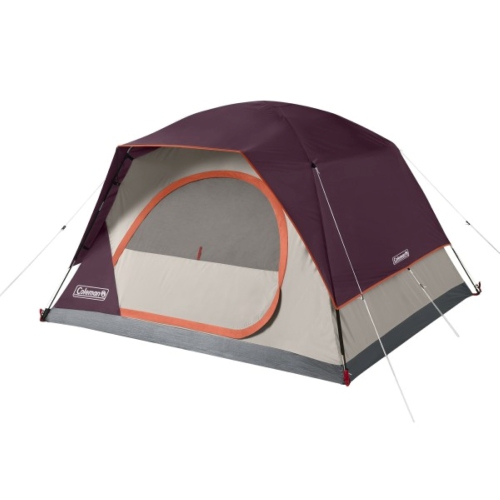 Your price for this item is $240.99
 -
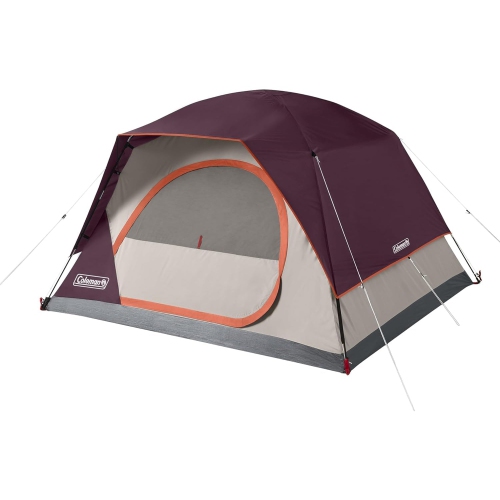 Your price for this item is $239.97
 -
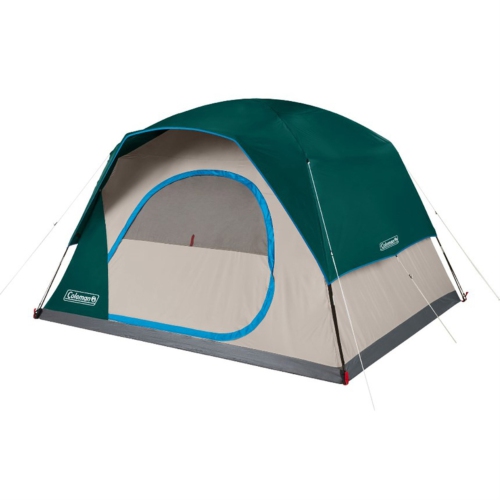 Your price for this item is $241.12
 -
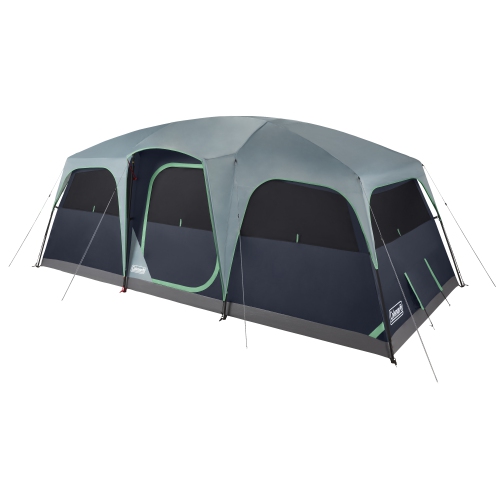 Your price for this item is $509.99
 -
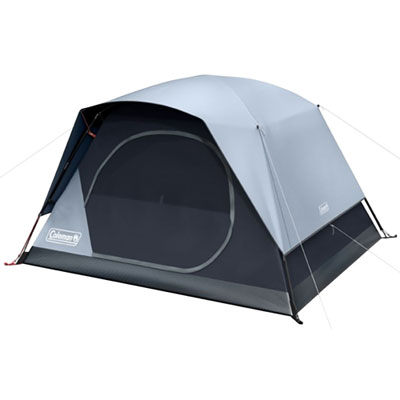 Your price for this item is $199.99
 -
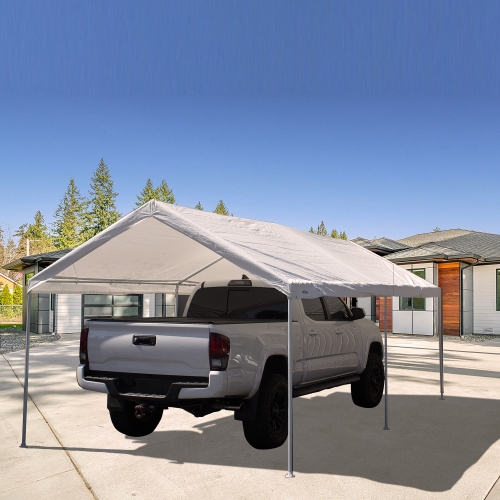 Your price for this item is $727.99
 -
 Your price for this item is $427.99
 -
 Your price for this item is $499.99
Discover more categories related to Camping Tent
Top Collections:
Pokemon Centers, Kindle Devices, Best Budget Office Chairs, Apple iPhones 16, Best Laptops for Writers, iPhone 15 Apple, Canon G7X Cameras, Refurbished Apple Laptops, Alarm Clock, Motorola Razr Phones
Some products may be subject to Environmental Handling Fees
(EHF) depending on your province.
Learn more about EHFs.