Car Speedometers
Our collection of car speedometers has everything you need to enhance your driving experience. Whether you're a speed enthusiast or simply want to keep track of your vehicle's velocity, our wide range of options is sure to have the perfect fit for your car. With sleek designs, accurate readings, and easy installation, these car speedometers are the perfect blend of style and functionality. Explore our selection today and find the perfect speedometer to take your driving to the next level.
Sort

Clearer speed readings for replacements, upgrades, and everyday driving
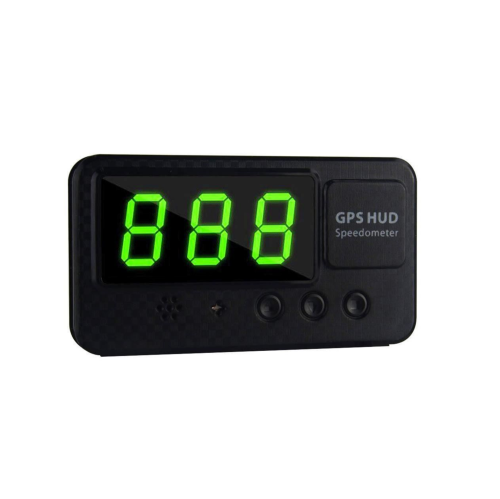
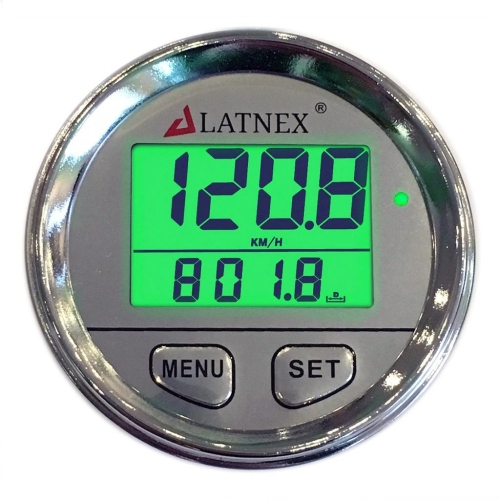
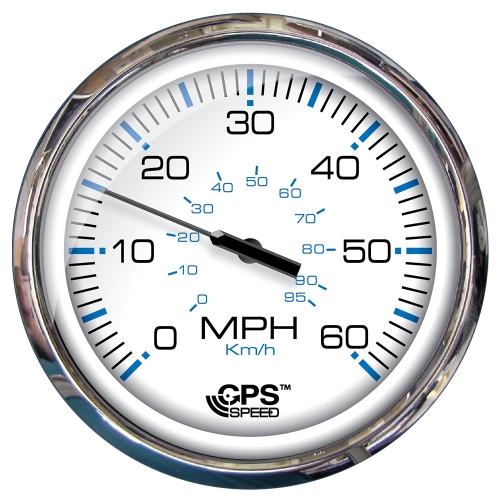
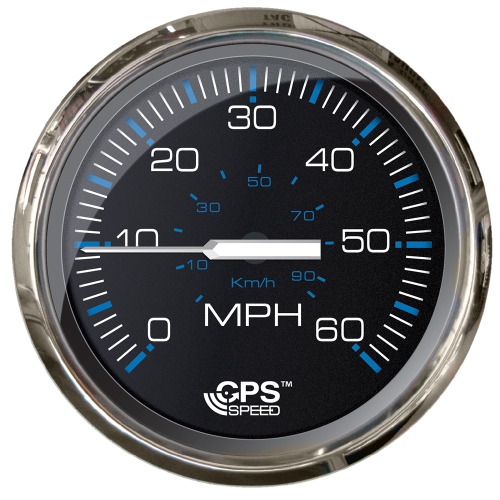
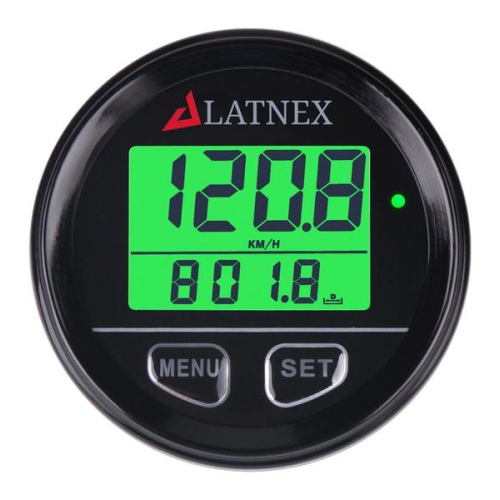
Car speedometers help drivers monitor their speed clearly and consistently, whether they are replacing a damaged factory gauge, adding a secondary display, or seeking a more visible way to keep track of speed on the road. A speedometer measures and displays the vehicle’s current speed, typically in kilometres per hour or miles per hour, while related functions may include an odometer for total distance and a trip meter for measuring a single journey. Traditional mechanical speedometers use a cable connected to the transmission, while electronic speedometers read magnetic or electronic pulses from the transmission or wheel sensors. GPS speedometers calculate speed using satellite signals and can be used as portable dash-mounted units or through compatible mobile devices. Heads-up display, or HUD, speedometers project information onto the windshield so drivers can glance at their speed without looking down at the instrument cluster. These different designs suit different vehicles and driving habits, from an older car with a worn-out gauge to a newer vehicle where a driver wants a larger, easier-to-read display. A clear speed reading can be particularly useful on unfamiliar roads, during long highway drives, or when changing between vehicles with different dashboard layouts. It can also make a thoughtful gift for a new driver, a classic-car enthusiast, or someone who spends a great deal of time commuting. For a broader selection of marine measurement displays, shoppers can also browse Boat Speedometers, although car speedometers are designed for the requirements of road vehicles.
Choosing the right car speedometer starts with understanding how it will be used and what the vehicle supports. For a direct replacement, check the vehicle’s make, model, year, dashboard opening, electrical connections, sensor type, and expected signal. Some factory-style gauges are designed to work with a specific transmission or wheel-sensor system, while others may require an adapter, calibration, or professional installation. Portable GPS models are often more flexible because they do not need to connect directly to the vehicle’s transmission, but they depend on a clear satellite signal and may take a short time to establish a reading after the vehicle starts moving. Consider whether the display shows kilometres per hour, miles per hour, or both, especially for drivers who travel between Canada and the United States. A bright, high-contrast screen is easier to read in daylight, while adjustable brightness can help reduce glare during evening drives and the cooler months, when darkness arrives earlier. Useful features may include overspeed alarms that provide a warning when a selected limit is exceeded, speed-memory functions, trip-distance tracking, and automatic brightness adjustment. The placement of the display matters as well. A dashboard unit should be visible without blocking the road, warning lights, or important controls, and a HUD should sit where projected information can be read naturally without creating distracting reflections. Drivers should also review power requirements, mounting options, weather exposure, and whether the device is intended for occasional use or permanent installation. A tidy, secure setup is less distracting than a loose display or trailing cable, particularly on rough roads, winding routes, and longer drives.
Car speedometers can support everyday driving, vehicle restoration, testing, and travel. Owners of older cars may use them to replace a faded, inaccurate, or non-functioning gauge while preserving the character of the original dashboard. Drivers of imported vehicles may appreciate a display that makes metric speed easier to read, and people who regularly tow or travel may want a quick, prominent reference for maintaining a steady speed. A GPS-based display can also be useful in a vehicle where the built-in speedometer is temporarily unavailable, although it should be set up carefully and used in accordance with local driving laws. Accuracy can vary depending on satellite reception, tyre size, wheel changes, calibration, and the vehicle’s sensor system, so checking the reading against the manufacturer’s specifications is a sensible step. Speedometers are not a substitute for attentive driving: the driver remains responsible for observing posted limits, road conditions, traffic, and the vehicle’s other warning indicators. As weather warms, a clear speed display can be helpful on road trips and scenic routes; during cooler conditions, it can provide an easy-to-read reference when visibility, glare, or changing light makes the dashboard harder to scan. Before selecting one, consider the vehicle’s age, the type of installation preferred, display size, measurement units, extra tracking functions, and the driver’s comfort with wiring or calibration. The best match is one that provides dependable information in a position that feels natural, remains secure while driving, and suits the vehicle’s electrical and mechanical system.
Choosing the right car speedometer starts with understanding how it will be used and what the vehicle supports. For a direct replacement, check the vehicle’s make, model, year, dashboard opening, electrical connections, sensor type, and expected signal. Some factory-style gauges are designed to work with a specific transmission or wheel-sensor system, while others may require an adapter, calibration, or professional installation. Portable GPS models are often more flexible because they do not need to connect directly to the vehicle’s transmission, but they depend on a clear satellite signal and may take a short time to establish a reading after the vehicle starts moving. Consider whether the display shows kilometres per hour, miles per hour, or both, especially for drivers who travel between Canada and the United States. A bright, high-contrast screen is easier to read in daylight, while adjustable brightness can help reduce glare during evening drives and the cooler months, when darkness arrives earlier. Useful features may include overspeed alarms that provide a warning when a selected limit is exceeded, speed-memory functions, trip-distance tracking, and automatic brightness adjustment. The placement of the display matters as well. A dashboard unit should be visible without blocking the road, warning lights, or important controls, and a HUD should sit where projected information can be read naturally without creating distracting reflections. Drivers should also review power requirements, mounting options, weather exposure, and whether the device is intended for occasional use or permanent installation. A tidy, secure setup is less distracting than a loose display or trailing cable, particularly on rough roads, winding routes, and longer drives.
Car speedometers can support everyday driving, vehicle restoration, testing, and travel. Owners of older cars may use them to replace a faded, inaccurate, or non-functioning gauge while preserving the character of the original dashboard. Drivers of imported vehicles may appreciate a display that makes metric speed easier to read, and people who regularly tow or travel may want a quick, prominent reference for maintaining a steady speed. A GPS-based display can also be useful in a vehicle where the built-in speedometer is temporarily unavailable, although it should be set up carefully and used in accordance with local driving laws. Accuracy can vary depending on satellite reception, tyre size, wheel changes, calibration, and the vehicle’s sensor system, so checking the reading against the manufacturer’s specifications is a sensible step. Speedometers are not a substitute for attentive driving: the driver remains responsible for observing posted limits, road conditions, traffic, and the vehicle’s other warning indicators. As weather warms, a clear speed display can be helpful on road trips and scenic routes; during cooler conditions, it can provide an easy-to-read reference when visibility, glare, or changing light makes the dashboard harder to scan. Before selecting one, consider the vehicle’s age, the type of installation preferred, display size, measurement units, extra tracking functions, and the driver’s comfort with wiring or calibration. The best match is one that provides dependable information in a position that feels natural, remains secure while driving, and suits the vehicle’s electrical and mechanical system.
Top selling and popular products
-
 Your price for this item is $30.57
 -
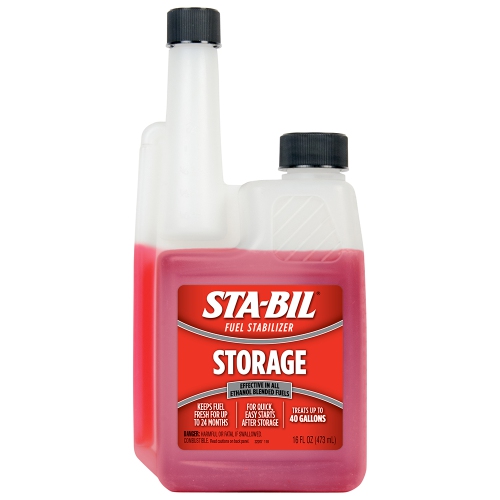 Your price for this item is $30.54
 -
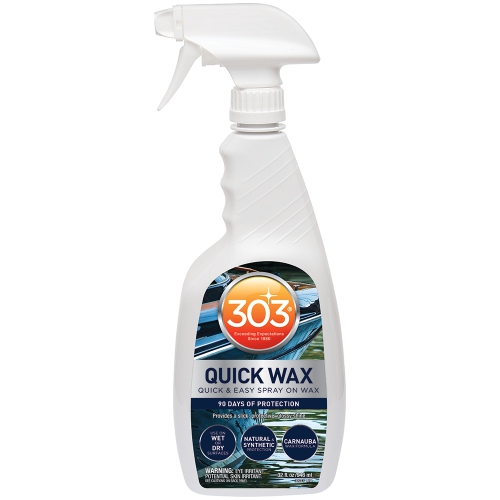 Your price for this item is $38.7
 -
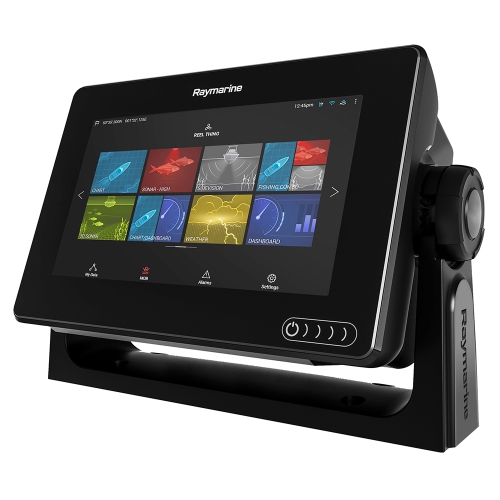 Your price for this item is $917.79
 -
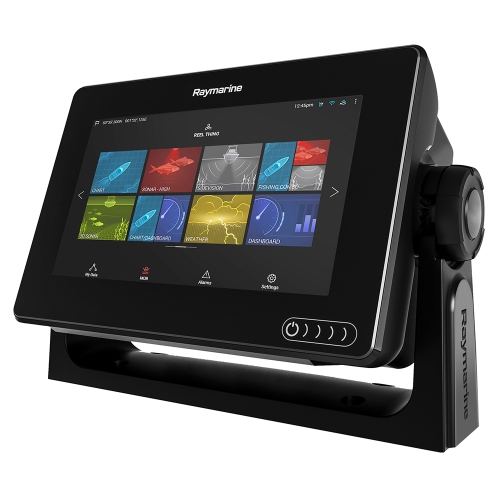 Your price for this item is $844.31
 -
 Your price for this item is $30.6
 -
 Your price for this item is $65.05
 -
 Your price for this item is $212.82
Discover more categories related to Car Speedometers

Top Collections:
Pokemon Centers, Best Camera Tripods Under $100, Vlogging Cameras for Beginners, Kindle Devices, Best Electric Toothbrushes Under $100, Portable Solar Power Stations for Emergency, Best Wrist Fitness Trackers, Samsung Z Fold, Back To School Wireless Presentation Clickers, Canon G7X Cameras
Some products may be subject to Environmental Handling Fees
(EHF) depending on your province.
Learn more about EHFs.