Boat Speedometers
Get ready to take your boating experience to the next level with this wide selection of boat speedometers. Whether you're a seasoned sailor or a weekend warrior, having an accurate and reliable speedometer is essential for tracking your speed on the water. Browse through these boat speedometers and find the perfect one that suits your needs and enhances your boating adventures.
Sort
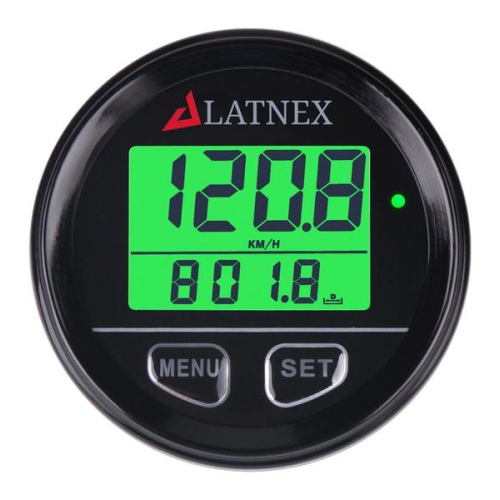
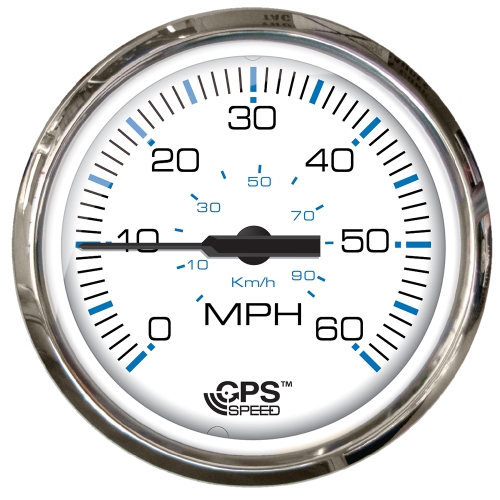

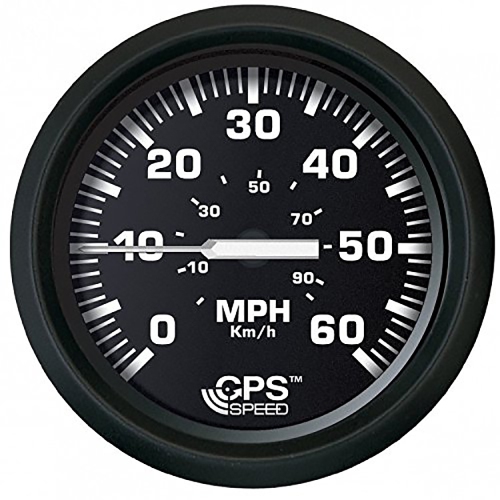
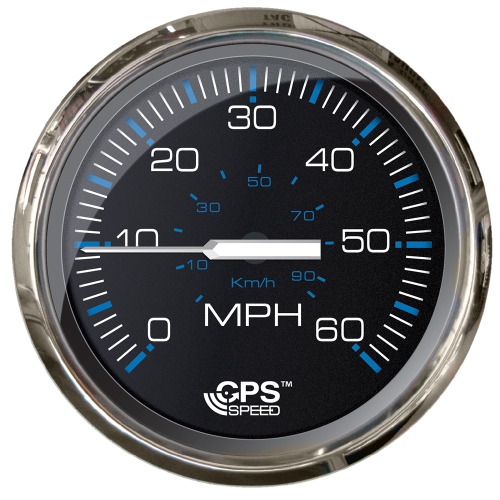
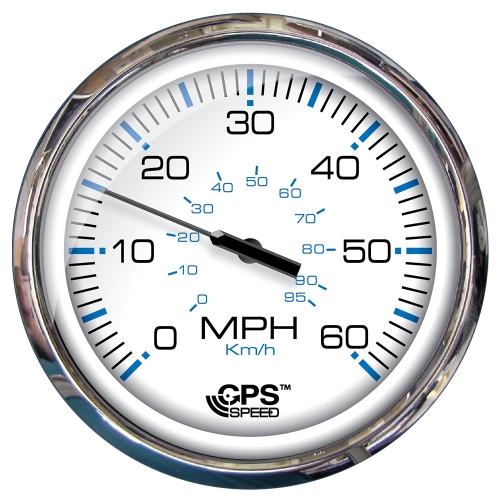
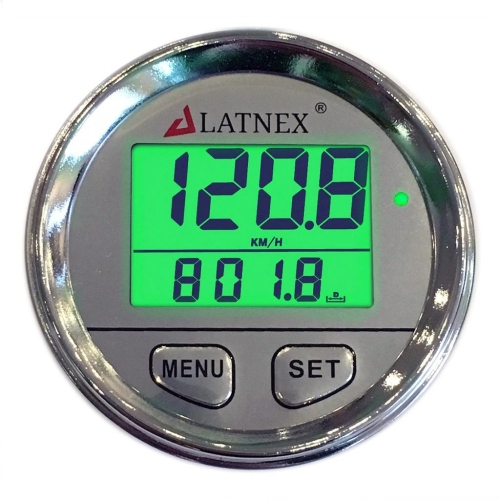
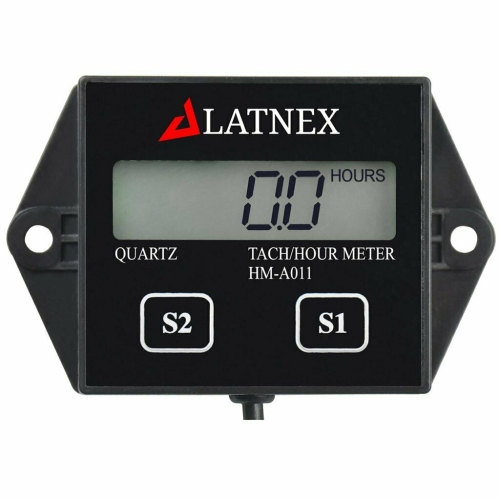

Pitot and GPS systems suit different boating needs
Boat speedometers help you keep a clear sense of how quickly your boat is moving across the water, whether you are easing away from the dock, cruising along a familiar shoreline, or setting a steady pace for a longer outing. A speedometer is typically installed in the helm or dashboard, where the display can be read at a glance without taking attention away from navigation and the surrounding water. These gauges are useful for recreational boaters, anglers, watersports enthusiasts, families who spend weekends on the lake, and anyone restoring or updating a boat’s instrument panel. They can also be a thoughtful gift for a new boat owner, a cottage host, or someone preparing a classic vessel for another season on the water. When browsing boat speedometers, consider the type of boat, the existing dashboard opening, the available power connections, the preferred display style, and the way speed is measured. A replacement gauge that fits the current instrument cutout can make an upgrade simpler, while a complete change in technology may call for additional wiring, a compatible sender, or professional installation. Check the listed diameter, depth, mounting method, voltage requirements, and connection type before ordering, and compare those details with the measurements and equipment already on board. A clean, easy-to-read face is especially helpful in bright daylight, while digital displays may provide crisp numbers and additional information such as trip data or satellite-based speed. Analogue-style dials can blend naturally with traditional dashboards and allow a quick visual reading as the needle moves. Since marine environments can expose equipment to spray, vibration, sun, and changing temperatures, look for construction and protection suited to boat use. A well-matched gauge should remain legible and dependable from the first launch through the cooler months when the boat is being prepared for storage or occasional off-season use.
The two most common ways boat speedometers determine speed are pitot pressure and GPS. Traditional pitot-tube systems use a small pickup mounted at the transom or another suitable location below the waterline. As the boat moves, water pressure travels through the pickup and a narrow tube to the gauge, where the pressure is converted into a speed reading. This design is familiar on many boats and can be a practical choice when replacing an existing mechanical system with similar connections. Its performance depends on unobstructed water flow and an intact tube. Weeds, mud, small debris, kinks, or a pickup that has folded upward during trailering can interfere with the reading; a blocked pitot opening may cause the gauge to read zero or display an inaccurate speed. During routine checks, inspect the pickup, confirm that it is positioned correctly in the water flow, and examine the tubing for cracks or loose connections. A tiny opening should be cleared carefully according to the gauge manufacturer’s instructions, since forcing a tool too far can damage the pickup or line. GPS speedometers calculate Speed Over Ground using satellite signals rather than water pressure. This can reduce the maintenance associated with a pitot tube and provide a consistent reading based on the boat’s movement over the earth. GPS readings may differ from a pitot reading when wind, current, or waves affect the boat, so the best choice depends on whether you want speed through the water, speed over ground, or a display that works alongside other marine instruments. GPS models generally require a suitable 12V DC power connection, a ground connection, and an unobstructed view or adequate reception for the internal or external antenna. When replacing a dashboard gauge, confirm whether the new unit is designed as a standalone speedometer or as part of a broader marine instrument system. Installation instructions should be followed closely, with particular attention to polarity, fuse requirements, cable routing, sealing, and the placement of any external sensor. If the existing wiring is corroded, difficult to access, or not clearly identified, a qualified marine technician can help ensure the installation is secure and reliable.
Selecting boat speedometers is also about matching the display to the way you actually use your boat. A small fishing boat may benefit from a compact gauge that leaves room for other essential instruments, while a pontoon boat used for family outings may call for a larger, high-contrast display that passengers and the operator can read easily in changing light. A performance-oriented setup may place greater emphasis on quick response and a clear scale, whereas a vessel used for relaxed cruising may favour a simple, uncluttered dial. Think about the helm’s layout, including whether the gauge will be viewed while standing, seated, or steering from different positions. Matching the surrounding gauges in colour, shape, and illumination can make an updated dashboard look considered rather than pieced together. Backlighting is useful for returning to the dock near dusk or navigating during low-light conditions, while fog-resistant construction helps maintain visibility when temperatures shift. It is also worth checking the expected speed range, as a gauge designed for a particular type of vessel may not provide the most useful resolution outside that range. Before buying, review the boat’s make, model, instrument cutout, sender arrangement, and available dashboard space, and keep installation hardware and cable length in mind. For owners who enjoy maintaining their own equipment, straightforward connections and accessible mounting can make seasonal inspections easier; others may prefer a professionally installed solution that integrates neatly with the existing helm. Boat speedometers are practical additions for new builds, dashboard restorations, and replacements after an older gauge becomes difficult to read. They help operators monitor a steady cruising pace, compare performance under different conditions, and maintain a better understanding of how the boat responds to throttle and trim. If you are shopping across other forms of recreational transport instrumentation, you can also browse Motorcycle Speedometers for gauges designed for land-based vehicles. With the right fit, measurement method, and marine-ready construction, a boat speedometer can become one of the most useful instruments at the helm, quietly supporting confident outings from the first warm launch through the final preparations before colder weather.
The two most common ways boat speedometers determine speed are pitot pressure and GPS. Traditional pitot-tube systems use a small pickup mounted at the transom or another suitable location below the waterline. As the boat moves, water pressure travels through the pickup and a narrow tube to the gauge, where the pressure is converted into a speed reading. This design is familiar on many boats and can be a practical choice when replacing an existing mechanical system with similar connections. Its performance depends on unobstructed water flow and an intact tube. Weeds, mud, small debris, kinks, or a pickup that has folded upward during trailering can interfere with the reading; a blocked pitot opening may cause the gauge to read zero or display an inaccurate speed. During routine checks, inspect the pickup, confirm that it is positioned correctly in the water flow, and examine the tubing for cracks or loose connections. A tiny opening should be cleared carefully according to the gauge manufacturer’s instructions, since forcing a tool too far can damage the pickup or line. GPS speedometers calculate Speed Over Ground using satellite signals rather than water pressure. This can reduce the maintenance associated with a pitot tube and provide a consistent reading based on the boat’s movement over the earth. GPS readings may differ from a pitot reading when wind, current, or waves affect the boat, so the best choice depends on whether you want speed through the water, speed over ground, or a display that works alongside other marine instruments. GPS models generally require a suitable 12V DC power connection, a ground connection, and an unobstructed view or adequate reception for the internal or external antenna. When replacing a dashboard gauge, confirm whether the new unit is designed as a standalone speedometer or as part of a broader marine instrument system. Installation instructions should be followed closely, with particular attention to polarity, fuse requirements, cable routing, sealing, and the placement of any external sensor. If the existing wiring is corroded, difficult to access, or not clearly identified, a qualified marine technician can help ensure the installation is secure and reliable.
Selecting boat speedometers is also about matching the display to the way you actually use your boat. A small fishing boat may benefit from a compact gauge that leaves room for other essential instruments, while a pontoon boat used for family outings may call for a larger, high-contrast display that passengers and the operator can read easily in changing light. A performance-oriented setup may place greater emphasis on quick response and a clear scale, whereas a vessel used for relaxed cruising may favour a simple, uncluttered dial. Think about the helm’s layout, including whether the gauge will be viewed while standing, seated, or steering from different positions. Matching the surrounding gauges in colour, shape, and illumination can make an updated dashboard look considered rather than pieced together. Backlighting is useful for returning to the dock near dusk or navigating during low-light conditions, while fog-resistant construction helps maintain visibility when temperatures shift. It is also worth checking the expected speed range, as a gauge designed for a particular type of vessel may not provide the most useful resolution outside that range. Before buying, review the boat’s make, model, instrument cutout, sender arrangement, and available dashboard space, and keep installation hardware and cable length in mind. For owners who enjoy maintaining their own equipment, straightforward connections and accessible mounting can make seasonal inspections easier; others may prefer a professionally installed solution that integrates neatly with the existing helm. Boat speedometers are practical additions for new builds, dashboard restorations, and replacements after an older gauge becomes difficult to read. They help operators monitor a steady cruising pace, compare performance under different conditions, and maintain a better understanding of how the boat responds to throttle and trim. If you are shopping across other forms of recreational transport instrumentation, you can also browse Motorcycle Speedometers for gauges designed for land-based vehicles. With the right fit, measurement method, and marine-ready construction, a boat speedometer can become one of the most useful instruments at the helm, quietly supporting confident outings from the first warm launch through the final preparations before colder weather.
Top selling and popular products
-
 Your price for this item is $30.62
 -
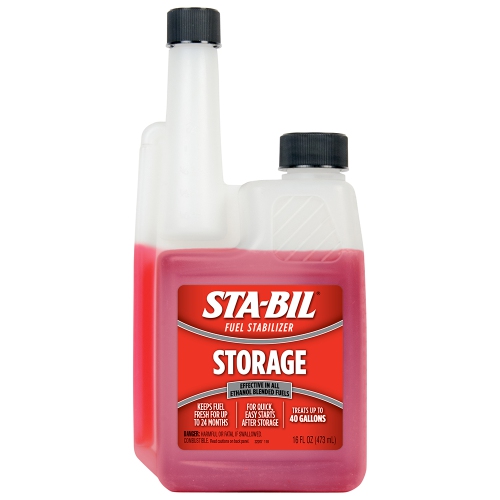 Your price for this item is $30.54
 -
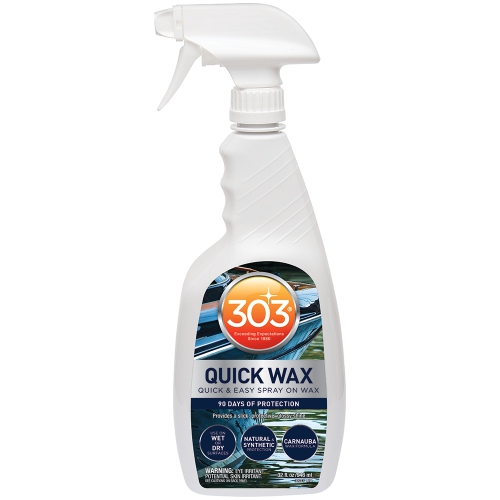 Your price for this item is $43.31
 -
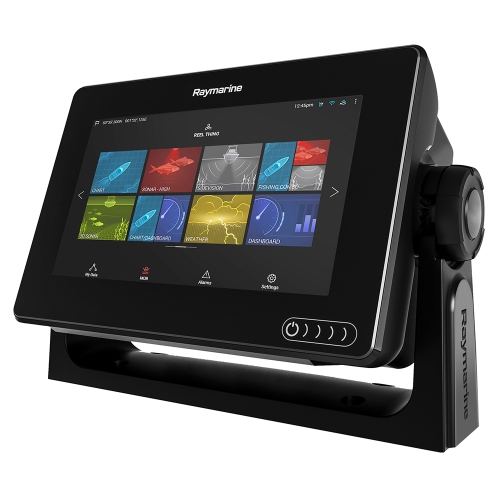 Your price for this item is $844.91
 -
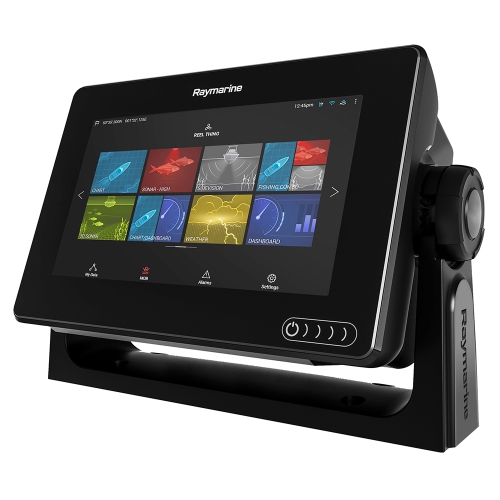 Your price for this item is $909.33
 -
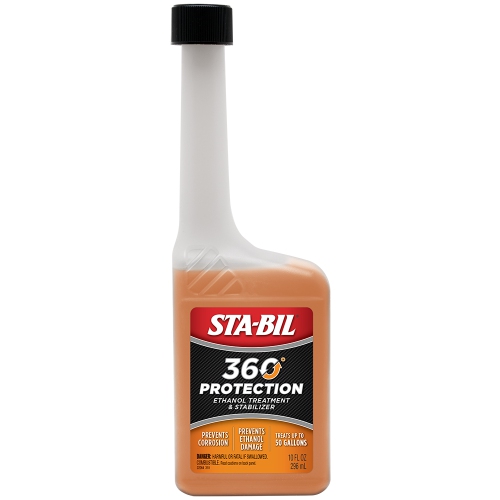 Your price for this item is $30.65
 -
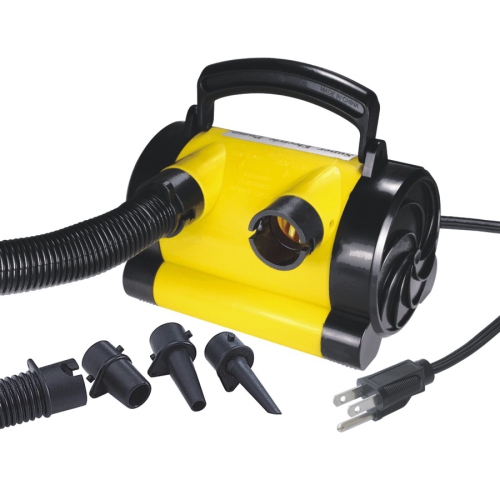 Your price for this item is $65.23
 -
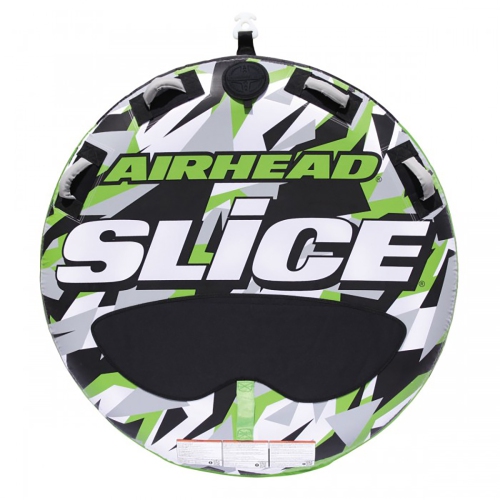 Your price for this item is $213.56
Discover more categories related to Boat Speedometers

Top Collections:
Pokemon Centers, Kindle Devices, Best Cell Phones Under $500, Alarm Clock, Canon G7X Cameras, iPhone 15 Apple, Laptops for Students, Budget Smartphones, iPhone 14 256GB, Best Camera Tripods Under $100
Some products may be subject to Environmental Handling Fees
(EHF) depending on your province.
Learn more about EHFs.