Car Wiper Blades
Upgrade your driving experience with our selection of high-quality car wiper blades. Keep your windshield clear and your visibility sharp in any weather condition. Whether you're facing rain, snow, or debris on the road, these wiper blades are designed to provide optimal performance and durability. Say goodbye to streaks and smudges, and hello to a safer and more enjoyable ride. Choose from a variety of sizes and styles to find the perfect fit for your vehicle. Shop now and see the difference that premium wiper blades can make for your daily commute or road trips.
Sort
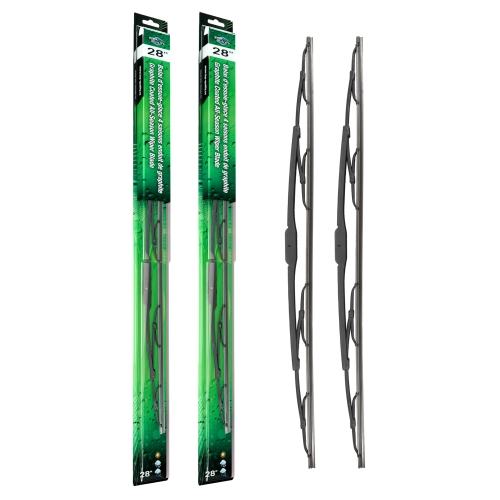
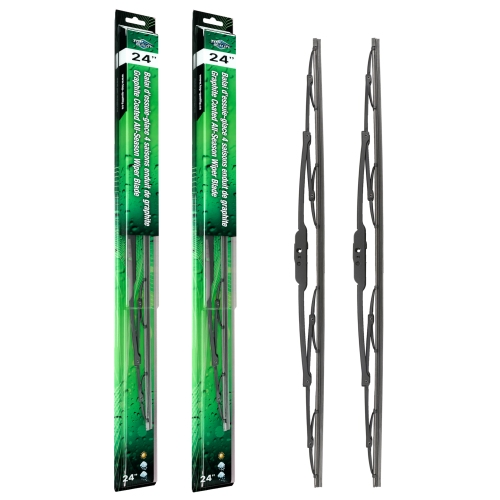
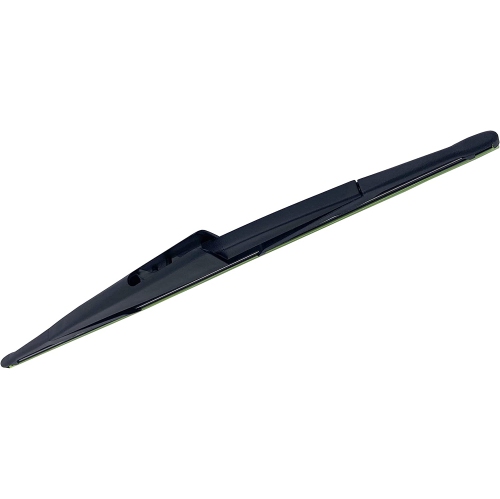
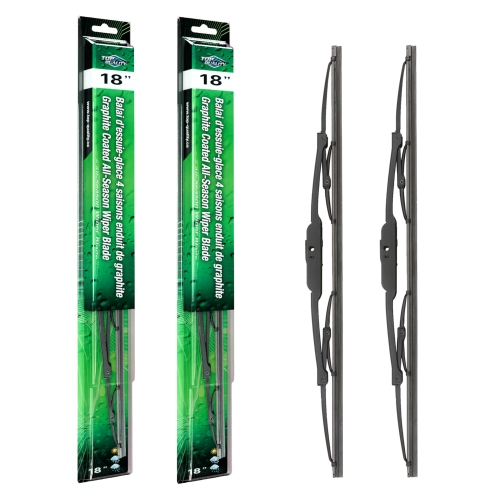
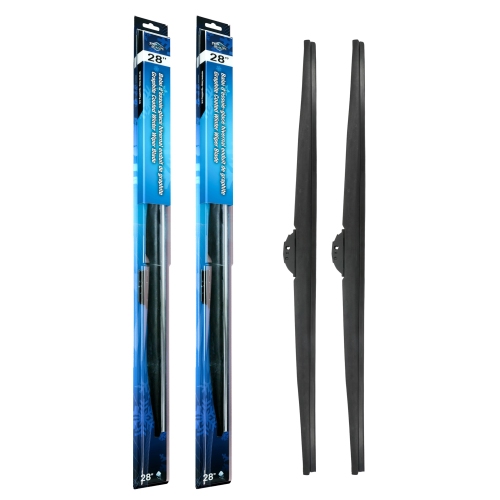
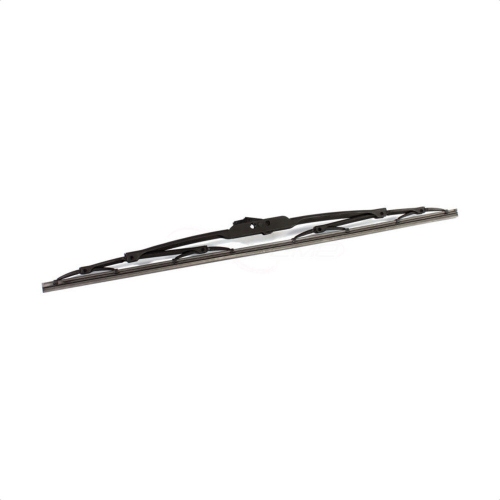
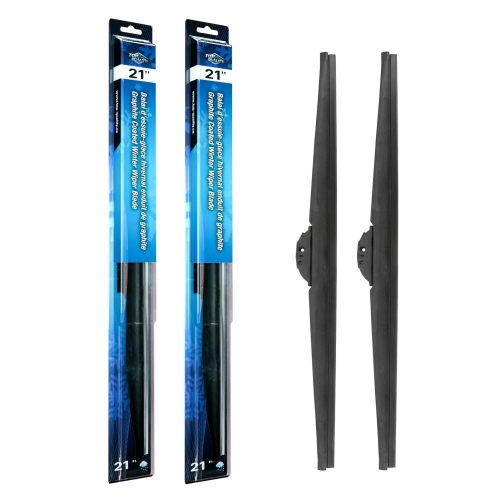
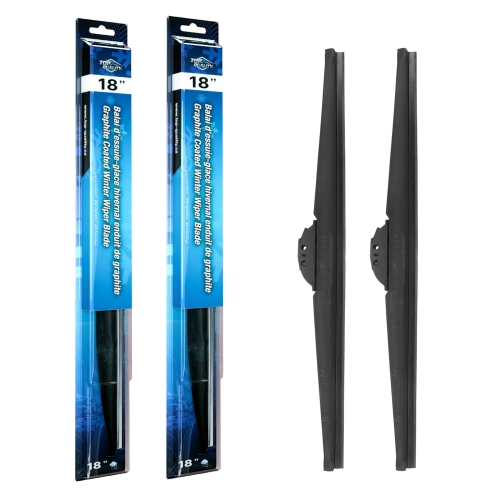
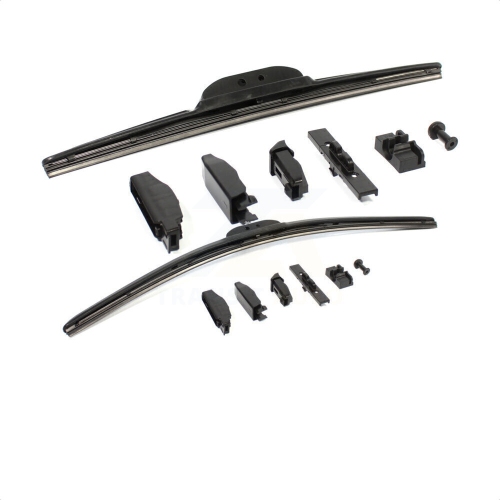
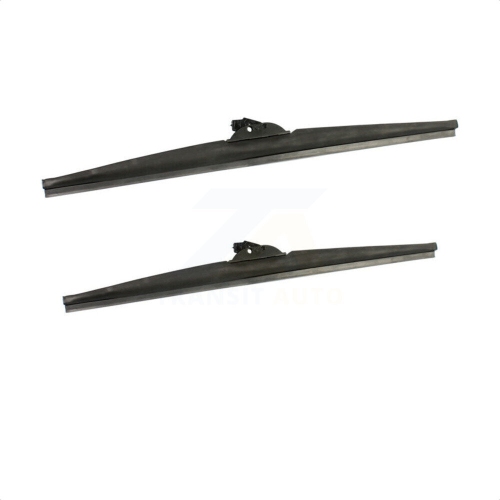
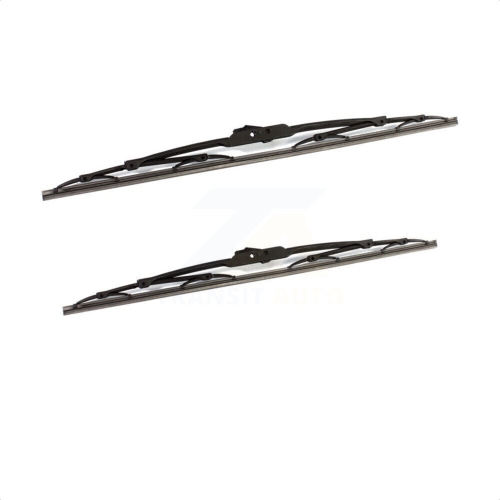
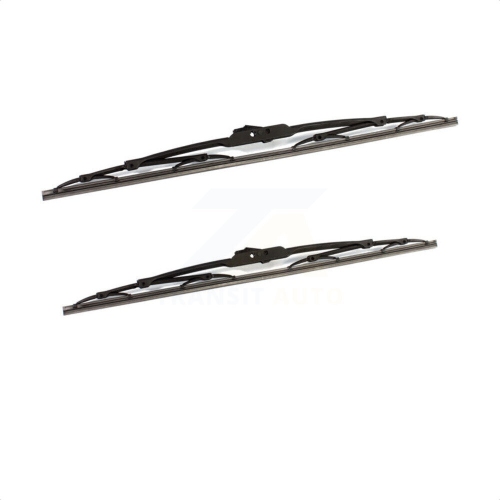
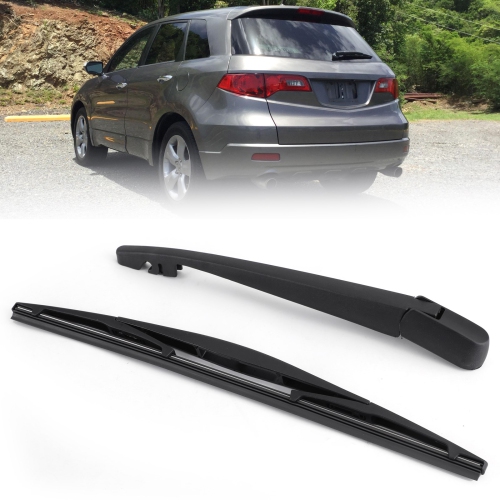
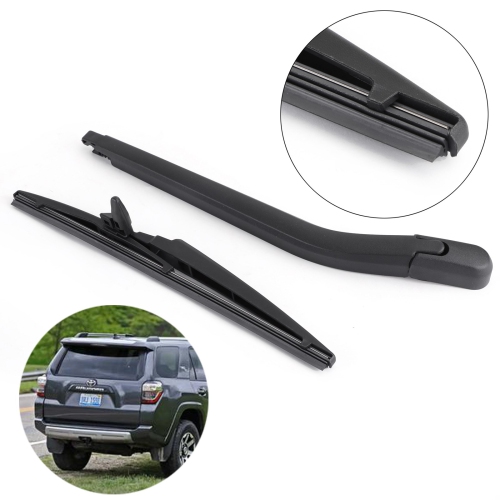
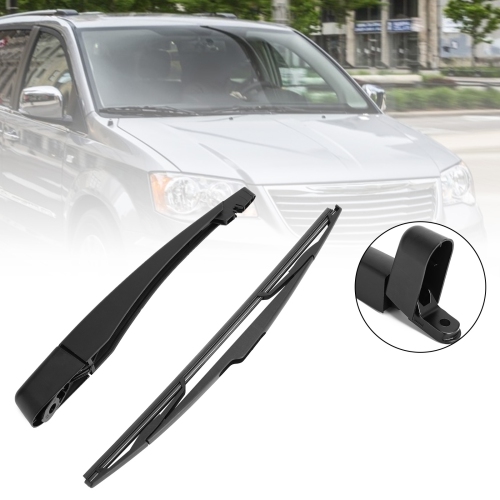
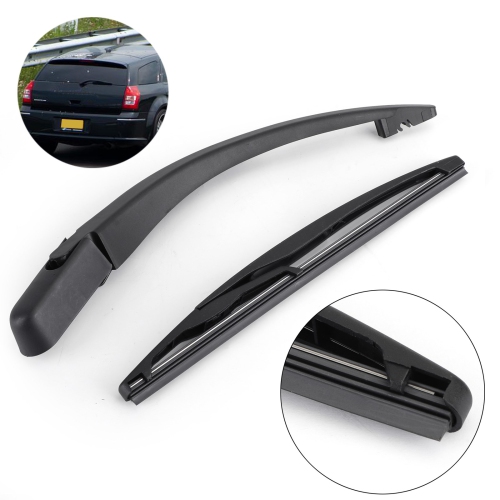
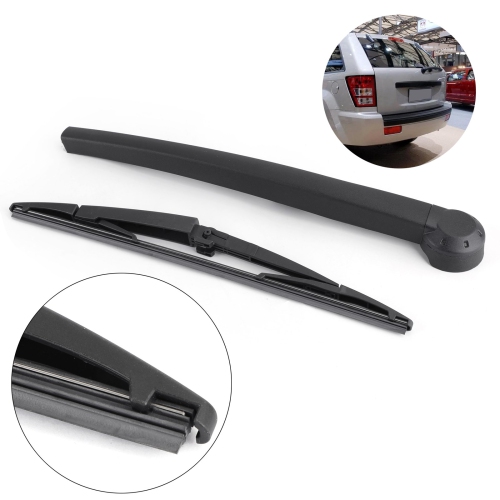
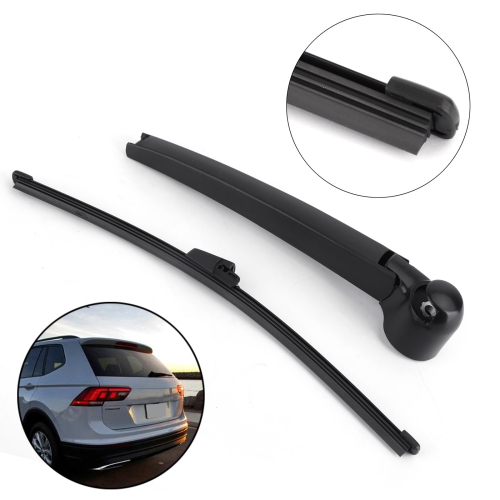
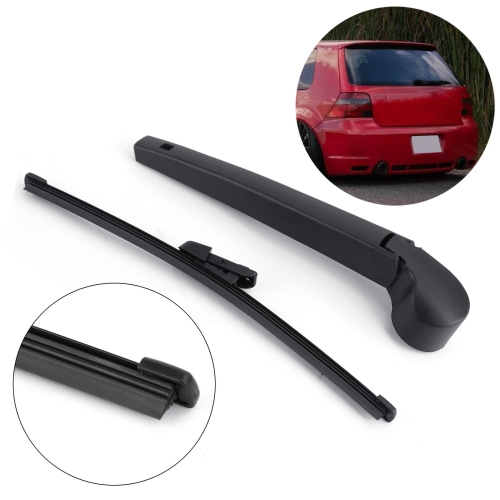
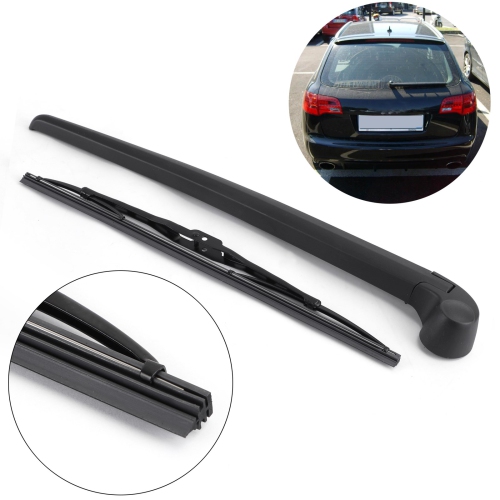
Understanding wiper blade styles, fit, replacement, and care
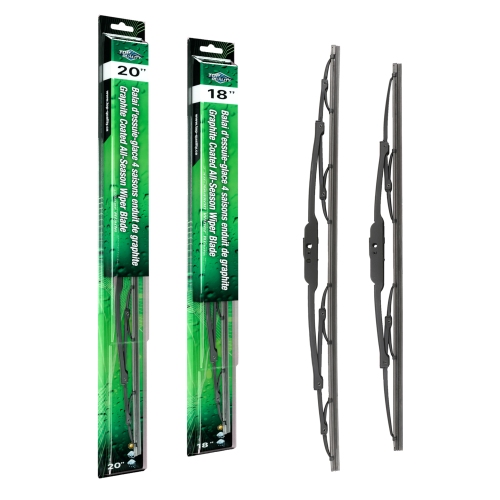
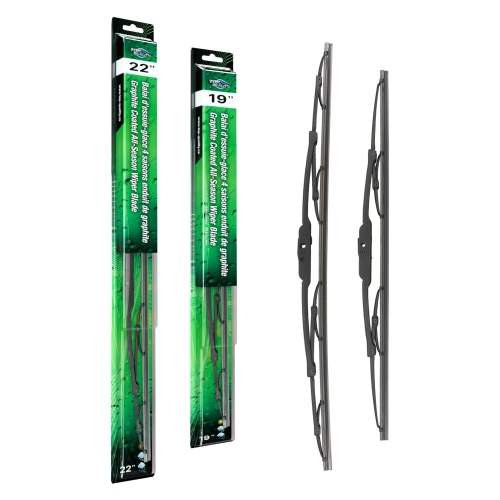
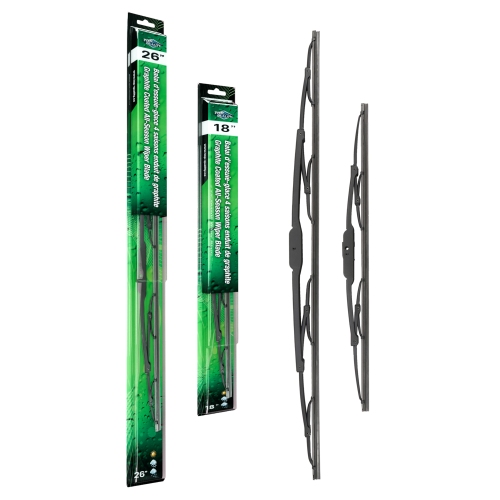
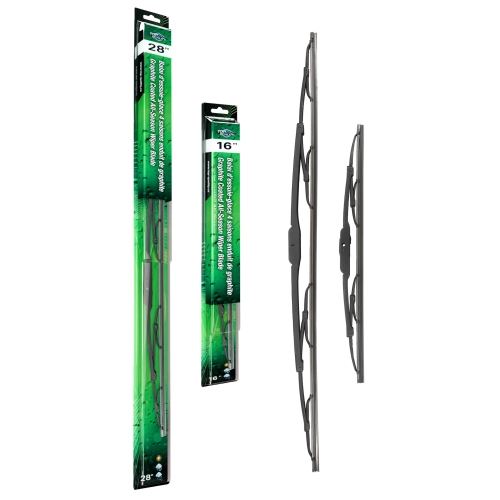
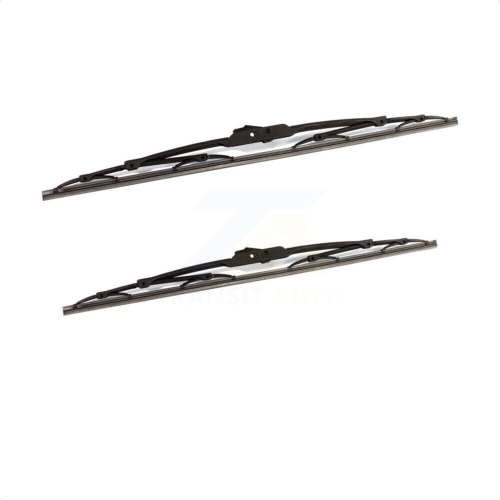
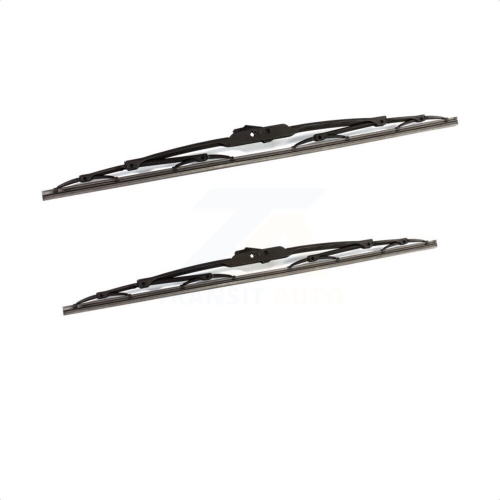
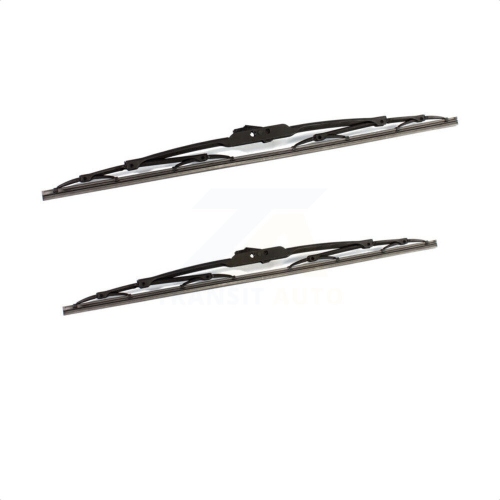
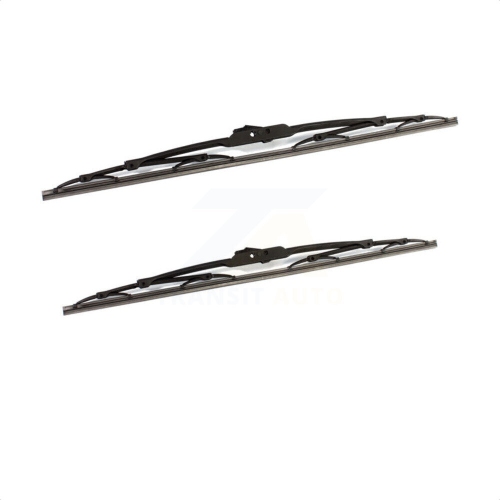
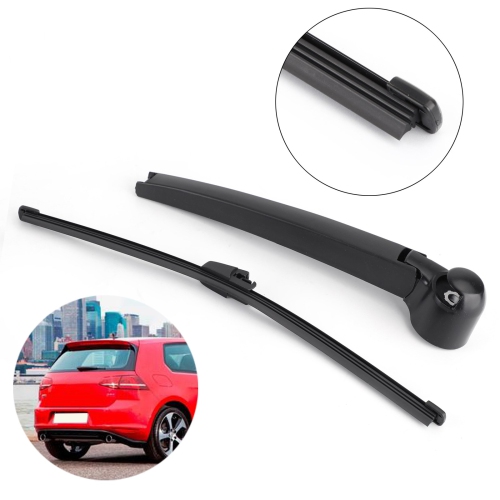
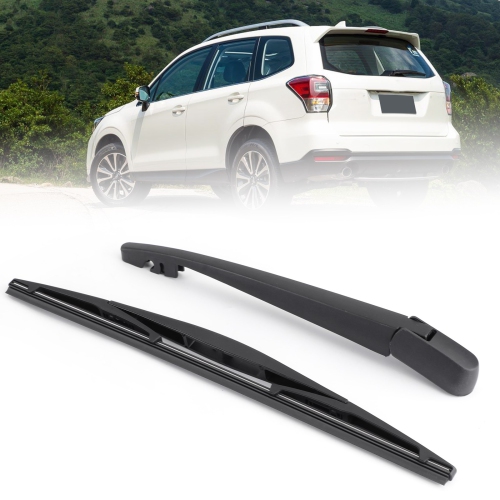
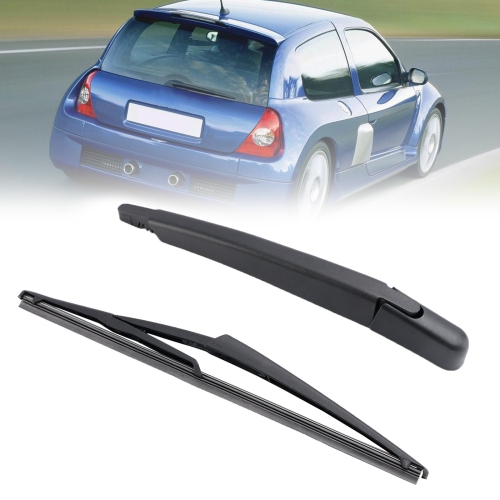
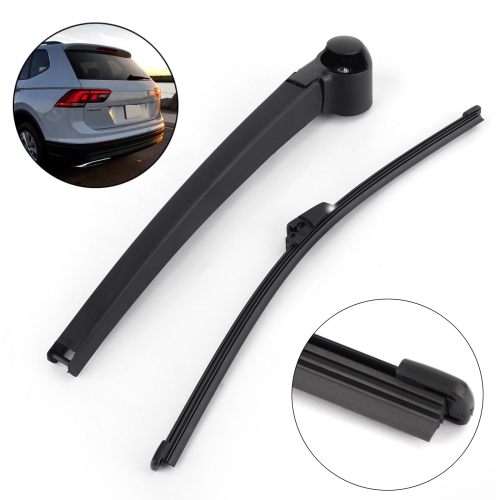
Car wiper blades are essential for maintaining a clear view through rain, road spray, dust, sleet, and melting snow. They sit against the windscreen and sweep away moisture with each pass, helping drivers see lane markings, traffic signals, cyclists, pedestrians, and changing road conditions more easily. A good set can make a noticeable difference during a sudden downpour or on a damp drive home when glare from headlights makes visibility more difficult. Wiper blades are commonly replaced every 6 to 12 months, although their lifespan depends on driving frequency, weather exposure, windscreen condition, and the quality of the blade materials. Signs that your blades may need replacing include streaks, missed sections, skipping, chattering, splitting, or a squeaking sound as the blade moves across the glass. If the rubber edge looks cracked, curled, hardened, or torn, it may no longer be making consistent contact. Drivers who park outdoors, travel on gravel roads, or regularly deal with road salt, ice, and heavy rain may notice wear sooner. During the warmer part of the year, dust, pollen, insects, and intense sunlight can affect the wiping edge; as the weather turns cooler, frost and frozen precipitation can put additional stress on both the blade and the wiper arm. Keeping a replacement set on hand can be especially useful for commuters, families with more than one vehicle, and anyone preparing for changing driving conditions. Wiper blades can also make a practical gift for a new driver, a student heading away to school, or someone who spends long hours on the road. For a wider selection of related vehicle accessories, visit Windscreen Wipers.
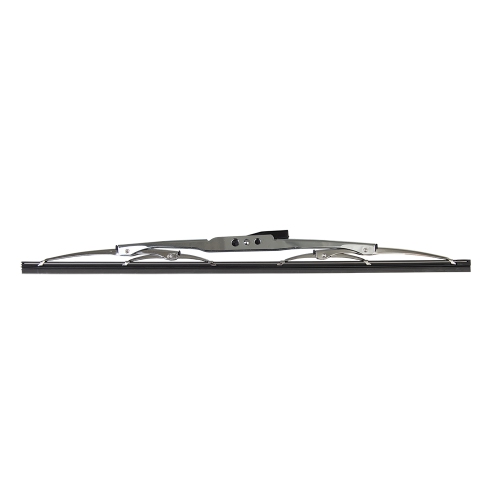
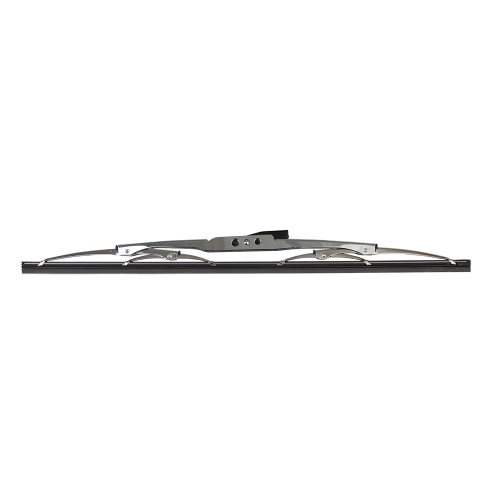
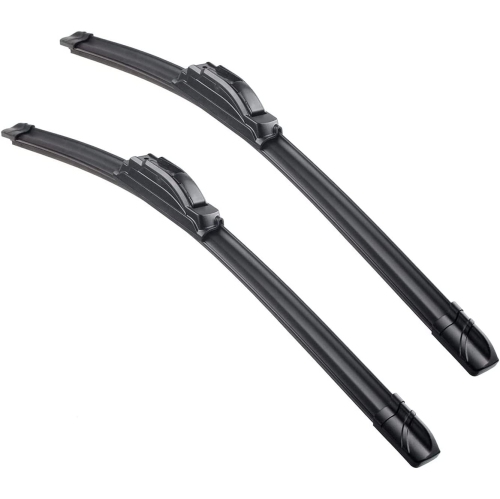
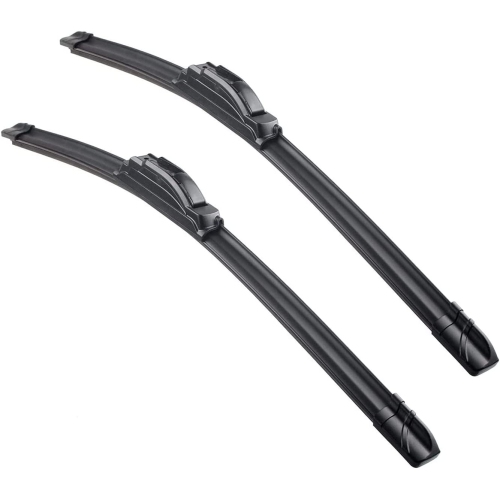
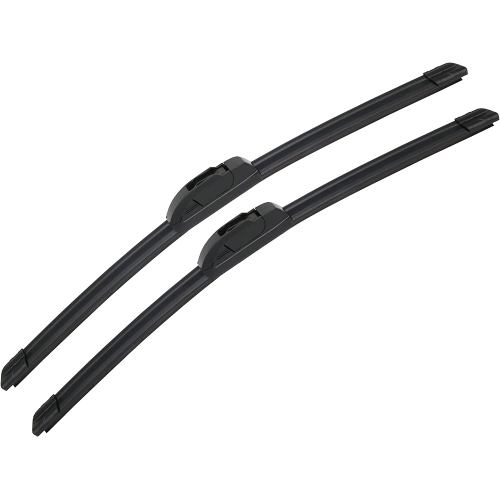
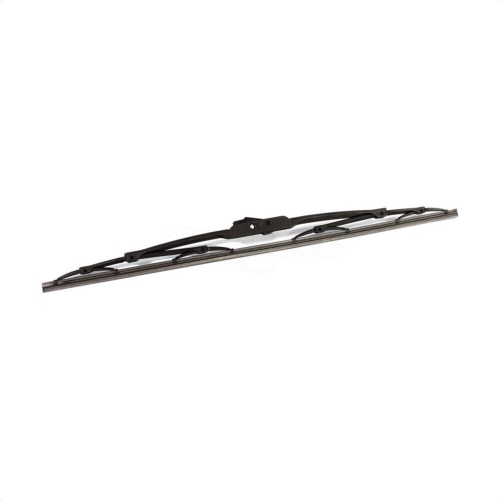
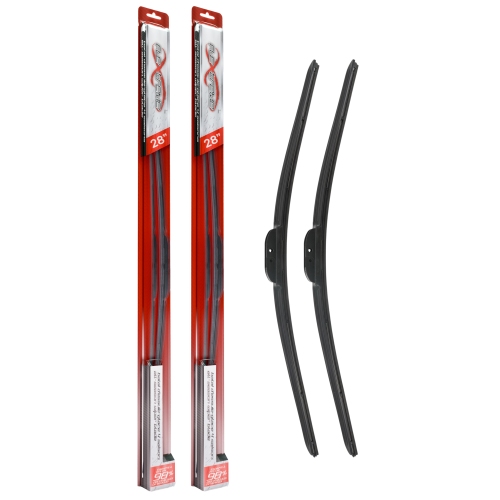
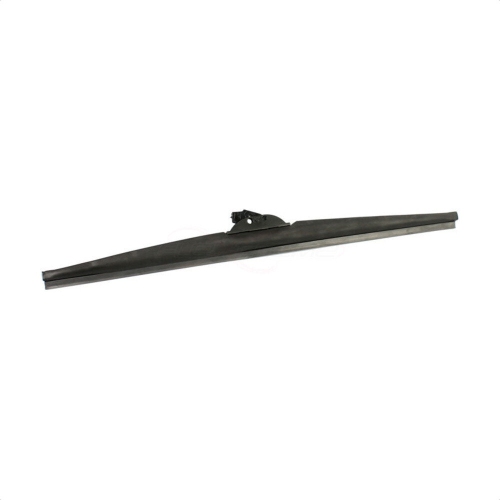
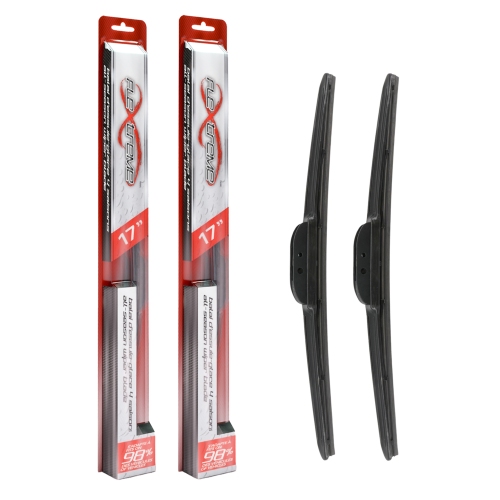
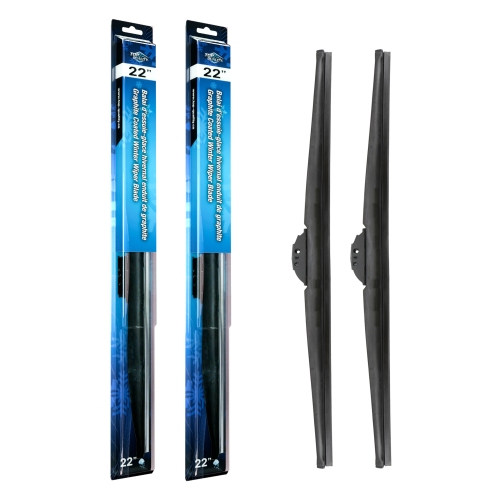
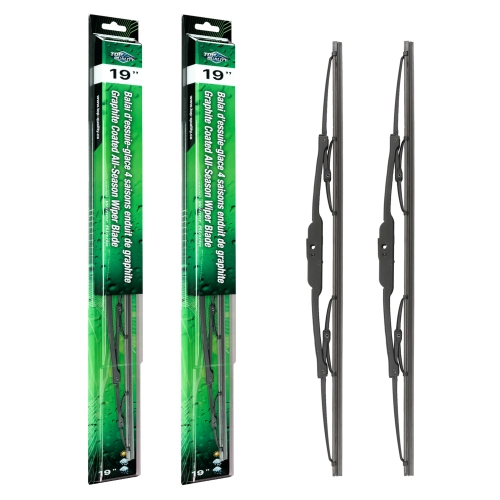
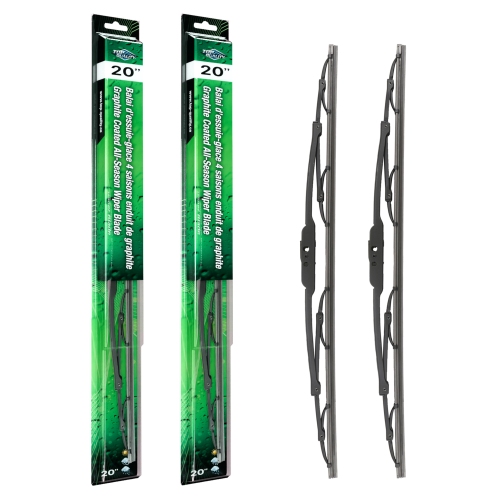
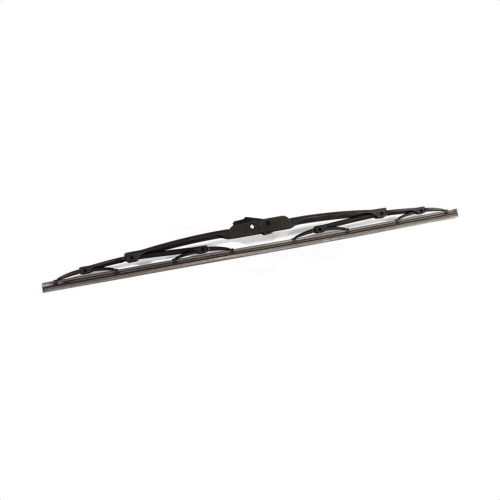
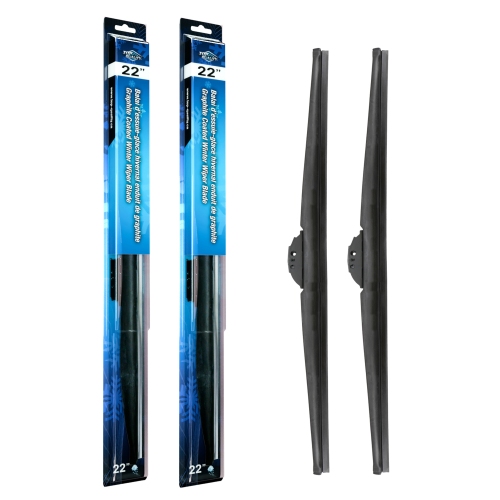
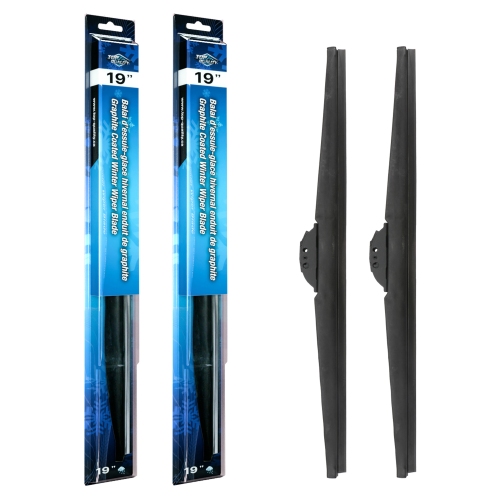
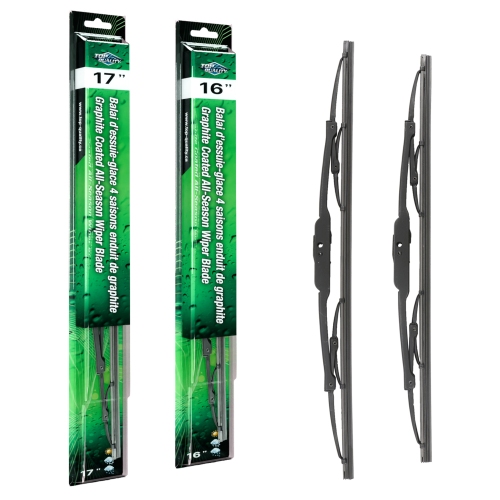
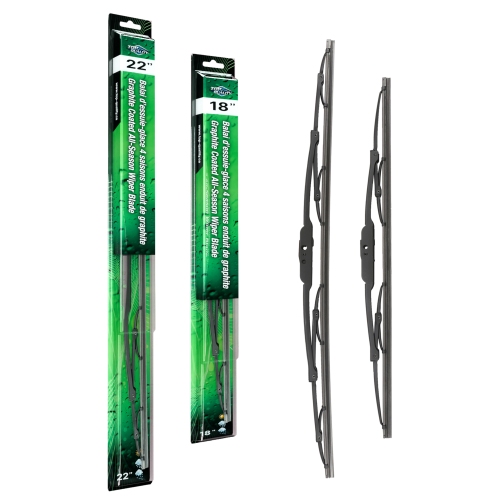
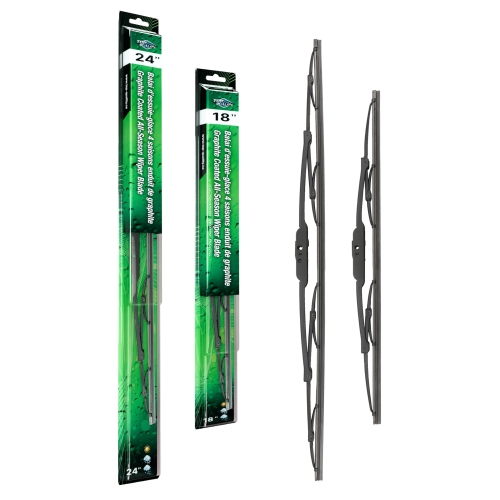
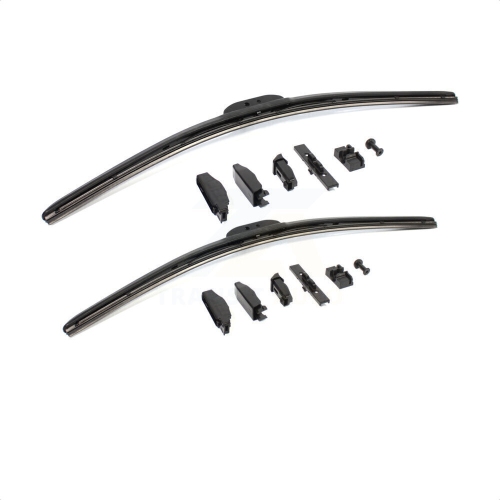
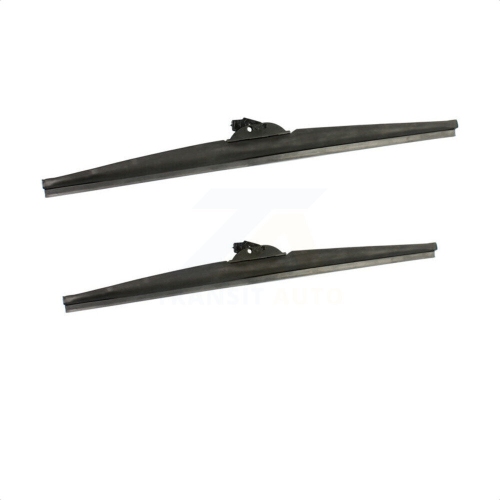
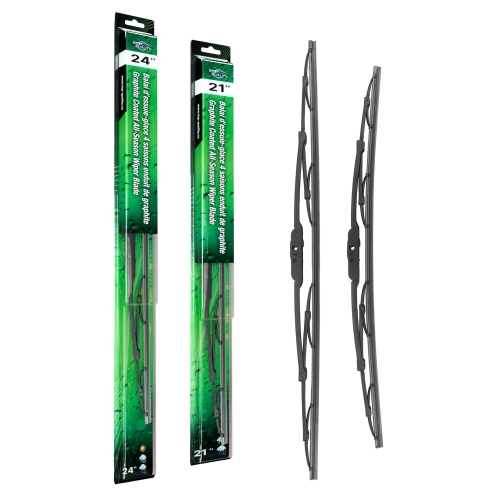
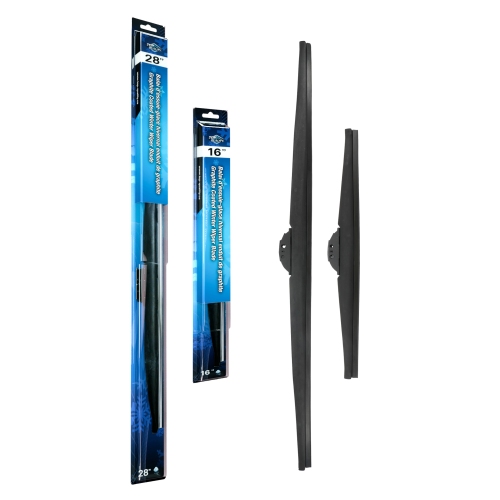
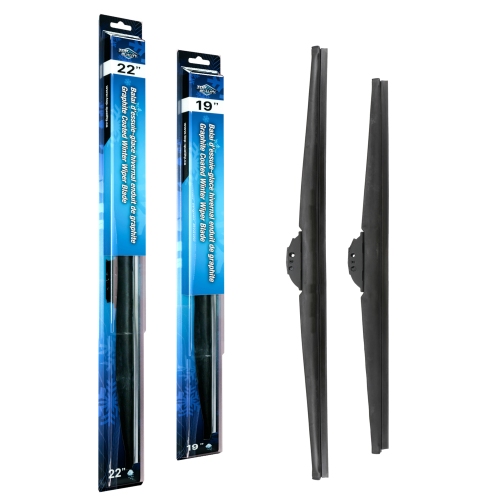
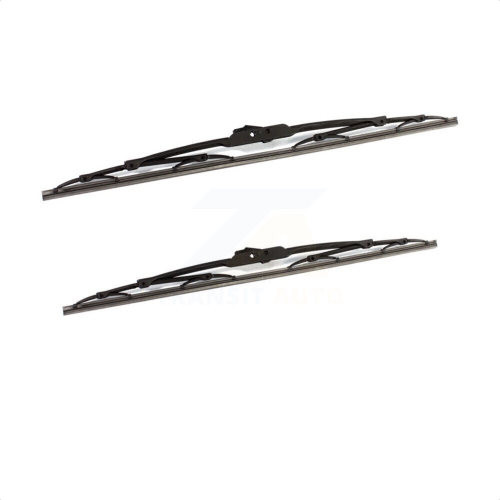
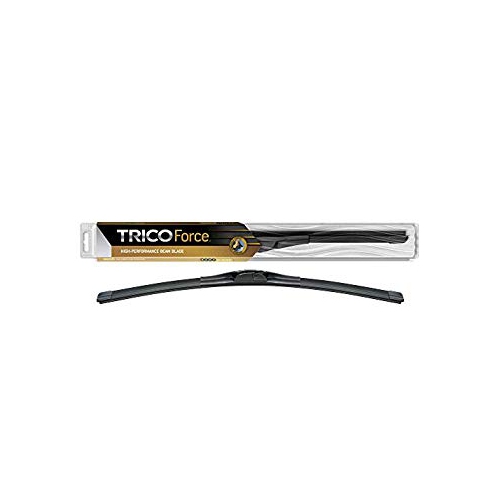
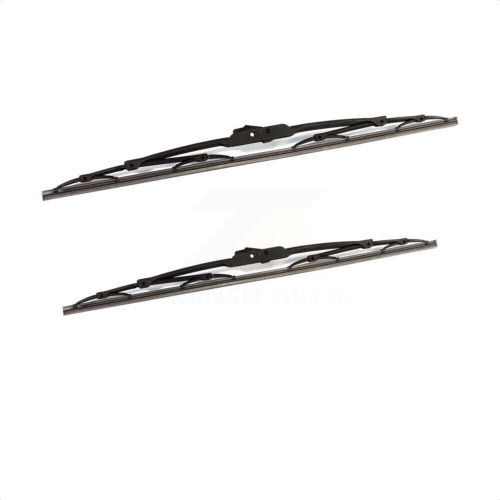
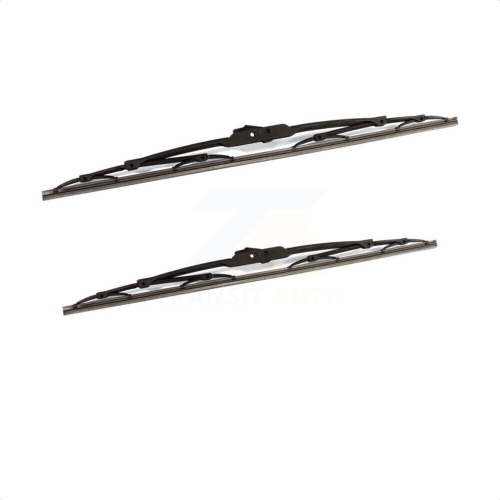
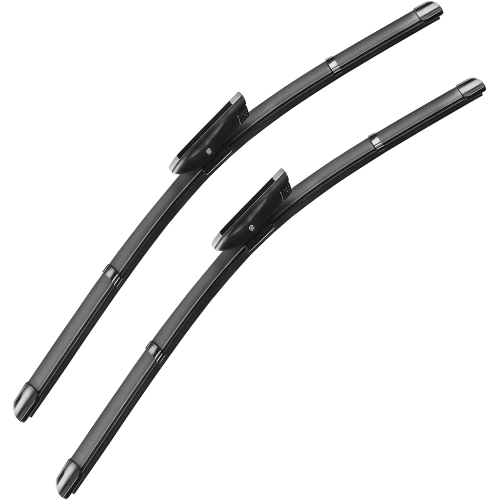
The main styles include conventional, beam, hybrid, and silicone wiper blades. Conventional blades use a metal frame with spring-loaded brackets to hold the rubber wiping edge against the windscreen. They are a familiar, often budget-friendly option and can be well suited to vehicles designed around a traditional frame. Beam blades use a one-piece, curved design that applies pressure more evenly across the windscreen. Their flexible shape can help maintain contact with curved glass and may perform well through a range of weather conditions. Hybrid blades combine features of conventional and beam designs, typically pairing a supportive frame with an aerodynamic outer cover. This style can help protect the moving parts from ice, wind, and road debris while maintaining a close fit to the glass. Silicone blades use a silicone wiping edge rather than standard rubber and may provide durable performance along with water-repelling properties, depending on the design. When comparing options, the most important consideration is compatibility with the vehicle. Driver- and passenger-side blades are often different lengths, and the rear blade on a hatchback, sport utility vehicle, or crossover may use another size and connection type altogether. Check the vehicle owner’s manual for the correct lengths, measured in inches, and confirm the attachment style before ordering. Vehicle look-up tools that use the year, make, and model can also help narrow the choices, but the manual remains a useful reference if the vehicle has been modified or has an unusual fitment. A blade that is too short may leave an important area uncleared, while one that is too long can contact the windscreen trim, collide with the other blade, or place unnecessary strain on the wiper mechanism. Pay attention to connector compatibility as well, since hook, pin, bayonet, and other attachment systems are not interchangeable without the proper adapter.
Replacing car wiper blades is generally a straightforward maintenance task, but careful handling helps prevent damage. Lift the wiper arm away from the windscreen only when the design allows it, and support it securely while removing the old blade. A bare metal arm can snap back against the glass with surprising force, potentially causing chips or cracks. Follow the installation instructions supplied with the replacement blade, making sure the connector clicks firmly into place and that the blade sits straight along the arm. Before driving, test both the front and rear wipers with washer fluid rather than running them across dry, dusty glass. Clean the windscreen regularly with suitable glass cleaner or washer fluid, and wipe away loose grit before operating the blades. Never use a scraper, key, or other hard object on the wiping edge, and avoid pulling a blade across a windscreen that is frozen to the glass. During the cooler months, allow frost and ice to loosen before using the wipers, since forcing a frozen blade can tear the rubber or damage the motor and linkage. It is also worth checking the washer fluid level and inspecting the wiper arms for rust, looseness, or bent metal, as a worn arm can prevent even pressure regardless of the blade style. With the right size, connector, and design for the vehicle, replacement car wiper blades can support clearer visibility through everyday rain, road spray, and changing seasonal conditions.
The main styles include conventional, beam, hybrid, and silicone wiper blades. Conventional blades use a metal frame with spring-loaded brackets to hold the rubber wiping edge against the windscreen. They are a familiar, often budget-friendly option and can be well suited to vehicles designed around a traditional frame. Beam blades use a one-piece, curved design that applies pressure more evenly across the windscreen. Their flexible shape can help maintain contact with curved glass and may perform well through a range of weather conditions. Hybrid blades combine features of conventional and beam designs, typically pairing a supportive frame with an aerodynamic outer cover. This style can help protect the moving parts from ice, wind, and road debris while maintaining a close fit to the glass. Silicone blades use a silicone wiping edge rather than standard rubber and may provide durable performance along with water-repelling properties, depending on the design. When comparing options, the most important consideration is compatibility with the vehicle. Driver- and passenger-side blades are often different lengths, and the rear blade on a hatchback, sport utility vehicle, or crossover may use another size and connection type altogether. Check the vehicle owner’s manual for the correct lengths, measured in inches, and confirm the attachment style before ordering. Vehicle look-up tools that use the year, make, and model can also help narrow the choices, but the manual remains a useful reference if the vehicle has been modified or has an unusual fitment. A blade that is too short may leave an important area uncleared, while one that is too long can contact the windscreen trim, collide with the other blade, or place unnecessary strain on the wiper mechanism. Pay attention to connector compatibility as well, since hook, pin, bayonet, and other attachment systems are not interchangeable without the proper adapter.
Replacing car wiper blades is generally a straightforward maintenance task, but careful handling helps prevent damage. Lift the wiper arm away from the windscreen only when the design allows it, and support it securely while removing the old blade. A bare metal arm can snap back against the glass with surprising force, potentially causing chips or cracks. Follow the installation instructions supplied with the replacement blade, making sure the connector clicks firmly into place and that the blade sits straight along the arm. Before driving, test both the front and rear wipers with washer fluid rather than running them across dry, dusty glass. Clean the windscreen regularly with suitable glass cleaner or washer fluid, and wipe away loose grit before operating the blades. Never use a scraper, key, or other hard object on the wiping edge, and avoid pulling a blade across a windscreen that is frozen to the glass. During the cooler months, allow frost and ice to loosen before using the wipers, since forcing a frozen blade can tear the rubber or damage the motor and linkage. It is also worth checking the washer fluid level and inspecting the wiper arms for rust, looseness, or bent metal, as a worn arm can prevent even pressure regardless of the blade style. With the right size, connector, and design for the vehicle, replacement car wiper blades can support clearer visibility through everyday rain, road spray, and changing seasonal conditions.
Top selling and popular products
-
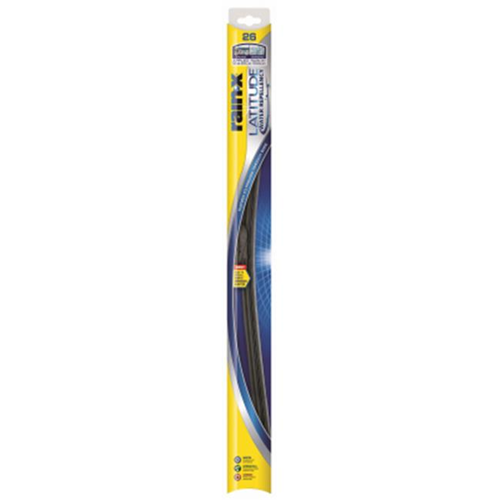 Your price for this item is $64.22
 -
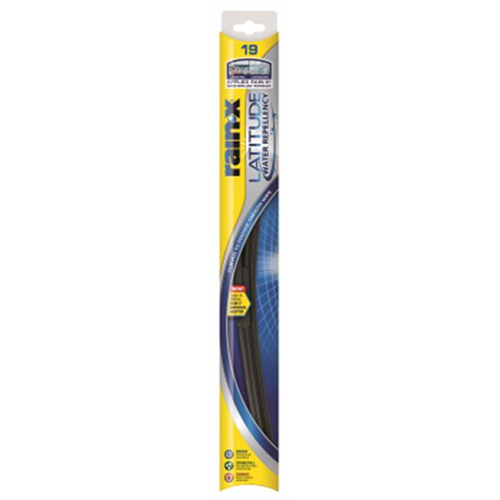 Your price for this item is $60.34
 -
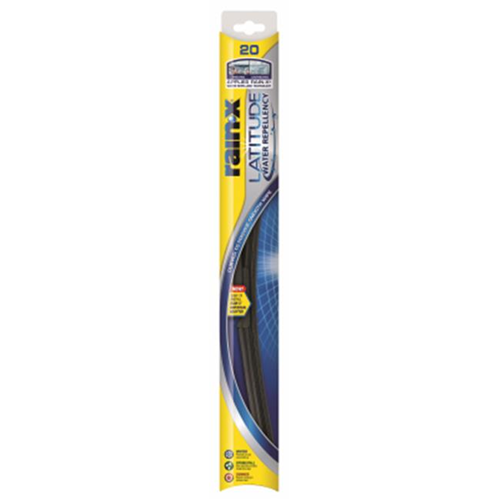 Your price for this item is $60.34
 -
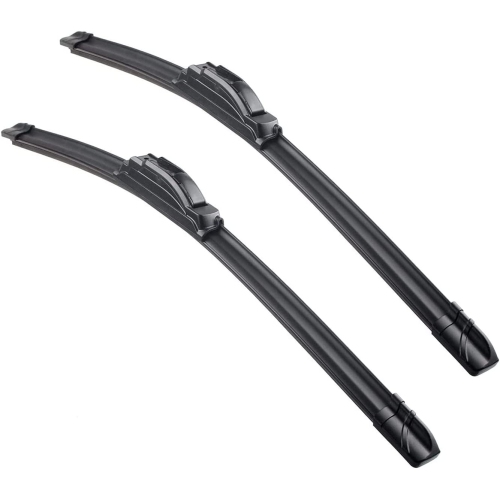 Your price for this item is $20.89
 -
 Your price for this item is $30.57
 -
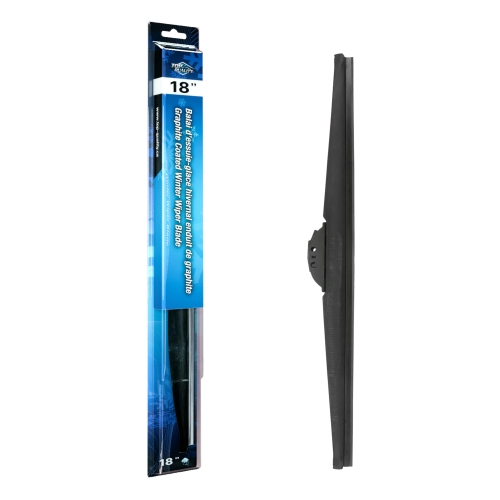 Your price for this item is $20
 -
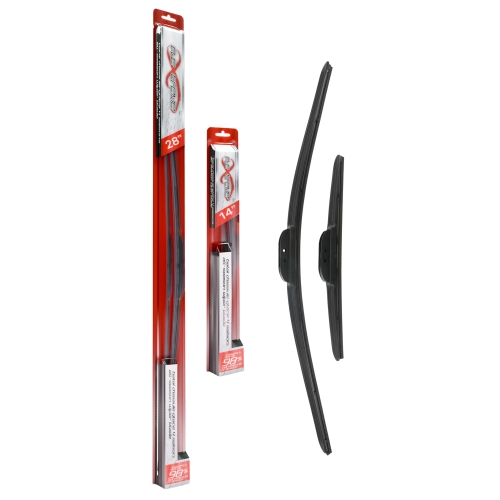 Your price for this item is $25.37
 -
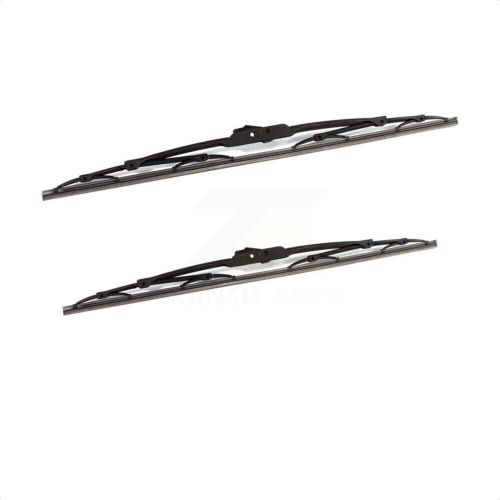 Your price for this item is $18.45
Discover more categories related to Car Wiper Blades
Top Collections:
Pokemon Centers, Best Cameras for Sports Photography, Kindle Devices, Samsung Galaxy Phones, Canon G7X Cameras, Pokémon 30th Celebration Cards, Refurbished Apple Laptops, iPhone 15 Apple, Laptops for Students, Budget Smartphones
Some products may be subject to Environmental Handling Fees
(EHF) depending on your province.
Learn more about EHFs.