Automotive Wiper Blades
When it comes to maintaining clear visibility on the road, having reliable automotive wiper blades is essential for safe driving in various weather conditions. Whether you're facing rain, snow, or debris, high-quality wiper blades are your first line of defense against obscured vision. Explore our selection of automotive wiper blades designed to provide streak-free wiping performance and durability, ensuring that you can navigate through any elements with confidence.
Sort

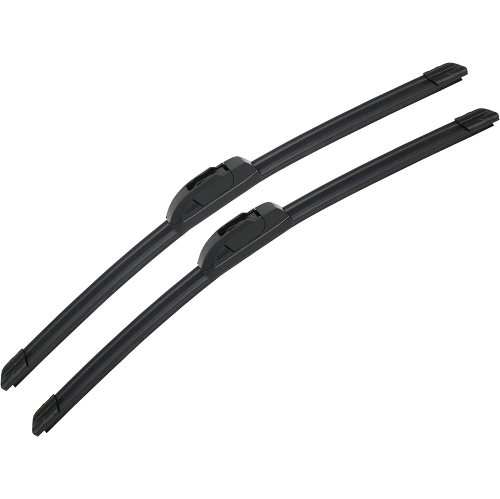

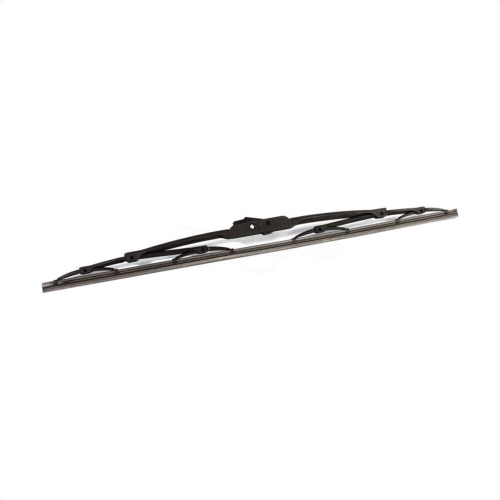
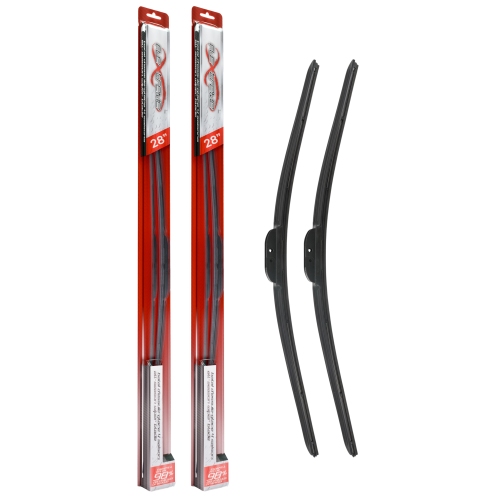
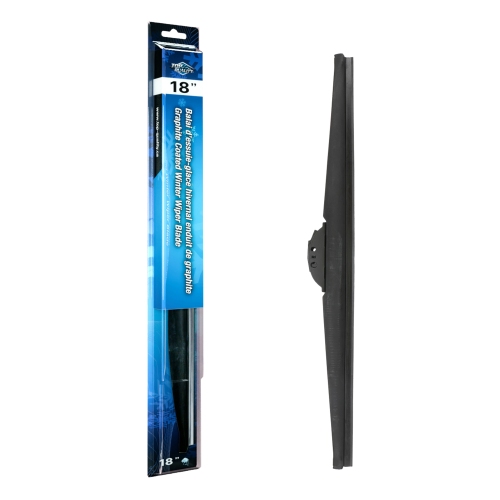
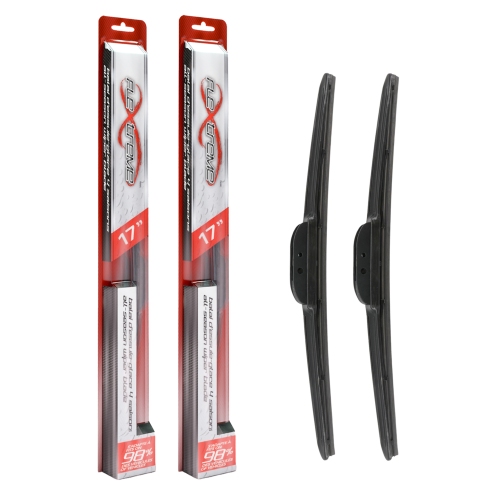
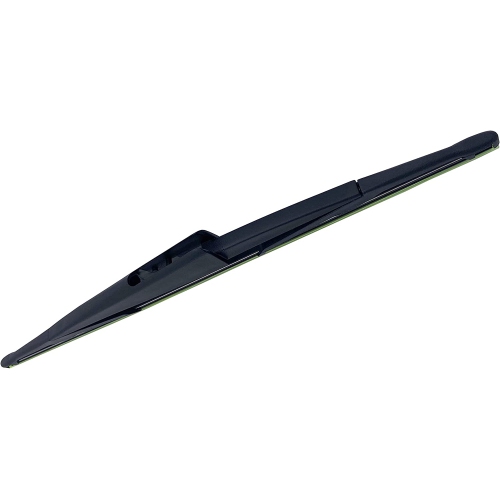
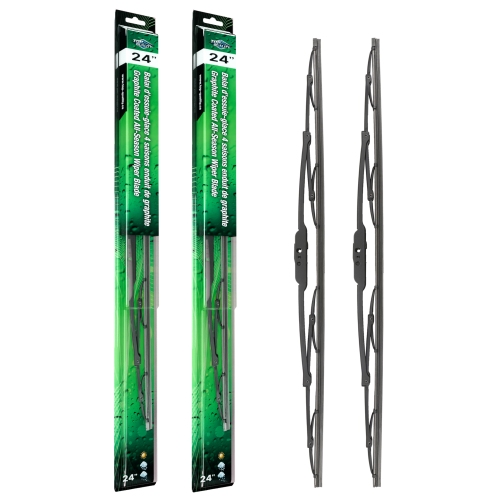
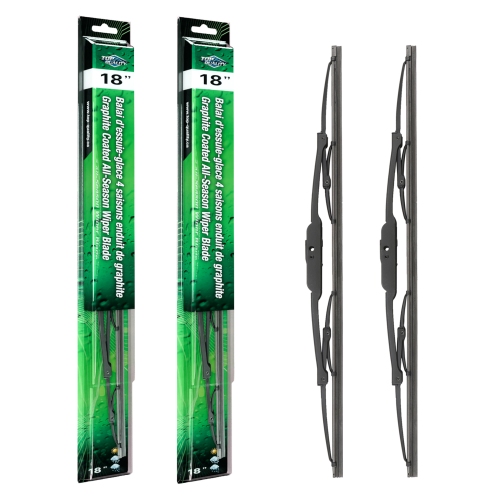
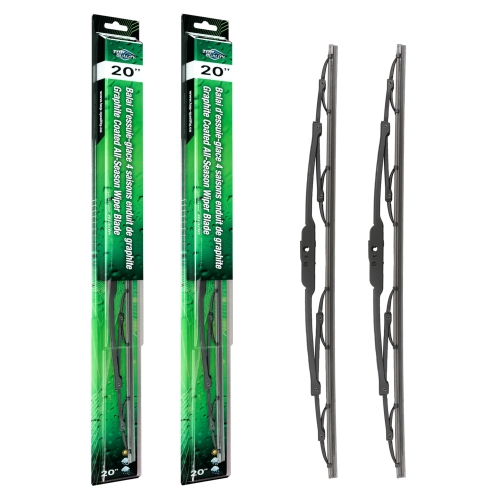
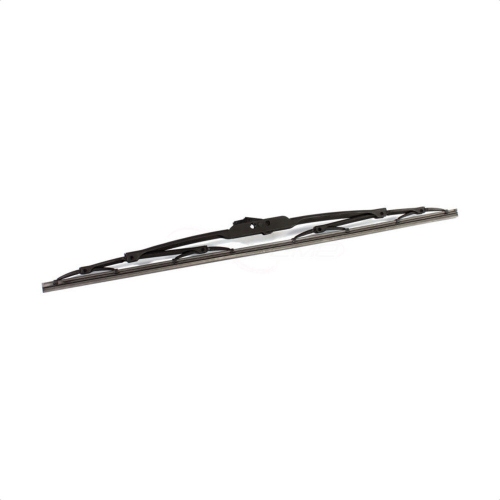
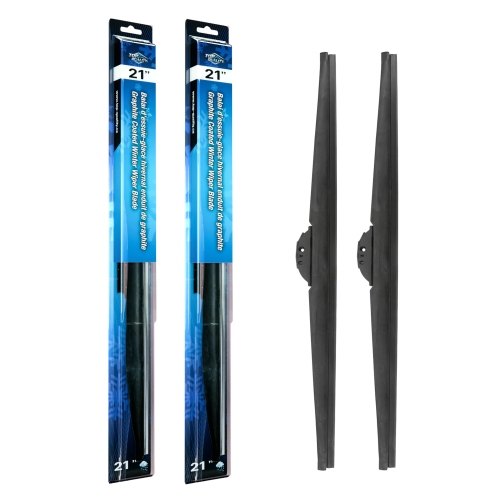
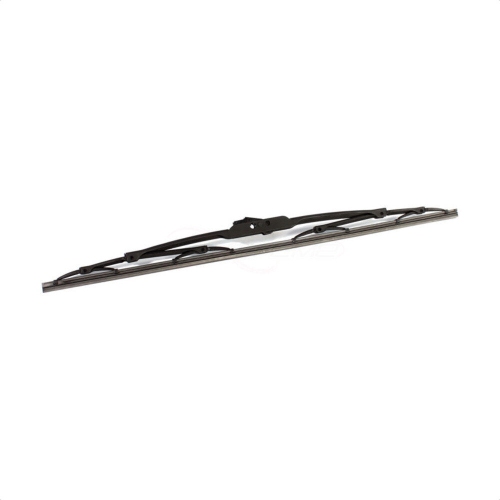
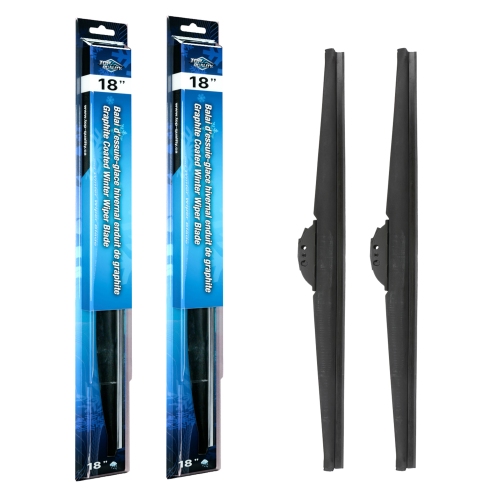
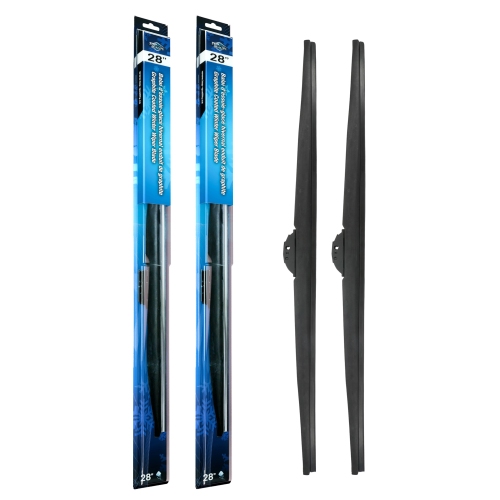
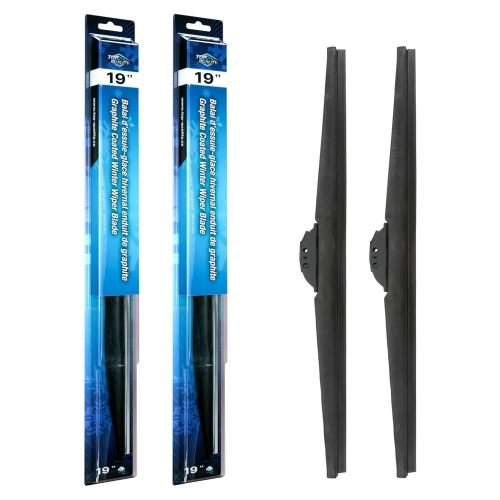
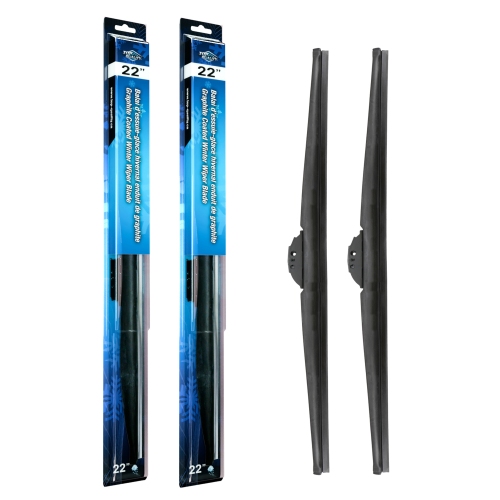
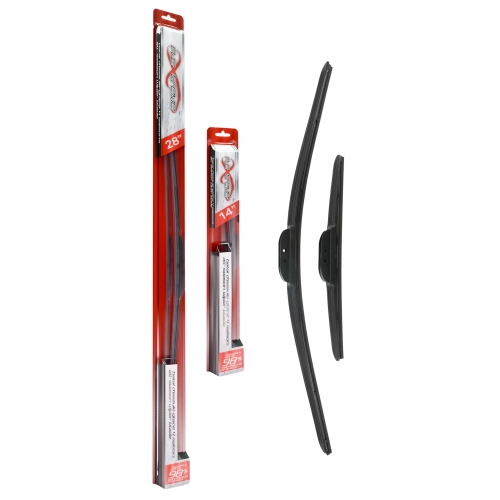
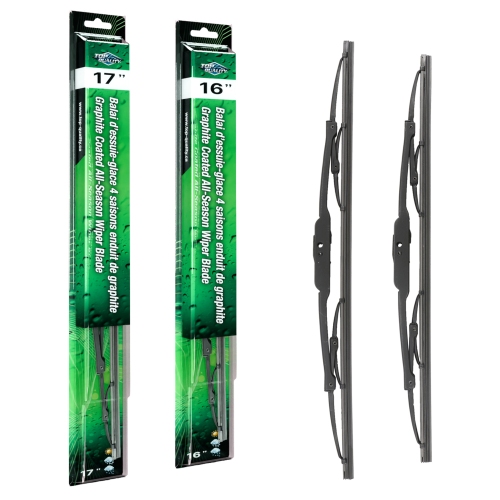
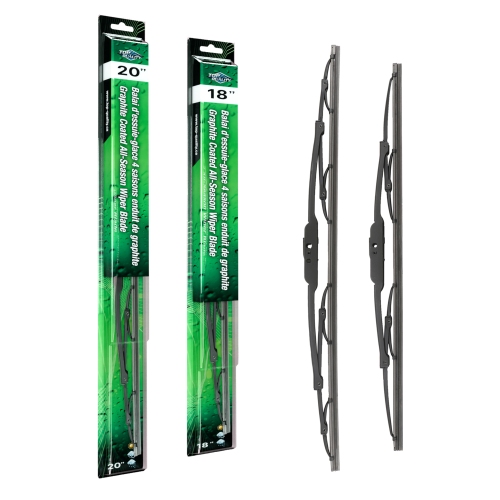
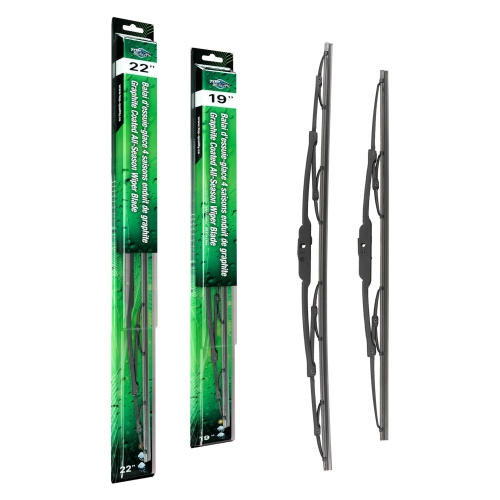
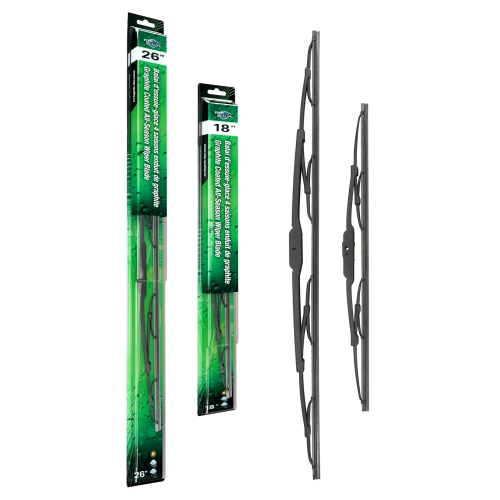
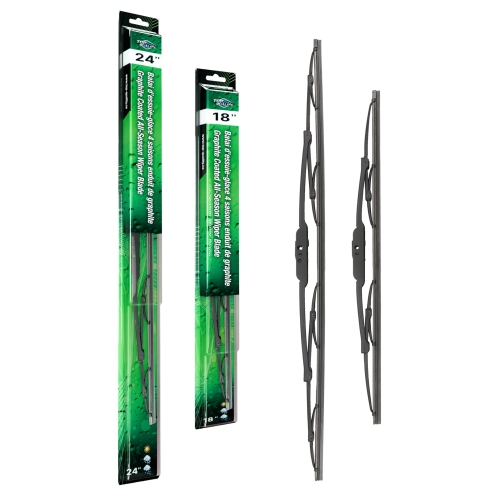
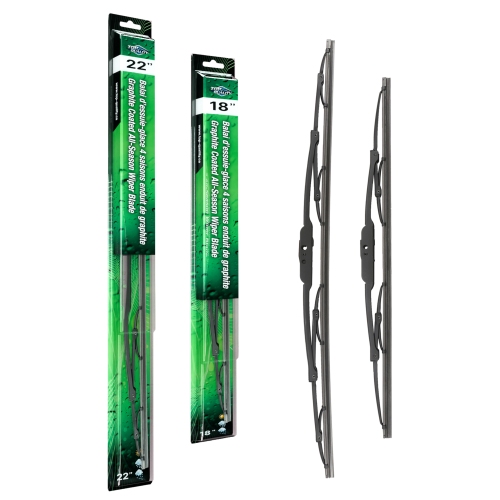
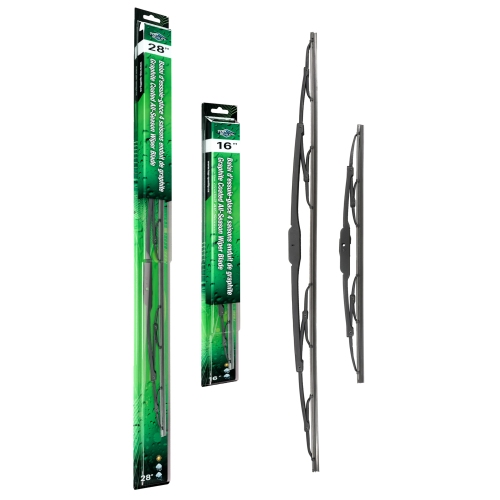
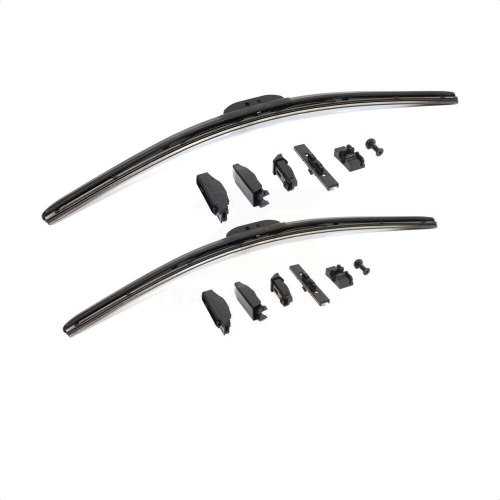
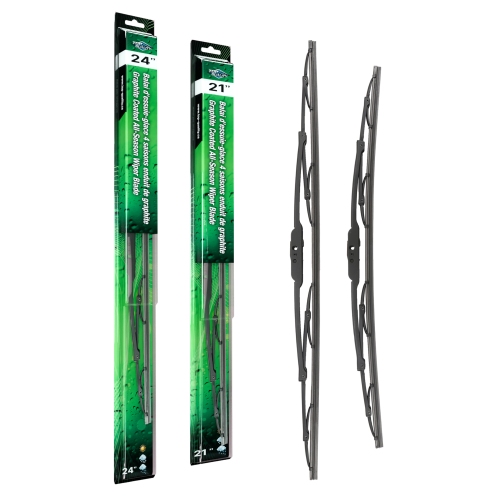
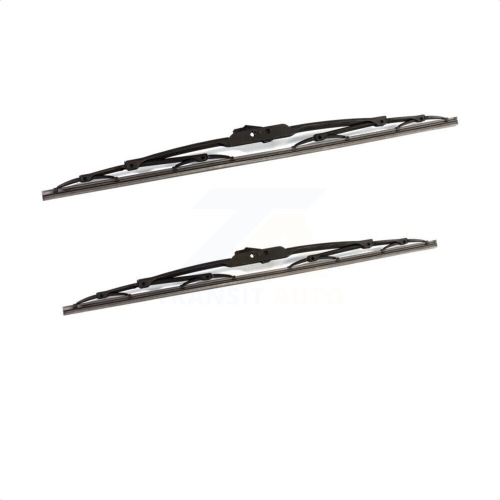
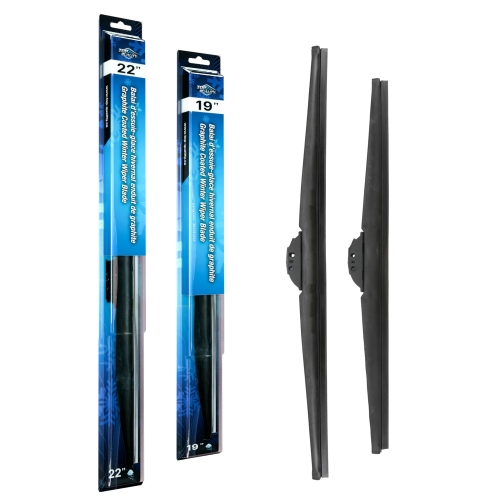
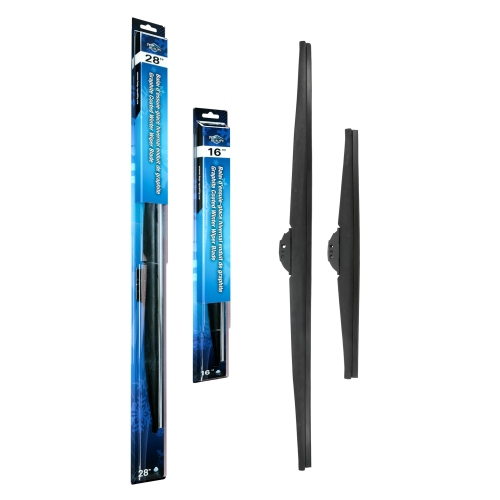
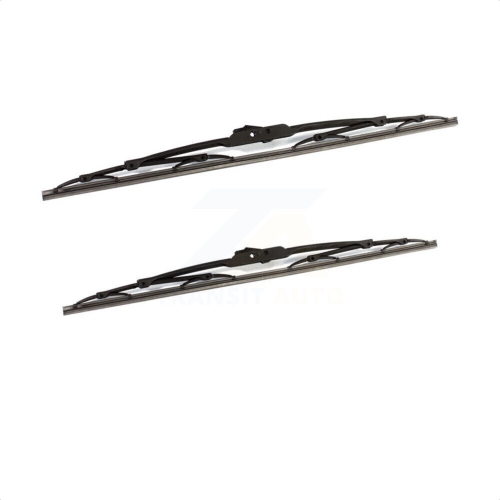
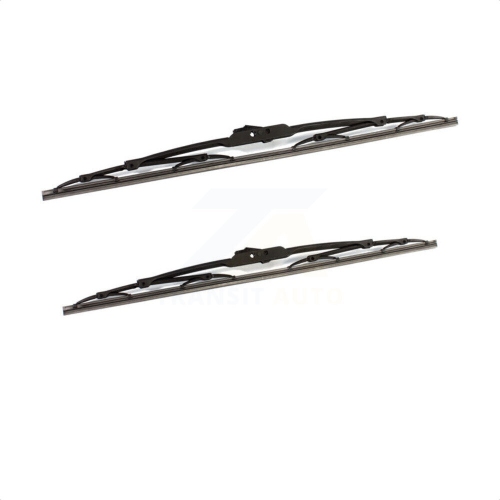
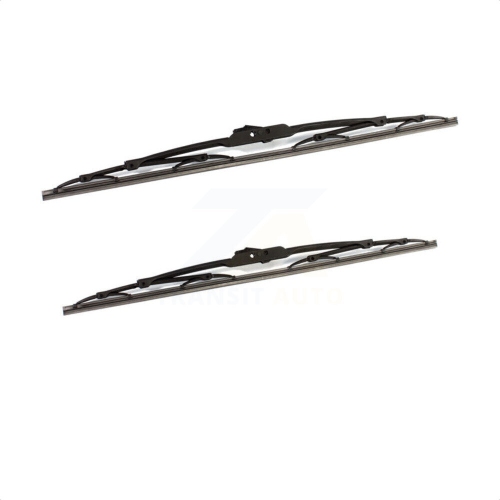
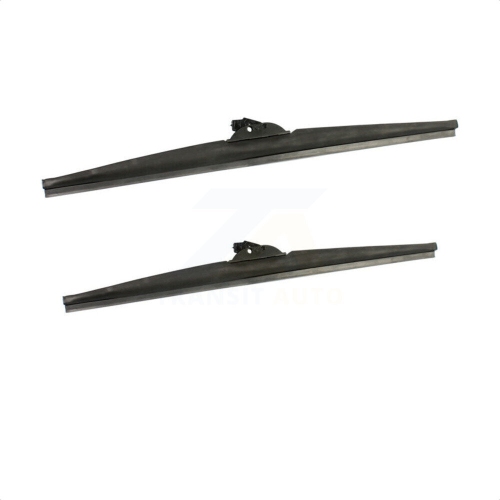
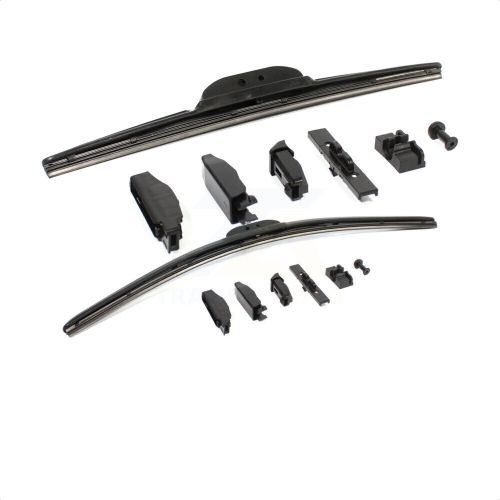
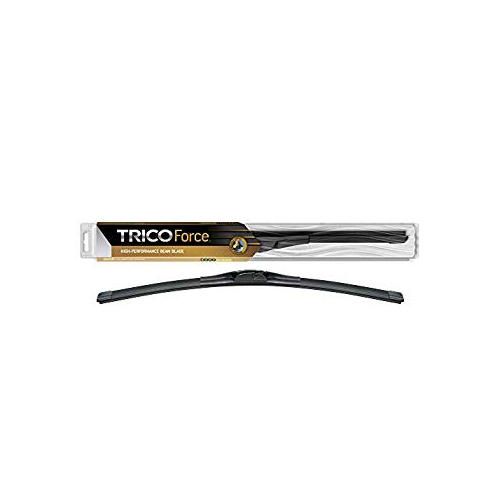
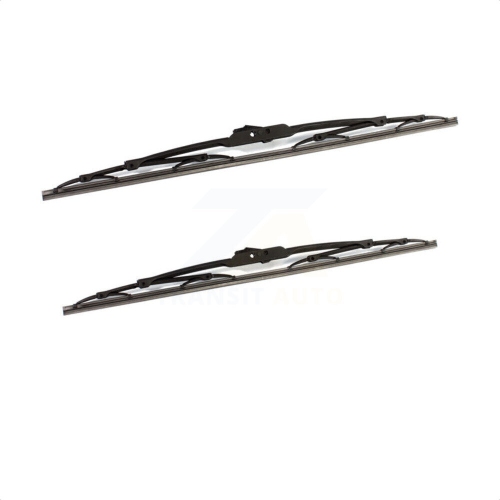
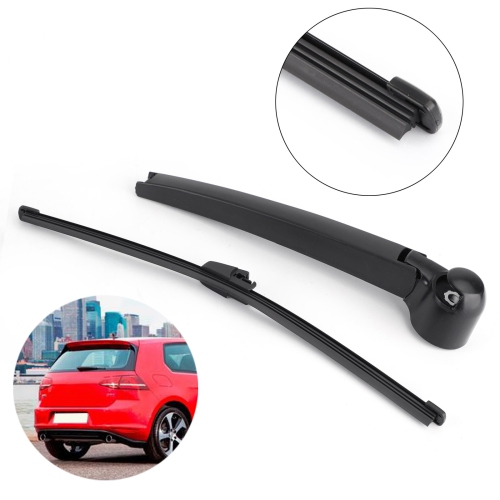
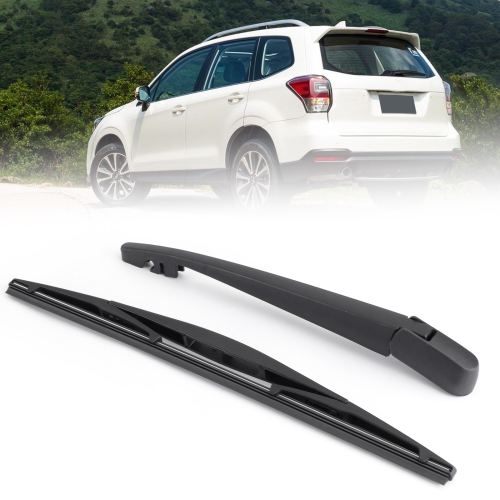
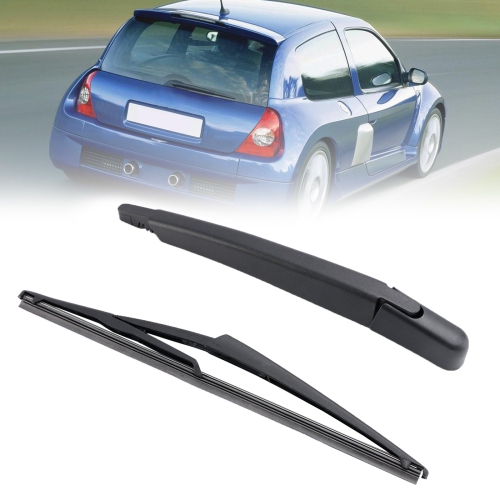
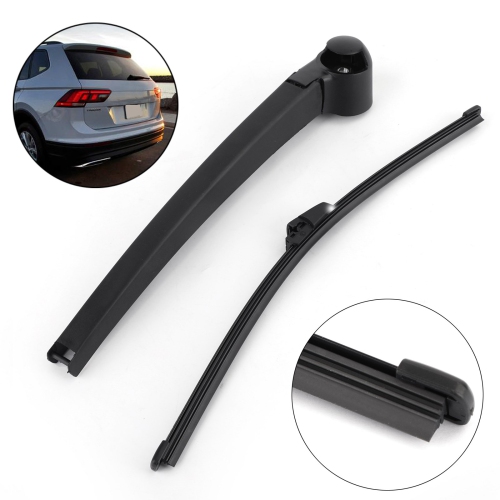
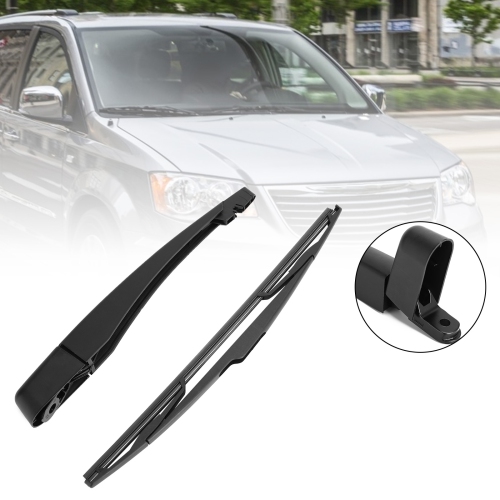
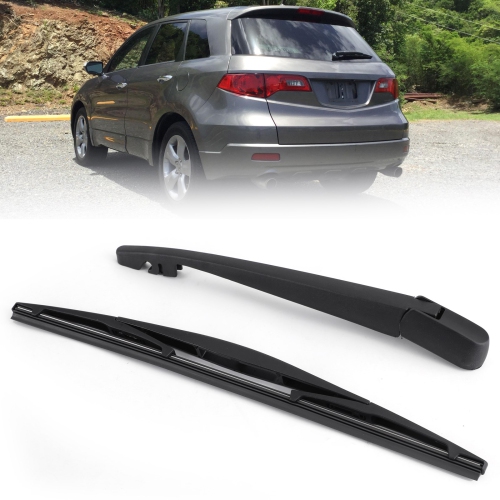
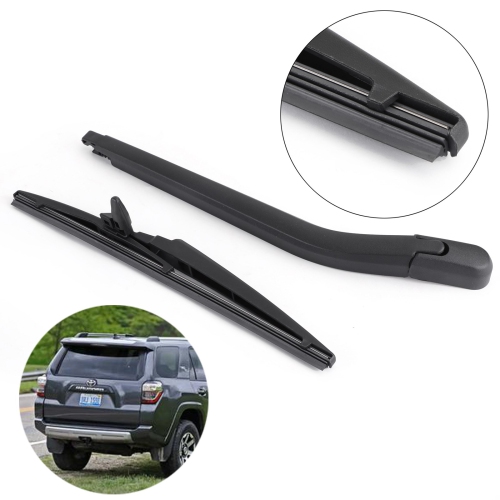
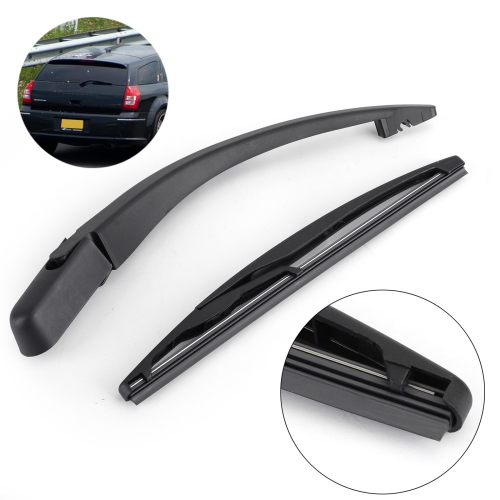
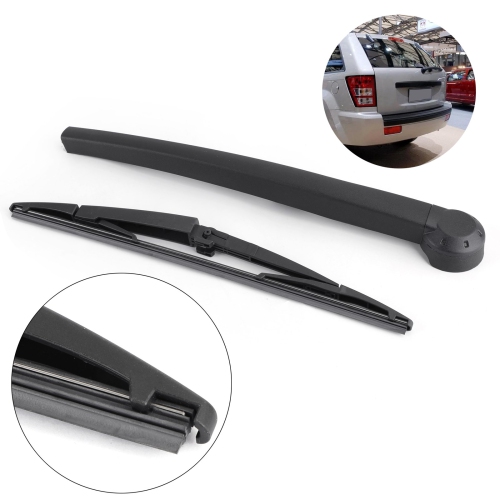
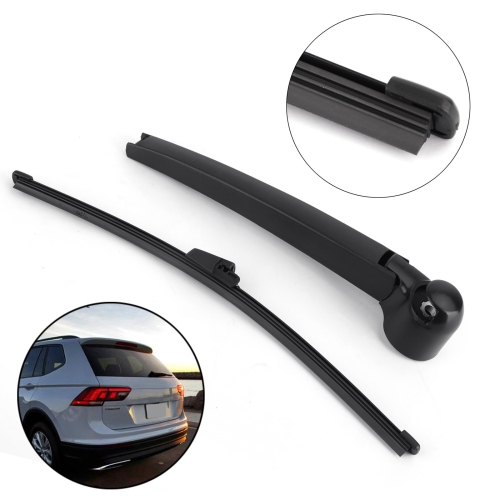
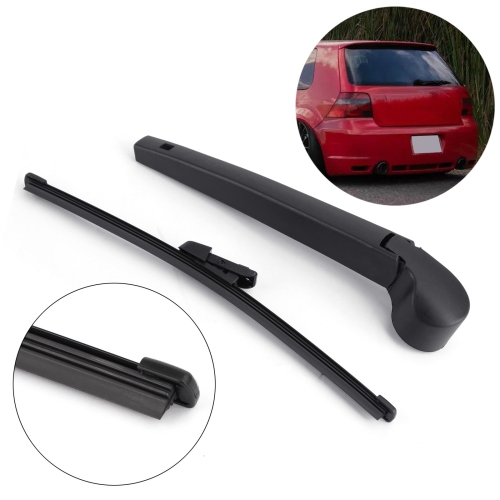
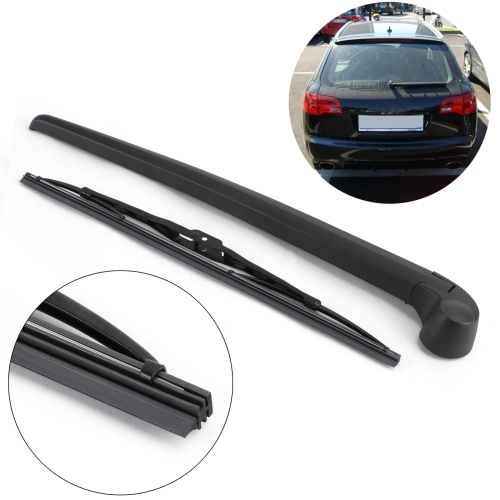
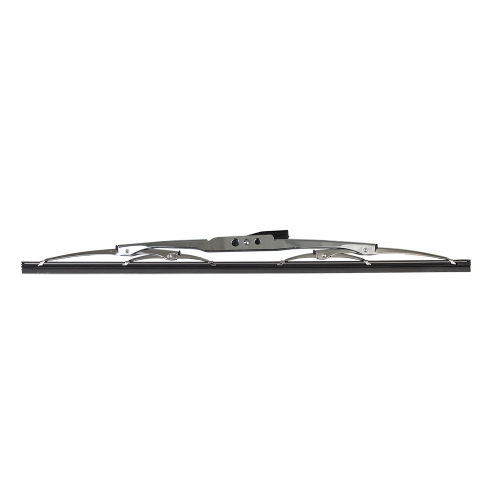

Clearer visibility starts with the right fit and care
Automotive wiper blades play an important role in keeping your view of the road clear through rain, road spray, sleet and falling snow. Even a light film of water can create glare from headlights and streetlights, while worn rubber may leave streaks, missed patches or a hazy trail across the windshield. Replacing your wiper blades is a practical part of routine vehicle care, especially as conditions shift from warmer weather to cooler months. Many drivers replace blades every 6 to 12 months, although the right interval depends on how often the vehicle is driven, the amount of sun exposure it receives and the weather it encounters. A vehicle parked outdoors may develop brittle or cracked rubber sooner than one kept in a garage, while frequent driving in rain, snow or dusty conditions can also shorten blade life. Signs that it may be time for a new set include chattering across the glass, skipping during each sweep, visible splits along the rubber edge, squeaking or streaks that remain after the blade passes. It is best to replace a blade as soon as visibility begins to suffer rather than waiting for a heavy storm or the first accumulation of snow. A fresh blade can help the wiper motor work more smoothly and can make everyday driving feel less stressful when spray from surrounding traffic covers the windshield. Automotive wiper blades are useful for nearly every driver, from someone commuting across the city to a family preparing a vehicle for longer road trips. They also make a thoughtful, practical gift for a new driver, a student heading away to school or anyone who prefers to keep essential car-care supplies ready before changing conditions arrive.
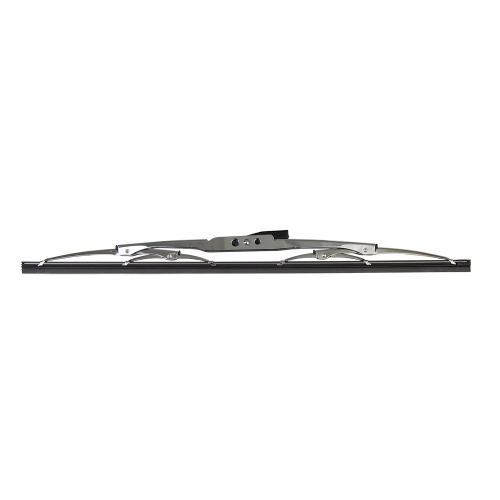
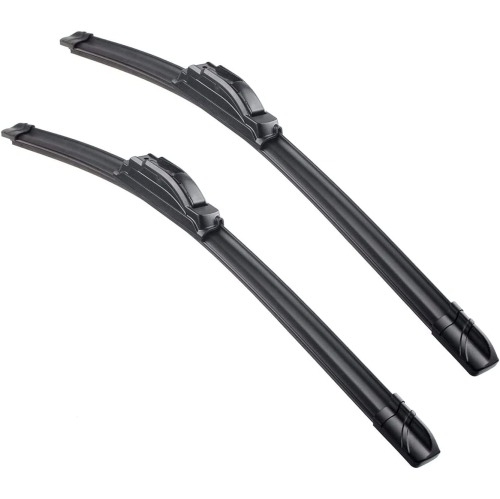
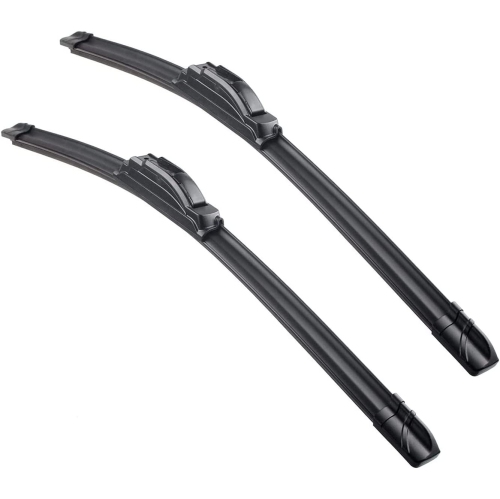
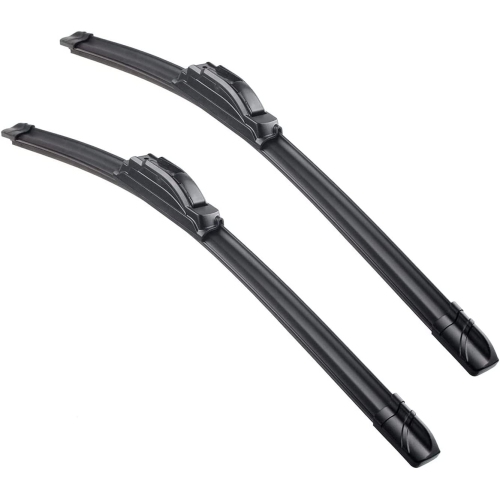
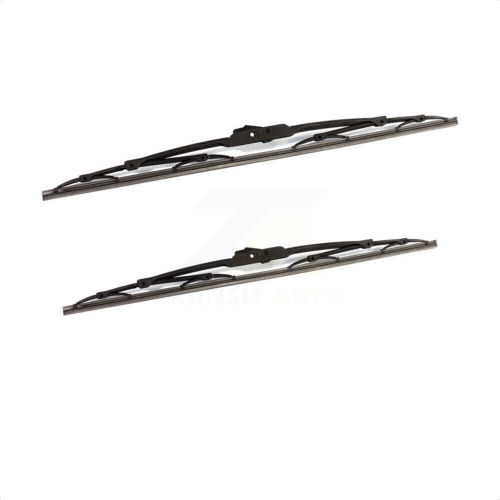
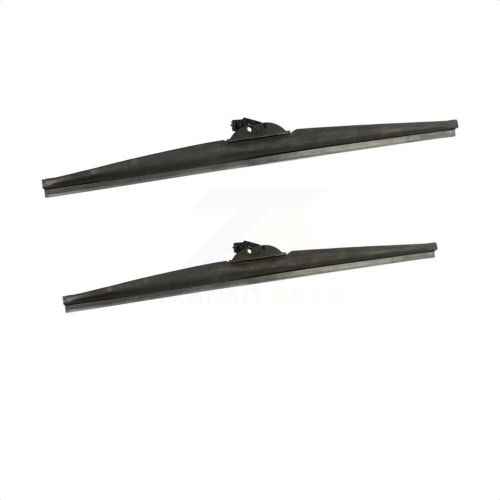
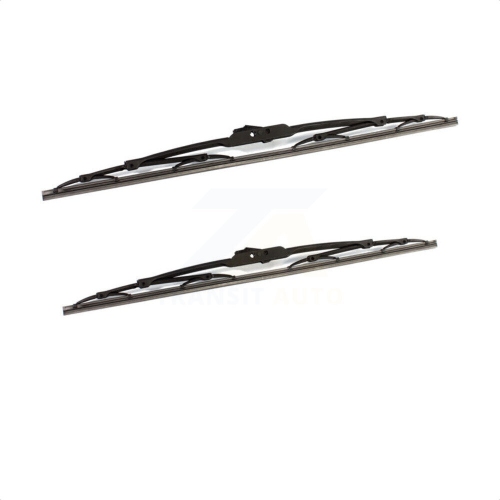
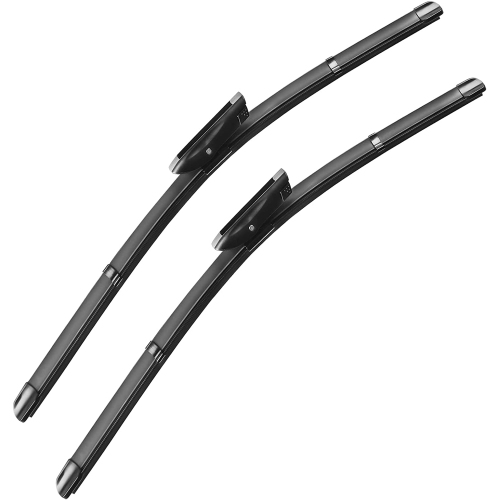
Correct sizing is one of the most important considerations when choosing automotive wiper blades. The driver-side and passenger-side blades are often different lengths, and a rear wiper may use a separate size and connection style altogether. Common front blade lengths can range from approximately 16 to 29 inch, but the exact fit depends on the vehicle’s year, make and model. Consult the owner’s manual, check the existing blade or use a vehicle selector tool before ordering. Measuring an old blade can be helpful, but it should not be the only method because a previous replacement may not have been the correct size. An overly short blade can leave an area of the windshield uncovered, while an overly long blade may touch the trim, collide with the other blade or place additional strain on the wiper mechanism. It is also important to check the attachment system. Many blades use a hook-style connector, while others use a push-button, side-pin, bayonet or another vehicle-specific fitting. Some products include adapters to support several common arm styles, but confirming compatibility first can make installation easier. Drivers choosing between blade designs will generally find three main categories. Traditional frame blades use a metal structure with several contact points and are often a straightforward, budget-conscious choice. Beam blades have a continuous, flexible design that applies pressure across more of the windshield and can perform well in changing weather, including wet roads and snow. Hybrid blades combine features of both designs, pairing a supportive frame with a more enclosed outer shape. The best option depends on the vehicle, local driving conditions, windshield shape and personal preference. Those looking for an upgraded fit or finish can explore Deluxe Wiper Blades while still confirming the required size and connector for the vehicle.
Installation is often simple, but taking a few precautions can help protect the windshield and the wiper arm. Before removing an old blade, lift the arm carefully and place a folded towel on the glass as a safeguard in case the spring-loaded arm drops. Follow the instructions supplied with the replacement blade, making sure the connector clicks securely into place before lowering the arm. A loose blade can detach while driving, and an incorrectly fitted adapter may prevent the rubber edge from sitting evenly against the windshield. Once installed, test each blade with washer fluid rather than running it over dry glass. Washer fluid helps remove dust and road film while reducing friction, and it is useful to keep the reservoir filled with a formula suited to the prevailing conditions. During the cooler months, winter-rated fluid can help resist freezing, but it should not be treated as a substitute for clearing ice by hand. Never use the wipers to break through a frozen windshield, since frozen rubber can tear and the additional resistance can damage the blade or wiper motor. Before setting out, clear snow and ice from the glass, check that the blades move smoothly and remove leaves or grit from the lower windshield area. Cleaning the rubber edge occasionally with a damp cloth can remove buildup, although cracked or hardened rubber should be replaced rather than restored. Wiper blades are a small vehicle accessory, yet they can have a noticeable effect on confidence behind the wheel. Choosing the correct fit, installing it securely and paying attention to signs of wear can help maintain a clearer view through the changing conditions of early fall, winter and the return to milder weather.
Top selling and popular products
-
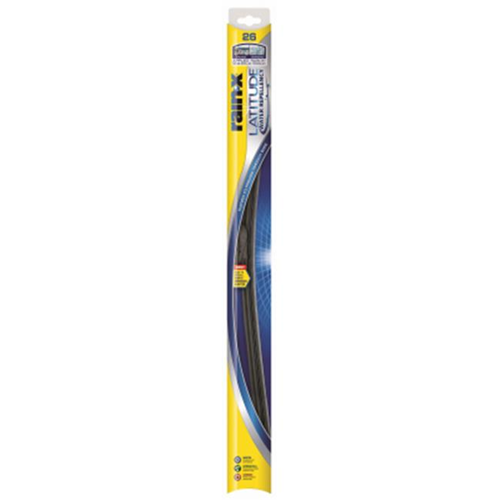 Your price for this item is $64.22
-
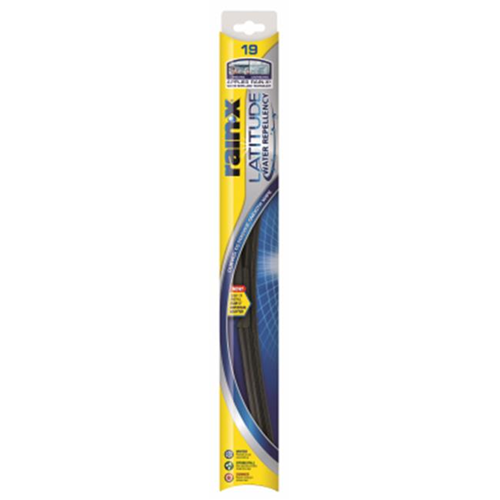 Your price for this item is $60.34
-
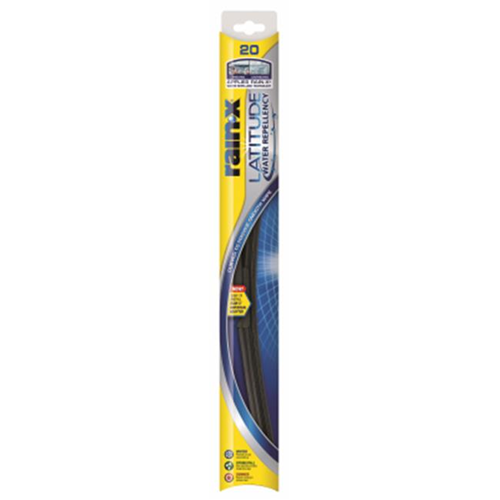 Your price for this item is $60.34
-
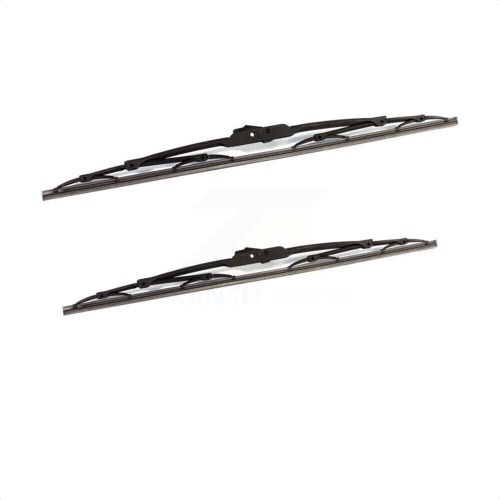 Your price for this item is $20.75
-
 Your price for this item is $99.24
-
 Your price for this item is $120.47
-
 Your price for this item is $18.13
-
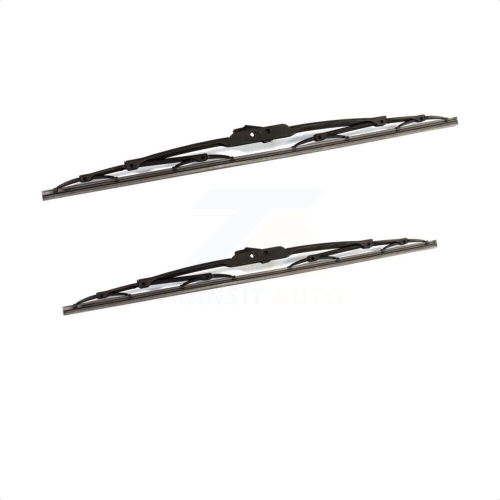 Your price for this item is $18.83
Discover more categories related to Automotive Wiper Blades
Top Collections:
Pokemon Centers, Best Cameras for Sports Photography, Kindle Devices, Samsung Galaxy Phones, Canon G7X Cameras, Pokémon 30th Celebration Cards, Refurbished Apple Laptops, iPhone 15 Apple, Laptops for Students, Budget Smartphones
Some products may be subject to Environmental Handling Fees
(EHF) depending on your province.
Learn more about EHFs.