Dirt Bike Helmets
Gear up for your next off-road adventure with a selection of top-quality dirt bike helmets designed to keep you safe and stylish on the trails. Whether you're a seasoned rider or just starting out, finding the right helmet is crucial for both protection and comfort. Explore a variety of options that cater to different riding styles and preferences, ensuring you can focus on the thrill of the ride while feeling confident in your safety gear. With various designs, colors, and features available, you're sure to find the perfect dirt bike helmet that suits your needs and personality.
Sort
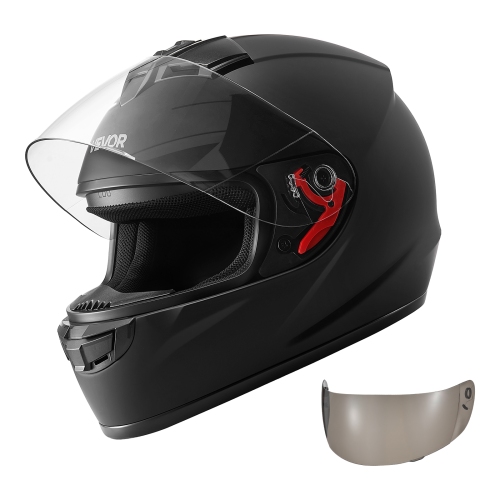
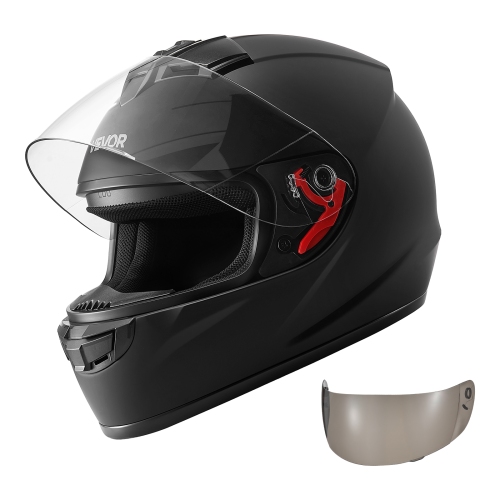
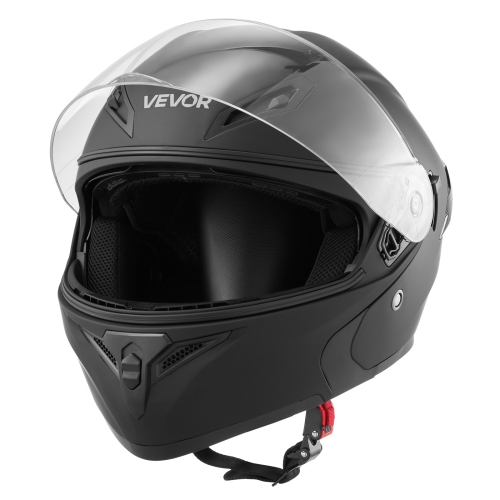
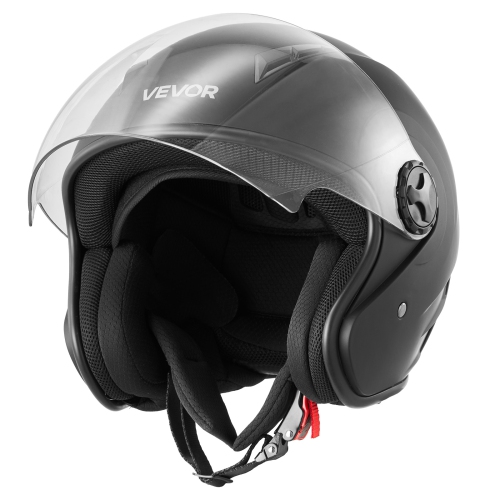
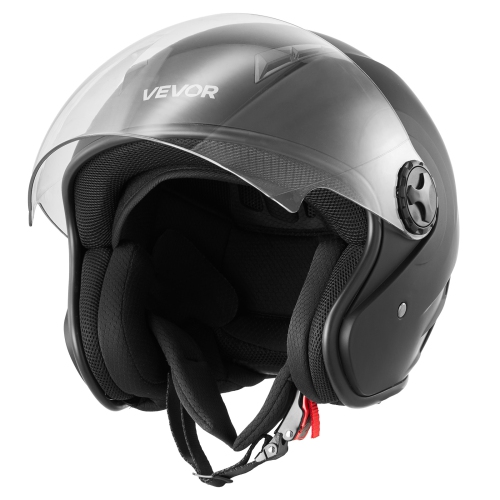
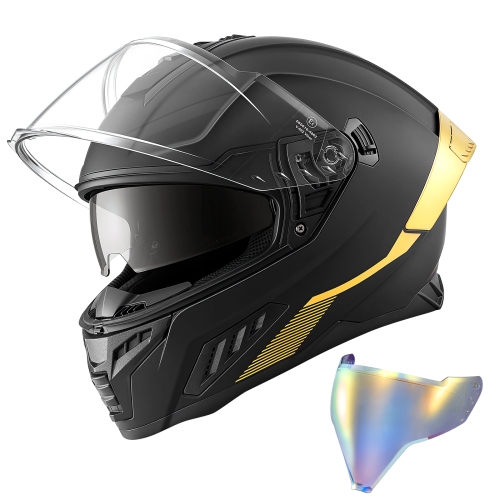
Key considerations for fit and protection on every trail
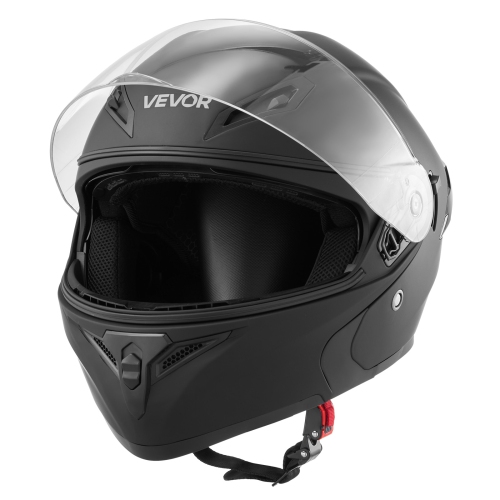
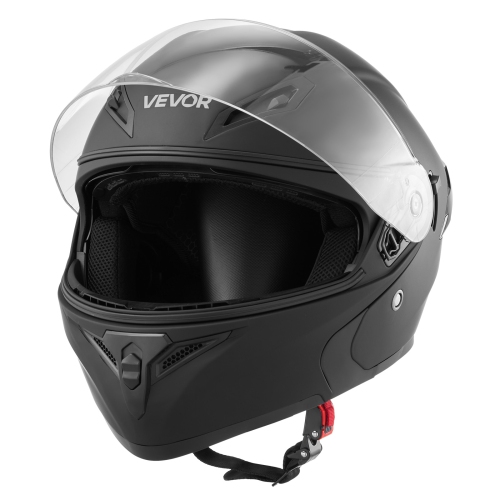
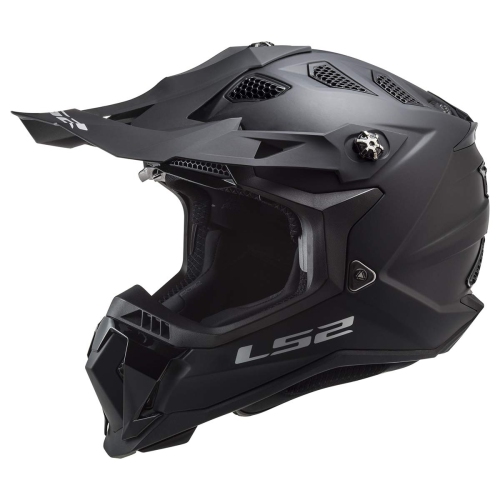
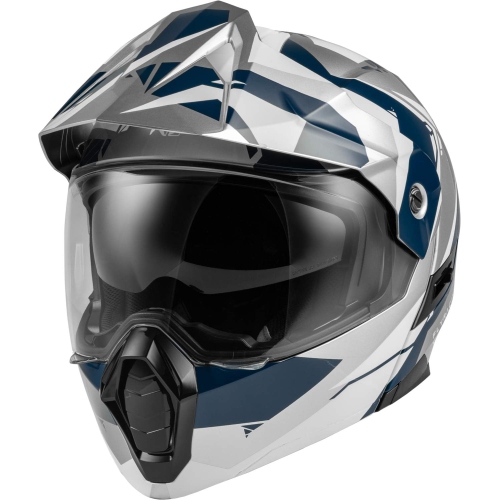
Dirt bike helmets are designed for riders who spend time on unpaved terrain, where loose soil, gravel, branches, dust, and unexpected changes in elevation are part of the experience. Compared with everyday riding headgear, they typically have a pronounced chin bar, an extended visor, and a shape intended to provide coverage while a rider leans forward over the handlebars. The visor can help shade the eyes from bright sunlight and deflect small bits of debris, while the chin area adds protection around the lower face. Dirt bike helmets are commonly used for motocross, trail riding, enduro-style routes, closed-course practice, and recreational riding on approved private property. They may also suit riders who already own a street helmet but need headgear made specifically for off-road conditions. When comparing options, start with the certification requirements in your province or territory, the rules of the facility where you ride, and the recommendations in the helmet’s documentation. Standards and regulations can vary, and a helmet should be replaced after a significant impact even if there are no obvious cracks or marks. For riders who move between trails and paved roads, it may also be useful to compare dirt bike styles with Motorcycle Helmets to understand how different designs suit different riding environments. A helmet is only effective when it fits correctly, so measure around the widest part of the head according to the sizing instructions, then compare that measurement with the manufacturer’s chart rather than relying on a familiar hat size. A new helmet should feel evenly snug around the crown, cheeks, and back of the head without creating a sharp pressure point. It should not shift when the rider turns or nods, and the chin strap should sit securely beneath the jaw. Because interior padding can settle with use, a fit that feels loose from the beginning is unlikely to become safer over time.
The surrounding riding gear and the conditions on the trail also influence which dirt bike helmet features will be most useful. Riders who use goggles should look for a visor and eye-port design that leaves enough room for a comfortable seal without pressing the goggles against the face. Ventilation is especially valuable during strenuous riding, when climbing a sandy track or navigating a wooded trail can quickly raise body temperature. Intake and exhaust vents may help move air through the helmet, while removable or washable interior liners can make regular care more convenient after dusty, muddy, or sweaty rides. An adjustable visor can be helpful when the sun changes position or when a rider moves between open ground and shaded paths. Weight is another practical consideration: a lighter helmet may feel more comfortable during a long session, but construction, fit, coverage, and certification should remain the priorities rather than weight alone. Noise and airflow can differ noticeably between off-road designs, so riders who frequently travel on public roads should check whether the helmet is intended for that use and consider hearing protection where appropriate. Children and teens need the same careful attention to fit as adults, with additional checks as they grow; a helmet that is too large should not be secured by tightening the strap excessively, and a helmet that has become tight at the temples or forehead should be replaced. A dirt bike helmet can be a thoughtful gift for a new rider, a young enthusiast joining a family trail-riding routine, or an experienced rider preparing for lessons and practice days. Since fit is personal, gifting one works best when the recipient’s head measurement, riding style, and local requirements are known, or when the purchase includes an easy exchange option. Pairing the helmet with compatible goggles, gloves, or other protective equipment may create a useful riding setup, but every accessory should be checked for compatibility and should not interfere with the helmet’s fit or retention system.
Careful handling helps keep a dirt bike helmet ready for the next ride. Store it in a cool, dry place away from direct sunlight, fuel, solvents, and sharp equipment that could damage the shell or liner. After a dusty outing, use the cleaning method recommended in the instructions; mild soap and water are generally preferable to harsh household cleaners, abrasive pads, or chemicals that can weaken materials. Allow the interior to dry fully before storage, particularly after riding through humid conditions or light rain. Inspect the shell, visor, vents, interior padding, and chin strap regularly for cracks, loose fasteners, fraying, distortion, or parts that no longer operate properly. A helmet should not be modified by drilling holes, trimming protective foam, or adding unapproved attachments, and stickers or paints should only be used if the manufacturer confirms they are compatible with the helmet’s materials. Dirt bike riding can take place during warm, dry stretches as well as cooler months, so comfort details such as ventilation, removable liners, and room for goggles can make a noticeable difference across changing conditions. Riders should also remember that a helmet is one part of a complete protective setup: boots, gloves, eye protection, riding apparel, and appropriate body protection can help address the other hazards of off-road travel. Before heading out, check that the helmet is fastened correctly, the visor and goggles are clear, and the planned route allows the type of vehicle being used. With the right fit and regular inspections, a dirt bike helmet can provide dependable coverage for practice laps, family trail outings, and the dusty, memorable moments that make off-road riding so engaging.
The surrounding riding gear and the conditions on the trail also influence which dirt bike helmet features will be most useful. Riders who use goggles should look for a visor and eye-port design that leaves enough room for a comfortable seal without pressing the goggles against the face. Ventilation is especially valuable during strenuous riding, when climbing a sandy track or navigating a wooded trail can quickly raise body temperature. Intake and exhaust vents may help move air through the helmet, while removable or washable interior liners can make regular care more convenient after dusty, muddy, or sweaty rides. An adjustable visor can be helpful when the sun changes position or when a rider moves between open ground and shaded paths. Weight is another practical consideration: a lighter helmet may feel more comfortable during a long session, but construction, fit, coverage, and certification should remain the priorities rather than weight alone. Noise and airflow can differ noticeably between off-road designs, so riders who frequently travel on public roads should check whether the helmet is intended for that use and consider hearing protection where appropriate. Children and teens need the same careful attention to fit as adults, with additional checks as they grow; a helmet that is too large should not be secured by tightening the strap excessively, and a helmet that has become tight at the temples or forehead should be replaced. A dirt bike helmet can be a thoughtful gift for a new rider, a young enthusiast joining a family trail-riding routine, or an experienced rider preparing for lessons and practice days. Since fit is personal, gifting one works best when the recipient’s head measurement, riding style, and local requirements are known, or when the purchase includes an easy exchange option. Pairing the helmet with compatible goggles, gloves, or other protective equipment may create a useful riding setup, but every accessory should be checked for compatibility and should not interfere with the helmet’s fit or retention system.
Careful handling helps keep a dirt bike helmet ready for the next ride. Store it in a cool, dry place away from direct sunlight, fuel, solvents, and sharp equipment that could damage the shell or liner. After a dusty outing, use the cleaning method recommended in the instructions; mild soap and water are generally preferable to harsh household cleaners, abrasive pads, or chemicals that can weaken materials. Allow the interior to dry fully before storage, particularly after riding through humid conditions or light rain. Inspect the shell, visor, vents, interior padding, and chin strap regularly for cracks, loose fasteners, fraying, distortion, or parts that no longer operate properly. A helmet should not be modified by drilling holes, trimming protective foam, or adding unapproved attachments, and stickers or paints should only be used if the manufacturer confirms they are compatible with the helmet’s materials. Dirt bike riding can take place during warm, dry stretches as well as cooler months, so comfort details such as ventilation, removable liners, and room for goggles can make a noticeable difference across changing conditions. Riders should also remember that a helmet is one part of a complete protective setup: boots, gloves, eye protection, riding apparel, and appropriate body protection can help address the other hazards of off-road travel. Before heading out, check that the helmet is fastened correctly, the visor and goggles are clear, and the planned route allows the type of vehicle being used. With the right fit and regular inspections, a dirt bike helmet can provide dependable coverage for practice laps, family trail outings, and the dusty, memorable moments that make off-road riding so engaging.
Top selling and popular products
-
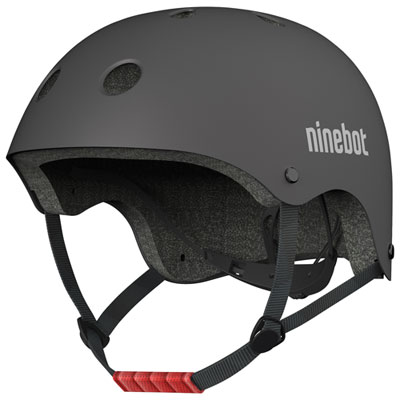 Your price for this item is $69.99
 -
 Your price for this item is $157.99
 -
![UNIVERSAL STUDIOS Pokémon Journeys: Season 23 - Destination: Coronation [DVD] In Multicolor](https://multimedia.bbycastatic.ca/multimedia/products/500x500/181/18197/18197813.jpeg) Your price for this item is $19.99
Your price for this item is $19.99 -
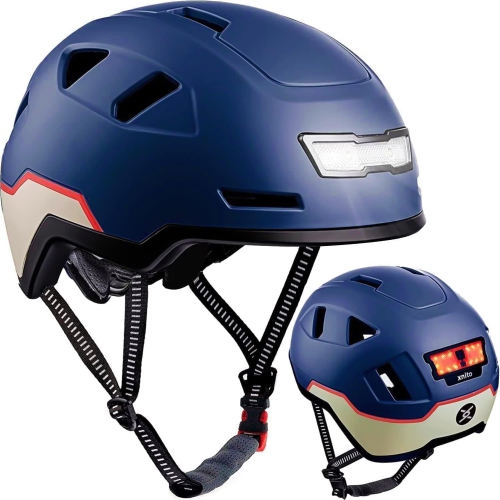 Your price for this item is $169
 -
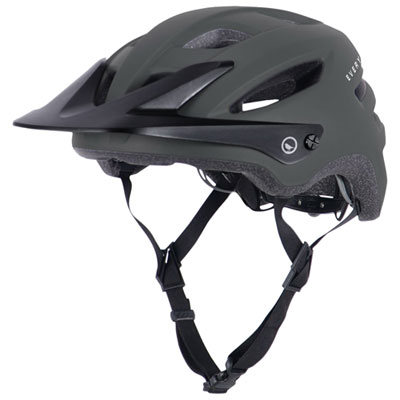 Your price for this item is $39.99
 -
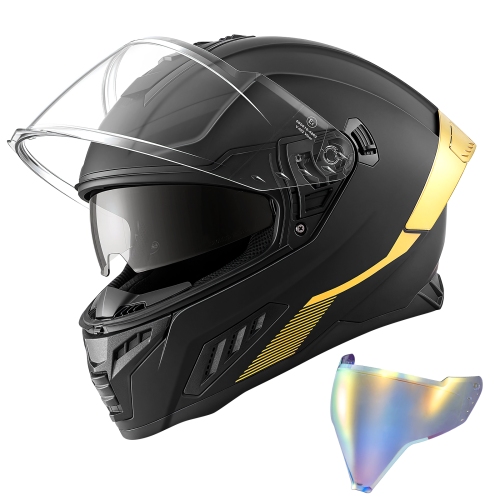 Your price for this item is $101.99
 -
 Your price for this item is $169
 -
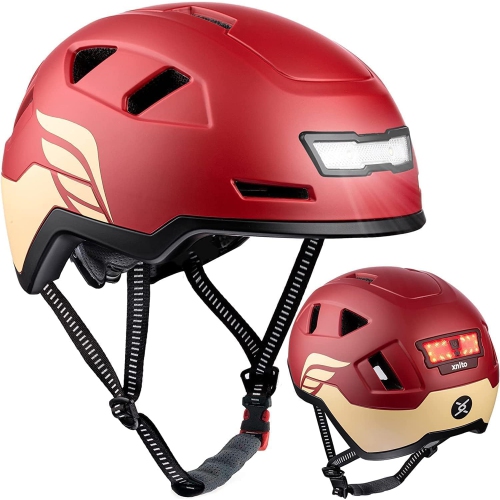 Your price for this item is $169
Discover more categories related to Dirt Bike Helmets

Top Collections:
Pokemon Centers, Kindle Devices, Best Budget Office Chairs, Apple iPhones 16, Best Laptops for Writers, iPhone 15 Apple, Canon G7X Cameras, Refurbished Apple Laptops, Alarm Clock, Motorola Razr Phones
Some products may be subject to Environmental Handling Fees
(EHF) depending on your province.
Learn more about EHFs.