Motorcycle Helmets
When it comes to staying safe while riding your motorcycle, a high-quality helmet is an essential piece of gear that should not be overlooked. A motorcycle helmet not only protects your head in case of accidents but also enhances your overall riding experience by providing comfort and reducing wind noise. Whether you are a seasoned rider or a beginner, finding the right motorcycle helmet that fits well and meets safety standards is crucial. Explore our collection of motorcycle helmets designed to offer both protection and style, so you can hit the road with confidence and peace of mind.
Sort
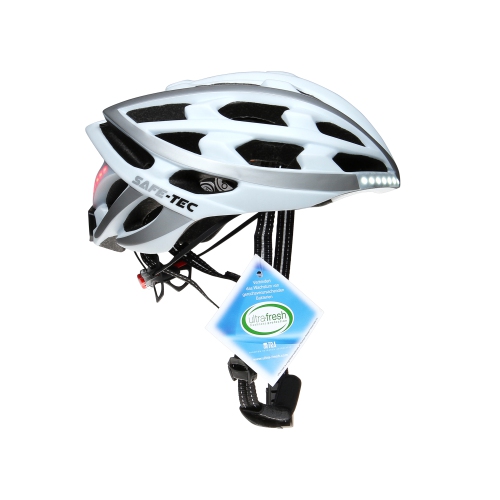
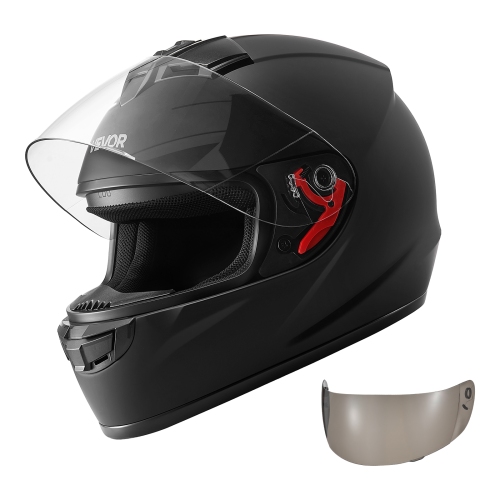
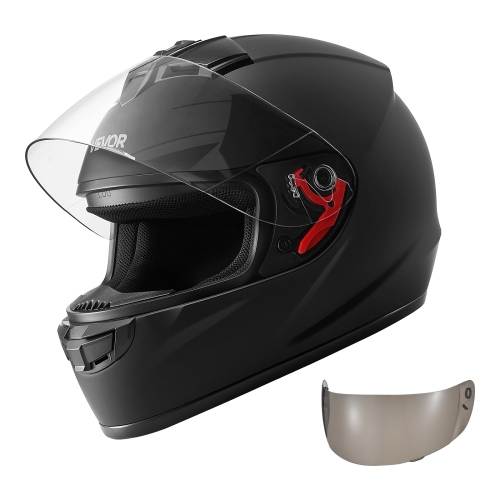
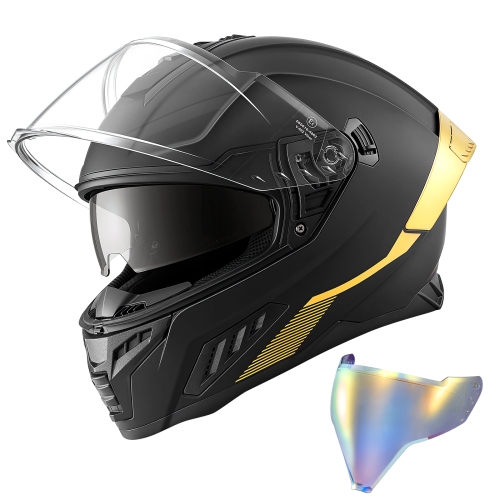
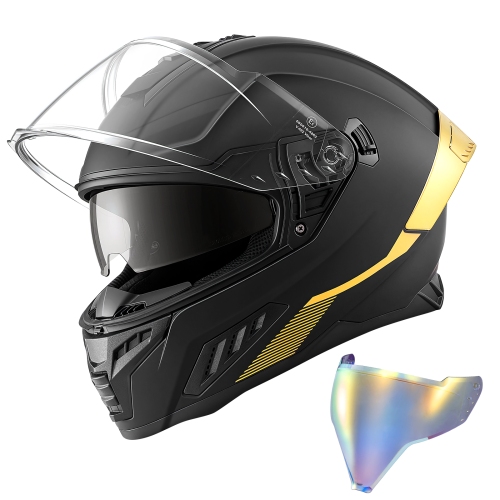
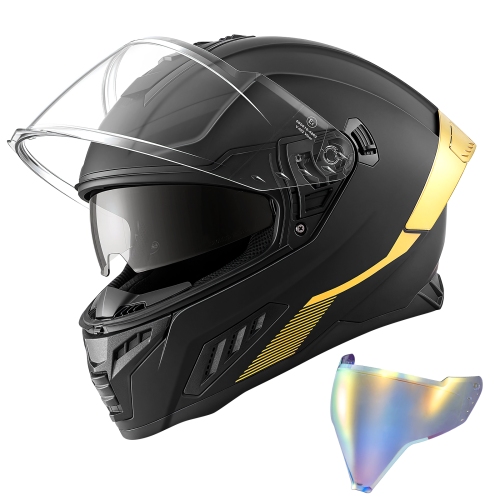
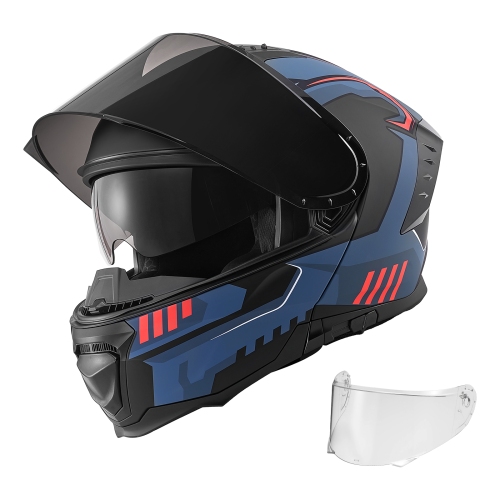
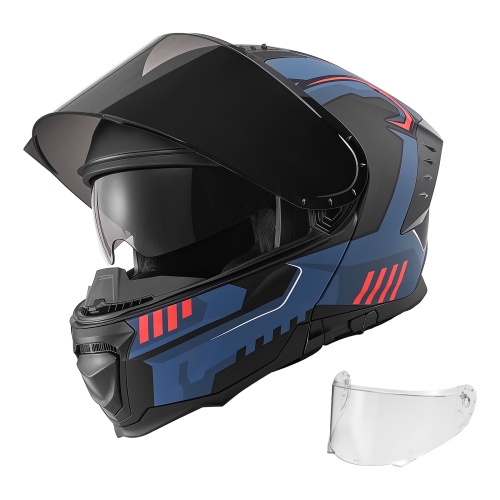
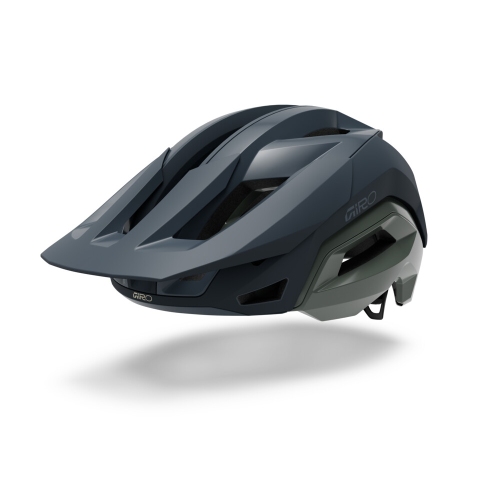
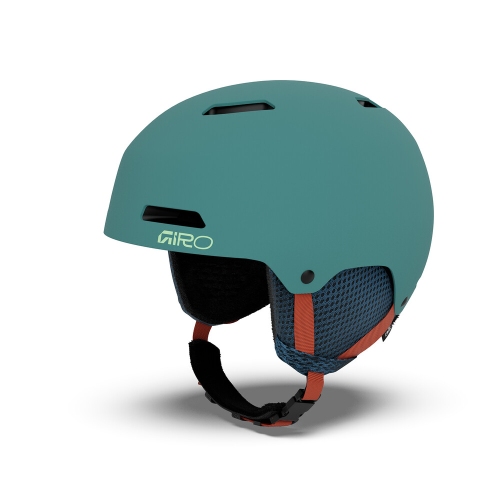
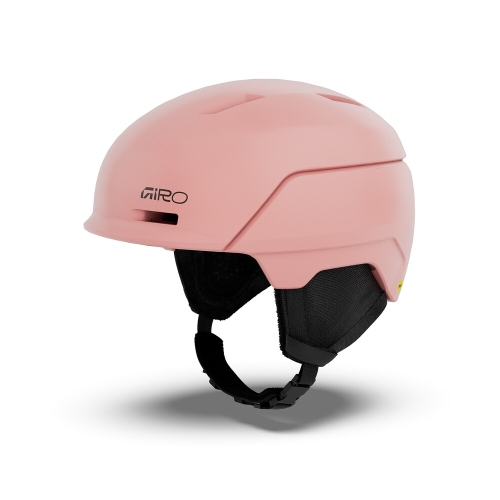
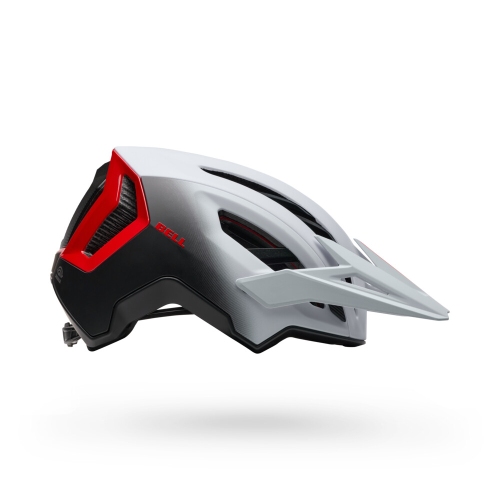
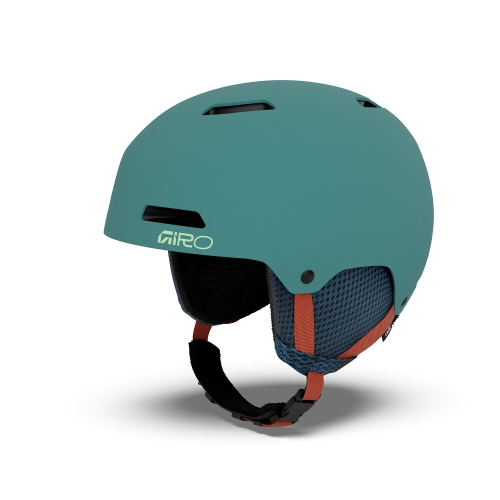
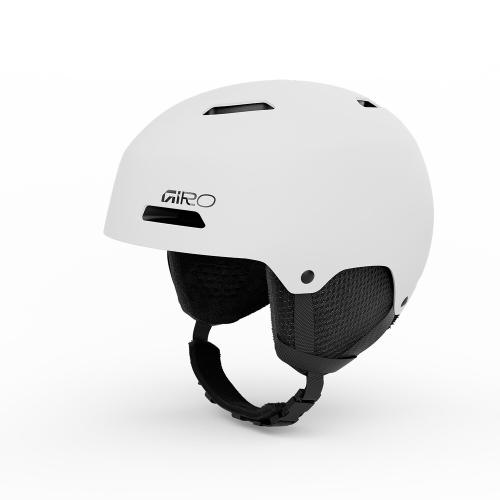
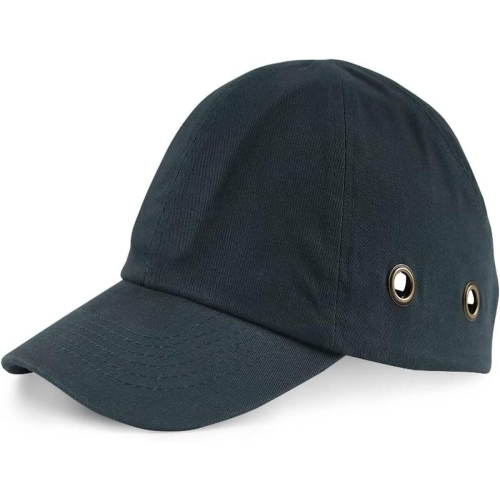
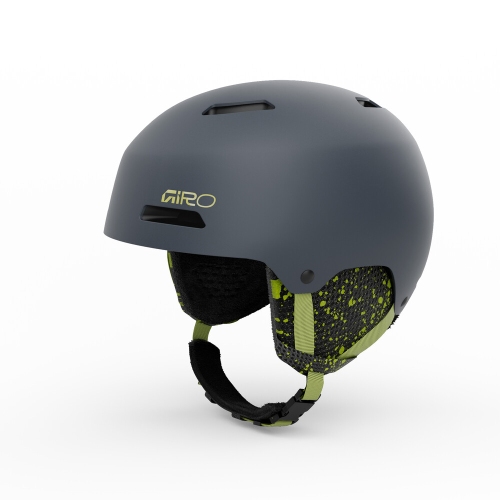
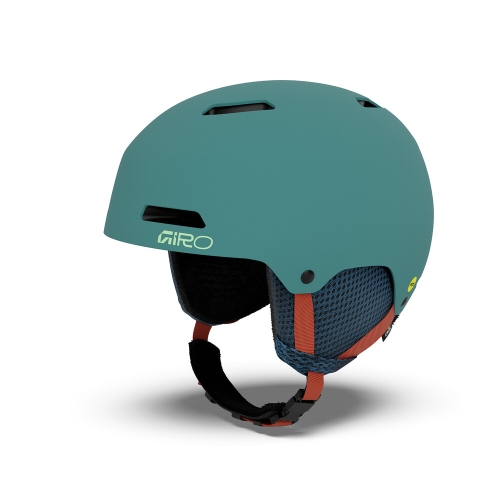
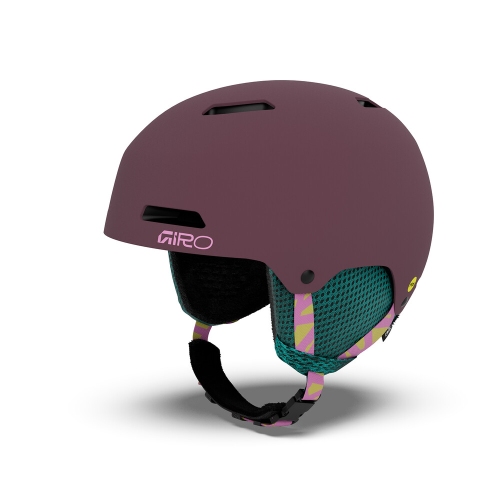
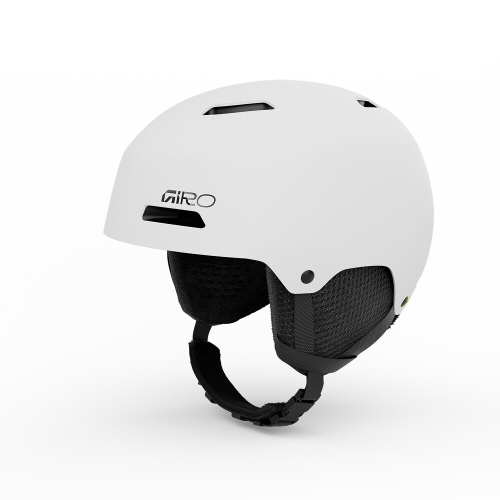
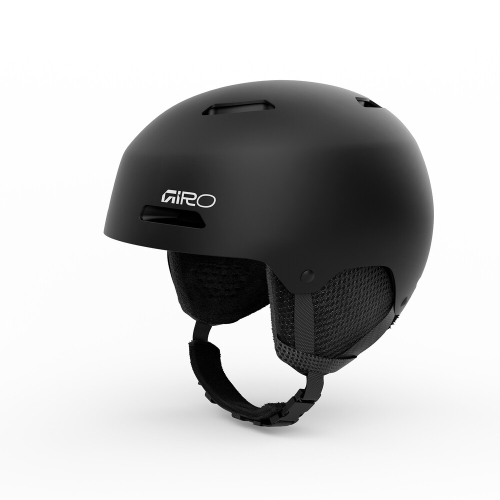
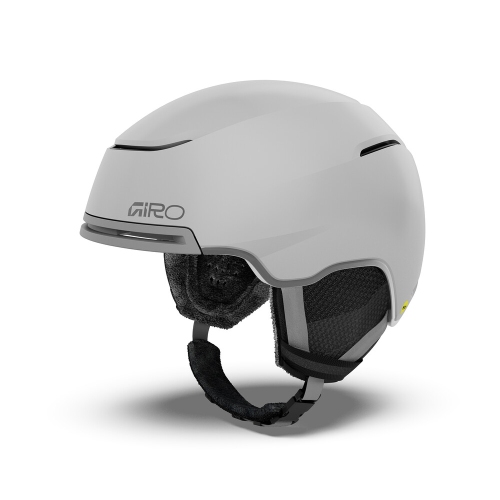
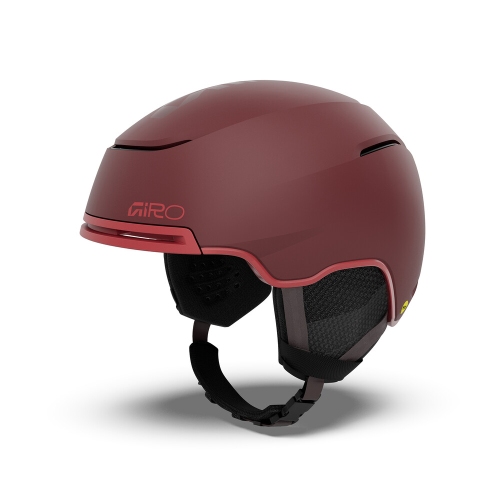
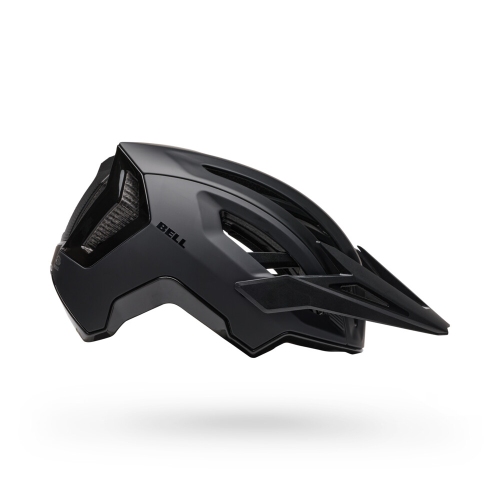
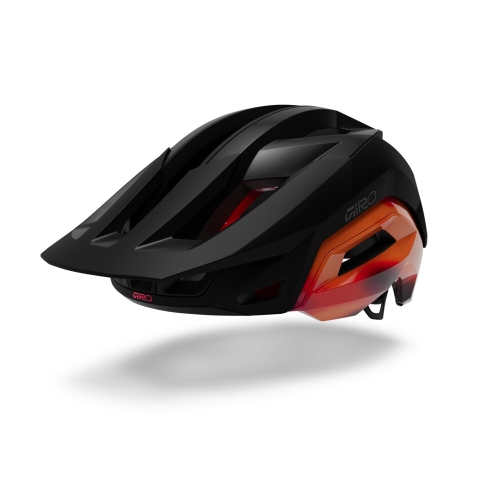
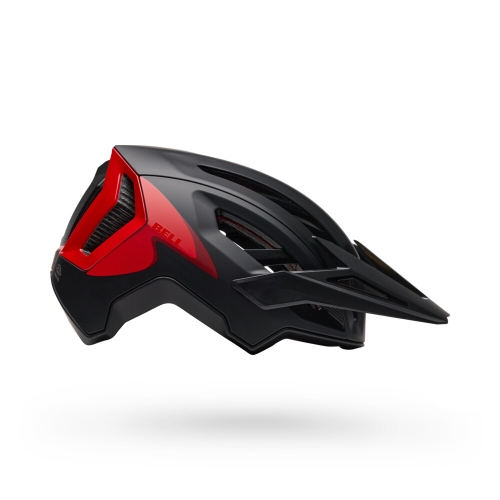
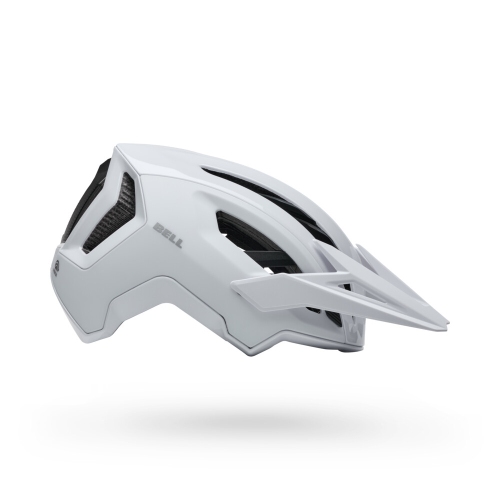
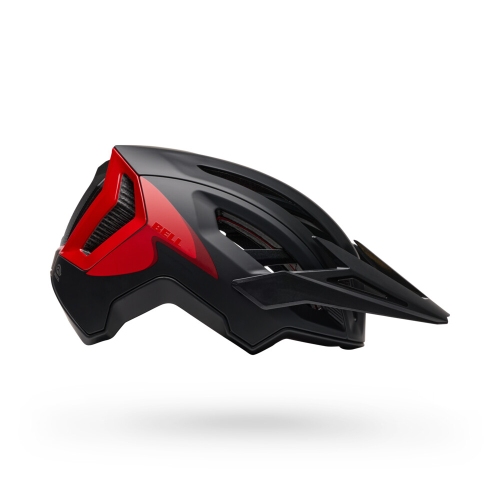
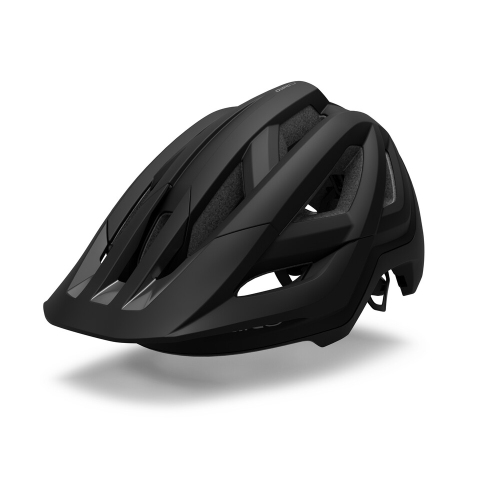
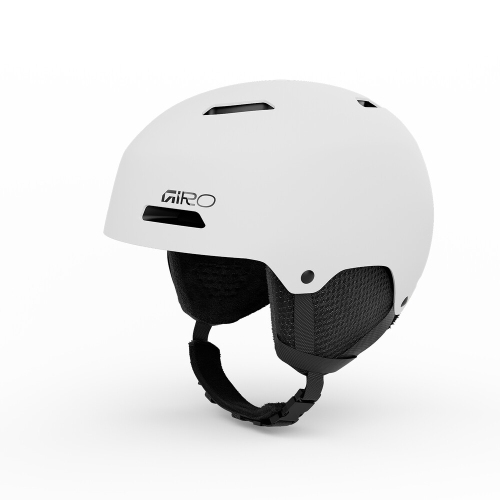
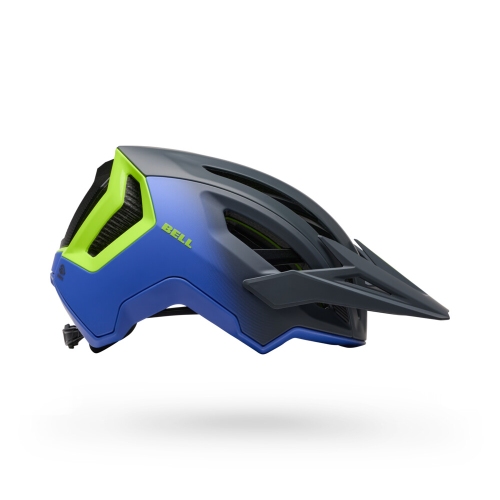
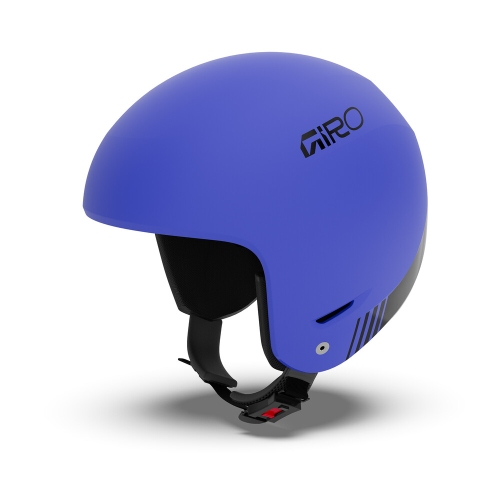
How fit, coverage, and care shape every ride
Motorcycle helmets are an essential part of a rider’s gear, offering protection and helping create a more comfortable, focused ride on city streets, country roads, and open highways. They can be useful for commuters, weekend riders, touring enthusiasts, learners, and passengers who want dependable head protection whenever they are on a motorcycle, scooter, or other compatible two-wheeled vehicle. When choosing a helmet, start with fit. A properly fitted helmet should feel comfortably snug all around the head, with even pressure at the cheeks and crown, but it should not create painful pressure points or move freely when the rider turns their head. New padding may feel firm at first and can settle slightly with use, so a helmet that feels loose from the beginning may become less secure over time. Measure around the widest part of the head according to the manufacturer’s instructions, then compare that measurement with the sizing chart for the specific helmet. Head shape also matters; two helmets with the same listed size can feel quite different depending on their internal shape. Try on a helmet for several minutes, paying attention to areas that begin to pinch, rub, or leave uncomfortable gaps. The chin strap should sit securely beneath the jaw, and the fastener should be easy to operate while wearing gloves. Before riding, confirm that the helmet carries the safety certification markings required for use in the rider’s province or territory, and review local rules for motorcycle and passenger helmet use. A helmet should be replaced after a significant impact, even when the outer shell appears undamaged, because internal protective materials may have absorbed the force. It is also wise to replace a helmet that has become badly worn, damaged, or difficult to secure.
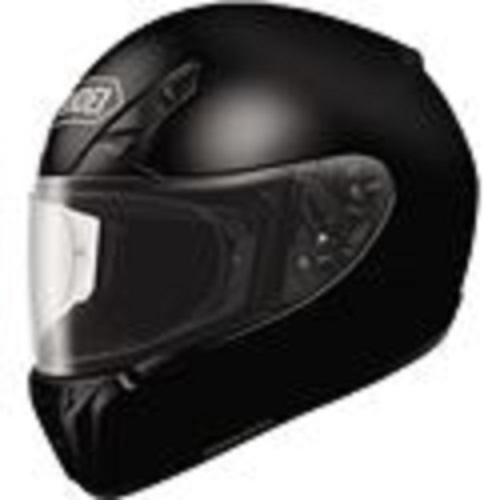
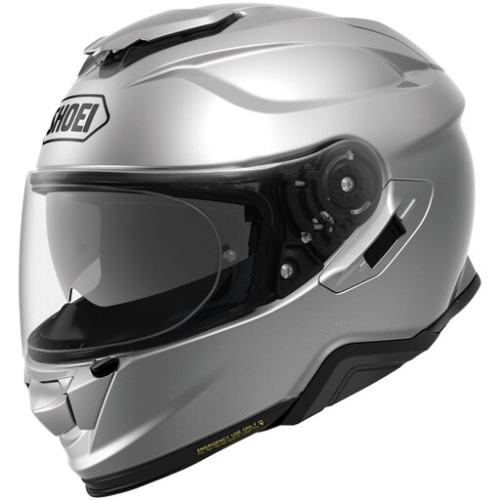
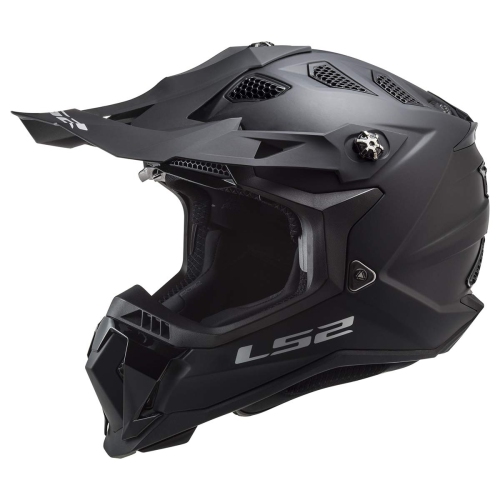
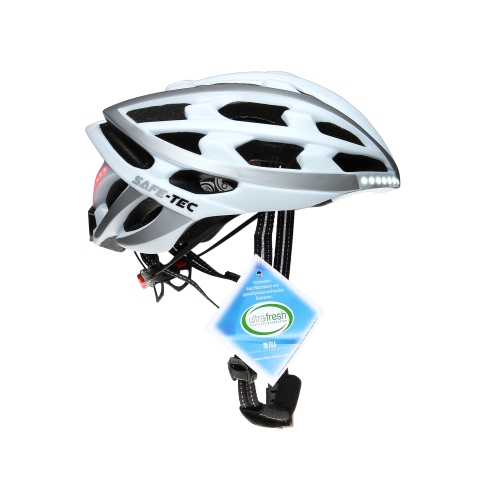
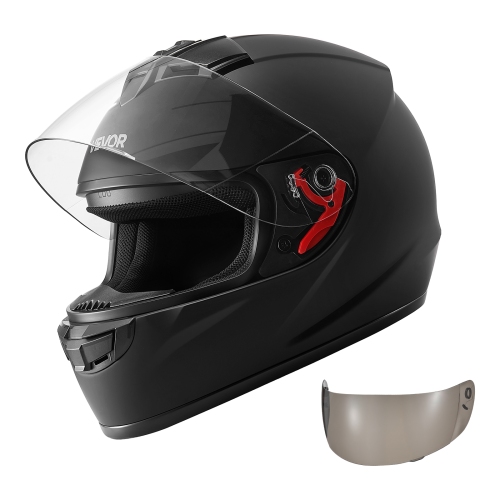
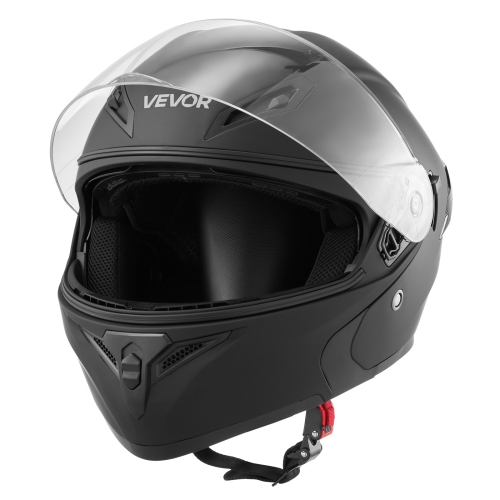
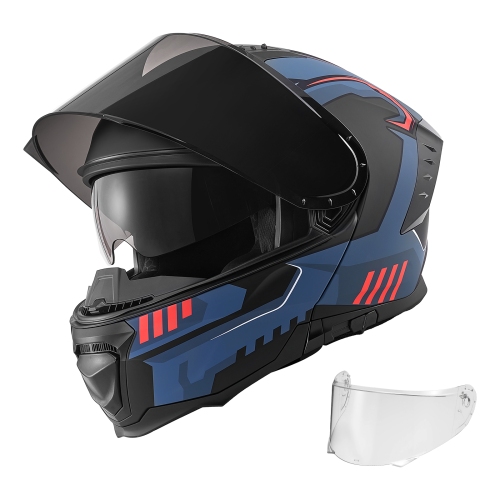
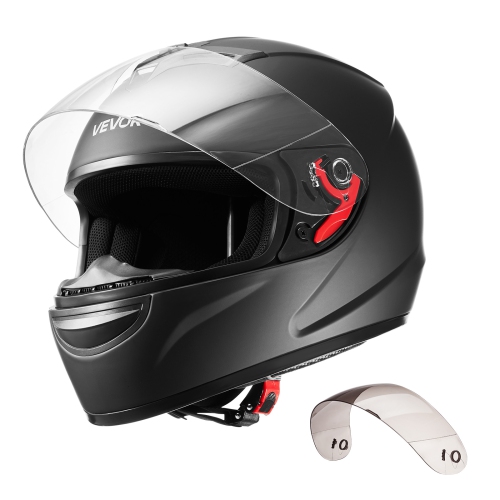
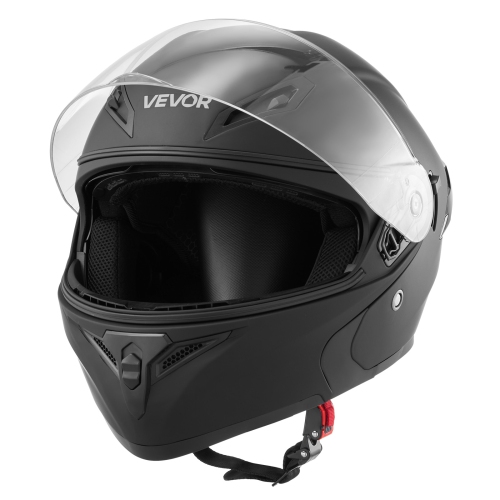
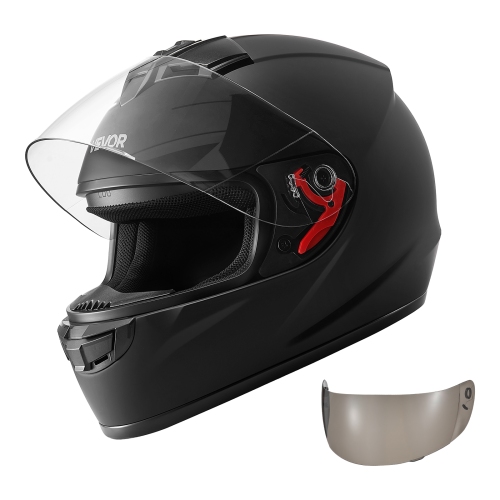
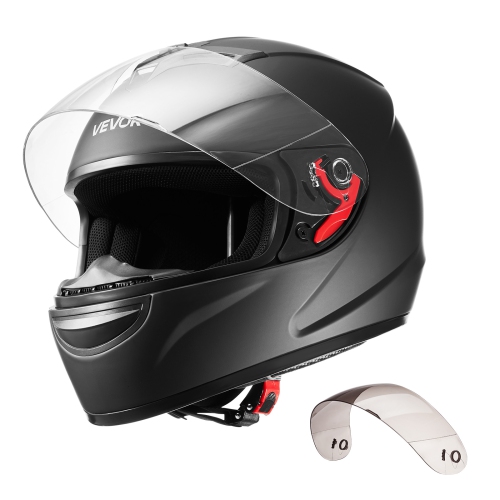
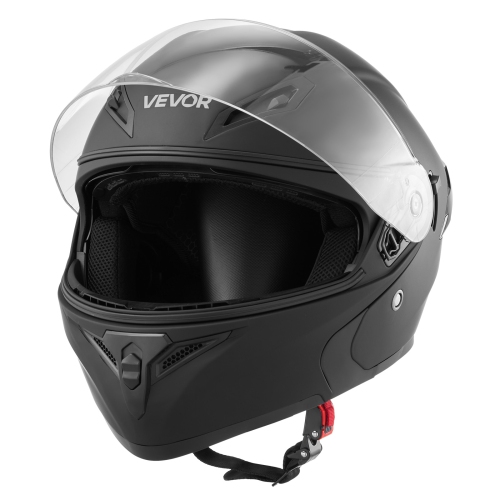
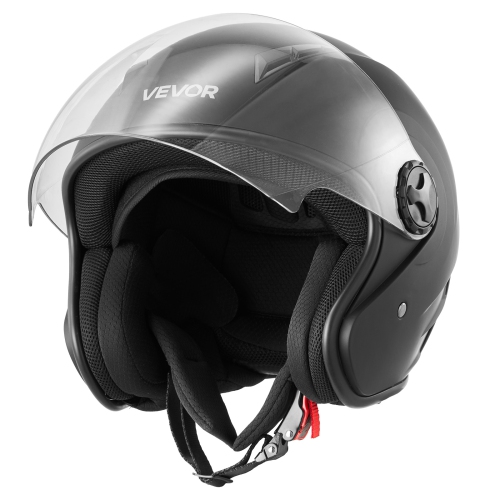
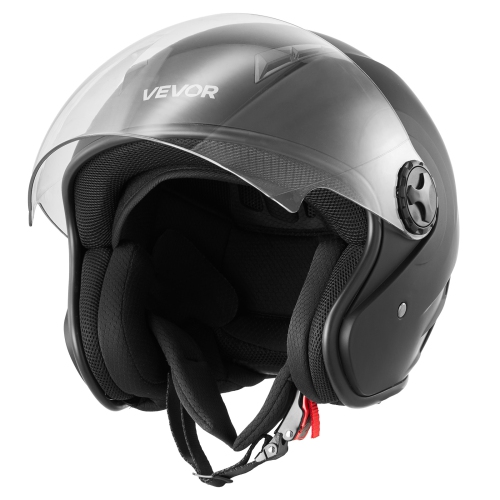
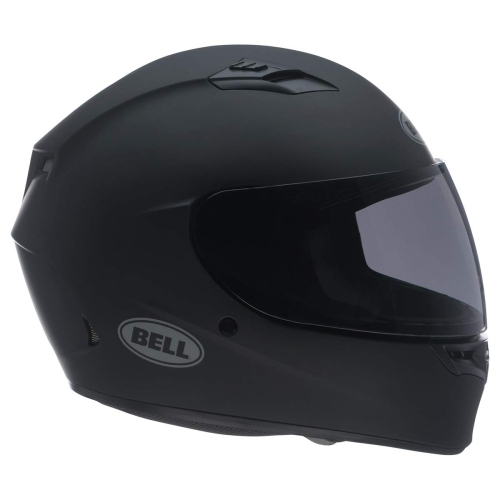
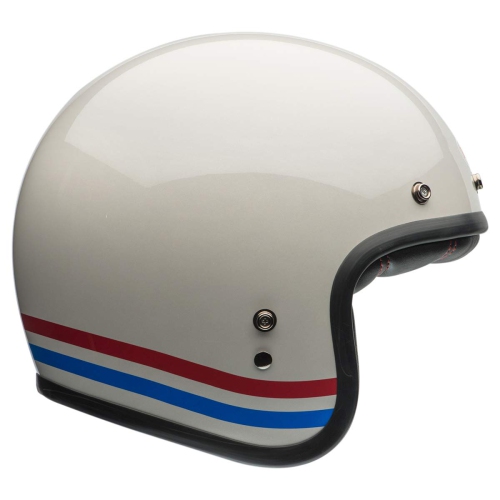
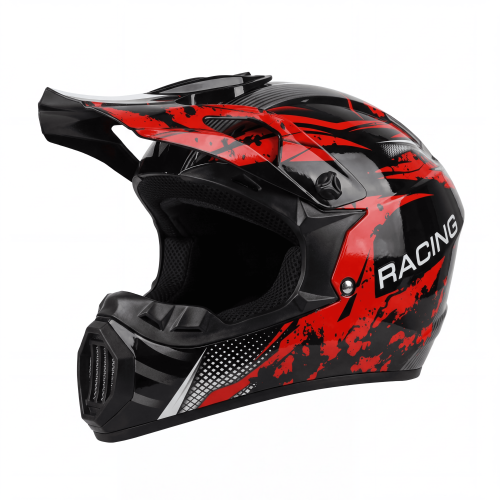
Different helmet styles suit different riding habits, weather conditions, and preferences. Full-face designs cover the head, cheeks, chin, and face, making them a popular choice for riders who want broad coverage from wind, road debris, rain, and cooler air. Riders comparing coverage options can explore Motorcycle Full Face Helmets for a focused selection in this style. Modular helmets offer a flexible design that can be convenient for touring and frequent stops, while open-face and half helmets provide a more open feel around the face and may appeal to riders who prefer greater airflow. Each style involves different trade-offs in coverage, ventilation, noise, and visibility, so the right choice depends on the rider’s usual routes and comfort needs. Ventilation is especially helpful during warmer rides, when airflow through the helmet can reduce heat and moisture around the head. During cooler months or at higher speeds, a well-sealed design can help limit drafts and make the ride more pleasant. A clear visor is practical for changing light and overcast conditions, while a tinted or sun-shield option can help reduce glare when used appropriately. Look for visor systems that open and close smoothly, seal evenly, and are easy to clean without scratching. Some riders also appreciate removable, washable liners, moisture-managing interior fabrics, quick-release features, and room for a communication system. These details can make a noticeable difference on a long journey, particularly when a rider spends hours in the saddle and needs to stay comfortable without losing concentration. Weight is another consideration: a lighter helmet may be easier on the neck during extended rides, while balanced construction can help prevent the helmet from feeling bulky or pulling backward at speed.
Motorcycle helmets can also be thoughtful gifts for a new rider, a passenger, or someone preparing for a riding course, provided the recipient’s head measurements and preferred style are known. Because fit is personal, gifting a helmet works best when the recipient can participate in choosing the size and shape, or when the item can be exchanged easily. A rider who mainly travels through town may prioritize a comfortable, ventilated design with a clear field of vision, while someone who takes longer trips may place more importance on noise reduction, visor performance, storage convenience, and all-day comfort. Passenger helmets should be selected with the same care as a rider’s helmet rather than treated as occasional accessories. Before every ride, inspect the shell, visor, liner, vents, and strap for cracks, loose parts, fraying, or other signs of damage. Fasten the chin strap securely and avoid placing objects between the head and the liner, since even a small change in fit can affect stability. Helmets should be stored somewhere dry and away from direct heat, fuel, harsh chemicals, and sharp objects that could damage the shell or interior. Use only cleaning products recommended for the helmet’s materials, and avoid modifying the shell by drilling holes or adding attachments that are not designed for it. As the weather warms, ventilation and sun protection may become more important; during cooler rides, gloves, a neck covering, and a visor that resists fogging can help maintain visibility and comfort. With the right fit, coverage, certification, and care routine, a motorcycle helmet can become a trusted part of every ride, from a short morning commute to a scenic trip along winding roads.
Different helmet styles suit different riding habits, weather conditions, and preferences. Full-face designs cover the head, cheeks, chin, and face, making them a popular choice for riders who want broad coverage from wind, road debris, rain, and cooler air. Riders comparing coverage options can explore Motorcycle Full Face Helmets for a focused selection in this style. Modular helmets offer a flexible design that can be convenient for touring and frequent stops, while open-face and half helmets provide a more open feel around the face and may appeal to riders who prefer greater airflow. Each style involves different trade-offs in coverage, ventilation, noise, and visibility, so the right choice depends on the rider’s usual routes and comfort needs. Ventilation is especially helpful during warmer rides, when airflow through the helmet can reduce heat and moisture around the head. During cooler months or at higher speeds, a well-sealed design can help limit drafts and make the ride more pleasant. A clear visor is practical for changing light and overcast conditions, while a tinted or sun-shield option can help reduce glare when used appropriately. Look for visor systems that open and close smoothly, seal evenly, and are easy to clean without scratching. Some riders also appreciate removable, washable liners, moisture-managing interior fabrics, quick-release features, and room for a communication system. These details can make a noticeable difference on a long journey, particularly when a rider spends hours in the saddle and needs to stay comfortable without losing concentration. Weight is another consideration: a lighter helmet may be easier on the neck during extended rides, while balanced construction can help prevent the helmet from feeling bulky or pulling backward at speed.
Motorcycle helmets can also be thoughtful gifts for a new rider, a passenger, or someone preparing for a riding course, provided the recipient’s head measurements and preferred style are known. Because fit is personal, gifting a helmet works best when the recipient can participate in choosing the size and shape, or when the item can be exchanged easily. A rider who mainly travels through town may prioritize a comfortable, ventilated design with a clear field of vision, while someone who takes longer trips may place more importance on noise reduction, visor performance, storage convenience, and all-day comfort. Passenger helmets should be selected with the same care as a rider’s helmet rather than treated as occasional accessories. Before every ride, inspect the shell, visor, liner, vents, and strap for cracks, loose parts, fraying, or other signs of damage. Fasten the chin strap securely and avoid placing objects between the head and the liner, since even a small change in fit can affect stability. Helmets should be stored somewhere dry and away from direct heat, fuel, harsh chemicals, and sharp objects that could damage the shell or interior. Use only cleaning products recommended for the helmet’s materials, and avoid modifying the shell by drilling holes or adding attachments that are not designed for it. As the weather warms, ventilation and sun protection may become more important; during cooler rides, gloves, a neck covering, and a visor that resists fogging can help maintain visibility and comfort. With the right fit, coverage, certification, and care routine, a motorcycle helmet can become a trusted part of every ride, from a short morning commute to a scenic trip along winding roads.
Top selling and popular products
-
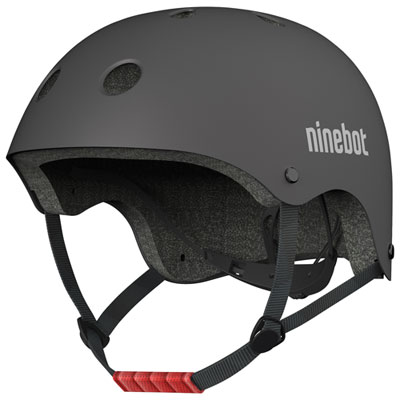 Your price for this item is $69.99
 -
![UNIVERSAL STUDIOS Pokémon Journeys: Season 23 - Destination: Coronation [DVD] In Multicolor](https://multimedia.bbycastatic.ca/multimedia/products/500x500/181/18197/18197813.jpeg) Your price for this item is $19.99
Your price for this item is $19.99 -
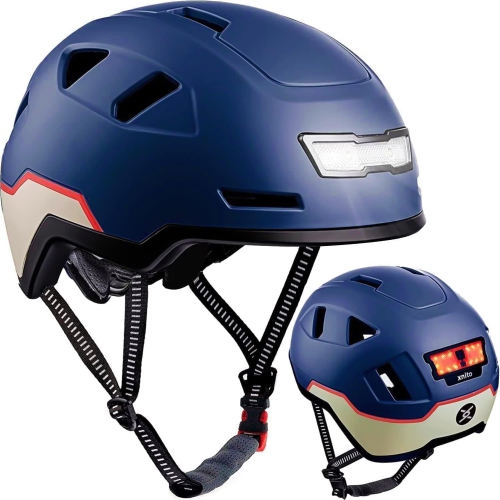 Your price for this item is $169
 -
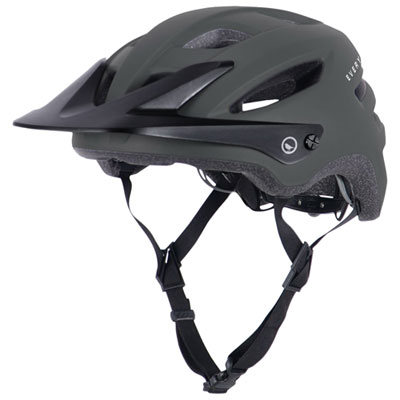 Your price for this item is $39.99
 -
 Your price for this item is $199.99
 -
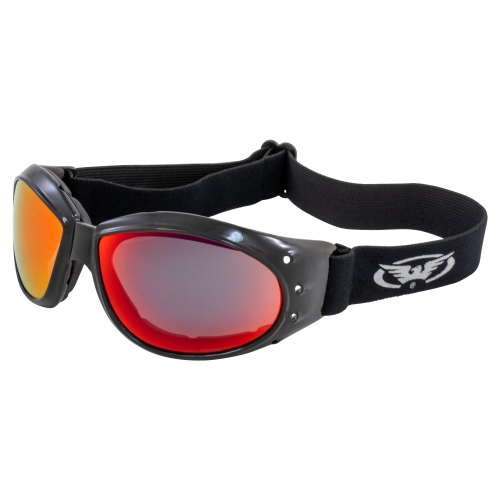 Your price for this item is $35.13
 -
 Your price for this item is $169
 -
 Your price for this item is $49.99
Discover more categories related to Motorcycle Helmets
Top Collections:
Pokemon Centers, Best Cameras for Sports Photography, Kindle Devices, Samsung Galaxy Phones, Canon G7X Cameras, Pokémon 30th Celebration Cards, Refurbished Apple Laptops, iPhone 15 Apple, Laptops for Students, Budget Smartphones
Some products may be subject to Environmental Handling Fees
(EHF) depending on your province.
Learn more about EHFs.