Ear Plugs for Swimming
Ear plugs for swimming are essential accessories for anyone looking to keep water out of their ears while enjoying time in the pool, lake, or ocean. Whether you're training for a competition, splashing around with family, or simply relaxing in the water, choosing the right ear plugs for swimming can help enhance your comfort and experience. Explore a wide selection designed to fit various preferences and needs, so you can focus on your swim without distractions.
Sort

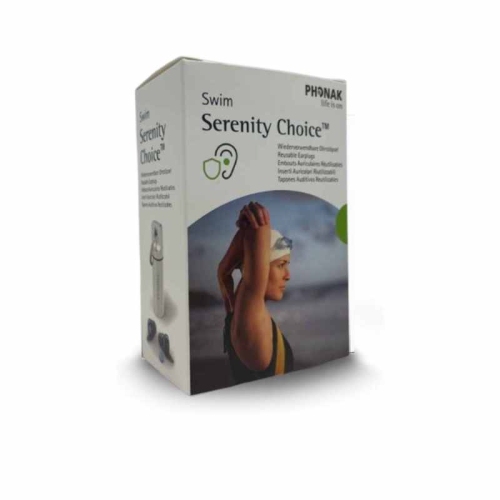
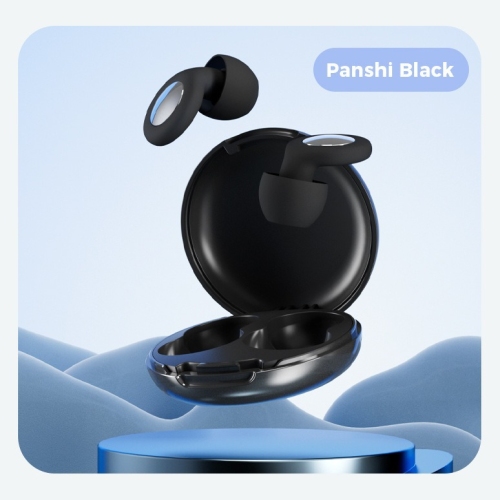
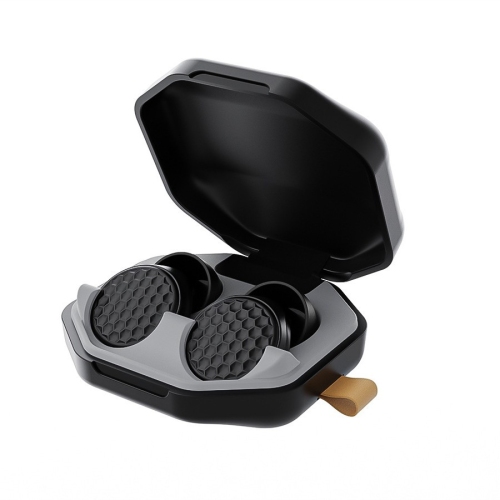
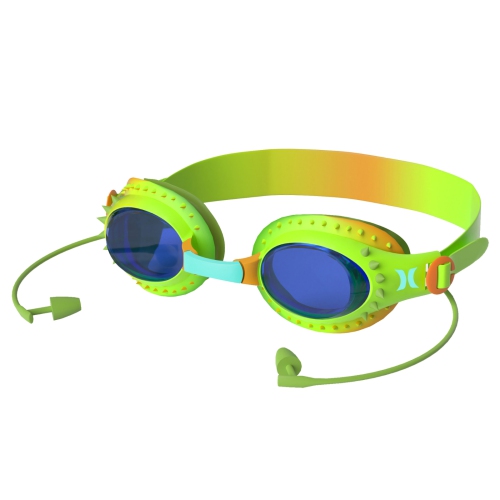
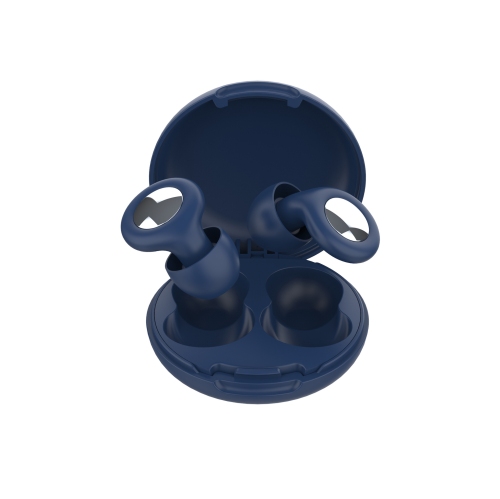
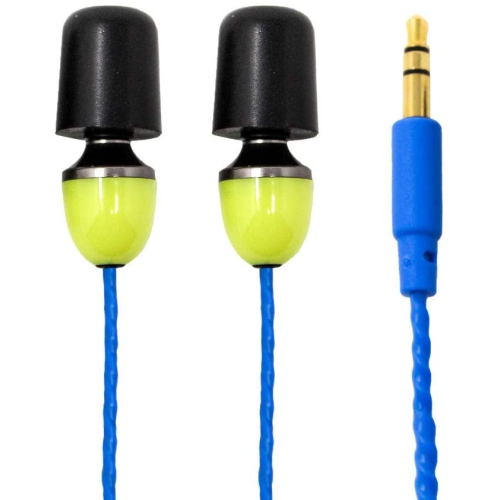
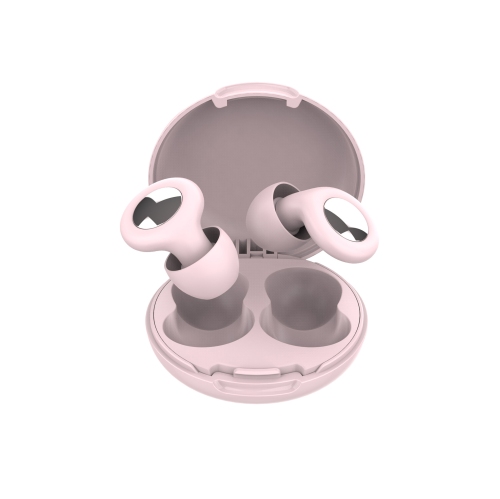
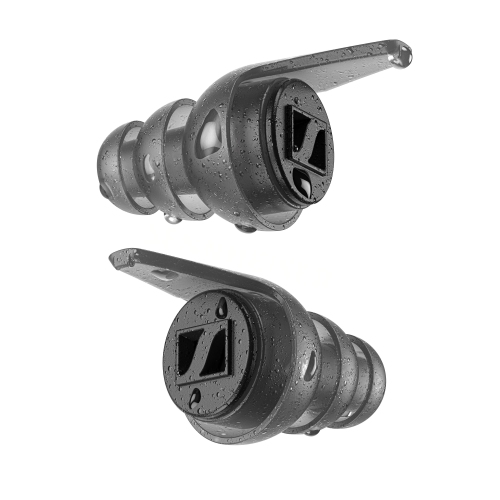
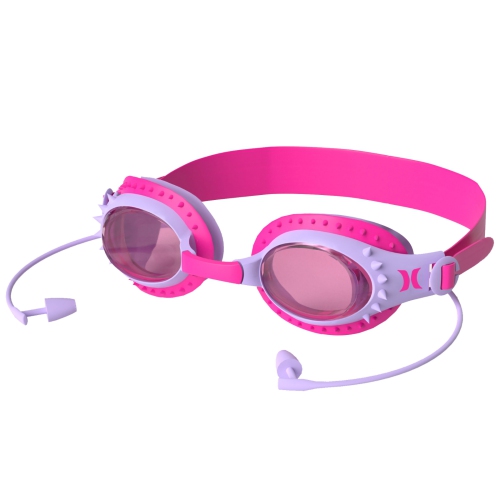

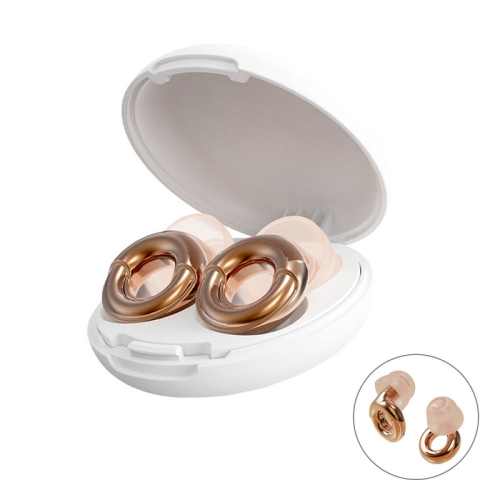

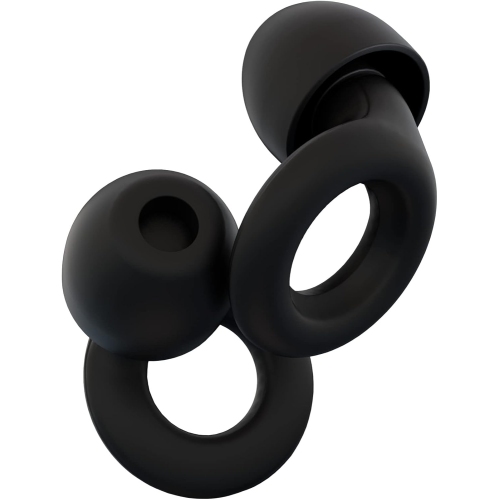
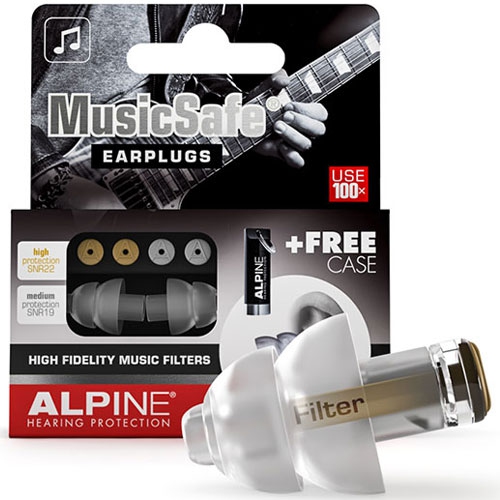
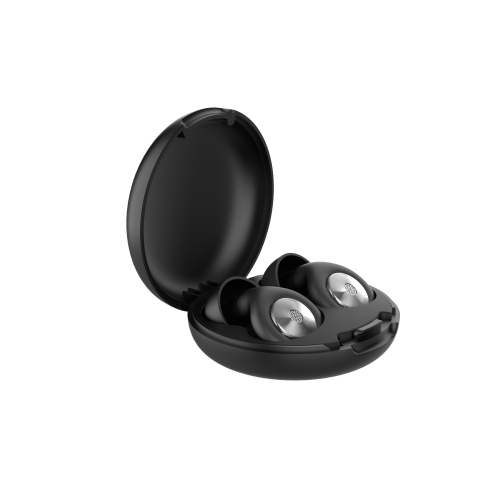
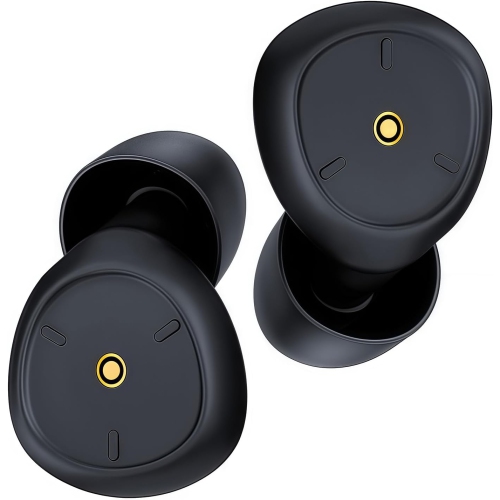
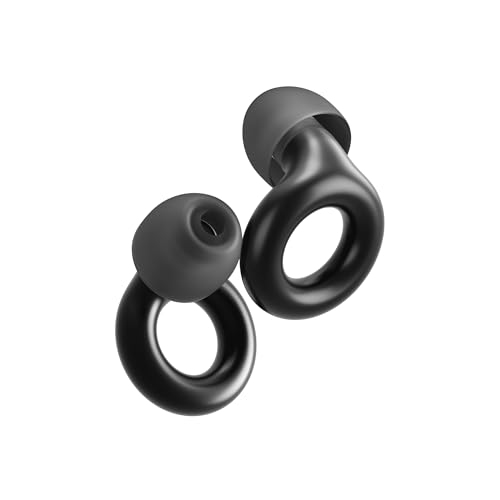
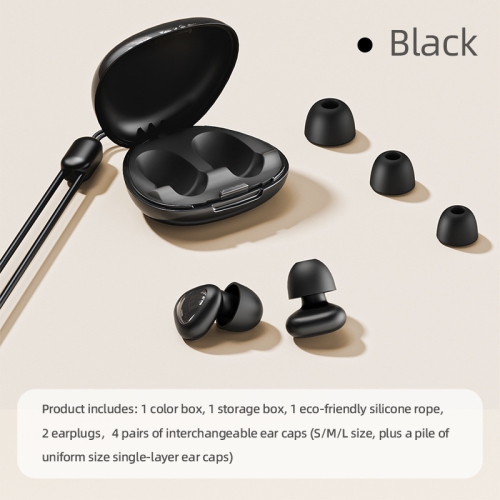
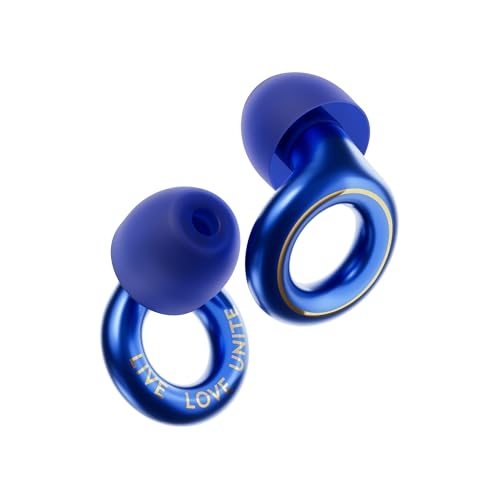
How fit and materials shape comfort in the pool
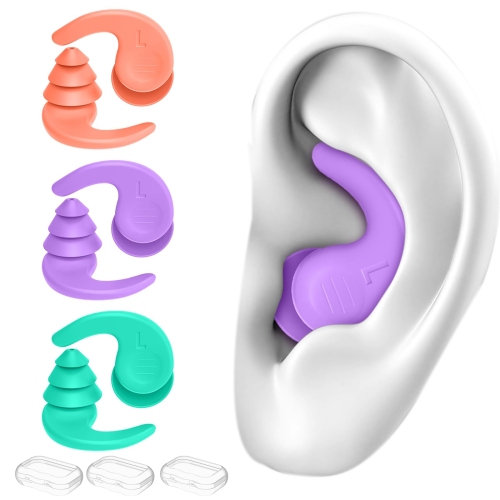
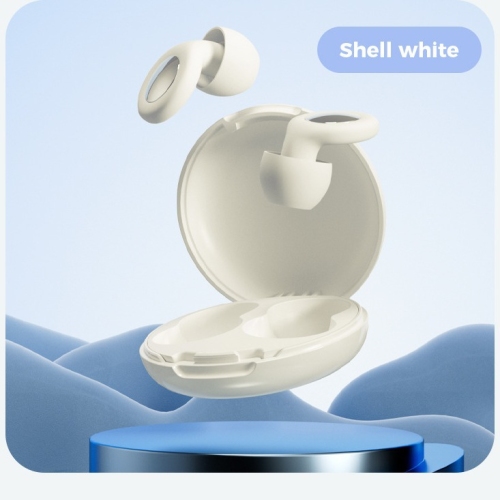
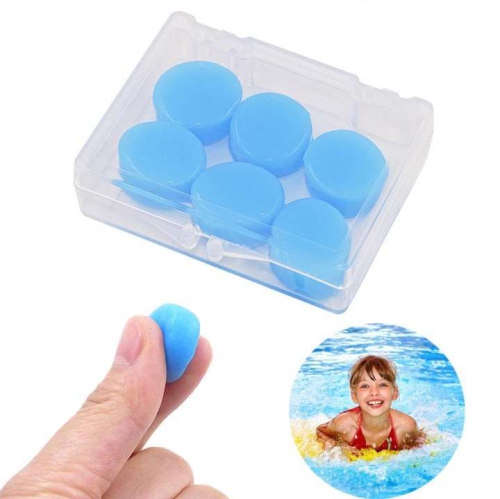
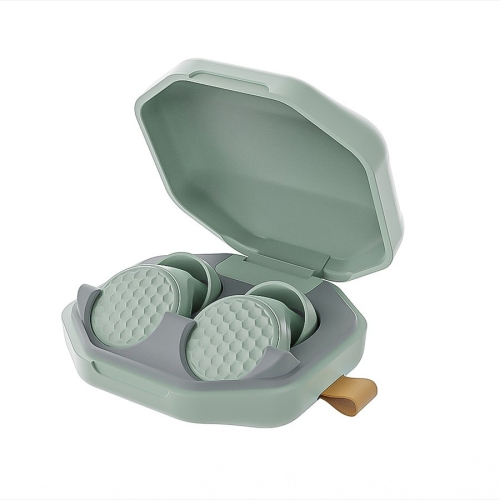
Ear plugs for swimming help limit water entering the ear canal during laps, lessons, and recreational swims. A suitable pair balances a secure seal with comfort, a fit that stays in place during movement, and an appropriate level of sound awareness for the activity. Swimming ear plugs differ from general-purpose ear plugs intended for sleep or noise reduction: their materials and shape need to be suited to water exposure, rather than simply designed to quiet surrounding sound. Two common styles are mouldable silicone putty and pre-shaped plugs. Mouldable silicone conforms over the opening of the ear canal, creating a broad seal without being pushed inside. This soft, adaptable style can suit people who find a fixed shape uncomfortable, although its effectiveness depends on correct placement and a clean contact surface. Pre-shaped swimming plugs often use flexible silicone or another water-resistant material, with flanges or contoured sections that sit according to the design’s fitting instructions. Their shape can make placement more consistent from one swim to the next, provided the size suits the wearer. Some designs have a defined left and right side, while others use a symmetrical shape. Softness alone does not determine comfort: a plug that is too large may create pressure, while one that is too small can loosen during a turn or let water past the seal. Ordinary foam ear plugs should not be assumed suitable for swimming unless their manufacturer specifically identifies that use. The most useful comparison is therefore not just between materials, but between how each style seals, how it feels over a full session, and how easily it can be fitted correctly. For a swimmer moving from an easy warm-up into repeated lengths, a dependable fit means less interruption to adjust a slipping plug at the lane rope. For someone enjoying a relaxed swim, comfort and straightforward handling may matter more than a compact, low-profile shape.
Intended use helps narrow the choice further. A regular lane swimmer may value reusable plugs that remain comfortable beneath a swim cap and do not catch against the cap’s edge. Someone practising front crawl or tumble turns may prefer a low-profile design with little exposed material, while a beginner may find an easy-to-grip outer section simpler to manage with wet hands. A retaining cord can help keep a pair together between uses, but it needs to be appropriate for the wearer and permitted by the activity’s rules; loose cords are not suitable for every swimming situation. Children need age-appropriate sizing rather than an adult plug assumed to fit a smaller ear, and young swimmers need adult help with fitting, removal, and storage. Small plugs also need to be kept away from children who might put them in their mouths. Sound awareness deserves attention, especially during lessons, coached sessions, and swimming with others. Any sealed plug can change how voices, whistles, and nearby splashes are heard. Some swimming designs include filters intended to let more sound through while limiting water entry, but that does not mean hearing will be unchanged. A child listening for an instructor’s direction or an adult sharing a busy lane still needs to be able to follow essential signals. Swimming ear plugs are not a substitute for supervision or water-safety practices, and no fit can guarantee that all water will stay out. They are also distinct from equipment intended for scuba diving or other activities involving pressure changes. A plug suitable for surface swimming should not be assumed safe for those uses. For anyone with ear tubes, a perforated eardrum, recent ear surgery, persistent discomfort, or recurring ear problems, advice from a qualified healthcare professional can help establish whether plugs are appropriate and which activities are suitable. Ear plugs may help reduce water exposure, but they do not treat an ear condition or guarantee protection against infection.
Care and durability depend on the material and construction, making the manufacturer’s cleaning and replacement directions an important part of everyday use. Many reusable pre-shaped plugs can be cleaned with mild soap and fresh water, then allowed to dry fully before being placed in their case, where the instructions permit it. Mouldable putty has different care requirements and may need replacing once it becomes dirty, loses its tack, or no longer forms a reliable seal. A washable design should not be assumed to tolerate strong cleaners, boiling water, or every disinfectant. Chlorinated pool water, natural body oils, sunscreen, and repeated handling can affect materials over time, so a plug that once fitted well still needs occasional inspection. Tears, hardened edges, distortion, or a noticeable change in fit are reasons to stop relying on that pair. Clean, dry storage also matters: a protective case keeps plugs from collecting lint at the bottom of a swim bag and separates them from damp goggles or a used towel. Personal pairs are preferable to shared plugs, both for hygiene and because different ears may need different sizes. For frequent swimmers, easy handling can be just as valuable as durability; a clearly marked pair and a case that opens without a struggle make the transition from changing room to poolside less fiddly. Ear plugs can also be a thoughtful addition to a swimmer’s kit when the recipient’s preferred style and size are known, rather than chosen by appearance alone. For swimmers who also want audio during suitable activities, waterproof headphones for swimming serve a separate purpose and need to be assessed for their stated swimming use. Headphones do not automatically provide an ear-canal seal, and any combination of audio equipment and plugs needs to fit as intended without compromising awareness. Across different swimming routines, the most practical choice remains a purpose-made design that feels comfortable, stays secure, and can be cared for consistently.
Top selling and popular products
-
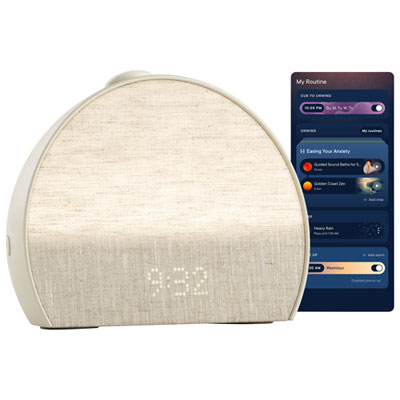 Your price for this item is $229.99
-
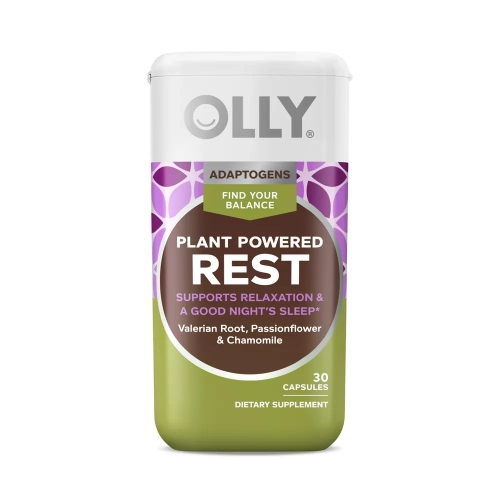 Your price for this item is $54.99
-
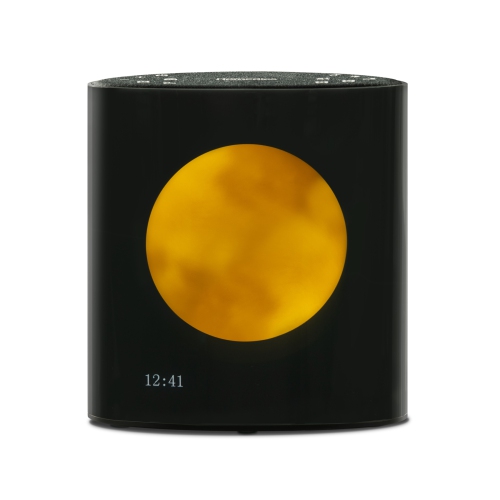 Your price for this item is $84.99
-
 Your price for this item is $69.99
-
 Your price for this item is $29.99
-
 Your price for this item is $55.97
-
 Your price for this item is $699.99
-
 Your price for this item is $199.97
Discover more categories related to Ear Plugs for Swimming
Top Collections:
Best Black Friday Deals This Year, Best Black Friday Deals On Electronics, Kindle Devices, Dyson Airwrap, Best Cameras for Sports Photography, Best Budget Office Chairs, Canon G7X Cameras, PS5 Pro Consoles, Best Black Friday Deals On Apple Products, XBOX One S Consoles
Some products may be subject to Environmental Handling Fees
(EHF) depending on your province.
Learn more about EHFs.