Electrical Panel Breakers
When it comes to managing the electrical supply in your home or office, having the right electrical panel breakers is essential for ensuring safety and efficiency. These crucial components help protect your property from electrical overloads and short circuits by interrupting the flow of electricity when needed. Whether you are looking to replace an existing breaker or upgrade your current system, finding the right electrical panel breakers is key to maintaining a reliable power supply. Explore our selection of high-quality breakers designed to meet a variety of voltage and amperage requirements to keep your electrical systems running smoothly.
Sort
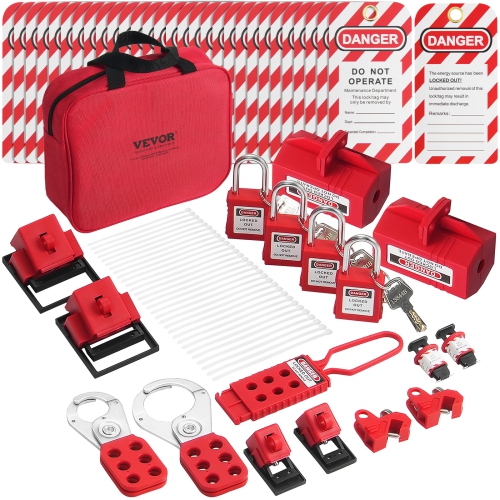
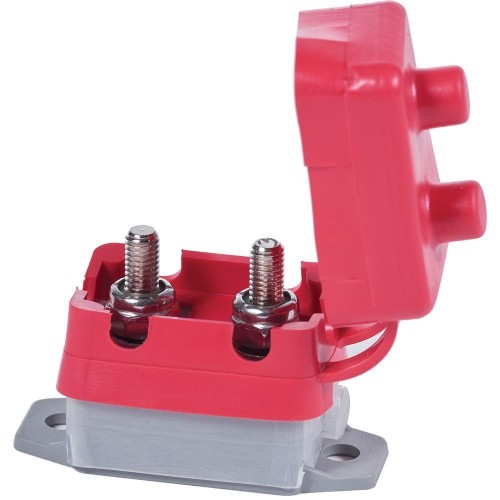
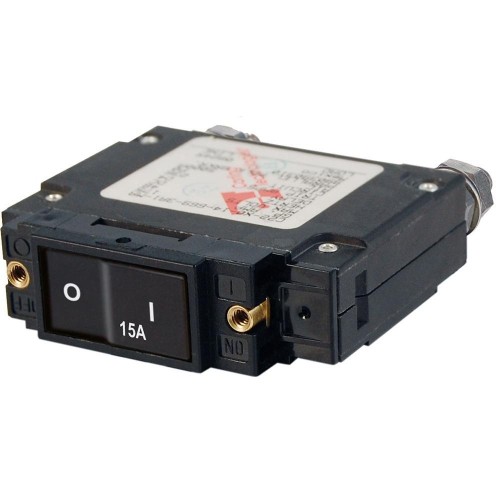
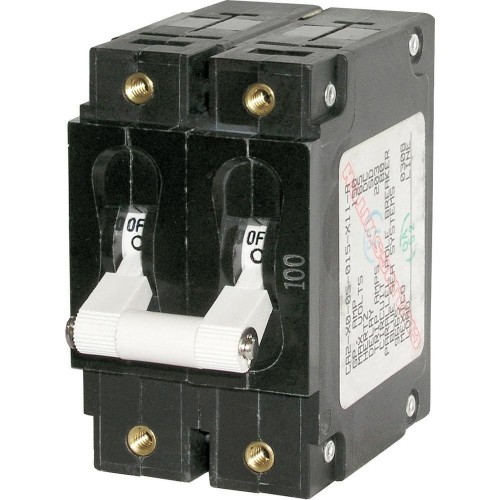
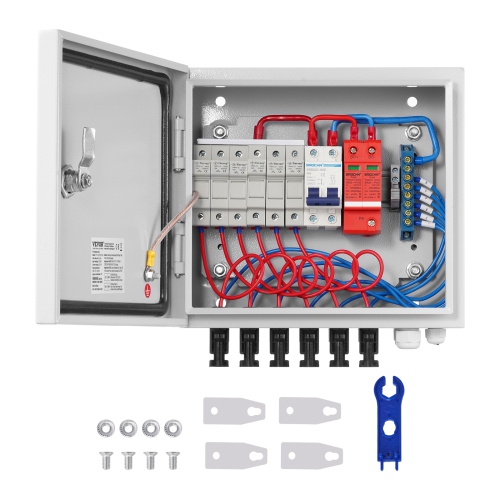
Electrical Panel Breakers
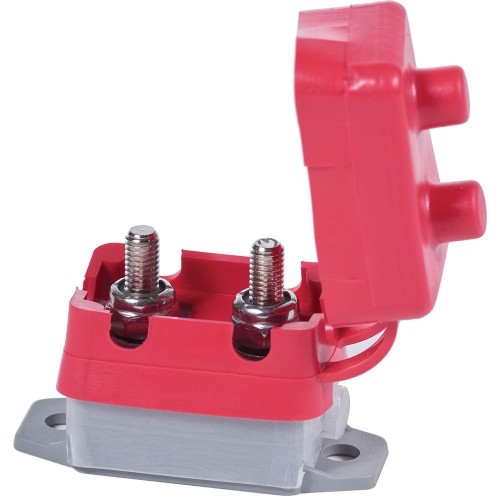
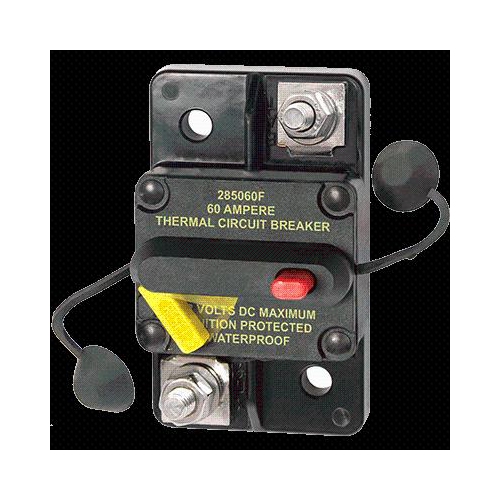
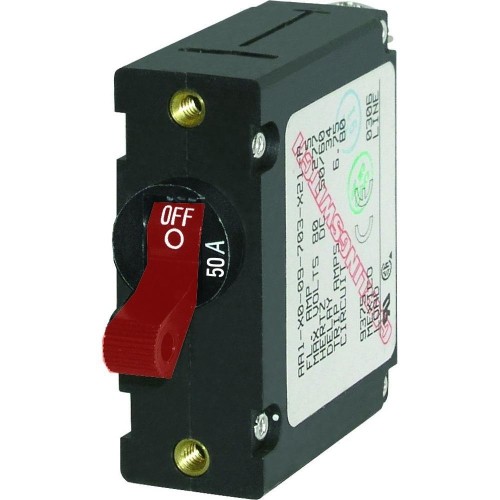
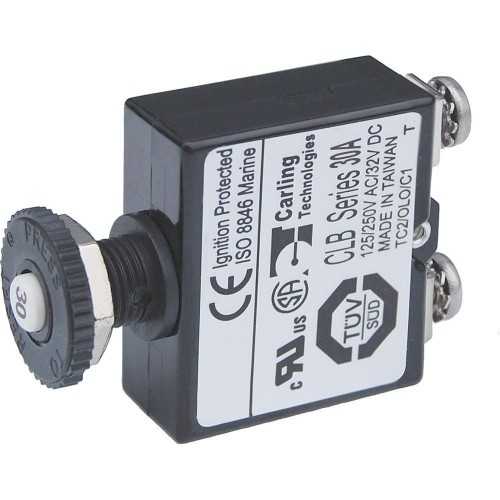
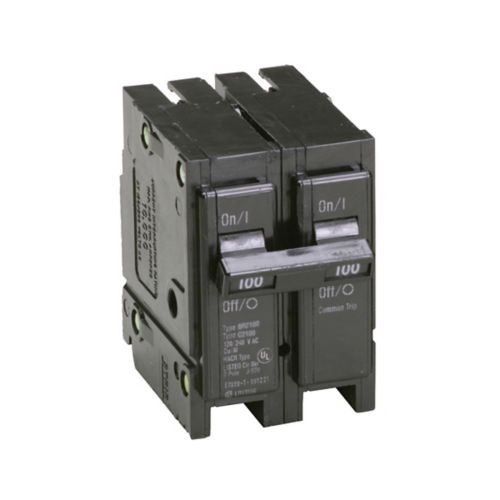
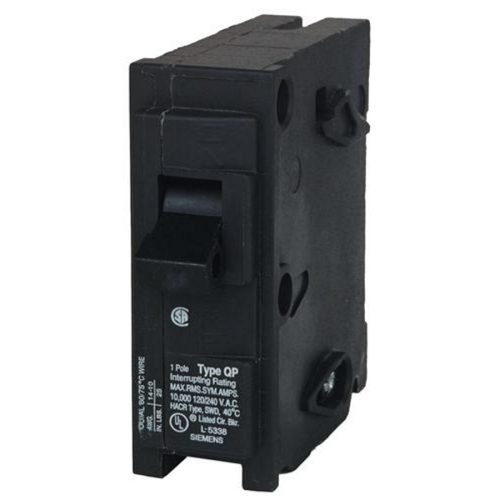
Electrical panel breakers are safety devices installed inside an electrical service panel to control and protect individual circuits throughout a home, workshop, garage, cottage, or other building. When electricity flows normally, a breaker remains on and supplies power to connected lights, receptacles, appliances, and equipment. If a circuit becomes overloaded or develops a short circuit, the breaker is designed to interrupt the flow before the wiring becomes dangerously hot. This can help reduce the risk of electrical damage and fire, but a breaker is not a substitute for proper installation, maintenance, or professional inspection. The right replacement depends on the electrical panel and the circuit it serves, so check the panel label, the existing breaker details, and the manufacturer’s compatibility information before choosing a product. Important specifications may include amperage, voltage, number of poles, interrupting capacity, connection style, and whether the breaker is designed for a particular panel system. A single-pole breaker is commonly used for standard 120-volt circuits serving everyday lighting and wall outlets, while a double-pole breaker generally supplies 240-volt circuits for higher-demand equipment such as ranges, clothes dryers, water heaters, heat pumps, and other major appliances. Some installations use tandem or slim breakers to accommodate additional circuits, but these are only suitable when the panel is specifically designed to accept them. Matching the breaker to the panel is essential; a breaker that appears to fit may not provide the correct electrical connection or protection. If you are replacing a damaged breaker, upgrading a circuit, or adding a new circuit during a renovation, an experienced licensed electrician can confirm the requirements and complete the work safely in accordance with applicable Canadian electrical codes and local inspection rules. A breaker may be useful to a homeowner who wants to keep compatible replacement parts on hand, but installation should not be treated as a casual household repair.
Different breaker types offer different forms of protection, making it important to consider the location and purpose of the circuit rather than selecting only by amp rating. Ground-fault circuit-interrupter, or GFCI, breakers are intended to reduce the risk of electric shock by monitoring the balance of current moving through a circuit and shutting it off when electricity may be escaping through an unintended path. They are commonly associated with areas where water may be present, including kitchens, bathrooms, laundry rooms, unfinished basements, garages, outdoor receptacles, and other damp locations. Arc-fault circuit-interrupter, or AFCI, breakers are designed to detect certain dangerous arcing conditions that can occur when wiring or connections are damaged, loose, pinched, or deteriorated. They are often required for many living areas and other parts of a home, depending on the installation and local code requirements. Combination protection may be available for circuits that need both arc-fault and ground-fault protection, although the correct arrangement depends on the application. Before buying, compare the breaker’s rating with the circuit wiring and connected load; installing a breaker with a higher rating than the wiring can safely support creates a serious hazard. It is also worth checking whether the breaker has a test button, a neutral connection, a pigtail, or other installation feature, as these details affect compatibility and installation time. People planning basement finishing, kitchen updates, workshop improvements, hot tub installations, heating upgrades, or new appliance connections may encounter these decisions as part of a larger electrical project. Property managers and maintenance professionals may also keep approved replacement breakers available for service calls, while homeowners may use the information on this page to organize a conversation with an electrician. For a broader selection of related products and specifications, explore Circuit Breakers.
A breaker that trips is providing important information about the circuit, and resetting it repeatedly without finding the cause can make a problem worse. If power stops in one room or to one appliance, first turn off or unplug equipment connected to the affected circuit, where it is safe to do so. At the panel, move the tripped breaker firmly to the fully OFF position until it clicks, then move it back to ON. Some breakers appear to sit between the two positions, so simply pushing the handle upward may not reset it. If the breaker trips again immediately, trips when a particular appliance is used, feels hot, makes a buzzing or crackling sound, smells burnt, or shows signs of discolouration, leave it off and contact a licensed electrician. Do not remove the panel cover, touch exposed wiring, bypass a breaker, or replace a breaker with one that has a different rating just to restore power. Repeated tripping can point to an overloaded circuit, a defective appliance, damaged wiring, moisture, a short circuit, or a breaker that requires professional assessment. During warmer weather, seasonal equipment such as portable air conditioners, pool pumps, and outdoor tools can place additional demand on circuits; during cooler months, heaters, heated equipment, and holiday lighting may do the same. Spreading high-demand devices across properly rated circuits and avoiding overloaded power bars can help prevent nuisance trips, but it does not correct an underlying electrical fault. When reviewing electrical panel breakers, focus on accurate compatibility, suitable protection, clear labelling, and safe professional installation. Taking a close look at the panel information and the circuit’s purpose before purchasing can save time, prevent an incorrect order, and support a safer result for everyone using the space.
Different breaker types offer different forms of protection, making it important to consider the location and purpose of the circuit rather than selecting only by amp rating. Ground-fault circuit-interrupter, or GFCI, breakers are intended to reduce the risk of electric shock by monitoring the balance of current moving through a circuit and shutting it off when electricity may be escaping through an unintended path. They are commonly associated with areas where water may be present, including kitchens, bathrooms, laundry rooms, unfinished basements, garages, outdoor receptacles, and other damp locations. Arc-fault circuit-interrupter, or AFCI, breakers are designed to detect certain dangerous arcing conditions that can occur when wiring or connections are damaged, loose, pinched, or deteriorated. They are often required for many living areas and other parts of a home, depending on the installation and local code requirements. Combination protection may be available for circuits that need both arc-fault and ground-fault protection, although the correct arrangement depends on the application. Before buying, compare the breaker’s rating with the circuit wiring and connected load; installing a breaker with a higher rating than the wiring can safely support creates a serious hazard. It is also worth checking whether the breaker has a test button, a neutral connection, a pigtail, or other installation feature, as these details affect compatibility and installation time. People planning basement finishing, kitchen updates, workshop improvements, hot tub installations, heating upgrades, or new appliance connections may encounter these decisions as part of a larger electrical project. Property managers and maintenance professionals may also keep approved replacement breakers available for service calls, while homeowners may use the information on this page to organize a conversation with an electrician. For a broader selection of related products and specifications, explore Circuit Breakers.
A breaker that trips is providing important information about the circuit, and resetting it repeatedly without finding the cause can make a problem worse. If power stops in one room or to one appliance, first turn off or unplug equipment connected to the affected circuit, where it is safe to do so. At the panel, move the tripped breaker firmly to the fully OFF position until it clicks, then move it back to ON. Some breakers appear to sit between the two positions, so simply pushing the handle upward may not reset it. If the breaker trips again immediately, trips when a particular appliance is used, feels hot, makes a buzzing or crackling sound, smells burnt, or shows signs of discolouration, leave it off and contact a licensed electrician. Do not remove the panel cover, touch exposed wiring, bypass a breaker, or replace a breaker with one that has a different rating just to restore power. Repeated tripping can point to an overloaded circuit, a defective appliance, damaged wiring, moisture, a short circuit, or a breaker that requires professional assessment. During warmer weather, seasonal equipment such as portable air conditioners, pool pumps, and outdoor tools can place additional demand on circuits; during cooler months, heaters, heated equipment, and holiday lighting may do the same. Spreading high-demand devices across properly rated circuits and avoiding overloaded power bars can help prevent nuisance trips, but it does not correct an underlying electrical fault. When reviewing electrical panel breakers, focus on accurate compatibility, suitable protection, clear labelling, and safe professional installation. Taking a close look at the panel information and the circuit’s purpose before purchasing can save time, prevent an incorrect order, and support a safer result for everyone using the space.
Top selling and popular products
-
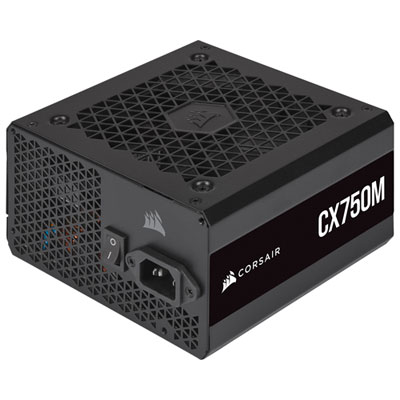 Your price for this item is $124.99
 -
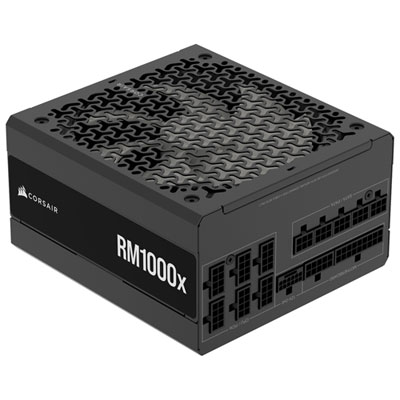 Your price for this item is $264.99
 -
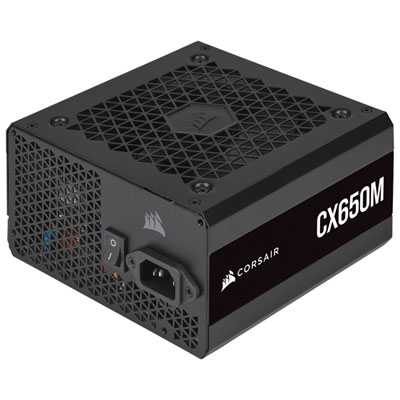 Your price for this item is $109.99
 -
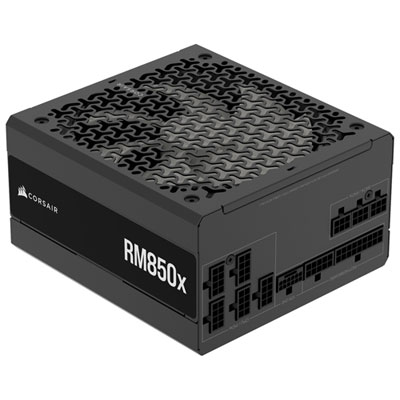 Your price for this item is $209.99
 -
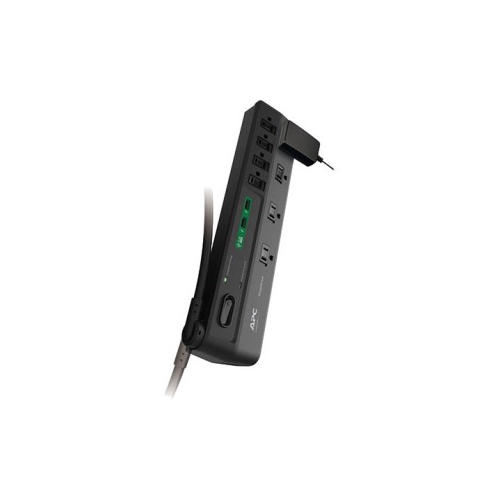 Your price for this item is $60.47
 -
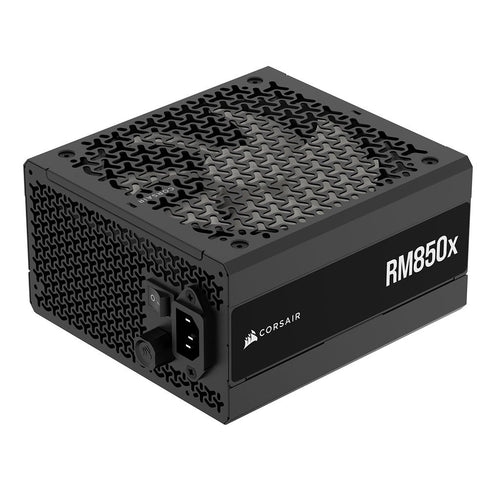 Your price for this item is $199.99
 -
 Your price for this item is $149.99
 -
 Your price for this item is $207.68
Discover more categories related to Electrical Panel Breakers
Top Collections:
Pokemon Centers, Kindle Devices, Budget Smartphones, Budget 4K TVs, Apple iPhones 16, Canon G7X Cameras, iPhone 15 Apple, Alarm Clock, Budget-Friendly Wireless Earbuds, iPhone 14 256GB
Some products may be subject to Environmental Handling Fees
(EHF) depending on your province.
Learn more about EHFs.