Circuit Breaker Panels
Upgrade your electrical system with our selection of circuit breaker panels, essential for safeguarding your home or office against power surges and electrical overloads. Designed to efficiently distribute electricity and protect your devices, our range of circuit breaker panels offers a variety of options to suit different needs and requirements. Whether you're looking to replace an old panel or install a new one, we have the solutions you need to ensure a safe and reliable electrical setup. Browse through our collection and find the perfect circuit breaker panel to keep your space powered up and protected.
Sort
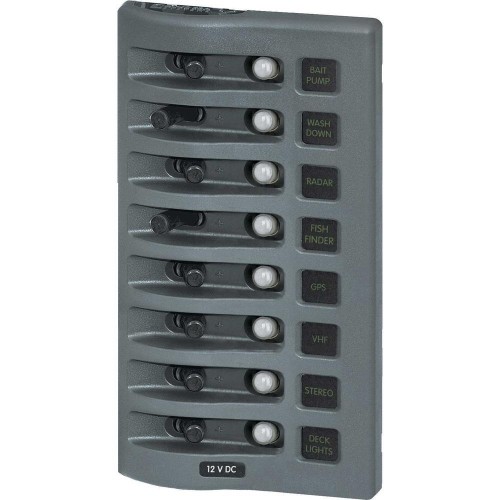
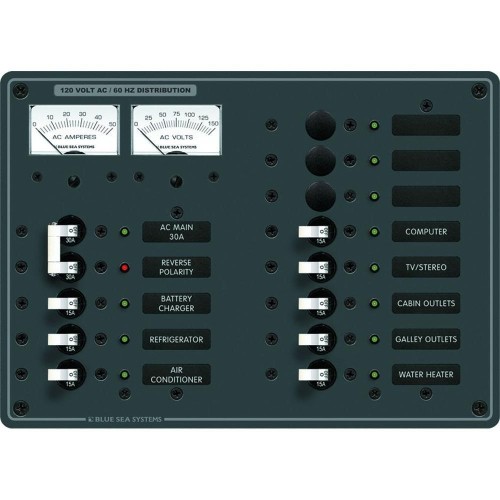
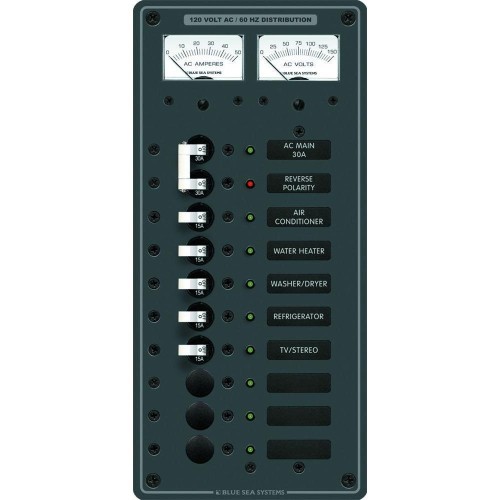
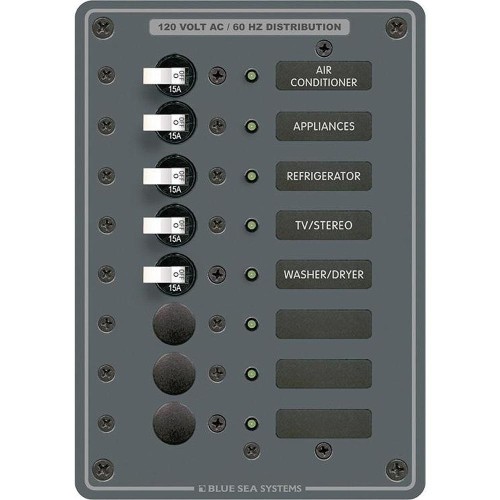
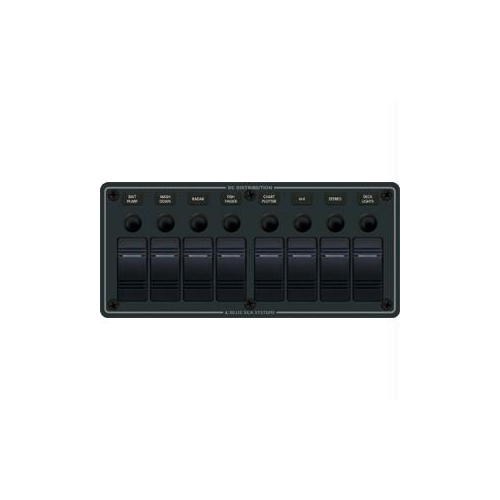
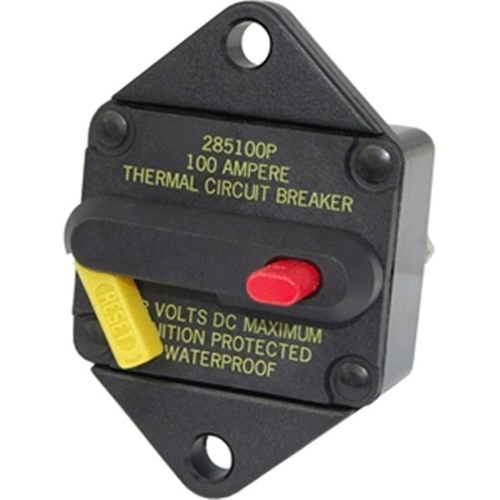
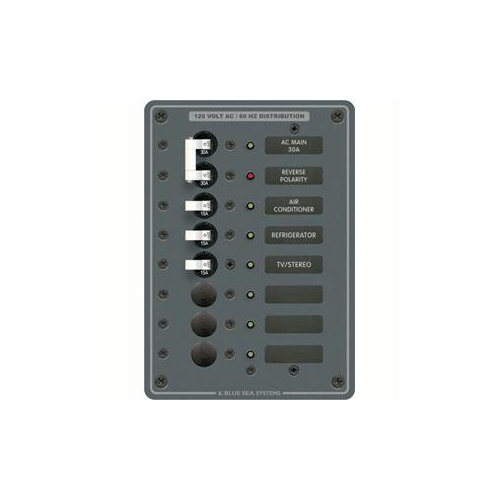

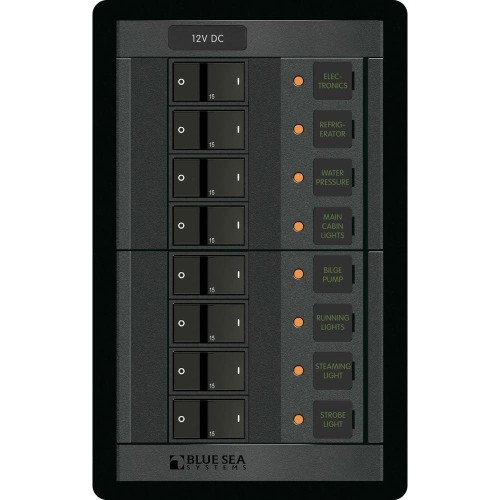
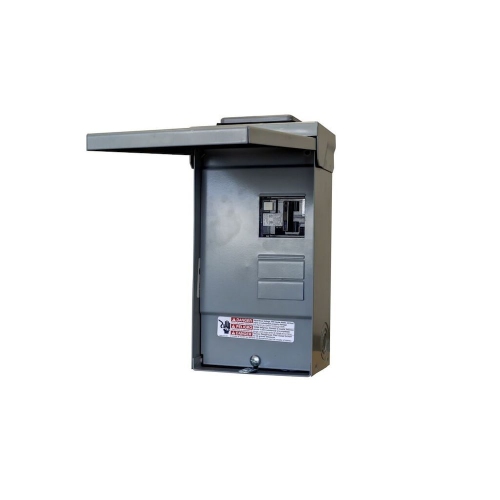
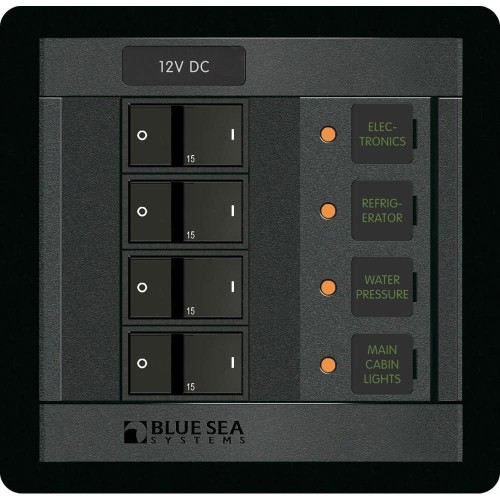
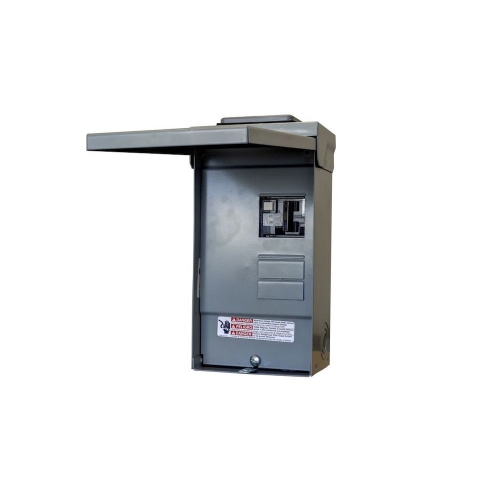

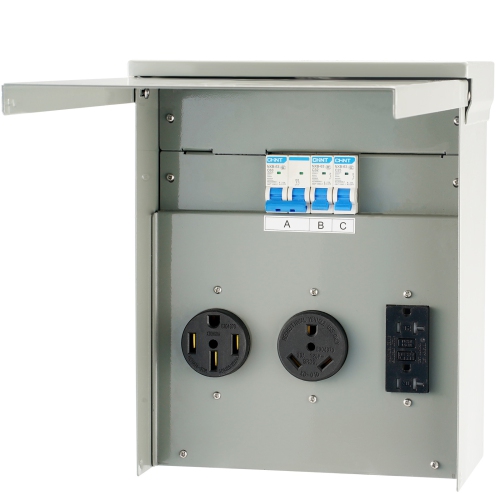
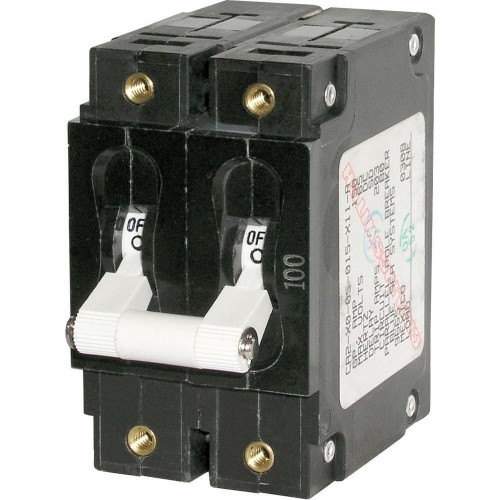
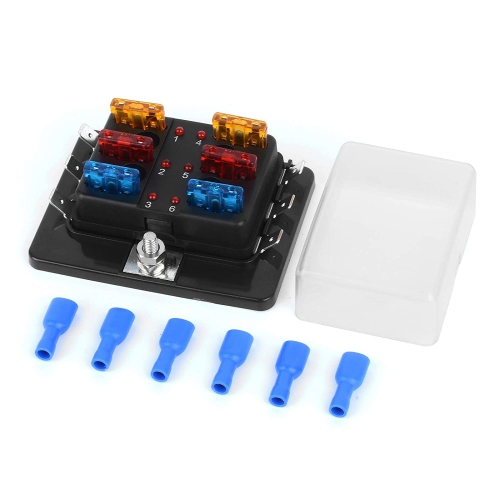
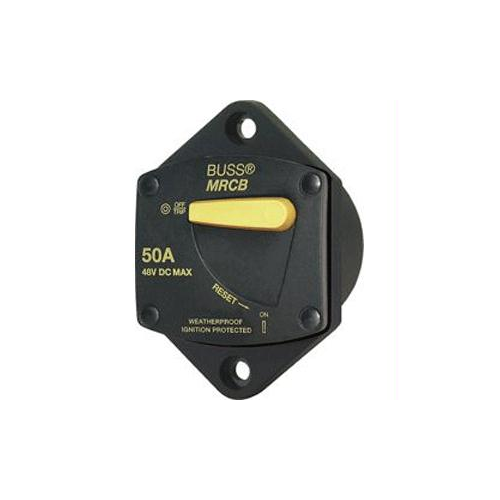
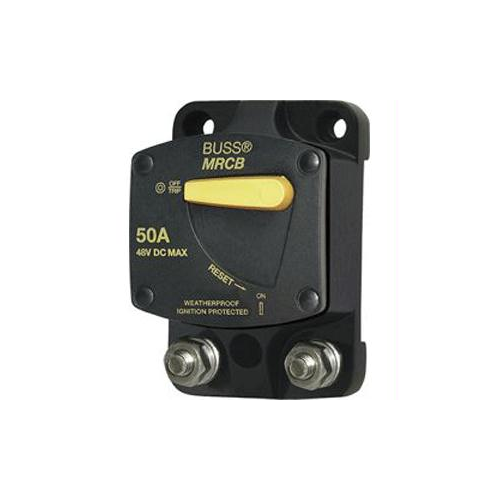
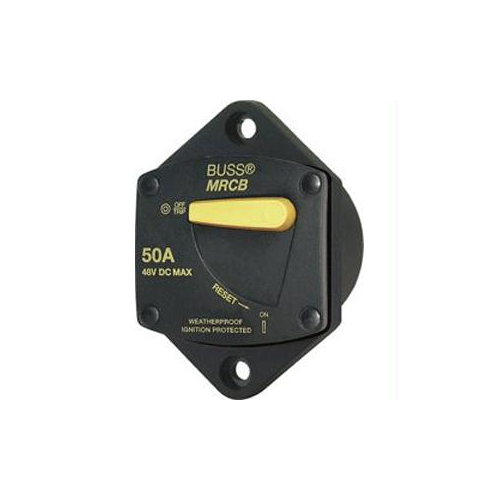
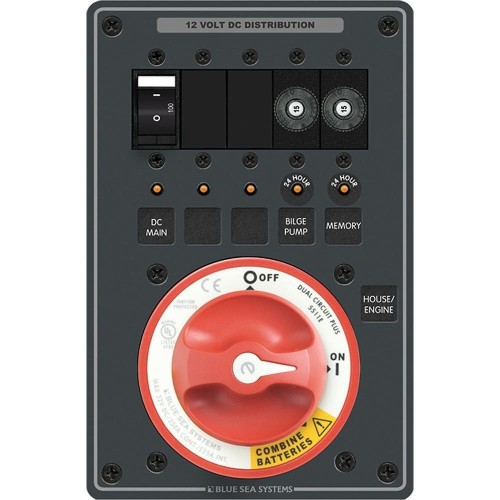
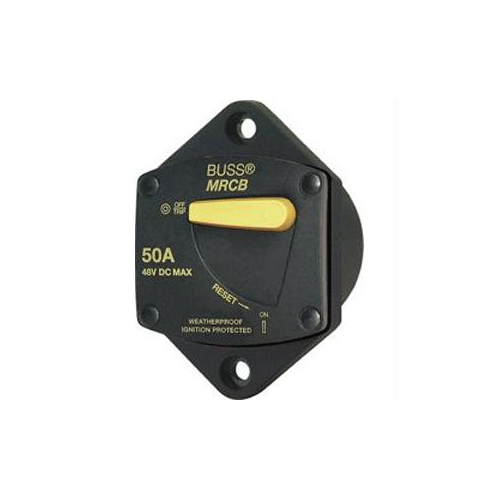
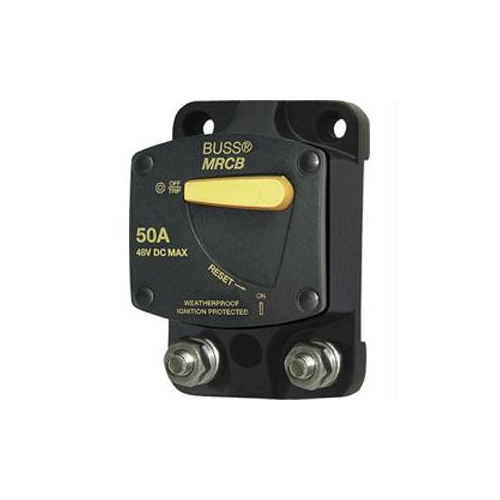
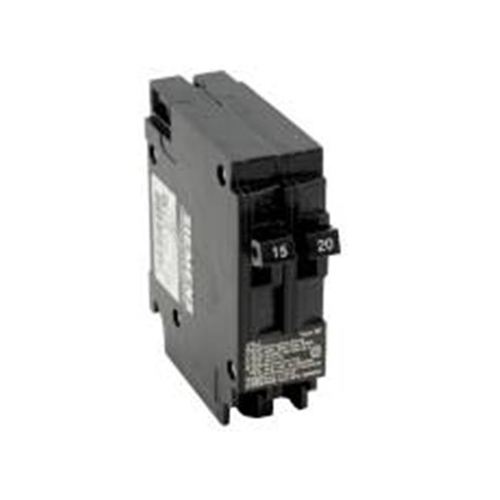
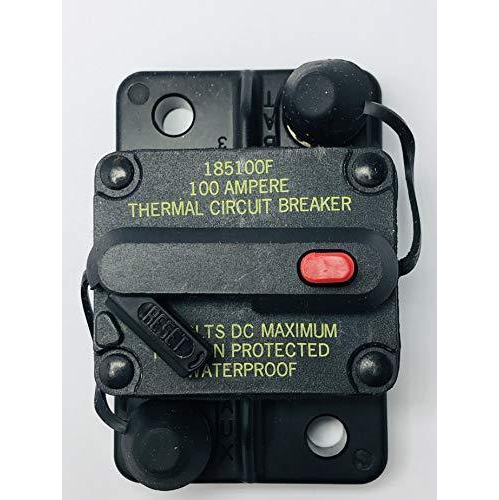
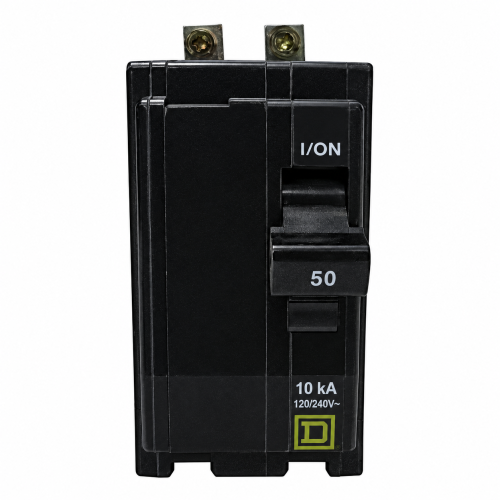
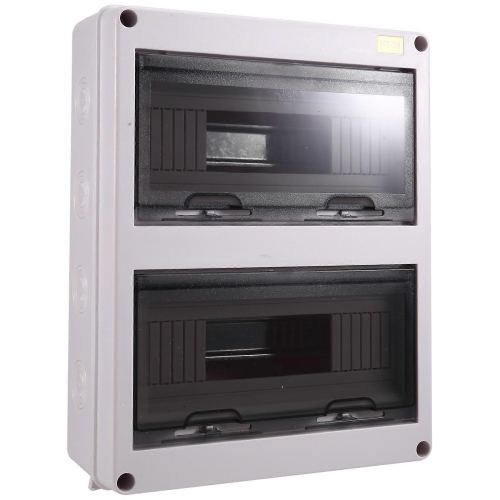
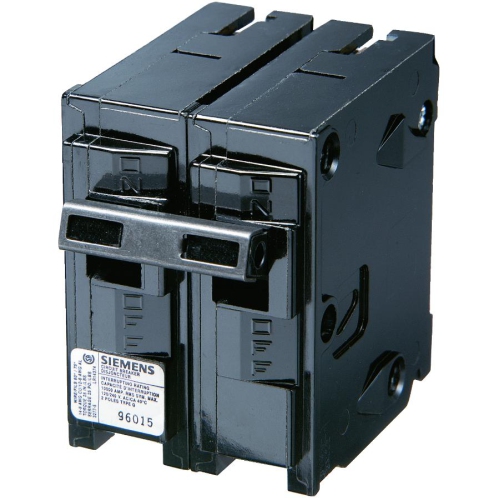
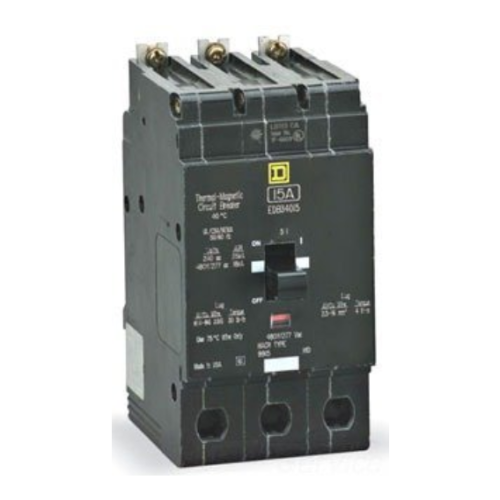
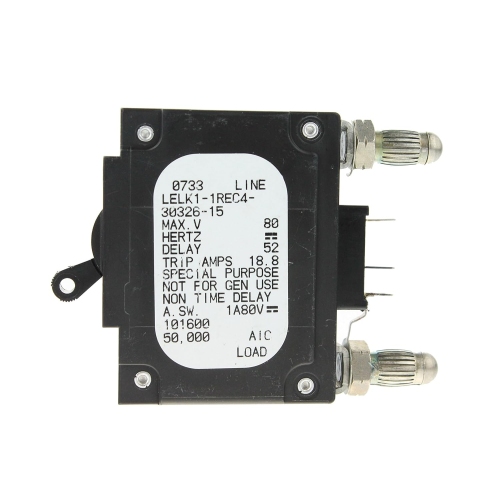


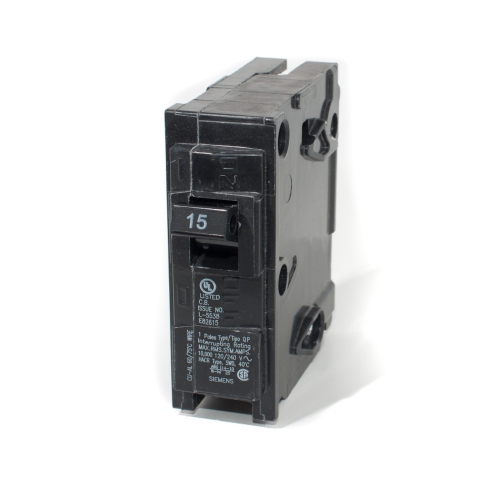
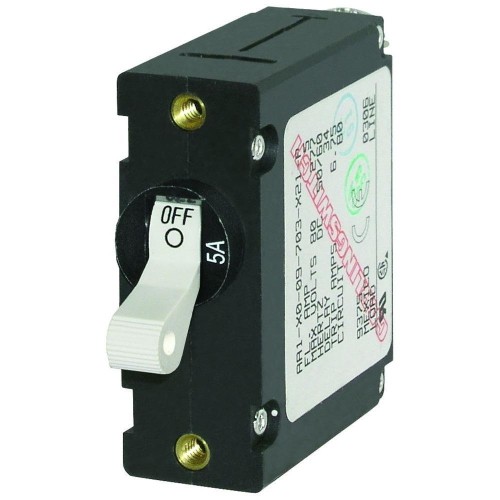
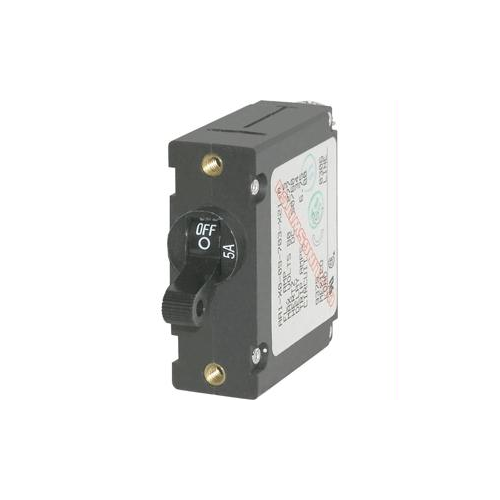
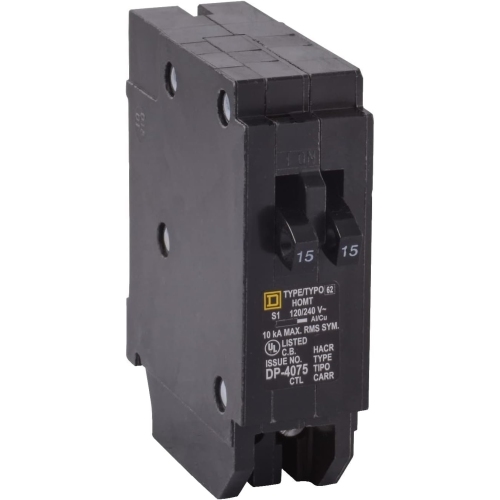
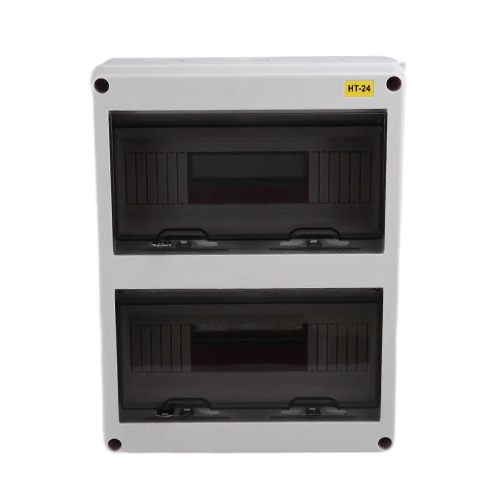
Understand panel capacity, compatibility, installation, and everyday electrical safety
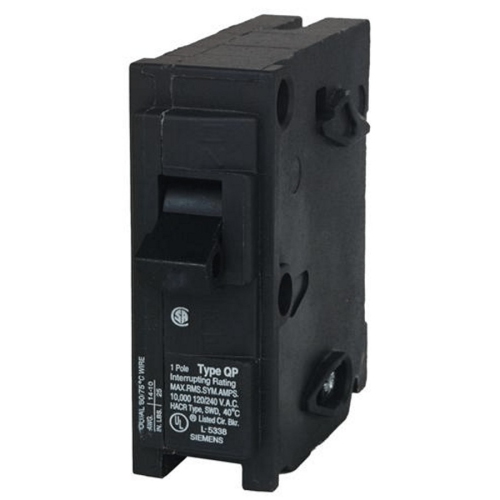
Circuit breaker panels, also called electrical panels, load centres, or breaker boxes, are the central distribution points for electricity in a home, workshop, garage, cottage, or commercial space. Power enters the panel from the utility service and is divided among individual branch circuits, allowing lighting, receptacles, appliances, heating equipment, and other connected loads to operate through dedicated protective devices. Inside the enclosure, bus bars distribute power to the breakers, while neutral and ground bars provide the proper paths for returning current and fault protection. A main breaker may act as the master disconnect for the entire panel, while smaller branch breakers protect individual circuits from excessive current. When a circuit draws more electricity than its wiring is designed to handle, the corresponding breaker trips to interrupt the flow and help prevent overheating. This makes the panel an important part of a building’s electrical safety system, as well as a practical way to organize and control power throughout the property. Some panels are designed for new construction, while others are selected to replace outdated equipment, add capacity, or accommodate additional circuits during a renovation. Older properties may have limited space, fuse-based systems, or service ratings that no longer suit modern electrical demands. Homes with electric vehicle charging equipment, heat pumps, workshops, hot tubs, kitchen renovations, or extensive home office setups may need a panel with more available capacity and room for properly sized breakers. A qualified electrician can assess the existing service, wiring, enclosure, and local requirements before recommending a suitable replacement or expansion.
Choosing a circuit breaker panel involves more than counting the number of switches on the front. Start by confirming the service rating and voltage required for the property, then consider the number of spaces available for present and future circuits. A panel with extra spaces can provide useful flexibility when a finished basement, detached garage, workshop, or other addition may be wired later, but every installation must remain within the limits of the incoming service and the building’s electrical design. Compatibility is also essential: breakers must be approved for use with the panel and installed according to the manufacturer’s specifications. The enclosure’s dimensions, mounting style, wiring entry points, and indoor or outdoor rating should match the installation location. Panels intended for damp or exposed areas require suitable weather-resistant protection, while indoor installations may call for a different enclosure style. Buyers should also review whether a main breaker is included, whether the panel supports the desired number and type of branch breakers, and whether neutral and ground connections are configured for the intended application. Circuit protection may include standard breakers as well as specialized options for areas or equipment that call for additional protection, such as ground-fault or arc-fault interruption. These devices are not interchangeable, and the correct choice depends on the circuit, location, load, and applicable Canadian electrical requirements. For related electrical protection and replacement planning, shoppers can also explore Ac Circuit Breakers. Product specifications should be checked carefully for certification markings, allowable wire sizes, maximum breaker ratings, and compatibility with the existing electrical system. An electrician can also determine whether the building needs a service upgrade rather than simply a larger panel; installing a panel with more spaces does not automatically increase the amount of electricity available from the utility.
Circuit breaker panels are typically purchased by homeowners planning renovations, landlords maintaining rental properties, contractors completing construction projects, and tradespeople preparing electrical upgrades. They can also be useful for cottage owners or workshop users who are adding circuits for tools, freezers, lighting, or seasonal equipment, particularly when the existing panel has little room left. While a panel is not generally a casual gift, it can be a practical part of a planned home improvement project when selected with the installer and matched to the property’s electrical needs. Clear circuit identification is an important everyday detail after installation. Labels should describe the actual area or equipment controlled by each breaker, such as kitchen receptacles, basement lighting, laundry, furnace, or garage outlets, rather than relying on vague notes. Keeping the panel directory accurate makes it easier to shut off one circuit for maintenance and helps occupants locate the correct breaker if power is interrupted. If a breaker trips, the switch may rest in a middle position; resetting normally involves moving it fully to the OFF position and then back to ON, but repeated trips should not be ignored. Persistent tripping, buzzing, burning odours, warmth around the enclosure, visible damage, flickering lights, or signs of moisture warrant prompt attention from a licensed electrician. Electrical panels contain hazardous voltages even when some branch breakers are switched off, so installation, replacement, internal wiring, service changes, and troubleshooting should be handled by a qualified professional. During warmer weather and the cooler months alike, a properly selected and professionally installed panel provides a dependable foundation for distributing electricity safely, keeping household circuits organized, and supporting the equipment used throughout a modern Canadian property.
Top selling and popular products
-
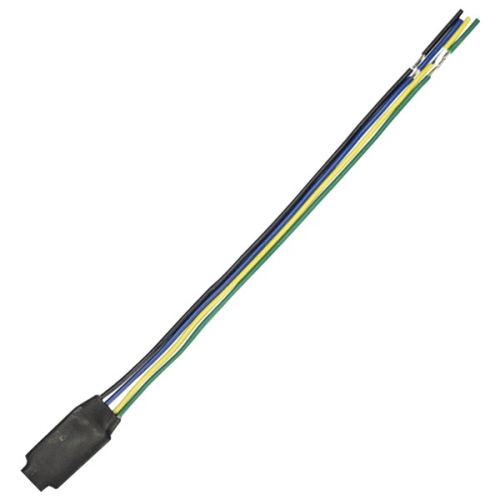 Your price for this item is $49.98
-
 Your price for this item is $61.04
-
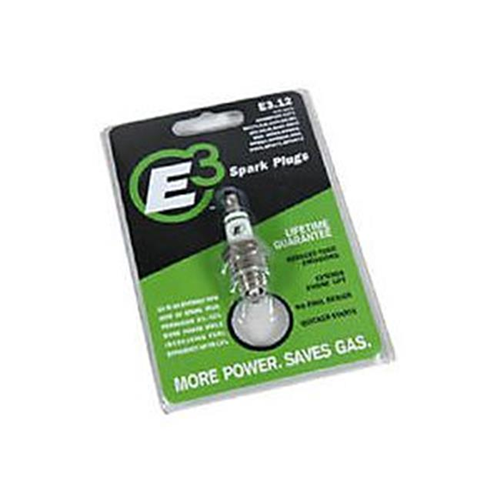 Your price for this item is $28.03
-
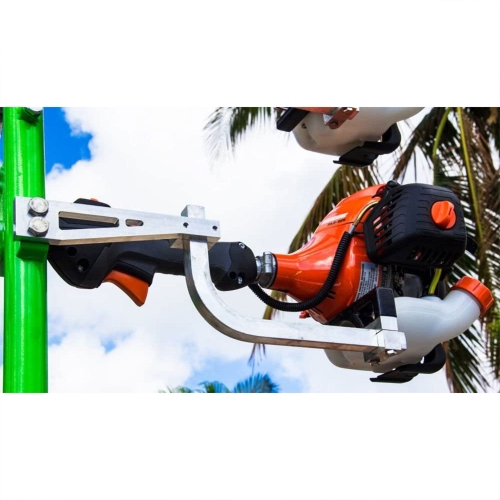 Your price for this item is $959.99
-
 Your price for this item is $143.99
-
 Your price for this item is $124.99
-
 Your price for this item is $460.99
-
 Your price for this item is $799.99
Discover more categories related to Circuit Breaker Panels

Top Collections:
Pokemon Centers, Best Cameras for Sports Photography, Kindle Devices, Samsung Galaxy Phones, Canon G7X Cameras, Pokémon 30th Celebration Cards, Refurbished Apple Laptops, iPhone 15 Apple, Laptops for Students, Budget Smartphones
Some products may be subject to Environmental Handling Fees
(EHF) depending on your province.
Learn more about EHFs.