Emergency Preparedness for Families
Emergency Preparedness For Families is all about ensuring peace of mind when unexpected situations arise. Being ready for emergencies means having the right tools and supplies on hand to keep your loved ones safe and comfortable. Explore a wide range of essentials designed to help families stay organized, connected, and prepared for any scenario. With reliable options available, you can confidently build a plan that fits your household’s needs and helps you respond effectively during critical moments.
Sort


A 72-hour kit that works for your whole household
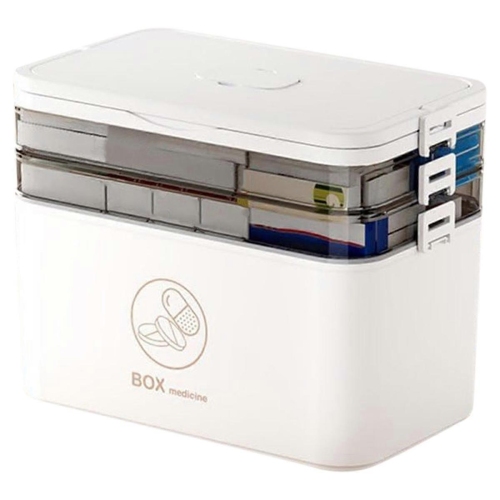
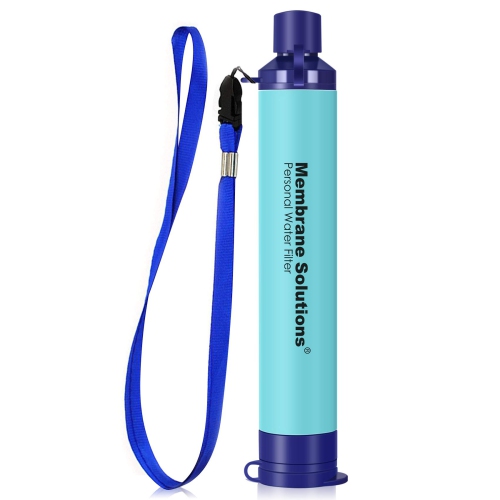
Emergency preparedness for families starts with supplies that suit the people in the household, the space they live in, and the disruptions they may face. A power outage in a high-rise apartment brings different practical needs from a winter storm that makes a rural road difficult to travel. Across Canada, a useful baseline is enough essentials for every household member to manage for at least 72 hours, with additional capacity where local guidance or individual needs call for it. Emergency preparedness products support that goal by helping families maintain access to drinking water, food, light, information, warmth, and basic personal care when everyday routines are interrupted. Water storage deserves particular attention: Canadian preparedness guidance generally calls for at least two litres of drinking water per person per day, plus another two litres per person per day for cooking and cleaning. Food-grade containers with secure closures, manageable carrying weights, and shapes that fit the available storage space make those quantities easier to accommodate. A large container may be practical in a ground-floor cupboard but awkward for someone who needs to carry supplies down several flights of stairs. Durable storage bags and bins help keep household emergency supplies together, while divided compartments make smaller essentials easier to find without emptying everything onto the floor. Water-resistant fabrics can help protect against splashes, but they are not necessarily waterproof; closures, seams, and the manufacturer’s stated protection matter as much as the outer material. Supplies intended to stay at home can favour capacity, while those intended for an evacuation need to balance usefulness with a realistic carrying weight. A family emergency kit also needs room for personal necessities, including medications, copies of important documents, and supplies for infants or pets where relevant. The most useful assortment is not simply the largest one. It is a collection that household members can locate, carry, open, and use when the hallway is dark or familiar routines have been disrupted.
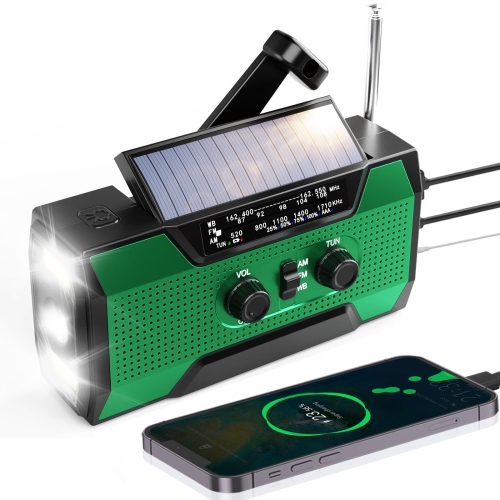
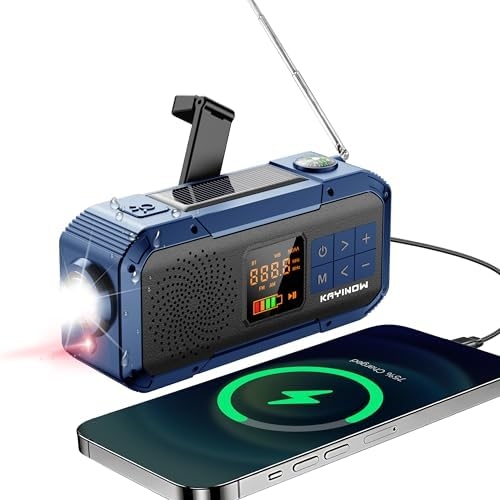
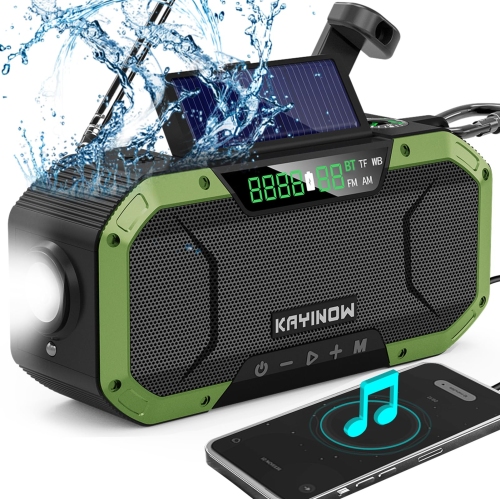
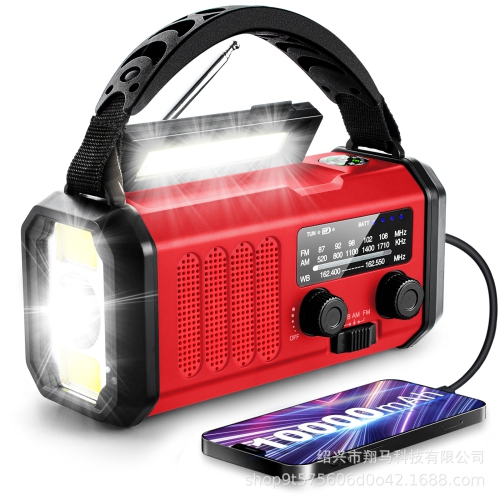
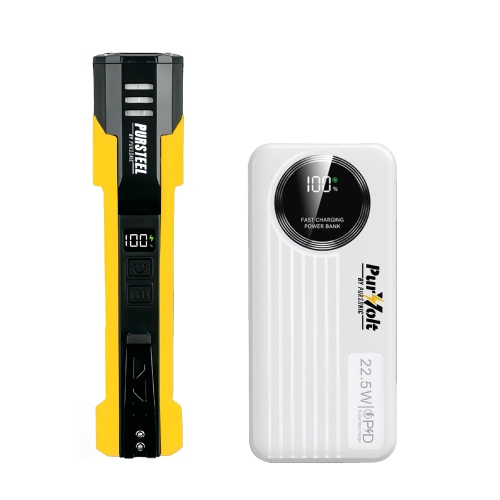
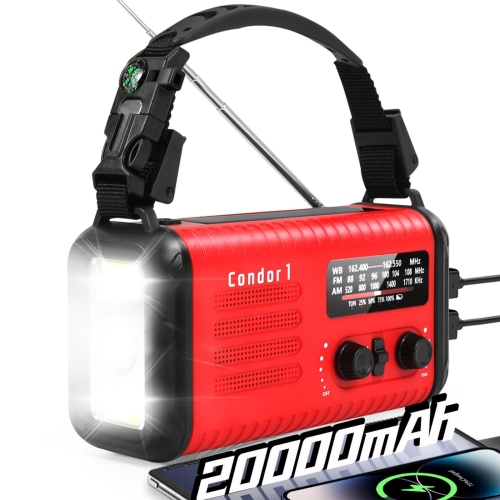
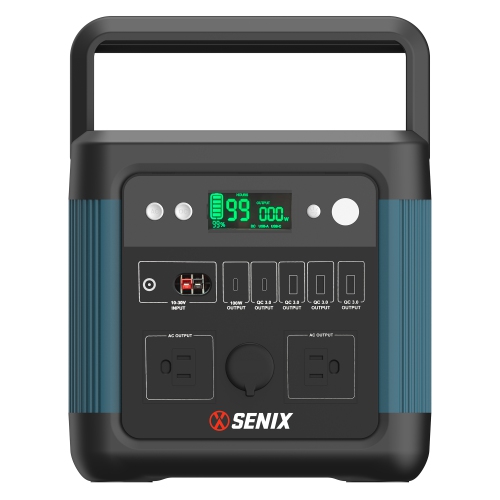
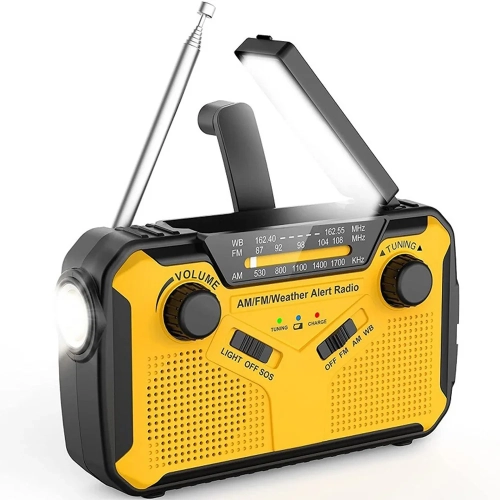
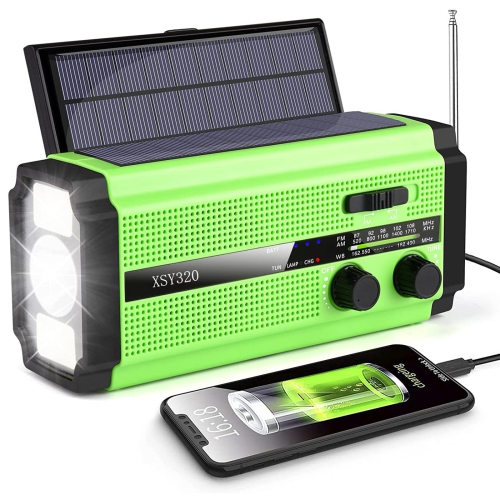
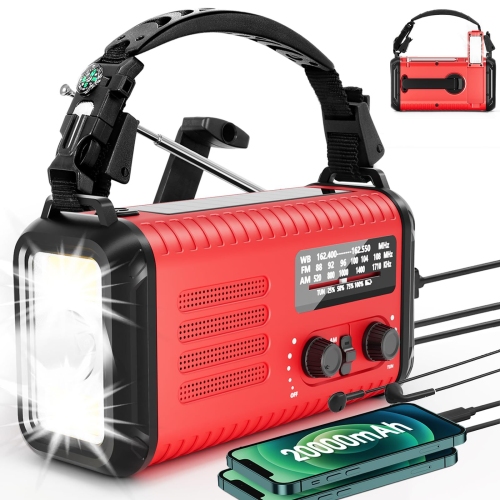
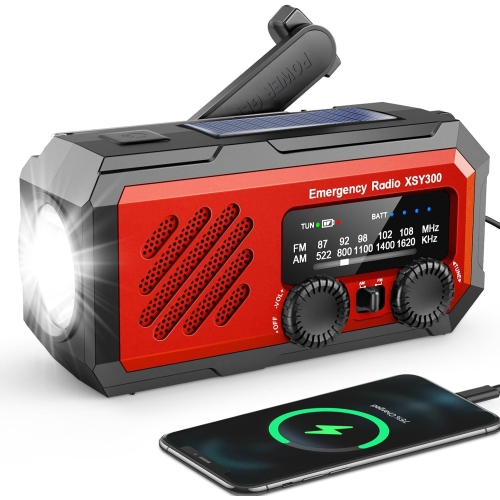
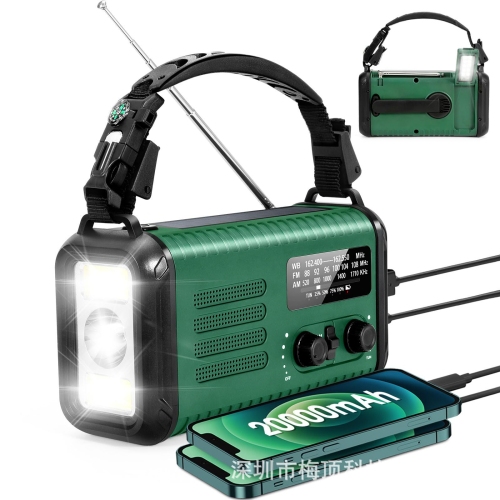
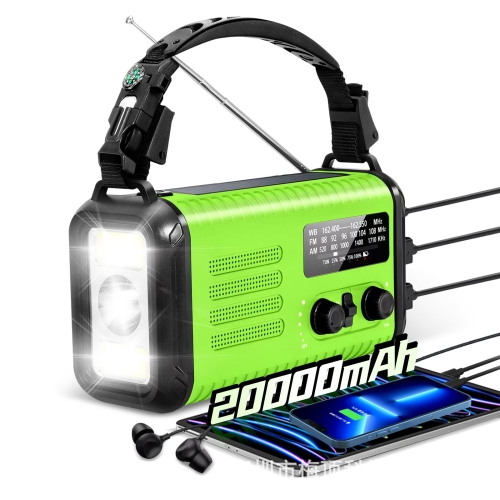
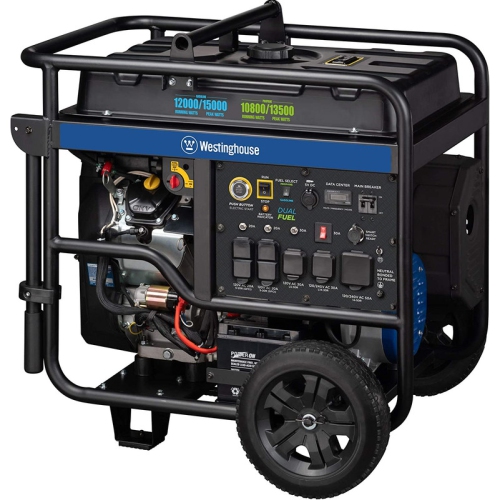
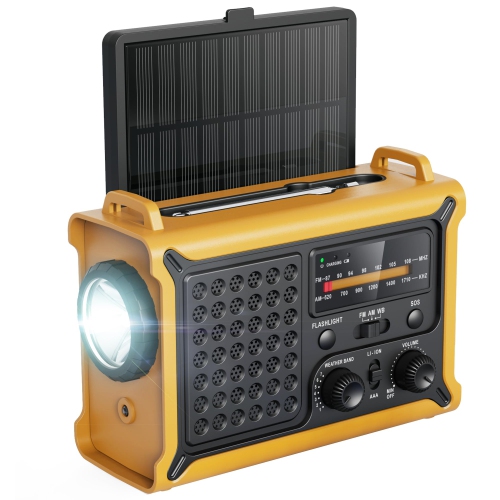
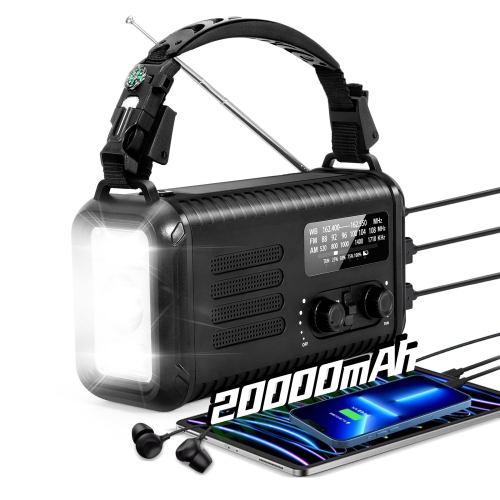
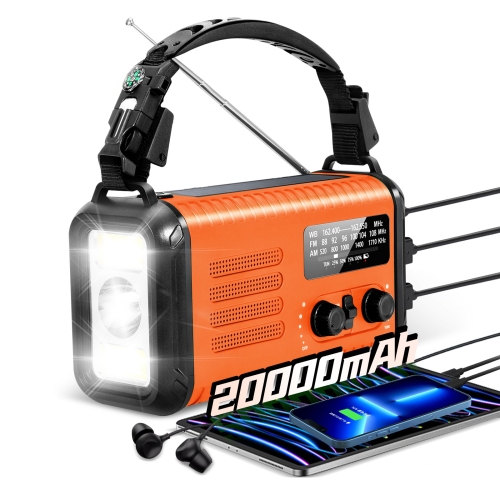
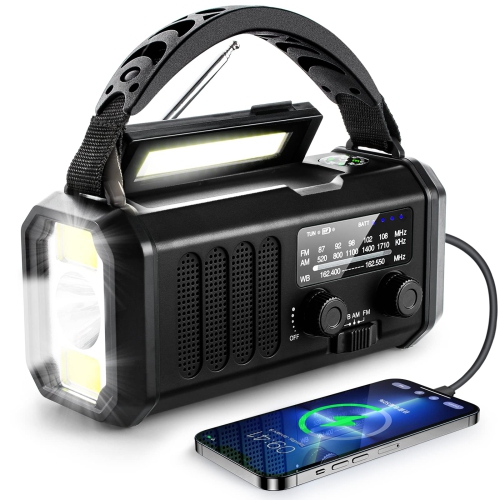
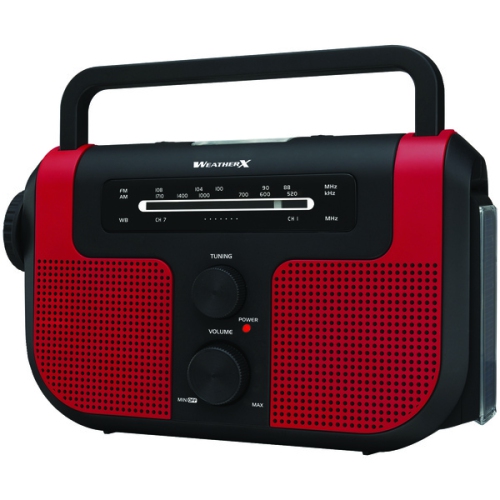
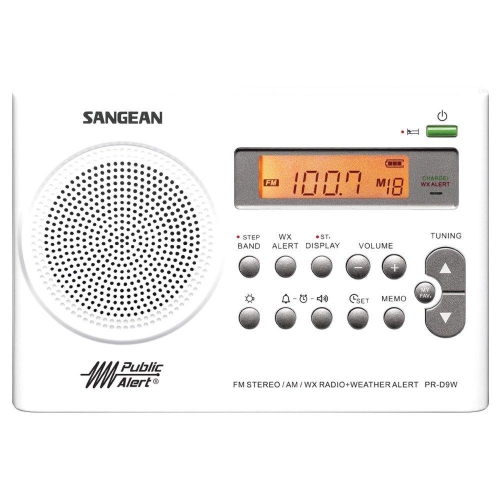
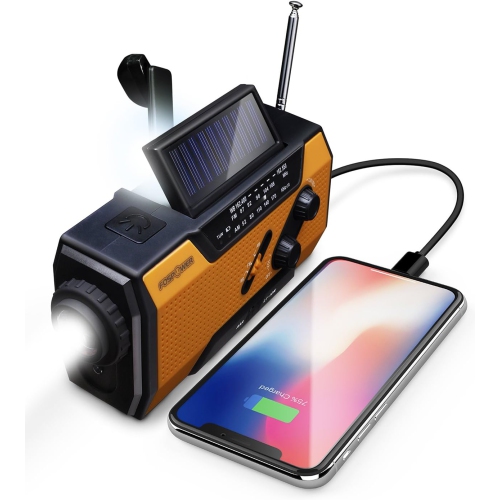
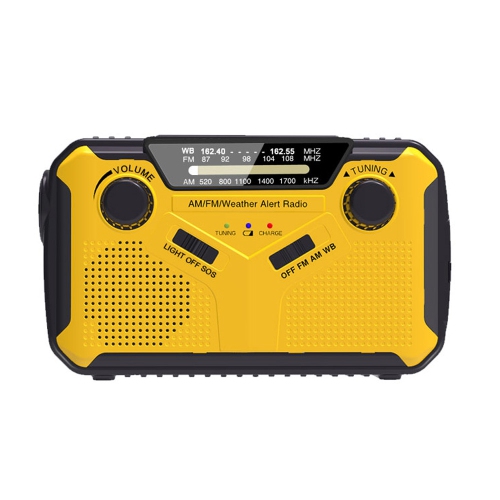
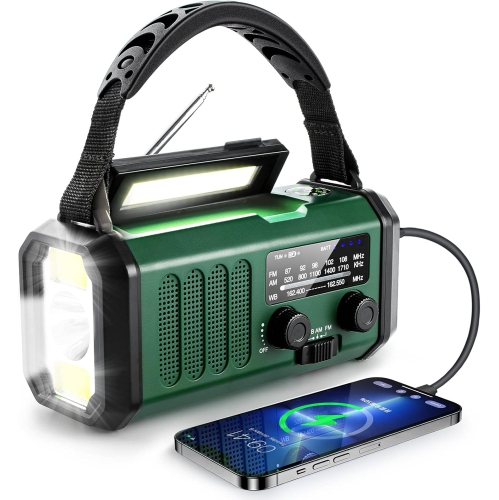
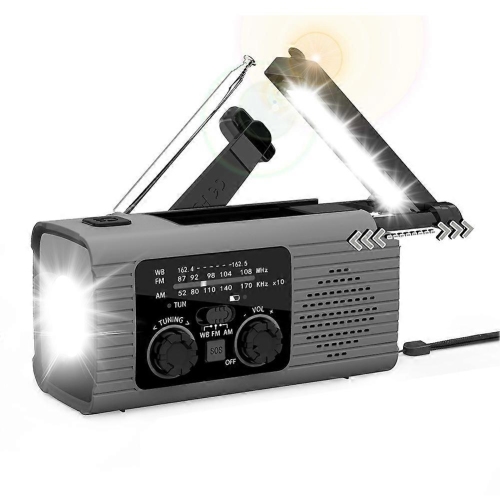
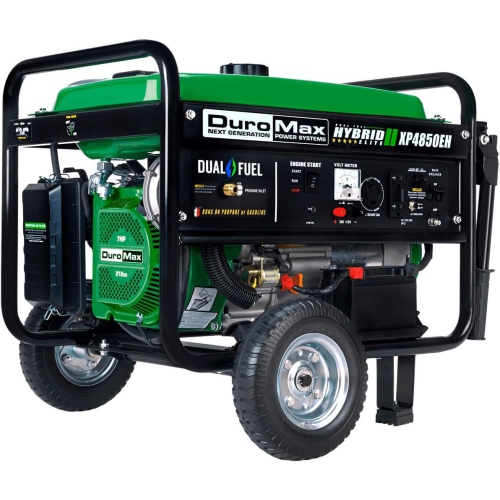
Lighting, portable power, and access to emergency information are central to many family preparedness collections, particularly during the cooler months when daylight is shorter. Useful lighting depends on the task: broad illumination can make a shared room more comfortable, while a focused beam helps someone navigate stairs or check a doorway. Hands-free operation is especially helpful for a caregiver carrying a child or supporting a relative. Brightness alone does not tell the whole story; runtime at the selected setting, stability on a flat surface, grip, and controls that are easy to distinguish by touch all affect everyday usefulness. An advertised maximum runtime may apply only to the lowest setting, so performance details deserve a closer look. Battery-powered equipment offers flexibility when wall outlets are unavailable, but battery type, charging connections, and storage requirements should suit the household. Portable power capacity also needs to match its intended use. Keeping a phone charged is a different demand from running a household appliance, and both the supported output and the expected operating time matter. Manufacturer estimates can vary with the connected load, temperature, and battery condition. For electrically powered medical equipment, backup arrangements need to be confirmed with the equipment provider or healthcare team rather than based on a general-purpose power rating alone. Charging a mobile device does not guarantee access to calls, alerts, or messages if local networks are disrupted, which makes an independent way to receive local broadcasts a useful consideration. Reception, clear sound, straightforward tuning, and more than one power option can be more valuable than a complicated feature set. The Emergency Preparedness Gadgets page brings the technology side of this theme into focus, alongside the broader household supplies that support a family during an interruption. For any powered equipment, intended use and safety instructions remain essential. Fuel-burning generators must never be operated indoors or in a garage, even with the door open, and must be kept outdoors well away from windows, doors, and vents because of carbon monoxide risk. Battery-based equipment has its own charging, ventilation, and temperature limits, which should be checked before storage or use.
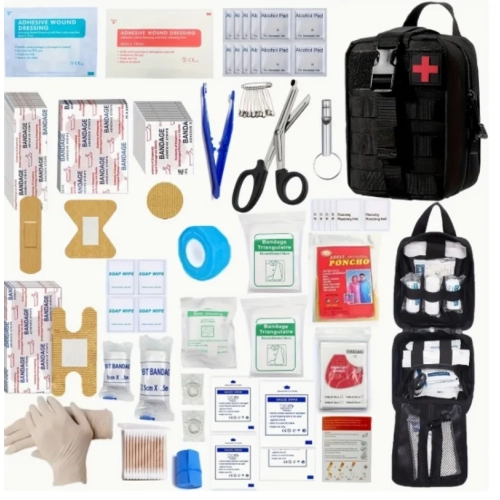
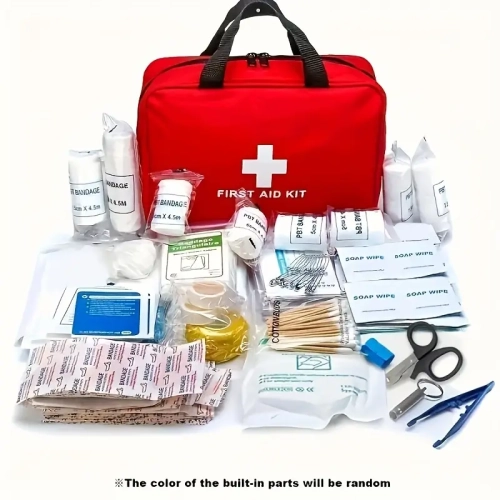
Comfort, accessibility, and care are what make emergency supplies practical for an entire family rather than just suitable on paper. Warmth-related products should suit the expected conditions and the person using them, with attention to coverage, fit, fabric feel, and ease of movement. A compact emergency covering can have a useful role, but it is not equivalent to insulated bedding or appropriate outdoor clothing in prolonged cold. For children, familiar textures and properly sized layers can make an unfamiliar setting less unsettling; loose cords, small detachable parts, and accessible batteries need particular care around younger household members. Older adults and people with limited hand strength may find large zipper pulls, readable labels, and easy-grip handles more useful than tightly packed designs with fiddly closures. Where a family may need to leave home, a bag that feels comfortable during a short lift may feel very different over a longer walk. Adjustable straps, balanced weight distribution, and enough separate space for each person’s necessities help make carrying supplies more manageable. Basic first aid and hygiene supplies also need to reflect household size and individual requirements, while remaining clearly labelled and protected from moisture. Regular care preserves the usefulness of the whole collection: washable storage surfaces should be cleaned according to their instructions and dried fully, expiry dates need periodic attention, and stored electronics should be checked and charged at the intervals their manufacturers specify. Keeping equipment away from damp floors and excessive heat helps protect materials and batteries; a vehicle exposed to freezing temperatures may not be suitable for every product. Supplies work best alongside a household plan that identifies local risks, meeting places, an out-of-area contact, and arrangements for pets or anyone needing assistance. That planning gives each purchase a clear purpose, whether it is helping a parent find essentials during an overnight outage, supporting a grandparent through an interruption, or keeping a family’s necessities together when leaving home becomes necessary.
Top selling and popular products
-
 Your price for this item is $76.59
-
 Your price for this item is $99.99
-
 Your price for this item is $81.54
-
 Your price for this item is $40.99
-
 Your price for this item is $59.99
-
 Your price for this item is $44.99
-
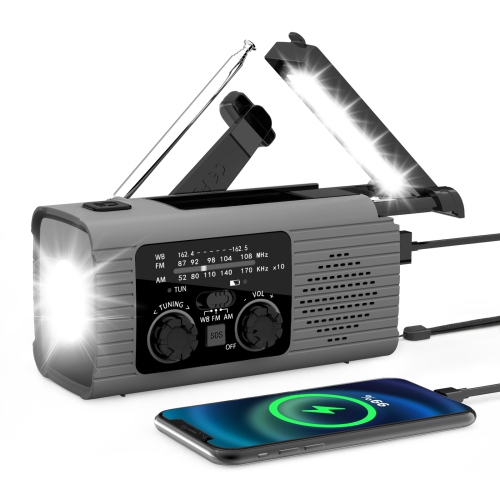 Your price for this item is $86.99
-
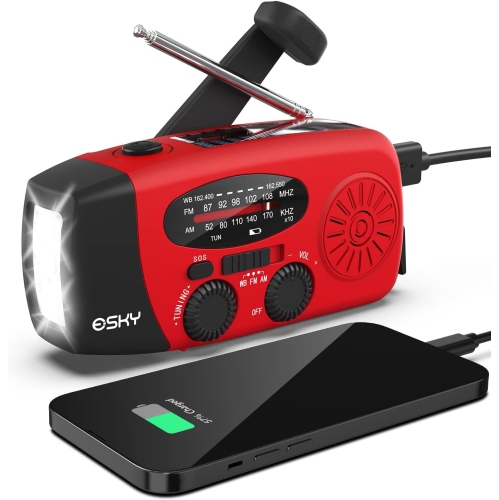 Your price for this item is $21.42
Discover more categories related to Emergency Preparedness for Families
Top Collections:
Pokemon Centers, Best Cameras for Sports Photography, Kindle Devices, Samsung Galaxy Phones, Canon G7X Cameras, Pokémon 30th Celebration Cards, Refurbished Apple Laptops, iPhone 15 Apple, Laptops for Students, Budget Smartphones
Some products may be subject to Environmental Handling Fees
(EHF) depending on your province.
Learn more about EHFs.